
Organic search still drives roughly a third of all ecommerce website traffic. Yet most online stores leave that channel underbuilt -- relying on paid ads alone while competitors quietly capture high-intent buyers through search. A strong ecommerce SEO strategy changes that equation, turning your product catalog into a compounding traffic asset that reduces acquisition costs over time.
If you run a DTC brand or growth-stage store, this guide gives you the framework to build (or fix) your organic search foundation -- from keyword research through technical execution to the emerging AI search surfaces that now influence how shoppers discover products.
SEO for ecommerce websites is fundamentally different from SEO for content sites or SaaS companies. The challenges are specific:
These realities mean you need a purpose-built approach, not a generic checklist. The payoff is significant: organic traffic compounds month over month, and unlike paid channels, it does not reset to zero when you pause spend. For a deeper look at how search engine positioning directly impacts traffic volume, the data is clear -- ranking improvements translate directly to revenue.
Effective ecommerce keyword research starts with intent, not volume. Organize your keyword targets into three tiers:
| Intent Tier | Example Keywords | Target Page Type |
|---|---|---|
| Transactional | "buy organic cotton sheets queen" | Product page |
| Commercial investigation | "best organic cotton sheets 2026" | Category or comparison page |
| Informational | "organic cotton vs bamboo sheets" | Blog post or buying guide |
Practical steps to build your keyword map:
An experienced ecommerce SEO specialist will typically start here, because the keyword map dictates every optimization decision that follows.
Technical issues kill ecommerce sites quietly. A store can have great products and strong content, but if search engines cannot efficiently crawl and index the catalog, none of it surfaces in results.
Search engines allocate a finite crawl budget to each domain. Ecommerce sites waste that budget when faceted navigation creates thousands of parameter-based URLs that add no unique value. Address this by:
noindex or blocking them via robots.txtGoogle's Core Web Vitals remain a ranking factor, and for ecommerce, speed directly affects conversion rates. Key metrics to monitor:
Schema markup is no longer optional for ecommerce stores. Implementing Product schema enables rich results that display price, availability, ratings, and shipping information directly in search results.
Priority schema types for ecommerce:
Proper technical execution is where comprehensive ecommerce SEO packages deliver the most immediate impact, because these fixes often unlock rankings that content alone cannot achieve.
Your product and category pages are your money pages. Optimizing them correctly determines whether search traffic converts.
Category pages often have the highest ranking potential for competitive head terms. Strengthen them by:
Building brand trust through your SEO presence matters here -- shoppers who land on a well-structured category page with clear product information, reviews, and transparent policies are far more likely to convert.
Product pages alone will not capture the full range of search queries your buyers use. A content strategy fills the gaps, targeting informational and commercial investigation keywords that product pages cannot rank for.
High-performing content types for ecommerce:
Each piece should link to relevant product and category pages. This creates a content hub structure where blog posts feed authority and traffic into your commercial pages.
Content also plays a critical role in earning backlinks. Authoritative buying guides and original research attract links from publications, bloggers, and industry sites -- which strengthens your entire domain's ability to rank.
Search behavior is shifting. Buyers now discover products through AI-powered surfaces like Google's AI Overviews, ChatGPT, and Perplexity. This means your SEO for ecommerce websites strategy needs to account for how AI systems select and cite sources.
Key principles for AI search visibility:
This is still an emerging area, but brands that invest in structured, authoritative content now will have a meaningful advantage as AI search adoption continues to grow.
The strongest ecommerce search strategies do not treat SEO and paid search as separate channels. They work together. Paid search data reveals which keywords convert, informing your organic priority list. Organic rankings reduce your dependence on ad spend for branded and high-volume terms, freeing budget for prospecting campaigns.
For a detailed breakdown of how to build a balanced search marketing plan that combines SEO and SEM, the integrated approach consistently outperforms either channel in isolation.
Many brands work with an ecommerce SEO consultant or dedicated ecommerce SEO services team to run this combined model, because it requires coordination between content, technical SEO, and media buying -- disciplines that rarely sit in the same person's skillset. EmberTribe's SEO services are built around this integrated model, connecting organic performance directly to revenue outcomes.
Ecommerce SEO is not a one-time project. It is an ongoing system that compounds over time -- each technical fix, each optimized product page, each piece of content strengthens your store's ability to capture organic demand.
The priority order is clear:
Stores that treat SEO as infrastructure -- not a checkbox -- consistently see lower customer acquisition costs, more resilient traffic, and stronger brand positioning in their category. The work is methodical, but the results compound in ways that paid channels simply cannot replicate.
Most business owners running digital ads are trained early on to focus on ROAS. By definition, “return on ad spend” sounds like it MUST be the holy grail metric of digital marketing. You’ve spent money on advertising with the expectation that in return, you will receive revenue.
However, few words sum up the panic and despair you feel when, in the early days of your ad campaigns, you see $150 in Shopify revenue on one tab and $500 in ad spend on the other.
⬆️ Level up your ROAS with Snapchat ads. →
For most business owners, it’s impossible not to lose sight of the long-term goals.

In that moment, it’s important to take a step back and consider the bigger picture of what you’re trying to achieve, both as a company and in your digital campaigns.
The digital marketplace is complex. There are countless variables that influence whether or not someone buys from you.
😱 Are your analytics lying to you? →
Ad creative, ad copy, price, promotions, free shipping, the purchase process, trust in the brand, trust in the website, customer service, other sites selling the same product, other sites selling similar products, people who sit on a cart to decide – and then forget.
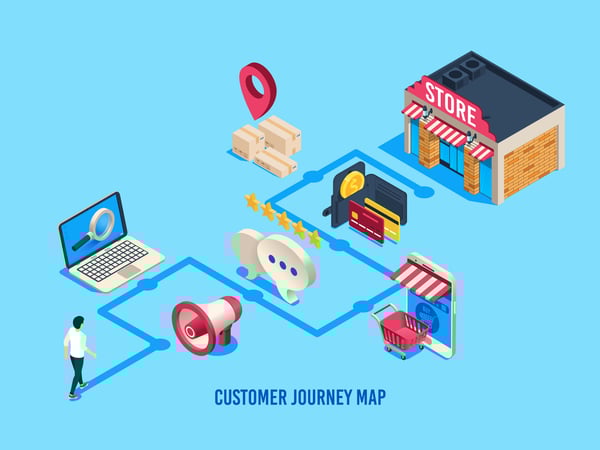
Every one of these variables – and many more – have a direct impact on whether you will get a return on your ad spend. And whether your company will be around in 6 months.
However it’s impossible to know, much less get these critical factors, right if your sole mission statement is to increase ROAS month over month.
Knowing and understanding what creates a growing and sustainable buying process requires time, iterating, testing and repeating – all of which require some ad spend.
No one wants to hear this: investing money to know your buyers’ process and what will make your company successful will lower your ROAS, as some of your money is diverted to testing. But invest, you must.

Founders are engineered to trust their gut, sometimes to a fault. They don’t want to spend money – or time – on iterating and testing because they are sure their assumptions are correct.
💊 Hard to swallow pill: Facebook ads don't always work. Here's why. →
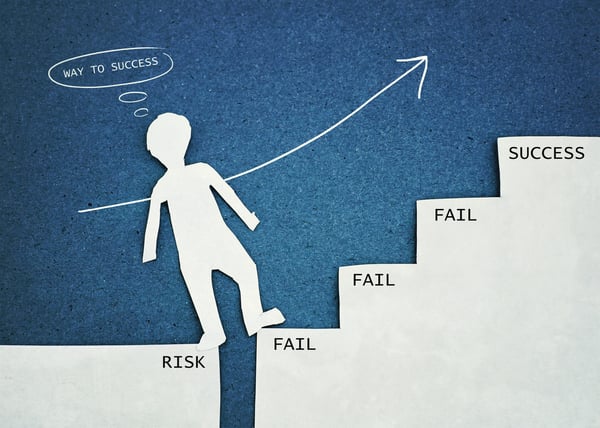
The unfortunate reality is that the longer you begrudge ad spend on testing, the more money you waste on less effective ads, the lower your ROAS, and the longer you’re wasting money and suffering a low ROAS.
For instance, you may have perfected a BBQ rub that you sell out of every weekend at the local farmer’s marketing. You’re positive that as soon as you get your online store up and some ads running, your greatest obstacle will be keeping up with inventory. I mean, people LOVE this stuff. 😋
You get a Shopify account and start to run some ads. The ads are driving a lot of traffic to your site – you may even be getting some adds to cart. Unfortunately, your orders are bumping around 3 a day.
You may have forgotten to account for some of those critical variables or external factors we mentioned – like trust-building elements, shopping flow, technical issues and shipping issues. No one is buying from you for one or many reasons.
This is a classic case of "You don’t know what you don’t know."
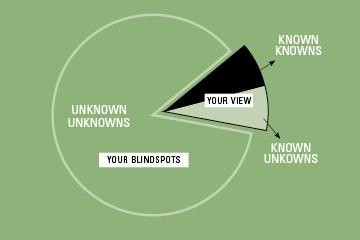
Credit: peerinsight.com
However, now that ads are driving traffic to the site, testing various usual suspects, you come to understand that people need some convincing with testimonials, BBQ awards logos, reviews, free samples – and they need free shipping to push past the finish line.
🍨 Get the scoop on conversion rate optimization. →
These external factors can be smoked out as quickly as possible (pun intended, see what we did there?), removing obstacles to people buying – and increasing that flow of ROAS back to you. But more importantly, you’re building a stronger company and a brand with staying power. You now know what’s important to your customers and are removing barriers that frustrate them. This is an exercise in growth marketing!
Let’s say your investment in market research by way of ad traffic pays off, and you get to a comfortable ROAS. It’s tempting to assume you’re good to coast into retirement on the back of your world class BBQ blend.
You may have hit a ROAS that makes you happy, but it’s important to continue viewing that number as one indicator metric of many. Even when it’s trending upward, it cannot become the focal point of your business.

As a growing company, it’s important to turn your attention and an allotment of your ad spend to understanding bigger metric fish: like the lifetime value of each customer.
And what makes one customer more valuable than another, and how do you specifically target more valuable customers?
Which customers are more likely to advocate for your product, resulting in more customers and more sales?
FEATURED RESOURCE: Use this spreadsheet to calculate critical KPIs like CPA, target ROAS, and gross profit.
Your main objective for the first few months of any digital campaign should be to come away with a deadly accurate pulse on your market conditions, your purchasing audience, what compels them to pay for your product and any obstacles getting in the way of paying for your product.
Armed with this knowledge, you can make critical decisions around HOW to market your product in digital ads, through a keen understanding of your audience’s pricing tolerance, preferred messaging and detailed targeting.
For the first phase of your digital campaign, ROAS is simply the cherry on top. You’re building the sundae from the bottom up, starting with:
While any business owner would jump at the above information, few actually get there. Far too many are dissuaded from the testing it takes to uncover this valuable information by one difficult truth: These kinds of objectives are often at odds with increasing short-term ROAS.
Unlocking seven or eight figures of revenue might mean taking a hit on the first few months of ad spend. Brace yourself – it may be even more with big ticket items or those with a long purchase path. That's not a bad thing if you're laying the foundations for long-term success!
🏫 Want to get schooled? Check out our free training resources. →
Facebook ads have long been a popular choice for businesses looking to reach a wide audience and generate leads. But recent trends have shown a decline in the effectiveness of Facebook ads, leaving many businesses wondering what they can do to adapt and maintain their advertising success. To learn why this is happening and what to do about it, keep reading.
Facebook has been an advertising powerhouse for years, providing businesses with targeted ad options and a vast user base. However, recent changes in user behavior, high competition and platform algorithms have resulted in a decline in the overall performance of Facebook ads. Let’s dive into some reasons behind the downward trend.
One crucial factor is the ever-evolving Facebook algorithm, which determines the content users see on their feeds. The algorithm prioritizes personal connections and engagement over promotional content, making it challenging for businesses to organically reach their target audience.
Another one is the rise of ad-blocking software and users' growing use of mobile devices. Ad-blocking software prevents ads from being displayed, while mobile devices have limited screen space, making it more challenging for ads to capture users' attention.
The COVID-19 pandemic has also played a role in the downward trend of Facebook ads. The economic uncertainty caused by the pandemic has led many businesses to cut back on their advertising budgets, resulting in a decrease in overall ad spend on Facebook. This reduction in ad spend has further intensified the competition among businesses, making it harder for individual ads to stand out and generate desired results.
Additionally, the increasing popularity of influencer marketing has diverted some advertising budgets away from traditional Facebook ads. Brands are now collaborating with influencers who have a loyal following on social media platforms, including Instagram and YouTube, to promote their products or services. This shift in advertising strategy has impacted the reach and effectiveness of Facebook ads.
As you see, the downward trend in Facebook ads can be attributed to various factors, including ad fatigue, privacy concerns, the rise of alternative social media platforms, the ever-evolving Facebook algorithm, ad-blocking software, the growing use of mobile devices, the impact of the COVID-19 pandemic, and the rise of influencer marketing. Understanding these factors is crucial for businesses looking to optimize their advertising strategies and adapt to the changing landscape of digital marketing.
The decline in Facebook ad effectiveness has had a significant impact on businesses across various industries. It has become increasingly challenging for businesses to generate leads and conversions solely through Facebook ads, requiring them to rethink their marketing strategies and explore alternative advertising platforms.
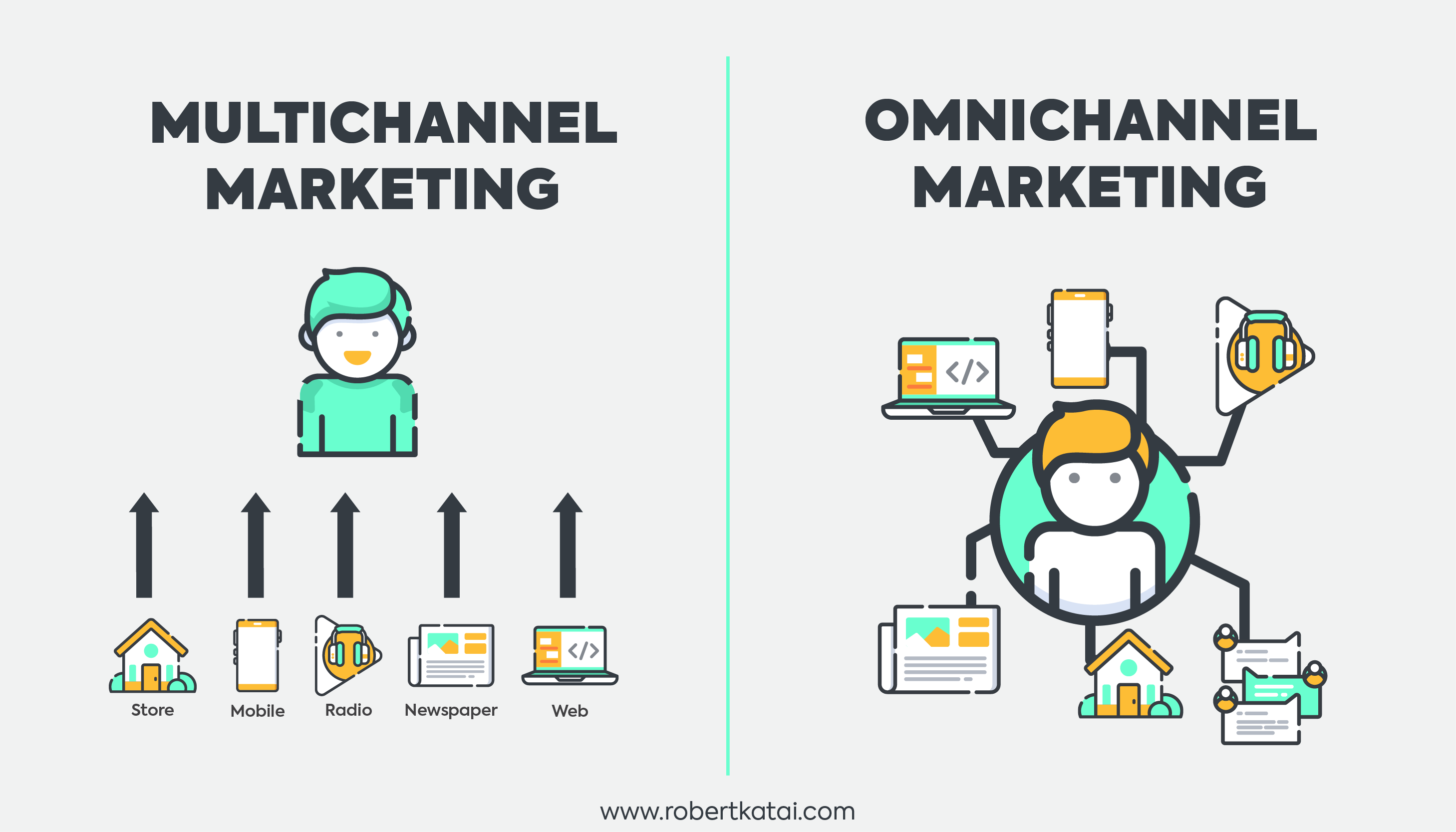
This decline in Facebook ad effectiveness has left businesses scrambling to find new ways to reach their target audience. With the decrease in ad performance, businesses have had to allocate more resources and effort into other marketing channels to compensate for the loss in conversions. This shift in focus has forced businesses to adapt and explore new advertising strategies to stay competitive in the ever-changing digital landscape.
One of the major challenges that businesses face due to the decline in Facebook ad effectiveness is the increase in cost per acquisition. A small e-commerce company, for example, heavily relied on Facebook ads for customer acquisition. However, with the downward trend, their cost per acquisition increased significantly, ultimately impacting their profitability. This forced the company to reevaluate their advertising budget and explore other cost-effective marketing channels to maintain their customer base.
As the downward trend in Facebook ads continues, businesses must anticipate its future impact. It's crucial to evaluate and adapt marketing strategies to ensure continued success. Although predicting the exact trajectory of Facebook ads is challenging, industry experts and marketers have provided valuable insights into potential future trends.
Some experts suggest that Facebook ads will undergo further algorithm changes to promote greater user engagement. This could mean that businesses need to focus more on creating engaging and interactive ad content to capture users' attention effectively. Experts predict a shift towards video and interactive ad formats to keep up with the changing preferences of social media users.
At the same time, the decline in Facebook ad effectiveness has led businesses to explore alternative advertising platforms. Many businesses are now investing in platforms like Instagram, YouTube, and TikTok to diversify their advertising efforts and reach a wider audience. By expanding their presence across multiple platforms, businesses can reduce their reliance on Facebook ads and mitigate the impact of the downward trend.
Here are some practical steps you can take:
Rather than relying solely on Facebook ads, consider diversifying your marketing efforts across multiple channels. Explore other social media platforms, such as Instagram, Pinterest, or LinkedIn, which may offer greater targeting capabilities and engagement opportunities for your audience. Additionally, invest in content marketing and SEO strategies to leverage organic traffic and capture users' attention.
While Facebook ads may be losing their effectiveness, other advertising platforms are gaining traction. Platforms such as Google Ads, YouTube Ads, or even emerging platforms like TikTok Ads offer new opportunities to reach your audience. Research these platforms to identify which align best with your target market and business objectives.
The content of your Facebook ads plays a crucial role in capturing users' attention and driving conversions. Ensure your ad content is relevant, visually appealing, and aligned with your target audience's interests. A/B test different ad formats, copy variations, and visuals to identify which combinations yield the best results.

Facebook offers a range of ad tools to help businesses optimize their ad campaigns. Explore options such as Custom Audiences, Lookalike Audiences, and Retargeting to refine your targeting and increase your chances of reaching the right users. Additionally, regularly monitor and analyze your ad performance metrics to identify areas for improvement and adjust your campaigns accordingly.
As businesses navigate the challenges of the downward trend in Facebook ads, it's essential to keep an eye on the future of this advertising platform.
Experts in the advertising industry have shared valuable insights into the future of Facebook ads. Some predict a shift towards more personalized and interactive experiences, with ads becoming increasingly integrated into users' daily lives. Others foresee the importance of transparency and authenticity in ad content, emphasizing the need for businesses to build genuine connections with their audience.
To prepare your business for the future of Facebook ads, it's crucial to stay informed about industry trends and adapt your strategies accordingly. Continuously monitor Facebook's updates and algorithm changes, as well as emerging advertising platforms. By staying proactive and flexible, businesses can stay ahead in the ever-evolving world of digital advertising.
Advertising has become an essential component of any successful business strategy. With social media platforms taking center stage, it's crucial for businesses to choose the right platform to maximize their reach and engage with their target audience. Two of the most popular platforms for advertising right now are TikTok and Facebook. Together, we will delve into the intricacies of TikTok ads versus Facebook ads to help you make an informed decision about which platform is the better option for your business.
TikTok, a video-sharing platform, has taken the world by storm with its short, snappy videos that captivate users. With over 2 billion downloads worldwide and a predominantly younger user base, TikTok offers a unique opportunity to connect with Gen Z and millennial audiences in a creative and engaging way.
When it comes to TikTok ads, businesses have a variety of options to choose from. One popular ad format is the "In-Feed Ad," which appears in users' feeds as they scroll through the app. These ads can be up to 60 seconds long and can include clickable links, making them a powerful tool for driving traffic to a website or promoting a specific product or service.
Another type of TikTok ad is the "Brand Takeover Ad," which allows businesses to dominate the app's interface for a brief period of time. When users open the app, they are immediately greeted with a full-screen ad from the brand. This format provides maximum visibility and can be highly effective in creating brand awareness.
On the other hand, Facebook remains the behemoth of social media platforms, boasting more than 2.8 billion monthly active users. Facebook ads provide businesses with a versatile range of formats to target their audience, from image and video ads to carousel and collection ads. Facebook's extensive targeting options allow businesses to reach specific demographics and interests, making it a compelling choice for advertising.
One of the key advantages of Facebook ads is the ability to create highly targeted campaigns. Businesses can choose from a wide range of targeting options, including age, gender, location, interests, and even behaviors. This level of granularity ensures that ads are shown to the most relevant audience, increasing the chances of engagement and conversions.
In addition to targeting options, Facebook also offers a variety of ad placements to suit different marketing objectives. For example, businesses can choose to display their ads in users' news feeds, in the right-hand column of the desktop version, or even in the Messenger app. This flexibility allows businesses to tailor their ads to the platform and placement that will yield the best results.
Furthermore, Facebook's ad formats are designed to capture users' attention and drive action. Video ads, for instance, can autoplay in users' feeds, grabbing their attention as they scroll through. Carousel ads, on the other hand, allow businesses to showcase multiple products or features in a single ad, increasing the chances of engagement and conversions.
Ultimately, both TikTok and Facebook offer unique opportunities for businesses to reach and engage with their target audience. While TikTok excels in its ability to captivate younger audiences with short and creative videos, Facebook's extensive user base and targeting options make it a powerful platform for businesses of all sizes. By understanding the basics of both platforms and tailoring their ad strategies accordingly, businesses can maximize their advertising efforts and drive meaningful results.
When considering the reach of both platforms, understanding their user demographics is essential. TikTok predominantly attracts younger users, with 41% of its users falling between the ages of 16 and 24. This younger demographic is highly engaged and actively seeks new content, making TikTok an ideal platform to nurture brand awareness and build a loyal following. Additionally, TikTok's algorithmic recommendation system ensures that users are constantly exposed to new and trending content, further enhancing its reach among younger audiences.
On the other hand, Facebook's user base is more diverse in terms of age and interests, catering to a wider range of target markets. With over 2.8 billion monthly active users, Facebook remains the largest social media platform in terms of user base. This vast user base allows businesses to reach a broader audience, including older demographics who may not be as active on TikTok.
In terms of global presence, Facebook's reach is unrivaled. With users in virtually every country around the world, Facebook offers businesses the opportunity to target local, national, and international markets. The platform's localization features, such as language preferences and location-based targeting, enable businesses to tailor their content to specific regions and cultures. This global reach has made Facebook a go-to platform for businesses looking to expand their reach and connect with a diverse audience.
TikTok, although rapidly expanding its global footprint, is still more concentrated in certain regions, primarily the United States, India, and China. However, the platform's popularity is steadily growing in other parts of the world, with Europe, Southeast Asia, and Latin America seeing significant increases in user adoption. As TikTok continues to expand its reach, businesses have the opportunity to tap into emerging markets and engage with a younger, highly active audience.
Furthermore, TikTok's unique format, centered around short-form video content, offers businesses a creative and engaging way to connect with their target audience. The platform's emphasis on user-generated content and viral challenges has led to the rise of influencers and brand collaborations, providing businesses with new avenues for brand promotion and product placement. If you want to know how to craft a brilliant TikTok Ad, just click here.

While Facebook offers a wide range of advertising options, including targeted ads, sponsored posts, and messenger ads, TikTok's advertising capabilities are still evolving. However, with the platform's growing popularity and the introduction of features like TikTok Ads Manager, businesses can now leverage TikTok's vast user base to reach their target audience through various advertising formats and different tactics, such as storytelling.
As you see, both TikTok and Facebook offer unique opportunities for businesses to expand their reach and connect with their target audience. While TikTok's reach is primarily concentrated among younger users and is rapidly expanding globally, Facebook's unrivaled user base and global presence make it an essential platform for businesses looking to reach a diverse audience. By understanding the demographics and features of each platform, businesses can develop effective marketing strategies to maximize their reach and engagement on both TikTok and Facebook.
Understanding the costs associated with advertising on both platforms is crucial for budgeting and determining the overall effectiveness of your marketing strategy. TikTok ads tend to be more expensive due to the higher demand and limited ad inventory. However, the higher cost can be offset by the potential for greater user engagement and increased brand visibility.
When it comes to TikTok ads, the higher cost can be attributed to several factors. Firstly, TikTok has quickly gained popularity among users, especially among younger demographics. As a result, the demand for advertising space on the platform has skyrocketed. With more businesses vying for limited ad inventory, the cost of placing ads on TikTok has naturally increased.
Secondly, TikTok offers a unique and highly engaging user experience. The platform's short-form videos, creative filters, and popular challenges have captivated millions of users worldwide. This high level of user engagement makes TikTok an attractive platform for advertisers looking to connect in a meaningful way. As a result, the increased potential for user engagement on TikTok ads contributes to their higher cost.
On the other hand, Facebook offers a range of pricing options, including cost per click (CPC) and cost per thousand impressions (CPM). This flexibility allows businesses to choose the pricing model that aligns with their advertising goals and budget constraints. In this regard, a Pay Per Click Agency can help you define a well-suited strategy to your business.
With the ability to set daily budgets, businesses can have more control over their ad spend on Facebook. This means that if a business has a limited budget, they can allocate their resources strategically and ensure that their ads are being shown to the right audience at the right time. This level of control and flexibility can be particularly beneficial for small businesses or startups with limited advertising budgets.
At last, Facebook's extensive targeting options enable advertisers to reach specific demographics, interests, and behaviors. This level of granularity ensures that ads are shown to the most relevant audience, increasing the chances of user engagement and conversions. By leveraging these targeting capabilities, adapting them to their own goals, businesses can optimize their ad spend and maximize their return on investment.
Exploring the different ad formats offered by each platform is essential to determine which one aligns best with your business objectives. TikTok offers a variety of ad formats, including in-feed ads, brand takeovers, and branded hashtags. These formats allow businesses to engage with users in a way that feels native to the platform, seamlessly blending into the user experience.
Facebook, on the other hand, offers a wide range of ad formats that cater to different objectives. From single image ads to video ads, Facebook's versatility allows businesses to convey their brand message effectively. Additionally, Facebook's dynamic ads enable businesses to create personalized content based on user behavior and interests, increasing the chances of conversion.
Evaluating the performance of your ads is essential to gauge the effectiveness of your marketing efforts. TikTok provides a range of performance metrics, including video views, engagement rate, and follower growth. These metrics allow businesses to analyze the success of their ad campaigns and make data-driven decisions.
Similarly, Facebook offers robust analytics to help businesses measure the impact of their ads. From reach and impressions to click-through rates and conversion tracking, Facebook provides businesses with valuable insights into their campaign performance, allowing for optimization and refinement.

Both TikTok and Facebook offer unique opportunities for businesses to connect with their target audience and achieve their marketing objectives. TikTok provides an avenue to engage with a younger, highly engaged demographic through creative and captivating videos. On the other hand, Facebook's extensive targeting options and global reach make it an attractive choice for businesses of all sizes.
In the long run, the choice between TikTok and Facebook ads comes down to your business goals, target audience, and budget. It is essential to consider these factors and conduct thorough market research to make an informed decision that aligns with your business objectives.
Remember, success in advertising hinges on understanding your audience, crafting compelling content, and continually analyzing and optimizing your campaigns. By leveraging the strengths of both TikTok and Facebook, businesses can create powerful marketing strategies that drive results and propel their brand to new heights.
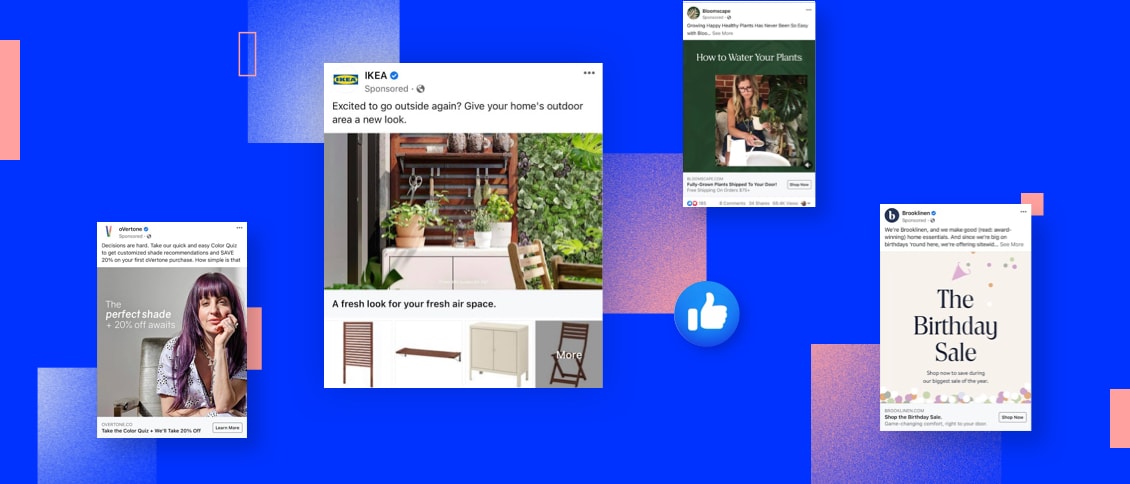
Automation is a powerful tool for businesses to streamline their processes and maximize efficiency. One area where automation can play a significant role is in managing Facebook Lead Ads. With the help of Zapier, a leading automation platform, businesses can effortlessly integrate and automate their Facebook Ads campaigns. Keep reading to learn the basics of Zapier, how it works with Facebook Lead Ads, and how to set it up for your business.
Zapier is an automation tool that connects different web applications and allows them to work together seamlessly. It eliminates the need for manual data entry and repetitive tasks by automating workflows, known as Zaps, between various apps.
Imagine a scenario where you receive an email with an attachment, and you want to automatically save that attachment to your cloud storage. With Zapier, you can create a Zap that triggers this action whenever a new email with an attachment arrives in your inbox. This saves you the time and effort of manually downloading and uploading the file.
One of the most remarkable aspects of Zapier is that it doesn't require any coding knowledge. This means that even non-technical users can leverage the power of automation to streamline their workflows and boost productivity.
Now that we have a better understanding of Zapier, let's explore another essential tool in the digital marketing realm - Facebook Lead Ads.
In today's highly competitive business landscape, capturing leads is crucial for sustained growth. This is where Facebook Lead Ads come into play. Facebook Lead Ads is a powerful lead generation tool that allows businesses to collect valuable information from potential customers directly within the Facebook platform.
Traditionally, businesses would direct users to a landing page to fill out a form or provide their contact information. However, this process often leads to a drop-off in conversions, as users may find it cumbersome to navigate away from their current browsing experience.
With Facebook Lead Ads, businesses can create compelling offers or sign-up forms that capture user information, such as name, email address, phone number, and more, without requiring users to leave the Facebook platform. This seamless user experience significantly increases the chances of generating leads and driving conversions.
Moreover, Facebook Lead Ads also provide a valuable opportunity for businesses to target their ads to specific audiences. By leveraging Facebook's powerful targeting capabilities, businesses can ensure that their ads reach the right people, maximizing the effectiveness of their lead generation campaigns.
By integrating Zapier with Facebook Lead Ads, businesses can further enhance their lead generation efforts. For example, whenever a user submits their information through a Facebook Lead Ad, Zapier can automatically add that lead to a CRM system or send a personalized email to the user, nurturing the lead generation funnel and facilitating the sales process.
The first step in automating your Facebook Lead Ads with Zapier is to create a Zapier account. Simply visit the Zapier website and sign up for a free account. Once you've created your account, you can start exploring the platform and setting up your automation workflows.
When you sign up for a Zapier account, you'll be asked to provide some basic information such as your name, email address, and a password. Once you've entered this information, you'll need to verify your email address to activate your account. After verifying your email, you'll have full access to the Zapier platform and its features.
Creating a Zapier account is quick and easy, and it opens up a world of possibilities for automating your workflows. Whether you're a small business owner looking to streamline your processes or a marketer wanting to integrate different apps, Zapier provides a seamless solution.
After creating your Zapier account, you will be redirected to the Zapier dashboard. The dashboard serves as the control center for managing your Zaps and monitoring their performance. It provides a user-friendly interface where you can create, edit, and manage your automation workflows.
Once you're on the Zapier dashboard, you'll notice a clean and organized layout that makes it easy to navigate. The left-hand side of the dashboard displays the main menu, which includes options such as "Zaps," "Tasks," "Team," and "Settings." These menu options allow you to access different areas of the platform and customize your Zapier experience.
Within the dashboard, you can create new Zaps by clicking on the "Make a Zap" button. This will take you to the Zap editor, where you can define the trigger and action for your automation workflow. The Zap editor provides a step-by-step process to guide you through the setup, making it simple even for beginners.
Additionally, the Zapier dashboard offers various features to help you manage your Zaps effectively. You can view the status of your Zaps, track the number of tasks completed, and troubleshoot any errors that may occur. With this level of control and visibility, you can ensure that your automation workflows are running smoothly and efficiently.
Overall, the Zapier dashboard is designed to provide a seamless user experience, empowering you to automate your tasks and save valuable time. Whether you're a tech-savvy professional or a non-technical user, Zapier's intuitive interface makes it easy to set up and manage your automation workflows.
Integrating Zapier with Facebook can greatly enhance your workflow and automate various actions. By connecting your Facebook account to Zapier, you'll be able to access your Facebook Lead Ads data and streamline your lead generation process.
To get started, you'll need to connect your Facebook account to Zapier. This process is quick and easy. Simply navigate to the Zapier dashboard and click on "Connected Accounts." In the search bar, type "Facebook" and select it from the list of available options. Follow the prompts to authorize the connection between Zapier and your Facebook account.
Once the connection is established, you'll have access to a wide range of Facebook integrations and automation possibilities.
After successfully connecting your Facebook account to Zapier, it's time to configure your Facebook Lead Ads in Zapier. This step is crucial as it allows you to define the specific criteria that will trigger the automation process.
To begin, navigate to the Zapier dashboard and click on "Make a Zap." From the list of available apps, select Facebook Lead Ads as the trigger app. This will ensure that any new lead generated through your Facebook Lead Ads will initiate the automation process.
Once you've selected Facebook Lead Ads as the trigger app, follow the on-screen instructions to customize your trigger settings. This includes specifying the criteria that must be met for the automation to be triggered. For example, you can set up the automation to only trigger when a lead fills out a specific form or meets certain demographic criteria.
By configuring your Facebook Lead Ads in Zapier, you can ensure that your automation process is tailored to your specific needs and requirements. This level of customization allows you to maximize the efficiency and effectiveness of your lead generation efforts.
Facebook Lead Ads are a powerful tool for generating leads and capturing valuable customer information. However, manually managing and processing these leads can be time-consuming and inefficient. That's where Zapier comes in. With Zapier, you can automate the process of handling your Facebook Lead Ads, saving you time and effort.
Once you've configured your Facebook Lead Ads as the trigger in Zapier, the possibilities for automation are endless. You can set up actions that will be performed automatically when the trigger conditions are met. These actions can include sending email notifications to your team, adding data to a spreadsheet for easy tracking and analysis, creating new CRM entries to keep your customer database up to date, and much more.
With Zapier's user-friendly interface, setting up these triggers and actions is a breeze. Simply select the desired trigger and action from the available options, and Zapier will guide you through the process of connecting your Facebook Lead Ads account and the app or service you want to integrate with. It's a seamless and intuitive experience that requires no coding or technical expertise.
What's more, Zapier offers a vast range of integrations, allowing you to connect your Facebook Lead Ads with popular apps and services like Gmail, Google Sheets, Salesforce, Mailchimp, and many others. This means you can tailor your automation workflow to best suit your business needs and leverage the tools you already use to streamline your lead generation and management process.
Before deploying your automation workflow, it's crucial to test it to ensure it functions correctly. Zapier provides a testing feature that allows you to simulate trigger events and verify if the desired actions are being performed as expected. This way, you can catch any potential issues or errors before they impact your actual campaigns and ensure a smooth and seamless automation process.

During the testing phase, you can review the data that is being passed between your Facebook Lead Ads and the connected app or service. This gives you the opportunity to fine-tune your automation and make any necessary adjustments to ensure the accuracy and reliability of your lead data. By thoroughly testing your automation, you can have peace of mind knowing that your workflow is working flawlessly and that your leads are being processed efficiently.
Additionally, Zapier provides detailed logs and activity history, allowing you to monitor the performance of your automation over time. This gives you valuable insights into how your leads are being handled and how your automation is contributing to your overall marketing strategy and influencing the customer journey. You can track metrics like the number of leads processed, the time it takes for actions to be executed, and any errors or issues that may arise.
When setting up triggers and actions in Zapier, it's important to consider best practices to optimize your automation. Here are a few tips to keep in mind:
Despite the seamless nature of automation, issues can sometimes occur. Here are a few common issues you may encounter while automating your Facebook Lead Ads with Zapier and helpful troubleshooting tips:
The combination of Facebook Lead Ads with Zapier can be a groundbreaker for your business, by streamlining your lead generation and management process. By setting up triggers and actions, you can automate repetitive tasks, save time, ensure the accuracy and efficiency of your lead data, and bring your social media advertising strategy to the next level. Don't forget to thoroughly test your automation before deploying it to ensure a seamless and error-free experience. With these tips, you will be able to save time, increase productivity, and focus on other important aspects of your business.

Did you know that 52% of US millennials use Pinterest? Among the myriad of platforms available, Pinterest has emerged as a powerful platform for enhancing e-commerce businesses. It allows to showcase their products and engage with potential customers. In this comprehensive guide, we will delve into the world of Pinterest Marketing Services, including its e-commerce ads, while exploring its basics, setting up a business account, developing a marketing strategy, and optimizing SEO to maximize your business's presence on Pinterest.
Pinterest is a visual discovery and bookmarking platform where users can discover and save ideas for various aspects of their lives. It provides a unique opportunity for businesses to showcase their products and services through visually appealing pins, which users can save and share.
When it comes to understanding the basics of Pinterest marketing, it's important to recognize the platform's user base. Pinterest has a predominantly female audience, with women in the age range of 18 to 34 years being the primary users. This demographic presents valuable opportunities for businesses targeting this specific audience.
One of the key aspects of Pinterest marketing is creating visually appealing pins that capture the attention of users. High-quality images, creative designs, and engaging content are essential for standing out in the Pinterest feed. Businesses can use this platform to showcase their products in a way that resonates with their target audience.
Pinterest marketing has proven to be a highly effective strategy for businesses in various industries. With over 450 million active users worldwide, businesses have the potential to reach a vast audience and increase brand visibility. The platform's user base is highly engaged, with users spending an average of 14.2 minutes per visit, making it an ideal platform for businesses to capture the attention of their target audience.
One of the key reasons why Pinterest marketing is essential for businesses is the strong intent to purchase among Pinterest users. According to a study conducted by Pinterest, 85% of weekly Pinners have made a purchase based on content they saw from brands on Pinterest. This presents a significant opportunity for businesses to drive conversions and increase sales.
In addition to the large user base and high intent to purchase, Pinterest offers unique features that make it a valuable platform for businesses. Rich Pins, for example, allow businesses to provide detailed information about their products, such as pricing, availability, and product descriptions. This additional information helps users make informed decisions and increases the chances of conversions.
Another valuable feature offered by Pinterest is Buyable Pins. These pins enable users to make purchases directly through the platform, without having to leave the site. This seamless shopping experience makes it easier for users to convert and provides businesses with a direct channel to drive sales.
Setting up a Pinterest business account is an important step towards establishing a strong online presence for your brand. By utilizing the platform's unique features and tools, you can effectively showcase your products or services to a wider audience. In this guide, we will explore the key elements of creating a compelling business profile and utilizing Pinterest Analytics to measure your success.
When it comes to creating your Pinterest business profile, attention to detail is crucial. Start by selecting a profile picture that accurately represents your brand. This could be your company logo or a visually appealing image that reflects your brand identity, and therefore, it will be the initial flag of your brand awareness in the mind of the consumer. Make it count!
In addition to a captivating profile picture, it is essential to provide a concise yet informative bio that highlights your business's unique selling points. Use this space to briefly explain what sets your brand apart from the competition and why users should follow or engage with your content.
Completing your profile with contact information and links to your website and other social media platforms is also crucial. This allows users to easily connect with your brand and explore your offerings further. By providing multiple avenues for engagement, you increase the chances of converting Pinterest users into loyal customers.
Once your business account is set up, it's time to dive into the world of Pinterest Analytics. This powerful tool provides valuable insights into your audience and the performance of your pins. By understanding these analytics, you can make data-driven decisions to optimize your marketing strategy and drive better results.

One of the key metrics to track is impressions, which refers to the number of times your pins are seen by users. By monitoring impressions, you can gauge the reach of your content and identify trends that resonate with your audience. Engagements, another important metric, measure the number of interactions users have with your pins, such as saves, clicks, and comments. By analyzing engagements, you can determine which pins are most effective in capturing users' attention and driving engagement.
Click-through rates (CTR) are yet another crucial metric to keep an eye on. CTR measures the percentage of users who click on your pins to visit your website or landing page. By tracking CTR, you can assess the effectiveness of your call-to-action and optimize your pins to drive more traffic to your desired destination.
By utilizing Pinterest Analytics, you can gain a deeper understanding of your audience's preferences, behaviors, and interests. This Data-Driven-Marketing allows you to tailor your content to better resonate with your target audience, resulting in increased engagement, conversions, and ultimately, business growth.
When it comes to developing a successful Pinterest marketing strategy, there are several key factors to consider. One of the first steps is identifying your target audience and understanding their preferences and interests. This can be done through thorough research and analysis of Pinterest Analytics.
By delving into the data provided by Pinterest Analytics, you can gain valuable insights into your target audience's behavior. This information will help you create content that not only resonates with them but also meets their needs and desires.
Then you should analyze your competitors. By studying what your competitors are doing on Pinterest, you can gain inspiration and identify opportunities to differentiate your brand.
Once you have a clear understanding of your target audience and have analyzed your competitors, it's time to start crafting your brand's Pinterest content strategy. Creating compelling and visually appealing content is crucial for success on this platform.
Pinterest encourages businesses to not only promote their products but also provide inspiration and helpful information to users. This means that your content strategy should go beyond simply showcasing your products. It should also include lifestyle pins, tutorials, and user-generated content.
By blending promotional pins with other types of content, you can establish your brand as an authority in your niche. This will help build trust with your audience and keep them coming back for more.
Overall, developing a Pinterest marketing strategy requires a deep understanding of your target audience, careful analysis of your competitors, and a thoughtful approach to content creation. By taking these steps, you can position your brand for success on Pinterest and tap into the platform's vast potential.
When it comes to advertising on Pinterest, there are several tools and strategies that businesses can leverage to maximize their reach and drive more traffic to their websites. Two of the most effective advertising tools on Pinterest are Promoted Pins and Pinterest Shopping Ads.
Promoted Pins are a powerful advertising tool that allows businesses to boost the visibility and reach of their pins. By strategically targeting specific keywords, interests, and demographics, promoted pins can help drive more traffic to your website, increase brand awareness, and generate leads and sales.
But how can you optimize your promoted pins to ensure they resonate with your target audience and encourage engagement? Crafting compelling visuals is key. Eye-catching images and videos can capture the attention of users as they scroll through their Pinterest feed. Additionally, compelling copy is essential. Your pin's description should be concise, yet persuasive, highlighting the unique selling points of your product or service. Finally, don't forget to include clear calls to action. Whether it's "Shop Now," "Learn More," or "Sign Up," a strong call to action can prompt users to take the desired action.
Pinterest Shopping Ads provide businesses with a unique opportunity to showcase their products to users actively searching for inspiration and research. These paid ads feature product information, pricing, and availability directly on Pinterest, making it convenient for users to explore and purchase products without leaving the platform.
For businesses looking to leverage Pinterest Shopping Ads effectively, there are a few key steps to consider. First and foremost, ensure that your product catalog is up to date and accurately reflects your inventory. This will help avoid any discrepancies or disappointments for potential customers. Additionally, optimizing your ads for mobile is crucial. Pinterest is primarily accessed through mobile devices, so it's essential to ensure that your ads are visually appealing and user-friendly on smaller screens. By doing so, you can maximize your reach and conversion potential.
Overall, Pinterest offers a range of advertising tools that businesses can utilize to expand their online presence and drive more traffic and sales. Whether it's through Promoted Pins or Pinterest Shopping Ads, taking advantage of these tools can help businesses connect with their target audience and achieve their marketing goals.
Keywords play a crucial role in Pinterest's search algorithm, making it essential to optimize your pins and boards with relevant keywords. Conduct thorough keyword research to identify popular search terms in your niche and strategically incorporate them into your pin descriptions, titles, and board names.
Consider using long-tail keywords to target specific niches and optimize your pins for different seasons, events, or trends to increase their visibility in search results.
Hashtags are another powerful tool to maximize your visibility on Pinterest. Research popular and relevant hashtags in your industry and incorporate them into your pin descriptions to increase the discoverability of your content.
Be strategic with your hashtags, using a combination of broad and specific terms to reach a wider audience while targeting users interested in your specific niche.
Mastering Pinterest marketing services is very helpful for businesses looking to expand their online presence and connect with their target audience. By understanding the basics, setting up a business account, developing a marketing strategy, utilizing advertising tools, and optimizing SEO, businesses can leverage Pinterest's potential to drive brand awareness, engagement, and conversions. Keep in mind that Pinterest is a dynamic platform, so continuously monitor analytics, adapt your strategy, and stay up to date with the latest trends to maintain a competitive edge in the ever-evolving world of social media marketing.
With its massive user base and advanced targeting capabilities, Facebook Ads is one of the most effective platforms for reaching potential customers online. However, managing Facebook advertising campaigns requires skill, knowledge, and expertise. This is where a Facebook Ads agency can be a game-changer for your ecommerce business. But how do you find the right agency that understands your business goals and can deliver the results you need? In this article, we will explore the importance of Facebook Ads for ecommerce, identify your business needs, discuss what to look for in a Facebook Ads agency, evaluate potential agencies, and ultimately, help you make the best decision for your business.
What makes Facebook Ads such a powerful tool for ecommerce businesses?
Let's take a closer look.
First and foremost, Facebook Ads play a significant role in driving traffic to your ecommerce website. With a well-optimized campaign, you can attract potential customers to your website, generate leads, and ultimately increase sales. By leveraging Facebook's vast user base and sophisticated algorithms, you can position your products in front of the right people at the right time, increasing the chances of conversion and maximizing your return on investment (ROI).
But it's not just about driving traffic. Facebook Ads offer much more than that.
As well, Facebook Ads allow you to retarget people who have already shown interest in your products. By installing the Facebook pixel on your website, you can track visitors and show them personalized ads based on their previous interactions with your site. This strategy is highly effective in converting potential customers into paying ones, as it reminds them of the products they were interested in and nudges them to make a purchase.
With the increasing competition in the ecommerce industry, relying solely on organic reach is no longer enough. Facebook Ads offer a way to amplify your brand's reach, allowing you to target specific segments of your audience with personalized messages and promotions.
Investing in Facebook Ads can help you stay ahead of the competition, drive brand awareness, and ultimately boost your ecommerce business's growth and profitability. By reaching a highly targeted audience, you can build brand recognition and establish a strong online presence. This, in turn, leads to increased trust and credibility, making it easier for potential customers to choose your brand over your competitors.

Before embarking on the journey to find the right Facebook Ads agency, it's essential to identify your specific business needs. This involves defining your marketing goals and understanding your target audience.
Running an ecommerce business requires careful planning and strategizing. In order to maximize your online presence and drive sales, it's important to have a clear understanding of what you hope to achieve with your Facebook advertising campaigns.
Start by clearly defining your marketing goals. Are you looking to increase brand awareness, drive traffic to your website, generate leads, or increase sales? Each of these goals requires a different approach and strategy, so it's important to have a clear vision of what you want to accomplish.
Increasing brand awareness can help you reach a wider audience and establish your business as a trusted name in your industry. Driving traffic to your website can lead to increased sales and conversions. Generating leads allows you to build a database of potential customers, while increasing sales directly impacts your bottom line.
Setting specific and measurable goals will help you narrow down your search for a Facebook Ads agency that specializes in achieving your desired outcomes. It's important to find an agency that understands your goals and has a track record of success in helping businesses like yours achieve them.
Understanding your target audience is crucial for effective Facebook advertising. After all, you want to make sure your ads are reaching the right people who are most likely to be interested in your products or services.
Take the time to research and collect data about your target market's interests, demographics, and preferences. This information will help you create buyer personas that represent your ideal customers. By understanding who your target audience is, you can tailor your ad campaigns to resonate with their needs and desires.
When looking for a Facebook Ads agency, it's important to find one that has experience in targeting similar audiences. They should be able to leverage their expertise to create compelling ad campaigns that resonate with your potential customers. Look for agencies that have a proven track record of success in reaching and engaging with your target audience.
Additionally, consider the unique characteristics of your target audience. Are they primarily young professionals, parents, or retirees? Do they have specific interests or hobbies? Understanding these nuances will help you find an agency that can create ads that speak directly to your target audience.
When it comes to finding the right Facebook Ads agency for your ecommerce business, there are several key factors to consider:
Look for an agency that specializes in ecommerce advertising specifically on Facebook Ads. Ecommerce campaigns require a different approach compared to other industries. An agency with expertise in ecommerce will understand the unique challenges and opportunities ecommerce businesses face and can tailor their strategies accordingly to achieve optimal results.
Consider an agency's track record of success. Look for case studies, client testimonials, or any tangible evidence of their ability to deliver results. Ideally, the agency should have experience working with businesses similar to yours and have a track record of achieving measurable success in terms of increased sales, improved ROI, or other relevant metrics.
Transparent communication and regular updates are vital when working with a Facebook Ads agency. Look for an agency that is responsive, transparent about their processes, and provides regular reports on the performance of your campaigns. Clear communication ensures that you are informed about the progress and can make informed decisions about your advertising strategies.
Once you have identified the key criteria to look for, it's time to evaluate potential Facebook Ads agencies. Here are some steps you can take to ensure that you make an informed decision:
Research and read reviews or testimonials from the agency's past or current clients. This will give you insights into their reputation, client satisfaction, and the quality of their work. Look for agencies with positive feedback from clients who have achieved their desired results.
Take a close look at the agency's portfolio. Assess the quality and creativity of their ad designs and the effectiveness of their campaigns. Look for diversity in terms of industries and business sizes, as it indicates the agency's ability to adapt and deliver results across various sectors.
It's important to have a clear understanding of the agency's pricing structure before making a decision. Some agencies charge a fixed fee, while others work on a percentage basis. Evaluate the pricing against the services and expertise provided to ensure it aligns with your budget and expected return on investment.
Create a list of pros and cons for each agency you evaluated. Compare their expertise, track record, communication style, and pricing structure. This will help you gain a holistic view of each agency and make an informed decision.
While objective criteria are essential, sometimes your intuition can play a crucial role in the decision-making process. Trust your gut feeling and choose an agency that you feel most comfortable working with and that you believe will genuinely understand and care about achieving your business goals.
Once you have made a decision, it's time to make the commitment. Sign the necessary agreements and contracts with the chosen Facebook Ads agency. Be prepared to provide them with the necessary information and assets to kick-start your advertising campaigns effectively.

By following these steps and considering the various factors mentioned throughout this article, you can find the right Facebook Ads agency for your ecommerce business, which can significantly impact the success of your advertising campaigns and ultimately, your overall business performance.
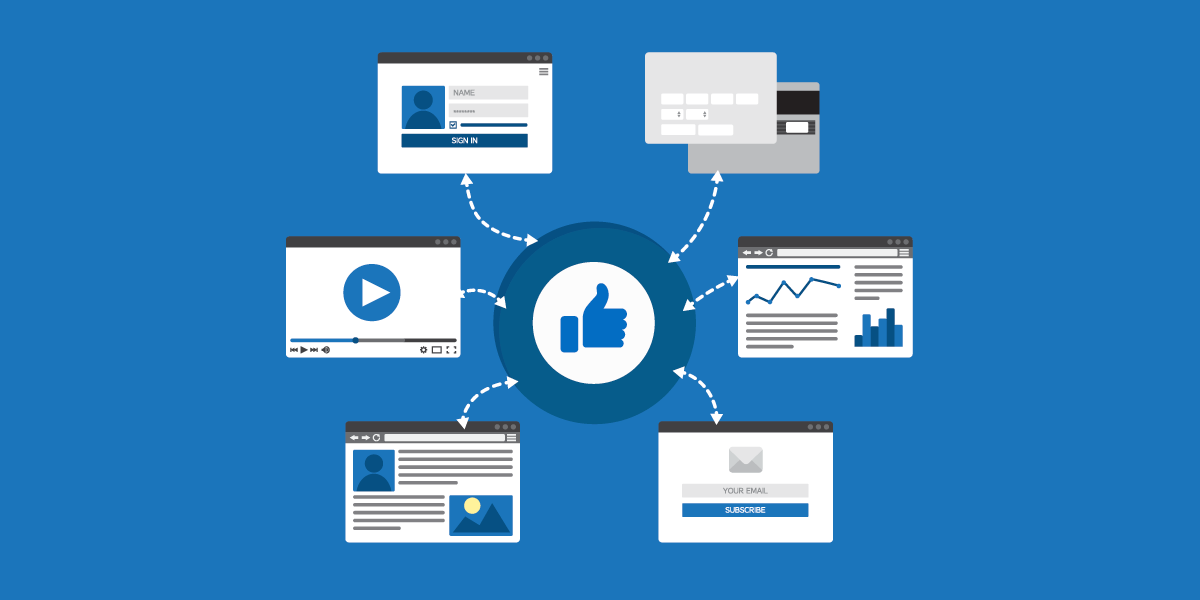
Facebook's Ad Policy can be a complex and daunting task, but it is crucial for advertisers to understand and comply with these policies in order to run successful ad campaigns on the platform. This policy serves as a set of guidelines that outline what types of ad content are allowed, what is prohibited, and what advertisers need to do to ensure compliance.
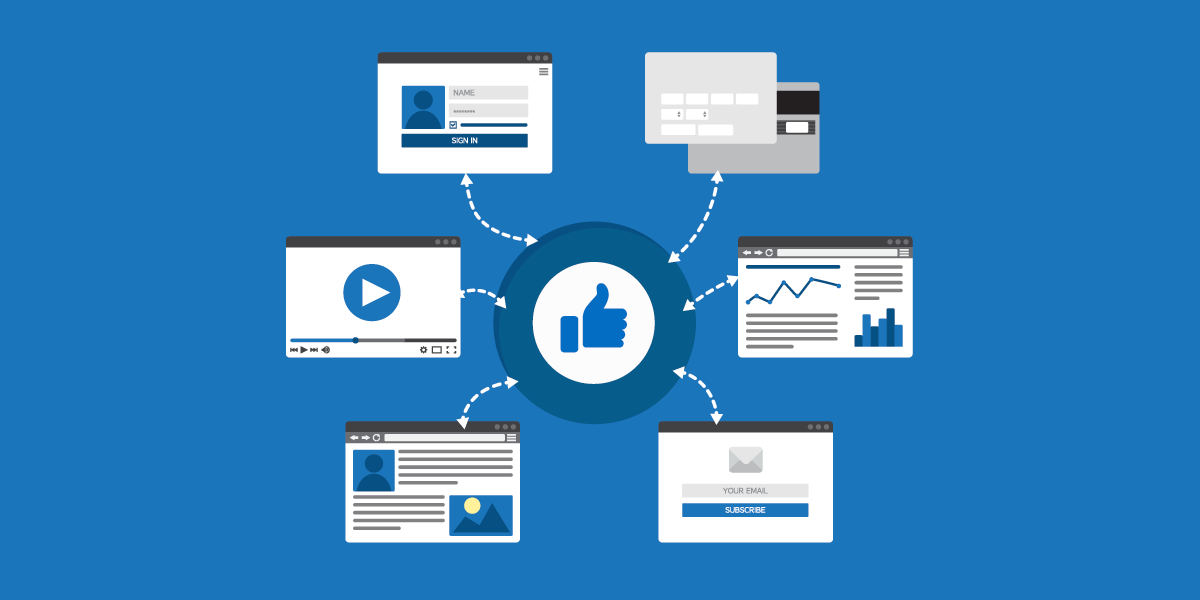
It is a comprehensive document that covers a wide range of topics, ensuring that advertisers adhere to ethical and legal standards. It not only protects users from misleading or offensive content but also maintains the integrity of the platform as a whole.
Facebook's Ad Policy covers a wide range of topics, including prohibited content such as illegal products, misleading claims, and offensive material. It also addresses rules regarding targeting, ad formats, and landing pages. Advertisers must familiarize themselves with these policies to avoid running afoul of the rules.
When it comes to targeting, Facebook's Ad Policy ensures that advertisers cannot discriminate based on factors such as race, ethnicity, religion, or gender. This promotes fairness and equality in advertising, preventing any form of discrimination or bias.
In terms of ad formats, Facebook provides various options such as image ads, video ads, carousel ads, and more. Advertisers must ensure that their ads meet the specified requirements for each format, including image dimensions, video length, and other technical specifications.
It also addresses landing pages. Advertisers must ensure that the landing page associated with their ads complies with the policy as well. This means that the landing page should provide accurate information and not contain any prohibited content or misleading claims. Be attentive at the development stage and reach out a web-development expert if necessary.
As you navigate Facebook's Ad Policy, you will come across various key terms that are important to understand. These include terms like "prohibited content," "restricted content," "ad disapproval," and "policy violations." Knowing the definitions of these terms will help you effectively navigate and comply with the policy.
"Prohibited content" refers to the types of content that are strictly forbidden on Facebook's platform. This includes illegal products, misleading claims, offensive material, and other content that violates the Ad Policy.
"Restricted content," on the other hand, refers to content that is allowed under certain conditions or restrictions. This may include content related to alcohol, gambling, or other sensitive topics that require additional scrutiny to ensure compliance with legal and ethical standards.
If an ad does not comply with Facebook's Ad Policy, it may be subject to "ad disapproval." This means that the ad will not be allowed to run on the platform until the issues are addressed and the ad complies with the policy.
Lastly, "policy violations" refer to instances where an advertiser repeatedly fails to comply with Facebook's Ad Policy. In such cases, Facebook may take further action, such as disabling the advertiser's account or limiting their access to certain ad features.
Understanding these key terms is essential for advertisers to navigate Facebook's Ad Policy effectively and ensure compliance with the guidelines set forth by the platform.
Compliance with Facebook's Ad Policy is critical for advertisers for several reasons. Failure to comply can result in serious consequences that may impact your ability to run ads on the platform. On the other hand, adhering to the policy can bring numerous benefits, including increased ad performance, improved ad placements, and increased trust from Facebook and its users.
Facebook's Ad Policy is designed to maintain a safe and positive advertising environment for users. By following the guidelines set by Facebook, advertisers can ensure that their ads are relevant, trustworthy, and respectful of user experience. This not only benefits the advertisers themselves, but also contributes to a better user experience on the platform and, at the end, boost sales.
Non-compliance with Facebook's Ad Policy can lead to a range of consequences, from ad disapprovals and restrictions to temporary or permanent account suspensions. These actions can severely impact your ability to reach your target audience and achieve your advertising goals. It is essential to understand the potential consequences and take steps to avoid them.
When an ad is found to be in violation of Facebook's Ad Policy, it may be disapproved, meaning it will not be shown to users. This can be a significant setback for advertisers who have invested time and resources into creating their campaigns. Additionally, repeated violations can result in further restrictions, such as limited ad delivery or even a complete suspension of the advertising account.
Temporary or permanent account suspensions can have far-reaching consequences. They not only prevent the advertiser from running ads but also disrupt ongoing campaigns, potentially leading to missed opportunities and loss of revenue. Rebuilding trust with Facebook after a suspension can be challenging and time-consuming, making it crucial to prioritize compliance from the start.
On the other hand, complying with Facebook's Ad Policy offers numerous benefits. Advertisements that adhere to the policy have a higher chance of being approved and reaching their intended audience. Compliance also helps build trust with Facebook and its users, which can lead to increased ad performance and better placements.
When an ad complies with Facebook's guidelines, it is more likely to be shown to the target audience, increasing the chances of engagement and conversions. By following the policy, advertisers can ensure that their ads are relevant, accurate, and respectful, enhancing the overall user experience on the platform.
Plus, compliance with Facebook's Ad Policy helps build a positive reputation for advertisers. When users see ads that are trustworthy and aligned with their interests, they are more likely to engage with them. This increased trust can lead to higher click-through rates, improved ad performance, and ultimately, better return on investment for advertisers.
By following the guidelines, you can ensure that your ad campaigns run smoothly and effectively. Adhering to Facebook's Ad Policy not only helps you avoid the negative consequences of non-compliance but also opens up opportunities for success and growth in your advertising efforts.
Now that you understand the basics of Facebook's Ad Policy and the importance of compliance, let's explore how you can ensure that your ads adhere to the policy guidelines.
Regularly reviewing your ads for compliance is essential. Carefully examine the content of your ads, including the text, images, and landing pages, to ensure they align with Facebook's guidelines. Keep in mind the guidelines regarding prohibited and restricted content, avoiding misleading claims, and using appropriate targeting criteria.
When reviewing your ads, pay close attention to the text used. Make sure it is clear, concise, and does not contain any language that could be considered misleading or deceptive. Additionally, check that the images used are relevant to the product or service being advertised and do not violate any copyright or intellectual property rights.
Another important aspect to consider is the landing page that users are directed to when they click on your ad. Ensure that the landing page provides accurate and relevant information related to the ad. It should also have a clear call-to-action that aligns with the purpose of the ad.
By thoroughly reviewing your ads, you can identify any potential issues and make the necessary adjustments to ensure compliance with Facebook's policy. It would be suitable to work with experts in the ad world to avoid any mistakes and ensure effectiveness.
Facebook provides a range of ad tools that can help you stay compliant with their policy. These tools include features that allow you to check your ad's compliance status, get feedback on policy violations, and resolve any issues that arise. Make use of these tools to proactively identify and address compliance concerns.
One of the key ad tools provided by Facebook is the Ads Manager. This tool allows you to manage and monitor your ads, providing insights into their performance and compliance status. It also offers a policy checker feature that scans your ads for any potential policy violations and provides recommendations on how to address them.
In addition to the Ads Manager, Facebook also offers a policy support team that can provide guidance and assistance in ensuring your ads comply with their policy. If you have any questions or concerns regarding your ad's compliance, you can reach out to this team for expert advice.
By utilizing these ad tools, you can stay proactive in maintaining compliance with Facebook's policy. Regularly check the compliance status of your ads, address any violations promptly, and seek assistance when needed to ensure your ads meet Facebook's guidelines.
Even with careful review and diligent adherence to the guidelines, issues with Facebook's Ad Policy can still arise. Here are some common issues you may encounter and their possible solutions.
If your ad has been disapproved, carefully review the feedback provided by Facebook to understand the specific violation. Make the necessary edits to bring your ad into compliance and then resubmit it for review. It is important to understand why your ad was disapproved to avoid similar issues in the future.
In some cases, you may receive a policy violation notice from Facebook. This typically occurs when multiple ads or your entire ad account has been found in violation of the policies. Take the time to thoroughly review the violations and implement the necessary changes to ensure future compliance. Consider seeking expert advice or consulting Facebook's support resources for additional guidance.
As an advertiser, staying up to date with policy changes and best practices is crucial for successful navigation of Facebook's Ad Policy.
Facebook's Ad Policy is dynamic and subject to regular updates. It is crucial to stay informed about these changes to maintain compliance. Subscribe to relevant newsletters, follow Facebook's official updates, and engage in industry forums to stay up to date with the latest policy modifications and best practices.
With all this, you have a complete notion of what it takes to ensure your ads comply with Facebook's policy and enjoy the benefits of successful ad campaigns on the platform.
It happens to the best of us. We all hit a content creation wall.
Where do you turn to generate fresh ideas for new and engaging content?
Here are 3 fast and easy ways to get the wheels turning, and to get your growth content back on the right track.

We use Ubersuggest as a great way to again, generate some quick ideas to see what people are searching for.
I'm gonna pretend that I have a stand-up paddle board company. I love stand-up paddle boards. I'm trying to understand what's some content that I can create. To attract my audience or answer questions they may have.
I'm gonna search for stand-up paddle board here. And what it's doing is it's coming up with all the things that Google will suggest in the search bar.
So when people are typing stuff into Google you know how you see those words come up beneath the search, that's what we're looking at here but all in one place.
There are some obvious ones here stand up paddle boards for sale. Stand-up paddle boarding in different cities. But, we also see like stand-up paddle board yoga.
Okay, so this is an interest to some people is to do yoga on their stand-up paddle boards. You can go through here, there's also a Workcloud option. If you really are short on time and just kinda want to look from the top down, you can pick up on the most common keywords that show up here.
Ubersuggest is the first place to go to kind of generate some new angles to approach here. You can go all the way down the alphabet, and just see what is on here.
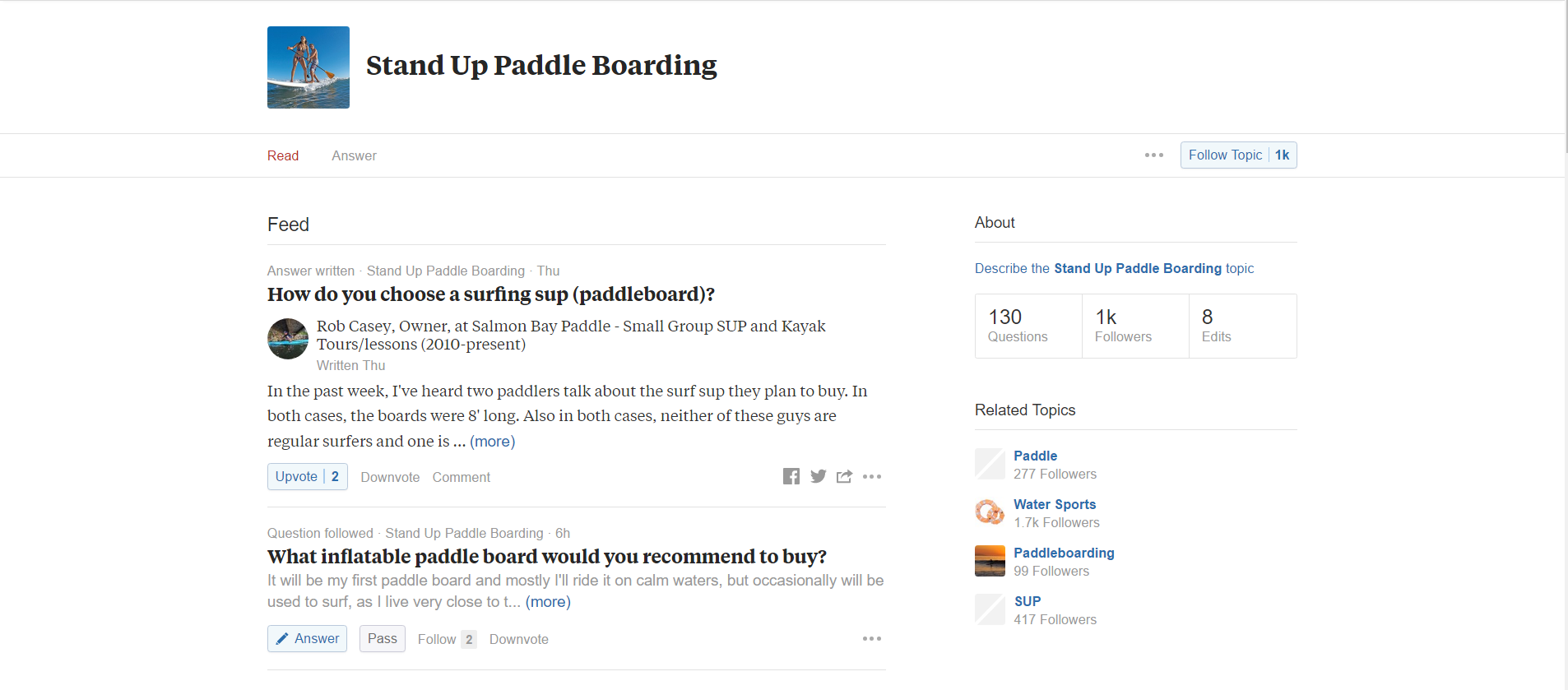
Now, the second site that I like to use is a site called Quora. Quora is basically a question and answer site where people ask questions and then other people come and answer them.
It's great if you want to set yourself apart as an expert in the space, you can answer a lot of questions.
But, kind of a separate strategy. I searched for stand-up paddle here. You can see there's a lot of great questions.
Now, Ubersuggest is good for the keywords. But, there's not a lot of context here. With Quora, we're able to see people's questions and what people are discussing in the answers about this.
Here's a question about inflatable stand-up paddle boards, are they worth buying? Here's some other stuff about related activities in kayaking. But here's one, what about paddle boards for beginners? People just getting into this.
You can see there's a lot of great stuff here. And if I click through I'm gonna see what answers are on here. And maybe there's an opportunity for me to even answer that question here and then build a blog post off of it.
Quora is a great place to get a little bit more context and understanding. Talk about idea generation and you just scroll down here and you're gonna see tons of great questions from people who are probably in the buying process already.
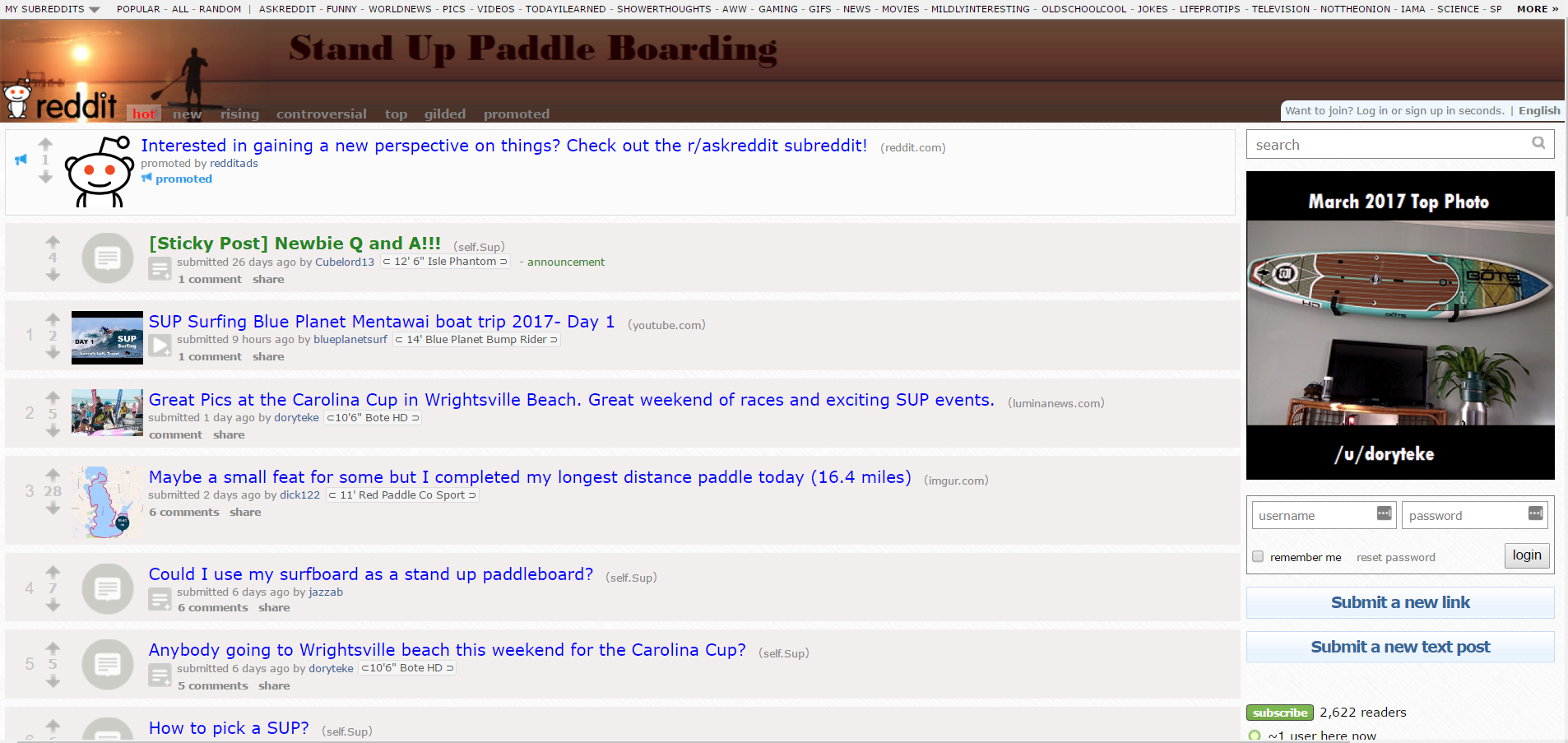
All right, the last thing I'm gonna show you is Reddit. Reddit is just another social bookmarking site but there's literally something for everything in here.
Every topic you could imagine is on Reddit.
Here is what is called a subreddit, and it is dedicated to stand-up paddle boarding.
Now, I like going to Reddit to see what people are asking, just like Quora. But Reddit is also a place where people can share cool content.
You can see what's getting the most upvotes, and you can see maybe what other content creators are doing, and how that might give you some ideas. Maybe you can take an idea and make it even better.
But could I use my surfboard as a stand-up paddle board? Okay, well which surfboards could feasibly do that? I don't know. But there's comments here, we could read through those. And just lots and lots of content here to generate ideas where you can maybe chime in.
What's a decent board under $800? Maybe that's an entire content series is based on people's price points. What should they expect and what should they look for in a board.
Lots and lots of great stuff here, but you can also see how detailed it gets. People talking about specific boards.

Between these three sites, if you just spent 15 minutes a week looking at what people are asking, what people are sharing and know what some of the general searches are out there, you're gonna have more than enough fuel to create content. And, I would just say that if you see themes pop up across each of these channels or each of these websites then make those a priority.
If you keep seeing stuff about inflatable paddle boards, make sure that you have a piece on that. Or, if you see stuff about yoga, make sure you have a piece on that.
But try to pick up on the trends and on the recurring themes across each of these sites.
All right, I hope that's helpful for you. Again, none of this is meant to replace great keyword research or great audience research. We all know that our ideas can run dry, and you need a quick boost every now and then to keep you going with your content creation.
Deciding to launch an eCommerce business is a significant milestone. But before you make your first sale, one of the most consequential decisions you will face is selecting the platform that powers your online store. The platform you choose affects everything from site speed and checkout experience to long-term scalability and total cost of ownership.
Three platforms dominate the conversation for direct-to-consumer brands and growth-stage retailers: Shopify, BigCommerce, and WooCommerce. Each takes a fundamentally different approach to eCommerce, and the right choice depends on your technical resources, growth trajectory, and operational priorities.
Below, we break down the features, limitations, and ideal use cases for each platform so you can make a data-informed decision.

Shopify has become the default recommendation for D2C brands and for good reason. The platform packages hosting, a drag-and-drop site builder, payment processing, and analytics into a single subscription. You do not need to source separate hosting, worry about SSL certificates, or patch security vulnerabilities yourself.
Shopify is the strongest choice for merchants who prioritize speed, simplicity, and a managed infrastructure. If you want to focus on product, marketing, and customer experience rather than server management, Shopify removes the technical overhead that slows teams down.
WooCommerce takes the opposite approach. Rather than a standalone platform, it is a free, open-source plugin that transforms any WordPress site into a fully functional online store. This architecture gives merchants complete control over every line of code, every design element, and every server configuration.

WooCommerce is the right fit for brands with in-house development resources or an agency partner who can manage the technical stack. If your business model demands deep customization, complex integrations, or a content-driven growth strategy, WooCommerce offers a flexibility ceiling that hosted platforms cannot match.
BigCommerce occupies a middle ground between Shopify's simplicity and WooCommerce's flexibility. It is a hosted, SaaS platform like Shopify, but it ships with more built-in features out of the box, reducing the need for paid add-ons.

BigCommerce works well for mid-market and B2B-adjacent brands that need advanced features without the overhead of managing their own infrastructure. If you are scaling past $1 million in annual revenue and want built-in functionality that would require multiple paid apps on Shopify, BigCommerce deserves serious consideration.
| Factor | Shopify | WooCommerce | BigCommerce |
|---|---|---|---|
| Hosting | Included | Self-managed | Included |
| Transaction Fees | 0.5-2% on third-party gateways | None | None |
| Customization | Moderate (Liquid templates) | Unlimited (open source) | Moderate (Stencil framework) |
| Time to Launch | Fast | Slow to moderate | Fast |
| Best For | D2C brands wanting speed | Developers wanting full control | Mid-market brands wanting built-in features |
Selecting a platform is not purely a feature comparison. Consider these practical factors before committing:
1. Your team's technical capacity. If you have no developers on staff and no agency partner, a hosted solution like Shopify or BigCommerce will save you from the operational burden of managing servers, security patches, and plugin conflicts.
2. Your growth trajectory. Model your costs at current revenue and at two times and five times your current volume. Shopify's transaction fees and app costs scale linearly. BigCommerce's tier-based pricing can jump at revenue thresholds. WooCommerce's costs are more variable but can be optimized with the right hosting setup.
3. Your marketing and advertising stack. Consider how each platform integrates with your paid media, email, and analytics tools. Shopify's native ad integrations and WooCommerce's WordPress-based SEO advantages each serve different acquisition strategies.
4. Your need for customization. If your business model requires a unique checkout flow, complex product configurations, or custom integrations with ERP and inventory systems, the flexibility ceiling of your platform matters.
Shopify gets the EmberTribe seal of approval. Our team of growth experts swear by Shopify's functionality and ease of use. For the majority of D2C brands and growth-stage eCommerce companies, Shopify delivers the best balance of speed, reliability, and ecosystem support.
BigCommerce is a strong alternative for mid-market brands that need built-in B2B features and want to avoid transaction fees. WooCommerce remains the go-to for technically capable teams that require full customization and a content-driven approach to growth.
If you are looking for the simplest path to launching and scaling your eCommerce business, Shopify is the best place to start. But whichever platform you choose, the real differentiator is not the technology itself. It is how effectively you leverage it to acquire customers, optimize conversions, and build a brand that lasts.
With social media advertising becoming more and more efficient and targeted every day, we’re often left to wonder what little details we can tweak to make a massive difference for the visibility of a brand.
One of the factors that can help your campaign objectives are ad formats. Some of the ad formats that you may be used to interacting with across social media platforms include:
But does one ad format rule them all?

Mixing up ad formats can benefit your brand. By using various methods to communicate your current campaign, you’re able to increase brand perception positively by 8 percent.
Ad formats shouldn’t necessarily be selected simply because they look better or it’s your personal preference. Instead they should be chosen according to the objective you’ve set. Some ad format types are more finely tuned to different objectives and audiences.
Let’s take a look.
Trying to get your foot through the door?
If you’re at a stage in your business where you want top-of-funnel audiences to recognize your brand, or perhaps you’ve launched a new product that you want to raise awareness, your priority should be: impressions and reach.
This is where it gets a bit tricky. Your unique views (impressions) are driven by whether or not your ads were engaging to target audiences.
In a perfect world, an ad would go viral, right? With hundreds of thousands of viewers sharing your content it makes sense that you would be getting more out of your ad spend. However, to be realistic, not every (or any) of your ads can go viral and quality is hardly a factor in anything going viral at all. So you should never formulate their strategy relying on that.
Instead, you should focus on using ad formats that are best suited to increase awareness, that consistently get good impressions and engagement. In most cases, that means video ads.
Video ads regularly achieve higher engagement rates, and can be extremely effective at persuading audiences to interact with your ad.
In order to convert customers you have to make sure that you are also driving traffic of the right leads. These two ad formats have been proven to help drive conversions.
A carousel ad is perfect for driving high-intent traffic to your site. The ads stand out and lead directly to a product that a user clicks on, making their journey short and easy.

Video ads are also a great tool for conversions as people get invested and often check out your website. A video format also allows a brand to relay all the necessary information that it needs to give out in order to convince a customer of their unique selling point.
At the end of the day, ad formats are very relevant to what your campaign is trying to achieve. However, you cannot drive a social media advertising campaign solely on what format you pick.
For example, if you pick image ads you must imbed it with a witty copy to captivate audiences. A video has to be relevant and informative, not confusing or off-putting. The ad format is just a piece of the puzzle...if you get the other pieces wrong, viewers will dismiss your ads without a second thought.

Whatever ad format you’re using, it’s crucial that you have Pixels set up so that you can retarget the people who may have seen your top-of-funnel and middle-of-funnel ads. Without your Pixel set up properly, you’re basically working on that same puzzle with missing pieces you’ll never get back.
As always, finding the best ad format for your objectives is a matter of experimentation and iteration. As you set up your campaigns, consider which ad formats you want to test with different objectives. Best practices are only as good as the results you get from them!

Here at EmberTribe, we are continually running different tests and helping our clients find their best approach for their growth marketing. This is not a cut-and-dry approach because every brand and their target audience is different.
When it comes to some of ourbest-performing ads, you will notice they are all very diverse and customized for the brand they represent.
Here are some key ad creation concepts that are currently working to boost engagement for some of our clients.
Get a look inside how we develop ad angles, experiment with creative, and generate ads that get results with these 9 components of a high-performing ad.

This ad may not necessarily seem like a show-stopper, but it’s pulling in 80% of this client's email leads. Between the alluring look of the image with the message overlay and the direct call to the customer within the first two lines of the ad copy, people are drawn to stop.
The copy is direct and engaging for the people it’s supposed to be engaging for. The people who aren’t within the target audience will just scroll right by (which means fewer wasted clicks for the client).
You don’t need to target everyone. In fact, you shouldn’t target everyone. Pinpointing a very select audience is the best way to create the kind of ad that is going to speak to the right people.

Targeting the middle-of-the-funnel crowd worked well for Casa Pilates Equipment. Rather than shoot for those at the very beginning of the buyer’s journey, this ad is jumping right into that mid-point, where the targeted audience has beyond beginner knowledge about yoga and may be looking to add some equipment to their home studio.
Adding the title “My Self-Quarantine Savior!” resonated with the users who were feeling stuck at home. The copy stays focused on the buyer, clarifying how the Casa Pilates team is there to help, how customers are happy with the great service, and how the machines are made to be durable investments.
This ad worked well for remarketing purposes, targeting the crowd that was already somewhat familiar with Casa Pilates Equipment.

For this ad, the client clearly had an edge—they had their product on Kelly Ripa and we were able to include this 50-second clip of her raving about it. This was paired with a very short, interest-piquing quote from Kelly (“This is quite possibly the greatest thing ever”) and a quick two-liner about the product.
If you have a high-quality asset, like this video, you don’t have to try to add competing text. We let the asset shine on its own and it quickly became a high-performer for this client.
Essentially, you want to get out of the way and let a video like this do all the talking for you.

This ad is another one that might not seem like much at first glance, but all the elements are working for it.
These are top-sellers on the site and the ad plays blinking text that is just enough to catch someone’s eye as they are scrolling past. It is a great ad for a top-of-the-funnel lead because it showcases these products and offers a simple introduction to the brand.
“The best yard games for any age” is a title that communicates plenty of other game options. The text itself on the image “NEW GAMES, NEW ARRIVALS” is a call to novelty, which is often a great tool for piquing interest and getting the click-thru.
This example is the top-earning ad for this client.
A 10-second smack-in-the-face video of images with text overlay is very attention-grabbing for just about anyone, but really speaks to the Bulletprute audience.
We know that we're targeting a very cut-and-dry audience that is after quality and wants to know what they're getting for the money. Knowing your audience well is a huge asset that is crucial for a successful campaign.
An ad trying to evoke sadness, joy or excitement just wouldn’t go over nearly as well with this audience. This ad feels inspirational and gritty but places a lot of focus on the product's durability and value.
Including the link within the ad text offers a double CTA that often works well.

This product is targeting a very specific type of hair (3-4C curls), so the video of it in action offers a lot of impact. Showing the brush gently and easily slide through the thick, healthy hair is a huge selling point.
Anyone with this type of hair is familiar with how much the small bristles can get caught and tangle the hair. The thick nature of the product is a huge selling point and this ad centered in on that value. The ad copy backs this value with the 100% satisfaction guarantee promise.

This is a story-telling ad with a powerful video that reveals the story behind Combat Flags. Telling the audience about the company’s “why” often makes a big difference in how customers perceive the value.
There are a lot of people who make similar kinds of patches, but Dan is a veteran who creates patches from retired fatigues. His mission really sets apart his brand.
In the past, he was able to get traffic by just including product images. But, this story-telling ad really took the attention to the next level. People want to know about the companies they are supporting. They will choose a good story over a generic one just about every time.

This stunning image showcases everything beautiful about beachwear. The women pictured are in a natural element and look like they are just walking through the seagrass near beach dunes. From their hair to their outfits and surroundings—nothing looks contrived or overdone. They look comfortable and happy—which are huge selling points for swimsuits.
The ad copy mentions “luxe” which is then repeated in concept by the title, “Inspired by the lush textures found in a Moroccan market…”
This ad appeals to an unusual product value for this industry and it uses an authentic (but polished) approach that is very appealing to those in its target audience.

Don’t be afraid to let the focus fall directly on the product. This appealing image is very reminiscent of the flat lays that are popular on Instagram. It lets the coffee speak for itself. And, the audience targeted here is one seeking out simply good brands and love pour-over coffee.
The “FREE Shipping over $25” is an offer that is likely to pique some interest. Many free shipping promises start at $35 (Target) or higher, and $25 doesn’t sound like an unreasonable amount to spend on coffee to someone who will go through a few bags in just as many weeks.
Getting an offer into the ad can sometimes get a click-through. In this case, the product looks good, plus interests leads to check out how many bags they need to buy to get to the free shipping.
Are you trying to up your ad game? Our growth marketing agency team could help.
We work with clients spanning all industries to pinpoint their audience and increase their traffic through paid social. We focus on the metrics to find the growth marketing ads that work best for you.
If you're ready to outsource, we can help take the load off.
Talk to us today about how to get better results with your ad spend.

Search marketing is one of the highest-ROI channels available to growth-stage brands, yet most companies lean too heavily on one side of the equation. They either pour budget into paid search and watch traffic vanish the moment spend stops, or they commit entirely to organic SEO and wait months for results that may never materialize.
The best-performing brands do both, and they do both strategically. Below, we break down exactly how SEO and SEM work independently, where each one excels, and how to build a balanced search marketing plan that compounds over time.
Search marketing refers to getting your website and web pages to rank prominently on search engines like Google and Bing through both paid and unpaid methods.
Ranking well is non-negotiable. Studies consistently show that the vast majority of web users look no further than the first page of search results. With billions of active websites competing for attention, the gap between page one and page two is the difference between visibility and obscurity.

The strongest search marketing strategies combine both organic and paid methods. Organic growth tends to be more cost-effective over the long run, but results take time to build. Once you have established authority, though, those rankings tend to hold. Paid advertising, on the other hand, delivers immediate visibility but disappears the instant your budget runs out.
Understanding this dynamic is the foundation of any balanced search marketing plan.
Search Engine Optimization is the discipline of earning high rankings on search engines through organic, unpaid methods. It requires a combination of content quality, technical rigor, and off-site authority building.
There are three primary pillars of SEO, and each one plays a distinct role in how search engines evaluate your site.
On-page SEO involves everything that lives directly on your web pages. This includes the content itself, how keywords are used, heading structure, meta tags, and image optimization.
The most important factor by far is content quality. Google uses sophisticated machine-learning algorithms to evaluate whether your content genuinely serves the searcher's intent. The algorithm looks at how closely your content aligns with authoritative sources in your field, how long readers stay on the page, and whether the content format matches user expectations.
To optimize on-page SEO effectively, focus on these fundamentals:
A popular planning approach for on-page SEO is the topic cluster model, where pillar pages link to related cluster content. This signals topical authority to search engines and helps users navigate your site more effectively.
Technical SEO covers the behind-the-scenes elements that affect how search engines crawl and index your site. This includes page load speed, mobile responsiveness, site architecture, HTTPS security, XML sitemaps, and structured data markup.
Technical SEO mistakes are some of the most common barriers to ranking. A site that loads slowly or renders poorly on mobile devices will struggle to rank regardless of how strong the content is. Google has been explicit that Core Web Vitals and mobile-friendliness are direct ranking factors.
Off-page SEO is primarily about backlinks, which are links from other websites pointing to yours. Search engines treat backlinks as votes of confidence. The more high-quality, relevant sites that link to your content, the more authority your domain accumulates.
Effective off-page SEO strategies include guest posting on complementary sites, creating linkable research or data assets, and building relationships with industry publications. The key is quality over quantity. A single backlink from a well-regarded industry site carries more weight than dozens of links from low-authority directories.
Without genuinely valuable content, none of the technical optimization in the world will move the needle. Google's algorithm has become increasingly sophisticated at distinguishing between content that was created to rank and content that was created to serve the reader.
The brands that win at SEO consistently are the ones producing content that their audience would seek out even if search engines did not exist. This principle should guide every content decision you make.
Search Engine Marketing uses paid advertising to place your web pages at the top of search engine results pages. We call this a rent-to-own approach: you pay for prime positioning while building the organic authority needed to hold those positions without ad spend.
Through platforms like Google Ads, you bid on keywords and phrases that represent your business. When a user searches for something matching your keywords, your ad competes for placement at the top of the results page. You only pay when someone clicks through to your site, which is why this model is often called pay-per-click (PPC).
When you set up a Google Ads campaign, you select target keywords, set a daily or monthly budget, and create ad copy that appears in search results. Google runs an auction for each search query, weighing your bid amount against your ad's Quality Score, which factors in ad relevance, expected click-through rate, and landing page experience.
This means that simply outbidding competitors is not enough. Brands that invest in high-quality landing pages and ad relevance can often win top placements while spending less per click than competitors with weaker ads.
SEM is particularly valuable in several scenarios:
The trade-off is clear: SEM delivers immediate results, but those results are directly tied to your budget. Stop spending, and the traffic stops.
It is worth noting that a meaningful percentage of users deliberately skip paid ads in search results. These users prefer organic listings, either out of habit or because they associate organic results with greater trustworthiness. By relying exclusively on SEM, you miss this segment entirely.
The honest answer is that the right balance depends on your specific situation. It depends on your industry, your goals, your budget, and the time horizon you are working with.
SEO is the better investment when you have more time than budget. If you can commit to producing high-quality content consistently, building backlinks through outreach, and keeping your site technically sound, then SEO will deliver compounding returns over time. Once you earn a top-three organic position for a valuable keyword, the ongoing cost of maintaining that position is a fraction of what it would cost to hold the same visibility through paid ads.
SEO is also essential for building long-term brand authority. When your brand consistently appears in organic results for industry-relevant searches, it reinforces credibility with potential customers in a way that paid ads cannot replicate.
SEM is the better choice when you need results now. If you are launching a new product, entering a new market, or running a time-sensitive promotion, SEM gets you in front of the right audience immediately. It is also valuable for testing. Before investing months of effort in SEO content for a given keyword, you can run paid ads to validate whether that keyword actually drives qualified traffic and conversions.
SEM is also a practical necessity in highly competitive verticals where organic ranking timelines stretch into years rather than months.
The most effective search marketing plans use SEO and SEM together as complementary strategies rather than competing alternatives.
Here is how the combination works in practice. You use SEM to drive immediate traffic and conversions while simultaneously investing in SEO content and technical optimization. As your organic rankings improve, you can gradually shift budget away from paid keywords where you now rank organically. Over time, your cost per acquisition decreases because a growing share of your traffic comes from organic search.
This is the rent-to-own model. You pay first for positioning, and you eventually own that positioning through the strength of your content and domain authority. Brands that execute this strategy well often see their overall marketing ROI improve significantly as organic traffic begins to supplement and eventually replace paid traffic for key terms.
Building a balanced plan requires more than simply running SEO and SEM in parallel. It requires coordination between the two.
Start by understanding where you stand. Identify the keywords you currently rank for organically, the keywords you are paying for through SEM, and where the gaps exist. Tools like Google Search Console, SEMrush, and Ahrefs can provide this data.
Classify your target keywords by purchase intent (informational, navigational, transactional) and competitive difficulty. High-intent, high-competition keywords are good candidates for immediate SEM investment. Lower-competition, informational keywords are often better served by SEO content that builds topical authority.
One of the most underutilized advantages of running both channels is the data feedback loop. Your SEM campaigns generate real conversion data that reveals which keywords, messaging, and landing pages drive revenue. Use this data to prioritize your SEO content calendar and allocate resources to the organic keywords with the highest proven revenue potential.
As your SEO efforts produce results, systematically reduce SEM spend on keywords where you have achieved strong organic positions. Reinvest that budget into new keyword opportunities or higher up the funnel where organic coverage is still thin.
Track search marketing performance as a combined channel. Monitor total search traffic (paid plus organic), blended cost per acquisition, and the ratio of organic to paid traffic over time. The goal is to see the organic share increase steadily while overall search traffic and conversions grow.
SEO and SEM are not competing strategies. They are two sides of the same coin, and the brands that treat them as a unified system consistently outperform those that pick one or the other.
If you are early stage with limited organic authority, start with SEM to generate traffic and revenue while you build your content foundation. If you have been running ads for years but have neglected SEO, now is the time to invest in the organic side before rising CPCs erode your margins.
The goal is a search presence that delivers both immediate results and long-term compounding value. That only happens when SEO and SEM work together.


.svg)