Online advertising has become an integral part of marketing strategies for businesses of all sizes. Google Ads, formerly known as Google AdWords, is one of the most popular advertising platforms, allowing businesses to display their ads across various Google services and partner websites. However, there may come a time when you no longer wish to maintain a Google Ads account. Whether it's due to changing advertising strategies or a shift in business focus, deleting your Google Ads account can be a straightforward process. In this step-by-step guide, we will walk you through the process of deleting your Google Ads account and provide insights into the implications of this decision.

Before diving into the deletion process, it's essential to understand what a Google Ads account entails. Google Ads is a pay-per-click (PPC) advertising platform that allows businesses to create and manage online advertisements. With a Google Ads account, you have access to a wide range of advertising features, including keyword targeting, ad scheduling, and performance tracking. Your account is linked to your Google account and contains information about your advertising campaigns, billing details, and account settings.
It serves as a centralized hub for managing your online advertising efforts. Within your account, you can create and group multiple advertising campaigns, each targeting specific audiences or promoting different products or services. Your account allows you to choose the desired ad format, set a budget, and customize various ad parameters such as keywords, geographic targeting, and ad placements. It also provides valuable insights and analytics on the performance of your advertising campaigns.
When you create a Google Ads account, you gain access to a powerful suite of tools that can help you reach your target audience effectively. The platform offers various ad formats, including text ads, image ads, video ads, and responsive ads. You can tailor your ads to appear on specific websites, in search engine results, or even on mobile apps, ensuring maximum visibility for your business.
There are several reasons why you might consider deleting your Google Ads account. Business priorities and strategies evolve over time, and you may find that Google Ads no longer aligns with your current advertising goals. Additionally, you may be shifting your advertising budget to other platforms or channels. Deleting your Google Ads account allows you to free up resources and focus on alternative marketing strategies that better suit your business objectives.
Furthermore, deleting your Google Ads account can be a strategic move if you have determined that your target audience does not engage with Google Ads or if you have found more cost-effective advertising channels. By redirecting your advertising budget towards platforms that yield better results, you can optimize your marketing efforts and drive higher returns.
It's important to note that deleting your Google Ads account is a permanent action. Once you delete your account, all associated campaigns, ad groups, and ads will be permanently removed. Therefore, it's crucial to carefully evaluate your advertising strategy and consider the potential impact before proceeding with the deletion process.
As you see, a Google Ads account offers businesses a powerful platform to create and manage online advertisements. It provides a wide range of advertising features, targeting options, and performance tracking tools to help you reach your target audience effectively..
Before proceeding with the deletion process, it's essential to make a few considerations and take a few precautionary steps to ensure a smooth transition.
Deleting your Google Ads account is a permanent action, and once deleted, the account cannot be recovered. Therefore, it's crucial to carefully assess the implications and consequences of this decision. Consider the following:
When you delete your Google Ads account, it's important to understand the potential impact on your ongoing advertising campaigns. Take a moment to evaluate the performance of your campaigns and consider whether deleting the account will disrupt any current marketing efforts. It's worth noting that once the account is deleted, all active campaigns will cease to run, and you will lose the ability to make any changes or optimizations.
Another aspect to consider is any remaining account balance or pending invoices. Ensure that you settle any outstanding payments before proceeding with the deletion process. Failure to do so may result in complications or financial issues down the line.
One significant consequence of deleting your Google Ads account is the loss of historical data and performance metrics. This data is valuable for analyzing past campaigns, identifying trends, and making informed decisions for future marketing strategies. Before deleting your account, take the time to export and save any important data or reports that you might need for future reference.

Google Ads provides various exporting options, such as downloading reports in CSV or Excel formats. By taking this step, you can maintain a copy of your valuable advertising data even after deleting your account. This backup can serve as a reference point or provide insights for future campaigns, ensuring that you don't lose valuable information.
Lastly, consider exploring alternative advertising platforms or strategies that could better serve your business goals. Deleting your Google Ads account opens up opportunities to try new marketing channels or approaches. Research and evaluate different platforms to determine if there are better options available that align with your objectives and target audience.
Now that you have carefully considered the implications and backed up your data, let's dive into the step-by-step process of deleting your Google Ads account.
To begin the process, log in to your Google Ads account using your Google credentials. Once logged in, navigate to the "Settings" section of your account. This can typically be found in the top-right corner of the Google Ads dashboard.
Within the "Settings" section, you will find a variety of options and preferences that you can customize to suit your needs. It's important to familiarize yourself with these settings before proceeding with the deletion process.
Take a moment to explore the different tabs and menus within the "Settings" section. You may come across features and tools that you were not aware of, which could be useful for your advertising campaigns.
Once you have located the "Settings" section, scroll down to the "Preferences" section. Here, you will find an option to "Cancel this Google Ads account." Click on this option to initiate the deletion process.
Before proceeding, it's essential to understand the consequences of deleting your Google Ads account. Deleting your account will permanently remove all your campaigns, ad groups, ads, keywords, and other associated data. This action cannot be undone, so it's crucial to make sure you have a backup of any important information.
Consider reviewing your account performance and campaign history to ensure you have extracted any valuable insights or data that you may need in the future.
Google Ads values the security of your account and requires you to confirm your intention to delete the account. Once you click on the option to cancel your account, you will be presented with a series of prompts and asked to enter your account password before being able to proceed.
Take your time to carefully review the information provided in these prompts. Google Ads wants to ensure that you fully understand the irreversible nature of this action and the potential impact it may have on your advertising efforts.
Consider the implications of deleting your account, such as losing access to historical data, performance metrics, and any ongoing campaigns. It's also important to note that deleting your Google Ads account will not affect your other Google services, such as Gmail or Google Drive.
Once you have reviewed and confirmed your understanding of the deletion process, enter your account password as requested. This additional step helps to ensure that only authorized users can delete an account.
After submitting the deletion request, your Google Ads account will be scheduled for permanent deletion. The exact timeframe for the deletion process may vary, but you will receive a confirmation email once the process is complete.
It's important to note that even after your account is deleted, Google may retain certain information for legal and regulatory purposes. However, this information will no longer be accessible to you or used for advertising purposes.

Deleting your Google Ads account is a significant decision, and it's essential to consider all the factors involved. If you are unsure about deleting your account, you may want to explore alternative options, such as pausing your campaigns or seeking assistance from a Google or Search Ads specialist.
Deleting your Google Ads account has immediate effects on your advertising campaigns and account access. It's important to be aware of these implications to manage the transition effectively.
Once your Google Ads account is deleted, your ads will no longer be eligible to appear on Google search results, partner websites, or any other platforms within the Google advertising network. Additionally, access to your account, including campaign data and historical performance metrics, will be permanently revoked. Make sure to adjust any tracking or conversion pixels that were tied to your Google Ads account to avoid any discrepancies in your analytics.
While the immediate effects are evident, there are long-term implications to consider as well. Deleting your Google Ads account may impact your advertising performance if you had campaigns running consistently. It might take time to transition to alternative marketing strategies or platforms, and the reach and visibility of your business could be affected during this period. However, by carefully planning and implementing a new advertising strategy, the long-term effects of deleting your Google Ads account can be managed effectively.
If you have second thoughts or wish to reinstate your Google Ads account in the future, it's important to understand the options available.
Once an account is permanently deleted, it cannot be recovered. Therefore, it's critical to be certain about your decision before confirming the deletion of your Google Ads account. However, if you wish to resume advertising with Google Ads in the future, you can create a new account and start afresh. Keep in mind that you will need to rebuild your campaigns and historical data will not be available.
If you accidentally deleted your Google Ads account and wish to recover it, the best course of action is to reach out to Google Ads support for assistance. While there is no guarantee of account recovery, they may be able to provide guidance or explore any possible options.
Deleting your Google Ads account is a significant decision that requires careful consideration. By following this step-by-step guide, you now have the information and insights necessary to make an informed decision about deleting your Google Ads account. Remember to evaluate the implications, back up your data, and plan alternative advertising strategies to ensure a smooth transition. While deleting your Google Ads account may come with short-term challenges, it can pave the way for a more focused and effective advertising approach that aligns with your evolving business goals.

🎱 Brands are on the hunt for fresh ways to connect with their audience. TikTok, the rising star of social media platforms, is where the action is. 🌟

Brands that tap into TikTok’s vast user base can unlock unparalleled potential. However, to truly shine on TikTok, expert guidance is crucial. This is where a TikTok Ads Agency steps in. 👔
🎲 Their role? To craft a strategy that maximizes your brand’s impact on this vibrant platform.
TikTok has exploded in popularity, boasting over millions of monthly users worldwide.
💰This makes it a goldmine for brands aiming to reach a diverse, engaged audience.
TikTok’s short-form videos and smart algorithm offer a unique stage for brands to showcase products and services.
But TikTok isn’t just about entertainment. It’s also a hub for education, DIY content, and social causes. 🎨
Brands that tap into this can engage users deeply by offering value through informative and inspiring content.
TikTok’s massive appeal, especially among Gen Z, offers brands a rare opportunity. 💎
Unlike other platforms, TikTok is all about authenticity and creativity.
It’s where brands can connect with users on a personal level, in a way that feels genuine. 💡
TikTok’s interactive features, like challenges and duets, turn passive viewers into active participants.
This level of engagement not only builds brand loyalty but also amplifies reach as users share their interactions, creating a ripple effect of advocacy.
A TikTok Ads Agency specializes in navigating the complexities of TikTok advertising. From crafting a tailored strategy to creating engaging content, they cover it all.
Their in-depth knowledge of TikTok’s tools, targeting options, and best practices ensures your brand’s success. ☘️ And they don’t just stop at the basics. They go above and beyond to deliver exceptional results.
Working with a TikTok Ads Agency brings several benefits. First, you tap into their expertise and industry insights. They stay ahead of trends, algorithm changes, and audience preferences, keeping your brand competitive. Let’s dive into the key benefits:
1. Strategic Planning: A TikTok Ads Agency aligns your brand’s goals with a tailored advertising strategy. They optimize reach, engagement, and conversions. 💡
2. Content Creation: Agencies craft compelling ads that resonate with TikTok users and align with your brand identity. They know how to make content that pops. 🎨
3. Campaign Management: From setup to performance tracking, agencies handle it all. They adjust targeting, bidding, and creatives to maximize ROI. 📊
4. Analytics & Reporting: Agencies provide valuable insights into campaign performance. They help you make data-driven decisions to refine your strategy. 📈
Creating an effective TikTok ad strategy starts with understanding the platform and its users. As you navigate TikTok, focus on these key elements to ensure success.
1. Understanding Your Audience: Knowing your audience’s interests and behavior is crucial. Tailor your content to resonate and drive engagement. 💡
2. Creative & Authentic Content: TikTok thrives on creativity. Brands that can tap into this and create authentic content will capture attention. 🎥
3. Leveraging TikTok’s Ad Formats: Use a mix of in-feed ads, branded effects, and challenges to maximize impact. TikTok offers diverse ways to connect. 🔄
By understanding your target audience, crafting creative content, and using the right ad formats, your brand can make a lasting impact on TikTok.
Tracking the success of your TikTok campaigns is key to making informed decisions. Use metrics like impressions, reach, engagement, and conversions to gauge effectiveness.
Impressions show how often your ad is viewed, while reach highlights unique viewers. Engagement rate measures likes, comments, and shares, indicating interaction levels.
Conversion rate shows the percentage of users taking the desired action, like a purchase. 📈
👩🔬 Analyzing these metrics helps optimize your strategy for better results.

TikTok is full of opportunities, but it also presents challenges. Being aware of these challenges and having the right strategies in place can help you navigate them successfully.
1. Platform Understanding: Brands new to TikTok might struggle initially. Invest time in learning the platform’s nuances. 🎓
2. Creativity Matters: TikTok is all about creativity. Avoid generic content and aim for inspiring, engaging ads. ✨
3. Speaking TikTok’s Language: Adapt your messaging to fit the platform’s culture. Make your content feel native and authentic. 🌐
The future of TikTok advertising is filled with exciting possibilities. As the platform evolves, staying informed and adaptable will be key to continued success. Is important to stay tuned on emerging trends.
Here are a few: 🚀
1. Influencer Partnerships: Collaborating with influencers can amplify your reach. Ensure alignment with your brand’s values. 🤝
2. Enhanced Targeting: TikTok’s expanding targeting options allow for more tailored ads. This ensures your message reaches the right audience. 🎯
3. Interactive Ads: Formats like shoppable ads and AR experiences are growing in popularity. They offer new ways to engage users. 🛒
To stay ahead, keep up with trends, embrace a test-and-learn approach, and continuously refine your strategy.
TikTok’s landscape is ever-changing, and brands that adapt will thrive. 📶

In the digital age, competition is fierce and consumer skepticism is high. 😱
Establishing trust in your brand is crucial. One way to build credibility is through SEO. But, first, let's define some key concepts. 🌠

First, understand what brand trust means. It’s the confidence consumers have in your brand. They believe you will deliver on promises. 👊
Trust fosters customer loyalty.
It drives repeat purchases. It also attracts new customers through word-of-mouth. Trust is fundamental for business success, and it has some key elements. 🍞
Reliability is one, meaning to be able to deliver on promises. 🙆
Transparency is another; this is sharing information openly.
Consistency is also crucial, which says to maintain consistent messaging. ❇️
You must also ensure your brand’s visual identity is uniform. This builds reliability and familiarity. 👨👩👦
📊 Now, let’s connect SEO and brand credibility.
🔗 SEO shapes brand perception that will improve search engine rankings. Higher rankings, which users trust them, increases visibility. 🌐 Visibility drives organic traffic.
🚀 It establishes your brand as credible and authoritative. 🏅
Simple, right? 😃

A comprehensive keyword strategy is key to building trust with your target audience. 🔑
By aligning your content with the terms and phrases your audience searches for, you position your brand as a relevant and reliable source of information.
⚠️ Conduct keyword research to identify long-tail keywords that accurately reflect your brand’s unique value proposition and integrate them strategically into your website’s content.
This approach enhances your brand’s search engine visibility and positions it as an authority in your industry. 📊
Maintaining credibility requires continuous effort and commitment. 🔄
Regularly auditing your SEO efforts allows you to identify and address potential issues,😤 ensuring your brand’s credibility remains intact.
Perform regular SEO audits to assess 🏥 the health and effectiveness of your website and content, evaluating factors like keyword optimization, backlink profile, website speed, and user experience. Just as we did with this brand.

By staying updated with industry trends and adapting your strategies accordingly, you can proactively address challenges and maintain your brand’s credibility. 📊
Indeed, SEO credibility directly impacts business success by building customer loyalty and driving growth. 🚀
A brand perceived as trustworthy attracts and retains customers, fostering loyalty and positive word-of-mouth referrals. 😀
A strong SEO credibility increases your brand’s visibility, attracting more organic traffic and generating higher quality leads. 📈
This greater online visibility and positive brand perception establish your business as a trusted industry leader, driving growth by expanding your customer base and increasing sales and revenue. 💰 (Don't miss this SEO case study for an Automotive US eCommerce brand).

You know the reasons: by leveraging the power of SEO credibility, you can build a strong foundation of trust with your target audience. ⚔️
Through strategic keyword research, high-quality content creation, and continuous monitoring of your SEO efforts, you can position your brand as a reliable and trustworthy authority within your industry. 🏅
Don't be afraid of investing in SEO. 🤑 It drives credibility and customer loyalty but also drives business growth and success.
By prioritizing SEO credibility, you ensure that your brand is consistently perceived as trustworthy and reliable, establishing long-term customer relationships and securing a competitive edge in the market. 📈
Good combination, right? 👊

Businesses need to find new ways to reach and engage their audience. 📲
SMS campaigns are a powerful channel. 🔮
With most people owning mobile devices, SMS offers a direct way to connect with customers. 🎈Let’s explore SMS campaigns, craft winning strategies, and measure success. 🚀
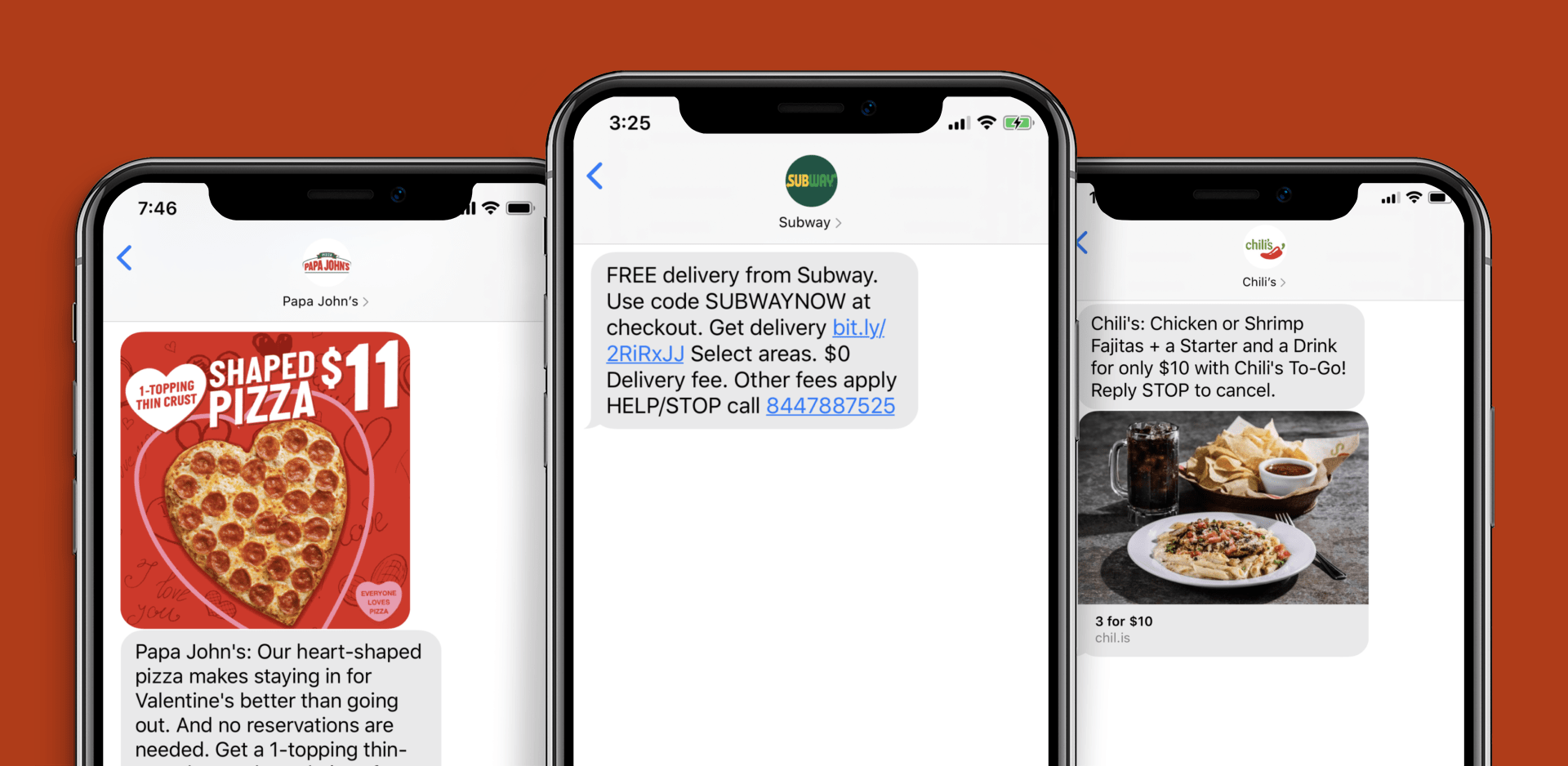
An SMS campaign sends targeted text messages to a specific group. 📩 This can include updates, promotions, and reminders.
Campaigns can be transactional or promotional. Transactional messages confirm orders or remind appointments. Promotional messages offer limited-time deals or contests. 🎁
The goal? ⚽
To achieve a particular objective like increase sales (as this brand did) or brand awareness (as this brand also did).

Text messages have an open rate of around 98%! 📊
SMS provides a personal touchpoint, building stronger relationships 💪, and increasing the possibilities of converting more.
It’s also affordable and efficient. Even small businesses can implement effective campaigns without spending much. 💡 To succeed, consider these key elements: 🎯
To succeed, consider these key elements: 🎯
1. Clear Objectives: Define specific goals. 📋 Use SMART objectives to align efforts and gauge success.
2. Compelling Content: Craft concise messages that encourage action. ✍️ Stick to character limits but make every word count.
3. Timing and Frequency: Balance sending messages at the right times. ⏰ Avoid excessive contact to prevent annoyance.
4. Segmentation: Divide your audience based on demographics and behavior. 🎯 Tailored messages increase relevance.
5. Call to Action (CTA): Clearly state what you want recipients to do. 🛒 Whether it’s making a purchase or subscribing to a service.
Personalization is crucial 🙋. Use recipients’ names and tailor messages to their interests. 📋 Regularly analyze your campaigns. Track metrics like open and conversion rates. 📈 This helps refine strategies and improve targeting.
Before writing messages, develop a strategy. 🎯 Align it with your business goals and audience. The fundamental pillars are:

Crafting effective SMS messages is an art. 🖌️ Here are some tips:
1. Be Concise: Get straight to the point. 📝 Limited characters mean every word matters.
2. Create Urgency: Use time-limited offers to encourage immediate action. ⏳
3. Clear CTA: Direct recipients on what action to take. 🔗
4. Personalize: Address recipients by their name and tailor content to their preferences. 🎯
5. Engaging Language: Use persuasive language and emotional appeals. 💬
Use analytics tools provided by your chosen messaging platform to gain insights into your SMS campaign performance. 🤖
👾 Analyze data such as open rates, CTRs, and conversion rates. Look for patterns, trends, and correlations that can help you understand what resonates with your audience and what doesn't.
For example, you might discover that certain messages or specific call-to-actions (CTAs) yield higher conversion rates. Armed with this knowledge, you can make data-driven decisions to optimize your future campaigns.🤓
Success is a thing of well-managed information.

👀 So, the next time you launch an SMS campaign, don't just focus on sending out messages.
Pay attention 👀 to the data, analyze it, and make informed adjustments. By doing so, you'll be on your way to mastering the art of successful SMS campaigns.

With its unique and engaging content format, 🙌 TikTok provides ample opportunities for brands to showcase their products and services, as well as other social media advertising platforms. 💸
🔮 However, mistakes are easy to make.
Before diving into TikTok advertising, it is crucial to understand the costs associated and the best practices to create successful campaigns. 🎈
TikTok advertising promotes products or services 🌭🏨 through paid campaigns on TikTok.
As a fast-growing platform, TikTok offers various ad formats and targeting options to engage with your audience effectively.
Whether you aim to increase brand awareness, drive app downloads, or boost sales, TikTok advertising is a powerful tool.

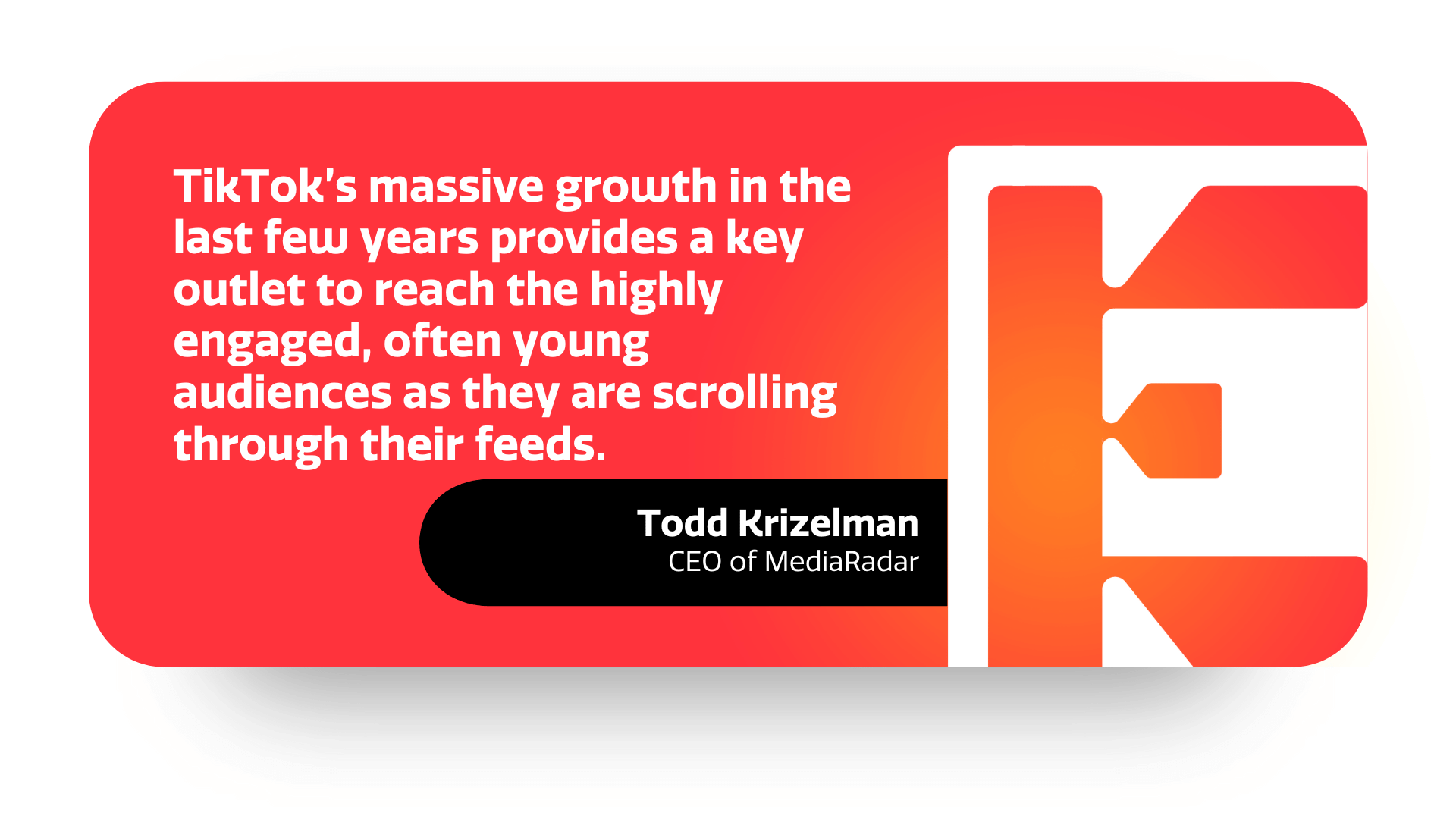
TikTok’s explosive growth presents a unique opportunity to tap into a young, engaged audience. 🐥
There are 1.58 billion TikTok users. A number that speaks for itself. 😱
They spend over an hour and half daily on the platform, ⏰ making it ideal for capturing attention and building brand loyalty. 🎯
Several factors affect TikTok ad costs. The bidding strategy you choose—cost-per-click (CPC) or cost-per-impression (CPM)—plays a primary role. Other factors include ad placement, targeting options, ad duration, and ad quality score.
TikTok ad costs vary widely. On average, CPC ranges from $0.10 to $0.30, while CPM ranges from $10 to $30. These estimates depend on your targeting, bidding strategy, and campaign objectives. 📊
In-feed Ads: In-feed ads appear within the “For You” feed. They cost between $8,000 and $10,000 per campaign, with a minimum spend of $500. The cost depends on ad duration, targeting options, and audience reach. 🎥
Brand Takeover Ads: These full-screen ads appear when users open TikTok. Depending on factors like ad duration and targeting options, they cost between $20,000 and $50,000 per day. 🌟
TopView Ads: Similar to brand takeovers, TopView ads offer a longer branding experience. They cost between $50,000 and $100,000 per day. The exact cost depends on ad duration, targeting options, and audience reach. 🏆
Define your goals before allocating your budget. Determine whether you aim to increase brand awareness, drive traffic, or generate sales. Clear goals help you allocate your budget effectively. 🎯
Consider your marketing budget, potential ROI, 🏦 and objectives. Start with a smaller budget to test your campaigns and gradually increase it. Monitor performance closely and adjust your ad spend as needed. 📈
Select an ad format that aligns with your goals and resonates with your audience. Consider the user experience and creative elements. Experiment with visuals, captions, and calls-to-action. 🎬
Leverage TikTok’s targeting options to define your audience based on demographics, interests, and behaviors. Use Custom Audiences to retarget users who have shown interest in your brand. 📊 Regularly monitor and measure your campaigns. Use TikTok’s analytics to identify areas for improvement. Optimize your campaigns based on data-driven decisions to achieve better results. 📉
Regularly monitor and measure your campaigns. Use TikTok’s analytics to identify areas for improvement. Optimize your campaigns based on data-driven decisions to achieve better results. 📉
TikTok advertising offers a valuable opportunity to engage with a young, active audience. Just look at the revenue projection of the platform (2020-2027), according to Statista:

Understanding the cost is essential for leveraging TikTok's potential. By using various ad formats, targeting options, and optimization strategies, you can maximize the impact of your TikTok ads and achieve your marketing objectives. 🚀
Search engine position is crucial to drive traffic to websites. Users click on top results on search engine result pages (SERPs). Understanding this helps businesses increase online visibility and attract more visitors. 🌍
Search engine positioning is the rank where a website appears in organic search results. Higher ranks lead to more visibility and organic traffic. Factors influencing this include content, structure, backlinks, and user experience. 🌟

A high search engine position is vital. Top-ranked websites attract more clicks and generate more leads, sales, or engagement. High ranking also boosts credibility and trustworthiness. 📈
Website position directly impacts click-through rate (CTR). The first few positions receive the most clicks. Aiming for top positions maximizes clicks and potential traffic. 🎯
Higher search engine positions lead to increased organic traffic. Optimizing for higher ranks taps into a larger pool of potential users. This improves the quantity and quality of organic traffic. 📊
If you are interested, can see an example of a successful SEO build-up here. here.
Search engine optimization (SEO) is crucial for determining position. Implementing on-page and off-page SEO practices enhances ranking chances. Staying updated with search engine algorithms is essential. 📈
Keywords and content quality are critical. Conducting keyword research, optimizing content, and ensuring high-quality information improves positioning. Structured content with headings and bullet points enhances user experience. 📝

On-page SEO focuses on optimizing website elements like meta tags, headings, URLs, and internal linking. Proper keyword usage and valuable content improve search engine position. 🌐
Off-page SEO includes building backlinks, social media promotion, and guest blogging. Establishing a strong online presence boosts search engine position and traffic. Social signals also contribute to off-page SEO. 🌟
Tools like Google Analytics, Moz, and SEMrush track search engine positions. These tools provide insights into rankings and the impact of optimization efforts on traffic. 📊
Analyzing traffic data helps understand the impact of search engine position on website traffic. Metrics like organic search traffic, click-through rates, and engagement metrics guide further optimization. 📈
The case is made: 😁 Mastering search engine positioning is key to driving organic traffic and boosting your website’s visibility, credibility, and success. 🌐📈

Conversion rate optimization (CRO) is a crucial component of any successful online business strategy. It involves understanding user behavior, analyzing website data, and implementing strategies to maximize conversions. To help you on your CRO journey, here are three inspiring quotes that will motivate you to improve your conversion rates.

One of the most fundamental aspects of conversion rate optimization is testing. Testing allows you to gather data, identify potential improvements, and make informed decisions. As industry expert John A. Shedd once said,
"A ship in harbor is safe, but that is not what ships are built for."
When we think about this quote in the context of conversion rate optimization (CRO), it serves as a powerful reminder of the need to take risks and step outside of our comfort zones. It's easy to play it safe and stick with what we know, but true growth and improvement come from embracing the unknown and testing different strategies.
Just like a ship is built to sail the open seas, businesses are built to explore new horizons and reach new heights. By staying in our comfort zone, we limit our potential for growth and miss out on valuable opportunities. Testing different approaches, designs, and messaging is the key to unlocking these opportunities and driving more conversions.
When John A. Shedd said, "A ship in harbor is safe, but that is not what ships are built for," he was emphasizing the importance of pushing boundaries and venturing into uncharted territories. While it may be comforting to stay within the confines of a harbor, a ship's true purpose is to navigate the vast ocean and explore new destinations.
Similarly, in the world of CRO, playing it safe and sticking with the status quo will only limit our potential for growth. By embracing the unknown and testing different strategies, we can gather valuable insights and uncover hidden opportunities. It is through these calculated risks that we can achieve remarkable results and surpass our previous limitations.
In the context of CRO, this quote reminds us that playing it safe and sticking with the status quo will only limit our potential for growth. Testing different approaches, designs, and messaging can lead to valuable insights and ultimately drive more conversions. By taking calculated risks and embracing testing, we can push the boundaries of what is possible and achieve remarkable results.

When we think about the quote, "A ship in harbor is safe, but that is not what ships are built for," in relation to CRO, it becomes clear that staying within our comfort zone will only hinder our progress. Just as a ship is designed to sail the open seas, businesses are built to explore new horizons and reach new heights. Testing allows us to navigate uncharted territories and discover innovative ways to optimize conversion rates.
By continuously testing and experimenting with different strategies, we can gather data-driven insights that guide our decision-making process. This iterative approach to CRO enables us to identify potential improvements and make informed decisions, leading to better conversion rates and ultimately, increased success.
User experience (UX) is a critical factor in conversion rate optimization. As Steve Jobs famously stated,
"Design is not just what it looks like and feels like. Design is how it works."
This quote emphasizes the importance of prioritizing functionality and usability in design. It's not enough for a website to look visually appealing; it must also provide a seamless and intuitive user experience. The design should be focused on facilitating the user journey and making it as easy as possible for visitors to convert.
In the realm of CRO, this quote encourages us to view design as a means to enhance the user experience and drive conversions. By prioritizing usability and implementing intuitive design principles, we can create a website that not only looks great but also works seamlessly to guide users towards conversions. A well-designed website not only delights users but also builds trust and credibility, ultimately boosting conversion rates.
Analytics provide valuable insights that can shape your CRO strategy. As Marissa Mayer once said,
"Data beats opinions."
This quote emphasizes the importance of making data-driven decisions over relying solely on personal opinions or assumptions. Analytics allow us to gain a deep understanding of user behavior, identify patterns, and make informed decisions based on tangible evidence.
In the context of CRO, this quote reminds us that relying on gut feelings or personal opinions can lead to suboptimal results. By embracing data and utilizing robust analytics tools, we can uncover valuable insights about user behavior and preferences. This data-driven approach enables us to make informed optimizations that have a direct impact on conversion rates.

Imagine this: you're in the process of defining your business's mission statement and core values. You want to create a strategy that not only focuses on improving conversion rates but also aligns with your vision for the company. As you search for inspiration, you come across a quote by Steve Jobs: "Innovation distinguishes between a leader and a follower." This quote resonates with you and becomes the driving force behind your business strategy. It reminds you to always strive for innovation and be a leader in your industry.
A quote can serve as a guiding principle that aligns with your core values and aspirations. By incorporating meaningful quotes into your CRO strategy, you can create a sense of purpose and clarity that will propel you towards success.

Facebook Ads have become an essential tool for businesses to reach their target audience and achieve their marketing goals. However, one common challenge that advertisers face is audience overlap. When multiple ads are targeted at the same audience segment, it can lead to increased competition, wasted ad spend, and lower overall campaign performance.To overcome this challenge, it is crucial for advertisers to identify audience overlap on Facebook Ads and take strategic steps to minimize it. Below, we will outline a comprehensive 5-step process to identify audience overlap and provide tips to minimize it effectively.
Audience overlap is the extent to which your targeted audience segments share common individuals. In simpler terms, it is the overlap between the people who fall into different audience categories you have created for your Facebook Ads campaigns. This overlap can occur due to various reasons such as similar demographics, interests, or behaviors.

For example, let's say you have created two audience segments for your Facebook Ads campaign. The first segment consists of people aged 25-34 who are interested in fitness and wellness, while the second segment consists of people aged 30-45 who are interested in healthy cooking. If there are individuals who fall into both age ranges and have interests in both fitness and healthy cooking, then there is an audience overlap between these two segments.
Understanding the impact of audience overlap is crucial for optimizing your Social Media Ads campaigns. When there is a high degree of audience overlap, it can lead to several negative consequences:
Therefore, it is essential to monitor and manage audience overlap in your Facebook Ads campaigns. A PPC Agency can help you prevent and solve this issue. But, by identifying overlapping segments and adjusting your targeting strategies, you can optimize your ad delivery by yourself and ensure that your ads are reaching unique individuals who are more likely to engage with your content and take the desired actions.
Identifying audience overlap has several key benefits:
When you have a clear understanding of audience overlap, you can tailor your ads to specific segments of your target audience. This level of customization enables you to deliver highly relevant content that resonates with each group. By doing so, you increase the chances of capturing their attention and driving them to take the desired action.
When multiple ads target the same individuals, it not only results in redundant exposure but also increases your advertising costs. By identifying and addressing audience overlap, you can avoid this scenario and allocate your budget more effectively. This, in turn, allows you to optimize your ad spend and achieve a higher return on investment.
Ad fatigue occurs when an audience repeatedly sees the same ad, leading to a decline in engagement and conversion rates. By identifying audience overlap and diversifying your target segments, you can combat ad fatigue. This strategy ensures that your ads are continuously reaching fresh eyes, increasing the likelihood of capturing their interest and driving conversions.
On the other hand, ignoring audience overlap can have serious consequences:
When you neglect to address audience overlap, you risk exposing your target audience to the same ads repeatedly. This can lead to ad fatigue, causing a decline in engagement and ultimately impacting your campaign's performance. Lower click-through rates and conversion rates are common outcomes of ad fatigue, hindering the success of your advertising efforts.
Without identifying and managing audience overlap, you may inadvertently end up competing against yourself for ad placements. This competition drives up the cost of advertising, as you bid against your own ads to reach the same audience. As a result, your ad costs increase, potentially straining your budget and diminishing the overall effectiveness of your campaigns.
Every audience segment represents a unique opportunity to expand your reach and connect with potential customers. By ignoring audience overlap, you overlook the chance to target new and untapped segments. This limitation restricts your campaign's effectiveness and hampers your ability to maximize your advertising efforts.

Now that we have established the importance of identifying audience overlap, let's dive into the step-by-step process of how to identify and manage it effectively.
To begin, log into your Facebook Business Manager account and navigate to the Ads Manager. This is where you will find a comprehensive overview of all your Facebook Ads campaigns.
Within the Ads Manager, click on the "Audience Insights" tab. This powerful tool provides in-depth information about your target audience and enables you to analyze their demographics, interests, and behaviors, in order to do a data-driven approach to your marketing efforts.
Once you are in the Audience Insights tool, select the audience segment you want to analyze for overlap. This could be an existing audience you have created or a saved audience for a specific campaign.
Explore the different tabs within Audience Insights to gain a deeper understanding of your audience's characteristics. Look for similarities in demographics, interests, and behaviors that could indicate potential overlap with other audience segments.
Now that you have analyzed your audience data, it's time to identify any overlapping segments. Look for audience segments that share similar demographics, interests, or behaviors. These overlapping segments indicate potential audience overlap.
Facebook Ads Manager provides a visual representation of audience overlap in the form of Venn diagrams. Take note of any significant overlap and prioritize addressing those segments with the highest degree of overlap.
Based on your analysis of audience overlap, it's time to make strategic adjustments to your Facebook Ads campaigns. Here are some tactics you can employ:
In addition to the 5-step process, here are some additional tips to minimize audience overlap on Facebook Ads:
When setting up your targeting, create distinct and exclusive audience segments based on specific criteria such as demographics, interests, or behaviors. This approach ensures that each segment receives tailored messaging and minimizes the chances of overlap.

Make it a habit to regularly review your audience insights to identify any changes in demographics, interests, or behaviors. This allows you to adapt your targeting strategy and minimize potential overlap as your audience evolves over time.
With these actionable steps and tips, you are now well-equipped to identify audience overlap on Facebook Ads and take strategic measures to minimize its impact. By optimizing your ad targeting and minimizing ad fatigue, you can maximize the effectiveness and ROI of your Facebook Ads campaigns.

Automation is a powerful tool for businesses to streamline their processes and maximize efficiency. One area where automation can play a significant role is in managing Facebook Lead Ads. With the help of Zapier, a leading automation platform, businesses can effortlessly integrate and automate their Facebook Ads campaigns. Keep reading to learn the basics of Zapier, how it works with Facebook Lead Ads, and how to set it up for your business.
Zapier is an automation tool that connects different web applications and allows them to work together seamlessly. It eliminates the need for manual data entry and repetitive tasks by automating workflows, known as Zaps, between various apps.

Imagine a scenario where you receive an email with an attachment, and you want to automatically save that attachment to your cloud storage. With Zapier, you can create a Zap that triggers this action whenever a new email with an attachment arrives in your inbox. This saves you the time and effort of manually downloading and uploading the file.
One of the most remarkable aspects of Zapier is that it doesn't require any coding knowledge. This means that even non-technical users can leverage the power of automation to streamline their workflows and boost productivity.
Now that we have a better understanding of Zapier, let's explore another essential tool in the digital marketing realm - Facebook Lead Ads.
In today's highly competitive business landscape, capturing leads is crucial for sustained growth. This is where Facebook Lead Ads come into play. Facebook Lead Ads is a powerful lead generation tool that allows businesses to collect valuable information from potential customers directly within the Facebook platform.
Traditionally, businesses would direct users to a landing page to fill out a form or provide their contact information. However, this process often leads to a drop-off in conversions, as users may find it cumbersome to navigate away from their current browsing experience.
With Facebook Lead Ads, businesses can create compelling offers or sign-up forms that capture user information, such as name, email address, phone number, and more, without requiring users to leave the Facebook platform. This seamless user experience significantly increases the chances of generating leads and driving conversions.
Moreover, Facebook Lead Ads also provide a valuable opportunity for businesses to target their ads to specific audiences. By leveraging Facebook's powerful targeting capabilities, businesses can ensure that their ads reach the right people, maximizing the effectiveness of their lead generation campaigns.
By integrating Zapier with Facebook Lead Ads, businesses can further enhance their lead generation efforts. For example, whenever a user submits their information through a Facebook Lead Ad, Zapier can automatically add that lead to a CRM system or send a personalized email to the user, nurturing the lead generation funnel and facilitating the sales process.
The first step in automating your Facebook Lead Ads with Zapier is to create a Zapier account. Simply visit the Zapier website and sign up for a free account. Once you've created your account, you can start exploring the platform and setting up your automation workflows.
When you sign up for a Zapier account, you'll be asked to provide some basic information such as your name, email address, and a password. Once you've entered this information, you'll need to verify your email address to activate your account. After verifying your email, you'll have full access to the Zapier platform and its features.
Creating a Zapier account is quick and easy, and it opens up a world of possibilities for automating your workflows. Whether you're a small business owner looking to streamline your processes or a marketer wanting to integrate different apps, Zapier provides a seamless solution.
After creating your Zapier account, you will be redirected to the Zapier dashboard. The dashboard serves as the control center for managing your Zaps and monitoring their performance. It provides a user-friendly interface where you can create, edit, and manage your automation workflows.
Once you're on the Zapier dashboard, you'll notice a clean and organized layout that makes it easy to navigate. The left-hand side of the dashboard displays the main menu, which includes options such as "Zaps," "Tasks," "Team," and "Settings." These menu options allow you to access different areas of the platform and customize your Zapier experience.
Within the dashboard, you can create new Zaps by clicking on the "Make a Zap" button. This will take you to the Zap editor, where you can define the trigger and action for your automation workflow. The Zap editor provides a step-by-step process to guide you through the setup, making it simple even for beginners.

Additionally, the Zapier dashboard offers various features to help you manage your Zaps effectively. You can view the status of your Zaps, track the number of tasks completed, and troubleshoot any errors that may occur. With this level of control and visibility, you can ensure that your automation workflows are running smoothly and efficiently.
Overall, the Zapier dashboard is designed to provide a seamless user experience, empowering you to automate your tasks and save valuable time. Whether you're a tech-savvy professional or a non-technical user, Zapier's intuitive interface makes it easy to set up and manage your automation workflows.
Integrating Zapier with Facebook can greatly enhance your workflow and automate various actions. By connecting your Facebook account to Zapier, you'll be able to access your Facebook Lead Ads data and streamline your lead generation process.
To get started, you'll need to connect your Facebook account to Zapier. This process is quick and easy. Simply navigate to the Zapier dashboard and click on "Connected Accounts." In the search bar, type "Facebook" and select it from the list of available options. Follow the prompts to authorize the connection between Zapier and your Facebook account.
Once the connection is established, you'll have access to a wide range of Facebook integrations and automation possibilities.
After successfully connecting your Facebook account to Zapier, it's time to configure your Facebook Lead Ads in Zapier. This step is crucial as it allows you to define the specific criteria that will trigger the automation process.
To begin, navigate to the Zapier dashboard and click on "Make a Zap." From the list of available apps, select Facebook Lead Ads as the trigger app. This will ensure that any new lead generated through your Facebook Lead Ads will initiate the automation process.
Once you've selected Facebook Lead Ads as the trigger app, follow the on-screen instructions to customize your trigger settings. This includes specifying the criteria that must be met for the automation to be triggered. For example, you can set up the automation to only trigger when a lead fills out a specific form or meets certain demographic criteria.
By configuring your Facebook Lead Ads in Zapier, you can ensure that your automation process is tailored to your specific needs and requirements. This level of customization allows you to maximize the efficiency and effectiveness of your lead generation efforts.
Facebook Lead Ads are a powerful tool for generating leads and capturing valuable customer information. However, manually managing and processing these leads can be time-consuming and inefficient. That's where Zapier comes in. With Zapier, you can automate the process of handling your Facebook Lead Ads, saving you time and effort.
Once you've configured your Facebook Lead Ads as the trigger in Zapier, the possibilities for automation are endless. You can set up actions that will be performed automatically when the trigger conditions are met. These actions can include sending email notifications to your team, adding data to a spreadsheet for easy tracking and analysis, creating new CRM entries to keep your customer database up to date, and much more.
With Zapier's user-friendly interface, setting up these triggers and actions is a breeze. Simply select the desired trigger and action from the available options, and Zapier will guide you through the process of connecting your Facebook Lead Ads account and the app or service you want to integrate with. It's a seamless and intuitive experience that requires no coding or technical expertise.
What's more, Zapier offers a vast range of integrations, allowing you to connect your Facebook Lead Ads with popular apps and services like Gmail, Google Sheets, Salesforce, Mailchimp, and many others. This means you can tailor your automation workflow to best suit your business needs and leverage the tools you already use to streamline your lead generation and management process.
Before deploying your automation workflow, it's crucial to test it to ensure it functions correctly. Zapier provides a testing feature that allows you to simulate trigger events and verify if the desired actions are being performed as expected. This way, you can catch any potential issues or errors before they impact your actual campaigns and ensure a smooth and seamless automation process.

During the testing phase, you can review the data that is being passed between your Facebook Lead Ads and the connected app or service. This gives you the opportunity to fine-tune your automation and make any necessary adjustments to ensure the accuracy and reliability of your lead data. By thoroughly testing your automation, you can have peace of mind knowing that your workflow is working flawlessly and that your leads are being processed efficiently.
Additionally, Zapier provides detailed logs and activity history, allowing you to monitor the performance of your automation over time. This gives you valuable insights into how your leads are being handled and how your automation is contributing to your overall marketing strategy and influencing the customer journey. You can track metrics like the number of leads processed, the time it takes for actions to be executed, and any errors or issues that may arise.
When setting up triggers and actions in Zapier, it's important to consider best practices to optimize your automation. Here are a few tips to keep in mind:
Despite the seamless nature of automation, issues can sometimes occur. Here are a few common issues you may encounter while automating your Facebook Lead Ads with Zapier and helpful troubleshooting tips:
The combination of Facebook Lead Ads with Zapier can be a groundbreaker for your business, by streamlining your lead generation and management process. By setting up triggers and actions, you can automate repetitive tasks, save time, ensure the accuracy and efficiency of your lead data, and bring your social media advertising strategy to the next level. Don't forget to thoroughly test your automation before deploying it to ensure a seamless and error-free experience. With these tips, you will be able to save time, increase productivity, and focus on other important aspects of your business.

As businesses strive to connect with their target audience, Facebook Lead Ads have emerged as a valuable tool. Understanding the importance of Facebook Lead Ads and harnessing their benefits can significantly enhance your marketing strategy. Moreover, automating the integration of Facebook Lead Ads with Google Sheets can streamline your data management processes. This is where Zapier, a leading automation tool, comes into play.

Facebook Lead Ads have revolutionized the way businesses gather leads and interact with potential customers. With an aim to simplify the lead generation process, Facebook provides an efficient platform for businesses to showcase their products or services directly to their target audience. Unlike traditional lead generation methods, Facebook Lead Ads eliminate the need for users to fill out lengthy forms, resulting in higher conversion rates.
But what makes Facebook Lead Ads so effective? One key factor is the power of Facebook's extensive user base and advanced targeting capabilities. With over 2.8 billion monthly active users, Facebook allows businesses to precisely reach their desired audience. By leveraging demographic, geographic, and interest-based targeting options, businesses can ensure that their ads are seen by the right people at the right time. This precision targeting not only increases the chances of lead generation but also allows for a more efficient allocation of marketing resources, leading to improved ROI.
Besides, Facebook Lead Ads offer a seamless user experience. When a user clicks on a lead ad, a pre-populated form appears, already filled with their Facebook profile information. This eliminates the need for users to manually enter their details, making the process quick and convenient. By reducing friction in the lead generation process, Facebook Lead Ads significantly increase the likelihood of users completing the form and becoming leads.
Facebook Lead Ads have revolutionized the way businesses gather leads and interact with potential customers. Automating the integration of Facebook Lead Ads with Google Sheets brings numerous benefits to businesses. By eliminating the manual transfer of data from Facebook to Google Sheets, automation saves valuable time and reduces the risk of human error. This ensures accurate and up-to-date data in your Google Sheets, enabling you to make data-driven decisions with confidence.
Additionally, automation enables real-time data syncing. As new leads come in through Facebook Lead Ads, the information is automatically updated in your Google Sheets. This real-time access to leads empowers your sales and marketing teams to react promptly, improving response times and increasing the chances of lead conversion.
Moreover, automating the integration between Facebook Lead Ads and Google Sheets allows for seamless collaboration and data sharing within your organization. Multiple team members can access and work with the lead data simultaneously, fostering better teamwork and coordination.
Furthermore, automation opens up opportunities for advanced data analysis and reporting. With the lead data readily available in Google Sheets, businesses can leverage various data visualization tools and techniques to gain deeper insights into their lead generation efforts. This enables businesses to identify trends, patterns, and areas for improvement, ultimately optimizing their lead generation strategies, which, in the end, will enhance lead management process, save time, reduce errors, and enable data-driven decision-making.
Google Sheets is a powerful cloud-based spreadsheet tool that offers a wide range of features for data management and analysis. Whether you're dealing with simple lists or complex datasets, Google Sheets provides a user-friendly interface and robust functionality.
Google Sheets offers several advantages for businesses in terms of collaboration, accessibility, and integration. Firstly, multiple team members can work on the same sheet simultaneously, fostering collaboration and boosting productivity.
Secondly, Google Sheets provides seamless accessibility. As a cloud-based platform, it enables you to access your data from anywhere, ensuring that you are always in sync with the latest information.
Lastly, Google Sheets integrates smoothly with other Google Workspace tools. This integration allows for efficient data import/export processes and enables the utilization of additional analysis and visualization tools.
Google Sheets offers a wide array of functionalities that make data management a breeze. From data validation and conditional formatting to filtering and sorting capabilities, Google Sheets provides the tools you need to organize and analyze your data effectively.
Furthermore, Google Sheets supports powerful functions and formulas that enable complex calculations and data manipulation. These features empower you to derive insights from your data, enhancing your decision-making process.

Zapier is an automation platform that enables you to connect various apps and automate workflows without the need for coding. With its user-friendly interface and extensive app directory, Zapier streamlines repetitive tasks and enhances productivity.
Zapier operates on a simple principle: "If this, then that." This means that when a trigger event occurs in one app, Zapier performs the specified actions in another app. These automated actions, known as Zaps, enable seamless data transfer and task automation across multiple apps.
To connect your Facebook Lead Ads to Google Sheets, Zapier acts as the bridge between the two platforms. It monitors your Facebook Lead Ads for new leads and transfers the collected data to your specified Google Sheets, eliminating manual data entry.
Zapier offers several advantages when it comes to automating the integration of Facebook Lead Ads with Google Sheets. Firstly, Zapier provides a wide range of built-in integrations, including comprehensive support for Facebook Lead Ads and Google Sheets.
Secondly, Zapier's automation capabilities enable you to set up advanced workflows and perform complex actions. For example, you can apply filters and conditions to control which leads are transferred to Google Sheets, ensuring data accuracy and relevance.
Lastly, Zapier allows for seamless scalability. As your business grows and your automation needs evolve, Zapier provides the flexibility to adapt and integrate with additional apps, extending the automation capabilities of your workflow.
Setting up the automation between Facebook Lead Ads and Google Sheets with Zapier is a straightforward process. By following these steps, you can seamlessly integrate the two platforms and automate your lead management workflow.
Before setting up the integration, make sure you have a Facebook Page and an active Facebook Lead Ads campaign. Ensure that your lead form captures all the necessary information you require from your potential customers. To optimize your lead generation efforts, consider utilizing custom questions or multi-step forms that align with your specific business objectives.
Once your lead form is ready, you can move on to the next step of the integration process.
Next, create a Google Sheets document that will serve as the destination for your Facebook Lead Ads data. Define the columns in your spreadsheet to match the fields you would like to capture from your leads. This ensures that the data is organized in a structured manner, making it easier to analyze and utilize later on.

While setting up the integration between Facebook Lead Ads and Google Sheets with Zapier is generally straightforward, you may encounter some common issues. Knowing how to address these issues can help you ensure a seamless and uninterrupted automation process.
If your Zap encounters connection problems, double-check your account credentials for both Facebook and Google Sheets. Ensure that you have granted the necessary permissions to Zapier to access your accounts.
Verify that your Facebook Lead Ads campaign is active and that the lead form you selected is correctly linked to your Facebook Page. Similarly, confirm that your Google Sheets document exists and is accessible to your Google account.
If the problem persists, consult Zapier's support documentation or reach out to their customer support team for assistance.
To make the most of the automated integration between Facebook Lead Ads and Google Sheets, consider implementing the following tips:
Connecting your Facebook Lead Ads to Google Sheets automatically with Zapier offers numerous benefits for your marketing and data management efforts. By automating the integration, you can optimize your lead generation funnel, enhance data accuracy, and improve your overall lead management workflow. Take advantage of the power of Facebook Lead Ads, Google Sheets, and Zapier to unlock the full potential of your marketing strategy.

Advertising has become an essential component of any successful business strategy. With social media platforms taking center stage, it's crucial for businesses to choose the right platform to maximize their reach and engage with their target audience. Two of the most popular platforms for advertising right now are TikTok and Facebook. Together, we will delve into the intricacies of TikTok ads versus Facebook ads to help you make an informed decision about which platform is the better option for your business.

TikTok, a video-sharing platform, has taken the world by storm with its short, snappy videos that captivate users. With over 2 billion downloads worldwide and a predominantly younger user base, TikTok offers a unique opportunity to connect with Gen Z and millennial audiences in a creative and engaging way.
When it comes to TikTok ads, businesses have a variety of options to choose from. One popular ad format is the "In-Feed Ad," which appears in users' feeds as they scroll through the app. These ads can be up to 60 seconds long and can include clickable links, making them a powerful tool for driving traffic to a website or promoting a specific product or service.
Another type of TikTok ad is the "Brand Takeover Ad," which allows businesses to dominate the app's interface for a brief period of time. When users open the app, they are immediately greeted with a full-screen ad from the brand. This format provides maximum visibility and can be highly effective in creating brand awareness.
On the other hand, Facebook remains the behemoth of social media platforms, boasting more than 2.8 billion monthly active users. Facebook ads provide businesses with a versatile range of formats to target their audience, from image and video ads to carousel and collection ads. Facebook's extensive targeting options allow businesses to reach specific demographics and interests, making it a compelling choice for advertising.
One of the key advantages of Facebook ads is the ability to create highly targeted campaigns. Businesses can choose from a wide range of targeting options, including age, gender, location, interests, and even behaviors. This level of granularity ensures that ads are shown to the most relevant audience, increasing the chances of engagement and conversions.
In addition to targeting options, Facebook also offers a variety of ad placements to suit different marketing objectives. For example, businesses can choose to display their ads in users' news feeds, in the right-hand column of the desktop version, or even in the Messenger app. This flexibility allows businesses to tailor their ads to the platform and placement that will yield the best results.
Furthermore, Facebook's ad formats are designed to capture users' attention and drive action. Video ads, for instance, can autoplay in users' feeds, grabbing their attention as they scroll through. Carousel ads, on the other hand, allow businesses to showcase multiple products or features in a single ad, increasing the chances of engagement and conversions.
Ultimately, both TikTok and Facebook offer unique opportunities for businesses to reach and engage with their target audience. While TikTok excels in its ability to captivate younger audiences with short and creative videos, Facebook's extensive user base and targeting options make it a powerful platform for businesses of all sizes. By understanding the basics of both platforms and tailoring their ad strategies accordingly, businesses can maximize their advertising efforts and drive meaningful results.
When considering the reach of both platforms, understanding their user demographics is essential. TikTok predominantly attracts younger users, with 41% of its users falling between the ages of 16 and 24. This younger demographic is highly engaged and actively seeks new content, making TikTok an ideal platform to nurture brand awareness and build a loyal following. Additionally, TikTok's algorithmic recommendation system ensures that users are constantly exposed to new and trending content, further enhancing its reach among younger audiences.
On the other hand, Facebook's user base is more diverse in terms of age and interests, catering to a wider range of target markets. With over 2.8 billion monthly active users, Facebook remains the largest social media platform in terms of user base. This vast user base allows businesses to reach a broader audience, including older demographics who may not be as active on TikTok.
In terms of global presence, Facebook's reach is unrivaled. With users in virtually every country around the world, Facebook offers businesses the opportunity to target local, national, and international markets. The platform's localization features, such as language preferences and location-based targeting, enable businesses to tailor their content to specific regions and cultures. This global reach has made Facebook a go-to platform for businesses looking to expand their reach and connect with a diverse audience.
TikTok, although rapidly expanding its global footprint, is still more concentrated in certain regions, primarily the United States, India, and China. However, the platform's popularity is steadily growing in other parts of the world, with Europe, Southeast Asia, and Latin America seeing significant increases in user adoption. As TikTok continues to expand its reach, businesses have the opportunity to tap into emerging markets and engage with a younger, highly active audience.
Furthermore, TikTok's unique format, centered around short-form video content, offers businesses a creative and engaging way to connect with their target audience. The platform's emphasis on user-generated content and viral challenges has led to the rise of influencers and brand collaborations, providing businesses with new avenues for brand promotion and product placement. If you want to know how to craft a brilliant TikTok Ad, just click here.

While Facebook offers a wide range of advertising options, including targeted ads, sponsored posts, and messenger ads, TikTok's advertising capabilities are still evolving. However, with the platform's growing popularity and the introduction of features like TikTok Ads Manager, businesses can now leverage TikTok's vast user base to reach their target audience through various advertising formats and different tactics, such as storytelling.
As you see, both TikTok and Facebook offer unique opportunities for businesses to expand their reach and connect with their target audience. While TikTok's reach is primarily concentrated among younger users and is rapidly expanding globally, Facebook's unrivaled user base and global presence make it an essential platform for businesses looking to reach a diverse audience. By understanding the demographics and features of each platform, businesses can develop effective marketing strategies to maximize their reach and engagement on both TikTok and Facebook.
Understanding the costs associated with advertising on both platforms is crucial for budgeting and determining the overall effectiveness of your marketing strategy. TikTok ads tend to be more expensive due to the higher demand and limited ad inventory. However, the higher cost can be offset by the potential for greater user engagement and increased brand visibility.
When it comes to TikTok ads, the higher cost can be attributed to several factors. Firstly, TikTok has quickly gained popularity among users, especially among younger demographics. As a result, the demand for advertising space on the platform has skyrocketed. With more businesses vying for limited ad inventory, the cost of placing ads on TikTok has naturally increased.
Secondly, TikTok offers a unique and highly engaging user experience. The platform's short-form videos, creative filters, and popular challenges have captivated millions of users worldwide. This high level of user engagement makes TikTok an attractive platform for advertisers looking to connect in a meaningful way. As a result, the increased potential for user engagement on TikTok ads contributes to their higher cost.
On the other hand, Facebook offers a range of pricing options, including cost per click (CPC) and cost per thousand impressions (CPM). This flexibility allows businesses to choose the pricing model that aligns with their advertising goals and budget constraints. In this regard, a Pay Per Click Agency can help you define a well-suited strategy to your business.
With the ability to set daily budgets, businesses can have more control over their ad spend on Facebook. This means that if a business has a limited budget, they can allocate their resources strategically and ensure that their ads are being shown to the right audience at the right time. This level of control and flexibility can be particularly beneficial for small businesses or startups with limited advertising budgets.
At last, Facebook's extensive targeting options enable advertisers to reach specific demographics, interests, and behaviors. This level of granularity ensures that ads are shown to the most relevant audience, increasing the chances of user engagement and conversions. By leveraging these targeting capabilities, adapting them to their own goals, businesses can optimize their ad spend and maximize their return on investment.
Exploring the different ad formats offered by each platform is essential to determine which one aligns best with your business objectives. TikTok offers a variety of ad formats, including in-feed ads, brand takeovers, and branded hashtags. These formats allow businesses to engage with users in a way that feels native to the platform, seamlessly blending into the user experience.
Facebook, on the other hand, offers a wide range of ad formats that cater to different objectives. From single image ads to video ads, Facebook's versatility allows businesses to convey their brand message effectively. Additionally, Facebook's dynamic ads enable businesses to create personalized content based on user behavior and interests, increasing the chances of conversion.
Evaluating the performance of your ads is essential to gauge the effectiveness of your marketing efforts. TikTok provides a range of performance metrics, including video views, engagement rate, and follower growth. These metrics allow businesses to analyze the success of their ad campaigns and make data-driven decisions.
Similarly, Facebook offers robust analytics to help businesses measure the impact of their ads. From reach and impressions to click-through rates and conversion tracking, Facebook provides businesses with valuable insights into their campaign performance, allowing for optimization and refinement.

Both TikTok and Facebook offer unique opportunities for businesses to connect with their target audience and achieve their marketing objectives. TikTok provides an avenue to engage with a younger, highly engaged demographic through creative and captivating videos. On the other hand, Facebook's extensive targeting options and global reach make it an attractive choice for businesses of all sizes.
In the long run, the choice between TikTok and Facebook ads comes down to your business goals, target audience, and budget. It is essential to consider these factors and conduct thorough market research to make an informed decision that aligns with your business objectives.
Remember, success in advertising hinges on understanding your audience, crafting compelling content, and continually analyzing and optimizing your campaigns. By leveraging the strengths of both TikTok and Facebook, businesses can create powerful marketing strategies that drive results and propel their brand to new heights.

Advertising on social media platforms has become essential for businesses to reach their target audience effectively. Within the realm of social media advertising, Facebook Carousel Ads have emerged as a powerful tool to capture users' attention and drive engagement. Together, we will explore the ins and outs of creating an engaging Facebook Ad, providing you with the best practices to enhance your advertising campaigns.
First and foremost, a Facebook Carousel Ad is a dynamic advertisement format that allows businesses to showcase multiple images or videos, each with its own link, in a single ad unit. The ad appears as a scrollable carousel, enabling users to swipe through the various media elements effortlessly. This ad format offers a visually appealing and interactive way to tell a story or present different products or features.

There are several compelling reasons to consider using Facebook Carousel Ads in your advertising strategy:
When it comes to increased engagement, Carousel Ads have proven to be highly effective. The scrollable format captures users' attention and encourages them to explore the different images or videos within the ad. This interactive experience creates a sense of curiosity and excitement, leading to higher click-through rates and longer time spent engaging with the ad.
Moreover, Carousel Ads offer businesses the opportunity to provide users with more information about their brand, products, or services. Instead of relying on a single image or video, Carousel Ads allow you to showcase a variety of visuals that highlight different aspects of your offerings. This enables users to gain a comprehensive understanding of what your brand represents and what you have to offer.
Storytelling is a powerful tool in advertising, and Carousel Ads provide the perfect platform for it. With the ability to present multiple images or videos in a sequential manner, businesses can take users on a journey, guiding them through a narrative that communicates their brand message effectively. This storytelling approach creates a deeper emotional connection with users, making your brand more memorable and relatable.
Carousel Ads can also significantly improve conversion rates. By including multiple links within a single ad, businesses can tailor the user experience based on their interests. For example, if a user is interested in a specific product showcased in the Carousel Ad, they can be directed to a landing page dedicated to that product. This personalized approach increases the likelihood of conversions as users are directed to the most relevant information and offerings.
Creating a successful Facebook Carousel Ad involves careful consideration of various elements. From high-quality images to compelling ad copy and attention-grabbing call-to-action (CTA) buttons, each component plays a vital role in captivating your audience and driving conversions.
When designing a Facebook Carousel Ad, the quality of your images is paramount. Clear, visually appealing images that align with your brand identity and messaging will help captivate your audience and encourage them to explore further. Imagine a carousel ad showcasing a stunning landscape, enticing travelers to embark on an adventure. The vivid colors and breathtaking scenery instantly transport viewers to a world of wanderlust, igniting their desire to learn more about the destination.
However, it's not just about aesthetics. Properly sized and well-lit images are essential to ensure optimal display across various devices and screen sizes. By investing time and effort into selecting and preparing high-quality images, you can enhance the overall impact of your carousel ad and leave a lasting impression on your target audience.
While images play a significant role in Carousel Ads, the accompanying ad copy should not be underestimated. The power of words can complement and reinforce the visual elements, effectively conveying your message to potential customers. Consider a carousel ad promoting a new line of skincare products. Alongside vibrant images showcasing the radiant effects of the products, the ad copy can highlight the key ingredients, emphasizing their nourishing properties and the resulting healthy, glowing skin.
When crafting ad copy, it's crucial to strike a balance between being concise and persuasive. Captivate your audience with compelling language that resonates with their needs and desires. By focusing on the unique features or benefits of your products or services, you can pique their interest and motivate them to take action. Additionally, incorporating a clear call-to-action (CTA) prompts users to engage further, whether it's making a purchase, signing up for a newsletter, or exploring more about your offerings.

CTA buttons serve as a crucial element in driving conversions through Carousel Ads. These buttons provide a clear and direct path for users to take the desired action. When selecting a CTA phrase, it's essential to choose impactful, action-oriented language that aligns with your campaign objectives. For instance, if you're running an e-commerce campaign, a CTA button saying "Shop Now" can create a sense of urgency and encourage users to explore your products further.
Make sure the CTA button stands out within the carousel ad, both in terms of design and placement. Consider using contrasting colors or bold typography to draw attention to the button. Additionally, strategically positioning the CTA button within the carousel sequence can increase the likelihood of user interaction. By creating a seamless user experience and making it effortless for users to take the desired action, you can maximize the effectiveness of your Carousel Ad campaign.
As you embark on creating engaging Carousel Ads, remember that each element, from high-quality images to compelling ad copy and attention-grabbing CTA buttons, contributes to the overall success of your campaign. By carefully crafting each component and ensuring they work harmoniously together, you can create a captivating and persuasive carousel ad that entices your audience and drives meaningful results.
Creating a successful Carousel Ad on Facebook requires careful consideration and attention to detail. A specialized Social Media Advertising Agency could help you implement a well-thought comprehensive strategy. By selecting the right images, writing effective ad text, and choosing the perfect call-to-action (CTA), your audience will be engaged and you will drive the desired actions. Let's dive deeper into each aspect to help you design a compelling Carousel Ad.
One of the key elements of a captivating Carousel Ad is the selection of images. High-resolution product photos can showcase the details and features of your offerings, enticing potential customers. Additionally, lifestyle images can help create a connection between your products or services and the aspirations of your target audience.
Consider going beyond static images and experiment with videos. Videos can bring your offerings to life, allowing viewers to see them in action. They can also be a powerful storytelling tool, capturing attention and conveying your brand's message effectively.
When choosing image combinations for your Carousel Ad, think about the visual appeal and the story you want to tell. Experiment with different sequences and arrangements to create a visually engaging flow that keeps viewers interested and encourages them to interact with your ad.
The ad text in your Carousel Ad plays a crucial role in conveying your message and enticing users to take action. To make the most impact, keep your ad text concise and compelling. Each ad card within the carousel should have a clear and focused message that complements the visuals.
Take the time to understand your target audience and tailor your ad text to resonate with their specific pain points or desires. By addressing their needs directly, you can create a sense of relevance and urgency, increasing the likelihood of engagement.
Consider using persuasive language, highlighting the unique benefits of your offerings, and incorporating social proof or testimonials to build trust. Remember, the goal is to capture attention and encourage users to take the desired action, whether it's making a purchase, signing up for a newsletter, or exploring more about your products or services.
The call-to-action (CTA) is the final piece of the puzzle in your Carousel Ad. It's the prompt that guides users to take the next step and convert. When selecting a CTA, it's essential to align it with the intended action you want users to take.
Start by considering the stage of the customer journey your target audience is in. Are they just discovering your brand, or are they already familiar with your offerings? Based on this understanding, choose a CTA that guides users towards the appropriate next step.
For example, if your goal is to drive immediate conversions, a CTA like "Shop Now" or "Buy Now" can be effective. On the other hand, if you're aiming to nurture leads and build a relationship, a CTA such as "Learn More" or "Sign Up" may be more suitable.
Remember to make your CTA visually prominent within the ad and ensure it stands out from the rest of the content. Use contrasting colors, compelling copy, and clear instructions to encourage users to click and take action.
By carefully selecting the right images, crafting impactful ad text, and choosing a compelling CTA, you can design a Facebook Carousel Ad that captures attention, engages your audience, and drives the desired actions. Start experimenting with these elements and monitor the performance of your ads to continuously optimize and improve their effectiveness.
For your Carousel Ads to be effective, it's crucial to target the right audience. Leverage Facebook's targeting options to define your ideal audience based on demographics, interests, behaviors, or even custom audiences. Refine your targeting strategy to maximize ad relevance and reach.
When setting your budget for Carousel Ads, consider the potential reach and the objectives of your campaign. Facebook offers various bidding options, such as cost per click (CPC) or cost per thousand impressions (CPM). Test different budget levels to find a balance between visibility and cost-effectiveness.

Regularly monitoring the performance metrics of your Carousel Ads is crucial to optimize their effectiveness. Pay attention to key metrics such as click-through rate (CTR), conversion rate, and engagement rate. Based on the insights gained, make data-driven adjustments to improve your ad campaign's performance and achieve the desired results.
By following these examples and best practices, you can create compelling and engaging Facebook Carousel Ads that captivate your audience, drive meaningful engagement, and help you achieve your marketing objectives. Remember to continuously iterate and refine your ad campaigns based on user feedback and data analysis, ensuring the ongoing success of your advertising efforts.

Google Ads is a powerful online advertising platform that can help businesses reach their target audience and drive results. Whether you're new to Google Ads or looking to improve your existing campaigns, this step-by-step guide will walk you through the process of setting up your Google Ads branch effectively.

Google Ads, formerly known as Google AdWords, is a robust advertising platform powered by Google's vast network. It offers a variety of ad formats, such as text ads, display ads, video ads, and more, allowing businesses to reach their target audience across different channels.
Text ads are the most common ad format on Google Ads. They appear as sponsored search results when users search for specific keywords related to your business. Display ads, on the other hand, are visually appealing image or banner ads that are shown on websites within Google's Display Network. Video ads, as the name suggests, are short video clips that can be displayed on YouTube (Ads) or other partner websites.
Google Ads also offers advanced targeting options to help businesses reach the right audience. You can target users based on their location, language, demographics, interests, and even specific websites or apps they visit. This level of precision ensures that your ads are shown to the most relevant audience, increasing the chances of engagement and conversion.
Google Ads is an essential tool for businesses of all sizes. It provides a way to increase visibility, drive website traffic, generate leads, and ultimately, grow your business. With Google Ads, you have the ability to reach users who are actively searching for products or services related to your business, increasing the chances of conversion.
One of the key advantages of Google Ads is its flexibility. You have full control over your ad budget, allowing you to set a daily or monthly spending limit. This ensures that you only spend what you can afford and gives you the flexibility to adjust your budget based on the performance of your ads.
Google Ads also provides detailed performance metrics and analytics, allowing you to track the effectiveness of your campaigns. You can see how many clicks your ads receive, the cost per click, the number of conversions, and much more. This data-driven approach enables you to make informed decisions and optimize your campaigns for maximum results.
Furthermore, Google Ads offers various ad extensions that can enhance the visibility and effectiveness of your ads. These extensions allow you to add additional information, such as phone numbers, addresses, or links to specific pages on your website. This not only makes your ads more informative but also increases the chances of users taking action.
Before diving into the setup process, there are a few things you need to prepare.
Setting up your Google Ads branch requires careful planning and organization. To ensure a smooth and successful setup, it is essential to gather all the necessary information and tools beforehand.
Start by gathering the necessary information and tools for setting up your Google Ads branch. This includes your business website URL, relevant keywords related to your business, ad images or videos, and a clear understanding of your target audience.
When it comes to your business website URL, make sure it is up-to-date and optimized for user experience. A well-designed and user-friendly website will greatly enhance the effectiveness of your Google Ads campaigns.
In terms of relevant keywords, conduct thorough research to identify the most appropriate and high-performing keywords for your business. These keywords will help you reach your target audience and increase the chances of your ads being shown to the right people at the right time.
When selecting ad images or videos, choose visuals that are visually appealing and relevant to your business. High-quality and engaging visuals can significantly improve the click-through rate of your ads.
Lastly, having a clear understanding of your target audience is crucial. Define your target audience based on demographics, interests, and behaviors. This knowledge will enable you to tailor your ads to resonate with your target audience and maximize your campaign's effectiveness.
It's important to establish clear advertising goals before setting up your Google Ads account. Determine what you want to achieve with your ads, whether it's getting more website traffic, increasing sales, or raising brand awareness. This will help you create effective campaigns that align with your business objectives.
Consider the specific metrics you want to track and measure to gauge the success of your campaigns. For example, if your goal is to increase sales, you may want to track the number of conversions or the return on ad spend (ROAS).
Furthermore, setting realistic and attainable goals is crucial. Take into account your budget, resources, and the competitive landscape of your industry. By setting achievable goals, you can stay motivated and focused throughout the setup and optimization process.
Remember, Google Ads can be a powerful tool for driving business growth, but it requires careful planning and strategic execution. By preparing the necessary information and setting clear advertising goals, you are laying the foundation for a successful Google Ads setup.

Now that you have everything in place, it's time to create your Google Ads account.
Creating a Google Ads account is a straightforward process that can be done in a few simple steps. By following these steps, you'll be well on your way to launching successful advertising campaigns:
To begin creating your Google Ads account, navigate to the Google Ads website. You can do this by typing "Google Ads" into your preferred search engine or by directly entering the URL in your browser's address bar.
Once you're on the Google Ads website, locate the "Get Started" button and click on it. This will initiate the account creation process and guide you through the necessary steps.
During the setup process, you'll be asked to provide information about your business. This includes details such as your business name, website, industry, and location. It's important to provide accurate and up-to-date information to ensure that your ads are relevant to your target audience.
One of the crucial aspects of creating a Google Ads account is setting your budget. You'll need to determine how much you're willing to spend on advertising each day. Google Ads offers various budget options, allowing you to choose what works best for your business.
Another important step in creating your Google Ads account is defining your target audience. You'll have the opportunity to specify the geographic locations where you want your ads to appear, ensuring that you're reaching the right people in the right places.
Google Ads also allows you to customize your ad scheduling preferences. This means you can choose the days and times when you want your ads to be displayed. By aligning your ad schedule with your target audience's online behavior, you can maximize the effectiveness of your campaigns.
Once you've provided all the necessary information and customized your preferences, you can proceed to complete the setup process. Review your choices to ensure everything is accurate, and then click on the "Finish" or "Create Account" button to finalize the creation of your Google Ads account.
After creating your Google Ads account, you'll gain access to the Google Ads dashboard. This dashboard serves as your central hub for managing and monitoring your advertising campaigns. Let's take a closer look at some key sections and features you'll encounter:
The "Campaigns" section is where you'll create, organize, and manage your advertising campaigns. Here, you can set campaign goals, select targeting options, and monitor performance metrics such as impressions, clicks, and conversions.
Within each campaign, you'll have the ability to create multiple ad groups. Ad groups allow you to organize your ads based on specific themes or target audiences. This level of granularity enables you to tailor your messaging and optimize your campaigns for better results.
The "Ads" section is where you'll create and manage the actual advertisements that will be shown to your target audience. You can experiment with different ad formats, headlines, descriptions, and visuals to find the most effective combination.
Keywords play a crucial role in Google Ads campaigns. In the "Keywords" section, you can research, select, and manage the keywords that trigger your ads. By choosing relevant and high-performing keywords, you can increase the chances of your ads being shown to the right audience.
The "Reports" section provides valuable insights into the performance of your campaigns. You can generate various reports that highlight key metrics and trends, allowing you to make data-driven decisions and optimize your advertising strategy.
As you navigate the Google Ads dashboard, take some time to explore the various features and settings available. Familiarize yourself with the interface, experiment with different options, and leverage the tools provided to optimize your campaigns for better performance.
With your account ready, it's time to set up your first Google Ads campaign.
When setting up your campaign, you will be presented with different campaign types. Consider your advertising goals and select the one that aligns with your objectives. The available options include Search Network campaigns, Display Network campaigns, Video campaigns, Shopping campaigns, and more.
It’s crucial to define your target audience when setting up your Google Ads campaign. Customizing your targeting options based on demographics, interests, and search intent will ensure that your ads reach the right people. Additionally, set a realistic budget that matches your advertising goals and resources to maximize your return on investment.
The effectiveness of your ads plays a vital role in the success of your Google Ads campaign.
The text in your ads should be catchy, concise, and convey the value proposition of your products or services. Highlight unique selling points, use persuasive language, and include relevant keywords to attract the attention of potential customers. Experiment with different ad variations to see which ones perform best.

Selecting the right keywords is crucial for targeting the right audience. Conduct keyword research to find relevant and high-performing keywords related to your business. Incorporate these keywords into your ad copy, headlines, and landing page content. Additionally, optimizing your website for SEO will improve your organic search rankings and increase your visibility.
Setting up your Google Ads branch doesn't have to be overwhelming. By understanding the basics of Google Ads, preparing the necessary information and tools, creating your account, setting up campaigns, and crafting effective advertisements, you can maximize the potential of this powerful advertising platform. Keep monitoring and optimizing your campaigns to ensure long-term success. Good luck!

Having an effective advertising strategy is crucial for businesses to reach their target audience and drive success. Google Ads is a powerful tool that allows businesses to advertise their products and services to millions of users across the globe. One essential component of Google Ads is the Customer ID, which plays a significant role in optimizing your advertising efforts, including search and social media ads. In this article, we will discuss the importance of understanding and utilizing your Google Ads Customer ID, as well as ways to protect and maximize its potential.

Your Google Ads Customer ID is a string of numbers that is assigned to your account. It serves as a way for Google to track your campaigns, ads, and overall account performance. Think of it as a digital fingerprint that is unique to your account.
With your Customer ID, Google can easily identify and organize all the data related to your advertising efforts. This includes information about your campaigns, ad groups, keywords, and more. It helps Google keep everything organized and makes it easier for you to manage your account.
First and foremost, your Customer ID is the backbone of your Google Ads account. It is the key that unlocks access to all aspects of your campaigns. With your Customer ID, you can monitor your advertising spend, track conversions, analyze performance metrics, and make data-driven decisions to optimize your campaigns.
But the importance of your Customer ID doesn't stop there. It also enables you to link your Google Ads account to other Google services, such as Google Analytics and YouTube. By doing so, you gain access to a wealth of additional data and enhanced targeting capabilities.
For example, by linking your Google Ads account to Google Analytics, you can get a deeper understanding of how your ads are performing and how they are driving traffic to your website. You can track user behavior, identify which keywords are driving the most conversions, and even set up custom reports to get the insights you need.
Similarly, linking your Google Ads account to YouTube Ads allows you to run video ads and reach a wider audience. You can leverage the power of video marketing and tap into the massive user base of YouTube to promote your products or services.
Overall, your Google Ads Customer ID is not just a random string of numbers. It is the key that unlocks the full potential of your advertising efforts. Understanding its importance and leveraging its capabilities can help you take your Google Ads campaigns to new heights.
Locating your Google Ads Customer ID is an essential step in managing your advertising campaigns effectively. Your Customer ID is a unique identifier that allows you to access and control your account. Follow the steps below to find your Customer ID:
Locating your Google Ads Customer ID is a straightforward process. Simply follow the steps below:
Once you have obtained your Customer ID, you can use it to access various features and settings within your Google Ads account. It is important to keep your Customer ID secure and confidential to protect your account from unauthorized access.

While finding your Customer ID is generally simple, there may be instances when you encounter difficulties. Some common issues and their solutions include:
Remember, your Customer ID is a crucial piece of information that allows you to manage your Google Ads account effectively. By following the steps outlined above and addressing any common issues that may arise, you will be able to locate your Customer ID and take full control of your advertising campaigns.
When it comes to running successful advertising campaigns on Google, your Google Ads Customer ID is a powerful tool that can greatly enhance your marketing strategy. Not only does it provide you with a unique identifier for your account, but it also offers a range of features and benefits that can help you achieve your advertising goals.
One of the key advantages of your Google Ads Customer ID is its ability to integrate with other Google services, such as Google Analytics. By linking these accounts, you can gain a deeper understanding of your advertising performance and audience behavior. With Google Analytics, you can track important metrics like website traffic, conversions, and user engagement, allowing you to make data-driven decisions to optimize your campaigns.
Additionally, linking your Customer ID to YouTube opens up a world of video advertising opportunities. With the rise of video content consumption, leveraging YouTube as a platform for your ads can significantly expand your reach and engagement. By connecting your Customer ID to YouTube, you can create and manage video campaigns, target specific audiences, and measure the success of your video ads.
For businesses or advertisers who manage multiple Google Ads accounts, the Customer ID becomes invaluable in streamlining their efforts. Instead of juggling multiple logins and interfaces, consolidating all accounts under one Customer ID allows for a more efficient and seamless management experience.
With a single Customer ID, you can access and manage all your accounts simultaneously, saving time and effort. This feature provides a holistic view of your advertising campaigns, making it easier to analyze performance trends, identify areas for improvement, and make strategic adjustments. Whether you're running multiple campaigns for different products or targeting different regions, having all your accounts accessible through one Customer ID simplifies administrative tasks and ensures consistency in your advertising strategy.
The Customer ID also enables you to set different access levels and permissions for team members or agencies who work on your accounts. This allows for better collaboration and control over who can make changes or view sensitive information, ensuring the security and integrity of your advertising campaigns.
Protecting your Google Ads Customer ID is crucial to maintain the security and integrity of your advertising account. Your Customer ID is a unique identifier that grants access to your account and holds sensitive information. Taking the necessary security measures will help prevent unauthorized access and potential breaches.
To safeguard your Customer ID, it is important to implement the following security measures:
In the unfortunate event that your Customer ID is compromised, it is vital to take immediate action to secure your account. Follow these steps:
By following these security measures and taking immediate action if your Customer ID is compromised, you can help protect your Google Ads account from unauthorized access and potential harm.

Your Google Ads Customer ID generates a wealth of valuable data that can provide insights into your advertising performance. By analyzing this data, you can identify trends, optimize campaign targeting, and make data-driven decisions. Key metrics include impressions, clicks, conversions, cost per click, and return on ad spend, among others. By understanding these metrics and how they relate to your business goals, you can refine your campaigns to maximize results.
Effective utilization of your Google Ads Customer ID data can significantly contribute to your business growth. By identifying profitable keywords, analyzing audience demographics, and tracking conversion rates, you can fine-tune your targeting strategy and allocate resources efficiently. Additionally, comparing data across different time periods can help identify seasonal trends, allowing you to optimize your campaigns accordingly.
Your Google Ads Customer ID is a fundamental element in unlocking the full potential of your advertising campaigns, even if they are managed by you or by a specialized ads agency. By understanding the importance of your Customer ID, locating it easily, maximizing its use, and protecting it diligently, you can harness the power of data-driven marketing to drive business growth and achieve your advertising goals effectively.
Achieving sustainable growth requires careful planning, strategic execution, and specialized knowledge. This is where a business growth agency plays a pivotal role. A business growth agency can be the springboard that launches your business to new heights. By understanding the role and functions of a business growth agency, as well as the importance of business growth for your company, you can harness the expertise of these agencies to take your organization to new heights.
A business growth agency is a strategic partner that works closely with your company to identify growth opportunities and develop tailored strategies to achieve them. They possess a deep understanding of your industry and market dynamics, allowing them to provide valuable insights and guidance.
When it comes to understanding the role of a business growth agency, it is crucial to recognize their ability to analyze your current business landscape. By conducting a thorough evaluation, they can identify areas for improvement and growth potential. This analysis involves studying market trends, consumer behavior, and competitor strategies.
Furthermore, a business growth agency goes beyond just identifying growth opportunities. They also play a crucial role in developing comprehensive strategies to maximize your company's growth potential. These strategies may involve marketing and branding, sales optimization, and operational efficiency improvement.
[You can check an example of 5 proven strategies to boost lead generation here].
Business growth is not just a desirable outcome; it is essential for the long-term success and sustainability of your company. Without continuous growth, businesses can quickly fall victim to stagnation, which can have detrimental effects.
When a business remains stagnant and fails to adapt to changing market conditions, it can experience stagnation. Stagnation often leads to declining sales, loss of market share, and reduced profitability. The inability to keep up with the ever-evolving business landscape puts stagnant businesses at risk of becoming obsolete.
However, continuous growth paves the way for numerous benefits. It enables your company to stay ahead of the competition, seize new market opportunities, and attract top talent. By embracing growth, your business can expand its reach and explore untapped markets, ensuring its relevance and longevity.
One of the key advantages of business growth is the increased revenue and profitability it brings. As your company expands, it can tap into new customer segments and generate more sales. This influx of revenue provides the financial resources necessary to invest in further expansion and innovation.
Moreover, continuous growth allows your company to build a strong brand reputation. As you expand your operations and reach, you can establish yourself as a market leader and gain the trust and loyalty of customers. A reputable brand not only attracts more customers but also opens doors to strategic partnerships and collaborations.
Business growth also creates a positive ripple effect throughout the organization. It fosters a culture of innovation and creativity, as employees are motivated by the exciting opportunities that come with expansion. This, in turn, attracts top talent who are eager to be part of a dynamic and growing company.
Additionally, growth provides the opportunity to diversify your product or service offerings. By expanding your portfolio, you can cater to a wider range of customer needs and preferences. This diversification not only strengthens your market position but also mitigates the risks associated with relying too heavily on a single product or service.
A business growth agency follows a structured approach to drive growth for your company. The process typically involves an initial assessment and strategy development phase, followed by the implementation of growth strategies.
But what exactly happens during each phase? Let's dive deeper into the workings of a business growth agency.
During the initial assessment phase, the business growth agency conducts a thorough analysis of your company's current performance, market position, and growth potential. They gather data, conduct market research, and assess your competitive landscape to identify the most viable growth opportunities.
But it doesn't stop there. The agency's team of experts goes beyond the surface-level analysis. They dig deep into your company's strengths, weaknesses, opportunities, and threats (SWOT analysis) to gain a comprehensive understanding of your business.
Additionally, they also examine industry trends, consumer behavior, and emerging technologies to identify potential disruptors or innovative strategies that can propel your company forward.

Based on these findings, they develop a tailored growth strategy that aligns with your company's vision and objectives. This strategy is not a one-size-fits-all approach. Instead, it is customized to address your specific challenges and leverage your unique strengths.
Once the growth strategy is developed, the business growth agency collaborates with your team to implement the identified strategies. This collaboration is crucial as it ensures that the agency's expertise is combined with your team's knowledge of the business.
The agency takes a hands-on approach, working closely with your team to ensure successful execution and ongoing monitoring and optimization of the growth initiatives. They provide guidance, support, and resources to implement marketing and branding campaigns, optimize sales processes, or improve operational efficiency.
But it doesn't end there. The agency continuously monitors the progress of the growth initiatives and collects data to measure their effectiveness. They analyze the results, identify areas for improvement, and make necessary adjustments to maximize the impact of the strategies.
Moreover, the agency also keeps a close eye on market dynamics, consumer preferences, and industry trends to ensure that the implemented strategies remain relevant and effective in the ever-changing business landscape.
So, as you can see, a business growth agency goes above and beyond to drive growth for your company. Their structured methodologies (as this one for SEO), thorough analysis, and hands-on implementation ensure that your company is equipped with the right strategies to thrive in today's competitive business environment.
Business growth agencies offer a wide range of services designed to fuel growth in various aspects of your business. Let's explore some of the key services provided by these agencies:
A strong marketing and branding strategy is essential for reaching your target audience and driving growth. Business growth agencies provide expertise in developing and executing effective marketing campaigns,creating impactful branding assets, and leveraging digital channels to maximize your brand's visibility and reach.
Optimizing your sales processes and equipping your sales team with the necessary skills and knowledge is crucial for driving revenue growth. Business growth agencies offer comprehensive sales optimization services, including sales process analysis, sales training, and CRM implementation, to enhance your company's sales performance.
Improving operational efficiency is a key driver of growth. Business growth agencies help identify inefficiencies in your operational processes and develop strategies to streamline operations, reduce costs, and enhance productivity. This allows your organization to operate more efficiently, freeing up resources that can be allocated to growth initiatives.
Choosing the right business growth agency is vital to ensure a successful growth journey for your company. Consider the following factors when selecting an agency:
While cost is an important consideration, it is equally crucial to assess the value you will gain from the agency's services. Look for an agency that offers a comprehensive suite of services tailored to your specific growth needs and provides ongoing support and monitoring to ensure the success of your growth initiatives.

With expertise and a strategic approach, a growth agency can help you navigate the complexities of today's business landscape and achieve sustainable growth in various aspects of your operations. By understanding the role of a business growth agency, the importance of business growth, and the services they offer, you can make an informed decision when selecting the right agency to partner with. Embrace the power of a business growth agency and take your company to new heights.

In today's interconnected and digital age, having a strong presence on social media is essential for businesses and individuals alike. One platform that has garnered immense popularity is Instagram, with its stunning visuals and engaged user base. However, growing your number of Instagram followers can be a challenge. That's where Facebook ads come in. By leveraging the power of Facebook's ads with Instagram ads, you can effectively boost your Instagram growth and reach a wider audience.
Before diving into the specifics, it's important to understand the symbiotic relationship between Facebook ads and Instagram growth. Since Facebook owns Instagram, they have seamlessly integrated their ad platforms, making it easier than ever to target Instagram users. By utilizing Facebook ads, you can tap into the massive user base of both platforms and increase your chances of growing your Instagram followers.

But what exactly is the connection between Facebook ads and Instagram growth? Let's explore further.
One of the key advantages of using Facebook ads for Instagram growth is the ability to cross-promote your content on both platforms. By running ads simultaneously on Facebook and Instagram, you can create a cohesive brand presence and reach a wider audience.
Imagine this scenario: you have a stunning visual ad that perfectly captures the essence of your brand. By promoting this ad on both Facebook and Instagram, you not only increase its visibility but also create a consistent brand experience for your audience. This cross-promotion strategy allows you to maximize your ad campaign's impact and increase the likelihood of gaining new Instagram followers.
Cross-promotion can also help you leverage the strengths of each platform. Facebook, with its extensive targeting options, allows you to reach a specific audience based on demographics, interests, and behaviors. On the other hand, Instagram's visually-driven nature makes it ideal for showcasing your brand's aesthetics and engaging with users through captivating images and videos.
Facebook's ad platform offers a robust set of tools and features that can help you optimize your Instagram growth strategy. From advanced targeting options to detailed analytics, Facebook ads provide invaluable insights that can guide your decision-making process.
With Facebook's targeting options, you can narrow down your audience to specific demographics, interests, and even behaviors. This level of precision allows you to create ad campaigns that specifically target your desired audience on Instagram. For example, if you're a fashion brand targeting young adults interested in sustainable fashion, you can use Facebook's ad platform to reach this specific audience on Instagram.
Moreover, Facebook's analytics provide you with valuable data on the performance of your ads. You can track metrics such as reach, engagement, and conversions, allowing you to measure the effectiveness of your Instagram growth strategy. Armed with these insights, you can make data-driven decisions to optimize your ad campaigns and achieve better results. By cross-promoting your content on both platforms and leveraging Facebook's ad platform, you can increase your chances of growing your Instagram followers and expanding your brand's reach. So, if you're looking to take your Instagram growth strategy to the next level, consider incorporating Facebook ads into your marketing efforts, or working with a specialized growth agency.
Now that you understand the connection between Facebook ads and Instagram growth, it's time to set up your ads for maximum impact.
But before we dive into the nitty-gritty of setting up your Facebook ads for Instagram growth, let's take a moment to explore why this strategy is so effective.
Instagram has become one of the most popular social media platforms, with over 1 billion monthly active users. It's a visually-driven platform that allows users to share photos and videos, making it the perfect place for businesses to showcase their products or services.
By leveraging Facebook ads, you can tap into Instagram's massive user base and reach a wider audience. Facebook's powerful targeting options allow you to connect with people who are most likely to be interested in your content, increasing the chances of gaining new Instagram followers.
When creating your Facebook ads, it's crucial to select the right ad format to capture the attention of your target audience on Instagram.
Instagram offers various ad formats, including photo ads, video ads, and carousel ads. Each format has its own unique advantages and can be used to convey different messages.
Photo ads are great for showcasing a single product or highlighting a specific feature. They allow you to capture your audience's attention with a visually appealing image.
Video ads, on the other hand, give you the opportunity to tell a story and engage your audience on a deeper level. With videos, you can demonstrate how your product works or share customer testimonials.
Carousel ads are perfect for showcasing multiple products or telling a more comprehensive brand story. They allow users to swipe through a series of images or videos, providing a more interactive and immersive experience.
When choosing the right ad format, it's important to align it with your brand and resonate with your audience. Experiment with different formats to see which ones perform best and drive the most Instagram follows.
One of the greatest strengths of Facebook ads is their ability to target specific demographics, interests, and behaviors. To maximize your Instagram growth, ensure that you are targeting the right audience.
Facebook's robust targeting options allow you to narrow down your target audience and reach those most likely to be interested in your content. You can target people based on their age, gender, location, interests, and even their online behaviors.
For example, if you're a fitness brand selling workout equipment, you can target people who are interested in fitness, follow fitness influencers, or have previously purchased fitness-related products.
By reaching the right people, you increase the chances of gaining new Instagram followers who are genuinely interested in what you have to offer.
It's important to regularly analyze and optimize your targeting strategy. Keep an eye on the performance of your ads and make adjustments as needed. Test different targeting options to see which ones yield the best results and help you achieve your Instagram growth goals.
When it comes to ad campaigns, content is king. To maximize your Instagram growth, you need to create compelling ad content that captures the attention of your audience and drives engagement.
But what exactly makes ad content compelling? How can you craft ad copy and visuals that stand out from the crowd and entice users to follow you on Instagram? Let's dive deeper into the art of creating compelling ad content.
Your ad copy plays a crucial role in convincing users to follow you on Instagram. It's not just about writing a few lines of text; it's about crafting engaging and persuasive copy that clearly communicates the value proposition of following your account.
One effective strategy is to highlight the benefits and unique selling points of your content. What makes your account different from others? Is it your expertise in a specific niche? Is it the exclusive content you provide to your followers? Whatever it is, make sure to emphasize it in your ad copy.

Another important aspect of crafting engaging ad copy is to understand your target audience. What are their pain points, desires, and aspirations? Tailor your copy to resonate with their needs and aspirations, showing them how following your account can help them achieve their goals.
Instagram is known for its visually stunning content, so it's essential to use high-quality visuals in your ads. Investing in eye-catching imagery or videos can make a significant difference in attracting new Instagram followers.
When selecting visuals for your ads, pay attention to detail. Choose images or videos that not only showcase your brand or products but also evoke emotions and tell a story. Visual storytelling can be a powerful tool in capturing the attention of your audience and making your ad content memorable.
Moreover, consider the aesthetics of your visuals. Instagram users are drawn to visually appealing content, so make sure your visuals are well-composed, well-lit, and visually pleasing. Experiment with different styles and themes to find what resonates best with your target audience.
By crafting engaging ad copy and utilizing high-quality visuals, you can create compelling ad content that stands out on Instagram. Remember, the key is to understand your audience, highlight the unique value you provide, and capture their attention with visually stunning content. Start experimenting and refining your ad content strategy to drive more engagement and grow your Instagram following.
To ensure your Instagram growth strategy is effective, you need to measure the success of your Facebook ads and make data-driven decisions.
Identify key performance indicators (KPIs) to track the success of your ad campaigns. Metrics such as click-through rate, conversion rate, and cost per follower are essential to understanding the effectiveness of your ads. Regularly analyze these metrics and make necessary adjustments to optimize your campaigns for Instagram growth.
Data analytics provide valuable insights into the performance of your Facebook ads. Monitor the analytics closely and adjust your strategy accordingly. If certain ads are not performing as expected, experiment with different visuals, copy, or targeting options. Use the data at your disposal to refine your approach and maximize your Instagram growth potential.
While Facebook ads provide a powerful tool for growing your Instagram following, there are additional tips and tricks you can implement to further maximize your ad impact.
Timing plays a crucial role in the success of your Facebook ads. Experiment with different posting schedules to determine when your audience is most active and engaged. By posting your ads when your target audience is most likely to be online, you increase the chances of capturing their attention and gaining new Instagram followers.
A clear and compelling call-to-action (CTA) can significantly impact whether a user decides to follow you on Instagram. Encourage users to take action by including a strong CTA in your ad copy. Use phrases like "follow us on Instagram for more" or "join our growing community on Instagram" to prompt users to click that follow button.

As you see, utilizing Facebook ads is a powerful strategy to grow your Instagram followers. By understanding the connection between Facebook ads and Instagram growth, setting up your ads effectively, creating compelling ad content, measuring success, and implementing tips and tricks, you can maximize the impact of your ad campaigns. Leverage the power of Facebook's ad platform to reach a wider audience and achieve exponential Instagram growth.

Facing the issue of a missing Instagram ad account can be frustrating and disruptive to your advertising efforts. However, there are steps you can take to address this problem and potentially regain access to your account. Below, we will guide you through the process of understanding the issue, initial steps to take, contacting Instagram support for assistance, preventive measures, and navigating the reinstatement process. As you know, Instagram can be a great channel to build brand and drive traffic, among others. Is important to have it in perfect operability.

When you encounter the error message indicating that your Instagram ad account is not found, it's essential to understand the possible reasons behind this inconvenience.
Having an Instagram ad account is crucial for businesses and individuals looking to promote their products or services on the platform and engaging with its customers. However, sometimes you may come across situations where your ad account seems to have disappeared. In such cases, we must investigate the matter further to determine the cause and find a solution.
There are several potential reasons why your Instagram ad account may disappear. Understanding these reasons can help you troubleshoot the issue more effectively. Here are a few common causes:
When your Instagram ad account is not found, you might encounter different error messages, each indicating a specific issue. Understanding these error messages can provide insights into the nature of the problem. Here are a few common error messages and their meanings:
Dealing with an Instagram ad account not found issue can be frustrating, but understanding the possible reasons and error messages can help you navigate through the problem more effectively. Remember to review your account settings, ensure compliance with Instagram's advertising policies, and report any technical issues to Instagram's support team for prompt resolution.
When faced with a missing Instagram ad account, there are a few initial steps you should take to assess and address the situation.
The first step is to verify the current status of your Instagram ad account. Check whether your account is still active or if it has been suspended or disabled for any reason.
Next, it's important to ensure that your account information is accurate and up to date. Make sure that your email address, contact information, and payment details associated with the account are correct.
If you are unable to address the issue on your own, reaching out to Instagram support can provide you with the necessary guidance and assistance to resolve the problem.
Instagram support is a dedicated team of professionals who are well-equipped to handle various user concerns. Whether you are experiencing login issues, encountering errors, or facing any other technical difficulties, reaching out to Instagram support can be the key to finding a solution.
You can contact Instagram support through their Help Center or by using the "Report a Problem" feature within the Instagram app. Accessing the Help Center will provide you with access to Frequently Asked Questions (FAQs) and troubleshooting guides.

The Help Center, as indicated above, is a comprehensive resource that covers a wide range of topics related to Instagram. From account security to privacy settings, you can find detailed information and step-by-step instructions to resolve common issues. It is a valuable tool that empowers users to troubleshoot problems independently.
If you are unable to find a solution through the Help Center, you can directly contact Instagram support by using the "Report a Problem" feature within the app. This feature allows you to submit a detailed description of the issue you are facing, providing Instagram support with the necessary information to assist you effectively.
When contacting Instagram support, it's important to provide them with relevant information to help them understand your issue better. Include details such as your account username, the error message you are seeing, and any steps you have taken to address the problem.
By providing accurate and detailed information, you increase the chances of receiving a prompt and accurate response from Instagram support. It allows them to assess the situation thoroughly and provide you with tailored guidance to resolve the issue.
Additionally, if you have encountered any error messages or unusual behavior on the app, make sure to include them in your communication with Instagram support. These details can provide valuable insights into the root cause of the problem and help the support team identify any ongoing technical issues.
Remember, Instagram support is there to assist you, so don't hesitate to reach out if you need help. They are committed to ensuring a seamless user experience and will work diligently to resolve any issues you may encounter.
While dealing with a missing ad account can be challenging, taking preventive measures can help you avoid similar issues in the future.
Here are a few preventive measures you should consider:
Ensure that you regularly review and update your account information, including your contact details and payment information. This will help maintain the accuracy and validity of your account.
By regularly updating your account information, you can ensure that any changes to your contact details or payment information are accurately reflected. This will help prevent any potential issues that may arise from outdated or incorrect information. Additionally, keeping your account information up to date will make it easier for Instagram or any other platform to reach out to you if there are any concerns or updates regarding your account.
Adhere to Instagram's advertising policies to prevent violations that could lead to your ad account being suspended or disabled. Familiarize yourself with these policies and ensure compliance with them at all times.
Instagram's advertising policies are designed to maintain a safe and positive experience for users. By familiarizing yourself with these policies, you can ensure that your ads meet the platform's guidelines and avoid any potential violations. This includes understanding the rules regarding prohibited content, targeting restrictions, and disclosure requirements. Staying informed about any updates or changes to these policies is also crucial to maintaining compliance.
Additionally, it is important to regularly review your ad campaigns to ensure they are aligned with Instagram's policies. This includes monitoring the content, targeting options, and engagement metrics to identify any potential issues or areas for improvement. By proactively addressing any concerns, you can prevent your ad account from being suspended or disabled, thus avoiding future issues.
Once you have identified the issue and contacted Instagram support, you may need to navigate the reinstatement process to regain access to your missing ad account.
When it comes to reinstating your ad account on Instagram, there are a few important steps to keep in mind. It's crucial to follow these steps closely to ensure a smooth and successful reinstatement process.
The first step in the reinstatement process is to reach out to Instagram support. They will guide you through the necessary steps to regain access to your missing ad account. It's important to provide them with all the relevant information and details about your account.
Once you have contacted Instagram support, they may require additional information or documentation to verify the ownership and legitimacy of your account. This could include providing proof of identity, proof of ownership, or any other documents that can support your case.
After submitting the required information, it's crucial to be patient. The reinstatement process may take some time as Instagram support reviews your case and makes a decision. During this waiting period, it's essential to be prepared for potential requests for further information or clarification.

During the reinstatement process, it's important to manage your expectations. While you may be eager to regain access to your ad account, it's crucial to understand that the process may take some time and patience.
Instagram support will carefully review your case and assess the information and documentation you have provided. They will consider factors such as the nature of the issue, the legitimacy of your account, and any previous violations or warnings.
It's important to note that every case is unique, and the reinstatement process may vary depending on the specific circumstances. Instagram support will communicate with you throughout the process, providing updates and requesting any additional information if necessary.
Remember to check your email regularly during the reinstatement process, as Instagram support may reach out to you for further details or clarification. It's crucial to respond promptly and provide the requested information to expedite the process.
While waiting for the reinstatement decision, it's a good idea to review your account and ensure that you are in compliance with Instagram's policies and guidelines. This includes reviewing your ad content, ensuring it meets the platform's advertising standards, and addressing any potential issues or violations.
You can always leave your social media advertising Sarategy in the hands of the experts, ideally a social media agency. But, by following the instructions provided by Instagram support and being patient throughout the reinstatement process, you increase your chances of successfully managing any problems, like a missing ad account.
Experiencing a missing Instagram ad account can be a frustrating situation. By following the steps outlined above and reaching out to Instagram support for assistance, you can increase your chances of regaining access to your account. Additionally, taking preventive measures and staying compliant with Instagram's advertising policies can help you avoid similar issues in the future. Remember to remain patient and cooperative throughout the process, as reinstating your ad account may take some time.

Marketing for SaaS (Software as a Service) companies can often be challenging. With the increasing number of competitors and evolving consumer expectations, it's crucial for SaaS companies to stay ahead of the game to maximize their growth potential. In this article, we will explore seven essential tips for marketing your SaaS company effectively and driving sustainable growth.
It's important to understand the fundamentals of SaaS marketing and its significance. SaaS marketing refers to the process of promoting and selling software products on a subscription model. Unlike traditional software sales, SaaS companies focus on building long-term relationships with customers. It involves a strategic approach to attract, engage, and retain customers in a highly competitive market.

Successful SaaS marketing goes beyond simply selling a product; it involves creating a comprehensive marketing strategy that encompasses various elements such as branding, content creation, lead generation, and customer relationship management.
Developing a successful SaaS marketing strategy requires careful planning and execution. Here are some key elements to consider:
These elements form the foundation of a successful SaaS marketing strategy. By incorporating them into your overall marketing plan, you can effectively reach your target audience, generate leads, and drive business growth.
Remember, SaaS marketing is an ongoing process that requires constant adaptation and optimization. Stay up-to-date with industry trends, monitor competitor strategies, and regularly evaluate and refine your marketing tactics to stay ahead in the ever-evolving SaaS landscape.
A distinct and memorable brand identity is essential for attracting and retaining customers in the competitive SaaS industry. In order to stand out from the crowd and establish a strong presence in the market, there are several key aspects to consider.
Your unique selling proposition (USP) is what sets your SaaS company apart from competitors. It is the foundation upon which your brand identity is built. Clearly defining your USP is crucial in order to effectively communicate the value your product provides to customers.
When defining your USP, it is important to consider the key features, benefits, and value that your product offers. What makes your SaaS company unique? How does your product solve a problem or fulfill a need that other competitors cannot? These are the questions you need to answer in order to create a persuasive message that resonates with your target audience.
By highlighting the uniqueness of your offering, you can differentiate yourself from the competition and attract customers who are specifically looking for the benefits that your product provides. This will not only help you acquire new customers but also retain them in the long run.

Consistency is key when it comes to building a strong brand image. In order to establish a recognizable and memorable brand, it is important to ensure that your brand elements are consistently applied across all marketing channels.
One of the most important brand elements is your logo. Your logo should be visually appealing and reflect the essence of your brand. It should be placed prominently on all marketing materials, including your website, social media profiles, and promotional materials.
In addition to your logo, your color scheme, typography, and tone of voice also play a crucial role in creating a consistent brand image. Choose colors that align with your brand values and evoke the desired emotions in your target audience. Select fonts that are easy to read and reflect the personality of your brand. And finally, develop a tone of voice that is consistent across all communication channels, whether it's your website, social media posts, or customer support interactions.
By ensuring consistency in your brand elements, you create recognition and reinforce the credibility of your brand. Customers will be able to easily identify your brand and associate it with the positive experiences they have had with your product or service.
Building a strong brand identity takes time and effort, but it is a worthwhile investment. By defining your unique selling proposition and creating a consistent brand image, you can attract and retain customers in the competitive SaaS industry, ultimately leading to long-term success for your business.
Search engine optimization (SEO) plays a vital role in driving organic traffic to your website and increasing your visibility in search engine result pages (SERPs). By implementing effective SEO strategies, you can improve your website's ranking and attract potential customers. Here are some best practices for SaaS SEO:
SEO is crucial for increasing your website's visibility and attracting organic traffic. When potential customers search for solutions related to your SaaS company, a well-optimized website will have a higher chance of appearing in the top search results. By utilizing relevant keywords, optimizing meta tags, and improving site speed, you can improve your ranking in search engine results, leading to increased exposure and higher chances of attracting potential customers.
To effectively implement SEO for your SaaS company, consider the following best practices:
Keyword research is a critical step in SEO. By understanding the search terms your target audience uses, you can optimize your website's content to align with their needs. Use keyword research tools to identify high-demand keywords that are relevant to your SaaS product or service. This will help you create content that addresses the pain points and needs of your potential customers.
Content is king in SEO. By creating informative and keyword-rich content, you can attract and engage your target audience. Develop blog posts, articles, and guides that provide valuable insights and solutions related to your SaaS product or service. Incorporate relevant keywords naturally into your content to improve its visibility in search engine results.
On-page optimization is essential for improving your website's visibility in search engine results. Optimize your meta titles, meta descriptions, headers, and URLs with relevant keywords to help search engines understand the content of your web pages. This will increase the likelihood of your website appearing in relevant search queries.
Backlinks are an important factor in SEO. By building high-quality backlinks from reputable websites in your industry, you can enhance your website's authority and visibility. Reach out to industry influencers, guest post on relevant blogs, and participate in online communities to build valuable backlinks that will improve your website's SEO performance.

Regular monitoring and analysis of your SEO performance are crucial for identifying areas for improvement. Utilize analytical tools such as Google Analytics to track your website's traffic, keyword rankings, and user behavior. Analyze the data to identify trends, strengths, and weaknesses in your SEO strategy. This will help you make informed decisions and optimize your SEO efforts for better results.
By implementing these best practices, you can enhance your SaaS company's SEO performance and increase your website's visibility in search engine results. Remember to stay up-to-date with the latest SEO trends and algorithms to ensure long-term success in driving organic traffic to your website.
Content marketing is a powerful tool for SaaS companies to engage their target audience and establish thought leadership. Consider the following tips to create compelling and relevant content:
Content marketing allows SaaS companies to deliver valuable information and insights to their target audience, positioning themselves as industry experts and thought leaders. By offering relevant and informative content, you can build trust, establish credibility, and drive customer engagement.
Here are some tips to help you create engaging and relevant content for your SaaS company:
Social media has become an integral part of the marketing strategies for SaaS companies. Follow these tips to effectively leverage social media:
Each social media platform has its own strengths and characteristics. Understanding your target audience and their preferred platforms will help you choose the most suitable ones for your SaaS business. Consider factors such as audience demographics, engagement levels, and platform capabilities when making your decision.
Boosting engagement on social media is crucial for increasing brand visibility and fostering customer loyalty. Consider implementing these strategies:
By understanding the basics of SaaS marketing, building a strong brand identity, implementing strong SEO methodologies, utilizing content marketing, and harnessing the power of social media, you can drive sustainable growth and establish a strong presence in the market. Stay proactive, adapt to the ever-changing landscape, and continuously optimize your marketing efforts to stay ahead of the competition.

Lead generation has become a crucial aspect of any organization's marketing strategy. As businesses strive to expand their customer base and increase sales, understanding lead generation pricing becomes paramount. This article aims to provide a comprehensive overview of lead generation pricing, from its definition to the factors influencing it, and offer practical tips on budgeting and evaluating the return on investment (ROI) of these efforts.

In simple terms, lead generation refers to the process of attracting and converting potential customers into leads, who express interest in a company's products or services. These leads then become valuable assets for the sales team, as they can be nurtured and eventually converted into paying customers.
Lead generation is a multifaceted strategy that involves various tactics and techniques to capture the attention of potential customers. It is not just about getting people to visit a website or filling out a form; it is about building relationships and creating opportunities for businesses to connect with their target audience.
Lead generation plays a pivotal role in the growth and success of a business. By generating high-quality leads, companies can create a steady stream of potential customers, thereby increasing their chances of closing deals and driving revenue. Moreover, lead generation helps businesses build brand awareness, establish authority in their industry, and cultivate long-term relationships with customers.
When done effectively, lead generation can be a game-changer for businesses, providing them with a competitive edge in the market. It allows companies to proactively reach out to potential customers, rather than waiting for them to come across their products or services. This proactive approach not only increases the likelihood of conversions but also enables businesses to tailor their offerings to meet the specific needs and preferences of their target audience.
When it comes to lead generation, several key components work synergistically to achieve optimal results. These components include:
An effective website is the foundation of a successful lead generation strategy. It should be visually appealing, user-friendly, and optimized for search engines. Compelling landing pages with clear call-to-actions help guide visitors towards taking the desired action, whether it's filling out a form, subscribing to a newsletter, or making a purchase.
Engaging content is another crucial component of lead generation. By creating valuable and informative content, businesses can attract potential customers and establish themselves as industry experts. This can be achieved through blog posts, whitepapers, ebooks, videos, and webinars, among other content formats.
Lead capture forms and lead magnets play a vital role in capturing visitor information. These forms should be strategically placed on landing pages and offer something of value in exchange for contact details, such as a free ebook, a discount code, or access to exclusive content. This incentivizes visitors to provide their information willingly.
Targeted advertising and marketing campaigns help businesses reach the right audience and generate qualified leads. By leveraging data and analytics, companies can identify their target market and create customized campaigns that resonate with their audience's needs and preferences. This can be done through various channels, such as social media advertising, search engine marketing, email marketing, and content syndication.
Marketing automation tools streamline lead nurturing and follow-up processes, allowing businesses to engage with leads at scale. These tools automate repetitive tasks, such as sending personalized emails, tracking customer interactions, and scoring leads based on their level of engagement. By nurturing leads through targeted and timely communication, businesses can increase their chances of converting them into paying customers.
[Here are 5 proven strategies to boost lead generation].
Now that we've covered the basics of lead generation, it's time to explore the various pricing models commonly used in this realm. Understanding the pros and cons of each model is crucial for businesses to make informed decisions and maximize their return on investment.
When it comes to lead generation, businesses have several pricing models to choose from. Each model offers its own advantages and disadvantages, catering to different business needs and goals. Let's take a closer look at three popular pricing models: Cost Per Lead (CPL), Monthly Retainer, and Performance-Based.

The cost per lead (CPL) model, as the name suggests, entails businesses paying a fixed amount for each lead they receive. This model offers a predictable and measurable approach to lead generation pricing. With CPL, companies have greater control over their budget, as they only pay for actual leads.
However, it is important to carefully evaluate the quality of leads generated under the CPL model. While lower-cost leads may seem appealing, they may not always translate into qualified prospects. Businesses need to ensure that the leads they receive are relevant and have a higher likelihood of conversion.
In the monthly retainer model, businesses work with lead generation agencies or consultants on an ongoing basis, paying a fixed monthly fee for their services. This model offers a more comprehensive approach, as the agency takes responsibility for managing the entire lead generation process.
The advantage of the monthly retainer model lies in its scalability and flexibility. Businesses can adjust their lead generation efforts according to their needs, whether it's increasing or decreasing the volume of leads generated. This model allows businesses to have a dedicated team working on their lead generation efforts, ensuring consistent results.
At the same time, it's important to note that the cost of retaining a lead generation agency can be higher compared to other pricing models. Businesses need to carefully assess their budget and the value they expect to receive from the agency before committing to a monthly retainer.
The performance-based model aligns lead generation pricing with the desired outcomes. Instead of paying a fixed fee or cost per lead, businesses only compensate lead generation agencies based on the actual performance achieved, such as the number of qualified leads or converted customers.
This model provides a clear incentive for the agency to deliver tangible results. The agency's compensation is directly tied to the success of the lead generation campaign, motivating them to put in their best efforts. It also allows businesses to closely track their return on investment (ROI) and ensure that they are getting the desired results.
However, implementing a performance-based model requires businesses to carefully define and measure the key performance indicators (KPIs) that will determine the agency's compensation. This ensures fair compensation for both parties and avoids any potential disputes.
While understanding the pricing models is crucial, it is equally important to consider the factors that influence lead generation pricing. By identifying these factors, businesses can set realistic expectations and allocate their resources effectively.
The quality of leads greatly impacts the pricing. High-quality leads, who are more likely to convert into paying customers, generally incur higher costs. Factors that contribute to lead quality include the relevance of the target audience, the level of interest demonstrated, and the accuracy of the contact information provided.
For example, let's say a business is targeting professionals in the healthcare industry who have shown a strong interest in a specific product. These leads are more likely to convert into customers compared to leads from a general audience. Therefore, the cost per lead for such high-quality leads would be higher due to the increased chances of conversion.
The industry in which a business operates and the characteristics of its target market can significantly influence lead generation pricing. Industries with intense competition or niche markets may require more targeted and tailored lead generation strategies, resulting in higher costs.
Consider a business operating in the highly competitive technology industry. The target market for this business consists of tech-savvy individuals who are constantly bombarded with advertisements and marketing campaigns. In order to stand out from the competition and capture the attention of these potential leads, the business may need to invest in more sophisticated lead generation tactics, such as personalized email campaigns or social media advertising. These additional efforts would naturally increase the overall cost of lead generation.

Let's say a business wants to implement a comprehensive lead generation strategy that includes not only capturing leads but also nurturing them through personalized email sequences and targeted content. This level of service requires a greater investment of time, resources, and expertise from the lead generation agency. As a result, the pricing for such a customized and hands-on approach would be higher compared to a more basic lead generation package.
At the same time, businesses that require advanced analytics to track and measure the effectiveness of their lead generation efforts may need to pay a premium for the tools and expertise needed to provide such insights. These analytics can help businesses optimize their lead generation strategies and improve their return on investment.
As you see, several factors influence lead generation pricing, including the quality of leads, the industry and target market, and the level of service and customization required. By understanding these factors, businesses can make informed decisions about their lead generation strategies and budget accordingly.
Prior to budgeting for lead generation, it is crucial for businesses to determine their specific lead needs. This involves assessing the desired volume of leads, the expected conversion rate, and the target cost per lead. By setting clear objectives and benchmarks, businesses can allocate their budget more effectively.
Allocating resources for lead generation involves finding a balance between investing in various lead generation strategies and managing costs. Some resources that would require allocation include advertising budgets, staff dedicated to lead generation efforts, and the technology needed to support these activities.
To evaluate the return on investment (ROI) of lead generation efforts, businesses must establish key performance metrics and regularly measure their performance against these benchmarks. Metrics such as the cost per lead, lead-to-customer conversion rate, and customer lifetime value are valuable indicators of lead generation success.
Based on the ROI analysis, businesses should make data-driven decisions to optimize their lead generation strategy. This might involve reallocating resources, refining targeting criteria, or experimenting with new lead generation tactics. Continuous monitoring and adaptation are crucial for achieving long-term success in lead generation.
To thrive in today's highly competitive business landscape, understanding lead generation pricing is essential. By comprehending the various pricing models, considering influencing factors, and budgeting wisely, organizations can maximize their lead generation efforts and ultimately drive revenue growth. Additionally, by evaluating the ROI of lead generation and making necessary adjustments, businesses can continuously refine their approach and stay ahead of the curve.

It is crucial for businesses to effectively market their products and services online. For Software as a Service (SaaS) businesses in particular, content marketing for SaaS plays a pivotal role in attracting and retaining customers. However, implementing an effective content marketing strategy requires specialized knowledge and expertise that may not be readily available in-house. This is where a SaaS content marketing agency can be invaluable.
SaaS content marketing refers to the creation and distribution of valuable and relevant content with the aim of attracting and retaining customers for SaaS businesses. Unlike traditional advertising, content marketing focuses on providing educational and informative content that addresses the pain points and challenges of the target audience.

But why is this approach so effective for SaaS businesses? The answer lies in the nature of the SaaS industry itself. SaaS products and services are often complex and require a certain level of understanding from potential customers. By providing educational content, a SaaS content marketing agency helps bridge the knowledge gap and empowers your audience to make informed decisions.
A SaaS content marketing agency is a professional service provider that specializes in helping SaaS businesses create and execute content marketing strategies. Their primary goal is to create engaging and persuasive content that resonates with the target audience, ultimately driving more traffic, generating more leads, and increasing conversions.
But what exactly does it mean to create engaging and persuasive content? It's about more than just writing a few blog posts or social media updates. A SaaS content marketing agency goes beyond the surface level and delves deep into understanding your target audience.
They conduct extensive research to identify the pain points and challenges that your potential customers face. This allows them to create content that not only captures their attention but also provides valuable solutions. By addressing these pain points, the agency can position your SaaS business as an authority in the industry, building trust and credibility with your audience.
Choosing the right SaaS marketing agency can be a game-changer for your business. With the right expertise and experience, they can help you reach your target audience, generate leads, and drive growth. However, with so many agencies out there, it can be overwhelming to make a decision. That's why it's crucial to consider the following factors:
Look for agencies that have proven expertise and experience in the SaaS industry. A track record of successful campaigns and satisfied clients is a testament to their capabilities.
When it comes to SaaS marketing, industry knowledge is key. An agency that understands the unique challenges and opportunities in the SaaS space will be better equipped to create effective strategies and deliver results. Look for agencies that have worked with SaaS companies similar to yours and have a deep understanding of the industry's dynamics.
Consider the range of services offered by the agency. Do they provide comprehensive content marketing solutions, including strategy development, content creation, and distribution? Make sure their services align with your specific needs.
Effective content marketing involves more than just creating blog posts or social media updates. It requires a strategic approach that encompasses various elements, such as SEO optimization, email marketing, and lead nurturing. Look for an agency that can provide a holistic approach to your content marketing efforts and has a proven track record in delivering results across different channels.
While cost should not be the sole determining factor, it is important to evaluate the agency's pricing structure and the value you will receive in return. Request detailed proposals and compare them to ensure you are getting the best value for your investment.

When it comes to pricing, it's important to strike a balance between affordability and quality. While it may be tempting to go for the cheapest option, keep in mind that quality and expertise come at a price. Look for an agency that offers transparent pricing and can demonstrate the value they will bring to your business. Consider factors such as the agency's reputation, the expertise of their team, and the results they have delivered for their clients. Remember, the right agency will not only help you achieve your marketing goals but also become a trusted partner in your business's growth.
Once you have shortlisted a few potential agencies, it is essential to evaluate their effectiveness in delivering results for SaaS businesses. Making the right choice can have a significant impact on the success of your content marketing efforts. Here are some key factors to consider:
Ask for case studies or examples of their previous work. This will give you a glimpse into their track record and the kind of results they have achieved for their clients. Look for agencies that have successfully increased website traffic, generated quality leads, and improved conversion rates. These tangible outcomes demonstrate their ability to deliver measurable results.
Additionally, seek feedback from their past and current clients. This will provide you with valuable insights into the agency's performance, professionalism, and ability to meet deadlines. Client testimonials and reviews can give you a well-rounded view of their strengths and weaknesses.
Understanding the agency's approach to content marketing is crucial. Are they up-to-date with the latest trends and best practices? Do they have a clear strategy for creating valuable and engaging content that aligns with your target audience's needs and preferences?
Look for agencies that prioritize research and data-driven insights. A successful content marketing strategy requires a deep understanding of your target audience, their pain points, and the solutions they seek. The agency should be able to demonstrate how they conduct audience research, develop buyer personas, and tailor content to resonate with your ideal customers.
Also, consider their expertise in different content formats such as blog posts, whitepapers, videos, infographics, and social media content. A diverse content mix, including paid ads, can help you reach a wider audience and engage them effectively.
Every SaaS business is unique, and it is crucial to find an agency that understands your specific needs. Consider factors such as their understanding of your industry, target audience, and unique selling points.
An agency that specializes in SaaS content marketing will have a better grasp of the challenges and opportunities in your industry. They will be familiar with the language, trends, and pain points that resonate with your target audience. This industry knowledge can save you time and effort in explaining your business context and help the agency create content that truly speaks to your customers.
When it comes to making the final decision, consider the pros and cons of each agency and how they align with your business objectives.
Review the strengths and weaknesses of each agency based on the factors mentioned earlier. Consider the agency's capabilities, level of expertise, and their ability to meet your specific requirements. A comprehensive evaluation will help you make an informed decision.

Choosing a SaaS content marketing agency is not just about hiring a service provider; it is about establishing a long-term partnership. Look for agencies that demonstrate a willingness to collaborate, communicate effectively, and align with your company's culture and values.
Before entering into a partnership, clearly communicate your expectations and goals to the agency. This will ensure that both parties are aligned and working towards a common objective within a flexible but precise marketing strategy. Regular communication and performance tracking will help you gauge the effectiveness of the partnership and make adjustments if necessary.
Choosing the right SaaS content marketing agency is a critical decision that can significantly impact your business's success. By understanding the role of a SaaS content marketing agency, evaluating key factors, and assessing their effectiveness, you can make an informed decision that drives growth and engagement for your SaaS business.

Instagram ads have become a valuable tool for businesses looking to expand their reach and connect with their target audience. However, like any online platform, issues can arise that hinder the smooth functioning of your ads account. One common issue that advertisers encounter is the 'Not Found' error on Instagram ads. Together, we will explore the reasons behind this error and provide you with troubleshooting steps to resolve it effectively.

The 'Not Found' error is a response from the server, indicating that the requested resource cannot be found. It can occur due to various reasons, including technical glitches, temporary server issues, or an error on the user's end.
Several factors can contribute to the occurrence of the 'Not Found' error on Instagram ads. Some common reasons include:
One of the most common reasons for the 'Not Found' error is an incorrect URL or link. If the URL or link you are trying to access is mistyped or contains errors, Instagram will not be able to find the content you are looking for. It's crucial to double-check the URL or link and ensure that it is accurate and properly formatted.
Temporary server issues can also lead to the 'Not Found' error. Instagram's servers may experience occasional downtime or maintenance, resulting in the inability to find certain content. If you encounter the error, it's worth waiting for some time and trying again later to see if the issue resolves itself.
Another possible reason for the 'Not Found' error is insufficient account permissions. If you don't have the necessary access rights or privileges, Instagram may display the error message when you try to view specific ad campaigns or accounts. Make sure that you have the appropriate permissions to access the content you are trying to view.
An outdated version of the Instagram app can also contribute to the 'Not Found' error. Instagram regularly releases updates to improve performance, fix bugs, and introduce new features. If you are using an older version of the app, it may not be compatible with certain content, resulting in the error. Updating the app to the latest version can often resolve this issue.
If you encounter the 'Not Found' error on your Instagram ads account, there are a few initial steps you can take to troubleshoot the issue.

Begin by checking your internet connection. Ensure that you have a stable and reliable internet connection to access Instagram and its features, like engaging with great content. Unstable connections can often lead to errors, including the 'Not Found' error.
When it comes to troubleshooting any online platform, the first thing you should always check is your internet connection. A slow or unstable connection can cause various issues, including the dreaded 'Not Found' error. To ensure that your internet connection is up to par, you can try resetting your router or modem, or even contacting your internet service provider for assistance. It's also a good idea to check if other websites or apps are working properly on your device to rule out any potential network issues.
Furthermore, if you're using a mobile device to access Instagram, make sure you have a strong cellular signal or a stable Wi-Fi connection. Sometimes, simply switching from Wi-Fi to mobile data or vice versa can resolve connectivity problems and eliminate the 'Not Found' error. If you don't have time to address the implications of managing an Instagram account, remenber that you can always hire a specialized social media ads agency.
Next, verify the status of your Instagram ads account. Ensure that your account is active, and there are no restrictions or limitations imposed on your account or specific features. You can do this by going to your account settings and reviewing any notifications or alerts related to your ads account.
It's essential to keep an eye on the status of your Instagram ads account to ensure that it's in good standing. Sometimes, account-related issues can trigger the 'Not Found' error. To check the status of your account, navigate to the account settings section on Instagram. Look for any notifications or alerts that may indicate restrictions or limitations on your ads account. These notifications could be related to billing issues, policy violations, or other account-specific matters.
If you do come across any notifications or alerts, it's crucial to address them promptly. Follow the instructions provided in the notifications to resolve any issues and regain full access to your Instagram ads account. By staying proactive and keeping your account in good standing, you can minimize the chances of encountering the 'Not Found' error.
If the initial steps do not resolve the 'Not Found' error, you can try more advanced troubleshooting techniques, as:
Clearing your cache and cookies can help resolve various technical issues, including the 'Not Found' error. It refreshes your browser data and removes any temporary files or corrupted data that may be causing conflicts.
When you visit websites or use web applications, your browser stores certain data, such as images, scripts, and cookies, to improve your browsing experience. However, over time, this stored data can become outdated or corrupted, leading to errors like the 'Not Found' error.
To clear cache and cookies, go to your browser settings and locate the respective options. In Google Chrome, for example, you can access the settings by clicking on the three-dot menu icon in the top right corner and selecting "Settings." From there, navigate to the "Privacy and security" section and click on "Clear browsing data." Make sure to select the options for clearing cache and cookies, and then click on the "Clear data" button.
By clearing your cache and cookies, you are essentially starting with a clean slate, allowing your browser to fetch fresh data from websites and web applications, which can help resolve the 'Not Found' error.
An outdated Instagram app or web browser can also contribute to the 'Not Found' error. Developers often release updates to fix bugs and address compatibility issues, so it is important to ensure that you have the latest version of the Instagram app installed on your mobile device or update your web browser to its latest version.
Updating your Instagram app on your mobile device is relatively straightforward. Open the respective app store on your device, such as theApple App Store or Google Play Store, and search for "Instagram." If an update is available, you will see an "Update" button next to the app. Tap on it to initiate the update process. Once the update is complete, relaunch the app and check if the 'Not Found' error persists.
Updating your web browser is also essential to ensure optimal performance and compatibility with various websites and web applications. Each web browser has its own update mechanism, but generally, you can check for updates by accessing the browser's settings or preferences.
In Google Chrome, for instance, you can access the settings by clicking on the three-dot menu icon in the top right corner and selecting "Settings." From there, click on "About Chrome" in the left sidebar. The browser will automatically check for updates and install them if available. After the update is complete, restart your browser and see if the 'Not Found' error is resolved.
By keeping your Instagram app and web browser up to date, you ensure that you have the latest bug fixes, security patches, and compatibility improvements, which can help eliminate the 'Not Found' error and provide a smoother browsing experience.
If the troubleshooting techniques mentioned above fail to resolve the 'Not Found' error, it may be necessary to contact Instagram support for further assistance.
Encountering an error message can be frustrating, especially when you have tried everything you can think of to fix it. The 'Not Found' error on Instagram can be particularly perplexing, as it prevents you from accessing certain features or content on the platform. However, there is no need to despair, as Instagram provides a support system to help users in such situations.
If you have followed all the troubleshooting steps mentioned earlier and are still experiencing the 'Not Found' error, reaching out to Instagram support is recommended. They can provide specific guidance tailored to your situation.
It is important to note that contacting Instagram support should be your last resort. Before reaching out to them, it is advisable to exhaust all other options and attempt the troubleshooting techniques provided in the previous section. This way, you can demonstrate to the support team that you have made a genuine effort to resolve the issue on your own.
Once you have reached the point where you have tried everything within your power, it is time to seek assistance from the experts. Instagram support is there to help you navigate through any technical difficulties you may encounter while using the platform.

To contact Instagram support, navigate to the Help Center within the Instagram app or website. From there, you can access the support resources and find the appropriate contact method, such as email or live chat.
Instagram understands that each user's situation is unique, and therefore, they offer multiple avenues to get in touch with their support team. Whether you prefer written communication or real-time assistance, Instagram has you covered.
When reaching out to Instagram support, it is crucial to provide a detailed explanation of the issue you are facing. This includes any error codes or messages you encounter, as well as the specific actions you took that led to the 'Not Found' error. The more information you can provide, the better equipped the support team will be to understand the problem and offer a solution.
Remember, the support team is there to assist you, so do not hesitate to ask questions or seek clarification if needed. They have the expertise to guide you through the troubleshooting process and help you overcome the 'Not Found' error.
Once you have contacted Instagram support, be patient and allow them some time to investigate the issue. Depending on the complexity of the problem, it may take some time for them to provide a resolution. Rest assured, though, that they are working diligently to assist you and get you back to using Instagram without any hiccups.
To minimize the occurrence of 'Not Found' errors in the future, consider implementing the following preventive measures.
Keeping your Instagram app up to date is crucial for maintaining optimal performance and reducing the likelihood of encountering errors. Enable automatic updates or periodically check for app updates in your device's app store to ensure you have the latest version installed.
Regularly assess your Instagram ads account to ensure it remains healthy. Keep an eye out for any notifications, warnings, or restrictions imposed on your account. It's important to adhere to Instagram's guidelines and policies to avoid any potential issues that may lead to errors like the 'Not Found' error.
Instagram can be a great channel to generate traffic and build brand. Understanding any error, following the initial steps, and employing advanced techniques can help you overcome the error and minimize its occurrence in the future. If all else fails, don't hesitate to reach out to Instagram support for further assistance. By proactively maintaining a healthy ads account and staying updated, you can prevent future 'Not Found' errors and ensure a smoother experience while managing your Instagram ads.

It has become increasingly important for medical practices to establish a strong online presence in order to attract new patients and stay competitive. One of the most effective ways to achieve this is through search engine optimization (SEO). Implementing SEO strategies can boost your website's visibility on search engine results pages (SERPs), driving more organic traffic to your practice's website. However, navigating the complexities of SEO can be daunting, which is why partnering with a reputable medical SEO agency is crucial. Here, we will explore the key factors to consider when choosing the right medical SEO agency for your practice.

Healthcare marketing is a unique field that requires a delicate balance between promoting services and providing valuable information. With SEO, you can achieve this balance by optimizing your website's content to cater to both search engines and patients. By incorporating relevant keywords and phrases into your website's copy, meta tags, and headings, you can increase your chances of appearing in search results when potential patients are looking for specific medical services or information.
Implementing SEO strategies can bring a range of benefits to medical professionals, such as:
Once you have a clear understanding of the importance of SEO for your medical practice, the next step is to identify your specific SEO needs and goals. This involves assessing your current online presence, identifying areas for improvement, and outlining your objectives.
Start by analyzing your website's performance metrics, such as the number of visitors, bounce rate, and average time on site. This will give you insights into how well your website is currently performing and areas that may need improvement.
In addition to analyzing your website, it is also crucial to evaluate your social media presence. Social media platforms can play a significant role in boosting your online visibility and driving traffic to your website. Assess your engagement levels, follower count, and the effectiveness of your social media campaigns.
Once you have a clear picture of your current online presence, it's time to identify areas for improvement. This could include optimizing your website's loading speed, improving the user experience, enhancing your website's design and layout, or creating high-quality and relevant content.
Defining your SEO goals is equally important. Start by considering the specific objectives you want to achieve through SEO. Do you want to increase your website's organic traffic? Improve your search engine rankings for specific keywords? Generate more patient inquiries through your website? By clearly defining your goals, you can tailor your SEO strategies accordingly.

Before implementing SEO strategies, it is important to define your target audience. Understanding who your ideal patients are will help you tailor your SEO efforts to attract the right demographic. Consider factors such as age, gender, location, and specific medical needs. This information will guide your keyword research and content creation.
When defining your target audience, it is also crucial to consider their online behavior and preferences. Are they more likely to use search engines to find medical information? Do they frequently engage with social media platforms? By understanding how your target audience interacts with the online world, you can optimize your SEO strategies to reach them effectively.
conducting market research can also provide valuable insights into your target audience's needs, preferences, and pain points. This information can help you create content that resonates with your audience and positions your medical practice as a trusted source of information and solutions.
Setting measurable SEO goals is crucial for tracking the success of your SEO efforts. Whether your goal is to increase website traffic, improve your search engine rankings, or generate more patient inquiries, it is important to establish specific, measurable, achievable, relevant, and time-bound (SMART) goals.
When setting your SEO goals, consider using key performance indicators (KPIs) to track your progress. KPIs can include metrics such as organic search traffic, keyword rankings, conversion rates, and the number of patient inquiries generated through your website.
Additionally, it is important to regularly monitor and analyze your SEO data to identify trends, patterns, and areas for improvement. This can involve using tools such as Google Analytics to track website traffic, behavior flow, and conversion rates. By continuously analyzing your SEO data, you can make data-driven decisions and refine your strategies for optimal results.
Remember, SEO is an ongoing process, and it requires consistent effort and monitoring. By setting measurable goals and regularly evaluating your progress, you can ensure that your SEO strategies are effective and aligned with your medical practice's objectives.
Now that you have a clear understanding of your SEO needs and goals, it's time to evaluate potential medical SEO agencies. Consider the following factors to ensure you select the right agency for your practice:
When choosing a medical SEO agency, it is important to consider their experience in the healthcare industry. A specialized medical SEO agency will have a deep understanding of the unique challenges and regulations that medical practices face. They will be familiar with medical terminology, compliance requirements, and the nuances of healthcare marketing.
Another important factor to consider is the range of SEO services offered by the agency. A comprehensive SEO strategy involves various components, including on-page optimization, off-page optimization, content creation, link building, and technical SEO. Ensure that the agency you choose offers a holistic approach to SEO and can tailor their services to meet your specific needs. A right combination of services can take your business to the next level. Here is an example of a business that used SEO to surpass the 10M barrier.
Medical SEO is a highly specialized field that requires a thorough understanding of medical terminology and compliance regulations. The agency you choose should have a team of SEO experts who are well-versed in medical terminology and can create content that is accurate, informative, and compliant with applicable regulations.
Once you have shortlisted potential medical SEO agencies based on the above factors, the next step is to evaluate their SEO strategies. Keep in mind the following considerations:
A cookie-cutter approach to SEO is not effective in the medical industry. Each medical practice is unique and requires a customized SEO strategy that aligns with their specific goals and target audience. The agency you choose should be capable of tailoring their SEO strategies to meet your practice's individual needs.
Keyword research is a crucial component of medical SEO. It involves identifying the most relevant and high-value keywords that potential patients are using when searching for medical services online. The agency you choose should have a solid keyword research strategy, ensuring that the right keywords are incorporated into your website content and meta tags.
For medical practices, local SEO plays a vital role in attracting patients in specific geographic areas. The agency you choose should have expertise in local SEO, helping your practice rank higher in local search results and targeting patients in your area.
Before making a final decision, it is important to assess the performance and reporting capabilities of the medical SEO agency. This will ensure that you can measure the success of your SEO efforts and make data-driven decisions. Consider the following:
The agency should have a solid understanding of SEO metrics and key performance indicators (KPIs) used to evaluate the success of SEO campaigns. These may include website traffic, search engine rankings, organic leads, conversion rate, and return on investment (ROI). Ensure that the agency can provide meaningful insights and reports on these metrics.
Transparent reporting is essential when working with a medical SEO agency. They should provide regular reports that outline the progress of your SEO campaigns, explain the strategies implemented, and highlight areas for improvement. An agency that values transparency will keep you informed and involved in the optimization process.

Choosing the right medical SEO agency for your practice is a crucial decision that can significantly impact your online visibility, patient acquisition, and overall success. By understanding the importance of SEO, identifying your needs and goals, and considering key factors such as the agency's experience, range of services, and SEO methodology, you can make an informed choice. Remember to evaluate the agency's performance and reporting capabilities to ensure that you can track the progress of your SEO efforts. With the right medical SEO agency by your side, you can take your practice to new heights and attract a steady stream of qualified patients.

Having a strong online presence is essential for the success of any business. One way to ensure that your website is optimized for maximum visibility and traffic is by conducting an SEO audit. An SEO audit is a comprehensive analysis of your website's search engine optimization (SEO) performance and its alignment with industry best practices. While you can attempt to perform an SEO audit in-house, hiring an SEO audit agency can provide significant benefits for your online business. Below, we will explore five reasons why hiring an SEO agency is a smart investment.
An SEO audit is the process of analyzing your website's SEO performance and identifying areas for improvement. It involves evaluating various aspects of your website, such as its on-page optimization, off-page optimization, technical SEO, and user experience. The goal of an SEO audit is to uncover any weaknesses or issues that may be hindering your website's visibility in search engine results pages (SERPs) and provide recommendations to enhance its performance.

During an SEO audit, experts analyze your website's on-page optimization, which includes elements such as meta tags, keyword usage, and content structure. They assess whether your website's content is relevant, engaging, and properly optimized for search engines. Additionally, they examine your website's off-page optimization, which involves analyzing backlinks, social media presence, and online reputation. By evaluating these factors, SEO auditors can determine the overall authority and credibility of your website.
Technical SEO is another crucial aspect of an SEO audit. It involves assessing your website's technical infrastructure, such as site speed, mobile-friendliness, and crawlability. SEO auditors ensure that your website is properly structured and optimized for search engine crawlers, making it easier for search engines to index and rank your web pages.
User experience is also a significant factor in an SEO audit. Auditors analyze your website's design, navigation, and overall usability to ensure that visitors have a positive experience. They assess factors such as page load speed, mobile responsiveness, and intuitive navigation. By improving user experience, you can increase engagement, reduce bounce rates, and ultimately improve your website's ranking in search engine results to drive traffic.
An SEO audit is crucial for online businesses because it helps identify and address any SEO-related issues that may be negatively impacting the website's performance. By conducting an SEO audit, you gain valuable insights into how search engines perceive your website and can make informed decisions to improve its visibility, organic traffic, and ultimately, its profitability.
One of the key benefits of an SEO audit is that it provides a comprehensive overview of your website's current SEO status. It allows you to identify any weaknesses or areas for improvement that may be hindering your website's performance in search engine results. By addressing these issues, you can optimize your website to rank higher and attract more organic traffic.
Furthermore, an SEO audit helps you stay up-to-date with the latest SEO best practices and algorithm updates. Search engines constantly evolve, and what may have worked in the past may no longer be effective. By conducting regular SEO audits, you can ensure that your website is aligned with the latest SEO trends and guidelines, giving you a competitive edge in the online landscape.
Another advantage of an SEO audit is that it provides actionable recommendations to improve your website's SEO performance. SEO auditors not only identify issues but also provide specific recommendations to address them. These recommendations may include optimizing meta tags, improving website speed, enhancing content quality, or building high-quality backlinks. By implementing these recommendations, you can enhance your website's visibility, attract more organic traffic, and ultimately, increase your online business's profitability.
By evaluating various aspects of your website's SEO, an SEO audit provides valuable insights and recommendations to enhance your website's visibility, organic traffic, and profitability. Consider hiring an SEO audit agency to conduct a thorough analysis of your website and unlock its full potential.
Now that we understand the importance of an SEO audit, let's explore the role of an SEO audit agency in helping online businesses optimize their websites.
When it comes to improving your website's search engine optimization (SEO) performance, an SEO audit agency plays a crucial role. These agencies specialize in analyzing and assessing various aspects of your website's SEO, providing valuable insights and recommendations to enhance its visibility and attract more organic traffic.

One of the primary responsibilities of an SEO audit agency is to identify the weaknesses in your website's SEO performance. They conduct a thorough analysis of your website's SEO assets, including on-page optimization, off-page optimization, technical SEO, and user experience.
During the audit process, the agency examines your website's content, keywords, meta tags, headers, and other on-page elements to determine if they are properly optimized for search engines. They also assess your website's backlink profile, analyzing the quality and relevance of the links pointing to your site. Additionally, they evaluate your website's technical aspects, such as site speed, mobile-friendliness, and crawlability.
By identifying the areas that require improvement, an SEO audit agency can provide targeted recommendations to enhance your website's performance in search engine results pages (SERPs).
An SEO audit agency doesn't just identify the weaknesses in your website's SEO performance; they also provide strategic recommendations to address these issues. These recommendations may include optimizing your website's meta tags and headers, improving your website's load speed, updating your content strategy, and enhancing the user experience.
For example, if the agency finds that your website's meta tags and headers are not effectively optimized for relevant keywords, they may suggest rewriting them to improve their relevance and click-through rates. They may also recommend implementing technical changes to improve your website's load speed, such as compressing images or minifying CSS and JavaScript files.
An SEO audit agency may analyze your website's content strategy and provide recommendations on how to optimize it for search engines and users. This could involve conducting keyword research to identify relevant and high-volume keywords, creating engaging and informative content, and improving the overall structure and organization of your website.
By implementing these recommendations, you can improve your website's visibility in search engine results pages and attract more organic traffic.
Another important role of an SEO audit agency is to monitor your website's SEO performance over time. They track key performance indicators (KPIs) such as organic traffic, keyword rankings, and conversions to assess the effectiveness of their recommendations and make necessary adjustments.
By continuously monitoring your website's SEO performance, an SEO audit agency ensures that your website remains optimized and competitive in the ever-evolving world of SEO. They analyze the data collected from various analytics tools to identify trends, opportunities, and potential issues that may impact your website's SEO performance.
Based on their analysis, the agency may recommend further optimizations or adjustments to your SEO strategy. This could involve refining your keyword targeting, updating your content strategy based on user behavior and search trends, or adapting to algorithm updates and changes in search engine guidelines.
Ultimately, the role of an SEO audit agency is to provide ongoing support and guidance to help your website achieve and maintain a strong presence in search engine results pages. By leveraging their expertise and insights, you can optimize your website for better visibility, increased organic traffic, and ultimately, improved online success.
One of the primary reasons to hire an SEO audit agency for your online business is their expertise and knowledge in the field of SEO. SEO is a complex and ever-changing field, and keeping up with the latest trends and best practices requires dedicated time and effort. By hiring an SEO audit agency, you gain access to a team of SEO specialists who possess the necessary expertise and knowledge to conduct a comprehensive SEO audit of your website.
An SEO audit agency has a team of SEO specialists who are well-versed in the latest SEO techniques and strategies. These specialists have the necessary skills and experience to analyze your website's SEO performance and provide targeted recommendations to optimize its visibility in search engine results pages (SERPs). By leveraging the expertise of SEO specialists, you can ensure that your website is equipped with the most effective SEO strategies to drive organic traffic and generate revenue.
SEO is a dynamic field, with algorithms and ranking factors constantly evolving. By hiring an SEO audit agency, you benefit from their continuous monitoring of SEO trends and updates. This ensures that your website remains up-to-date with the latest SEO best practices and is in compliance with search engine guidelines. Staying updated with SEO trends is crucial to maintaining your website's visibility and competitiveness in search engine results pages.
Running an online business requires your attention to be divided among multiple tasks, from managing operations to marketing and customer support. Conducting an SEO audit internally can be time-consuming and detract from your core business operations. By hiring an SEO audit agency, you can save time and focus on what matters most – running your business.
Outsourcing your SEO audit to an agency allows you to focus on your core business operations. While the agency takes care of analyzing and optimizing your website's SEO performance, you can allocate your time and resources to other critical aspects of your business, such as product development, customer acquisition, and brand building. This ensures that your business continues to grow and thrive while benefiting from the expertise of an SEO audit agency.
An SEO audit agency has the experience and resources to conduct an SEO audit efficiently and effectively. They have access to cutting-edge tools and technologies that expedite the audit process and provide accurate insights into your website's SEO performance. By hiring an SEO audit agency, you can expect fast and reliable SEO solutions that help improve your website's visibility and, eventually, increase conversions.

Contrary to popular belief, hiring an SEO audit agency can be a cost-effective investment for your online business. While there is a cost associated with hiring an agency, the benefits they provide far outweigh the investment.
SEO mistakes can have serious consequences for your website's visibility and ranking in search engine results pages. These mistakes can be time-consuming and expensive to rectify. By hiring an SEO audit agency, you can avoid costly SEO mistakes that may arise from insufficient knowledge or understanding of SEO best practices. The agency's expertise ensures that your website is optimized correctly from the start, saving you valuable time and resources.
An SEO audit agency helps you maximize your return on investment (ROI) by optimizing your website for better visibility and organic traffic. By driving targeted organic traffic to your website, you increase the chances of converting visitors into customers and generating revenue. The cost of hiring an SEO audit agency is significantly outweighed by the potential increase in revenue and long-term benefits that an optimized website can bring to your online business.
Hiring an SEO audit agency for your online business is a wise decision that can yield significant benefits. With their expertise and knowledge, an SEO audit agency can help you identify and address weaknesses in your website's SEO performance. They provide strategic recommendations and continuously monitor your website's KPI's to ensure that it remains optimized and competitive. Additionally, hiring an SEO audit agency saves you time and allows you to focus on your core business operations. Finally, while there is a cost associated with hiring an agency, the long-term benefits and return on investment make it a cost-effective strategy for your online business. So, take the first step towards optimizing your website's SEO performance by hiring an SEO audit agency today!

TikTok, the popular social media platform known for its short-form videos, has taken the world by storm. With over millions of users worldwide, it offers a unique opportunity for brands and individuals alike to grow their presence and engage with their audience (take a look at the graph below to get an idea about the age range of TikTok users). With a specialized e-commerce agency, you can make the most of it to boost sales, drive traffic or create brand awareness. Keep reading to delve into some strategies and techniques that can be employed to enhance your presence on TikTok.

One of the key factors to consider when aiming for organic growth on TikTok is understanding the algorithm that determines the visibility of your content. The platform's algorithm takes into account factors such as user interactions, video completion rates, and engagement levels to determine the reach of your videos.
For example, if your video receives a high number of likes, comments, and shares, it is more likely to be shown to a wider audience. On the other hand, if your video has a low completion rate or lacks engagement, it may not be promoted as prominently. By understanding how the algorithm works, you can optimize your content to increase its visibility and attract a larger audience.

It is important to note that the TikTok algorithm is constantly evolving, so staying up to date with the latest trends and changes is crucial. By keeping an eye on the platform's updates and experimenting with different content strategies, you can stay ahead of the curve and maximize your organic growth potential.
Organic growth on TikTok refers to the process of attracting genuine followers and engagement without resorting to paid promotions or advertisements. While paid promotions can certainly be effective, organic growth allows for a more authentic connection with your audience and can lead to long-term success on the platform.
By focusing on organic growth, you can build a loyal following and establish a strong presence on TikTok. This involves creating high-quality content that resonates with your target audience, engaging with your followers through comments and collaborations, and staying consistent with your posting schedule.
Additionally, organic growth allows you to tap into the viral nature of TikTok. With the right content and strategy, your videos have the potential to reach millions of users and become a trending sensation. This can significantly boost your visibility and attract even more followers and engagement.
Remember, building a successful presence on TikTok takes time and effort. It requires a deep understanding of your target audience, consistent content creation, and a willingness to adapt to the ever-changing trends. But with dedication and creativity, you can unlock the full potential of TikTok and take your content to new heights.
Once you have a good understanding of TikTok and its algorithm, it's time to dive into the strategies that can help you achieve organic growth on the platform.
But what exactly is organic growth? Organic growth refers to the process of gaining followers and engagement on TikTok without resorting to paid advertising or other artificial means. It's all about attracting genuine interest from users who are genuinely interested in your content.
Your TikTok profile serves as your virtual identity on the platform, so it's important to optimize it to attract and engage with your target audience. Follow this steps:
When it comes to creating content for TikTok, there are a few best practices to keep in mind.
TikTok is constantly evolving, with new trends and challenges emerging on a regular basis. To maximize your organic growth, it's important to stay up-to-date with the latest TikTok trends and incorporate them into your content.
Jumping on the bandwagon of a viral dance challenge, a popular meme, or a trending hashtag can help increase your visibility and attract new followers. However, it's important to put your own unique spin on these trends to stand out from the crowd and showcase your creativity.
Keep an eye on the Discover page and follow other popular TikTok creators in your niche to stay in the loop about the latest trends. By participating in these trends, you can tap into the existing user base and potentially reach a wider audience.
Remember, organic growth on TikTok takes time and effort. It's important to consistently create high-quality content, engage with your audience, and stay active on the platform. By implementing these strategies and staying true to your brand, you can build brand awareness, drive traffic, generate leads, and eventually increase conversions.

Engagement is a crucial aspect of growing your TikTok presence and building a community of loyal followers. Here are some strategies to enhance engagement on the platform.
Building a strong relationship with your audience is key to increasing engagement on TikTok. Respond to comments on your videos, engage in conversations, and show appreciation for your followers. This not only fosters a sense of community but also encourages others to engage with your content.
When responding to comments, take the time to craft thoughtful and personalized replies. This shows your followers that you value their input and encourages them to continue engaging with your content. Additionally, consider asking your audience questions in your videos or captions to prompt further discussion. By actively engaging with your audience, you create a welcoming and interactive environment that encourages others to join in.
Another way to enhance engagement with your audience is by hosting live streams. Live streaming allows you to directly interact with your followers in real-time, answering their questions, and addressing their comments. This personal connection can significantly boost engagement and create a stronger bond between you and your audience.
Collaborating with other TikTok creators can be a powerful way to expand your reach and engage with a wider audience. By duetting or creating videos together, you can tap into each other's follower base and attract new followers. Look for creators in your niche or with a similar target audience to collaborate with.
When collaborating, it's important to choose partners who align with your brand and values. This ensures that the collaboration feels authentic and resonates with both your audiences. Consider reaching out to creators who have a slightly larger following than you, as this can help expose your content to a broader audience.
When duetting with another creator, aim to add value to the original video. Whether it's through humor, a unique perspective, or additional information, providing something extra can make your duet stand out and encourage viewers to engage with your content.
(If you want real-life examples, here are The Best TikTok Campaigns for 2023)
Creating challenges or contests is another effective strategy to enhance engagement on TikTok. Encourage your followers to participate by using a specific hashtag or creating their own videos based on a theme or prompt. Not only does this foster creativity and engagement, but it also helps spread your content to a wider audience.
When designing challenges or contests, make sure they are relevant to your niche or brand. This ensures that participants are genuinely interested in your content and increases the likelihood of attracting new followers who share similar interests. Consider offering incentives, such as prizes or shoutouts, to further motivate your audience to participate.
Additionally, actively engage with participants by liking and commenting on their challenge entries. This shows appreciation for their efforts and encourages others to join in. You can also feature standout entries in your own videos, giving participants recognition and further boosting engagement.

Tracking your performance and analyzing key metrics is crucial to understand the effectiveness of your strategies and optimize your TikTok presence. Here are some important metrics to monitor.
TikTok provides a built-in analytics tool that gives you insights into your account's performance. It allows you to track metrics such as video views, followers gained, and engagement rates. Explore the analytics dashboard to gain a better understanding of your audience and make data-driven decisions.
While the specific metrics you track may depend on your goals and objectives, some key metrics to monitor include video views, likes, comments, and shares. Tracking these metrics over time can help you identify trends, understand what content resonates with your audience, and apply a data driven approach to your strategy.
Regularly analyzing your TikTok analytics and adjusting your strategy based on the data is crucial for continued growth and engagement. If certain types of content are performing exceptionally well, consider creating more of that content. Likewise, if certain videos are not resonating with your audience, try to identify the reasons behind it and make changes accordingly.
A growth agency can help you achieve exponencial growth in a cost-effective manner. For TikTok, growth requires a combination of understanding the platform's basics, implementing effective strategies, and monitoring your performance. By optimizing your profile, creating compelling content, staying up-to-date with trends, and engaging with your audience, you can grow your presence and establish a strong community on TikTok. Remember to continuously analyze your performance, make data-driven decisions, and adapt your strategy as needed. With persistence and creativity, TikTok can become a powerful platform for organic growth and engagement.

As a clothing brand, utilizing Facebook ads can produce a radical win for your business. With its extensive reach and sophisticated targeting options, Facebook offers a unique platform to showcase your products to the right audience. However, simply running ads on Facebook is not enough. To truly optimize your Facebook ads and achieve maximum results, it is important to implement effective strategies. Below, we will explore five strategies that can help you optimize your Facebook clothing ads and take your brand to the next level.

The fashion industry is highly competitive, with numerous clothing brands vying for consumers' attention. In such a crowded marketplace, Facebook clothing ads offer a unique advantage. With over 2.8 billion monthly active users, Facebook provides an extensive reach that allows clothing brands to connect with a diverse audience. Whether you're targeting fashion-forward millennials or sophisticated professionals, Facebook's targeting options enable you to narrow down your audience based on demographics, interests, and behaviors.
One of the key features that make Facebook clothing ads so effective is the ability to create immersive ad experiences. Carousel ads, for example, allow you to showcase multiple clothing products in a single ad, giving potential customers a glimpse of your brand's versatility. By featuring different styles, colors, and designs, you can cater to different preferences and increase the chances of capturing the attention of your target audience.
Furthermore, Facebook's retargeting campaigns can significantly impact the success of your clothing ads. By targeting users who have previously interacted with your brand, such as visiting your website or adding items to their shopping carts, you can remind them of their interest and encourage them to make a purchase. Retargeting campaigns help keep your brand top of mind and increase the likelihood of conversion.
When it comes to creating captivating ad content, it's essential to consider the visual appeal of your clothing products. High-quality images or videos that showcase your clothing in action can make a significant impact on your audience. By highlighting the unique features, detailing, and craftsmanship of your garments, you can evoke a sense of desire and aspiration among potential customers.
In addition to visual content, compelling copywriting is crucial for Facebook clothing ads. Craft a concise and persuasive message that communicates the value and benefits of your clothing products. Whether it's emphasizing the comfort, durability, or style, your ad copy should resonate with your target audience and compel them to take action.
Lastly, it's important to continuously monitor and optimize your Facebook clothing ads. Analyze the performance metrics, such as click-through rates, conversion rates, and cost per click, to identify areas for improvement. A/B testing different ad variations, targeting options, and ad placements can help you refine your strategies and maximize the effectiveness of your campaigns.
By leveraging Facebook's precise targeting options, immersive ad experiences, and compelling ad content, you can optimize your campaigns and stand out in the competitive fashion industry.

Defining your ideal customer is the first step towards optimizing your Facebook clothing ads. Consider factors like demographics, interests, and shopping behaviors to create a detailed profile of yourtarget audience.
For instance, if you are selling trendy streetwear, you may want to target younger individuals aged 18-30 who are interested in fashion, music, and urban culture. By understanding the characteristics of your ideal customer, you can tailor your ad content to resonate with their specific needs and desires.
Utilizing Facebook's detailed targeting options is another crucial aspect of effectively targeting the right audience. Take advantage of features like custom audience targeting, lookalike audience targeting, and behavior targeting to reach individuals who are most likely to be interested in your clothing products.
Custom audience targeting allows you to upload a list of your existing customers or newsletter subscribers, ensuring that your ads are seen by people who have already shown an interest in your brand. Lookalike audience targeting, on the other hand, enables you to reach new potential customers who have similar characteristics to your existing audience.
Behavior targeting is another powerful tool that Facebook provides. By analyzing user behavior such as online shopping habits, device usage, and purchase history, you can narrow down your audience even further. For example, if you sell athletic wear, you can target individuals who frequently engage with fitness-related content or have recently purchased fitness equipment.
By narrowing down your audience, you can ensure that your ads are seen by the people most likely to convert. This not only increases the effectiveness of your advertising campaigns but also helps you maximize your return on investment.
Having captivating ad content is essential to grab the attention of your audience and entice them to take action. High-quality images play a significant role in showcasing your clothing products. Invest in professional product photography that showcases the details, textures, and colors of your garments. A visually appealing image can make all the difference in capturing your audience's interest.
Imagine a stunning photograph of a model wearing one of your clothing products. The image is carefully composed, with the perfect lighting to accentuate the fabric's texture and the vibrant colors of the garment. The model exudes confidence and style, making anyone who sees the ad aspire to look just as fashionable.
In addition to images, writing compelling ad copy is equally important. Craft persuasive and concise messages that highlight the unique selling points of your clothing products. Focus on the benefits your audience can derive from wearing your clothing, whether it's comfort, style, or sustainability.

Imagine reading an ad that not only showcases the beauty of the garment but also emphasizes how comfortable it is to wear. The ad copy describes the softness of the fabric against the skin, making the audience yearn for the comfort and luxury your clothing provides.
Remember to use language that resonates with your target audience and speaks to their aspirations. Consider the values and desires of your customers. Are they eco-conscious individuals who prioritize sustainability? Craft ad copy that highlights the sustainable materials used in your clothing line, appealing to their desire to make a positive impact on the environment.
Imagine an ad that not only showcases the style and quality of your clothing but also speaks to the values of your target audience. The ad copy emphasizes the use of organic and ethically sourced materials, appealing to the eco-conscious consumer who wants to make a fashion statement while minimizing their environmental footprint.
By combining visually appealing images and compelling ad copy, you can create engaging content that captures the attention of your audience and entices them to take action. Remember, the key is to showcase the unique features and benefits of your clothing products while speaking directly to the desires and aspirations of your target audience.
Carousel ads present a great opportunity for clothing brands to showcase multiple products within a single ad. By utilizing this interactive and engaging ad format, you can display a variety of clothing items, styles, or collections. Carousel ads allow your audience to swipe through the images, increasing their engagement and enabling them to discover more of your offerings.
When creating carousel ads, it is important to follow best practices. Start with a strong and attention-grabbing image that will entice users to swipe through. Ensure that each image showcases a different product or style to provide variety and generate interest. Include persuasive ad copy that encourages users to take action, such as "Shop Now" or "Learn More."
For example, let's say you are a clothing brand specializing in summer fashion. You can create a carousel ad that showcases different outfits suitable for various summer activities. The first image could feature a trendy swimsuit, perfect for a day at the beach. As users swipe to the next image, they could see a stylish sundress, ideal for a summer picnic. The following image could display a pair of comfortable shorts and a breathable t-shirt, great for a casual stroll in the park.
By effectively utilizing carousel ads, you can increase click-through rates and ultimately boost your sales. The interactive nature of these ads allows users to explore your brand's offerings in a visually appealing and engaging way. This can lead to higher user engagement, as they spend more time interacting with your ad and discovering the different products you have to offer.
Retargeting campaigns are a powerful tool for clothing brands to re-engage with potential customers who have previously shown interest in their products. By placing a Facebook pixel on your website, you can track users who have visited your site and target them with tailored ads across the Facebook platform.
Understanding the benefits of retargeting is crucial when implementing these campaigns. Retargeting allows you to stay top of mind with potential customers, reminding them of the clothing items they were interested in and encouraging them to complete their purchase. By designing compelling ads specifically for retargeting, you can craft personalized messages that resonate with your audience and drive conversions.
Setting up a successful retargeting campaign involves segmenting your audience based on their behavior and creating customized ads for each segment. For example, if a user abandoned their shopping cart, you can create an ad that offers them a discount or free shipping to incentivize them to return and complete their purchase. By strategically utilizing retargeting campaigns, you can increase conversion rates and maximize the value of your Facebook advertising efforts.
Otimizing your Facebook clothing ads requires a strategic approach that encompasses targeting the right audience, creating engaging ad content, utilizing carousel ads, and implementing retargeting campaigns. By following these five effective strategies, you can maximize the effectiveness of your Facebook advertising efforts and drive success for your clothing brand. Remember, continuous monitoring and refining of your ads is crucial to staying relevant and achieving long-term success in the dynamic world of Facebook advertising.

Many businesses struggle with creating an effective Instagram ads strategy that delivers the desired results. If you find yourself in this situation, fret not! Just keep cool, and read on.
A well-defined Instagram ads strategy is the foundation for success in advertising on this platform. It allows you to align your ads with your business goals, target the right audience, and maximize your return on investment (ROI). Without a clear strategy in place, your ads may fall flat and fail to generate the desired engagement or conversions.

Developing a solid Instagram ads strategy starts with defining your objectives. Are you looking to increase brand awareness, drive website traffic, or boost sales? Once you have a clear goal in mind, you can then determine the best approach to achieve it. This may involve selecting the right ad formats, crafting compelling ad copy, and optimizing your targeting parameters.
Understanding the common mistakes made in Instagram advertising is crucial in identifying the root causes of your strategy's underperformance. Some common mistakes include:
One of the most common mistakes businesses make in Instagram advertising is creating ads that are irrelevant or poorly targeted. If your ads are not reaching the right audience, they are unlikely to generate the desired results. It's important to take the time to understand your target audience and tailor your ads to their interests and preferences.
In addition to targeting, the quality of your content plays a crucial role in the success of your Instagram ads. Inconsistent or low-quality content can deter users from engaging with your ads and may even damage your brand's reputation. It's important to invest in creating visually appealing and compelling content that captures the attention of your audience.
Data and analytics are valuable tools that can provide insights into the performance of your Instagram ads. Ignoring this data can prevent you from identifying areas for improvement and optimizing your ads for better results. By regularly reviewing your analytics, you can uncover trends, identify successful strategies, and make informed decisions to enhance your advertising efforts.
Lastly, many businesses overlook ad optimization opportunities. Instagram offers various features and tools that can help improve the performance of your ads, such as A/B testing, ad scheduling, and ad placement optimization. By taking advantage of these opportunities, you can refine your ads and maximize their impact.
Identifying and rectifying these mistakes is the first step towards rejuvenating your advertising efforts. Let's explore how you can identify the specific problem areas within your Instagram ads strategy.

Scrutinize your ad campaign performance metrics, such as click-through rates (CTR), impressions, and engagement rates. This analysis will shed light on which ads are underperforming and where improvements can be made. Utilize Instagram's analytics tools to gain valuable insights into your audience's behavior and preferences.
When analyzing your Instagram ad performance, it's important to take a deep dive into the data. Look beyond the surface-level numbers and try to understand the underlying factors that may be impacting your ads' performance. Are there specific demographics that are not responding well to your ads? Is there a particular time of day when your ads receive higher engagement? By answering these questions, you can refine your targeting and scheduling strategies to optimize your ad performance.
Take the time to read through the comments and feedback left by your audience. This qualitative data can provide valuable insights into how your audience perceives and interacts with your ads. Look for common themes or recurring feedback that may indicate areas for improvement.
Be on the lookout for warning signs that indicate your Instagram ad strategy is not delivering the desired results. For instance, consistently low engagement rates, high bounce rates, or declining conversion figures may indicate areas that need attention. Recognizing these signs early on will enable you to take timely action.
One important aspect to consider when recognizing signs of a failing Instagram ad strategy is the alignment between your ads and your target audience. Are you targeting the right audience with your ads? Are you using the right messaging and visuals to capture their attention? It's crucial to ensure that your ads resonate with your target audience and effectively communicate your brand's value proposition.
In addition to analyzing the performance metrics, it's also beneficial to conduct competitor research. Look at what your competitors are doing on Instagram and analyze their ad strategies. Are they targeting a similar audience? What types of content are they using? By understanding what works for your competitors, you can gain insights that can inform your own ad strategy and help you stand out in the crowded Instagram landscape.
Remember, identifying the problem with your Instagram ads is just the first step. Once you have identified the issues, it's important to develop a plan of action to address them. Experiment with different ad formats, messaging, and targeting strategies to find what works best for your brand. Continuously monitor and analyze your ad performance to ensure ongoing success.
Once you have identified the problem areas in your Instagram ads strategy, it's time to revamp and breathe new life into your campaigns. Here are some essential steps to help you get back on track:
One common mistake is failing to understand your target audience thoroughly. Revisit and refine your buyer personas to ensure your ads align with your audience's needs, preferences, and demographics.
By understanding their motivations and pain points, you can tailor your ad strategy to resonate with them on a deeper level. Consider segmenting your target audience into different groups based on demographics, interests, or buying stages. This segmentation allows you to create more personalized and targeted ads, increasing the likelihood of engagement and conversions.
Reevaluate the content and design of your ads. Experiment with different formats, visuals, and messaging to capture your audience's attention. Ensure your ad content is compelling, concise, and aligned with your brand's voice. When it comes to ad content, storytelling can be a powerful tool. Craft narratives that connect with your audience on an emotional level, evoking their curiosity and interest. Use persuasive language and compelling visuals to create a memorable experience for viewers. Testimonials, reviews, and customer stories can be powerful assets in boosting the credibility of your brand.
Stay informed about the latest tools and features offered by Instagram for advertising. Explore options such as carousel ads, video ads, and Instagram Shopping to enhance the effectiveness of your campaigns. Continually educate yourself about the platform's capabilities and evolving trends. Carousel ads, for example, allow you to showcase multiple products or features within a single ad, providing a more immersive experience for your audience. Video ads, on the other hand, can convey your brand's message in a dynamic and engaging way, capturing attention and driving higher engagement rates.
Instagram Shopping is another valuable feature to consider. It enables users to browse and purchase products directly within the app, streamlining the buying process and increasing conversion rates. By leveraging these tools and features, you can elevate your Instagram ads strategy and stay ahead of the competition.
Set up a routine for monitoring your ad campaign performance. Regularly assess key metrics and compare them with your predefined goals to gauge performance accurately. Leverage data and analytics tools to gain insights into your audience's preferences and behavior.
Based on your performance analysis, make data-driven decisions and adjust your strategy accordingly. This may involve tweaking your target audience, refining your ad content, or experimenting with new ad formats. Continuously learn from your campaign results and iterate to optimize your results.
Stay abreast of the latest trends and updates in Instagram advertising. The social media landscape is constantly evolving, and what works today might not work tomorrow. Adaptation and agility are key to staying ahead of your competition and capitalizing on new opportunities.

Invest in continuous learning and enhancement of your Instagram ads strategy. Attend webinars, industry conferences, or join online communities to stay connected with fellow marketers and gain valuable insights. Engage in A/B testing and experimentation to keep refining your approach and optimizing your ad performance.
If your Instagram ads strategy is not delivering the desired results, don’t fret, strive. Just take care of it. By understanding the basics, analyzing your performance, making necessary adjustments, and future-proofing your strategy, you can turn your Instagram ads into a powerful tool for achieving your business goals. Embrace creativity, data-driven decision-making, and a willingness to adapt, and watch as your Instagram ads soar to new heights of success!

Search advertising has become a popular strategy to drive traffic to websites and increase brand visibility. Two common approaches to search advertising are Dynamic Search Ads (DSA) and Responsive Search Ads (RSA). But which is better for your business? In this article, we will delve into the basics of search ads, explore the mechanisms behind DSA and RSA, compare their performance and costs, and provide insights to help you make an informed decision.
Search ads are a powerful tool for businesses to reach their target audience and increase their online visibility. By understanding the different types of search ads available, you can optimize your advertising strategy and maximize your return on investment.
Dynamic Search Ads, or DSA, are a type of search advertisement that relies on Google's algorithm to match relevant search queries with the content of your website. Instead of relying on specific keywords, DSA dynamically generates headlines and landing pages based on the information found on your website.

This automation allows for a more targeted and efficient advertising approach. With DSA, you can reach potential customers who are actively searching for products or services similar to what you offer, even if they are not using the exact keywords you have specified in your campaign.
DSA is particularly useful for businesses with large websites or frequently changing inventory. It saves time and effort by automatically creating and updating ads based on the content of your website. This means that as your website evolves, your ads will adapt accordingly, ensuring that your advertising remains relevant and up-to-date.
When a user enters a search query that matches the content on your website, Google's advanced algorithms come into play. These algorithms analyze the user's search intent and dynamically generate a headline and landing page for your ad. This process ensures that your ads are highly relevant to the user's search, increasing the chances of capturing their attention and driving them to click on your ad.
DSA takes advantage of Google's extensive web crawling technology, which continuously scans and indexes websites across the internet. This allows DSA to stay up-to-date with the latest content on your website, ensuring that your ads reflect the most current information available.
On the other hand, Responsive Search Ads, or RSA, are a flexible ad format that allows you to create multiple headlines and descriptions. Google will automatically test different combinations to determine the best-performing variations. With RSA, you can provide up to 15 different headlines and 4 descriptions, giving you a wide range of possibilities to tailor your ad to various search queries. This flexibility allows you to experiment with different messaging and calls to action, helping you find the most effective combination that resonates with your target audience.
The functioning of RSA is quite fascinating. When you provide multiple headlines and descriptions, Google's algorithm starts testing different combinations to see which ones resonate best with your target audience. It analyzes various factors such as user behavior, search intent, and historical performance to determine the most compelling ad variations.
As the algorithm learns and gathers insights about your audience, it adapts and optimizes your ads accordingly. This means that over time, your ads become more tailored and compelling, increasing the chances of driving higher engagement and conversions.

When it comes to performance, both Dynamic Search Ads (DSA) and Responsive Search Ads (RSA) have their strengths and offer unique benefits for advertisers.
DSA is well-suited for websites with a large inventory or frequently changing content. It automatically generates ads based on your website's content, saving you time and effort in creating individual ads for each product or service. This dynamic approach ensures that your ads are always up-to-date and relevant to what users are searching for.
At the same time, RSA allows for more ad customization and testing. With RSA, you can create multiple headlines and descriptions, and Google's machine learning algorithms will automatically test different combinations to find the most effective ad variations. This enables you to fine-tune your messaging based on user preferences and increase the chances of capturing the attention of potential customers.
Ultimately, the optimal approach may vary depending on your specific business needs and goals. If you have a large inventory or frequently changing content, DSA can be a powerful tool to ensure your ads are always relevant. If you prefer more control over your ad messaging and want to test different variations, RSA offers greater flexibility.
In terms of cost, both DSA and RSA operate under a pay-per-click (PPC) model, where you only pay when a user clicks on your ad. This means that you are not charged for impressions or views, but only for actual engagement with your ads.
While the actual costs can vary depending on factors such as competition and ad quality, both DSA and RSA offer a cost-efficient way to reach your target audience. With DSA, you can benefit from automatically generated ads that are tailored to the content of your website, potentially increasing the relevance and click-through rate of your ads. With RSA, the ability to test different ad variations can help you optimize your campaigns and improve your return on investment.
It's important to carefully monitor and optimize your campaigns, regardless of whether you choose DSA or RSA, to maximize your return on investment. Regularly reviewing your ad performance, adjusting your targeting options, and refining your ad messaging can help you achieve better results and make the most out of your advertising budget.

Advertising goals and customization:
Target audience and search intent:
Ultimately, the decision between DSA and RSA depends on your specific business needs and goals. Some businesses may benefit from a combination of both approaches, using DSA to capture a broad audience and RSA to tailor messaging for specific target segments. Regular analysis and optimization of your search ad campaigns will help you refine your strategy and achieve better results over time.

In today's fast-paced and highly competitive business landscape, finding effective and efficient ways to drive growth is crucial for businesses of all sizes. One powerful tool that has emerged in recent years is growth marketing channels. These platforms and strategies, usually offered by growth agencies, offer businesses numerous opportunities to expand their reach, attract new customers, and ultimately drive success. In this piece, we will delve into the impact of growth marketing channels on business success, exploring their key components, role in enhancing brand visibility, driving customer acquisition and retention, and evaluating their impact on different platforms. We will also look at strategies for optimizing growth marketing channels and measuring their success. By the end of this article, you will have a comprehensive understanding of growth marketing channels and their potential to propel your business forward.

At its core, growth marketing revolves around the idea of finding and exploiting scalable and repeatable channels that drive customer acquisition and retention. It involves identifying the most effective strategies, platforms, and tactics and constantly testing and optimizing them to achieve exponential growth.
Growth marketing channels typically consist of a combination of online platforms, tools, and techniques. These include:
While social media, content marketing, and email marketing are key components of growth marketing channels, there are several other strategies and platforms that businesses can leverage to achieve their growth goals.
Search Engine Optimization (SEO): In order to improve organic visibility and drive targeted traffic to their websites, businesses often invest in SEO. By optimizing their website's content, structure, and technical elements, they can rank higher in search engine results pages and attract potential customers who are actively searching for their products or services.
Pay-Per-Click Advertising (PPC): PPC advertising allows businesses to display targeted ads on search engines and other online platforms. By bidding on relevant keywords, businesses can ensure that their ads are shown to users who are actively searching for products or services similar to theirs. This targeted approach can result in higher conversion rates and a positive return on investment.
Affiliate Marketing: Affiliate marketing involves partnering with individuals or businesses (affiliates) who promote a company's products or services in exchange for a commission. This performance-based marketing strategy can help businesses expand their reach, increase brand awareness, and drive sales through the efforts of their affiliates.
Influencer Marketing: With the rise of social media influencers, businesses have started leveraging their popularity and influence to promote their products or services. By partnering with influencers who have a large and engaged following, businesses can tap into their audience and generate brand awareness, credibility, and sales.
Referral Programs: Referral programs incentivize existing customers to refer their friends, family, or colleagues to a business. By offering rewards or discounts for successful referrals, businesses can tap into the power of word-of-mouth marketing and turn their customers into brand advocates.
Mobile Marketing: With the increasing use of smartphones, businesses are focusing on mobile marketing strategies to reach their target audience. This includes mobile advertising, mobile-optimized websites and apps, and location-based marketing techniques to deliver personalized and relevant messages to users on their mobile devices.
By incorporating these additional strategies and platforms into their growth marketing channels, businesses can expand their reach, engage with their target audience, and drive sustainable growth. In this link you can have an example of a business that substantially increased its revenue while expanding its marketing channels.

Now that we have a clearer understanding of growth marketing channels, let's explore how they can contribute to overall business success:
One of the primary benefits of growth marketing channels is the ability to significantly increase brand visibility. Through social media campaigns, content marketing efforts, and targeted email campaigns, businesses can reach a wider audience, establish their brand as an industry leader, and gain the attention and interest of potential customers.
For example, a business that utilizes growth marketing strategies can create engaging and shareable content on social media platforms such as Facebook, Twitter, and Instagram. By consistently posting relevant and valuable content, the business can build a loyal following and increase its brand visibility. This increased visibility can lead to more opportunities for customer engagement and ultimately, more sales.
Growth marketing channels also play a pivotal role in driving customer acquisition and retention. By utilizing well-crafted content marketing strategies, businesses can attract and engage with potential customers, nurturing them through the buyer's journey until they convert.
For instance, a business can create a comprehensive content marketing plan that includes blog posts, videos, and infographics. By addressing the pain points and challenges of their target audience, businesses can provide valuable solutions and establish themselves as trusted advisors. This not only helps to attract potential customers but also keeps them engaged throughout the buyer's journey, increasing the likelihood of conversion.
Additionally, effective email marketing campaigns can not only drive conversions but also ensure repeat purchases and long-term customer loyalty. By segmenting their email lists and sending personalized and relevant content, businesses can nurture their existing customers, keeping them engaged and satisfied. This can lead to increased customer retention and ultimately, a higher customer lifetime value.
Now that we understand the significance of growth marketing channels, it's important to evaluate their impact on different platforms. Let's take a closer look at a few key growth marketing channels:
Social media platforms offer businesses unparalleled reach and engagement opportunities. By leveraging these platforms strategically, businesses can establish brand presence, engage with their audience, and drive website traffic. Social media advertising, influencer partnerships, and engaging content all contribute to social media's potential as a growth marketing channel.
When it comes to social media advertising, businesses have the ability to target specific demographics, interests, and behaviors. This level of targeting ensures that the right audience sees the ads, increasing the chances of conversion. Additionally, social media platforms provide detailed analytics and insights, allowing businesses to track the performance of their campaigns and make data-driven decisions.
Influencer partnerships have also become a popular strategy for growth marketing on social media. By collaborating with influencers who have a large and engaged following, businesses can tap into their audience and gain exposure to a new customer base. This can lead to increased brand awareness, credibility, and ultimately, growth.
Content marketing has evolved into a fundamental growth marketing channel for businesses. By producing valuable, educational, and entertaining content, businesses can not only drive organic traffic but also establish themselves as industry experts. High-quality blog articles, engaging videos, and informative infographics can all contribute to driving growth through content marketing.
When it comes to blog articles, businesses can use them to provide in-depth insights, answer common questions, and showcase their expertise. By consistently publishing well-researched and informative articles, businesses can attract organic traffic from search engines and position themselves as thought leaders in their industry.

Engaging videos have also become a powerful tool for growth marketing through content. Videos have the ability to captivate audiences, convey complex information in an easily digestible format, and evoke emotions. By creating compelling videos that resonate with their target audience, businesses can increase brand awareness, engagement, and ultimately, drive growth.
Additionally, informative infographics can be a highly effective way to present data and statistics in a visually appealing and shareable format. Businesses can use infographics to simplify complex information, tell a story, and generate interest in their products or services. By creating visually appealing and informative infographics, businesses can attract attention, drive traffic, and contribute to their overall growth.
Email marketing remains a highly effective growth marketing channel. By carefully curating and personalizing email campaigns, businesses can nurture leads, drive conversions, and build long-lasting relationships with their customers. Email automation and personalized messaging allow businesses to deliver the right message at the right time, significantly impacting growth and revenue.
One of the key advantages of email marketing is its ability to target specific segments of a business's audience. By segmenting the email list based on demographics, interests, and behaviors, businesses can tailor their messages to resonate with each segment. This personalization increases the chances of engagement and conversion, ultimately driving growth.
Email automation is another powerful feature of email marketing. Businesses can set up automated email sequences that are triggered by specific actions or events, such as a user signing up for a newsletter or making a purchase. These automated sequences allow businesses to deliver timely and relevant content, nurture leads, and guide customers through the sales funnel, ultimately contributing to growth.
Measuring the success of growth marketing efforts is essential to optimizing strategies and achieving continuous improvement. Here are some key performance indicators (KPIs) and tools for tracking growth marketing success:
Some important KPIs include customer acquisition cost (CAC), customer lifetime value (CLTV), conversion rates, website traffic, and social media engagement. By analyzing these metrics, businesses can gain insights into the effectiveness of their growth marketing channels and make data-driven decisions.
A plethora of tools are available to track and analyze growth marketing efforts. Google Analytics, for instance, provides valuable information about website traffic, user behavior, and conversion rates. Social media management tools, such as Hootsuite or Sprout Social, allow businesses to monitor and analyze social media engagement. These tools can help businesses measure and optimize their growth marketing strategies effectively.
Optimizing growth marketing channels requires continuous testing, experimentation, and refining. Here are a couple of strategies that can help businesses maximize the impact of their growth marketing efforts:
Personalization plays a crucial role in growth marketing. By creating tailored content, offers, and experiences for individual customers, businesses can significantly enhance engagement, conversions, and customer loyalty. Personalization can be achieved through email segmentation, dynamic website content, and personalized advertising campaigns.
A/B testing is a tried-and-true method for optimizing growth marketing channels. By testing different variations of content, designs, and calls-to-action, businesses can identify which elements produce the best results. This iterative approach allows for continuous improvement and optimization of growth marketing efforts.

Growth marketing channels are at your doorstep. They offer immense potential for businesses to drive success. By understanding the key components of growth marketing, harnessing the power of social media, content marketing, and email marketing, and measuring success through relevant KPIs and tools, businesses can optimize their growth strategies. Additionally, strategies such as personalization and A/B testing can further enhance growth marketing efforts, enabling businesses to achieve sustainable growth and long-term business success.

The rise of video and SERP advertising has opened up new avenues for businesses to promote their products and services. One such format that has gained substantial popularity is non-skippable YouTube ads. Below, we’ll dive into its details. Don’t miss it.

Non-skippable YouTube ads, as the name suggests, are video advertisements that cannot be skipped by viewers. These ads typically play before a viewer's selected video and have a specified duration, often ranging from 15 to 30 seconds. Unlike skippable ads, which allow users to bypass the advertisement after five seconds, non-skippable ads demand the viewer's undivided attention throughout.
But what makes non-skippable ads so effective? Non-skippable ads are strategically designed to capture the viewer's attention from the very beginning. They often employ captivating visuals, compelling storytelling, and persuasive calls to action to engage the audience. By eliminating the option to skip, these ads force viewers to pay attention, increasing the chances of brand recall and message retention.
By design, non-skippable ads offer marketers an opportunity to deliver their message without the risk of users skipping the content. They compel viewers to engage with the ad and increase the likelihood of brand recall. As a result, non-skippable ads can be a powerful tool for marketers seeking to create brand awareness and convey a concise message.
Non-skippable YouTube ads provide several distinct advantages for marketers. Firstly, they ensure that the key message is delivered effectively. With skippable ads, there is always a chance that users will bypass the content without absorbing the intended information. Non-skippable ads address this concern, guaranteeing that the viewer receives the complete advertising experience.
Moreover, non-skippable ads are particularly effective for campaigns that require immediate action or highlight time-sensitive offers. By capturing the viewer's full attention, these ads can increase the likelihood of conversions and generate instant results. For example, a limited-time sale or a flash promotion can benefit greatly from the non-skippable format, as it compels viewers to take immediate action.
Additionally, non-skippable ads can be an effective way to showcase storytelling techniques or introduce new products that require a longer, more immersive narrative. By leveraging the viewer's undivided attention, marketers can create engaging narratives that leave a lasting impact. These ads can be a powerful tool for building brand affinity and establishing an emotional connection with the audience.
Non-skippable YouTube ads have become a popular advertising tool for marketers seeking to reach their target audience effectively. These ads, as the name suggests, cannot be skipped by viewers, ensuring that the brand's message is delivered in its entirety. While they offer several advantages for marketers, it is essential to consider the potential drawbacks and user reactions.

As you figure, non-skippable YouTube ads have their advantages and disadvantages for marketers. While they provide guaranteed exposure and higher engagement rates, they can also lead to viewer annoyance and negative brand perception. Advertisers must carefully craft their non-skippable ads to strike the right balance between capturing attention and respecting the viewer's experience. By doing so, they can maximize the benefits of non-skippable ads while minimizing the potential drawbacks.
Creating non-skippable YouTube ads that leave a lasting impact requires careful planning and strategic execution. Marketers can employ various strategies to maximize the impact and engagement of their non-skippable ads.
One effective approach is to tailor the ad content. By leveraging data analytics and user insights, marketers can create personalized advertisements that resonate with their target audience. Understanding the viewer's preferences, behaviors, and demographics allows marketers to craft ads that are more relevant and appealing, increasing the chances of capturing their attention and driving conversions.
Also, interactive elements can be incorporated to boost engagement in non-skippable ads. By allowing viewers to participate in the ad experience or offering interactive features, marketers can create more immersive and memorable advertising campaigns. For example, interactive quizzes, polls, or mini-games can be integrated into the ad, encouraging viewers to actively engage with the brand. These strategies not only make the ad more enjoyable but also increase the chances of conversion and long-term brand loyalty.
Measuring the success of non-skippable YouTube ads requires a comprehensive evaluation of key performance metrics. One essential metric is the view-through rate (VTR), which indicates the percentage of viewers who watched the entire ad without skipping. A high VTR signifies strong engagement and indicates that the ad effectively captured the viewer's attention.
Other importants metrics are click-through rate (CTR), conversion rate, and return on ad spend (ROAS). These metrics provide insights into user behavior beyond the ad view, indicating whether the ad successfully persuaded viewers to take the desired action, such as visiting the website, making a purchase, or interacting with the brand.
Interpreting data from non-skippable ad campaigns is vital to making informed decisions. Marketers should analyze demographic information, engagement rates, and conversion data to gain insights into the effectiveness of their ad strategy. This data can guide future campaign optimizations, targeting adjustments, or creative enhancements to ensure continuous improvement and maximize return on investment.

The landscape of non-skippable YouTube advertising continues to evolve, with exciting developments on the horizon. One noteworthy trend is the use of personalized and interactive ads. Leveraging emerging technologies, marketers can create tailored experiences that resonate with individual viewers, fostering a deeper connection and engagement.
As the line between content and advertising blurs, native advertising within non-skippable ads is expected to grow. This approach seamlessly integrates brand messaging within relevant content, providing viewers with a more authentic and less intrusive advertising experience.
The future of non-skippable YouTube advertising presents both opportunities and challenges for marketers. Marketers must adapt their strategies to leverage emerging ad formats and interactive technologies. By staying attuned to viewer preferences and behavior, marketers can create non-skippable ads that are engaging, relevant, and respectful of the viewer's experience.
The rise of non-skippable YouTube ads underscores the need for marketers to continually innovate and evolve their advertising approaches. By understanding the benefits, drawbacks, and best practices associated with non-skippable ads, marketers can leverage this format effectively and drive meaningful results for their brands.
Non-skippable YouTube ads can be a powerful tool in a marketer's arsenal. By effectively capturing the viewer's attention and delivering a concise message, non-skippable ads offer a unique opportunity to create brand awareness and foster engagement. Marketers must carefully consider the potential drawbacks of these ads and strive to strike a balance between capturing attention and respecting the viewer's experience. Through the use of key strategies and robust measurement tools, marketers can optimize the impact of non-skippable ads and pave the way for future success in YouTube advertising.

Email has become an essential form of communication, as well as one of the most lucrative marketing tactics available. Whether it's for personal or professional use, understanding how email flow works is crucial. In this comprehensive guide, we will delve deep into the basics of email flow, explore its components, and discuss the intricacies of how email travels from one sender to another. We will also address common issues that may arise during email marketing flow and provide troubleshooting solutions to help you tackle any problems you may encounter. The goal? To have a solid understanding of email flow and be equipped with the knowledge to navigate its world. Hop up!

Email flow refers to the process of sending and receiving electronic messages via email. It involves various components working together seamlessly to ensure that emails reach their intended recipients.
When you hit the send button on your email client, the email goes through a series of steps before it reaches the recipient's inbox. These steps include authentication, routing, and delivery. Authentication ensures that the email is coming from a legitimate source, while routing determines the path the email takes to reach its destination. Finally, delivery involves the actual transmission of the email to the recipient's email server.
Each step in the email flow process is crucial in ensuring the successful delivery of your message. Understanding how these components work together can help you troubleshoot any issues that may arise and ensure that your emails are delivered promptly.
Whether you are a casual email user or rely on email for business communication, understanding email flow is important for several reasons. It, at first point, allows you to troubleshoot any email issues you may encounter, ensuring that your messages are delivered successfully.
It also grasp the potential vulnerabilities and security risks associated with email communication. Email is a common target for hackers and cybercriminals, who may attempt to intercept or manipulate your messages for malicious purposes.
You can, at the same time, better protect yourself and your sensitive information. For instance, you can learn about encryption methods that can secure your emails and prevent unauthorized access. You can also become aware of common phishing techniques used by scammers and take precautions to avoid falling victim to such attacks. Here are some tips to avoid being phished or hacked.

Email servers are the backbone of email flow, responsible for handling the storage, routing, and delivery of emails. When you hit the send button on your email client, a series of behind-the-scenes actions take place. Your email client communicates with the outgoing mail server, also known as the SMTP (Simple Mail Transfer Protocol) server. This server acts as a relay, forwarding your message to the recipient's mail server.
Once the recipient's mail server receives the message, it performs a series of checks to ensure the email is legitimate and not spam. These checks include verifying the sender's domain, checking for any suspicious attachments, and scanning the message content for potential security threats. If the email passes these checks, it is then delivered to the recipient's email client.
Email clients are the software applications used to send, receive, and manage emails. They provide users with a user-friendly interface to interact with their email accounts. Popular examples of email clients include Microsoft Outlook, Gmail, and Apple Mail.
When you compose an email using an email client, it connects to the email server associated with your email account. This connection allows you to send the message to the intended recipient. Email clients offer various features to enhance the email experience, such as the ability to organize received emails into folders, set up automatic replies, and apply filters to sort incoming messages.
[If you want to leave email activities to the experts, including marketing aimed to convert more customers, just click here and we will be happy to help].
Internet Service Providers (ISPs) play a crucial role in email flow, acting as intermediaries between the sender and recipient. They facilitate the transfer of emails between email clients and mail servers, ensuring smooth communication across different networks.
In addition to their role in transferring emails, ISPs also perform vital security measures. They implement spam and junk filtering systems to protect users from unsolicited and potentially harmful emails. These filters analyze incoming messages, checking for known spam patterns, malicious links, and suspicious attachments. By blocking or flagging such emails, ISPs help maintain the integrity and security of users' email accounts.
Email communication has become an integral part of our daily lives, allowing us to connect and exchange information with people all over the world. But have you ever wondered how exactly an email travels from your computer to the recipient's inbox? In this article, we will explore the intricacies of the email flow process, shedding light on the sending and receiving processes.
The first step is a DNS (Domain Name System) lookup. This process involves mapping the recipient's domain, such as example.com, to their mail server's IP address. Think of it as finding the right address for your email to reach its intended destination.
Once the DNS lookup is complete, the outgoing mail server establishes an SMTP (Simple Mail Transfer Protocol) connection with the recipient's mail server. SMTP is the standard protocol used for sending emails across the internet. During this connection, the email is transferred from your email client to the recipient's mail server.
It's important to note that during the sending process, your email may pass through multiple mail servers, especially if you're sending an email to a recipient with a different email provider. These intermediate servers act as relays, forwarding the email closer to its final destination.
The first check performed by the recipient's mail server is verifying the sender's identity. This process involves checking the email's headers and comparing them to the sender's domain. This step helps prevent spoofing and ensures that the email is genuinely sent from the claimed sender.
After the sender's identity is confirmed, the recipient's mail server runs various spam filters to assess the email's content. These filters analyze factors such as the email's subject line, body text, attachments, and sender's reputation. By employing sophisticated algorithms, these filters can accurately identify and divert spam emails to the recipient's spam folder.
The recipient's mail server checks for any known threats or malicious content within the email. This includes scanning attachments for viruses, checking hyperlinks for potential phishing attempts, and examining the email's structure for any suspicious patterns. These measures help protect the recipient from potential cyber threats.
If the email successfully passes all the checks, it is delivered to the recipient's email client for viewing. The email client, whether it's a web-based interface or a desktop application, retrieves the email from the recipient's mail server and presents it to the user in a readable format.
It's worth mentioning that the entire email flow process happens within seconds, allowing us to send and receive emails almost instantaneously. The behind-the-scenes mechanisms and protocols involved in this process ensure the smooth and secure transmission of our digital correspondence.
So, the next time you click the send button on your email client, take a moment to appreciate the intricate journey your email embarks on, traversing through various servers and protocols, ultimately reaching its destination and connecting you with the intended recipient.
Email bounces occur when an email fails to reach its intended recipient. This can happen due to various reasons, such as an invalid email address, full mailbox, or the recipient's mail server blocking the email. When you encounter email bounces, it's important to double-check the recipient's email address and ensure that your email complies with any restrictions set by the recipient's mail server.

Spam and junk filters are designed to prevent unwanted and potentially harmful emails from reaching your inbox. However, sometimes legitimate emails may get mistakenly flagged as spam, resulting in them being filtered out. If you suspect that your emails are being marked as spam, it's important to check your email content, avoid using trigger words, and establish a good sender reputation to improve deliverability.
When troubleshooting email flow problems, in Outlook or Gmail, it's crucial to identify the root cause of the issue. Start by checking your internet connection, ensuring that your email client settings are correct, and verifying the recipient's email address. If the problem persists, consider reaching out to your email service provider or IT support for further assistance.
If you encounter common email flow issues, there are several solutions you can try. These include adjusting spam filter settings, whitelisting specific email addresses or domains, using a different email client or webmail interface, and updating your email client software to the latest version. Additionally, keeping your email client and operating system up to date can help address any security vulnerabilities that may impact email flow.
By familiarizing yourself with the basics of email flow, its components, and how emails travel from sender to recipient, you can troubleshoot issues effectively and ensure your messages reach their intended recipients. Remember to be vigilant about email security, stay informed about common issues in email flow, and utilize the provided solutions to overcome any challenges you may encounter. With this newfound knowledge, you can navigate the world of email with ease and confidence.

With its massive user base and advanced targeting capabilities, Facebook Ads is one of the most effective platforms for reaching potential customers online. However, managing Facebook advertising campaigns requires skill, knowledge, and expertise. This is where a Facebook Ads agency can be a game-changer for your ecommerce business. But how do you find the right agency that understands your business goals and can deliver the results you need? In this article, we will explore the importance of Facebook Ads for ecommerce, identify your business needs, discuss what to look for in a Facebook Ads agency, evaluate potential agencies, and ultimately, help you make the best decision for your business.

What makes Facebook Ads such a powerful tool for ecommerce businesses?
Let's take a closer look.
First and foremost, Facebook Ads play a significant role in driving traffic to your ecommerce website. With a well-optimized campaign, you can attract potential customers to your website, generate leads, and ultimately increase sales. By leveraging Facebook's vast user base and sophisticated algorithms, you can position your products in front of the right people at the right time, increasing the chances of conversion and maximizing your return on investment (ROI).
But it's not just about driving traffic. Facebook Ads offer much more than that.
As well, Facebook Ads allow you to retarget people who have already shown interest in your products. By installing the Facebook pixel on your website, you can track visitors and show them personalized ads based on their previous interactions with your site. This strategy is highly effective in converting potential customers into paying ones, as it reminds them of the products they were interested in and nudges them to make a purchase.
With the increasing competition in the ecommerce industry, relying solely on organic reach is no longer enough. Facebook Ads offer a way to amplify your brand's reach, allowing you to target specific segments of your audience with personalized messages and promotions.
Investing in Facebook Ads can help you stay ahead of the competition, drive brand awareness, and ultimately boost your ecommerce business's growth and profitability. By reaching a highly targeted audience, you can build brand recognition and establish a strong online presence. This, in turn, leads to increased trust and credibility, making it easier for potential customers to choose your brand over your competitors.

Before embarking on the journey to find the right Facebook Ads agency, it's essential to identify your specific business needs. This involves defining your marketing goals and understanding your target audience.
Running an ecommerce business requires careful planning and strategizing. In order to maximize your online presence and drive sales, it's important to have a clear understanding of what you hope to achieve with your Facebook advertising campaigns.
Start by clearly defining your marketing goals. Are you looking to increase brand awareness, drive traffic to your website, generate leads, or increase sales? Each of these goals requires a different approach and strategy, so it's important to have a clear vision of what you want to accomplish.
Increasing brand awareness can help you reach a wider audience and establish your business as a trusted name in your industry. Driving traffic to your website can lead to increased sales and conversions. Generating leads allows you to build a database of potential customers, while increasing sales directly impacts your bottom line.
Setting specific and measurable goals will help you narrow down your search for a Facebook Ads agency that specializes in achieving your desired outcomes. It's important to find an agency that understands your goals and has a track record of success in helping businesses like yours achieve them.
Understanding your target audience is crucial for effective Facebook advertising. After all, you want to make sure your ads are reaching the right people who are most likely to be interested in your products or services.
Take the time to research and collect data about your target market's interests, demographics, and preferences. This information will help you create buyer personas that represent your ideal customers. By understanding who your target audience is, you can tailor your ad campaigns to resonate with their needs and desires.
When looking for a Facebook Ads agency, it's important to find one that has experience in targeting similar audiences. They should be able to leverage their expertise to create compelling ad campaigns that resonate with your potential customers. Look for agencies that have a proven track record of success in reaching and engaging with your target audience.
Additionally, consider the unique characteristics of your target audience. Are they primarily young professionals, parents, or retirees? Do they have specific interests or hobbies? Understanding these nuances will help you find an agency that can create ads that speak directly to your target audience.
When it comes to finding the right Facebook Ads agency for your ecommerce business, there are several key factors to consider:
Look for an agency that specializes in ecommerce advertising specifically on Facebook Ads. Ecommerce campaigns require a different approach compared to other industries. An agency with expertise in ecommerce will understand the unique challenges and opportunities ecommerce businesses face and can tailor their strategies accordingly to achieve optimal results.
Consider an agency's track record of success. Look for case studies, client testimonials, or any tangible evidence of their ability to deliver results. Ideally, the agency should have experience working with businesses similar to yours and have a track record of achieving measurable success in terms of increased sales, improved ROI, or other relevant metrics.
Transparent communication and regular updates are vital when working with a Facebook Ads agency. Look for an agency that is responsive, transparent about their processes, and provides regular reports on the performance of your campaigns. Clear communication ensures that you are informed about the progress and can make informed decisions about your advertising strategies.
Once you have identified the key criteria to look for, it's time to evaluate potential Facebook Ads agencies. Here are some steps you can take to ensure that you make an informed decision:
Research and read reviews or testimonials from the agency's past or current clients. This will give you insights into their reputation, client satisfaction, and the quality of their work. Look for agencies with positive feedback from clients who have achieved their desired results.
Take a close look at the agency's portfolio. Assess the quality and creativity of their ad designs and the effectiveness of their campaigns. Look for diversity in terms of industries and business sizes, as it indicates the agency's ability to adapt and deliver results across various sectors.
It's important to have a clear understanding of the agency's pricing structure before making a decision. Some agencies charge a fixed fee, while others work on a percentage basis. Evaluate the pricing against the services and expertise provided to ensure it aligns with your budget and expected return on investment.
Create a list of pros and cons for each agency you evaluated. Compare their expertise, track record, communication style, and pricing structure. This will help you gain a holistic view of each agency and make an informed decision.
While objective criteria are essential, sometimes your intuition can play a crucial role in the decision-making process. Trust your gut feeling and choose an agency that you feel most comfortable working with and that you believe will genuinely understand and care about achieving your business goals.
Once you have made a decision, it's time to make the commitment. Sign the necessary agreements and contracts with the chosen Facebook Ads agency. Be prepared to provide them with the necessary information and assets to kick-start your advertising campaigns effectively.

By following these steps and considering the various factors mentioned throughout this article, you can find the right Facebook Ads agency for your ecommerce business, which can significantly impact the success of your advertising campaigns and ultimately, your overall business performance.

If you've encountered a Google Ads 500 Error, don't panic. This guide will take you through the process of understanding the error, exploring its impact on your Google Ads campaigns, and providing you with step-by-step instructions on how to troubleshoot and prevent similar errors in the future.

A 500 Error, also known as a Internal Server Error, indicates that an unexpected condition occurred, preventing the server from fulfilling your request. This could be due to a variety of factors, including misconfigurations, programming errors, or issues with the server infrastructure.
When you encounter a 500 Error, it's important to understand that the problem lies with the server, not your specific request or configuration. This means that you don't have direct control over resolving the error, but you can take steps to troubleshoot and report the issue to Google Ads support.
One possible cause of a 500 Error is a misconfiguration in the server settings. This could be related to the server software, such as Apache or Nginx, or the server's operating system. It's important to ensure that all server configurations are set up correctly and that any recent changes to the server's settings are thoroughly tested before deploying them in a production environment.
Another potential cause of a 500 Error is a programming error in the server-side code. This could be a bug or an issue with the code logic that is preventing the server from processing requests correctly. In such cases, it's crucial to review the server-side code, identify any errors or issues, and fix them accordingly.
When it comes to Google Ads, a 500 Error can have a significant impact on your advertising campaigns. The error interrupts the delivery of your ads, potentially leading to decreased visibility and potential revenue losses. Therefore, it's essential to address and resolve this issue promptly to ensure your ads reach their intended audience.
Not only can a 500 Error affect the delivery of your ads, but it can also impact the overall user experience on your website. If the error occurs when a user clicks on your ad and tries to access your website, they may encounter a blank page or an error message, leading to frustration and a negative perception of your brand.
A 500 Error can also impact your Quality Score in Google Ads. Quality Score is a metric used by Google to determine the relevance and quality of your ads and landing pages. If your website consistently returns 500 Errors, it may signal to Google that your website is unreliable or poorly maintained, resulting in a lower Quality Score and potentially higher advertising costs.
To mitigate the impact of a 500 Error on your Google Ads campaigns, it's crucial to monitor your ads and website regularly. Implementing a robust monitoring system can help you identify any server-side errors promptly and take immediate action to resolve them. Additionally, regularly testing your website's performance and functionality can help uncover any potential issues before they affect your advertising campaigns.

In some cases, your server might experience a momentary overload due to a sudden surge in traffic or other resource-intensive processes. This overload can result in a 500 Error. Monitoring and optimizing your server's performance can help prevent these issues.
Server overload can occur when your website experiences a significant increase in user traffic, causing the server to struggle to handle the load. This can happen during peak hours, when many users are accessing your website simultaneously. Additionally, resource-intensive processes such as running complex scripts or executing large database queries can also contribute to server overload.
To avoid server overload, it is essential to regularly monitor your website's traffic patterns and server performance. By identifying potential bottlenecks and optimizing your server's configuration, you can ensure that it can handle the expected load and prevent 500 Errors from occurring.
If you're using plugins or extensions in conjunction with your Google Ads campaigns, it's possible that one of them is causing conflicts and triggering the 500 Error. Disabling or updating these plugins can help resolve the issue.
Plugins and extensions can enhance the functionality of your website and provide additional features for your Google Ads campaigns. However, they can also introduce compatibility issues and conflicts that may lead to a 500 Error. These conflicts can occur when a plugin or extension modifies crucial files or interferes with the normal operation of your website.
To troubleshoot this issue, you can start by disabling all plugins and extensions and then enabling them one by one to identify the problematic one. Once you have identified the culprit, you can either update it to a newer version or find an alternative plugin or extension that provides similar functionality without causing conflicts.
In rare cases, corrupted files on your server can cause a 500 Error. These files may be integral to the functioning of your advertising campaigns. Identifying and repairing any corrupted files can help rectify the error.
Corrupted files can occur due to various reasons, such as incomplete file transfers, hardware failures, or software bugs. When these corrupted files are essential for the operation of your advertising campaigns, they can lead to a 500 Error and disrupt your Google Ads performance.
To address this issue, you can perform a thorough examination of your server's file system to identify any corrupted files. This can be done by checking file integrity using tools like checksum verification or by comparing file versions with known good copies. Once the corrupted files are identified, you can replace them with their undamaged counterparts or restore them from backups if available.
Regular backups of your website's files are crucial in mitigating the impact of corrupted files. By having up-to-date backups, you can quickly restore any corrupted files and minimize the downtime caused by a 500 Error.
With the causes in mind, let's now dive into the troubleshooting process for a Google Ads 500 Error.
Begin by inspecting your server logs. These logs can provide valuable insights into the underlying issue causing the 500 Error. Look for any error messages or indications of resource limitations. Analyzing these logs will guide you towards potential solutions.
If you suspect that a plugin or extension is triggering the error, disable them temporarily. Monitor whether the 500 Error persists. If the error disappears, it's likely that one of the plugins or extensions was the culprit. Gradually enable them one by one until you identify the problematic one. Updating or replacing that specific plugin or extension can resolve the issue.
If a corrupted file is causing the error, you'll need to locate and repair it. Consult with your server administrator or IT team to identify the affected files and work on restoring them. If possible, having regular file backups will prove to be invaluable in mitigating the impact of corrupted files.

Now that you've resolved the current 500 Error, it's essential to implement preventive measures to avoid encountering similar issues in the future.
Perform routine maintenance tasks on your server, ensuring that it remains optimized and up to date. Regularly monitor its performance and promptly address any potential issues that arise. By proactively managing your server, you can minimize the risk of encountering server-related errors.
Maintain a proactive approach towards managing your plugins and extensions. Regularly update them to ensure compatibility with the latest versions of other software or platforms you're using. Developers often release updates that address known bugs and vulnerabilities, reducing the chances of causing errors like the 500 Error.
Implement a reliable file backup system that performs regular backups of your important files. In the event of a corrupted file or other issues, having a recent backup can save you time and effort in resolving errors. Make sure that your backup system runs consistently and that you can easily restore files if needed.
By following these preventive measures, you'll greatly reduce the likelihood of experiencing Google Ads 500 Errors in the future, allowing your campaigns to run smoothly.
So, there you go: troubleshooting a Google Ads 500 Error might seem daunting, but with the right approach, it's entirely manageable. Understand the error, identify its causes, and follow the step-by-step guide provided. By implementing preventive measures, you'll not only troubleshoot the current error but also safeguard your campaigns from future disruptions. Keep your Google Ads running error-free and maximize their potential.

Ads are client magnets. With the rise of Google Ads, advertisers have a powerful tool to reach their target audience and drive traffic to their websites. However, it can be challenging to create the perfect ad that captures attention and delivers results. In this step-by-step guide, we will explore the importance of Google Ads for your business and provide you with practical tips to create your next advertising campaign.

Before diving into the process of creating a Google Ads mockup, it's essential to understand the role of Google Ads in digital marketing. Google Ads, formerly known as Google AdWords, is an advertising platform that allows businesses to display their ads on Google's search engine results pages (SERPs) and partner websites. With billions of daily searches performed on Google, advertising on this platform can put your brand in front of a massive audience.
Google Ads offers a variety of ad formats, including text ads, display ads, video ads, and app promotion ads. These ads can be highly targeted, allowing businesses to reach specific audiences based on demographics, interests, and search intent. This level of targeting ensures that your ads are shown to the right people at the right time, increasing the chances of generating leads and conversions.
Now, you might be wondering why mockups are crucial in the ad creation process. A mockup is a visual representation of how your ad will appear on Google's search engine or partner websites. By creating a mockup, you can visualize your ad's design, layout, and messaging before launching your campaign. It helps you refine your ads, optimize their performance, and ensure they align with your marketing goals.
Before starting your mockup, it's essential to define your campaign goals. Are you looking to increase brand awareness, drive website traffic, or generate leads? Defining your goals will help you create an effective mockup that aligns with your overall marketing strategy.
Knowing your target audience is key to creating a successful ad campaign. Spend time researching and identifying your ideal customers. Consider factors such as demographics, interests, and online behavior. This information will guide your ad design and targeting options.
Now it's time to craft your ad copy and visuals. Write compelling headlines and copy that grab attention and highlight your unique selling points. Use persuasive language and focus on the benefits your product or service offers. When it comes to visuals, choose high-quality images or videos that resonate with your target audience.

Setting your budget and bidding strategy is a crucial step in creating your Google Ads mockup. Determine how much you're willing to spend on your campaign and allocate your budget wisely. Additionally, choose the appropriate bidding strategy, such as cost-per-click (CPC) or cost-per-impression (CPM), based on your goals and budget.
Once your ad campaign is live, it's essential to continuously test and optimize your ads. A/B testing, also known as split testing, involves running multiple variations of your ads simultaneously to determine which performs better. Test different headlines, ad formats, visuals, and calls-to-action to optimize your campaign's performance.
When it comes to optimizing your Google Ads campaign, data is your best friend. Regularly analyze your campaign's data to gain insights into its performance. Look at metrics such as click-through rates (CTR), conversion rates, and cost-per-conversion. Use this data to make data-driven decisions and refine your ads to maximize their effectiveness.

Optimizing your Google Ads campaign involves continuous monitoring and tweaking. Here are some tips to help you optimize your campaign:
As you see, the perfect Google Ads mockup requires careful planning and optimization. By understanding the importance of Google Ads mockup, familiarizing yourself with the Google Ads interface, and following a step-by-step guide, you can create ads that capture attention and deliver meaningful results for your business. Remember to test, analyze, and optimize your ads regularly to refine your campaign and maximize its effectiveness.

Google Ads invoicing can be a headache. As an advertiser, you must have a streamlined invoicing process to manage your Google Ads expenses effectively. Join us to deep into the Google Ads invoicing process and to discuss the importance of streamlining it. We will also provide you with a step-by-step guide on how to streamline your Google Ads invoicing and leverage the available tools.

When it comes to managing your online advertising campaigns, having a solid understanding of the Google Ads invoicing process is a must. With Google Ads, you have the ability to create and manage campaigns by bidding on keywords relevant to your business. But how does the invoicing process work?
Let's take a closer look:
While the Google Ads invoicing process may seem straightforward, advertisers often encounter challenges that can slow down their invoicing cycle. It's important to be aware of these challenges and find ways to address them effectively. Here are some common challenges:
By implementing effective strategies and leveraging available tools, advertisers can overcome these obstacles and optimize their invoicing workflow.

A well-optimized and streamlined Google Ads invoicing process can save you valuable time and resources. With automated invoicing and efficient reconciliation, you can minimize manual tasks and focus on more strategic aspects of your advertising campaigns.
Imagine a scenario where you no longer have to spend hours manually generating invoices, cross-referencing data, and double-checking calculations. By implementing a streamlined process, you can automate these tasks and free up time for more critical activities, such as analyzing campaign performance or brainstorming creative marketing strategies.
A streamlined invoicing process also allows you to allocate your resources more effectively. By reducing the time and effort spent on invoicing, you can redirect those resources towards other areas of your business that require attention, such as customer acquisition, product development, or expanding your marketing team.
One of the most significant advantages of a streamlined invoicing process is the improvement in accuracy and efficiency when managing your ad spend. By reconciling invoices promptly and regularly, you can identify any discrepancies or errors early on and address them quickly.
Imagine the frustration of receiving an invoice with incorrect charges or missing information. It not only wastes your time but also creates unnecessary confusion and potential financial discrepancies. However, with a streamlined process in place, you can minimize the chances of such errors occurring.
By automating the invoicing process, you can ensure that the correct charges are reflected in your invoices. This reduces the risk of overpayment and ensures that your financial records are accurate and up to date. Additionally, a streamlined process allows you to easily track and monitor your ad spend, helping you make informed decisions about your advertising budget and ROI.
Now that we understand the importance of streamlining the Google Ads invoicing process, let's explore a step-by-step guide to help you achieve this:
Streamlining your Google Ads invoicing process is crucial for efficient financial management and maintaining a healthy cash flow. By following these steps, you can simplify your invoicing procedures and ensure timely payments.
The first step in streamlining your Google Ads invoicing process is to set up automated invoicing. Google Ads provides various options for automated billing, such as automatic payments and monthly invoicing. By opting for automated invoicing, you can eliminate the need for manual invoicing and reduce the risk of errors.
Automated invoicing also ensures timely payments, as Google Ads will automatically charge your preferred payment method based on your advertising expenses. This eliminates the hassle of manually making payments and allows you to focus on other aspects of your business.
In addition to automated invoicing, Google Ads offers several billing features that can streamline your invoicing process. One such feature is budget orders, which allow you to set a specific budget for your advertising campaigns. By utilizing budget orders, you can control your ad spend and prevent unexpected billing surprises.
Google Ads also provides invoice notifications, which alert you when a new invoice is generated or when there are changes to your billing account. These notifications help you stay informed about your financial obligations and enable you to take prompt action if necessary.
Another useful billing feature is billing summaries. These summaries provide an overview of your advertising costs, including the amount spent, the number of clicks received, and the average cost per click. By regularly reviewing these summaries, you can gain insights into your campaign performance and make informed decisions regarding your advertising budget.
Another critical step in streamlining your Google Ads invoicing is to regularly review and update your billing information. It is essential to ensure that your payment methods, billing addresses, and contact details are accurate and up to date.
By maintaining accurate billing information, you can avoid payment delays or disruptions caused by outdated details. It is particularly crucial to review your billing information if you have recently changed payment methods or moved your business location.
Regularly reviewing your billing information also allows you to identify any discrepancies or unauthorized charges. If you notice any irregularities, you can immediately contact Google Ads support to resolve the issue and prevent any financial losses.
By following these steps and implementing best practices for Google Ads invoicing, you can streamline your invoicing process and ensure smooth financial operations. Remember, efficient invoicing not only saves you time and effort but also contributes to the overall success of your advertising campaigns.
Google Ads provides a range of tools designed specifically to streamline your invoicing process. These tools offer advanced features for budgeting, tracking ad spend, and generating detailed reports. Familiarize yourself with these tools to leverage their benefits and optimize your Google Ads invoicing.
Once you are familiar with the Google Ads billing tools, it's time to put them to use for efficient invoicing. Utilize the budgeting tools to set spending limits for your campaigns, monitor your ad spend regularly, and make adjustments as needed. Generate reports to analyze your campaign performance and identify areas where you can optimize your ad spend.

To ensure a smooth and efficient Google Ads invoicing process, it is essential to follow some best practices. Here are a few tips to help you:
Regularly review and update your account information, including payment methods, billing addresses, and contact details. This ensures that your invoices reach you correctly and prevents any disruptions or delays in payment processing.
Keep a close eye on your ad spend to prevent any unexpected surprises or discrepancies in your invoices. Regularly monitor your campaigns' performance, track your budget utilization, and make necessary adjustments to optimize your ad spend.
Stay informed about Google Ads' billing policies to ensure compliance and avoid unnecessary issues with your invoices. Familiarize yourself with their payment terms, refund policies, and any other relevant guidelines to maintain a healthy invoicing relationship with Google Ads.
Streamlining your Google Ads invoicing process is crucial for effective expense management and financial control. By understanding the basics of the Google Ads invoicing process, recognizing its importance, following a step-by-step guide, leveraging the available tools, and implementing best practices, you can streamline your Google Ads invoicing and optimize your advertising efforts. So, take the necessary steps today to enhance your invoicing process and maximize the benefits of Google Ads for your business.

Social media advertising is essential, and Instagram Ads is a great platform for it. In-stream video ads on Instagram can help you reach your target audience and boost your ROI. Below, we will explore these concepts and the way they can help you maximize your revenue..
In-stream video ads are a highly effective way to capture users' attention and convey your brand message. By showcasing your product or service in a visually appealing manner, you can drive awareness and generate interest among your target audience. The key lies in creating compelling content that resonates with your viewers.

These video ads can take various forms, such as pre-roll ads that play before the main content, mid-roll ads that appear during a video, or post-roll ads that play after the main content. Regardless of the placement, in-stream video ads offer brands the opportunity to engage with their audience in a more interactive and immersive way.
One of the key advantages of in-stream video ads is their ability to target specific demographics and interests. With advanced targeting options available on platforms like Instagram, advertisers can ensure that their video ads are shown to the most relevant audience. This precision targeting helps maximize the impact of the ads and increase the chances of conversion.
Instagram boasts over a billion active users, making it an ideal platform to reach a massive audience. Instagram's user base tends to be younger and more receptive to video content, providing a prime opportunity for brands to connect with their target market. The platform's visual nature and intuitive interface further enhance the effectiveness of video ads.
Instagram's in-stream video ads benefit from the platform's robust targeting capabilities, allowing advertisers to reach specific demographics, interests, and behaviors. This level of targeting precision ensures that your video ads are shown to the most relevant audience, increasing the likelihood of engagement and conversion.
Besides, Instagram's seamless integration of in-stream video ads into users' feeds ensures a non-disruptive viewing experience. The ads blend in with the organic content, appearing as a natural part of the user's browsing journey. This integration helps capture users' attention without causing annoyance or interruption, leading to higher ad recall and engagement.
Set Up Your Instagram In-Stream Video Ads
Now that you understand the benefits of in-stream video ads on Instagram, let's explore the process of setting up your ad campaign. The following steps will guide you through the process:
Prior to launching your in-stream video ad campaign, you'll need to create an Instagram business account. This step is crucial as it grants you access to Instagram's advertising tools and analytics, allowing you to monitor and optimize your campaigns effectively. To create a business account, simply follow Instagram's instructions and provide the necessary information.
Once you have set up your business account, you will gain access to a variety of features that are specifically designed for businesses. These features include the ability to create and manage ads, access to advanced analytics, and the option to promote your posts. By having a business account, you can take full advantage of Instagram's advertising capabilities and reach a wider audience.
With your business account in place, it's time to set up your first ad campaign. Instagram offers a user-friendly interface where you can specify your campaign objectives, target audience, budget, and ad placement. Take time to define your goals and allocate your resources wisely. A well-structured campaign will yield higher ROI.

When setting up your ad campaign, it's important to consider your target audience and their preferences. By understanding your audience demographics, interests, and behaviors, you can tailor your ad campaign to effectively reach and engage them. Instagram provides various targeting options, such as location, age, gender, interests, and behaviors, allowing you to refine your audience and maximize the impact of your ads.
The success of your in-stream video ads hinges on the quality and relevance of the content you produce. It's essential to create videos that align with your brand's identity and resonate with your target audience. Consider incorporating storytelling elements, showcasing your product's features, and evoking emotions to create a memorable viewing experience.
When choosing the right video content, keep in mind the length and format that works best for in-stream video ads on Instagram. Shorter videos tend to perform better, as they capture viewers' attention and deliver the message concisely. Additionally, vertical videos are more suitable for mobile viewing, which is where the majority of Instagram users access the platform.
It's also important to optimize your video content for sound-off viewing. Many Instagram users watch videos without sound, so incorporating captions, text overlays, and visually compelling imagery can help convey your message effectively. By making your videos visually appealing and engaging, you can increase the likelihood of viewers taking action and engaging with your brand.

Now that you have set up your in-stream video ad campaign, let's explore some strategies to maximize your ROI on Instagram:
Instagram offers precise targeting options to ensure your ads reach the most relevant users. Utilize demographic filters such as age, location, interests, and behaviors to narrow down your audience. By delivering your video ads to the right people, you increase the chances of generating meaningful engagement and conversions.
For example, if you are promoting a fitness product, you can target users who have shown interest in health and wellness, follow fitness influencers, or have engaged with related content. By reaching out to a specific audience segment, you can tailor your message and visuals to resonate with their interests and needs, ultimately driving higher conversion rates.
Timing is crucial when it comes to in-stream video ads. Analyze your target audience's behavior and identify the optimal times to showcase your ads. Experiment with different schedules and monitor the performance closely. By optimizing the timing, you can maximize your reach and drive higher engagement rates.
Consider factors such as the time of day, day of the week, and even seasonal trends. For instance, if you are promoting a travel destination, it may be more effective to run your ads during the holiday season when people are planning their vacations. By aligning your ad schedule with your audience's habits and preferences, you can capture their attention at the right moment, increasing the likelihood of conversions.
Call-to-action (CTA) buttons are an effective way to guide your audience to take the desired action after viewing your video ad. Instagram provides various CTAs such as "Shop Now," "Learn More," and "Sign Up." Choose a CTA that aligns with your campaign objectives and entices users to click through to your website or landing page.
When selecting a CTA, consider the next step you want your audience to take. If your goal is to drive sales, a "Shop Now" CTA can direct users to a product page where they can make a purchase. On the other hand, if you want to generate leads, a "Sign Up" CTA can lead users to a form where they can provide their contact information. By utilizing the appropriate CTA, you can guide your audience towards the desired conversion, maximizing the return on your ad investment.
Remember to regularly analyze the performance of your video ads and make data-driven adjustments to optimize your ROI. By continuously refining your targeting, scheduling, and CTAs, you can enhance the effectiveness of your Instagram video ad campaigns and achieve greater success in reaching your marketing goals.
Once your in-stream video ads are live, it's vital to monitor their performance and make data-driven adjustments. Instagram's analytics tools provide valuable insights that can help you measure the success of your campaigns.
Instagram offers a range of analytics metrics to help you evaluate the performance of your in-stream video ads. These metrics include impressions, reach, video views, engagement rates, and click-through rates. By analyzing these data points, you can identify areas for improvement and refine your future ad campaigns.
To accurately measure your ROI, it's essential to track the conversions and actions taken by users who interacted with your in-stream video ads. Implementing tracking mechanisms such as UTM parameters and conversion pixels allows you to attribute conversions back to your Instagram ads and assess their impact on your overall business goals.
Continuously monitor and evaluate the performance data of your in-stream video ads. Identify any patterns or trends and use this information to fine-tune your campaigns. Experiment with different targeting options, ad formats, and content to optimize your ROI. Remember, data-driven adjustments are key to maximizing the effectiveness of your Instagram video ads.
In conclusion, in-stream video ads on Instagram offer a powerful opportunity to connect with your target audience and drive ROI. By understanding the basics, setting up your ad campaigns strategically, implementing effective targeting strategies, and measuring performance data, you can leverage this platform to its full potential. Embrace the power of in-stream video ads on Instagram and unlock new horizons for your business.

Are your Instagram ads failing to generate the results you expected? Don't worry, you're not alone. Many businesses encounter difficulties when it comes to running successful Instagram and social media advertising campaigns. However, understanding the underlying reasons behind these setbacks is the first step towards improvement. In this article, we will delve into the basics of Instagram advertising, explore common reasons why your ads may not be working, discuss strategies to enhance your ad performance, and analyze case studies of successful Instagram ad campaigns. Let's get started!
Instagram advertising has become an essential tool for businesses to reach their target audience effectively. With its wide user base and engaging visual content, Instagram offers various advertising formats, including photo ads, video ads, carousel ads, and more. However, to make the most of your advertising efforts, it's crucial to have a solid understanding of how Instagram ads work and how to identify your target audience accurately.

Instagram ads operate by leveraging the platform's vast user data and targeting capabilities. When businesses create an ad campaign, they can define specific parameters to ensure their ads are displayed to the right audience. These parameters include interests, behavior, demographics, and more. By utilizing this data, Instagram serves ads to users who are more likely to engage with the content, increasing the chances of achieving the desired results.
When users scroll through their Instagram feed, they may come across sponsored posts that seamlessly blend with the organic content. These ads are designed to capture attention and encourage users to take action, such as visiting a website, making a purchase, or engaging with the brand in some way. The visual nature of Instagram ads allows businesses to showcase their products or services creatively, making them more appealing to potential customers.
One of the key factors in running successful Instagram ad campaigns is accurately identifying your target audience. Understanding who your ideal customers are and tailoring your ads to their preferences and needs is crucial for achieving optimal results.
Identifying your target audience involves analyzing demographic data, understanding consumer behavior, and conducting specialized research. By diving deep into your audience's characteristics, interests, and habits, you can create highly targeted ads that resonate with them on a personal level. This level of personalization not only increases the chances of engagement but also helps build brand loyalty and trust.
Failure to define your target audience properly can lead to ineffective ad performance and wasted resources. If your ads are not reaching the right people, you may experience low engagement, high bounce rates, and a low return on investment. Therefore, investing time and effort in identifying your target audience is essential for the success of your Instagram advertising campaigns.

Are you frustrated with the lack of results from your Instagram ads? If so, you're not alone. Many businesses struggle to achieve the desired outcomes from their ad campaigns on this popular social media platform. In this article, we will explore some common reasons why your Instagram ads may not be working and provide insights on how to improve their performance.
One of the most common reasons for underperforming Instagram ads is a poorly defined target audience. If you haven't invested enough time and effort into understanding who your ideal customer is, it's challenging to create ads that resonate with them. It's like shooting in the dark without a clear target.
To address this issue, take a step back and revisit your audience segmentation. Dig deep into market research and customer profiling to gain a comprehensive understanding of your target audience's demographics, interests, and behaviors. By doing so, you can tailor your ad content to their specific needs and preferences, increasing the likelihood of engagement and conversions.
Another crucial factor affecting the performance of your Instagram ads is the quality of your ad content. Are your visuals eye-catching? Is your copy compelling? Do your ads effectively convey your message and call-to-action?
If your ad content fails to capture attention and engage your audience, it's unlikely to drive the desired results. To create more effective ad content, start by analyzing your target audience's preferences and interests. Craft visually appealing images or videos that align with their aesthetics and showcase the value your product or service provides.
Moreover, pay close attention to your ad copy. Use persuasive language that resonates with your audience and clearly communicates the benefits they can expect. Incorporate strong calls-to-action that prompt users to take the desired action, such as visiting your website, making a purchase, or signing up for a newsletter.
Ad placement plays a vital role in determining your ad's reach and visibility. Instagram offers different ad placements, such as feed ads, stories ads, explore ads, and more. Selecting the wrong placement can result in your ads being shown to the wrong audience or in an ineffective context.
Ensure you choose the most suitable placement for your audience and campaign goals. For example, if you're targeting a younger demographic, stories ads might be more effective as they are a popular feature among Instagram users in that age group. On the other hand, if you want to showcase your product or service in a more detailed manner, feed ads might be the better option.
Experiment with different ad placements and closely monitor their performance. Analyze the data and make data-driven decisions to optimize your ad placements for maximum impact.
By addressing these common issues, you can improve the performance of your Instagram ads and increase your chances of achieving your marketing objectives. Remember, success on Instagram requires a deep understanding of your target audience, compelling ad content, and strategic ad placement. Keep refining your approach and stay proactive in adapting to the ever-changing landscape of social media advertising.
When it comes to evaluating the performance of your Instagram ads, simply running them is not enough. You need to measure and analyze relevant metrics to gain a comprehensive understanding of how well your ads are performing. Luckily, Instagram provides a plethora of valuable insights that can help you make informed decisions and optimize your campaigns for better results.

One of the key metrics to look at when evaluating your Instagram ad performance is impressions. Impressions refer to the number of times your ad has been displayed to users. This metric gives you an idea of how many people have seen your ad, which is crucial in assessing its reach.
Another important metric to consider is reach. Reach measures the number of unique users who have seen your ad. It provides a more accurate representation of your ad's visibility and can help you gauge the effectiveness of your targeting strategies.
Engagement is yet another vital metric to analyze. It measures the level of interaction users have with your ad, such as likes, comments, and shares. By monitoring engagement, you can determine how well your ad resonates with your target audience and whether it is driving the desired actions.
Click-through rates (CTR) are also worth examining. CTR measures the percentage of users who clicked on your ad after seeing it. A high CTR indicates that your ad is compelling and successfully driving users to take action, such as visiting your website or making a purchase.
By closely monitoring these metrics, you can identify patterns and trends in your ad performance. For example, if you notice a high number of impressions but a low engagement rate, it may indicate that your ad is not resonating with your target audience. Armed with this knowledge, you can make data-driven decisions to optimize your campaigns and improve your results.
Instagram Insights is a powerful tool that provides a wealth of information about your audience and their behavior. By leveraging this data, you can gain valuable insights into your audience's demographics, interests, and preferences.
Demographic insights allow you to understand the age, gender, and location of your audience. This information is crucial for refining your targeting strategies and ensuring that your ads are reaching the right people. For example, if you discover that the majority of your audience is located in a specific city, you can tailor your ads to cater to their local interests or preferences.
Interest insights provide you with a deeper understanding of what topics and content your audience is interested in. This knowledge allows you to create more personalized and impactful ad experiences that resonate with your target audience. For instance, if you find that your audience is highly interested in fitness and wellness, you can create ads that highlight the health benefits of your products or services.
Furthermore, Instagram Insights also offers data on the days and times when your audience is most active on the platform. This information can help you schedule your ads to reach your audience at the most opportune moments, increasing the likelihood of engagement and conversions.
By utilizing Instagram Insights effectively, you can refine your targeting strategies, create more personalized ad experiences, and ultimately drive better results for your Instagram ad campaigns.
To increase the effectiveness of your Instagram ads, consider reevaluating and refining your target audience. Use the insights gained from your analytics and research to create detailed buyer personas and adjust your ad targeting accordingly. By accurately positioning your ads in front of the right people, you can significantly improve your campaign outcomes.
Amp up the quality and impact of your ad content to capture the attention of your audience. Invest in high-quality visuals, ensure your copy is concise and persuasive, and incorporate compelling calls-to-action. Experiment with different creative elements to find what resonates best with your audience and continuously optimize your ad content for maximum engagement.
Carefully consider where your ads are placed within the Instagram platform. Test different ad placements and closely monitor their performance. You may find that certain ad formats, such as stories ads, perform better for your target audience. By strategically optimizing your ad placement, you can increase visibility and reach users who are more likely to convert.

Did you know that there is a way to add Instagram Highlights without adding to your story? 😜
We will unravel this 'secret', and guide you through the process of enhancing your Instagram Profile step by step.
Instagram is a great tool for businesses and individuals. Their user stats are just mind-blowing.😱

Let's take a moment to understand one aspect of it. Instagram Highlights are a collection of story clips that are pinned to your profile page. 👻
Unlike regular stories that disappear after 24 hours, Highlights enable you to showcase your most valuable content for as long as you desire. They are displayed prominently below your bio, making them easily accessible to your followers. 💸

Instagram Highlights serve as a powerful tool 💪 for personal branding and content curation.
By carefully selecting and organizing your favorite story clips, you can create a visually appealing and engaging profile that reflects your unique personality and interests. 🎨
Each Highlight can be dedicated to a specific theme or aspect of your life, allowing you to showcase your diverse passions and talents, allowing you to maintain a cohesive aesthetic and ensure that your profile represents your personal brand or desired image. 🚀
Instagram Highlights act as a virtual storefront, providing potential followers with an insight into your brand or personal identity. 🐷
By curating your best content into Highlights, you can showcase your expertise, your unique perspective, and you can attract like-minded individuals or customers who resonate with your content.
To create a new Highlight from your Instagram story, follow these simple steps 🔢:
By following these steps, you can easily add your favorite stories to a Highlight and make them visible on your profile for your followers to enjoy. 💯
[Also, if you want to make the the most of your Stories and Highlights, you can click here].
Managing your Instagram Highlights is crucial to keep your profile fresh and updated. Here's how you can edit or remove Highlights 🍾:
Now that we've covered the traditional way of adding Instagram Highlights, it's time to unveil the method to add Highlights without posting to your story. 👨💻
🤐 Follow these steps:
By following this ‘secret’ method, 🔒 you can maintain a cohesive aesthetic on your profile without overwhelming your followers with multiple story posts.
Here is a screenshot of step #9:

If you want a visual explanation of this process, click here.💃
We are experts in everything related to social media. Here are some tips regarding Instagram's Highlights.
The cover image of your Highlight acts as its visual representation. Choose a cover that accurately reflects the content inside, making it more enticing for your audience to explore and click. You can use custom-designed covers or select captivating images from your collection.
To make your Highlights more user-friendly, organize them into categories or themes. 🎼📀
This makes it easier for your followers to navigate through your content and find what interests them. Consider creating Highlight covers that visually represent these categories, making your profile visually appealing and well-organized.
Absolutely! 💯
You can add both new and old photos to your Highlights. 🔝 Simply follow the steps mentioned earlier in this article to add any desired content to your Highlight, regardless of when it was taken or posted. 🎡
Unlike regular Instagram stories, which disappear after 24 hours, Highlights stay on your profile for as long as you want. 🌀
They give you the freedom 🆓 to curate and showcase your best content without the fear of it vanishing.

Now that you know how to add Instagram Highlights without posting to your story, it's time to unleash your creativity and make the most of this valuable feature. 🍃💴📈
Enhance your profile, engage your followers, and leave a lasting impression on your audience with your thoughtfully curated Highlights. 💴📈

If you've recently had your Instagram ad rejected, don't panic. It can be frustrating to see your carefully crafted ad being denied, but there are steps you can take to address the issue and get your ad approved. We will walk you through the process of understanding Instagram's ad policies, reviewing the rejection notice, making necessary changes to your ad, resubmitting it for review, and preventing future ad rejections.
.png)
One of the first things you should do when your Instagram ad is rejected is to familiarize yourself with Instagram's ad policies. These policies outline what types of content are allowed and what is prohibited. By understanding these guidelines, you can avoid making the same mistake in the future.
Instagram's ad policies are designed to maintain a safe and positive environment for users. They aim to prevent the promotion of harmful or inappropriate content that could potentially offend or violate the rights of others. These policies undergo regular updates to adapt to the evolving landscape of social media and ensure that advertisers adhere to the highest standards.
When creating an ad on Instagram, it's crucial to consider the platform's guidelines regarding various aspects of content, including but not limited to nudity, hate speech, and violence. By adhering to these guidelines, you can help create a respectful and effective advertising for all users.
There are several common reasons why Instagram may reject an ad. One reason could be that the ad violates Instagram's community guidelines, which include rules about nudity, hate speech, and violence. Instagram has a zero-tolerance policy for such content, as it strives to create a safe and welcoming space for its diverse user base.
Another common reason for ad rejection is that the ad doesn't comply with Instagram's policies on sensitive content. Instagram aims to protect its users from potentially offensive or distressing material. Therefore, ads that contain explicit or graphic content, even if it is relevant to a product or service, may be rejected to ensure the comfort and well-being of the platform's users.
Understanding these common issues can help you identify the problem with your ad. By analyzing your content against Instagram's ad policies and community guidelines, you can make necessary adjustments to ensure compliance and increase the chances of your ad being approved.
[Here is an example of growth using social media best practices].
.png)
Instagram's community guidelines outline the rules and regulations that users must follow when using the platform. These guidelines apply not only to organic posts but also to ads. They cover a wide range of topics, including authenticity, safety, and respect.
Authenticity is a key aspect of Instagram's community guidelines. The platform encourages users to share genuine and original content that reflects their true selves. This principle extends to ads as well, as Instagram aims to maintain a transparent and trustworthy advertising environment.
Safety is another crucial element emphasized in Instagram's community guidelines. The platform strives to protect its users from harassment, bullying, and other forms of harmful behavior. Consequently, ads that promote violence, discrimination, or any form of hate speech are strictly prohibited.
Respect for others is a fundamental principle that Instagram upholds. The community guidelines emphasize the importance of treating others with kindness and respect. This includes refraining from posting content that may be offensive or disrespectful towards individuals or groups based on factors such as race, religion, gender, or sexual orientation.
Familiarizing yourself with these guidelines can help you ensure that your ads are compliant and avoid rejection in the future. By aligning your content with Instagram's community guidelines and ad policies, you contribute to a positive and inclusive advertising ecosystem on the platform.
Once your Instagram ad has been rejected, it's important to take the appropriate steps to address the issue. Here are the key steps you should follow:
When Instagram rejects your ad, they will provide you with a rejection notice. This notice will outline the specific reason for the rejection, giving you valuable insights into what went wrong. Take the time to carefully review this notice and understand the issue.
The rejection notice may include details about the policy or guideline that your ad violated. It could be related to the content, formatting, or any other specific requirements set by Instagram. Understanding the exact reason for the rejection will help you in taking the necessary corrective actions.
Additionally, the rejection notice might provide you with examples or suggestions on how to fix the issue. This can be helpful in guiding you towards making the right changes to your ad.
After reviewing the rejection notice, you need to identify the issue with your ad. It could be a violation of a specific policy or a mistake in the content or formatting. By pinpointing the issue, you can take the necessary steps to rectify it.
Take a closer look at your ad and compare it against the guidelines provided by Instagram. Pay attention to the specific requirements and restrictions mentioned in the guidelines. This will help you identify any potential areas where your ad may have deviated from the rules.
It's important to note that sometimes the issue may not be immediately apparent. In such cases, you may need to seek additional guidance from Instagram's support team or consult with an expert who has experience in dealing with ad rejections.
With a clear understanding of the issue, it's time to make the necessary changes to your ad. This might involve editing the content, removing sensitive materials, or adjusting the formatting. Pay close attention to the guidelines and policies to ensure that your ad complies with the rules.
When making changes to your ad, it's important to strike a balance between addressing the issue and maintaining the effectiveness of your message. Consider alternative approaches or creative solutions that can help you meet the guidelines without compromising the impact of your ad.
Once you have made the necessary changes, review your ad again to ensure that all the required modifications have been implemented. It's a good practice to seek feedback from others, such as colleagues or friends, to get a fresh perspective on the updated ad.
Remember, the goal is to create an ad that not only complies with Instagram's policies but also resonates with your target audience.

To resubmit your ad, go to the ad manager dashboard on Instagram and find the rejected ad. It's important to carefully analyze the reasons for rejection and make the necessary changes accordingly. Take your time to ensure that your ad complies with the platform's policies and guidelines. Once you are confident that you have rectified the issues, you can proceed to resubmit your ad.
Instagram has designed a user-friendly interface that makes the resubmission process seamless. Simply follow the prompts provided on the ad manager dashboard to submit your ad for review again. It's crucial to double-check all the changes you have made before hitting that resubmit button. This will help ensure that your ad has the best chance of being approved this time around.
After resubmitting your ad, you'll need to wait for Instagram to review it again. The review process typically takes a few days, so it's important to be patient during this time. While waiting, it's advisable to refrain from making any further changes to your ad. Making additional modifications might confuse the reviewing team and could potentially lead to more delays in the approval process.
During the review period, Instagram's team will carefully assess your ad to ensure that it complies with their policies and guidelines. They will evaluate various aspects, such as the ad's content, targeting, and overall user experience. This thorough examination ensures that all ads on Instagram meet the platform's standards and provide a positive experience for users.
Once the review process is complete, Instagram will notify you of their decision via email. This email will inform you whether your ad has been approved or if further changes are required. If your ad gets approved, congratulations! You can now start running your ad and reaching your target audience. However, if further changes are needed, make sure to carefully review the feedback provided by Instagram and make the necessary adjustments before resubmitting again.
Remember, the resubmission process is an opportunity for you to refine your ad and ensure that it aligns with Instagram's policies. By following the guidelines and taking the time to make the necessary changes, you increase your chances of getting your ad approved and reaching your desired audience effectively.
To prevent future ad rejections on Instagram, it's important to follow best practices and understand Instagram's algorithm. Here's what you can do:
This includes using high-quality images, compelling captions, and engaging call-to-actions. By creating ads that provide value to your audience and align with Instagram's guidelines, you can increase the chances of approval.
Instagram uses factors such as engagement, relevance, and timeliness to determine which ads to show to users. By understanding how the algorithm works, you can create ads that are more likely to be seen by your target audience.
We know that having your Instagram ad rejected can be tedious, but it's not the end of the world. By understanding Instagram's ad policies, taking the necessary steps to address the issue, and learning from others' experiences, you can improve your chances of getting your ads approved in the future. Remember to follow best practices, make the necessary changes, and stay persistent. Good luck!

Is a fact: SaaS marketing efforts will fail without a content marketing strategy. With the right approach, your content can help you attract and engage your target audience, differentiate from competition, drive conversions, and build a strong brand presence. In this publication, we'll explore four key tips to help you develop an effective B2B SaaS content marketing strategy.
Before diving into the tips and strategies, let's first take a moment to understand why a content marketing strategy is so important for B2B SaaS businesses.
In the world of B2B marketing, SaaS (Software as a Service) plays a significant role. SaaS companies provide businesses with cloud-based software solutions that help streamline operations, increase productivity, and solve complex challenges. However, with many companies offering similar products and services, standing out from the competition can be challenging. This is where content marketing comes into play.

SaaS has revolutionized the B2B marketing landscape by providing businesses with scalable, cost-effective solutions. With SaaS, businesses no longer need to invest in expensive hardware or software installations. Instead, they can access cloud-based solutions that can be easily customized to suit their unique needs.
By leveraging SaaS, businesses can increase efficiency of their processes, and ultimately drive conversions to stay ahead of the competition. SaaS offers a wide range of benefits, such as improved collaboration, enhanced data security, and seamless integration with existing systems. These advantages make SaaS an attractive option for businesses of all sizes and industries.
However, simply offering a great SaaS product isn't enough. To attract prospective customers and retain existing ones, it's crucial to have a solid content marketing strategy.
Content marketing allows SaaS businesses to establish themselves as thought leaders in their industry. By creating and sharing valuable, informative content, SaaS companies can build trust and credibility with their target audience. Moreover, content marketing helps drive organic traffic to your website, increase brand awareness, and generate leads. By consistently creating and promoting high-quality content, you can attract qualified leads who are more likely to convert into paying customers.

Effective content marketing involves understanding your target audience's pain points and providing them with relevant solutions. By addressing their challenges through your content, you position your SaaS business as a trusted advisor and problem solver.
In addition to building trust and driving traffic, content marketing also plays a crucial role in nurturing leads and guiding them through the buyer's journey. By creating content that aligns with each stage of the customer's decision-making process, you can effectively move them closer to making a purchase.
Likewise, content marketing allows you to showcase the unique features and benefits of your SaaS product. Through detailed product guides, case studies, and success stories, you can demonstrate how your solution solves specific problems and delivers tangible results. You can also foster a sense of community and create brand advocates who will spread the word about your product.
Now that we understand the importance of content marketing in the B2B SaaS space, let's dive into our tips for developing an effective strategy.
The first step in developing an effective B2B SaaS content marketing strategy is to establish clear goals. Without defined objectives, it's challenging to measure the success of your efforts and make necessary adjustments.
When setting your content marketing goals, it's important to consider the overall business objectives you want to achieve. Are you looking to increase brand awareness, generate more leads, or improve customer retention? By aligning your content marketing goals with your broader business goals, you can ensure that your efforts are focused and impactful.
Furthermore, it's crucial to take into account the current state of your content marketing efforts. Are you starting from scratch, or do you already have an existing content strategy in place? Understanding where you are in your content marketing journey can help you set realistic and attainable goals.
Before diving into content creation, it's essential to understand who your target audience is. Who are the decision-makers in your target companies? What challenges do they face? What type of content would resonate with them?
By conducting thorough market research and creating buyer personas, you can gain valuable insights into your target audience's needs, pain points, and preferences. This knowledge will enable you to create content that addresses their specific challenges and provides value.
When identifying your target audience, it's also important to consider the different stages of the buyer's journey. Are you targeting prospects who are just starting their research, or are you focusing on nurturing existing leads? Tailoring your content to each stage of the buyer's journey will help you engage and convert your audience effectively.
Once you have a clear understanding of your target audience, it's time to set measurable objectives for your content marketing efforts. These objectives could include increasing website traffic, boosting lead generation, or improving customer retention rates.
It's essential to set SMART goals - specific, measurable, achievable, relevant, and time-bound. SMART goals provide clarity and direction, helping you stay focused and motivated throughout your content marketing journey.

When setting your objectives, it's important to consider the available resources and budget. Are you working with a small team and limited resources, or do you have a dedicated content marketing department? Aligning your objectives with your resources will ensure that you can execute your strategy effectively.
In addition to setting overall objectives, it's also beneficial to establish key performance indicators (KPIs) to track your progress. These KPIs could include metrics such as website traffic, conversion rates, social media engagement, or email open rates. Regularly monitoring and analyzing these metrics will help you identify areas of improvement and optimize your content marketing efforts.
Now that you have established your goals and identified your target audience, it's time to create high-quality, relevant content that resonates with your audience.
As you know, B2B customers are looking for content that addresses their specific needs and challenges. They want actionable insights and practical solutions to improve their businesses. Therefore, it's crucial to create content that is relevant and provides value to your target audience.
When creating content, put yourself in your audience's shoes and ask yourself, "What information do they need? How can I help them overcome their challenges?" By focusing on relevance, you can ensure that your content resonates with your audience and drives engagement.
Producing high-quality SaaS content requires careful planning and execution. Here are a few tips to help you create content that stands out:
To maximize the reach and impact of your SaaS content, it's essential to leverage search engine optimization (SEO) best practices.
SEO involves optimizing your content and website to improve their visibility in search engine results pages (SERPs). By incorporating relevant keywords, optimizing meta tags, and improving website structure, you can increase organic traffic and reach a broader audience.
When developing your content strategy, consider the following SEO best practices:
In addition to creating great content and optimizing it for search engines, it's essential to leverage social media and email marketing to reach and engage your target audience.
Social media platforms provide an excellent opportunity to connect with your audience, share valuable content, and build brand awareness. By regularly posting relevant content, engaging with your followers, and joining conversations in your industry, you can establish a strong social media presence and attract potential customers.
Email marketing is a powerful tool for nurturing leads and driving conversions. By building an email list and sending targeted, personalized emails to your subscribers, you can stay top-of-mind and encourage them to take the desired actions, whether it's signing up for a free trial, requesting a demo, or making a purchase.
When implementing email marketing for your SaaS business, consider segmenting your audience, personalizing your emails, and providing valuable content and offers that align with their specific needs.
By following these four tips, you can develop an effective B2B SaaS content marketing strategy that helps you achieve your business goals. Remember, consistency, relevancy, and value are key to driving engagement and conversions through your content. Embrace these tips and adapt them to your unique business needs to unlock the full potential of content marketing in the B2B SaaS space.

Return on investment (ROI) gives business certainty within uncertainty. Especially in a highly competitive industry like Software-as-a-Service (SaaS). With tight budgets and aggressive growth targets, it's crucial for SaaS companies to leverage digital marketing strategies to achieve their financial goals. Below, we will explore the power of digital marketing strategies to maximize ROI for SaaS companies.
ROI goes beyond just revenue generated. It takes into account factors such as customer acquisition cost (CAC), lifetime value (LTV) of a customer, and churn rate. By incorporating these metrics, SaaS companies can gain a deeper understanding of the financial impact of their marketing campaigns.
Customer acquisition cost (CAC) refers to the amount of money a SaaS company spends to acquire a new customer. This includes expenses related to marketing campaigns, sales efforts, and any other costs associated with attracting and converting leads into paying customers. By tracking CAC, SaaS companies can determine the effectiveness and efficiency of their customer acquisition strategies.
Lifetime value (LTV) of a customer, on the other hand, measures the total revenue a SaaS company can expect to generate from a customer over the course of their relationship. By calculating LTV, SaaS companies can assess the long-term profitability of their customer base and make informed decisions about resource allocation.
Churn rate is yet another crucial metric in the SaaS industry. It represents the percentage of customers who cancel their subscriptions or stop using the software over a given period. By understanding churn rate and its impact on ROI, SaaS companies can identify areas for improvement and implement strategies to reduce customer churn.
When a SaaS company achieves a high ROI, it means that their marketing efforts are generating more revenue than the costs incurred. This allows them to reinvest the profits back into the business, fueling further growth and expansion. With a strong ROI, SaaS companies can attract investors, secure additional funding, and scale their operations to reach new markets and customers.
Also, we must not forget that a high ROI enables SaaS companies to optimize their marketing strategies by identifying the most effective channels, campaigns, and tactics. By analyzing the ROI of different marketing initiatives, SaaS companies can make data-driven decisions to allocate their budget and resources where they will have the greatest impact.
In the digital age, online marketing has become instrumental in driving success for SaaS companies. With a vast array of digital marketing channels available, SaaS companies have the opportunity to reach their target audience more effectively and at a lower cost compared to traditional marketing methods.
However, simply utilizing digital marketing channels is not enough. SaaS companies must also explore and understand the different strategies and techniques that can be employed within these channels to maximize their impact. Let's take a closer look at some of the key digital marketing channels and their potential benefits for SaaS companies.
Social media marketing is one of the most popular and effective digital marketing channels for SaaS companies. Platforms like Facebook, Twitter, LinkedIn, and Instagram provide an opportunity to engage with the target audience, build brand awareness, and drive website traffic. By creating compelling and shareable content, SaaS companies can leverage the power of social media to reach a wider audience and generate leads.
Search engine optimization (SEO) is another crucial digital marketing channel for SaaS companies. By optimizing their website and content for search engines, SaaS companies can improve their organic search rankings and increase visibility to potential customers. This can result in higher website traffic, more qualified leads, and ultimately, increased sales.
Content marketing is a strategy that involvescreating and distributing valuable, relevant, and consistent content to attract and retain a clearly defined audience. For SaaS companies, content marketing can take the form of blog posts, whitepapers, ebooks, videos, and more. By providing valuable information and insights, SaaS companies can position themselves as industry leaders and build trust with potential customers.
Email marketing remains a powerful digital marketing channel for SaaS companies. By building an email list and sending targeted and personalized messages, SaaS companies can nurture leads, drive engagement, and promote their products or services. Email marketing allows for direct communication with the target audience and can be highly effective in converting leads into paying customers.
Pay-per-click (PPC) advertising is a form of online advertising where advertisers pay a fee each time their ad is clicked. SaaS companies can use PPC advertising platforms like Google Ads to display their ads on search engine results pages, websites, and social media platforms. This allows them to target specific keywords, demographics, and interests, ensuring that their ads are shown to the right audience at the right time.
Now that we understand the importance of ROI and the power of digital marketing in the SaaS industry, let's dive into 3 specific strategies that can help SaaS companies maximize their return on investment.
Search engine optimization (SEO) plays a critical role in increasing the visibility of SaaS companies in search engine results pages (SERPs). By optimizing websites and content for relevant keywords and improving site performance, SaaS companies can attract organic traffic, enhance brand awareness, and ultimately increase their customer base while minimizing customer acquisition costs.
A strong social media presence can significantly contribute to maximizing ROI for SaaS companies. Through targeted social media campaigns, SaaS companies can engage with their target audience, share valuable content, generate leads, and drive conversions. By constantly monitoring social media metrics and adjusting strategies accordingly, SaaS companies can continuously improve their ROI.
Content marketing is a powerful tool for SaaS companies to educate potential customers, highlight the benefits of their solutions, and establish thought leadership. By creating informative blog posts, ebooks, whitepapers, and videos, SaaS companies can attract prospects, build trust, and increase conversions. The key to success in content marketing is to develop a content strategy that aligns with the target audience's pain points and provides valuable insights.
To ensure that your digital marketing strategies are delivering the desired results, it's crucial to measure their success using relevant metrics.
Some key metrics that SaaS companies should track include customer acquisition cost (CAC), customer lifetime value (LTV), conversion rate, churn rate, website traffic, and engagement on social media platforms. By analyzing these metrics regularly, SaaS companies can identify areas for improvement, optimize their strategies, and ultimately maximize their ROI.
There are numerous tools available to help SaaS companies measure the ROI of their digital marketing efforts. Google Analytics, HubSpot, and SEMrush are just a few examples of popular tools that provide in-depth insights into website traffic, conversions, and campaign performance. By leveraging these tools, SaaS companies can make data-driven decisions and continually refine their digital marketing strategies to maximize ROI.
Now you know: digital marketing plays a crucial role in maximizing ROI for SaaS companies. By understanding the importance of ROI, harnessing the power of digital marketing, implementing effective strategies, and measuring the success of their efforts, SaaS companies can optimize their marketing campaigns, attract more customers, and drive sustainable business growth in an unforgivable business environment.

In today's ever-evolving digital landscape, lead generation plays a crucial role in the success of businesses. One powerful tool that has gained prominence in recent years is Apollo Lead Generation. By harnessing the potential of Apollo, businesses can revolutionize their lead generation strategies and achieve maximum return on investment (ROI). Keep reading to learn how.
Before delving into the intricacies of Apollo Lead Generation, it is crucial to have a clear understanding of what it entails. Apollo Lead Generation refers to the process of identifying and attracting potential customers for your business using the Apollo platform. This cutting-edge tool combines data enrichment, AI-driven technology, and advanced search functionality to provide businesses with a steady stream of highly targeted leads.
When it comes to lead generation, businesses are often faced with the challenge of finding qualified leads in their target market. This is where Apollo Lead Generation comes in, offering a comprehensive solution to streamline the lead generation process. By leveraging the vast database of B2B contacts provided by Apollo, businesses can access accurate and up-to-date information on potential customers. This enables businesses to identify and engage with qualified leads more effectively, saving time and resources.

Lead generation is the lifeblood of any business. It is the process of identifying and attracting potential customers by nurturing and building relationships with them. Effective lead generation allows businesses to expand their customer base, increase sales, and ultimately drive revenue growth.
Without a robust lead generation strategy in place, businesses may struggle to find qualified leads and convert them into paying customers. This is where Apollo Lead Generation comes into play, offering businesses a powerful tool to optimize their lead generation efforts and achieve maximum ROI.
By utilizing Apollo Lead Generation, businesses can not only access a vast database of potential customers but also leverage AI-driven technology to identify patterns and trends in their lead data. This allows businesses to refine their targeting strategies, personalize their outreach efforts, and ultimately improve their conversion rates.
Besides, Apollo Lead Generation provides businesses with valuable insights and analytics. By tracking key metrics such as lead engagement, conversion rates, and revenue generated, businesses can measure the effectiveness of their lead generation efforts and make data-driven decisions to optimize their strategies.
Now that we have a clear understanding of Apollo Lead Generation, it's time to explore how to set up this powerful tool for your business.
Setting up Apollo for lead generation is a straightforward process that begins with creating an account and configuring your profile. When you sign up for Apollo, you will be prompted to provide your business information and set up your account preferences. This includes inputting your company name, industry, and contact details.
Once your account is ready, you can start defining your target market and refining your search criteria. Apollo's advanced search functionality allows you to narrow down your search to specific industries, job titles, company sizes, and more. This ensures that you are targeting the right audience and maximizing your lead generation efforts.
After defining your target market, Apollo provides you with a comprehensive list of potential leads that match your criteria. You can access valuable information about these leads, including their contact details, company information, and social media profiles. This enables you to gain valuable insights into your potential customers and tailor your outreach strategies accordingly.
Apollo also offers a seamless integration with your existing Customer Relationship Management (CRM) system.By connecting Apollo with your CRM, like Hubspot or Salesforce, you can streamline your lead management process and ensure that all your lead data is centralized in one place. This integration allows for efficient tracking of leads, follow-ups, and overall lead nurturing.
Once you have identified potential leads, Apollo enables you to engage with personalized outreach campaigns. Instead of sending generic emails, you can customize your messages to resonate with each lead. Personalization is key to capturing the attention of your prospects and establishing a meaningful connection. By leveraging Apollo's personalized outreach capabilities, you can increase the likelihood of converting leads into customers.
While setting up Apollo Lead Generation is relatively straightforward, there are some common mistakes that businesses should avoid to maximize their results.
One common mistake is failing to define a clear target market. Without a well-defined target market, your lead generation efforts may yield mediocre results. It is crucial to determine the specific demographics, interests, and pain points of your ideal customers. This information will help you refine your search criteria on Apollo and ensure that you are targeting the right audience.
Another mistake to avoid is neglecting the importance of personalized outreach. Instead of sending generic emails, take the time to customize your messages to resonate with each lead. Personalization shows that you have taken the effort to understand your prospects' needs and interests, increasing the chances of them responding positively to your outreach.
Now that you have set up your Apollo Lead Generation, it's time to explore strategies for maximizing your ROI with this powerful tool.
When it comes to lead generation, there are several best practices that businesses should adhere to. Firstly, it is important to optimize your website and landing pages to capture leads effectively. Implementing elements such as clear call-to-actions, forms, and compelling offers can significantly improve your lead generation efforts. Secondly, leveraging social media platforms and content marketing can also help attract and engage potential leads.
If you want to take your lead generation efforts to the next level, consider implementing advanced techniques. Personalization is key in today's competitive landscape. By segmenting your leads based on their interests, demographics, or previous interactions, you can create tailored content and offers that resonate with each segment. Additionally, implementing marketing automation can greatly enhance your lead nurturing efforts, ensuring that no lead falls through the cracks.
As with any marketing strategy, it's crucial to measure your success to determine the impact of your efforts and make informed decisions moving forward.

When measuring the success of your Apollo Lead Generation, you should track key performance indicators (KPIs) that align with your business objectives. Some essential KPIs to consider include the number of qualified leads generated, lead-to-customer conversion rate, and overall ROI. By regularly monitoring these metrics, you can identify areas for improvement and make data-driven decisions.
To effectively measure your lead generation success, it is essential to leverage tools that provide in-depth analytics and reporting. Platforms like Google Analytics or marketing automation systems can offer valuable insights into your lead generation efforts. By analyzing data such as website traffic, click-through rates, and email open rates, you can gain a holistic understanding of your lead generation performance and make data-driven optimizations.
So, stop wasting efforts. Apollo Lead Generation offers businesses a powerful solution to optimize their lead generation efforts and achieve maximum ROI. By understanding the intricacies of Apollo, setting up the platform effectively, implementing proven strategies, and measuring success through key performance indicators, businesses can revolutionize their lead generation strategies and unlock unparalleled growth opportunities.

In this post:
This is the question Halley, our Director of Marketing, wants to help you figure out.
If you don’t know what we mean by “cashflow runway,” we’re definitely not talking about planes, trains, or automobiles. We’re talking about creating a strategic way to fund your eCommerce brand—this is your cash flow runway.
A lot of business owners don’t look at this. They just look at their bank accounts and see their balance, and take this information at face value. What they’re overlooking is the timeline for how long that cash is going to last. This is especially important to think about when you’re thinking about ways to grow your eCommerce business.
Your cash flow runway is a crucial component of growth that a lot of founders and store owners ignore. Don’t be one of them!
In short, your cash flow is how much money you have, divided by the monthly costs of running your business (sometimes referred to as “burn rate”).

So if you have $200,000 in the bank and it costs $50,000 per month to keep your business running, you have a four-month cash flow runway.
This is a simple formula for a very important piece of information! Your cash flow calculation helps you see where (and when) you’re going to need a cash injection from an investor like Clearco. With an investment, you’re able to focus on growth without worrying about running out of critical funds.
You should check your cash flow runway frequently. Is your burn rate increasing? Do you have the funds on hand to keep your store live for 3 months? 6 months? 9 months? If you’re constantly short on cash and short on time trying to keep up with your invoices and billing, you should consider seeking opportunities to inject your business with additional cash.
This is a tough question! If you’re running out of money and your cash flow runway has become a cash flow parking lot, there are still steps you can take to keep your business afloat. First, you should look at cutting immediate expenses to save on costs. You can also look at what inventory you have existing and run a sale for a product you have a lot of inventory for to get a quick injection of cash. And, finally, if you qualify for funding from reputable eCommerce investors, like Clearco, we would encourage you to jump on the opportunity!
In short: it depends. The answer comes down to how realistic your goals are in relation to the channel fit. In other words, the less proven a channel is for a business, the more they should expect to spend on that channel before they start seeing positive returns.
There are so many digital advertising channels and, if you’re not careful, it can be easy to overspend on strategies that just aren’t working for you. There is such a thing as growing too fast, and that often comes from investing in too many channels that aren’t bringing returns
Maybe you're investing in Facebook, TikTok, Pinterest, and Snapchat, but in reality, you should only be investing in one. Usually, for our eCommerce clients, we recommend advertising on Facebook. Facebook (which also includes Instagram ads) is a powerful platform for testing and selling products. It’s a great starting point for testing a lot of messaging, position, and pricing. Ha.ving one solid platform that can give you valuable insights into how your funnel is performing gives key findings that can be used to expand to other channels. This approach also gives you early benchmarks to test against when you’re figuring out your advertising budget.
Before embarking on any new marketing initiative, you should consider what the impact would be if it:
If the result of those scenarios is that the business goes under or is irreparably damaged, don't do it. That's not experimenting or taking a risk, that's gambling.
If you’re curious about strategic ways to turn your cash flow runway into a growth runway with sustainable growth systems, book a discovery call with our team to get started!

Here at EmberTribe, we are continually running different tests and helping our clients find their best approach for their growth marketing. This is not a cut-and-dry approach because every brand and their target audience is different.
When it comes to some of ourbest-performing ads, you will notice they are all very diverse and customized for the brand they represent.
Here are some key ad creation concepts that are currently working to boost engagement for some of our clients.
Get a look inside how we develop ad angles, experiment with creative, and generate ads that get results with these 9 components of a high-performing ad.

This ad may not necessarily seem like a show-stopper, but it’s pulling in 80% of this client's email leads. Between the alluring look of the image with the message overlay and the direct call to the customer within the first two lines of the ad copy, people are drawn to stop.
The copy is direct and engaging for the people it’s supposed to be engaging for. The people who aren’t within the target audience will just scroll right by (which means fewer wasted clicks for the client).
You don’t need to target everyone. In fact, you shouldn’t target everyone. Pinpointing a very select audience is the best way to create the kind of ad that is going to speak to the right people.

Targeting the middle-of-the-funnel crowd worked well for Casa Pilates Equipment. Rather than shoot for those at the very beginning of the buyer’s journey, this ad is jumping right into that mid-point, where the targeted audience has beyond beginner knowledge about yoga and may be looking to add some equipment to their home studio.
Adding the title “My Self-Quarantine Savior!” resonated with the users who were feeling stuck at home. The copy stays focused on the buyer, clarifying how the Casa Pilates team is there to help, how customers are happy with the great service, and how the machines are made to be durable investments.
This ad worked well for remarketing purposes, targeting the crowd that was already somewhat familiar with Casa Pilates Equipment.

For this ad, the client clearly had an edge—they had their product on Kelly Ripa and we were able to include this 50-second clip of her raving about it. This was paired with a very short, interest-piquing quote from Kelly (“This is quite possibly the greatest thing ever”) and a quick two-liner about the product.
If you have a high-quality asset, like this video, you don’t have to try to add competing text. We let the asset shine on its own and it quickly became a high-performer for this client.
Essentially, you want to get out of the way and let a video like this do all the talking for you.

This ad is another one that might not seem like much at first glance, but all the elements are working for it.
These are top-sellers on the site and the ad plays blinking text that is just enough to catch someone’s eye as they are scrolling past. It is a great ad for a top-of-the-funnel lead because it showcases these products and offers a simple introduction to the brand.
“The best yard games for any age” is a title that communicates plenty of other game options. The text itself on the image “NEW GAMES, NEW ARRIVALS” is a call to novelty, which is often a great tool for piquing interest and getting the click-thru.
This example is the top-earning ad for this client.
A 10-second smack-in-the-face video of images with text overlay is very attention-grabbing for just about anyone, but really speaks to the Bulletprute audience.
We know that we're targeting a very cut-and-dry audience that is after quality and wants to know what they're getting for the money. Knowing your audience well is a huge asset that is crucial for a successful campaign.
An ad trying to evoke sadness, joy or excitement just wouldn’t go over nearly as well with this audience. This ad feels inspirational and gritty but places a lot of focus on the product's durability and value.
Including the link within the ad text offers a double CTA that often works well.

This product is targeting a very specific type of hair (3-4C curls), so the video of it in action offers a lot of impact. Showing the brush gently and easily slide through the thick, healthy hair is a huge selling point.
Anyone with this type of hair is familiar with how much the small bristles can get caught and tangle the hair. The thick nature of the product is a huge selling point and this ad centered in on that value. The ad copy backs this value with the 100% satisfaction guarantee promise.

This is a story-telling ad with a powerful video that reveals the story behind Combat Flags. Telling the audience about the company’s “why” often makes a big difference in how customers perceive the value.
There are a lot of people who make similar kinds of patches, but Dan is a veteran who creates patches from retired fatigues. His mission really sets apart his brand.
In the past, he was able to get traffic by just including product images. But, this story-telling ad really took the attention to the next level. People want to know about the companies they are supporting. They will choose a good story over a generic one just about every time.

This stunning image showcases everything beautiful about beachwear. The women pictured are in a natural element and look like they are just walking through the seagrass near beach dunes. From their hair to their outfits and surroundings—nothing looks contrived or overdone. They look comfortable and happy—which are huge selling points for swimsuits.
The ad copy mentions “luxe” which is then repeated in concept by the title, “Inspired by the lush textures found in a Moroccan market…”
This ad appeals to an unusual product value for this industry and it uses an authentic (but polished) approach that is very appealing to those in its target audience.

Don’t be afraid to let the focus fall directly on the product. This appealing image is very reminiscent of the flat lays that are popular on Instagram. It lets the coffee speak for itself. And, the audience targeted here is one seeking out simply good brands and love pour-over coffee.
The “FREE Shipping over $25” is an offer that is likely to pique some interest. Many free shipping promises start at $35 (Target) or higher, and $25 doesn’t sound like an unreasonable amount to spend on coffee to someone who will go through a few bags in just as many weeks.
Getting an offer into the ad can sometimes get a click-through. In this case, the product looks good, plus interests leads to check out how many bags they need to buy to get to the free shipping.
Are you trying to up your ad game? Our growth marketing agency team could help.
We work with clients spanning all industries to pinpoint their audience and increase their traffic through paid social. We focus on the metrics to find the growth marketing ads that work best for you.
If you're ready to outsource, we can help take the load off.
Talk to us today about how to get better results with your ad spend.

If you’ve got a store on Shopify, you’re in it to generate sales.
One of the best ways to drive your revenue is by using email to your Shopify customers. Email marketing is an awesome tool for retaining customers and keeping them engaged with your brand.
A great feature of Shopify is that each time customers set up an account at your Shopify eCommerce site, they are agreeing to receive messages from your store. That lays the foundation for using Shopify email marketing as a direct connection to your customers.
Unlike social media or paid ads, which customers may not see, emails are delivered right to their inbox. Email marketing also provides an incredibly high ROI. For every dollar you spend on email marketing, companies report an average return of $42.
If you’re looking for D2C (direct-to-consumer) email marketing templates to help ramp up sales, here’s what you need to know.
There are many Shopify email marketing templates you may choose to test with your customers. However, the three most important Shopify emails you need in your toolbox are:
We’re going to break down the purpose of each of these types of messages plus give you a few examples and free customizable email templates to use for your Shopify store.
The welcome email is your first formal introduction to your customers. They might have found you through an ad, or maybe via social media, but up until this point you haven’t had the opportunity to speak directly to your audience. With emails, you can send highly personalized messages to people who have entered your funnel.
This email should introduce your brand, define your unique selling proposition, and nudge people to become customers.
After a purchase, you should always send a thank you to your customer to solidify the relationship and reassure them that their order is being processed.
This email message should also include order and tracking information.
Order confirmation emails have the highest open rates in eCommerce. Now that you’ve got your customer’s attention, you’ve found a great way to upsell related products or offer an additional incentive to attract repeat business.
When an item ships, you should also send a shipping email with an order update and tracking information. It’s also another good place to seek additional sales.
It’s frustrating that so many shoppers select items and put them in their shopping carts but never complete the sale. More than 8 out of 10 online shopping orders were abandoned in 2020, according to Statista. These are prime targets for remarketing.
Think of the abandoned cart email in two stages. The first should be sent within an hour after the abandonment occurs. It should remind shoppers that they didn’t complete the sale. The second should occur in a day or two after the first email to remind them again and offer them an incentive to convert.
If they haven’t acted after the second email, they’re probably not going to convert on this purchase for the time being, but at least they have entered your funnel.
Another effective email tactic is targeted at lapsed customers. It can be as simple as letting customers know you’ve missed them, highlighting a product or new promotion, and adding an incentive to entice them to re-engage.
You may also want to use email marketing for:
EmberTribe is an eCommerce Digital Marketing Agency that gets results. We use email marketing as part of our proven growth system that’s responsible for hundreds of millions of dollars in eCommerce sales. While email marketing is an important part of your growth strategy, it takes a comprehensive marketing strategy to achieve greatness.
If you’re ready to significantly increase conversions and revenue for your D2C eCommerce site, contact us at EmberTribe today and let us help you grow your business.

⚓ This post is part of a blog series, “Here Be Metrics,” breaking down the primary aspects of the so-called pirate metrics for growth marketing. Keep up with this series and others by subscribing to our blog!
Seeing a skull and bones on the high seas sent people fleeing in fear of imminent attack, for pirates wasted little time once their presence was known.

Although they shouldn’t attack customers, corporations today should likewise waste little time taking action once a target sees their brand. The move from awareness to acquisition is a critical process in the customer lifecycle.
The goal of acquisition is to move people from undefined groups to individual leads or customers.
While cannons and swords were effective when pillaging ships and towns along the high seas, today’s civilized lands call for a more nuanced approach to gathering people. Corporations must entice, rather than force, customers to join their tribe (or crew, in this case).
Image Credit: 500 Hats
Acquisition can be drilled down to the moment of the very first transaction with a customer, or simply bringing new customers/clients to your business.
This transaction often isn’t a monetary payment for goods or services, but it’s normally an exchange of information and permission. The target audience volunteers their personal information with the understanding the company will contact them in the future.
To further entice customers to make this transaction, many companies offer some immediate content in exchange for personal information. Coupons, PDF downloads, ebooks and membership deals are all common offerings that tend to be much more accepted than threats of cannonballs or pillaging.
Image Credit: 500 Hats
With regard to metrics, acquisition focuses on data that’s related to lead captures. Some of the data is directly connected to leads, while others help indicate how engaging lead-generating content is. Metrics that companies in any industry might use include:
For online marketing campaigns, the plethora of acquisition data that’s available makes this particularly powerful. In addition to the previously mentioned metrics, online marketers can get highly detailed data on things like:
With such detailed information, the moment of acquisition can be fine-tuned to maximize the conversion rate and minimize the cost of acquisition.
Don’t waste time delaying acquisition!
The moment your target demographic becomes aware of your brand, move toward actions that will acquire them as customers. The pirates of the high seas didn’t dally, and neither should you.
Online advertising has become an integral part of marketing strategies for businesses of all sizes. Google Ads, formerly known as Google AdWords, is one of the most popular advertising platforms, allowing businesses to display their ads across various Google services and partner websites. However, there may come a time when you no longer wish to maintain a Google Ads account. Whether it's due to changing advertising strategies or a shift in business focus, deleting your Google Ads account can be a straightforward process. In this step-by-step guide, we will walk you through the process of deleting your Google Ads account and provide insights into the implications of this decision.

Before diving into the deletion process, it's essential to understand what a Google Ads account entails. Google Ads is a pay-per-click (PPC) advertising platform that allows businesses to create and manage online advertisements. With a Google Ads account, you have access to a wide range of advertising features, including keyword targeting, ad scheduling, and performance tracking. Your account is linked to your Google account and contains information about your advertising campaigns, billing details, and account settings.
It serves as a centralized hub for managing your online advertising efforts. Within your account, you can create and group multiple advertising campaigns, each targeting specific audiences or promoting different products or services. Your account allows you to choose the desired ad format, set a budget, and customize various ad parameters such as keywords, geographic targeting, and ad placements. It also provides valuable insights and analytics on the performance of your advertising campaigns.
When you create a Google Ads account, you gain access to a powerful suite of tools that can help you reach your target audience effectively. The platform offers various ad formats, including text ads, image ads, video ads, and responsive ads. You can tailor your ads to appear on specific websites, in search engine results, or even on mobile apps, ensuring maximum visibility for your business.
There are several reasons why you might consider deleting your Google Ads account. Business priorities and strategies evolve over time, and you may find that Google Ads no longer aligns with your current advertising goals. Additionally, you may be shifting your advertising budget to other platforms or channels. Deleting your Google Ads account allows you to free up resources and focus on alternative marketing strategies that better suit your business objectives.
Furthermore, deleting your Google Ads account can be a strategic move if you have determined that your target audience does not engage with Google Ads or if you have found more cost-effective advertising channels. By redirecting your advertising budget towards platforms that yield better results, you can optimize your marketing efforts and drive higher returns.
It's important to note that deleting your Google Ads account is a permanent action. Once you delete your account, all associated campaigns, ad groups, and ads will be permanently removed. Therefore, it's crucial to carefully evaluate your advertising strategy and consider the potential impact before proceeding with the deletion process.
As you see, a Google Ads account offers businesses a powerful platform to create and manage online advertisements. It provides a wide range of advertising features, targeting options, and performance tracking tools to help you reach your target audience effectively..
Before proceeding with the deletion process, it's essential to make a few considerations and take a few precautionary steps to ensure a smooth transition.
Deleting your Google Ads account is a permanent action, and once deleted, the account cannot be recovered. Therefore, it's crucial to carefully assess the implications and consequences of this decision. Consider the following:
When you delete your Google Ads account, it's important to understand the potential impact on your ongoing advertising campaigns. Take a moment to evaluate the performance of your campaigns and consider whether deleting the account will disrupt any current marketing efforts. It's worth noting that once the account is deleted, all active campaigns will cease to run, and you will lose the ability to make any changes or optimizations.
Another aspect to consider is any remaining account balance or pending invoices. Ensure that you settle any outstanding payments before proceeding with the deletion process. Failure to do so may result in complications or financial issues down the line.
One significant consequence of deleting your Google Ads account is the loss of historical data and performance metrics. This data is valuable for analyzing past campaigns, identifying trends, and making informed decisions for future marketing strategies. Before deleting your account, take the time to export and save any important data or reports that you might need for future reference.

Google Ads provides various exporting options, such as downloading reports in CSV or Excel formats. By taking this step, you can maintain a copy of your valuable advertising data even after deleting your account. This backup can serve as a reference point or provide insights for future campaigns, ensuring that you don't lose valuable information.
Lastly, consider exploring alternative advertising platforms or strategies that could better serve your business goals. Deleting your Google Ads account opens up opportunities to try new marketing channels or approaches. Research and evaluate different platforms to determine if there are better options available that align with your objectives and target audience.
Now that you have carefully considered the implications and backed up your data, let's dive into the step-by-step process of deleting your Google Ads account.
To begin the process, log in to your Google Ads account using your Google credentials. Once logged in, navigate to the "Settings" section of your account. This can typically be found in the top-right corner of the Google Ads dashboard.
Within the "Settings" section, you will find a variety of options and preferences that you can customize to suit your needs. It's important to familiarize yourself with these settings before proceeding with the deletion process.
Take a moment to explore the different tabs and menus within the "Settings" section. You may come across features and tools that you were not aware of, which could be useful for your advertising campaigns.
Once you have located the "Settings" section, scroll down to the "Preferences" section. Here, you will find an option to "Cancel this Google Ads account." Click on this option to initiate the deletion process.
Before proceeding, it's essential to understand the consequences of deleting your Google Ads account. Deleting your account will permanently remove all your campaigns, ad groups, ads, keywords, and other associated data. This action cannot be undone, so it's crucial to make sure you have a backup of any important information.
Consider reviewing your account performance and campaign history to ensure you have extracted any valuable insights or data that you may need in the future.
Google Ads values the security of your account and requires you to confirm your intention to delete the account. Once you click on the option to cancel your account, you will be presented with a series of prompts and asked to enter your account password before being able to proceed.
Take your time to carefully review the information provided in these prompts. Google Ads wants to ensure that you fully understand the irreversible nature of this action and the potential impact it may have on your advertising efforts.
Consider the implications of deleting your account, such as losing access to historical data, performance metrics, and any ongoing campaigns. It's also important to note that deleting your Google Ads account will not affect your other Google services, such as Gmail or Google Drive.
Once you have reviewed and confirmed your understanding of the deletion process, enter your account password as requested. This additional step helps to ensure that only authorized users can delete an account.
After submitting the deletion request, your Google Ads account will be scheduled for permanent deletion. The exact timeframe for the deletion process may vary, but you will receive a confirmation email once the process is complete.
It's important to note that even after your account is deleted, Google may retain certain information for legal and regulatory purposes. However, this information will no longer be accessible to you or used for advertising purposes.

Deleting your Google Ads account is a significant decision, and it's essential to consider all the factors involved. If you are unsure about deleting your account, you may want to explore alternative options, such as pausing your campaigns or seeking assistance from a Google or Search Ads specialist.
Deleting your Google Ads account has immediate effects on your advertising campaigns and account access. It's important to be aware of these implications to manage the transition effectively.
Once your Google Ads account is deleted, your ads will no longer be eligible to appear on Google search results, partner websites, or any other platforms within the Google advertising network. Additionally, access to your account, including campaign data and historical performance metrics, will be permanently revoked. Make sure to adjust any tracking or conversion pixels that were tied to your Google Ads account to avoid any discrepancies in your analytics.
While the immediate effects are evident, there are long-term implications to consider as well. Deleting your Google Ads account may impact your advertising performance if you had campaigns running consistently. It might take time to transition to alternative marketing strategies or platforms, and the reach and visibility of your business could be affected during this period. However, by carefully planning and implementing a new advertising strategy, the long-term effects of deleting your Google Ads account can be managed effectively.
If you have second thoughts or wish to reinstate your Google Ads account in the future, it's important to understand the options available.
Once an account is permanently deleted, it cannot be recovered. Therefore, it's critical to be certain about your decision before confirming the deletion of your Google Ads account. However, if you wish to resume advertising with Google Ads in the future, you can create a new account and start afresh. Keep in mind that you will need to rebuild your campaigns and historical data will not be available.
If you accidentally deleted your Google Ads account and wish to recover it, the best course of action is to reach out to Google Ads support for assistance. While there is no guarantee of account recovery, they may be able to provide guidance or explore any possible options.
Deleting your Google Ads account is a significant decision that requires careful consideration. By following this step-by-step guide, you now have the information and insights necessary to make an informed decision about deleting your Google Ads account. Remember to evaluate the implications, back up your data, and plan alternative advertising strategies to ensure a smooth transition. While deleting your Google Ads account may come with short-term challenges, it can pave the way for a more focused and effective advertising approach that aligns with your evolving business goals.
In the world of marketing, understanding the differences between the upper funnel and the lower funnel is crucial to reaching and converting customers effectively. 🌟
By navigating the marketing funnel strategically, businesses can optimize their marketing efforts and drive better results. 📈
🎩 Let’s explore the definitions, importance, characteristics, and strategies of both the upper and lower funnels, highlighting their similarities and distinct differences.
.png)
The marketing funnel visually represents the customer journey, from initial awareness to final purchase or conversion. 🎯
It guides customers through each stage of the buying process. At the top of the funnel, we have the awareness stage, where potential customers become aware of a brand, product, or service through advertising, social media, or content marketing.
Moving down, we reach the interest and consideration stages. 📊
Here, customers start to research and compare different options before making a decision.
⏬ Finally, at the bottom of the funnel, the decision and action stages lead customers to purchase or complete a desired conversion.
The marketing funnel helps marketers target customer segments with tailored messages and experiences. 💡
By understanding where customers are in the funnel, marketers can deliver the right content at the right time to nurture leads and drive conversions. Additionally, it allows businesses to measure the efficiency of their marketing campaigns at each stage.
The marketing funnel isn’t linear; it’s cyclical. 🔄
Customers may enter at different stages, skip stages, or move back and forth based on their needs. This dynamic nature highlights the importance of continuous optimization and personalization to meet evolving customer needs.
Delving into the upper funnel, also known as the awareness stage, reveals a crucial phase where potential customers take initial steps towards engaging with a brand or product. 🚀
This stage focuses on generating brand awareness, attracting a wide audience, and igniting interest in the offerings. The primary goal is to enhance visibility and captivate the target market’s attention.
The upper funnel, the gateway to customer engagement, serves as the starting point where brand-consumer relationships commence. 🌐
It emphasizes brand recall and recognition, establishing a connection with potential customers. By creating this connection, the upper funnel sets the stage for deeper exploration and meaningful interactions.
In customer acquisition, the upper funnel introduces the brand to prospective customers and lays the groundwork for lasting brand loyalty. 🎯
Marketers use content marketing, social media advertising, influencer partnerships, and SEO to cultivate interest and inform the audience about the brand’s unique value proposition.
The goal is to evoke curiosity, stimulate engagement, and propel prospects along the customer journey. 💃
.png)
The lower funnel, or the consideration and conversion stage, occurs when a potential customer shows interest in a product or service. 🛒
It involves nurturing leads and guiding them towards a purchase. The lower funnel’s focus is to drive conversions and maximize revenue.
The lower funnel significantly impacts conversion rates by employing tactics tailored to converting leads into customers. 📊
Strategies like personalized email marketing, retargeting ads, product demos, and free trials are used to encourage prospects to take action.
Moreover, the lower funnel emphasizes lead nurturing. 🌱 Marketers build relationships with leads by delivering targeted content addressing their specific pain points and interests.
This personalized approach fosters brand loyalty and advocacy, creating long-lasting customer relationships.
While upper and lower funnels differ in objectives, they share similarities. 🛤️ Both focus on engaging and communicating with potential customers, albeit differently and at different stages. Additionally, both aim to drive revenue growth, with the upper funnel contributing to customer acquisition and the lower funnel focusing on conversions.
Despite shared goals, the upper and lower funnels have distinct differences. The upper funnel generates brand awareness and attracts prospects, while the lower funnel converts leads into customers. 📈 The upper funnel uses broad marketing strategies, while the lower funnel employs targeted tactics to nurture leads.
Metrics differ too. In the upper funnel, metrics like reach, impressions, and engagement rates evaluate brand awareness campaigns’ effectiveness. 📊
The lower funnel focuses on metrics like conversion rate, customer acquisition cost, and lifetime value to assess conversion-focused initiatives. By understanding these differences, businesses can tailor their marketing strategies effectively.

Targeting the upper funnel involves generating brand awareness and capturing potential customers’ attention. 🎯
Effective strategies include creating engaging blog content, running social media advertising campaigns, producing educational videos, and collaborating with influencers. These tactics build a strong foundation for future interactions.
In the lower funnel, marketers need to nurture leads and guide them towards making a purchase. 🛒
Successful techniques include sending personalized email campaigns, using retargeting ads, offering free trials, and providing social proof. These strategies deliver a seamless and personalized experience, facilitating the decision-making process. 📈