








In a competitive business landscape, finding effective ways to drive growth is no longer optional. It is the difference between brands that scale and brands that stagnate. Growth marketing channels, the platforms and strategies that growth agencies deploy to acquire and retain customers, have become the primary lever for businesses looking to expand their reach and accelerate revenue.
But not every channel deserves your budget or attention. The key is understanding which channels align with your business model, audience behavior, and growth stage, then optimizing relentlessly until you find the combinations that produce compounding returns.
This guide breaks down the major growth marketing channels, how they contribute to business success, and how to measure and optimize their performance.
What Growth Marketing Actually Means
Growth marketing is the practice of identifying and exploiting scalable, repeatable channels that drive customer acquisition and retention. Unlike traditional marketing, which often focuses on brand awareness and top-of-funnel impressions, growth marketing is obsessed with measurable outcomes at every stage of the funnel.
A growth marketer does not just ask "how do we get more traffic?" They ask "how do we get more of the right traffic, convert it efficiently, and retain those customers profitably?" This full-funnel mindset is what separates growth marketing from conventional approaches.
The discipline involves constant experimentation. Every campaign is a hypothesis. Every metric is feedback. The goal is not to find one winning channel and ride it forever, but to build a diversified portfolio of channels that collectively produce sustainable, predictable growth.
The Core Growth Marketing Channels
Growth marketing channels typically fall into several major categories. Each has distinct strengths, cost structures, and roles within the customer journey.
Social Media Marketing
With billions of monthly active users across platforms like Facebook, Instagram, TikTok, and LinkedIn, social media offers unmatched reach for businesses at every stage. The channel serves multiple growth functions simultaneously:
- Awareness: Organic content and paid campaigns introduce your brand to cold audiences at scale
- Engagement: Comments, shares, and direct messages build community and trust
- Conversion: Targeted advertising with precise audience segmentation drives direct response
The key to social media as a growth channel is understanding that organic and paid serve different functions. Organic builds credibility and community over time. Paid social, when executed with strong creative and tight targeting, can produce immediate, measurable results. The brands that win are those that leverage both strategically.
Content Marketing
Creating and distributing valuable, relevant content has become a foundational growth strategy. Through blog posts, videos, guides, and infographics, businesses can establish thought leadership, attract organic traffic, and nurture potential customers through the consideration phase.
Content marketing is a long-game channel. A single well-optimized article can generate traffic and leads for years. The compound effect of a strong content library means that your cost per acquisition decreases over time as your content assets accumulate authority and rankings.
Effective content marketing requires a clear content framework that maps topics to customer intent, funnel stage, and business objectives. Random blog posts do not produce growth. Strategic content programs do.
Email Marketing
Despite predictions of its decline, email marketing remains one of the highest-ROI channels available. For every dollar spent on email, the average return sits around $36, making it one of the most cost-effective growth tools in any marketer's arsenal.
Email excels at several growth functions:
- Lead nurturing: Automated sequences guide prospects from initial interest to purchase readiness
- Conversion: Triggered campaigns like cart abandonment emails recover revenue that would otherwise be lost
- Retention: Post-purchase sequences, loyalty communications, and newsletter content keep customers engaged over time
- Reactivation: Win-back campaigns re-engage lapsed customers at a fraction of the cost of new acquisition
The power of email lies in personalization and automation. Segmented, behavior-triggered campaigns consistently outperform batch-and-blast approaches by delivering the right message at the right moment in the customer journey.
Search Engine Optimization (SEO)
Organic search remains one of the most valuable acquisition channels because it captures intent. When someone searches for a product, service, or solution you offer, they are actively looking to buy or learn. Ranking for those queries puts your brand in front of high-intent prospects at zero marginal cost per click.
SEO requires sustained investment in technical optimization, content creation, and authority building. But the payoff is a durable competitive advantage. Once you rank for high-value keywords, you benefit from consistent traffic without ongoing ad spend. Businesses that invest in SEO methodology as a core growth channel build assets that appreciate over time.
Pay-Per-Click Advertising (PPC)
PPC advertising through platforms like Google Ads and Bing Ads allows businesses to appear at the top of search results for targeted keywords. Unlike SEO, PPC delivers immediate visibility, making it essential for testing new markets, launching products, and capturing demand during peak periods.
The strength of PPC is its precision. You control exactly which queries trigger your ads, how much you bid, and which landing pages receive traffic. This level of control makes PPC one of the most measurable and optimizable channels available. For businesses looking for PPC strategies that generate leads, the channel offers unmatched speed to results.
Affiliate and Influencer Marketing
Both affiliate and influencer marketing leverage third-party relationships to extend your reach. Affiliate marketing operates on a performance basis, paying commissions only when a partner drives a sale or lead. Influencer marketing trades payment or product for access to an engaged audience.
These channels are particularly powerful for DTC brands looking to build social proof and reach niche audiences that traditional advertising may not penetrate effectively.
SMS Marketing
Text message marketing has grown rapidly as a growth channel, particularly for ecommerce brands. With open rates near 98% and response times measured in minutes, SMS delivers engagement rates that no other channel can match. When integrated with email and paid social, SMS creates a powerful direct-response engine.
How Growth Channels Drive Business Success
Understanding the channels is only the first step. The real value comes from understanding how they work together to produce business outcomes.
Enhancing Brand Visibility
Growth marketing channels amplify your brand's presence across the platforms where your target audience spends time. A coordinated approach, where social media campaigns, content marketing, and targeted email work in concert, creates multiple touchpoints that build familiarity and trust.
The compounding effect of multi-channel visibility is significant. A prospect who sees your brand in search results, encounters your content on social media, and receives a relevant email is far more likely to convert than one who encounters your brand through a single channel.
Driving Customer Acquisition
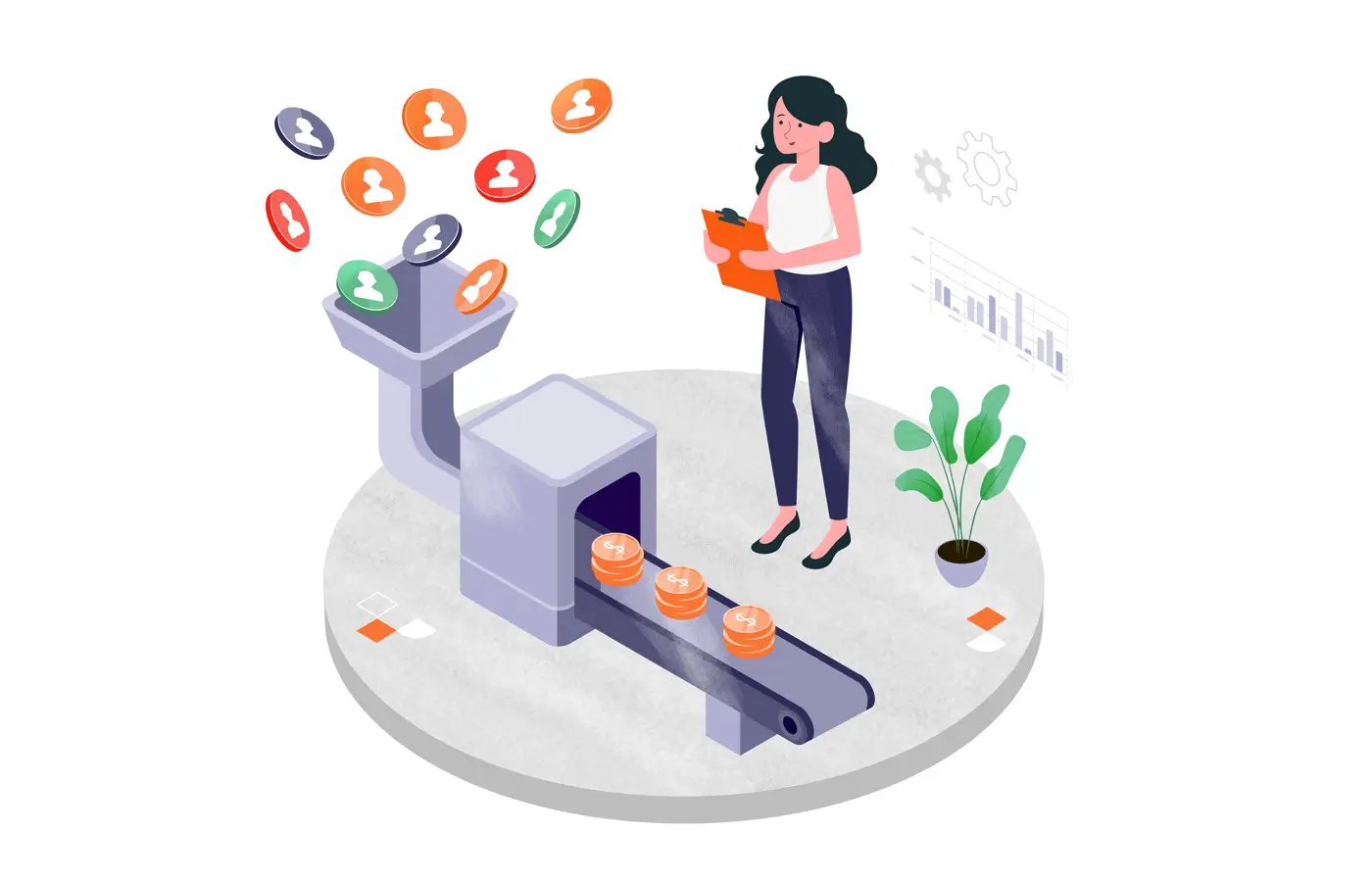
Each channel plays a distinct role in the acquisition process. Paid search captures active demand. Social media generates demand where none previously existed. Content marketing nurtures consideration. Email converts interest into action.
The most successful growth programs map each channel to a specific stage of the customer acquisition funnel and optimize accordingly. This prevents the common mistake of evaluating every channel by the same metric, which inevitably leads to underinvestment in upper-funnel activities that feed the entire pipeline.
Improving Customer Retention
Acquisition gets the headlines, but retention drives profitability. Growth marketing channels, particularly email and SMS, are powerful retention tools when used strategically. Post-purchase sequences, loyalty programs, and personalized recommendations keep customers engaged and increase lifetime value.
Businesses that invest equally in retention as they do in acquisition typically see higher overall growth rates because retained customers purchase more frequently, refer others, and cost nothing to re-acquire.
Measuring Growth Marketing Success
You cannot optimize what you do not measure. Growth marketing demands rigorous tracking and analysis across several key performance indicators:
Essential KPIs
- Customer Acquisition Cost (CAC): The total cost of acquiring a new customer, including ad spend, tool costs, and team time. This is your efficiency metric.
- Customer Lifetime Value (CLTV): The total revenue a customer generates over their relationship with your brand. Healthy growth requires CLTV to significantly exceed CAC.
- Conversion Rate: The percentage of visitors, leads, or prospects who complete a desired action. Track this at every stage of the funnel to identify bottlenecks.
- Channel-Specific ROAS: Return on ad spend by channel helps you allocate budget to the highest-performing platforms. Understanding what matters beyond ROAS gives you a more complete picture.
- Retention Rate: The percentage of customers who make repeat purchases within a defined time period.
Tracking Tools
Google Analytics provides foundational insights into website traffic, user behavior, and conversion paths. Platform-specific analytics (Meta Ads Manager, Google Ads, Klaviyo) offer granular data on channel performance. Attribution tools help you understand how channels interact and contribute to conversions across the full journey. For a deeper look at how to evaluate and select these platforms, the guide to marketing analytics tools and platforms covers the leading options by use case.
The brands that grow fastest are the ones that build a measurement infrastructure early and use it to make allocation decisions based on data rather than intuition.
Strategies for Optimizing Your Channel Mix
Personalization at Scale
Personalization is no longer a nice-to-have. Customers expect relevant experiences tailored to their behavior, preferences, and stage in the journey. Dynamic website content, segmented email campaigns, personalized ad creative, and behavior-triggered messaging all contribute to higher conversion rates and stronger customer relationships.
The technology to personalize at scale is more accessible than ever. The brands that invest in personalization infrastructure see measurable lifts in engagement and revenue across every channel.
Continuous Testing and Experimentation
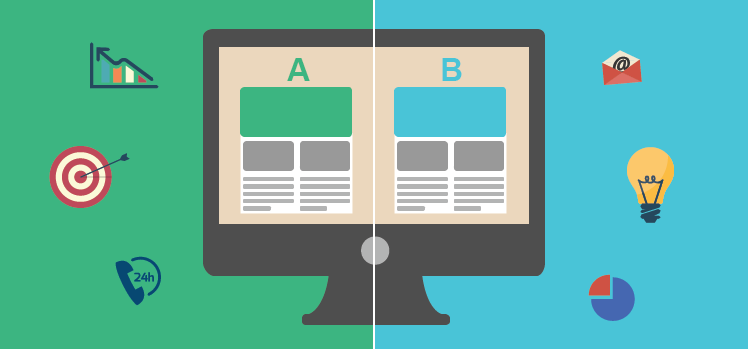
A/B testing is the engine of growth marketing optimization. Test ad creative, landing pages, email subject lines, send times, offer structures, and audience segments continuously. Small, incremental improvements compound into significant performance gains over time.
The discipline of testing requires accepting that most experiments will not produce winners. That is the point. The experiments that do win, even by small margins, accumulate into a substantial competitive advantage.
Channel Diversification
Over-reliance on a single channel creates fragility. Algorithm changes, policy updates, or market shifts can destroy performance overnight. The most resilient growth programs, like those built by brands that expand their channel mix strategically, maintain a portfolio of channels that balances short-term performance with long-term durability.
Building a Growth Engine That Lasts
Growth marketing channels offer immense potential, but potential alone does not produce results. The businesses that achieve sustainable growth are the ones that approach channel strategy with discipline: defining clear objectives, measuring performance rigorously, testing continuously, and reallocating budget based on data.
Start by identifying the two or three channels most aligned with your audience and business model. Master those before expanding. Invest in measurement infrastructure early. Build a culture of experimentation where every campaign teaches you something, whether it succeeds or fails.
The channels will evolve. New platforms will emerge. Algorithms will change. But the fundamentals of growth marketing, finding scalable ways to acquire, convert, and retain customers profitably, will remain the foundation of business success.

.webp)

.svg)


