
Organic search still drives roughly a third of all ecommerce website traffic. Yet most online stores leave that channel underbuilt -- relying on paid ads alone while competitors quietly capture high-intent buyers through search. A strong ecommerce SEO strategy changes that equation, turning your product catalog into a compounding traffic asset that reduces acquisition costs over time.
If you run a DTC brand or growth-stage store, this guide gives you the framework to build (or fix) your organic search foundation -- from keyword research through technical execution to the emerging AI search surfaces that now influence how shoppers discover products.
SEO for ecommerce websites is fundamentally different from SEO for content sites or SaaS companies. The challenges are specific:
These realities mean you need a purpose-built approach, not a generic checklist. The payoff is significant: organic traffic compounds month over month, and unlike paid channels, it does not reset to zero when you pause spend. For a deeper look at how search engine positioning directly impacts traffic volume, the data is clear -- ranking improvements translate directly to revenue.
Effective ecommerce keyword research starts with intent, not volume. Organize your keyword targets into three tiers:
| Intent Tier | Example Keywords | Target Page Type |
|---|---|---|
| Transactional | "buy organic cotton sheets queen" | Product page |
| Commercial investigation | "best organic cotton sheets 2026" | Category or comparison page |
| Informational | "organic cotton vs bamboo sheets" | Blog post or buying guide |
Practical steps to build your keyword map:
An experienced ecommerce SEO specialist will typically start here, because the keyword map dictates every optimization decision that follows.
Technical issues kill ecommerce sites quietly. A store can have great products and strong content, but if search engines cannot efficiently crawl and index the catalog, none of it surfaces in results.
Search engines allocate a finite crawl budget to each domain. Ecommerce sites waste that budget when faceted navigation creates thousands of parameter-based URLs that add no unique value. Address this by:
noindex or blocking them via robots.txtGoogle's Core Web Vitals remain a ranking factor, and for ecommerce, speed directly affects conversion rates. Key metrics to monitor:
Schema markup is no longer optional for ecommerce stores. Implementing Product schema enables rich results that display price, availability, ratings, and shipping information directly in search results.
Priority schema types for ecommerce:
Proper technical execution is where comprehensive ecommerce SEO packages deliver the most immediate impact, because these fixes often unlock rankings that content alone cannot achieve.
Your product and category pages are your money pages. Optimizing them correctly determines whether search traffic converts.
Category pages often have the highest ranking potential for competitive head terms. Strengthen them by:
Building brand trust through your SEO presence matters here -- shoppers who land on a well-structured category page with clear product information, reviews, and transparent policies are far more likely to convert.
Product pages alone will not capture the full range of search queries your buyers use. A content strategy fills the gaps, targeting informational and commercial investigation keywords that product pages cannot rank for.
High-performing content types for ecommerce:
Each piece should link to relevant product and category pages. This creates a content hub structure where blog posts feed authority and traffic into your commercial pages.
Content also plays a critical role in earning backlinks. Authoritative buying guides and original research attract links from publications, bloggers, and industry sites -- which strengthens your entire domain's ability to rank.
Search behavior is shifting. Buyers now discover products through AI-powered surfaces like Google's AI Overviews, ChatGPT, and Perplexity. This means your SEO for ecommerce websites strategy needs to account for how AI systems select and cite sources.
Key principles for AI search visibility:
This is still an emerging area, but brands that invest in structured, authoritative content now will have a meaningful advantage as AI search adoption continues to grow.
The strongest ecommerce search strategies do not treat SEO and paid search as separate channels. They work together. Paid search data reveals which keywords convert, informing your organic priority list. Organic rankings reduce your dependence on ad spend for branded and high-volume terms, freeing budget for prospecting campaigns.
For a detailed breakdown of how to build a balanced search marketing plan that combines SEO and SEM, the integrated approach consistently outperforms either channel in isolation.
Many brands work with an ecommerce SEO consultant or dedicated ecommerce SEO services team to run this combined model, because it requires coordination between content, technical SEO, and media buying -- disciplines that rarely sit in the same person's skillset. EmberTribe's SEO services are built around this integrated model, connecting organic performance directly to revenue outcomes.
Ecommerce SEO is not a one-time project. It is an ongoing system that compounds over time -- each technical fix, each optimized product page, each piece of content strengthens your store's ability to capture organic demand.
The priority order is clear:
Stores that treat SEO as infrastructure -- not a checkbox -- consistently see lower customer acquisition costs, more resilient traffic, and stronger brand positioning in their category. The work is methodical, but the results compound in ways that paid channels simply cannot replicate.

Instagram has emerged as a dominant force in the digital marketing landscape. With its visually-driven format and highly engaged user base, it offers businesses a unique opportunity to showcase their products and connect with their audience. In order to stand out and capture the attention of users, it is crucial to create engaging Instagram ad mockups. But, first, what are them?
Instagram has revolutionized the way brands advertise, allowing them to showcase their products in a visually appealing and captivating manner. As a result, it has become an integral part of digital marketing strategies for many businesses. With the ability to target specific demographics and interests, Instagram ads can effectively reach the right audience and drive engagement.
However, in order to make the most of Instagram ads, mockups must resonate with your target audience. Ad mockups serve as a preview of your actual ad and allow you to experiment with different visuals, copy, and brand identity elements.
Ad mockups are an essential part of the creative process when it comes to Instagram advertising. They allow you to experiment with various design elements, test different approaches, and refine your messaging before investing in a full-scale ad campaign. By creating mockups, you can ensure that your ads are visually appealing, on-brand, and effectively convey your message to your target audience.
Creating ad mockups also helps you align your marketing goals with your creative strategy. By visualizing how your ad will look and feel, you can make informed decisions about the overall design, color scheme, and layout. This ensures that your ad not only captures the attention of your target audience but also aligns with your brand's identity and values.
By carefully considering these essential components, you can create an ad that stands out from the rest and effectively captures the attention of your target audience.

Before diving into the design phase, take the time to plan your ad campaign thoroughly. Define your campaign objectives, target audience, and key messaging. Conduct market research to understand your audience's preferences and interests. By laying a solid foundation, you can create a mockup that aligns with your overall marketing strategy.
Once you have a clear understanding of your campaign objectives and target audience, it's time to bring your mockup to life. Use graphic design tools or hire a professional designer to create visually appealing ad mockups. Experiment with different layouts, colors, and fonts to find the combination that resonates with your audience and aligns with your brand identity.
Remember to adhere to Instagram's ad guidelines and ensure that your mockup meets the required specifications for seamless integration into the platform. Pay attention to image resolution, aspect ratio, and file size to prevent any issues during the ad creation process.
Once your ad mockup is ready, it's crucial to review it thoroughly before finalizing the design. Take a step back and evaluate your mockup from the perspective of your target audience. Does it convey your message effectively? Is it visually compelling? Are there any areas for improvement?
Seek feedback from your team or trusted individuals to gather different perspectives. Use this feedback to refine your mockup further and make any necessary adjustments. This iterative process ensures that you create an ad that truly resonates with your audience and meets your campaign objectives.
Creating an engaging Instagram ad mockup requires thoughtful planning and attention to detail. Here are some additional tips to enhance the effectiveness of your ad mockup:
Invest time in understanding your target audience's preferences, interests, and pain points. Tailor your ad mockup to resonate with their needs and desires. By crafting ads that speak directly to your audience, you can increase engagement and drive conversions.

Instagram offers a range of features such as Stories, IGTV, and shopping tags that can enhance the effectiveness of your ad mockup. Explore these features and experiment with different formats to create a compelling ad experience.
Don't be afraid to test different versions of your ad mockup to see which resonates best with your audience. A/B testing can provide valuable insights and help you optimize your ad for maximum impact. Monitor key metrics such as click-through rates, engagement rates, and conversions to gauge the success of your ad campaign.
There you go. An engaging Instagram ad mockup is a crucial step in driving successful ad campaigns on the platform. By understanding the importance of ad mockups, incorporating essential elements, and following a systematic approach, you can create ads that captivate your audience and drive meaningful results for your business.

Achieving sustainable growth requires careful planning, strategic execution, and specialized knowledge. This is where a business growth agency plays a pivotal role. A business growth agency can be the springboard that launches your business to new heights. By understanding the role and functions of a business growth agency, as well as the importance of business growth for your company, you can harness the expertise of these agencies to take your organization to new heights.
A business growth agency is a strategic partner that works closely with your company to identify growth opportunities and develop tailored strategies to achieve them. They possess a deep understanding of your industry and market dynamics, allowing them to provide valuable insights and guidance.
When it comes to understanding the role of a business growth agency, it is crucial to recognize their ability to analyze your current business landscape. By conducting a thorough evaluation, they can identify areas for improvement and growth potential. This analysis involves studying market trends, consumer behavior, and competitor strategies.
Furthermore, a business growth agency goes beyond just identifying growth opportunities. They also play a crucial role in developing comprehensive strategies to maximize your company's growth potential. These strategies may involve marketing and branding, sales optimization, and operational efficiency improvement.
You can check an example of 5 proven strategies to boost lead generation [here].
Business growth is not just a desirable outcome; it is essential for the long-term success and sustainability of your company. Without continuous growth, businesses can quickly fall victim to stagnation, which can have detrimental effects.
When a business remains stagnant and fails to adapt to changing market conditions, it can experience stagnation. Stagnation often leads to declining sales, loss of market share, and reduced profitability. The inability to keep up with the ever-evolving business landscape puts stagnant businesses at risk of becoming obsolete.
However, continuous growth paves the way for numerous benefits. It enables your company to stay ahead of the competition, seize new market opportunities, and attract top talent. By embracing growth, your business can expand its reach and explore untapped markets, ensuring its relevance and longevity.
One of the key advantages of business growth is the increased revenue and profitability it brings. As your company expands, it can tap into new customer segments and generate more sales. This influx of revenue provides the financial resources necessary to invest in further expansion and innovation.
Moreover, continuous growth allows your company to build a strong brand reputation. As you expand your operations and reach, you can establish yourself as a market leader and gain the trust and loyalty of customers. A reputable brand not only attracts more customers but also opens doors to strategic partnerships and collaborations.
Business growth also creates a positive ripple effect throughout the organization. It fosters a culture of innovation and creativity, as employees are motivated by the exciting opportunities that come with expansion. This, in turn, attracts top talent who are eager to be part of a dynamic and growing company.
Additionally, growth provides the opportunity to diversify your product or service offerings. By expanding your portfolio, you can cater to a wider range of customer needs and preferences. This diversification not only strengthens your market position but also mitigates the risks associated with relying too heavily on a single product or service.
A business growth agency follows a structured approach to drive growth for your company. The process typically involves an initial assessment and strategy development phase, followed by the implementation of growth strategies.
But what exactly happens during each phase? Let's dive deeper into the workings of a business growth agency.
During the initial assessment phase, the business growth agency conducts a thorough analysis of your company's current performance, market position, and growth potential. They gather data, conduct market research, and assess your competitive landscape to identify the most viable growth opportunities.
But it doesn't stop there. The agency's team of experts goes beyond the surface-level analysis. They dig deep into your company's strengths, weaknesses, opportunities, and threats (SWOT analysis) to gain a comprehensive understanding of your business.
Additionally, they also examine industry trends, consumer behavior, and emerging technologies to identify potential disruptors or innovative strategies that can propel your company forward.

Based on these findings, they develop a tailored growth strategy that aligns with your company's vision and objectives. This strategy is not a one-size-fits-all approach. Instead, it is customized to address your specific challenges and leverage your unique strengths.
Once the growth strategy is developed, the business growth agency collaborates with your team to implement the identified strategies. This collaboration is crucial as it ensures that the agency's expertise is combined with your team's knowledge of the business.
The agency takes a hands-on approach, working closely with your team to ensure successful execution and ongoing monitoring and optimization of the growth initiatives. They provide guidance, support, and resources to implement marketing and branding campaigns, optimize sales processes, or improve operational efficiency.
But it doesn't end there. The agency continuously monitors the progress of the growth initiatives and collects data to measure their effectiveness. They analyze the results, identify areas for improvement, and make necessary adjustments to maximize the impact of the strategies.
Moreover, the agency also keeps a close eye on market dynamics, consumer preferences, and industry trends to ensure that the implemented strategies remain relevant and effective in the ever-changing business landscape.
So, as you can see, a business growth agency goes above and beyond to drive growth for your company. Their structured methodologies (as this one for SEO), thorough analysis, and hands-on implementation ensure that your company is equipped with the right strategies to thrive in today's competitive business environment.
Business growth agencies offer a wide range of services designed to fuel growth in various aspects of your business. Let's explore some of the key services provided by these agencies:
A strong marketing and branding strategy is essential for reaching your target audience and driving growth. Business growth agencies provide expertise in developing and executing effective marketing campaigns,creating impactful branding assets, and leveraging digital channels to maximize your brand's visibility and reach.
Optimizing your sales processes and equipping your sales team with the necessary skills and knowledge is crucial for driving revenue growth. Business growth agencies offer comprehensive sales optimization services, including sales process analysis, sales training, and CRM implementation, to enhance your company's sales performance.
Improving operational efficiency is a key driver of growth. Business growth agencies help identify inefficiencies in your operational processes and develop strategies to streamline operations, reduce costs, and enhance productivity. This allows your organization to operate more efficiently, freeing up resources that can be allocated to growth initiatives.
Choosing the right business growth agency is vital to ensure a successful growth journey for your company. Consider the following factors when selecting an agency:
While cost is an important consideration, it is equally crucial to assess the value you will gain from the agency's services. Look for an agency that offers a comprehensive suite of services tailored to your specific growth needs and provides ongoing support and monitoring to ensure the success of your growth initiatives.

With expertise and a strategic approach, a growth agency can help you navigate the complexities of today's business landscape and achieve sustainable growth in various aspects of your operations. By understanding the role of a business growth agency, the importance of business growth, and the services they offer, you can make an informed decision when selecting the right agency to partner with. Embrace the power of a business growth agency and take your company to new heights.

In today's competitive business landscape, generating high-quality leads is crucial for B2C companies looking to thrive and succeed. Whether you're a small startup or an established enterprise, having a strong lead generation strategy is essential for driving sales and growing your customer base.
In this article, we'll explore five proven strategies that will help you boost your B2C lead generation efforts. From leveraging the power of social media platforms to implementing effective email marketing campaigns, these strategies will give you the edge you need to stand out from the competition and attract targeted leads that convert into loyal customers.
Before diving into the strategies, let's take a moment to understand what B2C lead generation is all about. B2C, or business-to-consumer, refers to companies that sell products or services directly to individual consumers. B2C lead generation involves attracting and nurturing potential customers who are interested in your offerings, with the goal of converting them into paying customers.
When it comes to B2C lead generation, it is important to have a clear understanding of the process and its significance. B2C lead generation is not just about getting random individuals interested in your products or services. It is a strategic approach that involves identifying and attracting potential customers who are most likely to be interested in what you have to offer.
The process of B2C lead generation starts with understanding your target audience. By conducting thorough market research and analysis, you can gain insights into the demographics, preferences, and behaviors of your potential customers. This information allows you to tailor your marketing strategies and messages to effectively reach and engage your target audience.
B2C lead generation is the process of identifying and attracting potential customers for your business, and nurturing them through various marketing channels until they are ready to make a purchase. Since B2C transactions are typically lower in value compared to B2B (business-to-business) transactions, the volume of leads generated becomes a critical factor for success.

Generating B2C leads involves implementing a combination of inbound and outbound marketing tactics. Inbound marketing focuses on creating valuable content and providing solutions to the pain points of your target audience. This can be done through blog posts, social media engagement, search engine optimization (SEO), and email marketing. Outbound marketing, on the other hand, involves reaching out to potential customers through methods like advertising, cold calling, and direct mail.
Once you have attracted potential customers, the next step is to nurture them through the sales funnel. This involves building relationships and providing relevant information and offers that address their needs and concerns. By consistently delivering value and staying top-of-mind, you increase the chances of converting leads into paying customers.
Effective B2C lead generation is crucial for several reasons. Firstly, generating a steady stream of leads ensures a constant flow of potential customers, enabling you to maintain a healthy sales pipeline. Without a consistent influx of leads, your business may struggle to meet its revenue targets and grow.
Secondly, by targeting the right audience, you can better allocate your resources and maximize your marketing efforts. Understanding your ideal customers allows you to focus your marketing budget and efforts on channels and strategies that are most likely to yield positive results. This not only saves you time and money but also increases the overall effectiveness of your marketing campaigns and keeps your brand ahead of the curve.
Lastly, attracting quality leads increases your chances of converting them into loyal customers who make repeat purchases. By nurturing potential customers and building strong relationships, you create a sense of trust and loyalty that encourages them to choose your products or services over your competitors'. This not only leads to increased sales but also helps in building a positive brand reputation and customer advocacy.
In conclusion, B2C lead generation is a strategic and essential process for businesses that sell directly to individual consumers. By understanding the process, implementing effective marketing strategies, and nurturing potential customers, businesses can increase their sales, optimize their marketing efforts, and build long-term customer relationships.
Social media platforms have become an integral part of our daily lives, providing businesses with an excellent opportunity to connect with their target audience. With billions of active users, platforms like Facebook and Instagram offer immense potential for B2C lead generation. Check out this article in which we explain how to scale en eComm brand from $500k to $5M with a Multi-Channel Growth System powered by ads.
When it comes to social media marketing, Facebook is undoubtedly a powerhouse. Its advertising platform allows you to target specific demographics, interests, and behaviors, making it an effective tool for B2C lead generation. By creating compelling ads and engaging content, you can attract potential customers who are likely to be interested in your products or services. The key lies in understanding your target audience and crafting messages that resonate with them. One of the biggest advantages of Facebook advertising is its extensive targeting options. You can narrow down your audience based on factors such as age, gender, location, and even interests. This level of precision ensures that your ads are being shown to the right people at the right time, increasing the chances of generating quality leads. Additionally, Facebook's retargeting feature allows you to reach out to users who have already shown interest in your brand, giving you another opportunity to convert them into customers.
Facebook's advertising platform is not just about targeting options; it also offers a wide range of ad formats to suit different marketing objectives. Whether you want to drive website traffic, increase brand awareness, or promote a specific product, Facebook has the tools to help you achieve your goals. From carousel ads that showcase multiple products to video ads that tell a compelling story, the possibilities are endless.
Furthermore, Facebook's ad analytics provide valuable insights into the performance of your campaigns. You can track metrics such as reach, engagement, and conversions, allowing you to fine-tune your strategy and optimize your ad spend. By constantly monitoring and analyzing the data, you can identify what works and what doesn't, making informed decisions to maximize your B2C lead generation efforts.
While Facebook reigns supreme in the world of social media, Instagram is quickly gaining momentum, especially among younger demographics. With its visually appealing layout and emphasis on aesthetics, Instagram has become a powerful platform for B2C lead generation.
As an image-centric platform, Instagram allows you to showcase your products or services in a visually compelling way. High-quality images and videos can capture the attention of your target audience and create a desire for what you offer. By utilizing relevant hashtags, you can increase the discoverability of your content and attract users who are actively searching for products or services like yours.
Engagement is key on Instagram. By actively interacting with your followers, responding to comments, and participating in relevant conversations, you can build a loyal community around your brand. This not only increases brand awareness but also creates opportunities for lead generation. When users feel connected to your brand and trust your expertise, they are more likely to visit your website and explore what you have to offer.
Additionally, Instagram's Stories feature provides a unique opportunity for B2C lead generation. With over 500 million daily active users, Stories allow you to share behind-the-scenes content, product demonstrations, and limited-time offers. By leveraging the sense of urgency created by Stories, you can encourage users to take immediate action, whether it's signing up for a newsletter, making a purchase, or requesting more information.
In conclusion, social media platforms like Facebook and Instagram offer immense potential for B2C lead generation. By utilizing their unique features and understanding the preferences of your target audience, you can create impactful campaigns that attract quality leads and drive business growth.
Content marketing is a strategic approach to attracting and engaging your target audience through valuable content. By offering informative and engaging content, you can position yourself as an authority in your industry and attract potential customers who are interested in what you have to offer.
Creating a blog on your website is an effective way to generate B2C leads. By consistently publishing high-quality blog posts that address the pain points and interests of your target audience, you can attract organic traffic and capture leads through opt-in forms or content upgrades. Ensure that your blog posts are optimized for search engines to maximize their visibility and reach.
E-books and whitepapers are in-depth resources that provide value to your target audience while also capturing leads. Offer downloadable e-books or whitepapers on topics related to your industry or products/services. Require users to provide their contact information before they can access the content, allowing you to generate leads while providing valuable information to your audience.
Email marketing remains one of the most effective channels for B2C lead generation. By building an email list of potential customers who have shown interest in your products or services, you can nurture them through targeted email campaigns and drive conversions.

Start by implementing lead capture forms on your website, offering incentives such as discounts or valuable content in exchange for email addresses. Segment your email list based on demographics, preferences, and engagement levels to tailor your campaigns and improve conversions. Personalize your emails to make them more engaging and relevant to your subscribers.
The content of your emails plays a crucial role in driving B2C lead generation. Craft attention-grabbing subject lines, compelling copy, and encourage recipients to take action with clear call-to-actions. Utilize automation to send personalized emails based on user behavior, interests, and purchase history.
Search Engine Optimization (SEO) is the practice of optimizing your website and content to improve its visibility in search engine rankings. By ensuring that your website appears prominently in relevant search results, you can attract organic traffic and generate B2C leads. Check out this article on how we scaled an eCommerce brand to $10M in revenue with SEO.
SEO involves various on-page and off-page techniques that help search engines recognize the relevance and quality of your content. By optimizing your website's structure, keywords, meta tags, and creating high-quality backlinks, you can improve your website's search engine rankings, driving more organic traffic and leads.
Focus on targeting relevant keywords that have high search volume and align with the interests of your target audience. Create informative and engaging content that caters to user search intent. Optimize your website's load speed, mobile responsiveness, and user experience to ensure that visitors have a positive experience and are more likely to convert into leads.

Influencer marketing has become a popular strategy for B2C lead generation, leveraging the influence of individuals with large social media followings to promote products or services. Collaborating with influencers who align with your brand allows you to reach a wider audience and generate targeted leads.

When selecting influencers, consider their relevance to your industry or niche, their engagement levels, and their ability to connect with your target audience. Collaborate with influencers to create engaging content such as sponsored posts, reviews, or giveaways. By leveraging their influence and reach, you can attract potential customers who trust and value their recommendations.
Implementing these five proven strategies will give your B2C lead generation efforts a significant boost. Remember to continually analyze and optimize your campaigns to maximize your results. With a comprehensive lead generation strategy in place, you'll be well on your way to attracting quality leads and driving business growth.

Ruth Even Haim, Co-Founder at StilyoApps, and John Tedesco, CEO at Drip, joined EmberTribe's very own founders to chat about opportunities and challenges facing eCommerce brands, how to use customer feedback to build better SaaS products, and what it takes to be a good leader.
The following interview excerpts from episode two of Founders Forum have been edited for length and clarity. You can download the full transcript here.
In this interview:
Josh: All right. Welcome to our second episode. And this is just a series where we get a chance in a round table format to dive behind the scenes and talk to some founders and executives, and really just help our community of entrepreneurs level up wherever they are. Learn from other's mistakes. Copy people's wins and take it from there. So Ruth, why don't you take it away? I'd love to introduce you first.
Ruth: Nice to meet you all. I am Ruth. I'm the co-founder of StilyoApps. We develop apps for eCommerce in general, mostly for Shopify, and Reconvert currently serves over 30,000 Shopify merchants from all sizes, providing post-purchase upselling and retention tools.
Josh: Fantastic. Thank you for joining us and John over to you.
John: Hi, I'm John Tedesco. I am the CEO of Drip. Super excited to be here. Thanks for having me on. Drip is an email and SMS marketing automation platform serving eCommerce merchants, helping them build their brand and grow their revenue. We've got over 7,000 customers across the globe, 80 employees, and we've generated over a billion dollars in revenue for our customers over the past couple of years.
Josh: Well, we're thrilled to have both of you, on this episode and I figured where we could start is the last year. At the time of this recording, we're looking back on a year of a pandemic, which has been a very interesting time in our space, which we're lucky and fortunate that we've had a lot of success in our space during this time period.
Josh: As you're looking forward, and John we’ll start with you as you're looking forward into 2021. What are some of the challenges, but also some of the opportunities facing direct-to-consumer eCommerce brands as they're trying to grow in scale?
John: Yeah, so I think as you look at 2020, the methodology for the consumer around online purchasing has now been permanently altered for the positive for D2C brands. And I think the greatest indication of that has been kind of, you know, when you see groceries and grocery shopping, which used to be the most tangible hands-on type purchasing now being done with, per service providers, Instacart, et cetera.
When, you know, when you used to have to touch produce, when now that has crossed over to online, then I think the world is open for all services and goods to be transacted online. So, and again, we talk about, you know, 10 years being fast-forwarded over the last year with, COVID. So I think online as being a method or the primary method, actually not shifting from a, from a certain minority purchasing to the method of purchasing has now opened up the playing field.
John: The challenges I would foresee is a lot of noise, a lot of competition, a lot of complexity. And so it's really going to be hard for brands, harder for brands to stand out and differentiate what their unique selling proposition is and to get a cut through the noise and get into the mind share of these consumers who now have a plethora of choices. And so I think the ability of a brand, whether it's brands like Drip or D2C brands themselves to have an authentic and meaningful value proposition, is going to be critical, in general, because that's the core. And then the ability to amplify that through all of the channels possible to get in front of their audience is going to be critical to success.
Josh: Absolutely. Yeah. Ruth, what's your take on this upcoming year’s challenges and opportunities?
Ruth: So I really agree with what John said about basically the fact that eCommerce has grown so much this year creating so much more competition, and this will force brands to focus more on retention and not just on selling and getting new customers in. But actually just making the most out of each customer, each existing one, by creating an actual relationship and just building something that is more than just a store that is selling to customers.
Josh: Definitely. Yeah. I think one thing that we're seeing, you know, on the media buying side is just as these platforms continue to get more expensive and there's more competition. Like there's more opportunity, but there's more competition and these brands need to start looking beyond customer acquisition and they need to be looking at repeat purchase rates and the whole post-purchase experience.
Josh: Reconvert does this in spades, but what are some of the ways that your brands are making use of the tool and how does that kind of impact, I guess their overall unit economics of acquiring new customers?
Ruth: So we see two different roads that stores usually go in. So basically upselling and cross-selling on the thank you page, getting the customer to buy again before they even left the store. And for a lot of people, it sounds like something that is not very realistic. Like most customers would finish the purchase and they already bought, but it's not actually true. A lot of customers are like warm customers when they get to the thank you page. We can see people going from basically a 0% thank you page all the way to a 5% conversion rate for people who are really doing it well. And this just increases the bottom line for a customer that ideally already returned the investment on the ads or however you got into the website.
Josh: Absolutely. Yeah. I mean, I think what you're highlighting and underscoring there is just that you can't ignore these intermediary steps in the funnel; every piece counts to your bottom line and in an increasingly competitive space, you have to make use of things like a thank you page or things like an upsell sequence. So all of those touchpoints matter. And I think we're seeing that even more this year, like you're saying, John, I've been hearing for years, that email is dead, and yet all I'm seeing is more and more email, especially in the eCommerce world. So talk to us a little bit just about maybe those post-purchase sequences, how your customers are using drip to continue engaging with their clients.
John: Yeah. So, email's dead, long live email. I think at a high level here taking a step back a lot of what direct-to-consumer people think about as kind of a channel. But in reality, the power of direct-to-consumer is owning the customer relationship. And in the old days, you'd put the product on a shelf, at the Targets or the Best Buys or the merchant, they own that relationship. The customer came to that store, that brand, and they checked out and they had that data on that customer.
So email and direct ownership, you know, that is that identity. Now that relationship is directly with the brand. And while you may use a channel for paid media acquisition, once you capture that email address, you can start a direct relationship.
John: I think the second piece is we really have to be careful that we don't lose the humanity in the entire process here. Like we should be trying to replicate physical world relationships in a digital world. So when I hear things about sequences and funnels, and this is the challenge of our industry and we have to kind of, you know, cause we're in it all day long and we program it in the platform, we should really be thinking about a relationship we're trying to build with the customer. How would you act in a physical world and then how do I replicate that in a digital world? So, the initial purchase immediately, our customers should be asking, how was that first?
John: You know, how was that initial [experience]? Did it meet your expectations? Because that's really the trajectory for that customer relationship going forward. If it's negative, it's an opportunity to understand and salvage it. If it's positive, now you're starting to build a path in which you can have repeat purchases or have them move towards a loyal customer base. And so when you think about all of that, then you work backward and say, what information do I want to capture digitally to then feedback into my business? The outputs will be greater lifetime value, greater repeat purchasing, shorter CAC, but really think about that relationship because at the end of the day here, if you have a loyal customer base, which will generate, you know, the industry 60 to 80% of your lifetime revenues, that's also the foundation in which you create, um, word of mouth, influencer, marketing, et cetera.
And so for using Drip, what we're helping our brands do is, map out that customer journey in a digital way to help them capture this information and then really put them on a path towards better understanding. And then again, either giving them products, they want recommending products, or if it's a suboptimal experience, how do you capture more data? How do you contact the customer? And that is the information we're just helping them power digitally through the platform.
Josh: That's really good. I love that point just about focusing on relationships and then these tools, either the ones that you're building or that we have available to us in the industry should be amplifying and extending that relationship. And so I think what I'm, what I'm getting at, even from the other end of this is if you have a bad experience, these tools will only amplify about experience. So it's important to get that.
John: You know, when you have another human or you're facing another human, you would act very differently. If you can read the body expression, you can see their face. You know, you can see if they have a return in their arm or not. You know, you're just losing all of those signals. And the key is at the end. I think, you know, we sit in our offices or our home offices and look at screens all day and we forget that there's another human on the other end of the line. And that's why the biggest challenge I think, is in the digital side, is this loss of customer intimacy.

And that's why communities and voices and being embedded, no matter whether you're a service provider, like Ruth or I, or you're the brand itself, you got to remember there's another human at the other end, who cares about, or wants to care about kind of what you're doing. And that's kind of going back to the bright, bright, greater brand positioning, but I think sometimes you would get so lost in the tools. We forget kind of the bigger picture of what we're trying to accomplish.
Josh: Hundred percent. That's great. Let's actually take that angle and flip it on its head. So that's great advice for the DTC brands who need to maybe dig in a little bit more to that qualitative insight from their customer and to get closer to the customer.
Josh: But Ruth, I want to go over to you just as a, as a founder and as like a creator of this product, how have you been able to speak to potential customers? Like let's talk about user research and getting that same insight into your end users of your product. Like, how did you, you know, how did you start with that? How did you get good feedback from those users in the early stage and how that maybe directs your product roadmap?
Ruth: Um, so to be honest, our approach with market research is maybe a little different than a lot of other, um, SaaS brands. We started off, my brother and me, who's my co-founder--we started off being Shopify merchants ourselves, and Reconvert and all of our other products from our personal needs. We built it because we felt like there was something missing that we wanted to create. We also still have, even though we're not merchants ourselves anymore, we still have a lot of friends who we use kind of a small feedback group for any idea that we have.
Ruth: And when it comes to new features in existing products, it's even easier. With our support guys...whenever a customer asks for a feature, they have a list where they actually write down any feature requests and we count them. We see how many times each feature request was made. And then we decide what to work on next, according to how much time it would take to develop and what is the marketability of this feature? Is it something that is going to help us reach new customers? And what is the value this gives to merchants? Is this something that is going to give them so much value that they are going to want to stay with us even longer?
Josh: Yeah. That is highly practical. And I lost you there for a minute. So I want to just make sure I recap that and anybody listening can catch this is that you've really blended a highly, just practical, sensible approach to using the sun product. Does it add value to what I'm doing as a merchant, but then you're also pairing that with a data-driven approach of tickets. So let's actually take a look at this objectively and not fall in love emotionally with a feature set that we think is cool, but let's also hear from the people who are using our products in the trenches and yeah. And be sensible about it that way. So it's a great blend of both like the qualitative, like is this work when I use it, but also the quantitative of how many people are asking for this. It's great. Yeah.
John: To piggyback off that if you have me. Cause I think what's great about Ruth is from when she was a Shopify merchant, she has a deep understanding of the problems her target customers are facing. And so, that proximity is so critical and I think sometimes you can get it.
So I think it's a statement of data, but that qualitative piece, what we do at Drip is, many times we'll adopt a customer, particularly for new employees who have not been in the eCommerce sector and particularly on the product teams and the benefit of seeing the day to day, what they do in the app, but also what their work environment is, their challenges are how much they move through the app and outside of the app.
John: Cause many times it's around business process. That's also going on at, with the marketer or the person using the product is to understand that entire, their day to day will help you build a better product as well. And so that intimacy and not just seeing the output, the exhausts through data and metrics or tickets, but also just realizing when a customer is using your product or platform, what else is going on in their world, whether there are other apps that are up simultaneously, you know, stay in for 10 minutes and then out, or they have two hours. And then of course there's the data and the metrics that also help sort out opinions from fact. So that's always helpful.
Josh: Really tactical follow-up question to that. So besides a ticketing system, are you guys using any sort of tools or processes to track all this and kind of be able to take a high-level view of all these different stakeholders in your case, John, or all these different users in your case, Ruth, are there any kind of practical tools that you guys could recommend to our listeners?
Ruth: Yeah. So for us, we don't have any kind of tool to actually follow up on specific requests. We do use segment and mixed panel, to actually follow up on adoption of new features that we released. Cause we want to understand, okay, so X number of customers ask for that, but how many actually are using that after we released it? And we just make sure to follow up on any kind of usage metrics of these features and the value that they are providing the merchants.

So we don't just release things because they're cool or pretty. We actually give them the value that they are looking to get from the app.
John: And I'm plus one on that we use a mixed panel to get the usage, you know, the qualitative product usage data. And then we combine that we have lots of places in the app where customers can give us, you know, you know, thumbs up, thumbs down and feedback, feedback, NPS type, qualitative feedback. And again, the challenge on all of that, depending on the scope, you’ve got tens of thousands of customers. Because again, when you have, you know, you can have a sea of data, but you don't have necessarily insight. And so that's going to be a challenge for any, um, kind of SaaS leader. Who's looking at that feedback loop? It's almost too much data at times.
Josh: For sure, for sure. I want to switch gears now, to leadership and particularly I'm interested in leadership kind of in this remote era. So John we’ll start with you. You’ve been a leader in a number of SaaS and MarTech organizations over the years. What have you taken with you just from a general leadership principle of growing and scaling a team, but particularly, I guess with this remote flare, like in the last year, what are some things that you picked up to try to keep the culture coherent and consistent and to deliver a good experience to your team?
John: Yeah, so I think one of the principles that I've always appreciated is, around the power of focus as a leader. The tighter the focus, the greater the overall benefits to the business. There's a saying for startups...most of them will fail due to indigestion, not starvation. Over time I've seen that focus allows a greater excellence or chance of excellence, knowing your target customer more precisely than you do building a product that then meets their pain points.
John: So whether it's the company priorities, our values, our customer messaging that, allows people in a noisy world or a world of distractions or a world of anxiety and mental health, you know, aloneness...I think focus has just been more powerful. So I've appreciated it, you know, through my career, the power of focus.
Josh: Definitely. Yeah. I can say from experience, we've been a distributed team since 2015 and that's one of the challenges that comes up time and time again, is how do we make sure that, or our conversation isn't just transactional, but how do we create that space for people to relate on a human level?
John: I think companies that started that way or have been working in that model for a longer time. When you're meeting in person, there's a lot more inefficiency, I guess. And so when it comes in and like, you know, everyone's distributed, there's been a magnifying glass on what is the purpose of meetings? You know, so that's a great place in which to do it. And so for a lot of companies, they have to undo, how do we communicate? How do we drive outcomes? What's the purpose of us getting together?
And so people just shifted many, you know, bad meeting habits into bad zoom meeting habits, which gets to the fatigue piece, but I've found that companies that have been remote for a long time have built-in better systematic communication methods, better check-ins. And they've been much more time-efficient for the employee and consistent across the entire organization from onboarding to ongoing. I think companies that didn't have that luxury of having remote as a primary mechanism have those inefficiencies just had a magnifying glass in the last year.
Josh: That's a great point. Yeah. And Ruth, I'd love to turn this question to you as well. And with specific reference to, I guess, your military experience, cause I know both you and your brother, you come from a military background. So how, if at all, has that entered into your leadership style?
Ruth: So actually it's funny that you ask that because one thing both of us agree on because of our military experience is that we never want to work with people who don't want to be there because this is something that happens in the military when it's mandatory, people are there and you don't always have a way to motivate them. You can't incentivize them, you can't fire them. You basically have to kind of create motivation out of nowhere. And these can be very difficult and frustrating.
So one of the things we feel very strongly about is that if someone wants to work with us, they will do their job and in the best way possible. And we have a lot of patience for learning processes for human problems.

Ruth: Um, we always tend to say yes, even if it's not the most comfortable thing for the company at the moment, I never want my employees to feel like they are employees first. I always want them to know that we see them as people first.
Josh: I love that because it beats the transactional communication that we've been talking about, but it also just reemphasizes that you're human first and we care about what's going on in your life. So it's prioritized us in the meeting. Let's prioritize this in the agenda. Let's plan on talking about it because it's important. It's important to us. It's important to you.
Josh: I'd love to kind of wrap up and just hear from you. What are some of the podcasts you're listening to, the books that you're reading, the blogs that you frequent? It doesn't have to be super aligned with leadership or entrepreneurship. It could be totally out of the box and just a guilty pleasure that you have, but what are some resources that you could share with our audience and recommend?
Ruth: I really enjoy Y Combinator that you mentioned before. And basically whenever there's something new that I need to learn, another place the businesses is going, that I feel like I don't know enough about, I search on YouTube and I just listen to other founders talk about it. That's the main resource I use for mindset and for basically the new ideas on where to take the business and how to go at and how to manage it.
John: Yeah, I'll add...I think there are lots of, you know, business podcasts. TheSaaSter is one for sure. Seeking Wisdom With David Cancel out of drift is another one. So I think there's, lots of those, but I think the most exciting ones are... a lot of the ones there's like how, as a founder, you're really a leader as you talked about it. And so what is leadership? How do you become a better leader?

And I think to some of Ruth's points around, being a whole leader, the whole self, and being in tune, the stronger you are mentally and understand who you are emotionally, the better you're going to be a leader, which means the better you're going to lead others and your company is going to be successful.
John: So I think, um, podcasts like The Reboot from Jerry Colonna. He is a former VC, but he talks about the whole self as a leader as is really going to be helpful for founders as they go on that journey to understand who they are and realize also that they are human in this process because many times there's the perception of what a founder has to be and in defeat and tireless, always be positive and all that stuff, but in reality, they're human too.
John: Sometimes the best ideas are orthogonal. They're not direct, you know, it's the intersection of ideas and creativity that occurs there.
Josh: Yeah. Brilliant answers from both of you, you know, Ruth from your part, just being able to listen to other peers, just leveraging YouTube for the resource. It is the second-largest search engine in the world and maybe not over-indexing on thought leaders, but also listening from people who are in the trenches and just talking about it openly.
And then your point about getting outside of the echo chamber of business books or business podcasts, and borrowing ideas from other industries or other disciplines can be incredibly effective.
Josh: I want to thank you both for joining us and we'll have plenty of notes here in the show notes for where they can find both of your tools. I hope that people can reach out and keep the conversation going. But thank you both for your time today.

TikTok’s easy-to-consume video content is being watched by millions of people every day from all around the globe — and it’s relatively simple to understand why there’s growing popularity for TikTok ads. And if you've been keeping up with the news, video content is the future of digital marketing.
If you’re curious about advertising on TikTok but don’t know where to start, then we’ve got you covered! We’ve done the dirty work for you (we mean research), and put together this guide to give you all the things you need to understand TikTok ads like never before.
Understanding how campaigns are structured can help you set up better target audiences, design better materials, and spend your budget effectively. TikTok allows you to organize your ads using three levels: campaigns, ad groups, and ads.
These levels will help you in expanding your reach, improving your ad’s overall performance, and achieving your goals. But, first things first — to get started advertising on TikTok, you will need to have a TikTok For Business account.
Click Get Started once you’re on the TikTok Ads homepage.
You must provide your business details because your account has to be approved by a TikTok representative before you can start creating your ads.
Once you’re done filling out the form, a representative will get in touch with you within 48 hours to set up your account.
Note: TikTok Ads is currently only available in certain regions (other than the USA) but you will be able to sign up for a TikTok ad account directly if you’re located in India, Vietnam, Japan, Taiwan, Malaysia, Indonesia, or Thailand.
You will have access to the TikTok Ads dashboard once your TikTok advertising account is up and running. Click on the Campaign button at the top of the page and then click Create.
Note: You may have more options available to you depending on where you’re located.
The campaign budget is unlimited with a minimum of $50 by default. But, of course, you can set a daily or lifetime budget limit. This means that your ad groups will stop once you've reached your spending limit.
What’s the difference between daily and lifetime budget? Setting a lifetime budget would allow your ad campaign to reach as many people and as soon as possible. A daily budget, on the other hand, would allow your ad campaign to steadily penetrate your target market over a certain period.
After setting up a campaign, ad groups come next.
To get the best results among international audiences, choose Automatic Placement. Doing so will allow your ad to appear on TikTok partner apps including BuzzVideo (Japan), TopBuzz (US and BR), Babe (Indonesia), and the News Republic which, as result, will reach more people and drive more traffic.
If you choose Select Placement, you can manually choose where your ads appear.
Depending on your campaign objective, you can choose from two promotional types: app install or website. Some campaign objectives set this by default.
When the Automated Creative Optimization option is turned on, the system will automatically generate combinations from your images, videos, and ad texts. This means that you will get ready ad combinations.
Customize your audiences in your ad group targeting. You can use your customer’s contact data, website traffic, app activity, or ad engagement or by uploading IDFA & GAID. You can also create a pixel-based audience or lookalike audience (users who are similar to your clients).
Once your audience targeting is complete, you can configure the budget (no less than $50) and schedule for your ad group.
You may be able to customize the bidding and optimization of your ad budget spend. The higher your bid, the more likely your ad will be seen by your target audience over your competitor’s ads.
Note: Once your ad group is created, the following settings can’t be changed anymore:
Once your ad group is configured, you can proceed to upload your new ad.
TikTok Ads supports two formats: videos and images. If you opt for images, TikTok will group them into a video for you.
Technical requirements:
You can upload your photo or choose one from the pre-selected images from your video.
Once you have finished creating your ad, you can use TikTok’s ad preview tool to see how your ad will look on mobile devices.
The ad text will be shown above your ad. TikTok supports 12-100 English characters. Reminders:
TikTok Ads now offers 22 calls-to-action you can choose for your ads depending on what is applicable for your ad:
TikTok offers several options for paid advertising, and they are as follows:
The ad that appears in TikTok’s native news feed on the For You page (similar to Instagram story ads). In-Feed videos appear in the feed as a part of the video queue when users are exploring content.
The ad appears when TikTok users open the app and completely take over the screen for a few seconds to create images, GIFs, and videos.
The ad appears on the Discovery page and encourages users to participate in user content creation challenges about the campaign hashtag. Challenges usually last for about 6 days.
The ad appears as branded lenses (similar to Instagram or Snapchat filters), stickers, and other 2D/3D/AR content for TikTok users to use in their videos.
Luckily, you can checkout support pages and creative tips on TikTok for any ad you want to run. TikTok also supports a suite of creative tools for the ad platform:
Video Template is a tool that makes creating video ads faster and easier than ever before. With this tool, you can simply create a video ad by selecting a template and uploading your existing photo assets, text, and logos.
To help you choose the right background music to create beautiful video ads, TikTok Ads Manager offers the Smart Video Soundtrack tool. You will be able to upload videos with one click, and the system will automatically select appropriate music material based on your videos.
You can also change the music and adjust both the video volume and music volume for your ads. You can even try different background music to test their effect on ad delivery performance.
Automated Creative Optimization helps in managing your ads by automatically finding high-performing combinations of your creative assets--or in other words, takes the creative heavy lifting off your shoulders and into the hands of a clever optimization AI. With this tool, you will be able to upload images or videos, write some ad text, and select your call-to-action (CTA) buttons.
TikTok’s system will then automatically combine your creative assets into multiple ads for your campaign which will be explored, evaluated, and optimized continuously to find the optimal combination for your campaign. The best creative, then, will be presented to your target audience based on the tested combinations.

Don't let your old content go to waste.
Building a content inventory can help you build better funnels, boost your retargeting campaign efforts and better learn your audience. Fill in your content gaps with this quick and easy strategy.
Every marketer needs to have a content inventory. Basically a lay of the land of all the content that you have in your website, that can turn visitors into customers.
I want to show you how to build one of those today in 10 minutes or less.
What it's gonna do is it's going to let you build better funnels, have a more strategic retargeting campaign for your paid acquisition stuff, and really just get a better handle on who you're speaking to and where you have gaps in your content already.
Okay, so let's get to building this content inventory real fast, probably take us 10 minutes or less.
If you're like me or my team, we'll forget often, about how much content we already have on our website. So that when we go to build a funnel, or we go to build an email automation, we forget that we already have some really great stuff that we could be using, and instead just start trying to create new stuff.
Let's take a look at how to do this. The first thing you need to know is I'm building this tutorial for WordPress users, but a very similar type of thing can be repeated, no matter what platform you're on.
The first thing that you're gonna wanna do, if you're on WordPress, is to go to this plugin. You can search for it in the plugin section of your WordPress instance, but I'm using WP CSV.

Now, what this is going to do is export all of your posts into a spreadsheet format.
There's another plugin here, too, that you can use, Phimind Excel Export Plus. Just do a search for "posts to CSV," and you'll find a bunch of different solutions. But I'm gonna show you how to use WP CSV.
This is already installed on our side, and what you're gonna do is go to the plugin, go to settings, and this screen will come up.
Now you're going to choose filters. I chose to exclude all. And what this is doing is it's essentially saying, "Listen, we don't want all this other junk from WordPress," like attachments or actual pages on our site. "I just want posts."
So exclude everything, but then just deselect the option for publish, because that's the one thing we want is posts that are published.
After you've done that, you can basically go back and run this. Save it and run it, and it's gonna export a CSV of all your posts. It's gonna look something like this.
We actually cleaned ours up quite a bit. There's gonna be quite a few columns here that you don't need to use, just delete those.
Now, essentially what you've done, in one really quick step, is export all of your blog posts to a CSV format.
Now, I put it here in a Google Doc just because it's a little bit easier to share and use. That means that we have a nice, quick look at titles, the URLs, the post author, the category that it's in.

Now, I should say that, in the course of cleaning up this spreadsheet, you're going to get a slug from WordPress. So you're not gonna get the full URL. This is what it looks like. It's missing the http, www, whatever it might be. So just add a column with that right here. I'm just gonna add a column here to the left, and just put http://www, and then just paste that down for the whole column.
Now what you can do is put your top level domain in here as well. So, for us, that's EmberTribe, and then don't forget to put a little slash at the end.
Once you've done that, just paste it down to the rest of this column, and what we'd recommend is doing a concatenate function. That basically just combines these two columns into one.
I'll put a link to that resource here, but just combine these two, and then you're gonna have, at the end, one nice little group of URL here to make it complete.
After you've done that, you have a nice quick look here at a spreadsheet with your title, your URL, the author, and category.
Now, this time you can go and you can add other things in here. Like, for instance, if you wanted to put personas, like this blog post is perfect for this type of persona that you've created. Or maybe you have a certain funnel stage in mind, like this is top of funnel, or this is bottom of funnel, you can do that. Just add columns for those and you can type it in.
But what I wanted to do is show you another way to make this even more data-driven, even more actionable. And what we're gonna do for that first is actually get the shared counts, so the social sharing counts for any of these posts.
For this, we're gonna use a free tool called SharedCount.

I've already created a free account here, but you can do that on your own. You're gonna go to URL Dashboard, and we're gonna click bulk upload.
This is where we're gonna upload all the URLs that we have for our posts, and for our entire site. Just do a quick copy, a paste, and then click import URLs. Now, when we do that, this tool is going out and it's finding all the different share counts across these different social media platforms.
Right here you can see, here's a post that did really well for us. It had 382 shares on Facebook, and 68 LinkedIn shares.
If you scroll all the way down, what you can do is take this, and then export it to CSV. So now we have that CSV here, we can open it up, and there we go, boom, we have our URLs and all the share counts.
Now, if you keep the same order here, you can just actually take this, copy it, go back over to your master spreadsheet, which for us is in Google Docs, and you can paste it right here at the top.
Let me get rid of this and paste it in. Okay, so now we have all the share counts, comment, etc., all in one sheet here, which is really, really nice.
Now, if you wanna take this even further, I'm not gonna demonstrate this in this video, but you can also go to your Google Analytics, and you can pull a content report maybe for the past year, even just for all time.
Pull all the traffic and whatever other metrics you wanna pull, and then export that to a spreadsheet, and then there's a simple function in Excel called a VLOOKUP, that would very quickly kind of look up a URL, and then go have it add all the Google Analytics stated here too.
So we won't do that for our case, but what we've done is we built a really nice, robust profile of what's on our website for content, maybe how popular it's been, and what categories they belong to.
So what do you do from here? At this point, what's really interesting is that we can take this and start doing things like sorting and filtering.
Like, maybe I want to build a retargeting campaign for anybody who's viewed tutorials that we've written about Facebook.

Well, to do that, I'm just gonna go and I'm going to sort by this category for anything related to Facebook. I'm gonna add a filter, and then it'll be anything having to do with Facebook, and there we go. Now we have a nice little list here of all the things we've written about Facebook ads.
Now what I would do is maybe go to my Google Remarketing, or my Facebook website custom audiences, and add all these URLs as ones that belong to Facebook stuff. Now, anybody who visits any of these pages will automatically be retargeted with something related to Facebook that's maybe a little bit farther down the funnel in the buyer's journey.
You can do the same for really anything. Actually, this filtering is a great tactic if you wanted to add some of that qualitative data about these posts, so maybe persona, or a funnel stage, you can group things together and just in one fell swoop add it all at once.
That's how to make a content inventory that's more data-driven. Again, you can use this to figure out where you have gaps on your website, where you're missing content. You can use it to create a better funnel, so you can pick and choose from stuff that you already have. Or, you can use it to have better retargeting campaigns that really are grouping together like category types of posts.
Hope it works great for you. If you have a variation of this that you wanna share, I'd love to see it. There's a lot of ways to skin this cat, but I hope that this one's helpful to you.

Finding the right ecommerce Google Ads agency for your business can be a daunting task. With so many options available, it's important to understand the role of a Google Ads agency and why your ecommerce business needs one. Here, we'll explore key factors to consider when choosing a Google Ads agency, how to evaluate their performance, questions to ask potential agencies, and how to make the final decision. By following these steps, you'll be on your way to finding the perfect agency to help grow your ecommerce business.
When it comes to online advertising, Google Ads is an incredibly powerful tool. With billions of searches conducted on Google every day, businesses have a unique opportunity to reach their target audience and drive traffic to their websites. However, navigating the intricacies of Google Ads can be challenging, especially for businesses without a dedicated marketing team or the necessary expertise. That's where a Google Ads agency comes in.
A Google Ads agency is a team of experts that specialize in managing Google Ads campaigns for businesses. They have the knowledge and experience to create and optimize ad campaigns that generate leads and drive conversions. Their expertise extends beyond simply setting up ads, as they also analyze data, monitor performance, and make adjustments to maximize results. By hiring a Google Ads agency, you're leveraging their expertise to boost your online presence and attract more customers.
Google Ads is one of the most effective advertising platforms for ecommerce businesses. It allows you to reach potential customers at the moment they're actively searching for products or services similar to what you offer. However, managing Google Ads campaigns requires expertise and constant monitoring to ensure optimal performance. By partnering with a Google Ads agency, you can offload this responsibility to professionals who specialize in navigating the complexities of the platform. They'll help you create engaging ads, target the right keywords, and maximize your advertising budget, ultimately resulting in increased website traffic and conversions for your ecommerce business.
Running a successful ecommerce business involves more than just setting up an online store and waiting for customers to come. It requires a strategic approach to marketing and advertising to stand out in a crowded online marketplace. This is where a Google Ads agency can be a game-changer for your ecommerce business.
When you partner with a Google Ads agency, they will take the time to understand your ecommerce business inside out. They'll delve deep into your product offerings,target audience, and competitive landscape. Armed with this knowledge, they will develop a comprehensive Google Ads strategy that aligns with your business goals and drives results.

One of the key advantages of using Google Ads for your ecommerce business is the ability to target specific keywords that potential customers are actively searching for. For example, if you sell organic skincare products, a Google Ads agency can help you identify relevant keywords like "organic skincare," "natural beauty products," or "vegan skincare." By targeting these keywords, your ads will appear at the top of Google's search results when someone searches for these terms, increasing the visibility of your ecommerce business and attracting potential customers.
Nonetheless, managing Google Ads campaigns requires ongoing optimization and monitoring. Bids need to be adjusted, ad copy needs to be refined, and targeting parameters need to be tweaked to stay ahead of the competition. This can be time-consuming and overwhelming for ecommerce business owners who are already juggling multiple aspects of their business. By partnering with a Google Ads agency, you can focus on running your business while leaving the intricacies of Google Ads to the experts.
A Google Ads agency will continuously monitor the performance of your campaigns, analyzing data and making data-driven decisions to improve results. They will identify trends, uncover opportunities, and make strategic adjustments to ensure that your advertising budget is being used effectively. With their help, you can maximize your return on investment and drive more traffic to your ecommerce website, ultimately leading to increased sales and revenue.
In conclusion, a Google Ads agency plays a crucial role in helping businesses navigate the complexities of Google Ads and drive results. By leveraging their expertise, businesses can reach their target audience, increase online visibility, and attract more customers. Whether you're a small business owner or an ecommerce entrepreneur, partnering with a Google Ads agency can be a game-changer for your online advertising efforts.
These factors will help you narrow down your options and find an agency that aligns with your business goals and requirements.
One of the most important factors to consider is the agency's experience and expertise. Look for an agency that has a proven track record of managing successful Google Ads campaigns for ecommerce businesses. They should have experience in your industry and possess a deep understanding of the unique challenges and opportunities within the ecommerce space. Additionally, the agency should stay up-to-date with the latest trends and best practices in Google Ads to ensure they deliver optimal results for your business.
It's crucial to find a Google Ads agency that understands the intricacies of the ecommerce industry. They should be familiar with the specific needs and requirements of ecommerce businesses, such as product listings, shopping campaigns, and conversion tracking. This industry knowledge will enable them to create tailored strategies that resonate with your target audience and drive meaningful results for your ecommerce business.
Before making a decision, it's essential to review the agency's track record and client testimonials. Look for case studies or success stories that showcase their ability to generate positive results for their clients. Additionally, reach out to their previous or current clients to get firsthand feedback on their experience working with the agency. This will provide valuable insights into the agency's communication, performance, and overall satisfaction of their clients.
Once you've narrowed down your options and selected a few potential Google Ads agencies, it's time to evaluate their performance. This step will help you assess their capabilities and determine if they're the right fit for your ecommerce business.
When evaluating an agency's performance, there are several key performance indicators (KPIs) to consider. These may include click-through rates (CTR), conversion rates, cost per click (CPC), return on ad spend (ROAS), and overall return on investment (ROI). Look for agencies that have consistently delivered positive results across these metrics, as it's a strong indicator of their ability to optimize campaigns and generate meaningful outcomes for their clients.

Google Ads agencies provide regular reports on campaign performance, which include various data and metrics. When reviewing these reports, pay attention to the level of detail provided and how well the agency explains the insights derived from the data. A good agency will not only present the numbers but also provide actionable recommendations for improvement based on the data analysis. This demonstrates their commitment to transparency and their ability to make data-driven decisions.
As you move closer to making a decision, it's crucial to ask potential Google Ads agencies a series of questions to ensure they meet your business requirements and expectations. These questions will help you gain insights into their strategies, pricing, and contract terms.
After careful consideration and evaluation, it's time to make the final decision and choose your Google Ads agency. This decision shouldn't be taken lightly, as it will have a significant impact on your ecommerce business's success.
Take the time to compare the options you've narrowed down based on their experience, expertise, performance, and pricing. Consider the agency's communication style and how well they understand your business goals. Additionally, assess their ability to align with your core values and work collaboratively with your team.
Ultimately, the right Google Ads agency for your ecommerce business will be the one that demonstrates a deep understanding of your industry, possesses the necessary expertise, and aligns with your business goals. Trust your instincts and choose an agency that you believe will be a long-term partner in helping you achieve your ecommerce business objectives.
By following the steps outlined in this article, you'll be well-equipped to find the right ecommerce Google Ads agency for your business. Remember to consider the agency's experience, understanding of the ecommerce industry, and track record of success. Evaluate their performance based on key metrics and ask important questions to gain a clear understanding of their strategies and pricing. Making an informed decision will set your ecommerce business on the path to success with effective Google Ads campaigns.

In this post:
The startup you launched just a few short years ago is growing beyond your expectations. You find yourself feeling both exhilarated and overwhelmed at the same time. The fact that your business needs help with digital marketing is no longer in question, although one question does remain. Should you hire a growth marketing agency, a freelancer, or develop an in-house marketing team?

Understanding the benefits of each of these options is the first step towards making the right choice for your growing business.
A digital marketing consultant can be one person or a team of professionals dedicated to your organization’s marketing efforts. The job of the digital marketer is to assist small businesses with developing their brand voice and attract more paying customers.
Content creation and marketing are two of the biggest challenges startups and small businesses face. Specifically, they tend to struggle with the following:
How can you know that your business is falling behind in its marketing efforts? Consider the last time you published a blog post, updated your website, or interacted with customers across all social media channels. You may be thinking that no one has time to do all that, and you would be right. Your staff has other duties to attend to but helping small businesses grow are why digital marketing consultants exist. Keep in mind that publishing content goes beyond the internet.
As a small business owner, your thoughts center around what the business needs to succeed. Someone needs to be on top of things, and you launched the business because you excel at what you do. Freelance marketing consultants teach you how to think like your customers to obtain the revenue results you want to see. Your customers want to know if your company can solve their problem or meet their need. A skilled digital marketer has the expertise to know how to position your brand as a solution to what customers seek.

Businesses looking to expand their marketing efforts typically hire a freelancer on a project basis. For example, you might want to bring someone in to overhaul your company’s website. The benefit of starting on a per-project basis is that you have no obligation to continue with freelancers whose work does not meet your standards.
Once you find someone you can rely on for excellent work quality, you can consider putting them on retainer to ensure their availability for future projects.

Be sure to check their qualifications and experience and only hire a true professional. Your business cannot afford the damage to its reputation that can result from substandard marketing practices.
If you have the resources to pay salary and benefits to several marketing employees, you may want to build or expand an in-house team. The first thing to consider when developing a team of onsite marketing professionals is the volume of workload you expect them to handle. You will know it is too much when you hear frequent complaints from team members about long hours or the quality of their work starts to suffer.

Sometimes having an in-house marketing team while outsourcing some of the more time-consuming duties can be the best of both worlds. Striking the right balance before expanding your team is critical. You do not want to make the mistake of learning that your in-house team cannot handle the volume of work after you have already discontinued the services of freelance marketers or marketing agencies.
When interviewing people for your new marketing team, consider asking the question of whether they feel motivated by revenue goals and have the skills to target people in specific markets. Be sure to ask each candidate to give an example that demonstrates they know how revenue growth works and how to track it over time. You also want candidates experienced with monitoring email, ads, SEO, and social media accounts for your business.

While the entire marketing team should have a big-picture understanding of their purpose, you will likely find that hiring or training people for specialties such as SEO or market research to be the most efficient approach. You can also consider breaking the larger group down into smaller specialized groups with each group reporting to their own manager.
A digital marketing agency for startups offers many of the same services as an in-house team without the overhead of salaries, benefits, and paying for office space and equipment. Employees of digital marketing agencies are experts in their area of specialization.
Clients expect a high level of professional design from their digital market agency such as three-dimensional animation and motion graphics where appropriate, so agencies are often connected to the best resources.
Ditch your marketing to-do list! Get more done in less time with a full-service agency.
BOOK DISCOVERY CALL 🚀 hbspt.cta._relativeUrls=true;hbspt.cta.load(1675348, '85168fce-c92c-47dc-84d2-1eb8fc66ef09', {"useNewLoader":"true","region":"na1"});
A growth marketing agency goes beyond the services offered by a traditional digital marketing agency by incorporating these core elements into client strategy:
When considering a growth agency, the simplest plan to select the right one for your business is to compare service offerings to stand-alone technology, marketing, and sales firms. You will see the benefit of hiring a single growth marketing agency when you realize how challenging it would be to outsource marketing-related tasks to several different providers.
Growth marketing agencies are typically more willing to create growth objectives for each client that requires a more integrated approach rather than a straight marketing focus. If you have worked with digital marketing agencies in the past, you know that their primary focus is key performance metrics (KPI). Although knowing your KPIs is essential, traditional marketing companies tend to focus on obtaining them only from their area of expertise.

Two important benefits that a growth marketing agency can offer that you may not find with the other options are maximum flexibility and the ability to scale your small business at a faster rate. Since growth agencies make decisions based on hard data, they do not become overly attached to a specific area of marketing such as eCommerce or lead generation. Here is just a partial list of services you can expect when you hire a growth marketing agency:
Yes! EmberTribe is a growth marketing agency that creates marketing systems based on paid traffic with the goal of helping your business achieve sustainable growth. We do not offer set package pricing because we know that every client has unique marketing needs. Even before you officially become a client, our team takes the time to get to know your company’s mission and values. After all, we need to understand your brand before we can highlight all it has to offer to resolve customer pain points.
At EmberTribe, we base pricing on meeting the goals outlined in your growth plan. Our customized plan for your business moves it from traction to profit to scale at an unprecedented rate.
Are you ready to start a conversation about creating a specialized growth plan for your business? We hope so! Please reach out today for a free 30-minute consultation to learn more about partnering with our digital growth agency.

Google Ads invoicing can be a headache. As an advertiser, you must have a streamlined invoicing process to manage your Google Ads expenses effectively. Join us to deep into the Google Ads invoicing process and to discuss the importance of streamlining it. We will also provide you with a step-by-step guide on how to streamline your Google Ads invoicing and leverage the available tools.

When it comes to managing your online advertising campaigns, having a solid understanding of the Google Ads invoicing process is a must. With Google Ads, you have the ability to create and manage campaigns by bidding on keywords relevant to your business. But how does the invoicing process work?
Let's take a closer look:
While the Google Ads invoicing process may seem straightforward, advertisers often encounter challenges that can slow down their invoicing cycle. It's important to be aware of these challenges and find ways to address them effectively. Here are some common challenges:
By implementing effective strategies and leveraging available tools, advertisers can overcome these obstacles and optimize their invoicing workflow.
A well-optimized and streamlined Google Ads invoicing process can save you valuable time and resources. With automated invoicing and efficient reconciliation, you can minimize manual tasks and focus on more strategic aspects of your advertising campaigns.
Imagine a scenario where you no longer have to spend hours manually generating invoices, cross-referencing data, and double-checking calculations. By implementing a streamlined process, you can automate these tasks and free up time for more critical activities, such as analyzing campaign performance or brainstorming creative marketing strategies.
A streamlined invoicing process also allows you to allocate your resources more effectively. By reducing the time and effort spent on invoicing, you can redirect those resources towards other areas of your business that require attention, such as customer acquisition, product development, or expanding your marketing team.
One of the most significant advantages of a streamlined invoicing process is the improvement in accuracy and efficiency when managing your ad spend. By reconciling invoices promptly and regularly, you can identify any discrepancies or errors early on and address them quickly.
Imagine the frustration of receiving an invoice with incorrect charges or missing information. It not only wastes your time but also creates unnecessary confusion and potential financial discrepancies. However, with a streamlined process in place, you can minimize the chances of such errors occurring.
By automating the invoicing process, you can ensure that the correct charges are reflected in your invoices. This reduces the risk of overpayment and ensures that your financial records are accurate and up to date. Additionally, a streamlined process allows you to easily track and monitor your ad spend, helping you make informed decisions about your advertising budget and ROI.
Now that we understand the importance of streamlining the Google Ads invoicing process, let's explore a step-by-step guide to help you achieve this:
Streamlining your Google Ads invoicing process is crucial for efficient financial management and maintaining a healthy cash flow. By following these steps, you can simplify your invoicing procedures and ensure timely payments.
The first step in streamlining your Google Ads invoicing process is to set up automated invoicing. Google Ads provides various options for automated billing, such as automatic payments and monthly invoicing. By opting for automated invoicing, you can eliminate the need for manual invoicing and reduce the risk of errors.
Automated invoicing also ensures timely payments, as Google Ads will automatically charge your preferred payment method based on your advertising expenses. This eliminates the hassle of manually making payments and allows you to focus on other aspects of your business.
In addition to automated invoicing, Google Ads offers several billing features that can streamline your invoicing process. One such feature is budget orders, which allow you to set a specific budget for your advertising campaigns. By utilizing budget orders, you can control your ad spend and prevent unexpected billing surprises.
Google Ads also provides invoice notifications, which alert you when a new invoice is generated or when there are changes to your billing account. These notifications help you stay informed about your financial obligations and enable you to take prompt action if necessary.
Another useful billing feature is billing summaries. These summaries provide an overview of your advertising costs, including the amount spent, the number of clicks received, and the average cost per click. By regularly reviewing these summaries, you can gain insights into your campaign performance and make informed decisions regarding your advertising budget.
Another critical step in streamlining your Google Ads invoicing is to regularly review and update your billing information. It is essential to ensure that your payment methods, billing addresses, and contact details are accurate and up to date.
By maintaining accurate billing information, you can avoid payment delays or disruptions caused by outdated details. It is particularly crucial to review your billing information if you have recently changed payment methods or moved your business location.
Regularly reviewing your billing information also allows you to identify any discrepancies or unauthorized charges. If you notice any irregularities, you can immediately contact Google Ads support to resolve the issue and prevent any financial losses.
By following these steps and implementing best practices for Google Ads invoicing, you can streamline your invoicing process and ensure smooth financial operations. Remember, efficient invoicing not only saves you time and effort but also contributes to the overall success of your advertising campaigns.
Google Ads provides a range of tools designed specifically to streamline your invoicing process. These tools offer advanced features for budgeting, tracking ad spend, and generating detailed reports. Familiarize yourself with these tools to leverage their benefits and optimize your Google Ads invoicing.
Once you are familiar with the Google Ads billing tools, it's time to put them to use for efficient invoicing. Utilize the budgeting tools to set spending limits for your campaigns, monitor your ad spend regularly, and make adjustments as needed. Generate reports to analyze your campaign performance and identify areas where you can optimize your ad spend.
To ensure a smooth and efficient Google Ads invoicing process, it is essential to follow some best practices. Here are a few tips to help you:
Regularly review and update your account information, including payment methods, billing addresses, and contact details. This ensures that your invoices reach you correctly and prevents any disruptions or delays in payment processing.
Keep a close eye on your ad spend to prevent any unexpected surprises or discrepancies in your invoices. Regularly monitor your campaigns' performance, track your budget utilization, and make necessary adjustments to optimize your ad spend.
Stay informed about Google Ads' billing policies to ensure compliance and avoid unnecessary issues with your invoices. Familiarize yourself with their payment terms, refund policies, and any other relevant guidelines to maintain a healthy invoicing relationship with Google Ads.
Streamlining your Google Ads invoicing process is crucial for effective expense management and financial control. By understanding the basics of the Google Ads invoicing process, recognizing its importance, following a step-by-step guide, leveraging the available tools, and implementing best practices, you can streamline your Google Ads invoicing and optimize your advertising efforts. So, take the necessary steps today to enhance your invoicing process and maximize the benefits of Google Ads for your business.
Admit it, marketer or not we have all talked about algorithms being (scarily) artificially intelligent, real-life Skynet, and a sinister machine that monitors all our actions and knows us better than we know ourselves.

But do we even know what algorithms are?
We assume there is this one algorithm in a top-secret file at Google Headquarters that’s prized for listening in on our conversations and reading our minds.
But there isn’t just one algorithm, there are many algorithms—each one personalized to produce a result we care about.
For example, putting a pan of water on the stove at a certain temperature for a certain time is a way to reach the result of boiling hot water. This is one equation, or rule, or sequence. Adding eggs to the boiling water and letting them stay in for a certain period of time leads to hard-boiled eggs. This is another sequence that leads to a result.
Continuing with that metaphor, when you type a query into the Google search bar, it doesn’t just fire one sequence to get your result, it fires up an entire kitchen of line cooks. 🍳
Algorithms are excellent tools for optimizing your marketing campaign because they provide what we love best: data. They can help you pick apart your audiences’ complex decisions. Here are a few examples of how you can use algorithms as a marketer.
Algorithms help monitor the behavior of your demographic and suggest the likely hours during the day when your leads are browsing online.
Having a pool of valuable behavioral data can help you remarket to the right people at the right time. If you share that information with your broader marketing team you can even use it to design a unique campaign that incorporates highly targeted information about your audience.
Algorithms can help you personalize the way you show an ad to your consumer or a lead. Remember that song that played on Spotify shuffle? Wasn’t it exactly the kind of tune you were looking for? Now how did that happen? Or that ad about artisanal potato chips made from handpicked Idaho potatoes...how did they know that’s just what you were craving?
Google uses algorithms to show you information that you are likely going to be interested in, such as targeted news articles and tutorials. That means you’re not just being delivered the answer to your query, but information about your query targeted for you based on your search habits.
Targeting is what allows the internet to predict what you may feel like eating the next day. It has consumed so much of your behavioral pattern that you start panicking Google is reading your mind. It’s not…
Or is it?

No seriously, that's just how proactive algorithms are. They make use of something that we hear a lot: Machine learning, aka another way of saying artificial intelligence.
Machine learning helps figure out what your customer is thinking. Are they browsing? Are they going to spend soon? Are they looking to spend now? Basically, it helps you determine the stage of your buyer’s journey so you can address it.
🛠️ Find out how you can build a better funnel with retargeting. →
Sounds great right? By now you feel ready to drive your entire digital marketing campaign based on algorithms. We’ve said a lot of great things about them so far, but are algorithms really the bee’s knees?
The answer to that is yes and no. Google algorithm and machine learning is great at monitoring behavior and 7 times out of 10 it does strike true, but the times it does not is because algorithms cannot grasp context. AI can predict a customer’s response to likely be a certain way, but what if the routine context is changed (as it is in life), rendering the data ineffective?

That being said, algorithms remain the foremost tools to learn about humans and their actions. They have brought us far in the way marketers engage with audiences and it has proven effective. For that reason, we have to raise our glass to algorithms that make our lives as marketers just a little easier and more data-driven.
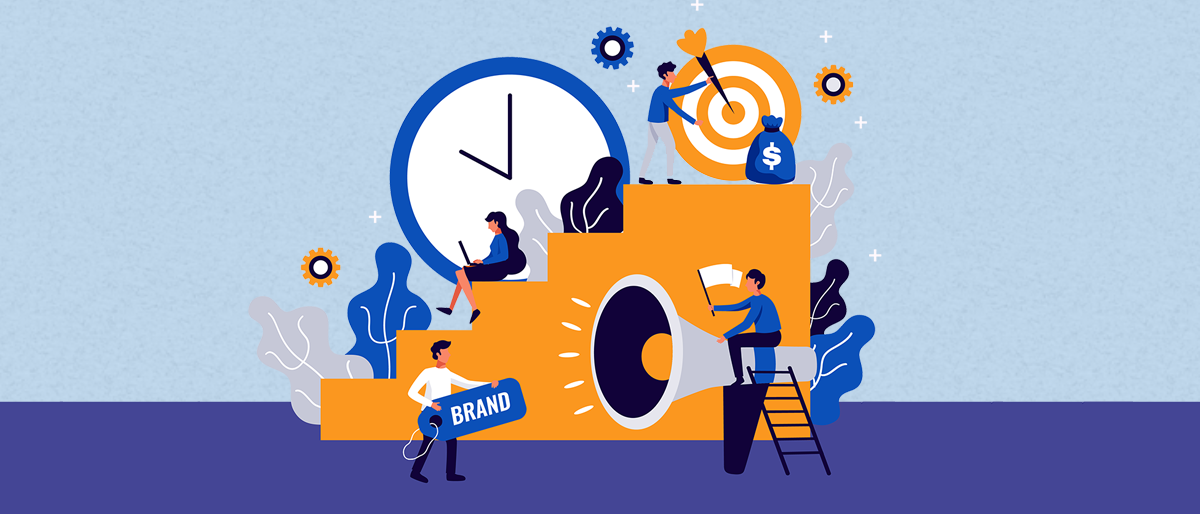
In a competitive business landscape, finding effective ways to drive growth is no longer optional. It is the difference between brands that scale and brands that stagnate. Growth marketing channels, the platforms and strategies that growth agencies deploy to acquire and retain customers, have become the primary lever for businesses looking to expand their reach and accelerate revenue.
But not every channel deserves your budget or attention. The key is understanding which channels align with your business model, audience behavior, and growth stage, then optimizing relentlessly until you find the combinations that produce compounding returns.
This guide breaks down the major growth marketing channels, how they contribute to business success, and how to measure and optimize their performance.
Growth marketing is the practice of identifying and exploiting scalable, repeatable channels that drive customer acquisition and retention. Unlike traditional marketing, which often focuses on brand awareness and top-of-funnel impressions, growth marketing is obsessed with measurable outcomes at every stage of the funnel.
A growth marketer does not just ask "how do we get more traffic?" They ask "how do we get more of the right traffic, convert it efficiently, and retain those customers profitably?" This full-funnel mindset is what separates growth marketing from conventional approaches.
The discipline involves constant experimentation. Every campaign is a hypothesis. Every metric is feedback. The goal is not to find one winning channel and ride it forever, but to build a diversified portfolio of channels that collectively produce sustainable, predictable growth.
Growth marketing channels typically fall into several major categories. Each has distinct strengths, cost structures, and roles within the customer journey.
With billions of monthly active users across platforms like Facebook, Instagram, TikTok, and LinkedIn, social media offers unmatched reach for businesses at every stage. The channel serves multiple growth functions simultaneously:
The key to social media as a growth channel is understanding that organic and paid serve different functions. Organic builds credibility and community over time. Paid social, when executed with strong creative and tight targeting, can produce immediate, measurable results. The brands that win are those that leverage both strategically.
Creating and distributing valuable, relevant content has become a foundational growth strategy. Through blog posts, videos, guides, and infographics, businesses can establish thought leadership, attract organic traffic, and nurture potential customers through the consideration phase.
Content marketing is a long-game channel. A single well-optimized article can generate traffic and leads for years. The compound effect of a strong content library means that your cost per acquisition decreases over time as your content assets accumulate authority and rankings.
Effective content marketing requires a clear content framework that maps topics to customer intent, funnel stage, and business objectives. Random blog posts do not produce growth. Strategic content programs do.
Despite predictions of its decline, email marketing remains one of the highest-ROI channels available. For every dollar spent on email, the average return sits around $36, making it one of the most cost-effective growth tools in any marketer's arsenal.
Email excels at several growth functions:
The power of email lies in personalization and automation. Segmented, behavior-triggered campaigns consistently outperform batch-and-blast approaches by delivering the right message at the right moment in the customer journey.
Organic search remains one of the most valuable acquisition channels because it captures intent. When someone searches for a product, service, or solution you offer, they are actively looking to buy or learn. Ranking for those queries puts your brand in front of high-intent prospects at zero marginal cost per click.
SEO requires sustained investment in technical optimization, content creation, and authority building. But the payoff is a durable competitive advantage. Once you rank for high-value keywords, you benefit from consistent traffic without ongoing ad spend. Businesses that invest in SEO methodology as a core growth channel build assets that appreciate over time.
PPC advertising through platforms like Google Ads and Bing Ads allows businesses to appear at the top of search results for targeted keywords. Unlike SEO, PPC delivers immediate visibility, making it essential for testing new markets, launching products, and capturing demand during peak periods.
The strength of PPC is its precision. You control exactly which queries trigger your ads, how much you bid, and which landing pages receive traffic. This level of control makes PPC one of the most measurable and optimizable channels available. For businesses looking for PPC strategies that generate leads, the channel offers unmatched speed to results.
Both affiliate and influencer marketing leverage third-party relationships to extend your reach. Affiliate marketing operates on a performance basis, paying commissions only when a partner drives a sale or lead. Influencer marketing trades payment or product for access to an engaged audience.
These channels are particularly powerful for DTC brands looking to build social proof and reach niche audiences that traditional advertising may not penetrate effectively.
Text message marketing has grown rapidly as a growth channel, particularly for ecommerce brands. With open rates near 98% and response times measured in minutes, SMS delivers engagement rates that no other channel can match. When integrated with email and paid social, SMS creates a powerful direct-response engine.

Understanding the channels is only the first step. The real value comes from understanding how they work together to produce business outcomes.
Growth marketing channels amplify your brand's presence across the platforms where your target audience spends time. A coordinated approach, where social media campaigns, content marketing, and targeted email work in concert, creates multiple touchpoints that build familiarity and trust.
The compounding effect of multi-channel visibility is significant. A prospect who sees your brand in search results, encounters your content on social media, and receives a relevant email is far more likely to convert than one who encounters your brand through a single channel.
Each channel plays a distinct role in the acquisition process. Paid search captures active demand. Social media generates demand where none previously existed. Content marketing nurtures consideration. Email converts interest into action.
The most successful growth programs map each channel to a specific stage of the customer acquisition funnel and optimize accordingly. This prevents the common mistake of evaluating every channel by the same metric, which inevitably leads to underinvestment in upper-funnel activities that feed the entire pipeline.
Acquisition gets the headlines, but retention drives profitability. Growth marketing channels, particularly email and SMS, are powerful retention tools when used strategically. Post-purchase sequences, loyalty programs, and personalized recommendations keep customers engaged and increase lifetime value.
Businesses that invest equally in retention as they do in acquisition typically see higher overall growth rates because retained customers purchase more frequently, refer others, and cost nothing to re-acquire.
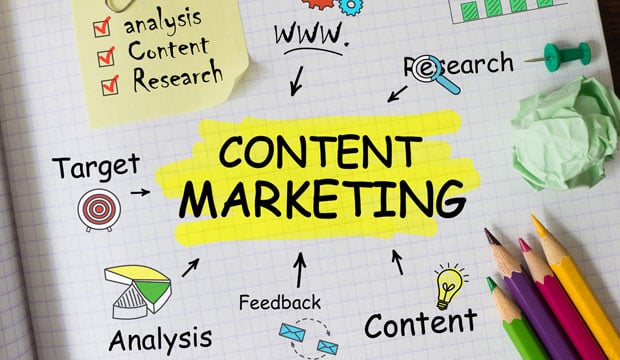
You cannot optimize what you do not measure. Growth marketing demands rigorous tracking and analysis across several key performance indicators:
Google Analytics provides foundational insights into website traffic, user behavior, and conversion paths. Platform-specific analytics (Meta Ads Manager, Google Ads, Klaviyo) offer granular data on channel performance. Attribution tools help you understand how channels interact and contribute to conversions across the full journey.
The brands that grow fastest are the ones that build a measurement infrastructure early and use it to make allocation decisions based on data rather than intuition.
Personalization is no longer a nice-to-have. Customers expect relevant experiences tailored to their behavior, preferences, and stage in the journey. Dynamic website content, segmented email campaigns, personalized ad creative, and behavior-triggered messaging all contribute to higher conversion rates and stronger customer relationships.
The technology to personalize at scale is more accessible than ever. The brands that invest in personalization infrastructure see measurable lifts in engagement and revenue across every channel.
A/B testing is the engine of growth marketing optimization. Test ad creative, landing pages, email subject lines, send times, offer structures, and audience segments continuously. Small, incremental improvements compound into significant performance gains over time.
The discipline of testing requires accepting that most experiments will not produce winners. That is the point. The experiments that do win, even by small margins, accumulate into a substantial competitive advantage.
Over-reliance on a single channel creates fragility. Algorithm changes, policy updates, or market shifts can destroy performance overnight. The most resilient growth programs, like those built by brands that expand their channel mix strategically, maintain a portfolio of channels that balances short-term performance with long-term durability.
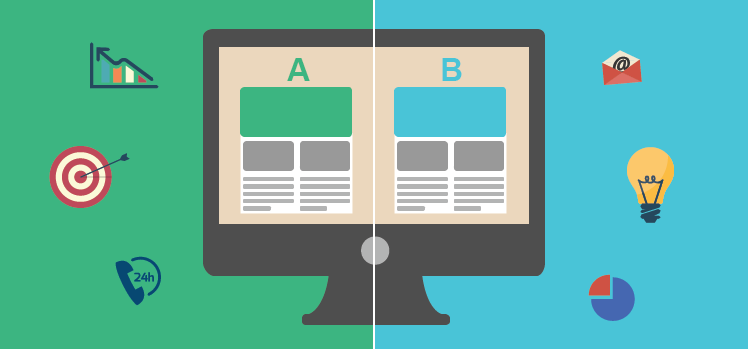
Growth marketing channels offer immense potential, but potential alone does not produce results. The businesses that achieve sustainable growth are the ones that approach channel strategy with discipline: defining clear objectives, measuring performance rigorously, testing continuously, and reallocating budget based on data.
Start by identifying the two or three channels most aligned with your audience and business model. Master those before expanding. Invest in measurement infrastructure early. Build a culture of experimentation where every campaign teaches you something, whether it succeeds or fails.
The channels will evolve. New platforms will emerge. Algorithms will change. But the fundamentals of growth marketing, finding scalable ways to acquire, convert, and retain customers profitably, will remain the foundation of business success.
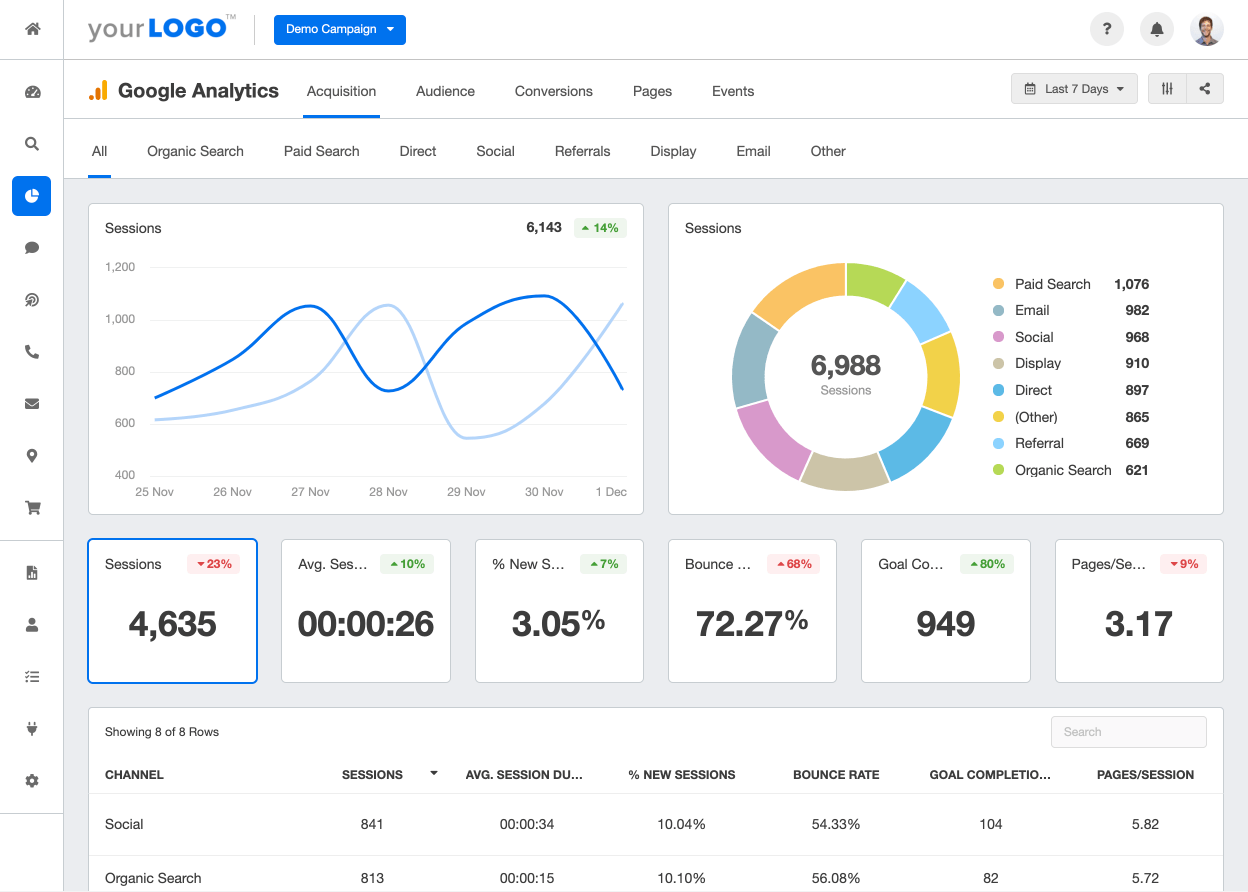
Google Ads Conversion Tracking is a feature provided by Google that allows you to track and measure the actions taken by users on your website after they click on your Google Ads. It provides you with valuable data on the effectiveness of your ads and helps you understand which campaigns are generating the most conversions and revenue.
With Google Ads Conversion Tracking, you can set up conversion actions that align with your business goals. These actions can be as simple as tracking purchases or more complex, such as tracking form submissions or app downloads. By defining these conversion actions, you can accurately measure the success of your advertising campaigns and make data-driven decisions to optimize your marketing strategies.

By implementing Google Ads Conversion Tracking on your Shopify store, you can gain valuable insights into the performance of your ads. You can see which keywords, ads, and campaigns are driving the most conversions, allowing you to allocate your budget more effectively and focus on strategies that yield the best results.
Conversion tracking is essential because it allows you to measure the return on investment (ROI) of your advertising efforts accurately. By knowing which campaigns generate the most conversions and revenue, you can allocate your budget more effectively and focus on strategies that yield the best results.
With Google Ads Conversion Tracking, you can go beyond tracking clicks and impressions. You can track the actions that users take on your website after clicking on your ads, giving you a better understanding of the customer journey and the effectiveness of your marketing campaigns.
Conversion tracking provides you with valuable data that can help you refine your targeting, messaging, and landing pages to improve your overall conversion rates. By analyzing the data, you can identify trends and patterns that can guide your marketing decisions and help you optimize your campaigns for better results.
By analyzing the data, you can pinpoint any bottlenecks or areas where users are dropping off, allowing you to make necessary adjustments to improve the user experience and increase conversions. With this, you can accurately measure the ROI of your advertising efforts and make data-driven decisions to improve your overall conversion rates.
The first step in setting up conversion tracking is to enable the relevant settings on your Shopify store. This ensures that the necessary data is captured accurately to track and measure conversions. To do this, follow these steps:
In addition to Google Ads Conversion Tracking, it's also important to have Google Analytics set up on your Shopify store. Google Analytics provides a comprehensive overview of your website's performance and can give you insights beyond just conversions. To install Google Analytics, follow these steps:
By integrating Google Analytics with your Shopify store, you gain access to a wealth of data about your website visitors, including their demographics, behavior, interactions, bounce rate, time on site, and page views. This information can help you understand your audience better and optimize your marketing strategies accordingly.
Now that you have prepared your Shopify store, it's time to set up your Google Ads account for conversion tracking. Follow these steps to ensure that your Google Ads campaigns are accurately tracking the valuable actions taken by your website visitors.
If you haven't already done so, you'll need to create a Google Ads account. Visit the Google Ads website and sign up for an account. Once you have created your account, you'll need to set up your billing information and choose your ad campaign settings.
After creating your Google Ads account, you'll need to set up conversion actions. Conversion actions define the specific actions you want to track. To create a new conversion action, go to the Tools & Settings section in your Google Ads account and select "Conversions." Click on the "+" button to create a new conversion action. Follow the prompts to set up your conversion action, including the name, value, and other relevant details. Once you have configured your conversion action, you'll be provided with a conversion tracking tag.
Now that you have set up your Google Ads account and created conversion actions, it's time to integrate the conversion tracking tag with your Shopify store. By doing this, you'll be able to automatically track conversions and gather valuable data to optimize your campaigns.
To add the conversion tracking tag to your Shopify store, navigate to the Shopify admin panel and go to Online Store > Themes. Locate your current theme and click on "Actions" > "Edit Code." Find the "theme.liquid" file and insert the conversion tracking tag just before the closing tag. Save the changes, and the conversion tracking tag will now be implemented on your Shopify store.
After adding the conversion tracking tag to your Shopify store, it's important to verify that everything is set up correctly. To do this, go back to your Google Ads account and navigate to the "Conversions" section. Find the conversion action you created and click on the "Test" button. This will allow Google Ads to verify that the tracking tag is correctly installed on your website. Once the test is successful, you can be confident that your conversion tracking setup is working as intended.

While setting up Google Ads Conversion Tracking on Shopify is relatively straightforward, you may encounter some common issues along the way. Here are a few potential problems and how to solve them:
Accurate conversion data is essential for optimizing your Google Ads campaigns. To ensure that your conversion data is as accurate as possible, regularly monitor your tracking and test your conversion actions across different devices and scenarios. Additionally, keep an eye on your Google Analytics reports to gain further insights into user behavior and identify potential discrepancies in your conversion tracking.
As you see, Google Ads Conversion Tracking on your Shopify store is not as daunting as it may seem. With the steps outlined in this guide, you can easily integrate this powerful feature into your marketing strategy. By accurately tracking conversions and utilizing the data insights, you can optimize your Google Ads campaigns for maximum profitability and drive more sales for your Shopify store.
But -if this isn't enough- don't take our word. Read some examples of successful Google Ads campaigns and revenue growth right here.


.svg)