
Most B2B content programs look busy but produce nothing. Traffic ticks up, a whitepaper gets downloaded 47 times, and someone in marketing declares it a success. Meanwhile, sales still has no qualified leads and the CEO is asking why they're spending $12,000 a month on content.
The problem usually isn't the content itself. It's that most B2B content writing services optimize for output, not outcomes. Getting this right requires understanding what you're actually buying.
B2B content operates under fundamentally different constraints than B2C. The buyer isn't making an impulse decision with their own money. They're building a business case for a committee, managing internal politics, and assessing vendor risk over a sales cycle that might run 6 to 18 months.
This changes what good content looks like:
For companies exploring content marketing strategies that connect to revenue, the first step is usually accepting that B2B content requires a different investment than what most agencies pitch.
Not all content formats work equally in B2B contexts. The ones worth investing in depend on where your buyers are in the decision process.

SEO blog posts are the workhorse of top-of-funnel B2B content. A well-optimized post on a high-intent search term brings in buyers actively researching solutions. This is where most B2B content budgets should start, and most agencies underproduce here in favor of flashier formats.
Case studies are the most underrated mid-funnel asset. A specific, detailed case study with real numbers does more work than any brochure. The challenge: most companies either don't write them or write them in a format so generic they're useless.
Whitepapers and long-form guides matter when your buyer needs to make a business case internally. The research has documented a significant disconnect here: according to Scribewise's 2024 B2B content report, 86% of B2B marketers still prioritize whitepapers, but only 27% of buyers find them useful. Invest selectively.
Email nurture sequences keep warm leads from going cold. A well-written 6-email sequence tied to a content download or demo request is often worth more per dollar than a new blog post.
Thought leadership content (LinkedIn articles, bylined pieces, contributed content) builds the personal credibility that enterprise buyers use to validate vendor choices. This is usually founder or executive-authored but requires a skilled writer to execute well.
According to the Content Marketing Institute's 2025 B2B benchmarks, 87% of B2B marketers report content helped with brand awareness, but only 62% say it generated leads and even fewer say it drove revenue. The gap between content activity and content results is wide.
The reasons are consistent:
No documented strategy. Most companies produce content without a documented strategy connecting topics to buyer personas, funnel stages, or revenue goals. You end up with a content calendar that feels busy but doesn't address what buyers actually search for.
Wrong funnel targeting. Many B2B content programs over-invest in awareness content and under-invest in consideration and decision-stage content. Someone searching "best [category] software for mid-market companies" is much closer to buying than someone reading a trend piece.
Volume-first execution. Commodity writing services optimize for throughput. You get 20 posts a month written by generalists with no domain expertise. None of them rank. None of them convert.
No performance loop. Content gets published, traffic gets tracked, and that's where the measurement ends. Revenue attribution, pipeline influence, and lead quality analysis are rarely built in.
Choosing a writing service deserves the same rigor as hiring any other revenue-generating vendor. Here's what separates competent from mediocre:
Ask to see ranking examples. Any serious B2B writing service should be able to show you organic ranking samples for posts they've written. Not just "this post is live": posts that rank on page one for competitive terms.
Test subject matter depth. Give them a topic in your category and ask for a sample outline. Generalist writers produce generic outlines. Writers with domain fluency immediately identify the sub-questions that matter.
Understand their SEO process. B2B content that doesn't rank is just expensive brand awareness. Ask specifically how they approach keyword research, content structure for search intent, and internal linking.
Check their analytics integration. Do they track content's influence on leads and pipeline, or just pageviews? Services that measure only traffic are optimizing for the wrong thing.
Verify their revision process. You will need revisions. A service that treats revisions as exceptions rather than part of the process will create friction every cycle.
Pricing varies by scope, expertise level, and delivery model. Here's a realistic breakdown:
| Engagement Type | Typical Range | What You Get |
|---|---|---|
| Per blog post (generalist) | $300–$700 | 1,000–1,500 word posts, limited SEO |
| Per blog post (specialist) | $800–$2,500 | Deep research, SEO-optimized, subject matter expertise |
| Monthly retainer (agency) | $5,000–$15,000 | 4–12 pieces/month + strategy + distribution |
| Whitepaper or long-form guide | $2,000–$8,000 | 3,000–10,000 words, research-heavy |
| Case study | $1,500–$4,000 | Interview-based, customer-validated |
For SaaS companies building a content strategy around pipeline, a realistic starting budget for meaningful organic results is $4,000–$7,000/month, enough to produce 4–6 substantive posts with proper SEO, not 15 thin ones.
The 62% cost advantage content marketing holds over outbound channels is real, but only when the content is built to rank and convert. Cheap volume defeats the economic case entirely.
Not every company should hire an external writing service immediately.
Start with freelancers when you have a small budget, a clear topic area, and enough internal subject matter knowledge to brief and edit writers effectively. Platforms like Contently and ClearVoice vet specialist writers for B2B verticals.
Move to an agency when you need consistent volume, strategic guidance, and a team that can handle content planning, SEO, and distribution together. A good marketing agency with content capabilities will tie content output to business metrics from day one.
Build an internal function when content is a primary growth channel and you're producing enough volume (10+ pieces per month) that the economics of a full-time hire become favorable.
The wrong time to hire an external service: before you have a clear point of view on what your buyers care about and what makes your company's perspective worth reading.
Set realistic expectations before you start. Content marketing requires 6 to 12 months before meaningful organic traction. Anyone promising significant organic traffic gains in 90 days is either selling paid placement or overpromising.
A realistic arc for a B2B content program:
The 87% of B2B marketers who report content helping with brand awareness are largely measuring the right thing wrong. The question isn't "did content help?": it's "which specific posts drove which pipeline, and what would we have paid for that traffic through paid channels?"
Companies that document a content strategy see 33% higher ROI than those that don't. The operational difference between the two is usually having a writing service that can execute against a real brief, not just fill a content calendar.
The decision isn't whether to invest in B2B content. It's whether to invest in content that compounds or content that just accumulates. The difference is expertise, strategy, and measurement, all of which show up clearly in how a writing service talks about their work before you hire them.
If you're ready to build a content program that ties directly to pipeline, EmberTribe works with B2B and growth-stage brands to build and execute content strategies that show up in revenue, not just traffic reports.
Most B2B content programs look busy but produce nothing. Traffic ticks up, a whitepaper gets downloaded 47 times, and someone in marketing declares it a success. Meanwhile, sales still has no qualified leads and the CEO is asking why they're spending $12,000 a month on content.
The problem usually isn't the content itself. It's that most B2B content writing services optimize for output, not outcomes. Getting this right requires understanding what you're actually buying.
B2B content operates under fundamentally different constraints than B2C. The buyer isn't making an impulse decision with their own money. They're building a business case for a committee, managing internal politics, and assessing vendor risk over a sales cycle that might run 6 to 18 months.
This changes what good content looks like:
For companies exploring content marketing strategies that connect to revenue, the first step is usually accepting that B2B content requires a different investment than what most agencies pitch.
Not all content formats work equally in B2B contexts. The ones worth investing in depend on where your buyers are in the decision process.
SEO blog posts are the workhorse of top-of-funnel B2B content. A well-optimized post on a high-intent search term brings in buyers actively researching solutions. This is where most B2B content budgets should start, and most agencies underproduce here in favor of flashier formats.
Case studies are the most underrated mid-funnel asset. A specific, detailed case study with real numbers does more work than any brochure. The challenge: most companies either don't write them or write them in a format so generic they're useless.
Whitepapers and long-form guides matter when your buyer needs to make a business case internally. The research has documented a significant disconnect here: according to Scribewise's 2024 B2B content report, 86% of B2B marketers still prioritize whitepapers, but only 27% of buyers find them useful. Invest selectively.
Email nurture sequences keep warm leads from going cold. A well-written 6-email sequence tied to a content download or demo request is often worth more per dollar than a new blog post.
Thought leadership content (LinkedIn articles, bylined pieces, contributed content) builds the personal credibility that enterprise buyers use to validate vendor choices. This is usually founder or executive-authored but requires a skilled writer to execute well.
According to the Content Marketing Institute's 2025 B2B benchmarks, 87% of B2B marketers report content helped with brand awareness, but only 62% say it generated leads and even fewer say it drove revenue. The gap between content activity and content results is wide.
The reasons are consistent:
No documented strategy. Most companies produce content without a documented strategy connecting topics to buyer personas, funnel stages, or revenue goals. You end up with a content calendar that feels busy but doesn't address what buyers actually search for.
Wrong funnel targeting. Many B2B content programs over-invest in awareness content and under-invest in consideration and decision-stage content. Someone searching "best [category] software for mid-market companies" is much closer to buying than someone reading a trend piece.
Volume-first execution. Commodity writing services optimize for throughput. You get 20 posts a month written by generalists with no domain expertise. None of them rank. None of them convert.
No performance loop. Content gets published, traffic gets tracked, and that's where the measurement ends. Revenue attribution, pipeline influence, and lead quality analysis are rarely built in.
Choosing a writing service deserves the same rigor as hiring any other revenue-generating vendor. Here's what separates competent from mediocre:
Ask to see ranking examples. Any serious B2B writing service should be able to show you organic ranking samples for posts they've written. Not just "this post is live": posts that rank on page one for competitive terms.
Test subject matter depth. Give them a topic in your category and ask for a sample outline. Generalist writers produce generic outlines. Writers with domain fluency immediately identify the sub-questions that matter.
Understand their SEO process. B2B content that doesn't rank is just expensive brand awareness. Ask specifically how they approach keyword research, content structure for search intent, and internal linking.
Check their analytics integration. Do they track content's influence on leads and pipeline, or just pageviews? Services that measure only traffic are optimizing for the wrong thing.
Verify their revision process. You will need revisions. A service that treats revisions as exceptions rather than part of the process will create friction every cycle.
Pricing varies by scope, expertise level, and delivery model. Here's a realistic breakdown:
| Engagement Type | Typical Range | What You Get |
|---|---|---|
| Per blog post (generalist) | $300–$700 | 1,000–1,500 word posts, limited SEO |
| Per blog post (specialist) | $800–$2,500 | Deep research, SEO-optimized, subject matter expertise |
| Monthly retainer (agency) | $5,000–$15,000 | 4–12 pieces/month + strategy + distribution |
| Whitepaper or long-form guide | $2,000–$8,000 | 3,000–10,000 words, research-heavy |
| Case study | $1,500–$4,000 | Interview-based, customer-validated |
For SaaS companies building a content strategy around pipeline, a realistic starting budget for meaningful organic results is $4,000–$7,000/month, enough to produce 4–6 substantive posts with proper SEO, not 15 thin ones.
The 62% cost advantage content marketing holds over outbound channels is real, but only when the content is built to rank and convert. Cheap volume defeats the economic case entirely.
Not every company should hire an external writing service immediately.
Start with freelancers when you have a small budget, a clear topic area, and enough internal subject matter knowledge to brief and edit writers effectively. Platforms like Contently and ClearVoice vet specialist writers for B2B verticals.
Move to an agency when you need consistent volume, strategic guidance, and a team that can handle content planning, SEO, and distribution together. A good marketing agency with content capabilities will tie content output to business metrics from day one.
Build an internal function when content is a primary growth channel and you're producing enough volume (10+ pieces per month) that the economics of a full-time hire become favorable.
The wrong time to hire an external service: before you have a clear point of view on what your buyers care about and what makes your company's perspective worth reading.
Set realistic expectations before you start. Content marketing requires 6 to 12 months before meaningful organic traction. Anyone promising significant organic traffic gains in 90 days is either selling paid placement or overpromising.
A realistic arc for a B2B content program:
The 87% of B2B marketers who report content helping with brand awareness are largely measuring the right thing wrong. The question isn't "did content help?": it's "which specific posts drove which pipeline, and what would we have paid for that traffic through paid channels?"
Companies that document a content strategy see 33% higher ROI than those that don't. The operational difference between the two is usually having a writing service that can execute against a real brief, not just fill a content calendar.
The decision isn't whether to invest in B2B content. It's whether to invest in content that compounds or content that just accumulates. The difference is expertise, strategy, and measurement, all of which show up clearly in how a writing service talks about their work before you hire them.
If you're ready to build a content program that ties directly to pipeline, EmberTribe works with B2B and growth-stage brands to build and execute content strategies that show up in revenue, not just traffic reports.

The marketing landscape in 2026 looks fundamentally different from just two years ago. Marketing trends that were once experiments—AI-driven personalization, social commerce, generative search—have become table stakes. Brands that anticipated these shifts are pulling ahead; those that didn't are scrambling to catch up.
This guide covers the eight most significant marketing trends shaping strategy and spend in 2026, with actionable takeaways for DTC brands and growth-stage companies ready to compete on the channels that actually convert.
In 2026, AI is no longer a productivity add-on. It is embedded in the core of how growth teams operate. From building automated flows and testing creative variations to predicting churn and identifying high-value segments, AI functions as a co-pilot for marketers who know how to direct it.
The practical impact is speed. Campaigns that once took weeks to build and test now ship in days. Brands using AI for creative personalization and audience segmentation report 30–50% improvements in engagement compared to static campaign approaches.
Takeaway: The competitive advantage is not in having AI—everyone does. It is in building the data infrastructure and team workflows that let AI make better decisions faster than your competitors.
Third-party cookies are effectively gone. Stricter regulations in the EU, Apple's privacy changes, and browser-level tracking restrictions have forced a full pivot. In 2026, the brands winning on personalization are those that built robust first-party data engines early.
First-party data comes from direct customer interactions: purchases, email signups, loyalty programs, quiz flows, and post-purchase surveys. Unlike borrowed third-party signals, this data reflects real intent and real behavior—and it compounds. The longer you collect it, the more precise your targeting becomes.
Zero-party data—information customers voluntarily share, like preferences and self-reported goals—is emerging as the highest-signal input for personalization at scale.
Takeaway: Audit your first-party data collection across every touchpoint. If you are still relying heavily on third-party targeting, the gap between you and data-rich competitors will widen throughout 2026.
Consumers in 2026 expect brands to remember them. Generic email blasts and one-size-fits-all landing pages produce diminishing returns. The expectation is contextual relevance: the right message, channel, and offer based on where a customer is in the relationship.
This is where AI and first-party data converge. Brands using behavioral data and AI to deliver hyper-personalized product recommendations, dynamic email content, and tailored ad experiences consistently outperform those relying on broad segmentation.
Takeaway: Start with email and owned channels where personalization is technically accessible today. Build toward dynamic web experiences and predictive recommendations as your data layer matures.
Short-form video has already won the content consumption battle. In 2026, the evolution is commerce integration. Shoppable video—where users move from discovery to checkout without leaving the platform—is one of the strongest commerce bets of the year.
Social commerce revenues are projected to surpass $1 trillion globally by 2028. Live shopping, shoppable posts, and in-stream checkout are scaling fast, particularly on TikTok Shop, Instagram, and YouTube Shopping. AI is now powering hyper-personalized product recommendations within these video experiences, making the path from interest to purchase shorter than ever.
For ecommerce brands, the implication is clear: video is not a brand-building luxury. It is a direct-response channel.
Takeaway: Invest in short-form video content with a commerce-first lens. Test shoppable formats and live shopping events. Measure cost-per-acquisition, not just reach.
Google AI Overviews, ChatGPT Search, Perplexity, and Claude are changing how users find and consume information. Instead of returning a list of links, generative search delivers synthesized answers—often without sending the user to any specific website.
This has real consequences for organic traffic. But it also creates a new opportunity: brands that are cited in AI-generated summaries gain authority signals that convert. Research shows AI-driven search platforms are influencing between 9.7% of B2B revenue and 11.4% of B2C revenue.
The content strategy shift is significant. Optimizing for keywords is no longer sufficient. Content must be optimized for inclusion in AI-generated answers, which means prioritizing authority, comprehensiveness, and E-E-A-T (Experience, Expertise, Authoritativeness, Trustworthiness). For ecommerce brands navigating this shift, a strong ecommerce SEO foundation is the prerequisite.
Takeaway: Audit your highest-traffic content for E-E-A-T signals. Structured data, author credentials, original data, and comprehensive coverage all increase the likelihood of being cited in generative search results.
Customers in 2026 interact with brands across a dozen touchpoints before converting. They read an email, browse a product page, see a retargeting ad on Instagram, check reviews on Reddit, and ask ChatGPT for a comparison. They expect the experience to be consistent and contextually aware across all of it.
Brands operating in disconnected channels—where email says one thing, ads say another, and the website doesn't reflect either—are creating friction that erodes trust and conversion rates. The omnichannel marketing imperative is not just about being present everywhere. It is about creating a coherent, personalized experience that meets customers where they are.
The infrastructure requirement is real: a unified customer data platform (CDP), consistent creative systems across channels, and clear attribution logic that tells you which touchpoints are actually driving revenue.
Takeaway: Map the full customer journey for your top-converting segments. Identify where the experience breaks down across channels and prioritize closing those gaps before expanding to new platforms.
The era of paying influencers to post is giving way to something more durable: genuine co-creation. In 2026, the brands seeing the strongest influencer ROI are building long-term creator partnerships where the creator has real input on product, campaign direction, and community building.
Nano- and micro-influencers (1,000–100,000 followers) continue to outperform mega-influencers on engagement rates and conversion metrics. Their audiences are more niche, more trusting, and more responsive to genuine recommendations. AI tools are now used to identify creators with strong brand-audience alignment beyond follower count alone.
User-generated content (UGC) sits alongside influencer partnerships as a high-trust signal. Brands seeding products strategically to generate authentic UGC at scale are building social proof that paid ads cannot replicate.
Takeaway: Shift budget toward fewer, deeper creator relationships. Prioritize micro-influencers with high engagement rates in your product category. Build UGC systematically, not opportunistically.
In an environment where every brand can generate content at scale using AI, the differentiator is not volume—it is depth, originality, and authority. The content marketing trends for 2026 favor brands building genuine topical expertise over those publishing thin, keyword-targeted articles.
Google's continued quality updates and the rise of generative search both reward expertise. Brands that develop proprietary research, deep-dive guides, and expert-led content are building assets that compound in value over time. A well-executed content marketing strategy is one of the few growth investments that generates returns years after publication.
For growth-stage brands, this means focusing content investment on a defensible niche rather than trying to cover every topic at surface depth.
Takeaway: Audit your content library for depth. Identify your highest-authority topic clusters and invest in making those posts genuinely comprehensive. Quantity without depth is a losing strategy in 2026.
The common thread running through all of these marketing trends is compounding advantage. First-party data gets more valuable over time. Authority content ranks and earns citations in AI summaries for years. Creator relationships deepen and become harder to replicate. Omnichannel infrastructure, once built, becomes a structural advantage.
The brands that move on these trends now—before they become universally adopted—will have a meaningful head start. Those that wait will find themselves paying a premium to catch up on every channel simultaneously.
If your brand is navigating how to prioritize across these trends and build a growth engine that compounds, EmberTribe works with DTC and growth-stage companies to turn strategy into execution. Learn how we approach growth marketing for brands that are ready to scale.

The fashion industry on Facebook is fiercely competitive. Thousands of clothing brands fight for the same audience's attention in a feed that moves fast and forgives nothing. Running ads alone is not enough. The brands that win are the ones that approach Facebook advertising with clear strategies for targeting, creative, ad formats, and retargeting.
Below, we break down four strategies that consistently drive results for clothing brands on Facebook, with actionable steps you can implement immediately.
Facebook's advertising platform offers a combination of scale and precision that is difficult to replicate on other channels. With billions of monthly active users and granular targeting options based on demographics, interests, and behaviors, clothing brands can reach exactly the right audience at exactly the right moment.
Several features make Facebook particularly effective for fashion:
The brands that extract the most value from Facebook do not just use these features. They build systematic strategies around them.
The most compelling ad creative in the world will underperform if it reaches the wrong people. Audience targeting is the foundation of any successful Facebook advertising campaign, and for clothing brands, getting it right requires understanding both who your customer is and how they behave online.
Start by building a detailed profile of your target buyer. Go beyond basic demographics like age and gender. Consider:
For example, a streetwear brand targeting 18-to-30-year-olds interested in music, urban culture, and sneakers will use fundamentally different targeting than a premium workwear brand targeting professionals aged 30 to 50 who follow business publications and luxury travel accounts.
Facebook provides three powerful audience targeting tools that clothing brands should use in combination:
Custom audiences allow you to upload your existing customer list or email subscribers and target them directly. This is invaluable for launching new collections to people who have already purchased from you, or for creating lookalike audiences based on your best customers.
Lookalike audiences use Facebook's algorithm to find users who share characteristics with a source audience you define (typically your customer list or high-value purchasers). Start with a 1% lookalike for the closest match, and test expanding to 2-3% as you scale.
Detailed targeting lets you layer demographics, interests, and behaviors to reach cold audiences. For clothing brands, this includes interests in specific fashion publications, competitor brands, fashion influencers, and shopping behaviors like "engaged shoppers" or "online clothing buyers."
The key to effective targeting is continuous refinement. Monitor which audience segments produce the best return on ad spend (ROAS), and systematically shift budget toward the highest performers while testing new audience hypotheses.
In the fashion industry, visual quality is everything. Your ad creative is the first and often only impression you make on a potential customer scrolling through their feed. Mediocre imagery or uninspiring copy will get scrolled past in milliseconds.
Product photography for Facebook ads needs to be substantially better than standard ecommerce product shots. The feed is competitive, and clothing brands that invest in strong visuals consistently outperform those that rely on basic product images.
Effective approaches include:
Test your creative concepts broadly. A video testimonial from a customer might dramatically outperform a professional photoshoot, or vice versa. The point is to let data guide your creative direction rather than assumptions.
Ad copy for clothing brands should be concise, benefit-driven, and aligned with your audience's values.
Focus on what the customer gains from wearing your clothing, not just what the product is. Instead of describing fabric composition, speak to how it feels. Instead of listing features, paint a picture of the experience.
If sustainability is a core brand value, weave it into your copy naturally. Customers who care about ethical fashion respond to messaging about organic materials, ethical sourcing, and environmental impact, but only when it is authentic to the brand.
End every ad with a clear, specific call to action. "Shop the Collection," "Get Your Size Before It Sells Out," or "See the Full Lookbook" are more compelling than generic "Learn More" buttons.

Carousel ads are one of the most effective ad formats for clothing brands because they allow you to showcase multiple products or angles within a single ad unit. Users can swipe through cards, creating an interactive browsing experience that mirrors the act of flipping through a lookbook.
The carousel format provides several distinct advantages for clothing brands:
To maximize performance from carousel ads, follow these guidelines:
Lead with your strongest card. The first image determines whether someone engages with the rest of the carousel. Use your most visually striking product or your best-selling item.
Maintain visual consistency. All cards should feel like they belong to the same brand and campaign. Consistent lighting, background treatment, and styling create a cohesive browsing experience.
Include individual card copy. Each carousel card has its own headline and description. Use these to highlight specific product benefits, price points, or differentiating features.
End with a clear call to action. The final card can serve as a call-to-action card linking to your full collection, a sale page, or a best-sellers category.
Test carousel against single image and video. Carousel ads consistently perform well for clothing brands, but they do not always win. Test the format against strong single-image and video ads to determine what works best for your specific audience and product line.
Retargeting is where clothing brands often see their highest return on ad spend. These campaigns target people who have already demonstrated interest in your brand by visiting your website, viewing specific products, or starting the checkout process.
The reality of ecommerce is that most visitors do not buy on their first visit. For clothing brands, where purchase decisions often involve considerations of size, fit, style, and price, the path from first visit to purchase typically requires multiple touchpoints.
Retargeting keeps your brand visible during this consideration period. It reminds the prospect of the specific items they were interested in, addresses potential objections, and provides incentives to complete the purchase.
The most effective retargeting strategies segment audiences by the specific action they took (or did not take) and serve tailored messaging to each segment:
Product viewers who did not add to cart. These prospects showed interest but were not compelled enough to take the next step. Serve ads that reinforce the product's value proposition, showcase customer reviews, or offer a different angle on the same product.
Cart abandoners. These prospects were close to purchasing but dropped off at checkout. This is often the highest-ROAS retargeting segment. Address common objections: highlight free shipping, easy returns, or flexible payment options. A modest discount (10-15%) can be effective at recovering these sales without training customers to wait for discounts.
Past purchasers. Existing customers are your most valuable audience for cross-sell and upsell campaigns. Show them complementary products, new arrivals that match their purchase history, or exclusive loyalty offers.
Engaged non-visitors. People who have interacted with your Facebook or Instagram content (liked, commented, saved, or watched a video) but have not yet visited your site. These are warm audiences that may need one more push to click through.
The foundation of retargeting is the Facebook Pixel installed on your website. Ensure your pixel is tracking all key events: page views, product views, add to cart, initiate checkout, and purchase.
Set your retargeting windows based on your typical sales funnel length. For a $40 t-shirt, a 7-day retargeting window may be sufficient. For a $200 jacket, you might extend to 14 or 30 days to account for the longer consideration period.
Frequency capping is also important. Showing the same retargeting ad 20 times in a week creates fatigue and negative brand associations. Set frequency limits and rotate creative to keep your retargeting campaigns fresh.
Optimization is not a one-time effort. The clothing brands that achieve sustained success on Facebook treat advertising as a continuous cycle of testing, measuring, and refining.
Monitor these metrics at each level of your advertising operation:
Track these metrics by audience segment, ad format, and creative concept. The combination that works best today may not be the same one that works best next quarter as audiences evolve and creative fatigue sets in.
Adopt a structured approach to testing:
This systematic approach prevents the common trap of making random, reactive changes that make it impossible to understand what is actually driving results.
Optimizing your Facebook clothing ads is not about finding a single winning formula and running it forever. It is about building a system that consistently identifies opportunities, tests improvements, and scales what works.
The four strategies outlined here, precise audience targeting, compelling ad creative, strategic use of carousel formats, and systematic retargeting, form the foundation of that system. Each strategy reinforces the others: better targeting puts your best creative in front of the right people, carousel ads increase engagement and consideration, and retargeting captures the value from every visitor who does not convert immediately.
The brands that invest in building this system, rather than chasing individual ad hacks, are the ones that build durable competitive advantages in the fast-moving world of Facebook advertising for ecommerce.

Many businesses struggle with creating an effective Instagram ads strategy that delivers the desired results. If you find yourself in this situation, fret not! Just keep cool, and read on.
A well-defined Instagram ads strategy is the foundation for success in advertising on this platform. It allows you to align your ads with your business goals, target the right audience, and maximize your return on investment (ROI). Without a clear strategy in place, your ads may fall flat and fail to generate the desired engagement or conversions.

Developing a solid Instagram ads strategy starts with defining your objectives. Are you looking to increase brand awareness, drive website traffic, or boost sales? Once you have a clear goal in mind, you can then determine the best approach to achieve it. This may involve selecting the right ad formats, crafting compelling ad copy, and optimizing your targeting parameters.
Understanding the common mistakes made in Instagram advertising is crucial in identifying the root causes of your strategy's underperformance. Some common mistakes include:
One of the most common mistakes businesses make in Instagram advertising is creating ads that are irrelevant or poorly targeted. If your ads are not reaching the right audience, they are unlikely to generate the desired results. It's important to take the time to understand your target audience and tailor your ads to their interests and preferences.
In addition to targeting, the quality of your content plays a crucial role in the success of your Instagram ads. Inconsistent or low-quality content can deter users from engaging with your ads and may even damage your brand's reputation. It's important to invest in creating visually appealing and compelling content that captures the attention of your audience.
Data and analytics are valuable tools that can provide insights into the performance of your Instagram ads. Ignoring this data can prevent you from identifying areas for improvement and optimizing your ads for better results. By regularly reviewing your analytics, you can uncover trends, identify successful strategies, and make informed decisions to enhance your advertising efforts.
Lastly, many businesses overlook ad optimization opportunities. Instagram offers various features and tools that can help improve the performance of your ads, such as A/B testing, ad scheduling, and ad placement optimization. By taking advantage of these opportunities, you can refine your ads and maximize their impact.
Identifying and rectifying these mistakes is the first step towards rejuvenating your advertising efforts. Let's explore how you can identify the specific problem areas within your Instagram ads strategy.
Scrutinize your ad campaign performance metrics, such as click-through rates (CTR), impressions, and engagement rates. This analysis will shed light on which ads are underperforming and where improvements can be made. Utilize Instagram's analytics tools to gain valuable insights into your audience's behavior and preferences.
When analyzing your Instagram ad performance, it's important to take a deep dive into the data. Look beyond the surface-level numbers and try to understand the underlying factors that may be impacting your ads' performance. Are there specific demographics that are not responding well to your ads? Is there a particular time of day when your ads receive higher engagement? By answering these questions, you can refine your targeting and scheduling strategies to optimize your ad performance.
Take the time to read through the comments and feedback left by your audience. This qualitative data can provide valuable insights into how your audience perceives and interacts with your ads. Look for common themes or recurring feedback that may indicate areas for improvement.
Be on the lookout for warning signs that indicate your Instagram ad strategy is not delivering the desired results. For instance, consistently low engagement rates, high bounce rates, or declining conversion figures may indicate areas that need attention. Recognizing these signs early on will enable you to take timely action.
One important aspect to consider when recognizing signs of a failing Instagram ad strategy is the alignment between your ads and your target audience. Are you targeting the right audience with your ads? Are you using the right messaging and visuals to capture their attention? It's crucial to ensure that your ads resonate with your target audience and effectively communicate your brand's value proposition.
In addition to analyzing the performance metrics, it's also beneficial to conduct competitor research. Look at what your competitors are doing on Instagram and analyze their ad strategies. Are they targeting a similar audience? What types of content are they using? By understanding what works for your competitors, you can gain insights that can inform your own ad strategy and help you stand out in the crowded Instagram landscape.
Remember, identifying the problem with your Instagram ads is just the first step. Once you have identified the issues, it's important to develop a plan of action to address them. Experiment with different ad formats, messaging, and targeting strategies to find what works best for your brand. Continuously monitor and analyze your ad performance to ensure ongoing success.
Once you have identified the problem areas in your Instagram ads strategy, it's time to revamp and breathe new life into your campaigns. Here are some essential steps to help you get back on track:
One common mistake is failing to understand your target audience thoroughly. Revisit and refine your buyer personas to ensure your ads align with your audience's needs, preferences, and demographics.
By understanding their motivations and pain points, you can tailor your ad strategy to resonate with them on a deeper level. Consider segmenting your target audience into different groups based on demographics, interests, or buying stages. This segmentation allows you to create more personalized and targeted ads, increasing the likelihood of engagement and conversions.
Reevaluate the content and design of your ads. Experiment with different formats, visuals, and messaging to capture your audience's attention. Ensure your ad content is compelling, concise, and aligned with your brand's voice. When it comes to ad content, storytelling can be a powerful tool. Craft narratives that connect with your audience on an emotional level, evoking their curiosity and interest. Use persuasive language and compelling visuals to create a memorable experience for viewers. Testimonials, reviews, and customer stories can be powerful assets in boosting the credibility of your brand.
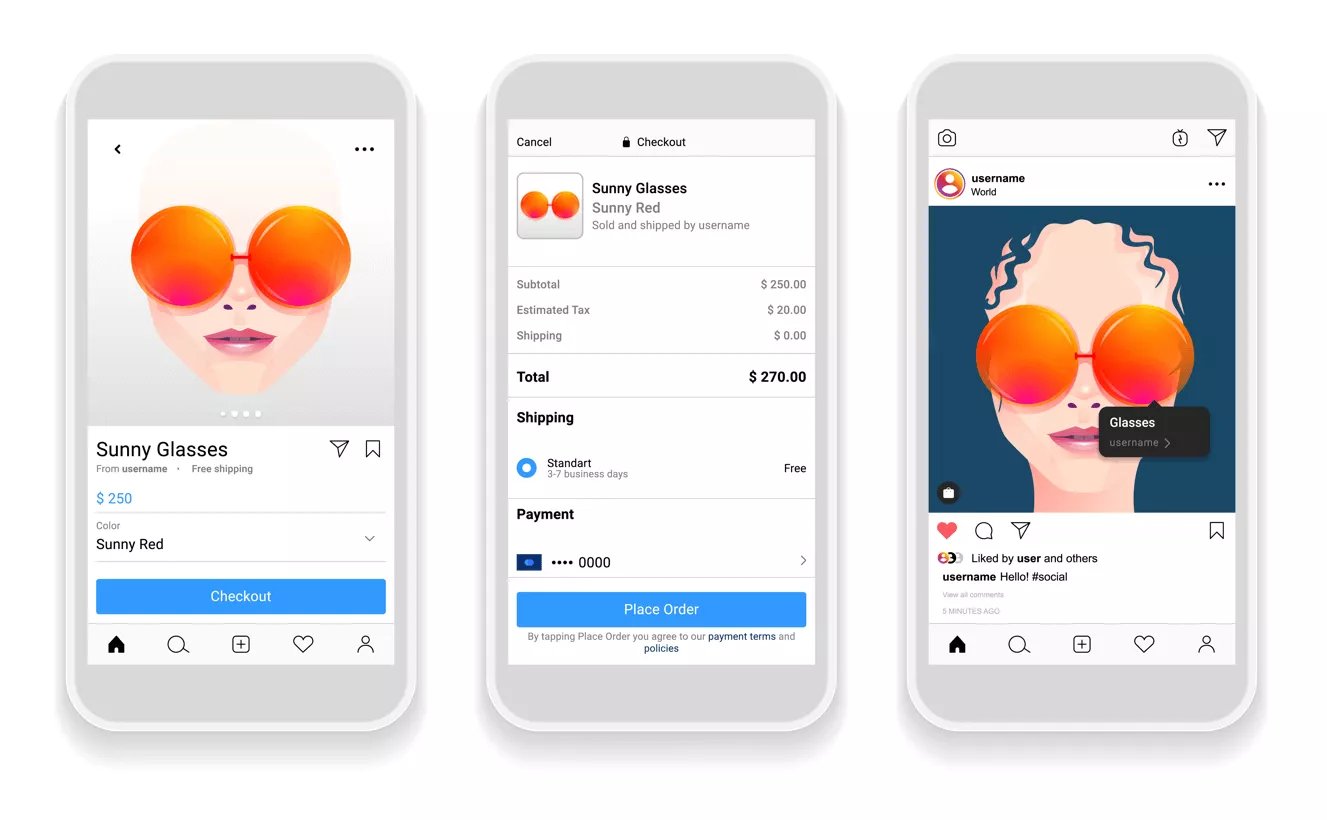
Stay informed about the latest tools and features offered by Instagram for advertising. Explore options such as carousel ads, video ads, and Instagram Shopping to enhance the effectiveness of your campaigns. Continually educate yourself about the platform's capabilities and evolving trends. Carousel ads, for example, allow you to showcase multiple products or features within a single ad, providing a more immersive experience for your audience. Video ads, on the other hand, can convey your brand's message in a dynamic and engaging way, capturing attention and driving higher engagement rates.
Instagram Shopping is another valuable feature to consider. It enables users to browse and purchase products directly within the app, streamlining the buying process and increasing conversion rates. By leveraging these tools and features, you can elevate your Instagram ads strategy and stay ahead of the competition.
Set up a routine for monitoring your ad campaign performance. Regularly assess key metrics and compare them with your predefined goals to gauge performance accurately. Leverage data and analytics tools to gain insights into your audience's preferences and behavior.
Based on your performance analysis, make data-driven decisions and adjust your strategy accordingly. This may involve tweaking your target audience, refining your ad content, or experimenting with new ad formats. Continuously learn from your campaign results and iterate to optimize your results.
Stay abreast of the latest trends and updates in Instagram advertising. The social media landscape is constantly evolving, and what works today might not work tomorrow. Adaptation and agility are key to staying ahead of your competition and capitalizing on new opportunities.

Invest in continuous learning and enhancement of your Instagram ads strategy. Attend webinars, industry conferences, or join online communities to stay connected with fellow marketers and gain valuable insights. Engage in A/B testing and experimentation to keep refining your approach and optimizing your ad performance.
If your Instagram ads strategy is not delivering the desired results, don’t fret, strive. Just take care of it. By understanding the basics, analyzing your performance, making necessary adjustments, and future-proofing your strategy, you can turn your Instagram ads into a powerful tool for achieving your business goals. Embrace creativity, data-driven decision-making, and a willingness to adapt, and watch as your Instagram ads soar to new heights of success!

Search advertising has become a popular strategy to drive traffic to websites and increase brand visibility. Two common approaches to search advertising are Dynamic Search Ads (DSA) and Responsive Search Ads (RSA). But which is better for your business? In this article, we will delve into the basics of search ads, explore the mechanisms behind DSA and RSA, compare their performance and costs, and provide insights to help you make an informed decision.
Search ads are a powerful tool for businesses to reach their target audience and increase their online visibility. By understanding the different types of search ads available, you can optimize your advertising strategy and maximize your return on investment.
Dynamic Search Ads, or DSA, are a type of search advertisement that relies on Google's algorithm to match relevant search queries with the content of your website. Instead of relying on specific keywords, DSA dynamically generates headlines and landing pages based on the information found on your website.

This automation allows for a more targeted and efficient advertising approach. With DSA, you can reach potential customers who are actively searching for products or services similar to what you offer, even if they are not using the exact keywords you have specified in your campaign.
DSA is particularly useful for businesses with large websites or frequently changing inventory. It saves time and effort by automatically creating and updating ads based on the content of your website. This means that as your website evolves, your ads will adapt accordingly, ensuring that your advertising remains relevant and up-to-date.
When a user enters a search query that matches the content on your website, Google's advanced algorithms come into play. These algorithms analyze the user's search intent and dynamically generate a headline and landing page for your ad. This process ensures that your ads are highly relevant to the user's search, increasing the chances of capturing their attention and driving them to click on your ad.
DSA takes advantage of Google's extensive web crawling technology, which continuously scans and indexes websites across the internet. This allows DSA to stay up-to-date with the latest content on your website, ensuring that your ads reflect the most current information available.
On the other hand, Responsive Search Ads, or RSA, are a flexible ad format that allows you to create multiple headlines and descriptions. Google will automatically test different combinations to determine the best-performing variations. With RSA, you can provide up to 15 different headlines and 4 descriptions, giving you a wide range of possibilities to tailor your ad to various search queries. This flexibility allows you to experiment with different messaging and calls to action, helping you find the most effective combination that resonates with your target audience.
The functioning of RSA is quite fascinating. When you provide multiple headlines and descriptions, Google's algorithm starts testing different combinations to see which ones resonate best with your target audience. It analyzes various factors such as user behavior, search intent, and historical performance to determine the most compelling ad variations.
As the algorithm learns and gathers insights about your audience, it adapts and optimizes your ads accordingly. This means that over time, your ads become more tailored and compelling, increasing the chances of driving higher engagement and conversions.

When it comes to performance, both Dynamic Search Ads (DSA) and Responsive Search Ads (RSA) have their strengths and offer unique benefits for advertisers.
DSA is well-suited for websites with a large inventory or frequently changing content. It automatically generates ads based on your website's content, saving you time and effort in creating individual ads for each product or service. This dynamic approach ensures that your ads are always up-to-date and relevant to what users are searching for.
At the same time, RSA allows for more ad customization and testing. With RSA, you can create multiple headlines and descriptions, and Google's machine learning algorithms will automatically test different combinations to find the most effective ad variations. This enables you to fine-tune your messaging based on user preferences and increase the chances of capturing the attention of potential customers.
Ultimately, the optimal approach may vary depending on your specific business needs and goals. If you have a large inventory or frequently changing content, DSA can be a powerful tool to ensure your ads are always relevant. If you prefer more control over your ad messaging and want to test different variations, RSA offers greater flexibility.
In terms of cost, both DSA and RSA operate under a pay-per-click (PPC) model, where you only pay when a user clicks on your ad. This means that you are not charged for impressions or views, but only for actual engagement with your ads.
While the actual costs can vary depending on factors such as competition and ad quality, both DSA and RSA offer a cost-efficient way to reach your target audience. With DSA, you can benefit from automatically generated ads that are tailored to the content of your website, potentially increasing the relevance and click-through rate of your ads. With RSA, the ability to test different ad variations can help you optimize your campaigns and improve your return on investment.
It's important to carefully monitor and optimize your campaigns, regardless of whether you choose DSA or RSA, to maximize your return on investment. Regularly reviewing your ad performance, adjusting your targeting options, and refining your ad messaging can help you achieve better results and make the most out of your advertising budget.

Advertising goals and customization:
Target audience and search intent:
Ultimately, the decision between DSA and RSA depends on your specific business needs and goals. Some businesses may benefit from a combination of both approaches, using DSA to capture a broad audience and RSA to tailor messaging for specific target segments. Regular analysis and optimization of your search ad campaigns will help you refine your strategy and achieve better results over time.
In a competitive business landscape, finding effective ways to drive growth is no longer optional. It is the difference between brands that scale and brands that stagnate. Growth marketing channels, the platforms and strategies that growth agencies deploy to acquire and retain customers, have become the primary lever for businesses looking to expand their reach and accelerate revenue.
But not every channel deserves your budget or attention. The key is understanding which channels align with your business model, audience behavior, and growth stage, then optimizing relentlessly until you find the combinations that produce compounding returns.
This guide breaks down the major growth marketing channels, how they contribute to business success, and how to measure and optimize their performance.
Growth marketing is the practice of identifying and exploiting scalable, repeatable channels that drive customer acquisition and retention. Unlike traditional marketing, which often focuses on brand awareness and top-of-funnel impressions, growth marketing is obsessed with measurable outcomes at every stage of the funnel.
A growth marketer does not just ask "how do we get more traffic?" They ask "how do we get more of the right traffic, convert it efficiently, and retain those customers profitably?" This full-funnel mindset is what separates growth marketing from conventional approaches.
The discipline involves constant experimentation. Every campaign is a hypothesis. Every metric is feedback. The goal is not to find one winning channel and ride it forever, but to build a diversified portfolio of channels that collectively produce sustainable, predictable growth.
Growth marketing channels typically fall into several major categories. Each has distinct strengths, cost structures, and roles within the customer journey.
With billions of monthly active users across platforms like Facebook, Instagram, TikTok, and LinkedIn, social media offers unmatched reach for businesses at every stage. The channel serves multiple growth functions simultaneously:
The key to social media as a growth channel is understanding that organic and paid serve different functions. Organic builds credibility and community over time. Paid social, when executed with strong creative and tight targeting, can produce immediate, measurable results. The brands that win are those that leverage both strategically.
Creating and distributing valuable, relevant content has become a foundational growth strategy. Through blog posts, videos, guides, and infographics, businesses can establish thought leadership, attract organic traffic, and nurture potential customers through the consideration phase.
Content marketing is a long-game channel. A single well-optimized article can generate traffic and leads for years. The compound effect of a strong content library means that your cost per acquisition decreases over time as your content assets accumulate authority and rankings.
Effective content marketing requires a clear content framework that maps topics to customer intent, funnel stage, and business objectives. Random blog posts do not produce growth. Strategic content programs do.
Despite predictions of its decline, email marketing remains one of the highest-ROI channels available. For every dollar spent on email, the average return sits around $36, making it one of the most cost-effective growth tools in any marketer's arsenal.
Email excels at several growth functions:
The power of email lies in personalization and automation. Segmented, behavior-triggered campaigns consistently outperform batch-and-blast approaches by delivering the right message at the right moment in the customer journey.
Organic search remains one of the most valuable acquisition channels because it captures intent. When someone searches for a product, service, or solution you offer, they are actively looking to buy or learn. Ranking for those queries puts your brand in front of high-intent prospects at zero marginal cost per click.
SEO requires sustained investment in technical optimization, content creation, and authority building. But the payoff is a durable competitive advantage. Once you rank for high-value keywords, you benefit from consistent traffic without ongoing ad spend. Businesses that invest in SEO methodology as a core growth channel build assets that appreciate over time.
PPC advertising through platforms like Google Ads and Bing Ads allows businesses to appear at the top of search results for targeted keywords. Unlike SEO, PPC delivers immediate visibility, making it essential for testing new markets, launching products, and capturing demand during peak periods.
The strength of PPC is its precision. You control exactly which queries trigger your ads, how much you bid, and which landing pages receive traffic. This level of control makes PPC one of the most measurable and optimizable channels available. For businesses looking for PPC strategies that generate leads, the channel offers unmatched speed to results.
Both affiliate and influencer marketing leverage third-party relationships to extend your reach. Affiliate marketing operates on a performance basis, paying commissions only when a partner drives a sale or lead. Influencer marketing trades payment or product for access to an engaged audience.
These channels are particularly powerful for DTC brands looking to build social proof and reach niche audiences that traditional advertising may not penetrate effectively.
Text message marketing has grown rapidly as a growth channel, particularly for ecommerce brands. With open rates near 98% and response times measured in minutes, SMS delivers engagement rates that no other channel can match. When integrated with email and paid social, SMS creates a powerful direct-response engine.

Understanding the channels is only the first step. The real value comes from understanding how they work together to produce business outcomes.
Growth marketing channels amplify your brand's presence across the platforms where your target audience spends time. A coordinated approach, where social media campaigns, content marketing, and targeted email work in concert, creates multiple touchpoints that build familiarity and trust.
The compounding effect of multi-channel visibility is significant. A prospect who sees your brand in search results, encounters your content on social media, and receives a relevant email is far more likely to convert than one who encounters your brand through a single channel.
Each channel plays a distinct role in the acquisition process. Paid search captures active demand. Social media generates demand where none previously existed. Content marketing nurtures consideration. Email converts interest into action.
The most successful growth programs map each channel to a specific stage of the customer acquisition funnel and optimize accordingly. This prevents the common mistake of evaluating every channel by the same metric, which inevitably leads to underinvestment in upper-funnel activities that feed the entire pipeline.
Acquisition gets the headlines, but retention drives profitability. Growth marketing channels, particularly email and SMS, are powerful retention tools when used strategically. Post-purchase sequences, loyalty programs, and personalized recommendations keep customers engaged and increase lifetime value.
Businesses that invest equally in retention as they do in acquisition typically see higher overall growth rates because retained customers purchase more frequently, refer others, and cost nothing to re-acquire.
You cannot optimize what you do not measure. Growth marketing demands rigorous tracking and analysis across several key performance indicators:
Google Analytics provides foundational insights into website traffic, user behavior, and conversion paths. Platform-specific analytics (Meta Ads Manager, Google Ads, Klaviyo) offer granular data on channel performance. Attribution tools help you understand how channels interact and contribute to conversions across the full journey. For a deeper look at how to evaluate and select these platforms, the guide to marketing analytics tools and platforms covers the leading options by use case.
The brands that grow fastest are the ones that build a measurement infrastructure early and use it to make allocation decisions based on data rather than intuition.
Personalization is no longer a nice-to-have. Customers expect relevant experiences tailored to their behavior, preferences, and stage in the journey. Dynamic website content, segmented email campaigns, personalized ad creative, and behavior-triggered messaging all contribute to higher conversion rates and stronger customer relationships.
The technology to personalize at scale is more accessible than ever. The brands that invest in personalization infrastructure see measurable lifts in engagement and revenue across every channel.
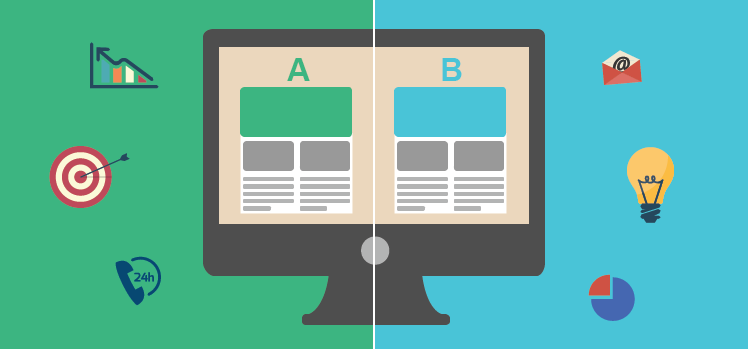
A/B testing is the engine of growth marketing optimization. Test ad creative, landing pages, email subject lines, send times, offer structures, and audience segments continuously. Small, incremental improvements compound into significant performance gains over time.
The discipline of testing requires accepting that most experiments will not produce winners. That is the point. The experiments that do win, even by small margins, accumulate into a substantial competitive advantage.
Over-reliance on a single channel creates fragility. Algorithm changes, policy updates, or market shifts can destroy performance overnight. The most resilient growth programs, like those built by brands that expand their channel mix strategically, maintain a portfolio of channels that balances short-term performance with long-term durability.
Growth marketing channels offer immense potential, but potential alone does not produce results. The businesses that achieve sustainable growth are the ones that approach channel strategy with discipline: defining clear objectives, measuring performance rigorously, testing continuously, and reallocating budget based on data.
Start by identifying the two or three channels most aligned with your audience and business model. Master those before expanding. Invest in measurement infrastructure early. Build a culture of experimentation where every campaign teaches you something, whether it succeeds or fails.
The channels will evolve. New platforms will emerge. Algorithms will change. But the fundamentals of growth marketing, finding scalable ways to acquire, convert, and retain customers profitably, will remain the foundation of business success.
The rise of video and SERP advertising has opened up new avenues for businesses to promote their products and services. One such format that has gained substantial popularity is non-skippable YouTube ads. Below, we’ll dive into its details. Don’t miss it.
Non-skippable YouTube ads, as the name suggests, are video advertisements that cannot be skipped by viewers. These ads typically play before a viewer's selected video and have a specified duration, often ranging from 15 to 30 seconds. Unlike skippable ads, which allow users to bypass the advertisement after five seconds, non-skippable ads demand the viewer's undivided attention throughout.
But what makes non-skippable ads so effective? Non-skippable ads are strategically designed to capture the viewer's attention from the very beginning. They often employ captivating visuals, compelling storytelling, and persuasive calls to action to engage the audience. By eliminating the option to skip, these ads force viewers to pay attention, increasing the chances of brand recall and message retention.
By design, non-skippable ads offer marketers an opportunity to deliver their message without the risk of users skipping the content. They compel viewers to engage with the ad and increase the likelihood of brand recall. As a result, non-skippable ads can be a powerful tool for marketers seeking to create brand awareness and convey a concise message.
Non-skippable YouTube ads provide several distinct advantages for marketers. Firstly, they ensure that the key message is delivered effectively. With skippable ads, there is always a chance that users will bypass the content without absorbing the intended information. Non-skippable ads address this concern, guaranteeing that the viewer receives the complete advertising experience.
Moreover, non-skippable ads are particularly effective for campaigns that require immediate action or highlight time-sensitive offers. By capturing the viewer's full attention, these ads can increase the likelihood of conversions and generate instant results. For example, a limited-time sale or a flash promotion can benefit greatly from the non-skippable format, as it compels viewers to take immediate action.
Additionally, non-skippable ads can be an effective way to showcase storytelling techniques or introduce new products that require a longer, more immersive narrative. By leveraging the viewer's undivided attention, marketers can create engaging narratives that leave a lasting impact. These ads can be a powerful tool for building brand affinity and establishing an emotional connection with the audience.
Non-skippable YouTube ads have become a popular advertising tool for marketers seeking to reach their target audience effectively. These ads, as the name suggests, cannot be skipped by viewers, ensuring that the brand's message is delivered in its entirety. While they offer several advantages for marketers, it is essential to consider the potential drawbacks and user reactions.
As you figure, non-skippable YouTube ads have their advantages and disadvantages for marketers. While they provide guaranteed exposure and higher engagement rates, they can also lead to viewer annoyance and negative brand perception. Advertisers must carefully craft their non-skippable ads to strike the right balance between capturing attention and respecting the viewer's experience. By doing so, they can maximize the benefits of non-skippable ads while minimizing the potential drawbacks.
Creating non-skippable YouTube ads that leave a lasting impact requires careful planning and strategic execution. Marketers can employ various strategies to maximize the impact and engagement of their non-skippable ads.
One effective approach is to tailor the ad content. By leveraging data analytics and user insights, marketers can create personalized advertisements that resonate with their target audience. Understanding the viewer's preferences, behaviors, and demographics allows marketers to craft ads that are more relevant and appealing, increasing the chances of capturing their attention and driving conversions.
Also, interactive elements can be incorporated to boost engagement in non-skippable ads. By allowing viewers to participate in the ad experience or offering interactive features, marketers can create more immersive and memorable advertising campaigns. For example, interactive quizzes, polls, or mini-games can be integrated into the ad, encouraging viewers to actively engage with the brand. These strategies not only make the ad more enjoyable but also increase the chances of conversion and long-term brand loyalty.
Measuring the success of non-skippable YouTube ads requires a comprehensive evaluation of key performance metrics. One essential metric is the view-through rate (VTR), which indicates the percentage of viewers who watched the entire ad without skipping. A high VTR signifies strong engagement and indicates that the ad effectively captured the viewer's attention.
Other importants metrics are click-through rate (CTR), conversion rate, and return on ad spend (ROAS). These metrics provide insights into user behavior beyond the ad view, indicating whether the ad successfully persuaded viewers to take the desired action, such as visiting the website, making a purchase, or interacting with the brand.
Interpreting data from non-skippable ad campaigns is vital to making informed decisions. Marketers should analyze demographic information, engagement rates, and conversion data to gain insights into the effectiveness of their ad strategy. This data can guide future campaign optimizations, targeting adjustments, or creative enhancements to ensure continuous improvement and maximize return on investment.

The landscape of non-skippable YouTube advertising continues to evolve, with exciting developments on the horizon. One noteworthy trend is the use of personalized and interactive ads. Leveraging emerging technologies, marketers can create tailored experiences that resonate with individual viewers, fostering a deeper connection and engagement.
As the line between content and advertising blurs, native advertising within non-skippable ads is expected to grow. This approach seamlessly integrates brand messaging within relevant content, providing viewers with a more authentic and less intrusive advertising experience.
The future of non-skippable YouTube advertising presents both opportunities and challenges for marketers. Marketers must adapt their strategies to leverage emerging ad formats and interactive technologies. By staying attuned to viewer preferences and behavior, marketers can create non-skippable ads that are engaging, relevant, and respectful of the viewer's experience.
The rise of non-skippable YouTube ads underscores the need for marketers to continually innovate and evolve their advertising approaches. By understanding the benefits, drawbacks, and best practices associated with non-skippable ads, marketers can leverage this format effectively and drive meaningful results for their brands.
Non-skippable YouTube ads can be a powerful tool in a marketer's arsenal. By effectively capturing the viewer's attention and delivering a concise message, non-skippable ads offer a unique opportunity to create brand awareness and foster engagement. Marketers must carefully consider the potential drawbacks of these ads and strive to strike a balance between capturing attention and respecting the viewer's experience. Through the use of key strategies and robust measurement tools, marketers can optimize the impact of non-skippable ads and pave the way for future success in YouTube advertising.

Email flow is the backbone of every message you send and receive, whether it is a one-to-one conversation or a marketing campaign reaching thousands of subscribers. Understanding the email process flow gives marketers a real advantage: better deliverability, fewer bounced messages, and campaigns that consistently reach the inbox.
In this guide, we break down what email flow is, how it works at a technical level, and why it matters for brands that depend on email as a growth marketing channel. We will also cover the most common email flow problems and how to troubleshoot them.
Email flow refers to the end-to-end process an email follows as it travels from the sender's device to the recipient's inbox. It involves multiple systems working together, including email clients, outgoing and incoming mail servers, DNS records, and internet service providers (ISPs).
At a high level, every email passes through three stages:
Understanding each stage is critical for marketers because a breakdown at any point, whether it is a DNS misconfiguration, a spam filter flag, or an authentication failure, means your message never reaches the subscriber.
The email communication process involves a precise sequence of handoffs between servers and protocols. Here is a step-by-step look at what happens after you press send.
When you compose and send an email, your email client (such as Gmail, Outlook, or a platform like Klaviyo) connects to an outgoing SMTP (Simple Mail Transfer Protocol) server. The SMTP server is responsible for routing your message toward its destination.
The first technical step is a DNS lookup. The sending server queries the Domain Name System to find the MX (Mail Exchange) records for the recipient's domain. For example, if you are sending to someone at example.com, the DNS lookup maps that domain to the IP address of the mail server responsible for handling example.com email.
Once the MX record is resolved, the SMTP server establishes a connection with the recipient's mail server and transfers the message. If the recipient uses a different email provider, the message may pass through multiple relay servers before arriving at its final destination.
When the message reaches the recipient's mail server, a series of checks begin:
If the email passes all checks, it is delivered to the recipient's inbox. If it fails authentication or triggers a spam filter, it may land in the junk folder or be rejected entirely.
This entire process typically completes in seconds, but the complexity behind it explains why email deliverability is never guaranteed, and why marketers need to understand each step.
Every email flow depends on three core infrastructure layers. When any of these components fail or are misconfigured, delivery suffers.
Email servers handle the storage, routing, and delivery of messages. There are two primary types:
For marketing teams, the health and reputation of your sending SMTP server directly impacts inbox placement. Shared IP addresses with poor sender reputation can drag down deliverability for every brand on that server.
Email clients are the applications people use to read and compose email, including Gmail, Apple Mail, Outlook, and mobile apps. From a marketing perspective, each client renders HTML email differently, which is why testing across clients is essential before launching a campaign.
Email clients also implement their own filtering layers. Gmail's tabbed inbox (Primary, Promotions, Social) is a client-side sorting mechanism that operates independently from server-side spam filters.
ISPs act as intermediaries between senders and recipients. They maintain their own spam filtering infrastructure and sender reputation databases. Major ISPs like Gmail, Yahoo, and Microsoft track sender behavior over time, including bounce rates, complaint rates, and engagement metrics. A poor reputation with any major ISP can result in your emails being silently dropped or routed to spam.
For DTC brands and growth-stage companies, email is often the highest-ROI channel available. But technical email flow knowledge is not just for IT teams. Marketers who understand how the email communication process works make better decisions about list hygiene, sending frequency, authentication, and content strategy.
Here are the practical implications:
If you are running Shopify email marketing campaigns, understanding these fundamentals can be the difference between a 40% open rate and a 10% one.
Even well-configured email systems encounter delivery problems. Here are the most common issues and their solutions.
Bounces occur when an email cannot be delivered to the intended recipient. There are two types:

High bounce rates signal poor list hygiene to ISPs and directly damage your sender reputation. Implement double opt-in for new subscribers and regularly clean your list to remove inactive or invalid addresses.
Spam filters use a combination of rule-based and machine-learning approaches to classify incoming email. Common triggers include:
If your marketing emails are landing in spam, audit your authentication records first, then review your content for common trigger patterns. Tools like Mail-Tester or GlockApps can help diagnose specific issues.
If SPF, DKIM, or DMARC records are missing or misconfigured, receiving servers may reject your email outright or route it to spam. This is especially common when brands migrate email platforms or add new sending services without updating DNS records.
Work with your email service provider to verify that all authentication records are current and properly aligned with your sending domains.
To maintain strong inbox placement and get the most from your email marketing, follow these proven practices:
The terms "email flow" and "email automation flow" are sometimes used interchangeably, but they refer to different concepts.
Email flow (the subject of this guide) describes the technical process by which an email travels from sender to recipient. It is an infrastructure-level concept.
Email automation flows (also called drip campaigns or sequences) are pre-built marketing workflows that send targeted emails based on subscriber behavior or triggers, such as a welcome series, abandoned cart sequence, or post-purchase follow-up.
Both concepts are important. The technical email flow determines whether your message can physically reach the inbox. The automation flow determines what message is sent, when, and to whom. Marketers who master both can optimize their sales funnel from first touch to repeat purchase.
If you are exploring communication channels beyond email, SMS marketing is a complementary channel that operates on different infrastructure but serves similar lifecycle marketing goals.
For teams that need a concise overview of how the email communication process works, here are the key steps in order: StepWhat HappensKey Protocol1. ComposeUser writes the message in an email client - 2. SendClient connects to SMTP serverSMTP3. DNS LookupSending server resolves recipient's MX recordsDNS4. TransferMessage is relayed to recipient's mail serverSMTP5. AuthenticateReceiving server checks SPF, DKIM, DMARCSPF/DKIM/DMARC6. FilterSpam and security checks are appliedISP algorithms7. DeliverEmail is placed in the recipient's inbox or spam folderIMAP/POP3
Each step represents a potential point of failure. When troubleshooting delivery issues, work through this process sequentially to isolate where the breakdown is occurring.
Understanding how email flow works is not just a technical exercise. For marketers and growth teams, this knowledge translates directly into better campaign performance. When you know how authentication, routing, and filtering affect delivery, you can proactively address issues before they impact revenue.
The brands that win at email marketing are the ones that treat deliverability as a core competency, not an afterthought. They monitor sender reputation, maintain clean lists, authenticate every sending domain, and continuously test their campaigns across email clients and ISPs. Pair that infrastructure discipline with smart newsletter content strategy, and email becomes the most reliable and profitable channel in your growth stack.

Is a fact: SaaS marketing efforts will fail without a content marketing strategy. With the right approach, your content can help you attract and engage your target audience, differentiate from competition, drive conversions, and build a strong brand presence. In this publication, we'll explore four key tips to help you develop an effective B2B SaaS content marketing strategy.
Before diving into the tips and strategies, let's first take a moment to understand why a content marketing strategy is so important for B2B SaaS businesses.
In the world of B2B marketing, SaaS (Software as a Service) plays a significant role. SaaS companies provide businesses with cloud-based software solutions that help streamline operations, increase productivity, and solve complex challenges. However, with many companies offering similar products and services, standing out from the competition can be challenging. This is where content marketing comes into play.
SaaS has revolutionized the B2B marketing landscape by providing businesses with scalable, cost-effective solutions. With SaaS, businesses no longer need to invest in expensive hardware or software installations. Instead, they can access cloud-based solutions that can be easily customized to suit their unique needs.
By leveraging SaaS, businesses can increase efficiency of their processes, and ultimately drive conversions to stay ahead of the competition. SaaS offers a wide range of benefits, such as improved collaboration, enhanced data security, and seamless integration with existing systems. These advantages make SaaS an attractive option for businesses of all sizes and industries.
However, simply offering a great SaaS product isn't enough. To attract prospective customers and retain existing ones, it's crucial to have a solid content marketing strategy.
Content marketing allows SaaS businesses to establish themselves as thought leaders in their industry. By creating and sharing valuable, informative content, SaaS companies can build trust and credibility with their target audience. Moreover, content marketing helps drive organic traffic to your website, increase brand awareness, and generate leads. By consistently creating and promoting high-quality content, you can attract qualified leads who are more likely to convert into paying customers.

Effective content marketing involves understanding your target audience's pain points and providing them with relevant solutions. By addressing their challenges through your content, you position your SaaS business as a trusted advisor and problem solver.
In addition to building trust and driving traffic, content marketing also plays a crucial role in nurturing leads and guiding them through the buyer's journey. By creating content that aligns with each stage of the customer's decision-making process, you can effectively move them closer to making a purchase.
Likewise, content marketing allows you to showcase the unique features and benefits of your SaaS product. Through detailed product guides, case studies, and success stories, you can demonstrate how your solution solves specific problems and delivers tangible results. You can also foster a sense of community and create brand advocates who will spread the word about your product.
Now that we understand the importance of content marketing in the B2B SaaS space, let's dive into our tips for developing an effective strategy.
The first step in developing an effective B2B SaaS content marketing strategy is to establish clear goals. Without defined objectives, it's challenging to measure the success of your efforts and make necessary adjustments.
When setting your content marketing goals, it's important to consider the overall business objectives you want to achieve. Are you looking to increase brand awareness, generate more leads, or improve customer retention? By aligning your content marketing goals with your broader business goals, you can ensure that your efforts are focused and impactful.
Furthermore, it's crucial to take into account the current state of your content marketing efforts. Are you starting from scratch, or do you already have an existing content strategy in place? Understanding where you are in your content marketing journey can help you set realistic and attainable goals.
Before diving into content creation, it's essential to understand who your target audience is. Who are the decision-makers in your target companies? What challenges do they face? What type of content would resonate with them?
By conducting thorough market research and creating buyer personas, you can gain valuable insights into your target audience's needs, pain points, and preferences. This knowledge will enable you to create content that addresses their specific challenges and provides value.
When identifying your target audience, it's also important to consider the different stages of the buyer's journey. Are you targeting prospects who are just starting their research, or are you focusing on nurturing existing leads? Tailoring your content to each stage of the buyer's journey will help you engage and convert your audience effectively.
Once you have a clear understanding of your target audience, it's time to set measurable objectives for your content marketing efforts. These objectives could include increasing website traffic, boosting lead generation, or improving customer retention rates.
It's essential to set SMART goals - specific, measurable, achievable, relevant, and time-bound. SMART goals provide clarity and direction, helping you stay focused and motivated throughout your content marketing journey.

When setting your objectives, it's important to consider the available resources and budget. Are you working with a small team and limited resources, or do you have a dedicated content marketing department? Aligning your objectives with your resources will ensure that you can execute your strategy effectively.
In addition to setting overall objectives, it's also beneficial to establish key performance indicators (KPIs) to track your progress. These KPIs could include metrics such as website traffic, conversion rates, social media engagement, or email open rates. The content strategy also needs to connect with your broader demand generation approach for SaaS — content without a demand gen engine behind it rarely moves the pipeline. Regularly monitoring and analyzing these metrics will help you identify areas of improvement and optimize your content marketing efforts.
Now that you have established your goals and identified your target audience, it's time to create high-quality, relevant content that resonates with your audience.
As you know, B2B customers are looking for content that addresses their specific needs and challenges. They want actionable insights and practical solutions to improve their businesses. Therefore, it's crucial to create content that is relevant and provides value to your target audience.
When creating content, put yourself in your audience's shoes and ask yourself, "What information do they need? How can I help them overcome their challenges?" By focusing on relevance, you can ensure that your content resonates with your audience and drives engagement.
Producing high-quality SaaS content requires careful planning and execution. Here are a few tips to help you create content that stands out:
To maximize the reach and impact of your SaaS content, it's essential to leverage search engine optimization (SEO) best practices.
SEO involves optimizing your content and website to improve their visibility in search engine results pages (SERPs). By incorporating relevant keywords, optimizing meta tags, and improving website structure, you can increase organic traffic and reach a broader audience.
When developing your content strategy, consider the following SEO best practices:
In addition to creating great content and optimizing it for search engines, it's essential to leverage social media and email marketing to reach and engage your target audience.
Social media platforms provide an excellent opportunity to connect with your audience, share valuable content, and build brand awareness. By regularly posting relevant content, engaging with your followers, and joining conversations in your industry, you can establish a strong social media presence and attract potential customers.
Email marketing is a powerful tool for nurturing leads and driving conversions. By building an email list and sending targeted, personalized emails to your subscribers, you can stay top-of-mind and encourage them to take the desired actions, whether it's signing up for a free trial, requesting a demo, or making a purchase.
When implementing email marketing for your SaaS business, consider segmenting your audience, personalizing your emails, and providing valuable content and offers that align with their specific needs.
By following these four tips, you can develop an effective B2B SaaS content marketing strategy that helps you achieve your business goals. Remember, consistency, relevancy, and value are key to driving engagement and conversions through your content. Embrace these tips and adapt them to your unique business needs to unlock the full potential of content marketing in the B2B SaaS space.
If you have a store on Shopify, you are in it to generate sales.
One of the best ways to drive revenue is through email marketing to your Shopify customers. Email marketing is a powerful tool for retaining customers and keeping them engaged with your brand long after the initial purchase.
A valuable feature of Shopify is that each time customers create an account at your eCommerce site, they are agreeing to receive messages from your store. That lays the foundation for using Shopify email marketing as a direct connection to your customers - one that you own and control entirely.
Unlike social media or paid ads, which customers may scroll past without noticing, emails are delivered directly to their inbox. Email marketing also provides an exceptionally high ROI. For every dollar you spend on email marketing, companies report an average return of $42 - a figure that consistently outperforms every other digital channel.
If you are looking for D2C (direct-to-consumer) email marketing templates to help ramp up sales, here is what you need to know.
Before diving into the specific templates, it is worth understanding why email deserves a central role in your Shopify marketing stack.
You own the channel. Unlike Facebook or Instagram, where algorithm changes can cut your reach overnight, your email list is an asset you fully control. No platform can throttle your access to subscribers who opted in.
Segmentation drives personalization. Shopify's native data - purchase history, browsing behavior, average order value - allows you to segment your audience and send highly relevant messages. Personalized emails generate transaction rates six times higher than generic broadcasts.
Email fuels the full funnel. From upper-funnel awareness through lower-funnel conversion, email meets customers at every stage. Welcome sequences introduce your brand, post-purchase flows build loyalty, and win-back campaigns re-engage lapsed buyers.
Timing is automated. The most effective Shopify email marketing strategies rely on behavioral triggers rather than manual sends. When a customer takes (or does not take) a specific action, the right message arrives automatically at the right moment.
There are many Shopify email marketing templates you may choose to test with your customers. However, the three most important Shopify emails you need in your toolbox are:
We are going to break down the purpose of each of these message types, provide examples, and give you free customizable email templates to use for your Shopify store.
The welcome email is your first formal introduction to your customers. They might have found you through an ad, through social media, or via organic search, but up until this point you have not had the opportunity to speak directly to your audience. With emails, you can send highly personalized messages to people who have entered your funnel.
This email should introduce your brand, define your unique selling proposition, and nudge people to become customers.
Key metrics to watch: Open rates for welcome emails typically range from 50-60%, far exceeding the 15-25% average for regular marketing emails. If your welcome email open rate falls below 40%, revisit your subject line and sender name.
Subject: Welcome to our family!
Janna, thanks for joining our community!
We believe in using only carbon-neutral raw materials and sustainable products to create a diverse line of distinct and colorful jewelry that will make you look great.
Check out our new springtime collection and get 10% off your first order.
SHOP NOW
Subject: Welcome to our family!
[FIRST NAME], thanks for joining our community!
We believe in [UNIQUE VALUE PROPOSITION].
Check out [PRODUCT or COLLECTION] and [OFFER] for your first order.
[Call-to-action button]
After a purchase, you should always send a thank you to your customer to solidify the relationship and reassure them that their order is being processed.
This email message should also include order and tracking information.
Order confirmation emails have the highest open rates in eCommerce - often exceeding 70%. Now that you have your customer's attention, you have a prime opportunity to upsell related products or offer an additional incentive to attract repeat business.
Subject: Your order confirmation
Lindsey, thanks for the order! We will process it as soon as possible and let you know when it is shipped.
Here is your order summary:
View your order online. If you have any questions about your order, please contact us.
Customers that bought this often purchased these items.
It is not too late to add them to your purchase and get them delivered together with no additional shipping charges.
If you order from us again, please use the discount code SUMMERTIME10 for 10% off your next order. Remember, shipping is always free!
SHOP NOW
Subject: Your order confirmation
[First Name], thanks for the order! We will process it as soon as possible and let you know when it is shipped.
Here is your order summary:
[LIST ORDER DETAILS]
View your order online [Include a link]. If you have any questions about your order, please contact us [Link to contact information].
Customers that bought this often purchased these items.
[LIST COMPATIBLE ITEMS]
It is not too late to add them to your purchase and get them delivered together with no additional shipping charges.
If you order from us again, please use this [OFFER] for [EXCLUSIVE BENEFIT], and remember [UNIQUE CUSTOMER SERVICE CALL OUT]!
[Call-to-action button]
When an item ships, you should also send a shipping email with an order update and tracking information. It is another effective touchpoint to seek additional sales.
Subject: Your Order Has Shipped
Logan, your order #1234567890 has shipped.
It is scheduled to arrive on May 3rd via UPS. Use tracking number 0000000000000456 to follow its journey to your door.
We want to thank you for being a loyal customer and offer you this exclusive discount code for your next order. Use code IMAHAPPYCUSTOMER to get 10% off your next purchase.
Subject: Your Order Has Shipped
[FIRST NAME], your order [ORDER NUMBER] has shipped. It is scheduled to arrive on [DATE] via UPS. Use tracking number [TRACKING NUMBER] to follow its journey to your door.
We want to thank you for being a loyal customer and offer you this exclusive discount code for your next order. Use code [UNIQUE CODE] to get [OFFER].
It is frustrating that so many shoppers select items and put them in their shopping carts but never complete the sale. More than 8 out of 10 online shopping orders were abandoned in recent years, according to industry data. These are prime targets for remarketing.
Think of the abandoned cart email in two stages. The first should be sent within an hour after the abandonment occurs. It should remind shoppers that they did not complete the sale. The second should occur a day or two after the first email to remind them again and offer them an incentive to convert.
Subject: Your cart is waiting
Trina, are you still thinking it over? We noticed you left some items in your shopping cart. Do not worry, they are still waiting for you!
Click here to keep shopping
Subject: Your cart is waiting
[FIRST NAME], are you still thinking it over?
We noticed you left some items in your shopping cart. Do not worry, they are still waiting for you!
[CALL-TO-ACTION]
Subject: Items in your cart are about to expire
Trina, those items you left in your shopping cart are about to expire. If you are ready to make your purchase, act now!
Still not sure? If you buy within the next 24 hours, you can use the special discount code 5OFFTODAY to get a 5% discount on your purchase.
USE DISCOUNT
[FIRST NAME], those items you left in your shopping cart are about to expire. If you are ready to make your purchase, act now!
Still not sure? If you [ACTION TO TAKE], you can use the [SPECIAL OFFER] on your purchase.
[CALL-TO-ACTION BUTTON]
If they have not acted after the second email, they are probably not going to convert on this purchase for the time being, but at least they have entered your funnel.
The difference between a mediocre abandoned cart sequence and a high-performing one comes down to timing and escalation:
Even modest recovery rates translate to significant revenue at scale. A store processing 1,000 abandoned carts per month that recovers just 10% is reclaiming 100 orders that would have otherwise been lost.
Launching email campaigns is only the beginning. To continuously improve your Shopify email marketing, track these core metrics:
For a deeper understanding of how email communications flow and impact deliverability, review our guide on email flow fundamentals.
Another effective email tactic is targeted at lapsed customers. It can be as simple as letting customers know you have missed them, highlighting a product or new promotion, and adding an incentive to entice them to re-engage.
You may also want to use email marketing for:
Consider pairing your email strategy with SMS marketing for time-sensitive offers and transactional updates. SMS open rates exceed 95%, making it an ideal complement to email for abandoned cart recovery and shipping notifications.
For brands exploring the ideal format for their regular newsletters, our analysis of newsletter length best practices provides data-driven guidance on keeping subscribers engaged without overwhelming them.
EmberTribe is an eCommerce Digital Marketing Agency that gets results. We use email marketing as part of our proven growth system that has driven hundreds of millions of dollars in eCommerce sales. While email marketing is an important part of your growth strategy, it takes a comprehensive marketing strategy to achieve greatness.
If you are ready to significantly increase conversions and revenue for your D2C eCommerce site, contact us at EmberTribe today and let us help you grow your business.

GIFs have become a universal language on the internet. From blog posts and email newsletters to social media and internal communications, animated GIFs add personality, break up long-form content, and convey reactions in ways that static images and plain text simply cannot match.
But for teams that take SEO seriously, the question is valid: are GIFs helping your content strategy, or are they quietly undermining your search rankings?
The short answer is that GIFs, when used thoughtfully and optimized properly, can enhance your content without damaging your SEO performance. The longer answer involves understanding how Google handles animated images, where the risks actually lie, and what optimization techniques keep your site fast while preserving the engagement benefits that GIFs provide.

Google crawls GIFs the same way it crawls any other image format. The search engine reads the file name, alt text, surrounding context, and page metadata to determine what the image represents and how relevant it is to a given search query.
This means the standard image SEO best practices apply to GIFs just as they do to JPEGs and PNGs:
email-marketing-workflow.gif is far more useful to Google than giphy-12345.gifWhere GIFs differ from static images is in file size and rendering behavior, both of which have indirect but significant effects on SEO through page performance metrics.
GIFs do not directly hurt your search rankings. What hurts your rankings is slow page load times, and GIFs are one of the most common contributors to bloated page weight.
A single unoptimized GIF can easily reach 5-10 MB - larger than entire web pages should be. When a page loads multiple uncompressed GIFs, the cumulative effect on Core Web Vitals can be severe:
Google has made page experience a ranking factor, which means anything that degrades load speed - including oversized GIFs - can pull your content down in search results.
The solution is not to stop using GIFs. It is to optimize them properly so you get the engagement benefits without the performance penalty.
There are several proven techniques for keeping GIFs fast-loading without sacrificing quality or visual impact.
The most straightforward optimization is reducing file size through compression. Several approaches work well:
A well-compressed GIF should typically be under 1 MB. If your GIF exceeds 2 MB, it is worth revisiting the source material or considering an alternative format.
For larger or longer animations, converting GIFs to HTML5 video formats (MP4 or WebM) is one of the most effective optimizations available. Video formats use modern compression codecs that deliver the same visual output at a fraction of the file size.
A 5 MB GIF can often be converted to a 200-500 KB MP4 that looks identical to the viewer. The implementation uses the HTML tag with autoplay and loop attributes to replicate the GIF experience:
<video autoplay loop muted playsinline>
  <source src="animation.webm" type="video/webm">
  <source src="animation.mp4" type="video/mp4">
</video>
This approach is particularly valuable for hero sections and above-the-fold content where page speed has the greatest impact on both SEO and user experience.
Lazy loading defers the loading of GIFs that are below the fold until the user scrolls to them. This reduces initial page load time and improves Core Web Vitals scores without removing any content.
Modern browsers support native lazy loading through a simple attribute:
<img src="reaction.gif" alt="Description" loading="lazy">For more granular control, JavaScript-based lazy loading libraries like lazysizes offer features like placeholder images, fade-in effects, and custom threshold settings.
GZIP compression at the server level can reduce GIF transfer sizes by up to 70% without any change to the original file. Most modern web servers and CDNs support GZIP or Brotli compression, and enabling it is typically a one-time configuration change.
Check with your hosting provider or CDN to confirm that compression is enabled for image assets. This optimization benefits all images on your site, not just GIFs.
GIF optimization is not purely an SEO concern. Accessibility compliance affects both user experience and search performance, and Web Content Accessibility Guidelines (WCAG) have specific requirements for animated content.
WCAG 2.1 requires that any animation that starts automatically and lasts longer than five seconds must include a mechanism for the user to pause, stop, or hide it. This matters for SEO because:
Practical ways to meet accessibility requirements for GIFs:
prefers-reduced-motion CSS media query to serve static alternatives to users who have requested reduced motion in their system settingsAlt text for GIFs should describe both the content and the action depicted. Unlike static images where you describe what is shown, GIF alt text should convey what is happening:
Descriptive alt text serves double duty: it makes your content accessible to screen reader users and gives Google additional context for understanding and ranking your content.
While the risks of GIFs are primarily performance-related, the benefits are engagement-related - and engagement signals do influence search rankings.
Content with well-placed GIFs tends to keep readers on the page longer. Animated visuals break up walls of text and give readers visual anchors that maintain interest. Since time on page is a behavioral signal that search engines monitor, GIFs can indirectly support your rankings when they contribute to a better reading experience.
Pages that use GIFs strategically - as visual explanations, process demonstrations, or reaction moments - tend to have lower bounce rates than text-only pages. When readers stay and scroll rather than bouncing, Google interprets this as a positive quality signal.
Google's quality evaluators look at whether content provides a good user experience. Pages that use multimedia elements thoughtfully - including GIFs, images, and video - score higher on user experience criteria than pages with minimal visual content.
This is particularly relevant for content marketing strategies where the goal is creating comprehensive, authoritative resources on a topic. GIFs can serve as visual evidence, process demonstrations, or data visualizations that add genuine informational value to the page.
Content that includes GIFs is more likely to be shared on social media and linked to from other websites. While social signals themselves are not a confirmed ranking factor, backlinks from other sites remain one of the strongest ranking signals in Google's algorithm. Content that earns natural backlinks through shareability and engagement value will outperform content that does not.
Based on the data and best practices covered above, here is a framework for incorporating GIFs into your content development strategy without compromising SEO performance:
GIFs will not ruin your SEO - but unoptimized GIFs absolutely can. The format itself is neutral in terms of search rankings. What matters is how you implement it.
When GIFs are compressed, properly tagged with alt text, lazy-loaded, and used strategically to enhance the reader experience, they become an asset to your content strategy. They keep readers engaged, reduce bounce rates, and make your content more shareable - all signals that support stronger search performance over time.
The key is treating GIFs as a deliberate content element rather than decoration. Every GIF on the page should earn its place by adding informational value, illustrating a concept, or enhancing the reader's experience in a way that static content cannot.

How Your Digital Content Strategy Can Generate Inexpensive Growth Through Organic Traffic
"Content is king." We have all heard it before, and every marketer understands the gravitational pull that good content exerts on audiences and search engines alike.
If you think that sounds like a dramatic claim, you might be surprised by the data behind it. Brands that invest consistently in content marketing generate roughly three times as many leads per dollar spent compared to paid channels alone, and those leads compound over time instead of disappearing the moment a budget is paused.
An effective digital content strategy serves a dual purpose: it gives your website ranking authority in search results while also appealing to audiences by providing genuinely valuable information. In other words, investing in good content will help draw inexpensive organic traffic through meaningful engagement.
When done right, your content can generate organic traffic with long-term ROI at a fraction of paid traffic costs.
If you are still not sold on the reigning power of content, here is our proclamation to declare that content is, indeed, still king - and our manifesto for making it work.
Quality content and a healthy organic digital content strategy can increase web traffic at lower costs than running paid ads alone. You can grab the attention of visitors - future customers - through informative and engaging content that adds value to your brand.
Your organic content strategy will help inform a cohesive, multi-dimensional digital marketing strategy across all platforms and channels. If you are testing your content on organic first, you will know what performs well before investing more money into paid traffic.
One of the most compelling reasons to invest in content is the compounding nature of organic results. A single well-optimized blog post can generate traffic for months or even years after publication. Compare that to a paid ad, which stops delivering impressions the moment you turn off spending.
Over time, a library of strong content creates a moat around your brand. Each new piece adds to the site's domain authority, which lifts the performance of every other piece alongside it. This is why companies that commit to building brand trust through SEO see accelerating returns rather than diminishing ones.
Content does not exist in isolation. The insights you gain from organic performance - which headlines resonate, which topics attract engagement, which formats hold attention - become a playbook for your paid campaigns. Test messaging organically first, then pour budget behind what already works. This approach reduces wasted ad spend and shortens the feedback loop between creative ideation and data-driven optimization.

Who doesn't love a good story?
Content goes beyond selling your product or service to telling your story. What is your brand about? What passions, missions, and motivations drive your business? Your digital content should reflect your business's values and priorities.
Do not create content just to have content. It should have a purpose and a place within your digital content strategy. Overall, the content you produce should support direct response campaigns and build credibility among your audience.
Telling your story differentiates your business from the competition and helps solidify your brand in ways that product pages and transactional copy never will.
A strong brand story follows a pattern: identify the customer's problem, explain why that problem matters, and show how your brand delivers a solution others cannot. Every piece of content you produce should reinforce one of these three elements in some way. Blog posts might address the problem. Case studies prove the solution. Social content reminds audiences why the problem matters in the first place.
When executed well, brand storytelling creates emotional resonance that paid ads struggle to achieve. Customers who feel connected to a brand story are more likely to become repeat buyers and organic advocates.
Think about the content you have already produced. No doubt you have done significant work to create quality content for your audience. You do not have to throw away digital content you have invested in.
Content does not have to go to waste when it can be recycled and updated for more organic traffic. It is straightforward to keep good content evergreen by updating links, refreshing statistics, and repackaging information for multiple uses.

You can use past content to build better funnels, reinforce retargeting campaigns, and learn more about your own brand and audience.
Here is a repeatable framework for getting more mileage from every piece of content you create:
This approach ensures you are not starting from zero every time you sit down to create. Your search engine positioning will benefit as refreshed content signals relevance to Google's crawlers.
What if you were able to publish content that could predictably provide measurable business value? You can. This is what we call growth content.
Growth content drives measurable business value in the form of new users, leads, or sales.

A growth content framework consists of five key attributes that help you optimize content creation efforts with an eye toward growth:
By adopting a growth content framework, you can use content strategically and measurably to add value to your digital content strategy. The impact extends across every marketing channel you leverage, from organic search to email to paid social.
Despite all of this talk about creating content, you might still be tempted to ignore the long-term organic content strategy for the quick returns of paid ads.
We cannot deny that paid ads are an effective way to drive traffic to your website. However, if you are seeking a long-term digital marketing strategy to increase traffic at a lower cost, good content is going to drive your organic traffic in valuable ways.
Even better, your content can be used to inform paid traffic and organic traffic alike. Brands that build a balanced search marketing plan combining SEO and SEM consistently outperform those that rely on a single channel.
A long-term content strategy needs structure. Here is how to build one:
Most brands give up on content marketing too early. They publish for three months, see modest results, and redirect budget to paid channels. The brands that win are the ones that stay consistent through the inflection point - the moment when accumulated domain authority and content volume begin generating exponential returns.
The data supports patience. Companies that publish consistently for twelve or more months see organic traffic growth rates that outpace paid acquisition costs by a significant margin.

Content is not a marketing expense - it is a business asset. Every piece you publish adds to a growing library that works for you around the clock, attracting prospects, educating leads, and building the kind of trust that no ad placement can replicate.
The brands that treat content as a strategic priority rather than a checkbox will be the ones that dominate their categories. Build your content marketing strategy with intention, measure what matters, and commit to the long game.
Long live good content.


.svg)