







In today's competitive B2B landscape, lead generation is the engine that powers sustainable revenue growth. One platform that has become a go-to solution for growth-focused teams is Apollo. By combining a massive B2B contact database with AI-powered outreach sequences, Apollo gives marketing and sales teams the infrastructure to generate qualified leads at scale while keeping cost per acquisition under control.
This guide breaks down how Apollo works, the strategies that drive results, and the metrics you should track to ensure every dollar spent delivers maximum return.
What Is Apollo and Why Does It Matter?
Apollo is a sales intelligence and engagement platform built for B2B lead generation. It provides access to a database of over 275 million contacts across 73 million companies, paired with tools for email sequencing, calling, task management, and analytics.
What sets Apollo apart from traditional prospecting tools is how it combines data enrichment with execution. Rather than purchasing a static list and importing it into a separate outreach tool, Apollo lets you identify prospects, enrich their profiles, build multi-step sequences, and track engagement - all inside a single platform.
For growth-stage companies that need to move quickly without hiring a large sales development team, Apollo eliminates the friction between research and action.
Setting Up Apollo for High-Performance Lead Generation
Getting results from Apollo starts with proper setup. A misconfigured instance leads to wasted emails, low reply rates, and poor data quality. Here is the foundational work that matters most.
Define Your Ideal Customer Profile
Before running a single search, document your ideal customer profile (ICP) with specificity. Apollo's filters are powerful, but they only work when you know exactly who you are looking for. Key attributes to define include:
- Company size - employee count and revenue range
- Industry and sub-industry - broad categories like "SaaS" are too vague; narrow to segments like "HR tech" or "fintech infrastructure"
- Job titles and seniority - distinguish between decision-makers and influencers
- Technology stack - Apollo's technographic filters let you target companies using specific tools
- Geography - particularly important for companies with regional sales teams or compliance considerations
A tightly defined ICP reduces list size but dramatically increases conversion rates. Teams that skip this step often see open rates below 15% and reply rates below 1% - numbers that make outbound financially unviable.
Configure Email Deliverability
Email deliverability is the silent killer of outbound campaigns. Apollo provides built-in tools to help, but you need to set them up proactively:
- Authenticate your domain with SPF, DKIM, and DMARC records
- Warm up new sending domains gradually over 2-4 weeks before launching full sequences
- Set daily sending limits that align with your domain's reputation - typically 50-75 emails per day for new domains, scaling to 150-200 as reputation builds
- Use Apollo's email verification to remove invalid addresses before they generate bounces
Bounce rates above 3% will damage your sender reputation and can land your domain on blocklists. This is one area where spending time upfront saves significant cost downstream.
Proven Strategies for Apollo Lead Generation
Once your foundation is solid, the following strategies separate high-performing Apollo campaigns from average ones.
Build Multi-Touch Sequences That Mirror the Buyer Journey
The days of single-touch outreach are over. Effective Apollo sequences typically include 5-8 touchpoints spread across 14-21 days, combining email, LinkedIn connection requests, and phone calls. A proven structure includes:
- Day 1 - Personalized email referencing a specific pain point or trigger event
- Day 3 - LinkedIn connection request with a short note
- Day 5 - Follow-up email with a relevant case study or data point
- Day 8 - Phone call attempt
- Day 12 - Email offering a different angle or resource
- Day 16 - LinkedIn message referencing previous touchpoints
- Day 21 - Final email with a clear ask or breakup message
This multi-channel approach increases reply rates by 2-3x compared to email-only sequences because it meets prospects where they are most active.
Use Intent Data to Prioritize High-Value Prospects
Apollo's intent signals indicate when a company is actively researching topics related to your solution. Prospects showing buying intent convert at significantly higher rates than cold contacts because the timing aligns with their existing evaluation process.
Practical ways to leverage intent data include:
- Segment your outreach by intent score, sending your most personalized (and resource-intensive) sequences to high-intent accounts
- Reference the intent topic in your messaging - "I noticed your team has been exploring [topic]" is more compelling than generic outreach
- Trigger automated sequences when a target account's intent score crosses a threshold
This approach is particularly effective for B2C and B2B lead generation teams that need to prioritize limited SDR capacity.
Leverage Apollo's AI-Powered Personalization
Generic templates get ignored. Apollo's AI features can help you personalize at scale by dynamically inserting company-specific data points, recent news mentions, and technographic details into your messaging. The key is balancing personalization with efficiency:
- First email - High personalization. Reference something specific about the prospect's company, role, or recent activity.
- Follow-ups - Moderate personalization. Shift focus to value propositions, social proof, and relevant results.
- Later touches - Lower personalization. Focus on concise, direct asks that respect the prospect's time.
Measuring Apollo Lead Generation ROI
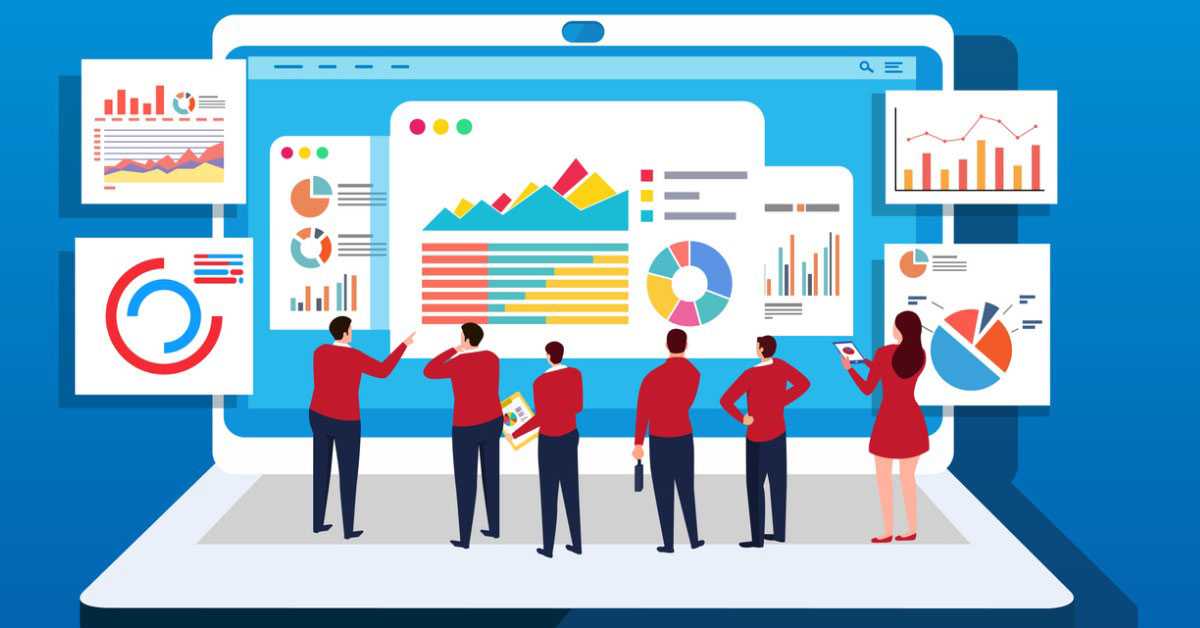
Generating leads is only valuable if you can prove the return. Here are the metrics that matter and how to track them effectively.
Key Performance Indicators to Track
When evaluating your Apollo lead generation performance, track KPIs across three levels:
Activity metrics - These confirm your team is executing at the right volume:
- Emails sent per day/week
- Sequences launched
- Call attempts made
Engagement metrics - These indicate whether your messaging resonates:
- Open rate (benchmark: 45-65% for well-targeted B2B outreach)
- Reply rate (benchmark: 5-12% for cold outreach)
- Positive reply rate (benchmark: 2-5%)
- Meeting booked rate
Revenue metrics - These connect outbound activity to business outcomes:
- Cost per qualified lead
- Lead-to-opportunity conversion rate
- Pipeline generated
- Closed revenue attributed to Apollo-sourced leads
- Overall ROI (revenue generated divided by total Apollo spend plus labor costs)
The most common mistake teams make is optimizing for activity metrics while ignoring revenue metrics. Sending more emails does not create value if those emails do not convert into pipeline.
Tools for Measuring Lead Generation Success
Apollo's built-in analytics cover engagement metrics well, but you need additional tools for full-funnel visibility:
- CRM integration (Salesforce, HubSpot) - Track leads from first touch through closed deal to calculate true ROI
- Google Analytics - Measure website traffic and conversions driven by outbound campaigns
- Attribution platforms - Connect multi-touch buyer journeys across channels to understand how Apollo fits into your broader marketing funnel
By analyzing data across these platforms, you gain a holistic view of which sequences, segments, and messaging strategies drive the highest return.
Common Apollo Lead Generation Mistakes to Avoid
Even experienced teams make errors that erode performance. Watch for these common pitfalls:
Targeting too broadly. A list of 50,000 contacts feels productive but almost always underperforms a focused list of 2,000 well-researched prospects. Quality beats quantity in outbound.
Neglecting list hygiene. Contact data decays at roughly 30% per year. People change jobs, companies restructure, and email addresses go stale. Verify your lists regularly and remove contacts who have bounced or unsubscribed.
Sending without testing. A/B test subject lines, opening sentences, CTAs, and sequence length. Small improvements in open and reply rates compound significantly over thousands of sends.
Ignoring negative signals. When prospects unsubscribe, mark you as spam, or explicitly say they are not interested, respect those signals immediately. Continuing to contact them damages your domain reputation and brand.
Failing to align sales and marketing. Apollo works best when marketing and sales teams share a unified ICP, consistent messaging, and clear handoff processes. Misalignment leads to duplicated effort and conflicting outreach.
Scaling Apollo Lead Generation for Long-Term Growth
Once you have a proven sequence generating positive ROI, the next step is scaling without sacrificing quality. Key scaling levers include:
- Expand to adjacent ICPs that share characteristics with your best-performing segments
- Add sending domains to increase daily email capacity without overloading any single domain
- Hire or train SDRs to handle increased call volume and personalization requirements
- Integrate Apollo data with paid channels - use your highest-converting prospect profiles to build lookalike audiences for PPC campaigns and paid social
- Automate low-value tasks like data entry, CRM updates, and meeting scheduling so your team spends time on high-impact activities
The goal is building a repeatable, measurable outbound engine that generates predictable pipeline month over month - not sporadic bursts of activity followed by periods of inaction.
The Bottom Line
Apollo lead generation offers B2B teams a powerful, consolidated platform to identify, engage, and convert qualified prospects. But the platform alone does not guarantee results. Success depends on precise targeting, disciplined execution, deliverability hygiene, and rigorous measurement.
Start with a tightly defined ICP, build multi-touch sequences that provide genuine value, track metrics at every stage of the funnel, and continuously optimize based on data. When these elements come together, Apollo becomes one of the highest-ROI investments in your growth stack.

.webp)

.svg)


