

Most growth-stage companies run their CRM and marketing automation as separate systems. The sales team works in the CRM. The marketing team works in the automation platform. Data flows between them inconsistently, if at all. This disconnection creates blind spots, wasted effort, and lost revenue.
Integrating your CRM with your marketing automation platform eliminates the gap between marketing and sales. It gives both teams a shared view of every lead and customer, enables smarter segmentation, and creates the feedback loops that drive continuous improvement. Below are the specific benefits and how to capture them.
Before diving into benefits, it helps to clarify what integration looks like in practice. A true integration is not just syncing contact lists between two platforms. It is a bidirectional data flow where:
This integration turns two isolated tools into a single growth engine that aligns marketing and sales around shared data and shared goals.
Without integration, marketing defines a "qualified lead" by one set of criteria and sales defines it by another. The result is predictable: marketing passes leads that sales ignores, and both teams blame each other for poor performance.
When marketing automation and CRM share data, you can build lead scoring models that incorporate both marketing engagement (behavioral data) and sales qualification (fit data). A lead who downloads three whitepapers, visits the pricing page, and matches your ideal customer profile in the CRM receives a higher score than a lead who only opened one email.
This composite scoring approach ensures that marketing only passes leads to sales when they meet both engagement and fit thresholds. The result is fewer wasted sales conversations and a higher conversion rate from SQL to closed deal.
Effective lead scoring is a foundational element of any strong lead generation program. Integration makes it possible to score based on the full picture rather than partial data.
Generic marketing campaigns produce generic results. The brands that outperform consistently are those that deliver the right message to the right person at the right time. CRM and marketing automation integration makes this possible at scale.
Personalization powered by CRM integration mirrors what we see in effective email marketing for ecommerce, where lifecycle triggers and behavioral data drive significantly higher engagement and revenue per recipient.
Long sales cycles cost money. Every additional week a deal sits in your pipeline consumes sales rep time, increases the probability of competitive loss, and delays revenue recognition. CRM and marketing automation integration compresses sales cycles by keeping leads warm and informed throughout the buying process.
The cumulative effect is a buyer who arrives at each sales conversation better informed, more confident, and closer to a decision. This is especially valuable for brands working to optimize their sales funnel end to end.
One of the most persistent challenges in marketing is proving ROI. Which campaigns actually influenced revenue? Which channels produce leads that close? Without CRM integration, marketing can only report on top-of-funnel metrics like leads generated and email engagement. With integration, marketing can trace revenue back to the campaigns, content, and channels that originated and nurtured the deal.
Closed-loop reporting transforms marketing from a cost center into a revenue contributor with provable impact. It also provides the data needed to maximize ROI by doubling down on campaigns that drive revenue and cutting those that do not.
Manual data entry is the silent killer of CRM adoption and marketing effectiveness. When reps must log every interaction manually and marketers must export and import lists between systems, data degrades quickly. Duplicate records, outdated information, and missing fields become the norm.
Clean, comprehensive data is the foundation of every other benefit on this list. Without it, scoring is inaccurate, personalization misfires, reporting is unreliable, and sales cycles drag.
The friction between marketing and sales is one of the oldest problems in business. Marketing complains that sales does not follow up on leads. Sales complains that marketing sends unqualified leads. This conflict is usually a data problem disguised as a people problem.
Alignment is not a soft benefit. Companies with tightly aligned sales and marketing teams consistently report higher revenue growth, shorter sales cycles, and better customer retention than those with misaligned teams.
The technical complexity of CRM and marketing automation integration varies depending on your stack. Native integrations (like HubSpot CRM with HubSpot Marketing Hub, or Salesforce with Pardot) require minimal setup. Cross-platform integrations (like Salesforce with Klaviyo or Pipedrive with ActiveCampaign) may require middleware like Zapier, Make, or custom API work.
For small businesses that want to skip the integration headache entirely, AI marketing tools that combine CRM and automation in one platform consolidate these functions so there's nothing to connect in the first place.
Integrating your CRM with marketing automation is not a technology project. It is a growth strategy. The benefits -- better lead quality, personalized journeys, shorter sales cycles, closed-loop reporting, operational efficiency, and team alignment -- compound over time.
The cost of maintaining disconnected systems is not just inefficiency. It is missed revenue: deals that stall because sales did not have context, leads that churn because marketing could not personalize, and campaigns that continue running because no one could prove they were not working.
Start with the integration, build the feedback loops, and let the data guide your growth.

🎱 Brands are on the hunt for fresh ways to connect with their audience. TikTok, the rising star of social media platforms, is where the action is. 🌟

Brands that tap into TikTok’s vast user base can unlock unparalleled potential. However, to truly shine on TikTok, expert guidance is crucial. This is where a TikTok Ads Agency steps in. 👔
🎲 Their role? To craft a strategy that maximizes your brand’s impact on this vibrant platform.
TikTok has exploded in popularity, boasting over millions of monthly users worldwide.
💰This makes it a goldmine for brands aiming to reach a diverse, engaged audience.
TikTok’s short-form videos and smart algorithm offer a unique stage for brands to showcase products and services.
But TikTok isn’t just about entertainment. It’s also a hub for education, DIY content, and social causes. 🎨
Brands that tap into this can engage users deeply by offering value through informative and inspiring content.
TikTok’s massive appeal, especially among Gen Z, offers brands a rare opportunity. 💎
Unlike other platforms, TikTok is all about authenticity and creativity.
It’s where brands can connect with users on a personal level, in a way that feels genuine. 💡
TikTok’s interactive features, like challenges and duets, turn passive viewers into active participants.
This level of engagement not only builds brand loyalty but also amplifies reach as users share their interactions, creating a ripple effect of advocacy.
A TikTok Ads Agency specializes in navigating the complexities of TikTok advertising. From crafting a tailored strategy to creating engaging content, they cover it all.
Their in-depth knowledge of TikTok’s tools, targeting options, and best practices ensures your brand’s success. ☘️ And they don’t just stop at the basics. They go above and beyond to deliver exceptional results.
Working with a TikTok Ads Agency brings several benefits. First, you tap into their expertise and industry insights. They stay ahead of trends, algorithm changes, and audience preferences, keeping your brand competitive. Let’s dive into the key benefits:
Creating an effective TikTok ad strategy starts with understanding the platform and its users. As you navigate TikTok, focus on these key elements to ensure success.
By understanding your target audience, crafting creative content, and using the right ad formats, your brand can make a lasting impact on TikTok.
Tracking the success of your TikTok campaigns is key to making informed decisions. Use metrics like impressions, reach, engagement, and conversions to gauge effectiveness.
Impressions show how often your ad is viewed, while reach highlights unique viewers. Engagement rate measures likes, comments, and shares, indicating interaction levels.
Conversion rate shows the percentage of users taking the desired action, like a purchase. 📈
👩🔬 Analyzing these metrics helps optimize your strategy for better results.

TikTok is full of opportunities, but it also presents challenges. Being aware of these challenges and having the right strategies in place can help you navigate them successfully.
The future of TikTok advertising is filled with exciting possibilities. As the platform evolves, staying informed and adaptable will be key to continued success. Is important to stay tuned on emerging trends.
Here are a few: 🚀
To stay ahead, keep up with trends, embrace a test-and-learn approach, and continuously refine your strategy.
TikTok’s landscape is ever-changing, and brands that adapt will thrive. 📶

Conversion rate optimization (CRO) is a crucial component of any successful online business strategy. It involves understanding user behavior, analyzing website data, and implementing strategies to maximize conversions. To help you on your CRO journey, here are three inspiring quotes that will motivate you to improve your conversion rates.
One of the most fundamental aspects of conversion rate optimization is testing. Testing allows you to gather data, identify potential improvements, and make informed decisions. As industry expert John A. Shedd once said,
"A ship in harbor is safe, but that is not what ships are built for."
When we think about this quote in the context of conversion rate optimization (CRO), it serves as a powerful reminder of the need to take risks and step outside of our comfort zones. It's easy to play it safe and stick with what we know, but true growth and improvement come from embracing the unknown and testing different strategies.
Just like a ship is built to sail the open seas, businesses are built to explore new horizons and reach new heights. By staying in our comfort zone, we limit our potential for growth and miss out on valuable opportunities. Testing different approaches, designs, and messaging is the key to unlocking these opportunities and driving more conversions.
When John A. Shedd said, "A ship in harbor is safe, but that is not what ships are built for," he was emphasizing the importance of pushing boundaries and venturing into uncharted territories. While it may be comforting to stay within the confines of a harbor, a ship's true purpose is to navigate the vast ocean and explore new destinations.
Similarly, in the world of CRO, playing it safe and sticking with the status quo will only limit our potential for growth. By embracing the unknown and testing different strategies, we can gather valuable insights and uncover hidden opportunities. It is through these calculated risks that we can achieve remarkable results and surpass our previous limitations.
In the context of CRO, this quote reminds us that playing it safe and sticking with the status quo will only limit our potential for growth. Testing different approaches, designs, and messaging can lead to valuable insights and ultimately drive more conversions. By taking calculated risks and embracing testing, we can push the boundaries of what is possible and achieve remarkable results.

When we think about the quote, "A ship in harbor is safe, but that is not what ships are built for," in relation to CRO, it becomes clear that staying within our comfort zone will only hinder our progress. Just as a ship is designed to sail the open seas, businesses are built to explore new horizons and reach new heights. Testing allows us to navigate uncharted territories and discover innovative ways to optimize conversion rates.
By continuously testing and experimenting with different strategies, we can gather data-driven insights that guide our decision-making process. This iterative approach to CRO enables us to identify potential improvements and make informed decisions, leading to better conversion rates and ultimately, increased success.
User experience (UX) is a critical factor in conversion rate optimization. As Steve Jobs famously stated,
"Design is not just what it looks like and feels like. Design is how it works."
This quote emphasizes the importance of prioritizing functionality and usability in design. It's not enough for a website to look visually appealing; it must also provide a seamless and intuitive user experience. The design should be focused on facilitating the user journey and making it as easy as possible for visitors to convert.
In the realm of CRO, this quote encourages us to view design as a means to enhance the user experience and drive conversions. By prioritizing usability and implementing intuitive design principles, we can create a website that not only looks great but also works seamlessly to guide users towards conversions. A well-designed website not only delights users but also builds trust and credibility, ultimately boosting conversion rates.
Analytics provide valuable insights that can shape your CRO strategy. As Marissa Mayer once said,
"Data beats opinions."
This quote emphasizes the importance of making data-driven decisions over relying solely on personal opinions or assumptions. Analytics allow us to gain a deep understanding of user behavior, identify patterns, and make informed decisions based on tangible evidence.
In the context of CRO, this quote reminds us that relying on gut feelings or personal opinions can lead to suboptimal results. By embracing data and utilizing robust analytics tools, we can uncover valuable insights about user behavior and preferences. This data-driven approach enables us to make informed optimizations that have a direct impact on conversion rates.

Imagine this: you're in the process of defining your business's mission statement and core values. You want to create a strategy that not only focuses on improving conversion rates but also aligns with your vision for the company. As you search for inspiration, you come across a quote by Steve Jobs: "Innovation distinguishes between a leader and a follower." This quote resonates with you and becomes the driving force behind your business strategy. It reminds you to always strive for innovation and be a leader in your industry.
A quote can serve as a guiding principle that aligns with your core values and aspirations. By incorporating meaningful quotes into your CRO strategy, you can create a sense of purpose and clarity that will propel you towards success.
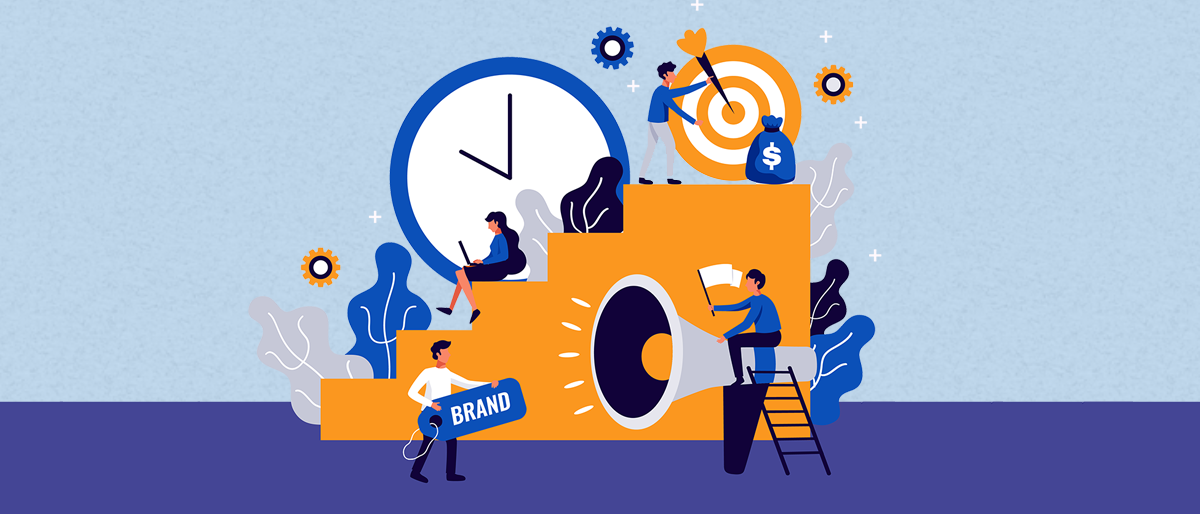
In a competitive business landscape, finding effective ways to drive growth is no longer optional. It is the difference between brands that scale and brands that stagnate. Growth marketing channels, the platforms and strategies that growth agencies deploy to acquire and retain customers, have become the primary lever for businesses looking to expand their reach and accelerate revenue.
But not every channel deserves your budget or attention. The key is understanding which channels align with your business model, audience behavior, and growth stage, then optimizing relentlessly until you find the combinations that produce compounding returns.
This guide breaks down the major growth marketing channels, how they contribute to business success, and how to measure and optimize their performance.
Growth marketing is the practice of identifying and exploiting scalable, repeatable channels that drive customer acquisition and retention. Unlike traditional marketing, which often focuses on brand awareness and top-of-funnel impressions, growth marketing is obsessed with measurable outcomes at every stage of the funnel.
A growth marketer does not just ask "how do we get more traffic?" They ask "how do we get more of the right traffic, convert it efficiently, and retain those customers profitably?" This full-funnel mindset is what separates growth marketing from conventional approaches.
The discipline involves constant experimentation. Every campaign is a hypothesis. Every metric is feedback. The goal is not to find one winning channel and ride it forever, but to build a diversified portfolio of channels that collectively produce sustainable, predictable growth.
Growth marketing channels typically fall into several major categories. Each has distinct strengths, cost structures, and roles within the customer journey.
With billions of monthly active users across platforms like Facebook, Instagram, TikTok, and LinkedIn, social media offers unmatched reach for businesses at every stage. The channel serves multiple growth functions simultaneously:
The key to social media as a growth channel is understanding that organic and paid serve different functions. Organic builds credibility and community over time. Paid social, when executed with strong creative and tight targeting, can produce immediate, measurable results. The brands that win are those that leverage both strategically.
Creating and distributing valuable, relevant content has become a foundational growth strategy. Through blog posts, videos, guides, and infographics, businesses can establish thought leadership, attract organic traffic, and nurture potential customers through the consideration phase.
Content marketing is a long-game channel. A single well-optimized article can generate traffic and leads for years. The compound effect of a strong content library means that your cost per acquisition decreases over time as your content assets accumulate authority and rankings.
Effective content marketing requires a clear content framework that maps topics to customer intent, funnel stage, and business objectives. Random blog posts do not produce growth. Strategic content programs do.
Despite predictions of its decline, email marketing remains one of the highest-ROI channels available. For every dollar spent on email, the average return sits around $36, making it one of the most cost-effective growth tools in any marketer's arsenal.
Email excels at several growth functions:
The power of email lies in personalization and automation. Segmented, behavior-triggered campaigns consistently outperform batch-and-blast approaches by delivering the right message at the right moment in the customer journey.
Organic search remains one of the most valuable acquisition channels because it captures intent. When someone searches for a product, service, or solution you offer, they are actively looking to buy or learn. Ranking for those queries puts your brand in front of high-intent prospects at zero marginal cost per click.
SEO requires sustained investment in technical optimization, content creation, and authority building. But the payoff is a durable competitive advantage. Once you rank for high-value keywords, you benefit from consistent traffic without ongoing ad spend. Businesses that invest in SEO methodology as a core growth channel build assets that appreciate over time.
PPC advertising through platforms like Google Ads and Bing Ads allows businesses to appear at the top of search results for targeted keywords. Unlike SEO, PPC delivers immediate visibility, making it essential for testing new markets, launching products, and capturing demand during peak periods.
The strength of PPC is its precision. You control exactly which queries trigger your ads, how much you bid, and which landing pages receive traffic. This level of control makes PPC one of the most measurable and optimizable channels available. For businesses looking for PPC strategies that generate leads, the channel offers unmatched speed to results.
Both affiliate and influencer marketing leverage third-party relationships to extend your reach. Affiliate marketing operates on a performance basis, paying commissions only when a partner drives a sale or lead. Influencer marketing trades payment or product for access to an engaged audience.
These channels are particularly powerful for DTC brands looking to build social proof and reach niche audiences that traditional advertising may not penetrate effectively.
Text message marketing has grown rapidly as a growth channel, particularly for ecommerce brands. With open rates near 98% and response times measured in minutes, SMS delivers engagement rates that no other channel can match. When integrated with email and paid social, SMS creates a powerful direct-response engine.
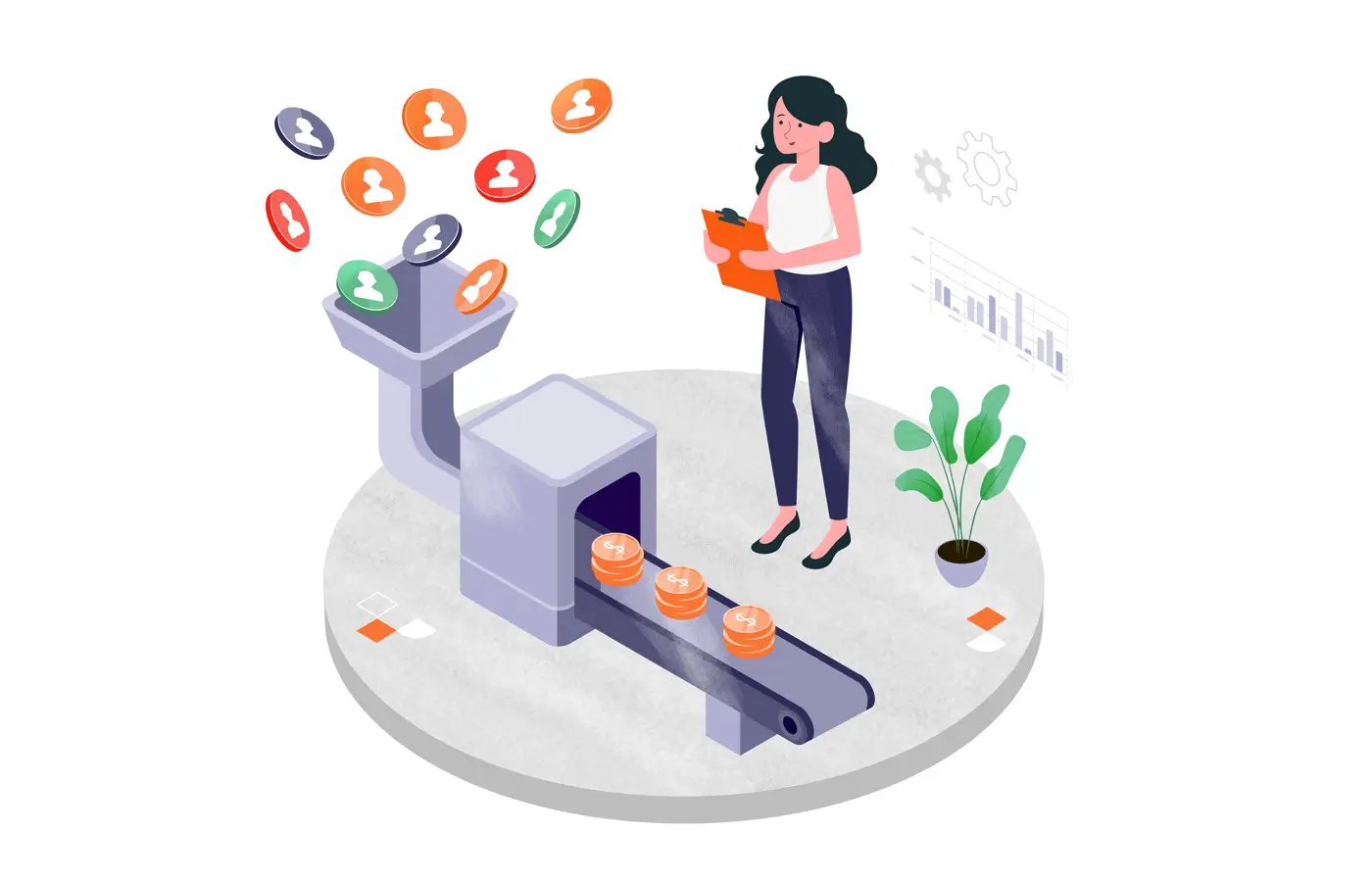
Understanding the channels is only the first step. The real value comes from understanding how they work together to produce business outcomes.
Growth marketing channels amplify your brand's presence across the platforms where your target audience spends time. A coordinated approach, where social media campaigns, content marketing, and targeted email work in concert, creates multiple touchpoints that build familiarity and trust.
The compounding effect of multi-channel visibility is significant. A prospect who sees your brand in search results, encounters your content on social media, and receives a relevant email is far more likely to convert than one who encounters your brand through a single channel.
Each channel plays a distinct role in the acquisition process. Paid search captures active demand. Social media generates demand where none previously existed. Content marketing nurtures consideration. Email converts interest into action.
The most successful growth programs map each channel to a specific stage of the customer acquisition funnel and optimize accordingly. This prevents the common mistake of evaluating every channel by the same metric, which inevitably leads to underinvestment in upper-funnel activities that feed the entire pipeline.
Acquisition gets the headlines, but retention drives profitability. Growth marketing channels, particularly email and SMS, are powerful retention tools when used strategically. Post-purchase sequences, loyalty programs, and personalized recommendations keep customers engaged and increase lifetime value.
Businesses that invest equally in retention as they do in acquisition typically see higher overall growth rates because retained customers purchase more frequently, refer others, and cost nothing to re-acquire.
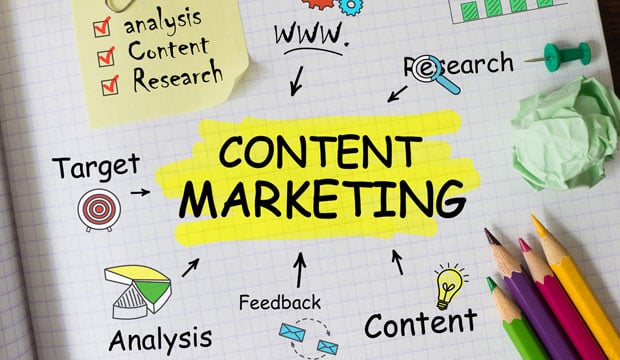
You cannot optimize what you do not measure. Growth marketing demands rigorous tracking and analysis across several key performance indicators:
Google Analytics provides foundational insights into website traffic, user behavior, and conversion paths. Platform-specific analytics (Meta Ads Manager, Google Ads, Klaviyo) offer granular data on channel performance. Attribution tools help you understand how channels interact and contribute to conversions across the full journey. For a deeper look at how to evaluate and select these platforms, the guide to marketing analytics tools and platforms covers the leading options by use case.
The brands that grow fastest are the ones that build a measurement infrastructure early and use it to make allocation decisions based on data rather than intuition.
Personalization is no longer a nice-to-have. Customers expect relevant experiences tailored to their behavior, preferences, and stage in the journey. Dynamic website content, segmented email campaigns, personalized ad creative, and behavior-triggered messaging all contribute to higher conversion rates and stronger customer relationships.
The technology to personalize at scale is more accessible than ever. The brands that invest in personalization infrastructure see measurable lifts in engagement and revenue across every channel.
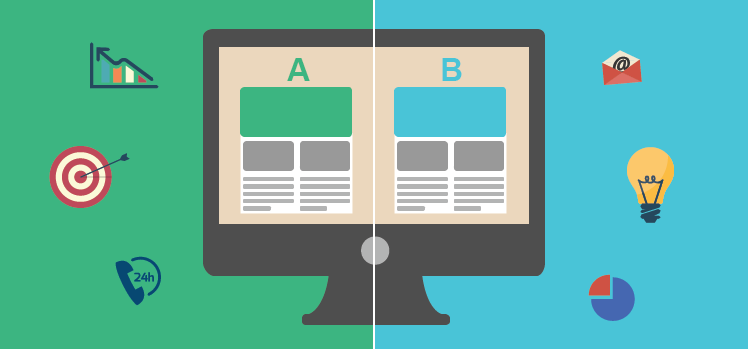
A/B testing is the engine of growth marketing optimization. Test ad creative, landing pages, email subject lines, send times, offer structures, and audience segments continuously. Small, incremental improvements compound into significant performance gains over time.
The discipline of testing requires accepting that most experiments will not produce winners. That is the point. The experiments that do win, even by small margins, accumulate into a substantial competitive advantage.
Over-reliance on a single channel creates fragility. Algorithm changes, policy updates, or market shifts can destroy performance overnight. The most resilient growth programs, like those built by brands that expand their channel mix strategically, maintain a portfolio of channels that balances short-term performance with long-term durability.
Growth marketing channels offer immense potential, but potential alone does not produce results. The businesses that achieve sustainable growth are the ones that approach channel strategy with discipline: defining clear objectives, measuring performance rigorously, testing continuously, and reallocating budget based on data.
Start by identifying the two or three channels most aligned with your audience and business model. Master those before expanding. Invest in measurement infrastructure early. Build a culture of experimentation where every campaign teaches you something, whether it succeeds or fails.
The channels will evolve. New platforms will emerge. Algorithms will change. But the fundamentals of growth marketing, finding scalable ways to acquire, convert, and retain customers profitably, will remain the foundation of business success.
Email flow is the backbone of every message you send and receive, whether it is a one-to-one conversation or a marketing campaign reaching thousands of subscribers. Understanding the email process flow gives marketers a real advantage: better deliverability, fewer bounced messages, and campaigns that consistently reach the inbox.
In this guide, we break down what email flow is, how it works at a technical level, and why it matters for brands that depend on email as a growth marketing channel. We will also cover the most common email flow problems and how to troubleshoot them.
Email flow refers to the end-to-end process an email follows as it travels from the sender's device to the recipient's inbox. It involves multiple systems working together, including email clients, outgoing and incoming mail servers, DNS records, and internet service providers (ISPs).
At a high level, every email passes through three stages:
Understanding each stage is critical for marketers because a breakdown at any point, whether it is a DNS misconfiguration, a spam filter flag, or an authentication failure, means your message never reaches the subscriber.
The email communication process involves a precise sequence of handoffs between servers and protocols. Here is a step-by-step look at what happens after you press send.
When you compose and send an email, your email client (such as Gmail, Outlook, or a platform like Klaviyo) connects to an outgoing SMTP (Simple Mail Transfer Protocol) server. The SMTP server is responsible for routing your message toward its destination.
The first technical step is a DNS lookup. The sending server queries the Domain Name System to find the MX (Mail Exchange) records for the recipient's domain. For example, if you are sending to someone at example.com, the DNS lookup maps that domain to the IP address of the mail server responsible for handling example.com email.
Once the MX record is resolved, the SMTP server establishes a connection with the recipient's mail server and transfers the message. If the recipient uses a different email provider, the message may pass through multiple relay servers before arriving at its final destination.
When the message reaches the recipient's mail server, a series of checks begin:
If the email passes all checks, it is delivered to the recipient's inbox. If it fails authentication or triggers a spam filter, it may land in the junk folder or be rejected entirely.
This entire process typically completes in seconds, but the complexity behind it explains why email deliverability is never guaranteed, and why marketers need to understand each step.
Every email flow depends on three core infrastructure layers. When any of these components fail or are misconfigured, delivery suffers.
Email servers handle the storage, routing, and delivery of messages. There are two primary types:
For marketing teams, the health and reputation of your sending SMTP server directly impacts inbox placement. Shared IP addresses with poor sender reputation can drag down deliverability for every brand on that server.
Email clients are the applications people use to read and compose email, including Gmail, Apple Mail, Outlook, and mobile apps. From a marketing perspective, each client renders HTML email differently, which is why testing across clients is essential before launching a campaign.
Email clients also implement their own filtering layers. Gmail's tabbed inbox (Primary, Promotions, Social) is a client-side sorting mechanism that operates independently from server-side spam filters.
ISPs act as intermediaries between senders and recipients. They maintain their own spam filtering infrastructure and sender reputation databases. Major ISPs like Gmail, Yahoo, and Microsoft track sender behavior over time, including bounce rates, complaint rates, and engagement metrics. A poor reputation with any major ISP can result in your emails being silently dropped or routed to spam.
For DTC brands and growth-stage companies, email is often the highest-ROI channel available. But technical email flow knowledge is not just for IT teams. Marketers who understand how the email communication process works make better decisions about list hygiene, sending frequency, authentication, and content strategy.
Here are the practical implications:
If you are running Shopify email marketing campaigns, understanding these fundamentals can be the difference between a 40% open rate and a 10% one.
Even well-configured email systems encounter delivery problems. Here are the most common issues and their solutions.
Bounces occur when an email cannot be delivered to the intended recipient. There are two types:
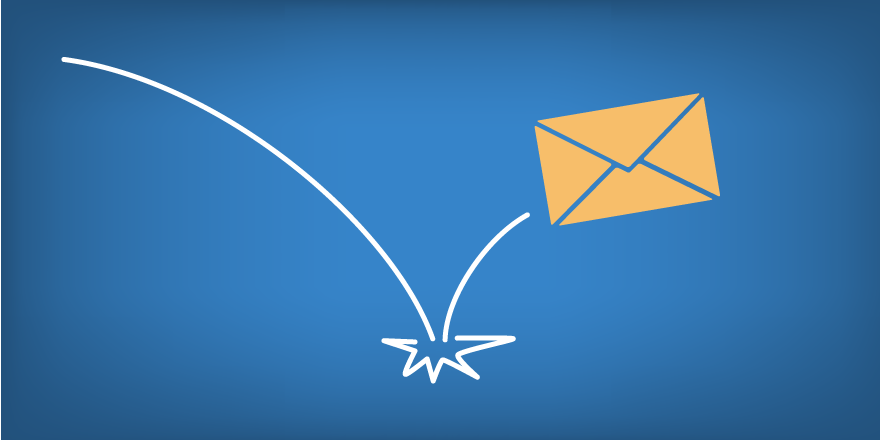
High bounce rates signal poor list hygiene to ISPs and directly damage your sender reputation. Implement double opt-in for new subscribers and regularly clean your list to remove inactive or invalid addresses.
Spam filters use a combination of rule-based and machine-learning approaches to classify incoming email. Common triggers include:
If your marketing emails are landing in spam, audit your authentication records first, then review your content for common trigger patterns. Tools like Mail-Tester or GlockApps can help diagnose specific issues.
If SPF, DKIM, or DMARC records are missing or misconfigured, receiving servers may reject your email outright or route it to spam. This is especially common when brands migrate email platforms or add new sending services without updating DNS records.
Work with your email service provider to verify that all authentication records are current and properly aligned with your sending domains.
To maintain strong inbox placement and get the most from your email marketing, follow these proven practices:
The terms "email flow" and "email automation flow" are sometimes used interchangeably, but they refer to different concepts.
Email flow (the subject of this guide) describes the technical process by which an email travels from sender to recipient. It is an infrastructure-level concept.
Email automation flows (also called drip campaigns or sequences) are pre-built marketing workflows that send targeted emails based on subscriber behavior or triggers, such as a welcome series, abandoned cart sequence, or post-purchase follow-up.
Both concepts are important. The technical email flow determines whether your message can physically reach the inbox. The automation flow determines what message is sent, when, and to whom. Marketers who master both can optimize their sales funnel from first touch to repeat purchase.
If you are exploring communication channels beyond email, SMS marketing is a complementary channel that operates on different infrastructure but serves similar lifecycle marketing goals.
For teams that need a concise overview of how the email communication process works, here are the key steps in order: StepWhat HappensKey Protocol1. ComposeUser writes the message in an email client - 2. SendClient connects to SMTP serverSMTP3. DNS LookupSending server resolves recipient's MX recordsDNS4. TransferMessage is relayed to recipient's mail serverSMTP5. AuthenticateReceiving server checks SPF, DKIM, DMARCSPF/DKIM/DMARC6. FilterSpam and security checks are appliedISP algorithms7. DeliverEmail is placed in the recipient's inbox or spam folderIMAP/POP3
Each step represents a potential point of failure. When troubleshooting delivery issues, work through this process sequentially to isolate where the breakdown is occurring.
Understanding how email flow works is not just a technical exercise. For marketers and growth teams, this knowledge translates directly into better campaign performance. When you know how authentication, routing, and filtering affect delivery, you can proactively address issues before they impact revenue.
The brands that win at email marketing are the ones that treat deliverability as a core competency, not an afterthought. They monitor sender reputation, maintain clean lists, authenticate every sending domain, and continuously test their campaigns across email clients and ISPs. Pair that infrastructure discipline with smart newsletter content strategy, and email becomes the most reliable and profitable channel in your growth stack.

Email marketing remains one of the most profitable marketing channels available to brands today. With average returns exceeding $36 for every dollar spent, getting your email strategy right is not optional; it is essential. One of the most persistent questions marketers face is straightforward: how long should a newsletter actually be?
The answer is not a single number. The ideal newsletter length depends on your audience, your goals, and the type of content you are delivering. But there are clear, data-backed guidelines that can help you find the right length for your specific situation.
The length of your newsletter directly impacts three critical metrics: open rate, click-through rate, and unsubscribe rate. Get the length wrong in either direction and you will see measurable drops in performance.
Too long: Subscribers see a wall of text, skim past the important parts, and eventually stop opening your emails altogether. Long newsletters also increase load times on mobile devices, where the majority of emails are now read.
Too short: Subscribers feel that the content is not worth their time. They may question why you are emailing at all if the content is thin. Short newsletters with little substance train your audience to ignore you.
The goal is not to hit a magic word count. The goal is to deliver enough value to justify the subscriber's attention without exceeding the point where engagement drops off.

While the exact sweet spot varies by industry and audience, research consistently points to a few key benchmarks:
The key insight is that newsletter length should match subscriber expectations. If someone signs up for a daily news digest, they expect brevity. If they subscribe to a weekly strategy breakdown, they expect depth.
Understanding your target audience is the most important factor in determining newsletter length. Some subscribers prefer short, actionable updates they can scan in 30 seconds. Others want comprehensive analysis they can read over coffee.
The best way to learn what your audience prefers is to ask them directly. A one-question survey embedded in your newsletter asking readers to choose between "shorter and more frequent" versus "longer and less frequent" can provide clear directional data.
You can also analyze behavioral data. If your click-through rates are highest on shorter newsletters, your audience is telling you something. If engagement drops after a certain scroll depth, you have found your natural length ceiling.
Different types of newsletters serve different purposes, and each purpose has an ideal length range:
The frequency at which you send newsletters directly influences how long each one should be. There is an inverse relationship: the more frequently you send, the shorter each individual newsletter should be.
Daily newsletters should rarely exceed 200 to 300 words. Subscribers receiving daily emails will not commit significant time to each one. Respect their inbox by being concise.
Weekly newsletters have more room. The 300 to 700 word range tends to perform well for weekly sends. Subscribers have had a week between messages and are more willing to invest a few minutes.
Monthly newsletters can be the most comprehensive. With four weeks of content to cover, monthly newsletters in the 700 to 1,200 word range can work well. However, even monthly newsletters should be scannable, with clear section breaks and visual hierarchy.
This balance between frequency and length ties into your broader email marketing strategy. Every email you send either builds or erodes subscriber trust, so getting this balance right is critical.
Newsletter length does not directly affect open rates, since subscribers decide whether to open based on the subject line, sender name, and preview text. However, length has an indirect effect. If subscribers consistently find your newsletters too long or too short, they will stop opening them over time. The cumulative effect of poorly calibrated length shows up in declining open rates over weeks and months.
This is where length has the most direct impact. Research shows that newsletters with a single, clear call to action outperform those with multiple competing links. Shorter newsletters naturally lend themselves to focused CTAs, while longer newsletters risk diluting attention across too many options.
If your newsletter is long, prioritize your most important CTA at the top and repeat it at the bottom. Do not bury critical links in the middle of a long block of text.
Consistently sending newsletters that are too long for your audience will drive unsubscribes. Subscribers who feel overwhelmed by content volume will eventually opt out. This is especially true for daily and weekly newsletters where the cumulative time commitment adds up quickly.
On the flip side, newsletters that are too short and lack substance can also trigger unsubscribes. If subscribers feel they are not getting value, they will leave.
Rather than guessing, use this structured approach to find the right newsletter length for your audience:
Send three newsletters at different lengths over three consecutive sends: one short (under 300 words), one medium (400 to 600 words), and one long (700 to 1,000 words). Keep subject lines, send times, and audience segments consistent across all three.
Track open rates, click-through rates, time on email (if your ESP provides this), and unsubscribes for each length variation. Create a simple scorecard to compare performance across the three lengths.
Many email service providers now offer scroll tracking or heat map data. Use this to identify exactly where readers stop engaging. If most of your audience drops off after 400 words, that is a strong signal about your ideal length.
Different segments of your audience may prefer different lengths. Power users and highly engaged subscribers may welcome longer, more detailed content. New subscribers or less engaged segments may respond better to shorter, more focused newsletters.
Understanding how different segments respond ties into broader funnel strategy. Top-of-funnel subscribers typically prefer shorter introductory content, while bottom-of-funnel subscribers are ready for more detailed information.
Newsletter length is not a set-it-and-forget-it decision. Audience preferences shift over time, and the competitive landscape of the inbox changes constantly. Review your length performance quarterly and make adjustments based on the data.
Regardless of how long your newsletter is, formatting can make or break the reading experience:
These formatting principles work across any email platform and can significantly improve engagement regardless of total word count. If your newsletters feed into a broader content marketing strategy, consistent formatting also reinforces brand recognition.

Once you have established your target newsletter length, track these key performance indicators consistently:
If you notice a decline in engagement, consider adjusting the length or content to better align with subscriber preferences. If open rates are high but click-through rates are low, the problem is likely in the newsletter content or length rather than the subject line. If click-through rates are strong but conversions are low, the issue may be on your landing page or sales funnel rather than in the email itself.
The ideal newsletter length is not a universal constant. It is a variable that depends on your audience, your content type, your sending frequency, and your business goals. The brands that consistently win at email marketing are the ones that treat length as a testable hypothesis rather than a fixed rule.
Start with the benchmarks outlined in this guide, run your own tests, and let the data guide your decisions. The most important thing is to stop guessing and start measuring. Your subscribers will tell you exactly what they want if you pay attention to the metrics.
For brands looking to optimize their entire email marketing program alongside paid acquisition and growth channels, a data-driven approach to newsletter length is one of the highest-leverage improvements you can make.
Most growth-stage companies run their CRM and marketing automation as separate systems. The sales team works in the CRM. The marketing team works in the automation platform. Data flows between them inconsistently, if at all. This disconnection creates blind spots, wasted effort, and lost revenue.
Integrating your CRM with your marketing automation platform eliminates the gap between marketing and sales. It gives both teams a shared view of every lead and customer, enables smarter segmentation, and creates the feedback loops that drive continuous improvement. Below are the specific benefits and how to capture them.
Before diving into benefits, it helps to clarify what integration looks like in practice. A true integration is not just syncing contact lists between two platforms. It is a bidirectional data flow where:
This integration turns two isolated tools into a single growth engine that aligns marketing and sales around shared data and shared goals.
Without integration, marketing defines a "qualified lead" by one set of criteria and sales defines it by another. The result is predictable: marketing passes leads that sales ignores, and both teams blame each other for poor performance.
When marketing automation and CRM share data, you can build lead scoring models that incorporate both marketing engagement (behavioral data) and sales qualification (fit data). A lead who downloads three whitepapers, visits the pricing page, and matches your ideal customer profile in the CRM receives a higher score than a lead who only opened one email.
This composite scoring approach ensures that marketing only passes leads to sales when they meet both engagement and fit thresholds. The result is fewer wasted sales conversations and a higher conversion rate from SQL to closed deal.
Effective lead scoring is a foundational element of any strong lead generation program. Integration makes it possible to score based on the full picture rather than partial data.
Generic marketing campaigns produce generic results. The brands that outperform consistently are those that deliver the right message to the right person at the right time. CRM and marketing automation integration makes this possible at scale.
Personalization powered by CRM integration mirrors what we see in effective email marketing for ecommerce, where lifecycle triggers and behavioral data drive significantly higher engagement and revenue per recipient.
Long sales cycles cost money. Every additional week a deal sits in your pipeline consumes sales rep time, increases the probability of competitive loss, and delays revenue recognition. CRM and marketing automation integration compresses sales cycles by keeping leads warm and informed throughout the buying process.
The cumulative effect is a buyer who arrives at each sales conversation better informed, more confident, and closer to a decision. This is especially valuable for brands working to optimize their sales funnel end to end.
One of the most persistent challenges in marketing is proving ROI. Which campaigns actually influenced revenue? Which channels produce leads that close? Without CRM integration, marketing can only report on top-of-funnel metrics like leads generated and email engagement. With integration, marketing can trace revenue back to the campaigns, content, and channels that originated and nurtured the deal.
Closed-loop reporting transforms marketing from a cost center into a revenue contributor with provable impact. It also provides the data needed to maximize ROI by doubling down on campaigns that drive revenue and cutting those that do not.
Manual data entry is the silent killer of CRM adoption and marketing effectiveness. When reps must log every interaction manually and marketers must export and import lists between systems, data degrades quickly. Duplicate records, outdated information, and missing fields become the norm.
Clean, comprehensive data is the foundation of every other benefit on this list. Without it, scoring is inaccurate, personalization misfires, reporting is unreliable, and sales cycles drag.
The friction between marketing and sales is one of the oldest problems in business. Marketing complains that sales does not follow up on leads. Sales complains that marketing sends unqualified leads. This conflict is usually a data problem disguised as a people problem.
Alignment is not a soft benefit. Companies with tightly aligned sales and marketing teams consistently report higher revenue growth, shorter sales cycles, and better customer retention than those with misaligned teams.
The technical complexity of CRM and marketing automation integration varies depending on your stack. Native integrations (like HubSpot CRM with HubSpot Marketing Hub, or Salesforce with Pardot) require minimal setup. Cross-platform integrations (like Salesforce with Klaviyo or Pipedrive with ActiveCampaign) may require middleware like Zapier, Make, or custom API work.
For small businesses that want to skip the integration headache entirely, AI marketing tools that combine CRM and automation in one platform consolidate these functions so there's nothing to connect in the first place.
Integrating your CRM with marketing automation is not a technology project. It is a growth strategy. The benefits -- better lead quality, personalized journeys, shorter sales cycles, closed-loop reporting, operational efficiency, and team alignment -- compound over time.
The cost of maintaining disconnected systems is not just inefficiency. It is missed revenue: deals that stall because sales did not have context, leads that churn because marketing could not personalize, and campaigns that continue running because no one could prove they were not working.
Start with the integration, build the feedback loops, and let the data guide your growth.
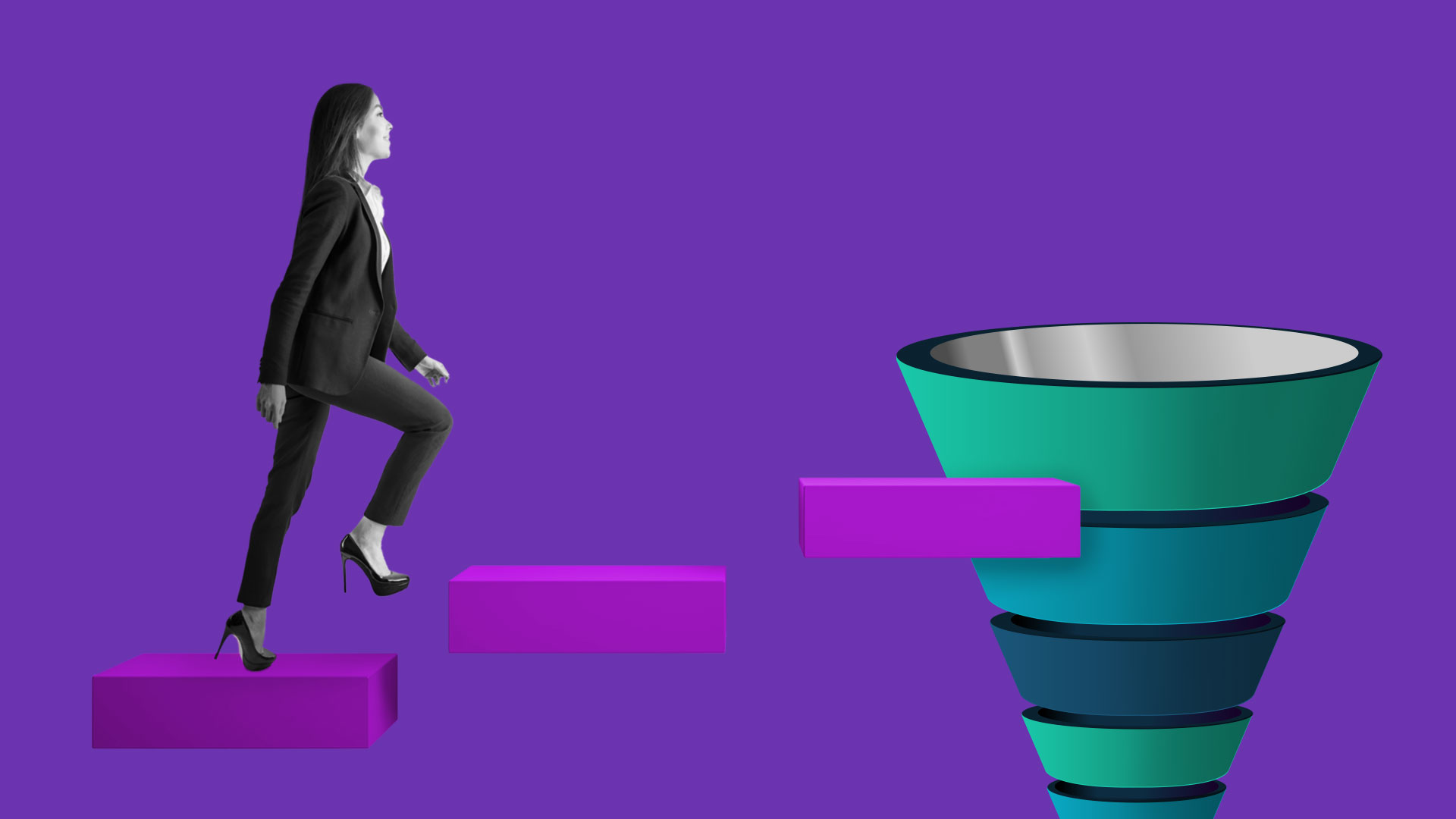
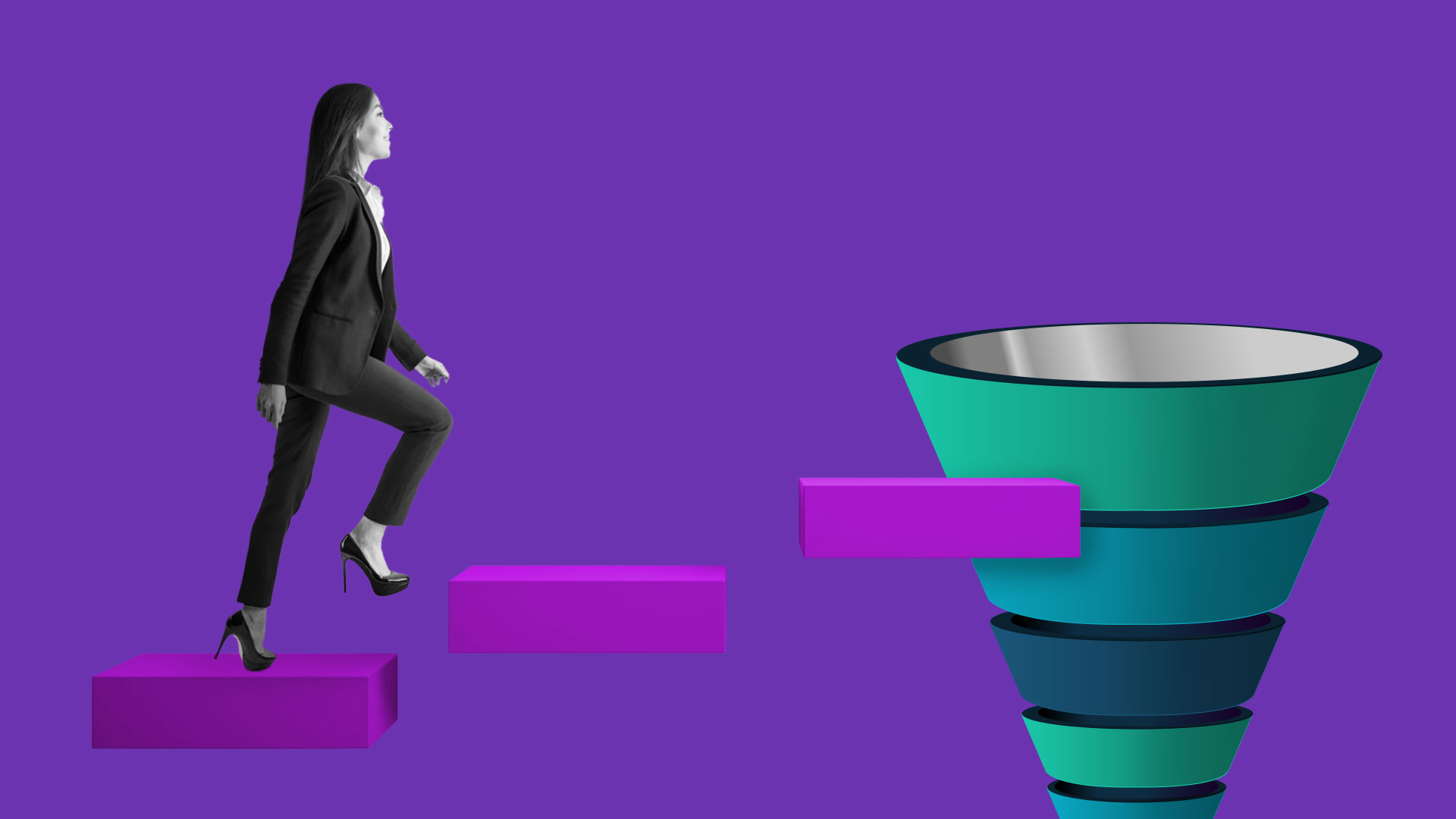
Understanding the difference between upper funnel and lower funnel marketing is one of the most important strategic decisions a growth team can make. Where you invest — awareness or conversion — determines the type of customer you attract, the cost of acquiring them, and how fast your pipeline grows.
This guide breaks down upper funnel vs. lower funnel marketing across strategies, metrics, and tactics, so you can allocate budget and effort where it actually moves the needle.
The marketing funnel is a framework that maps the customer journey from first awareness to final conversion. At the top, potential customers discover your brand through advertising, content, or word of mouth. As they move down, they evaluate their options, compare alternatives, and eventually make a purchase decision.
The funnel gives marketers a shared language for diagnosing problems and allocating resources. If traffic is high but conversions are low, the issue is in the lower funnel. If nobody knows you exist, the upper funnel needs work. Without this framework, teams waste budget on the wrong activities at the wrong time.
The funnel is also not strictly linear. Customers enter at different stages, revisit earlier stages, and sometimes skip steps entirely. That makes continuous optimization and personalization essential — not optional.
Upper funnel marketing targets people who are not yet aware of your brand or product. The goal is visibility: getting your message in front of the right audience at scale, building brand awareness, and generating initial interest.
This is the stage where you are casting a wide net. You are not asking anyone to buy. You are introducing your brand, educating your audience, and earning their attention.
The upper funnel is defined by broad reach and low-commitment engagement. Key characteristics include:
Effective upper funnel strategies focus on reach and engagement without pushing for an immediate conversion:
Upper funnel success cannot be measured by conversions alone. The right metrics for this stage include: MetricWhat It MeasuresReachTotal unique people who saw your contentImpressionsTotal number of times your content was displayedBrand liftChange in brand awareness or perception after campaign exposureVideo view ratePercentage of viewers who watched a meaningful portion of your videoEngagement rateLikes, shares, comments, and saves relative to reachShare of voiceYour brand's visibility relative to competitors in the same spaceCPMCost per thousand impressions — the efficiency of your awareness spend
The key distinction: upper funnel metrics measure exposure and attention, not action. If you are evaluating upper funnel campaigns by ROAS alone, you are measuring the wrong thing.
Lower funnel marketing targets people who already know about your brand and are actively considering a purchase. The goal shifts from awareness to conversion: turning interested prospects into paying customers.
At this stage, prospects have done their research. They know what they need and are evaluating specific solutions. Your job is to remove friction, address objections, and make the purchase decision easy.
The lower funnel is defined by high intent and conversion-focused tactics:
Lower funnel marketing is about converting the demand that upper funnel campaigns generated:
Lower funnel metrics are tied directly to revenue and efficiency: MetricWhat It MeasuresConversion ratePercentage of visitors who complete a desired actionROASRevenue generated per dollar spent on advertisingCPA / CACCost per acquisition or cost per customer acquiredCart abandonment ratePercentage of shoppers who add items but do not complete the purchaseCustomer lifetime value (LTV)Total revenue a customer generates over their relationship with your brandRepeat purchase ratePercentage of customers who buy more than onceLead-to-customer ratePercentage of leads that convert into paying customers
Driving lower funnel conversions requires removing every obstacle between intent and action. Effective tactics include:
The best lower funnel strategies do not feel aggressive. They make the buying process easier, not pushier.
While both stages serve the same goal — revenue growth — the approach, audience, and metrics are fundamentally different. DimensionUpper FunnelLower FunnelGoalBuild awareness and generate interestConvert interest into purchasesAudienceBroad, often unaware of your brandNarrow, already engaged and consideringStrategiesContent, social, influencer, SEO, displayRetargeting, email, demos, promotionsMetricsReach, impressions, engagement, CPMConversion rate, ROAS, CPA, LTVContent typeEducational, entertaining, thought leadershipProduct-focused, testimonial-driven, offer-basedChannelsSocial media, display, video, blogEmail, retargeting, search ads, landing pagesTimelineLong-term pipeline buildingShort-term conversionBudget mindsetInvestment in future demandDirect return on spend
The biggest difference is where the customer's head is at. Upper funnel prospects are exploring — they have a problem but may not know the solution exists. Lower funnel prospects are deciding — they know the options and are choosing between them.
This means the same message will not work at both stages. An upper funnel audience needs education. A lower funnel audience needs conviction.
You will often hear "top of funnel" (TOFU) and "bottom of funnel" (BOFU) used interchangeably with "upper funnel" and "lower funnel." In most practical contexts, they mean the same thing:
The main difference is that the TOFU/MOFU/BOFU framework explicitly includes a middle stage — MOFU, or "middle of funnel" — which covers the consideration phase. The upper/lower framework sometimes folds consideration into either stage depending on the marketer.
For most teams, the terminology does not matter as much as the principle: different stages of the buyer journey require different strategies, content, and metrics. Whether you call it "top of funnel" or "upper funnel," the playbook is the same.
Knowing the theory is useful, but the real value comes from segmenting your audience by funnel stage and targeting them accordingly. Here is how to build those segments:
Upper funnel users show exploratory behavior:
Lower funnel users show purchase-intent behavior:
Most ad platforms and analytics tools let you create these segments directly:
The goal is to stop treating all prospects the same. A first-time visitor and a cart abandoner should see completely different messages.
The biggest mistake teams make is treating upper and lower funnel as separate efforts run by different people with different goals. In reality, they are two halves of the same engine.
Upper funnel campaigns that do not feed the lower funnel are wasted awareness. Lower funnel campaigns that run without upper funnel support eventually exhaust their audience and see rising CPAs.
Here is how to align them:
Teams that build a connected full-funnel strategy consistently outperform those that optimize each stage in isolation. The upper funnel feeds the lower funnel. The lower funnel validates the upper funnel. Neither works as well alone.
Upper funnel vs. lower funnel marketing is not a question of which one matters more. Every business needs both. The key is understanding what each stage requires — different strategies, different metrics, different content — and aligning them into a growth system that compounds over time. Start by identifying where your biggest gaps are today, then build a strategy that connects awareness to conversion at every step.


.svg)