
The search for the best digital marketing firms typically starts after a growth plateau or a failed agency relationship. By that point, most teams have already learned what a generic vendor looks like: broad service menus, account manager overhead, and reporting that describes activity rather than results. Finding a firm that actually moves revenue requires a different evaluation framework, starting with specialization and structure before getting to price.
The distinction between a "firm" and an "agency" is largely semantic in marketing, but it signals something about positioning. Firms tend to imply structured engagements, deeper specialization, and senior-level execution rather than delegated account management. What matters more than the label is whether the vendor demonstrates vertical experience in your business model.
Retainer engagements are the clearest proxy for client satisfaction. Clients on retainer contracts stay an average of 56 months versus 24 months for project-based clients, according to InfluenceFlow's 2026 agency benchmarking report, and retainer clients churn at 18% annually versus 42% for project clients. Firms with strong retainer books are building long-term relationships because they deliver measurable outcomes. Firms that default to project work often do so because their results do not justify ongoing investment.
Full-stack firms manage multiple channels: paid search, paid social, SEO, email, and content, all under one roof. They make sense for brands that want integrated execution and attribution without coordinating multiple vendors. The risk is diluted specialization: a firm that runs everything may not be best-in-class at any single channel.
Channel-specific specialists focus on one or two channels and go deep. A paid social firm that manages Meta, TikTok, and Pinterest campaigns exclusively develops pattern recognition across thousands of accounts that a generalist cannot replicate. SEM agencies operating purely in paid search build Google Ads account structures and bidding strategies that general firms rarely match. The tradeoff is coordination complexity when you need multiple channels covered simultaneously.
Vertical specialists focus on a specific business model: DTC ecommerce, B2B SaaS, healthcare, or local services. This is the highest-signal category when the vertical matches your business. A firm that has scaled 30 Shopify brands to $10 million understands creative fatigue cycles, contribution margin targets, and LTV models in ways that a generalist cannot replicate. At the $5 million to $20 million ARR inflection point for DTC brands, vertical expertise begins to matter more than channel depth, because strategic decisions require business model understanding, not just platform mechanics.
The evaluation framework differs significantly between B2B and DTC brands, and the best firms in each category are usually not the same firms.
For DTC and ecommerce brands, creative capability is the most important signal. Creative drives 60 to 70 percent of campaign performance on paid social platforms, according to internal Google data cited by Darkroom Agency. Meta's Andromeda algorithm has further shifted the platform away from audience signals toward creative signals, meaning a firm that produces strong ad creative outperforms one that excels at audience segmentation. Firms that combine performance media buying with in-house creative production are specifically built for this environment.
For B2B brands, account-based marketing capability is the differentiating factor. B2B companies that deploy ABM strategies see 87% higher ROI than those using broad-based approaches, per Forrester Research. The ABM services market reached $1.2 billion in 2024, reflecting how much B2B marketing has shifted toward precision targeting over volume. Firms with ABM-specific expertise (intent data integration, targeted account programs, and sales-marketing alignment) serve a fundamentally different need than firms optimized for DTC acquisition.
Digital marketing firms price in three main structures: flat monthly retainer, percentage of spend, or hybrid. The right structure depends on your stage and the channels being managed.

Flat retainers are common for content, SEO, and full-service engagements. Percentage of spend (typically 10 to 20 percent) is standard for paid media management, where the fee scales with the media budget. Hybrid models split a flat strategy fee from a variable media management fee. Seventy-eight percent of digital marketing firms use retainer pricing as their primary model, per InfluenceFlow 2026, which creates predictable cost for the client and stable revenue for the firm.
Pricing signals something beyond cost. A growth-stage firm charging $2,000 per month for full-service management is almost certainly understaffed or using offshore execution layers. Firms operating in the $3,000 to $7,000 monthly range for growth-stage brands can typically support senior execution on your account.
Boutique marketing agencies with narrow specializations often deliver more output per dollar at this tier than larger shops carrying account management overhead. Understanding how to choose the right marketing agency for your stage matters more than maximizing channel coverage per dollar spent.
The evaluation process should filter on fit, not just capability. These six questions surface the information that separates genuinely strong firms from ones that present well:
What is the average annual revenue of your current clients in my category? The answer reveals whether the firm has pattern recognition at your stage or is learning on your budget.
How many accounts does each strategist manage? More than eight accounts typically means reactive management rather than proactive optimization, regardless of how the firm describes its team structure.
Can you walk through your attribution methodology? Firms that cannot explain how they connect spend to pipeline or revenue are reporting activity, not outcomes.
What was your average client retention period over the last three years? A number below 18 months signals a client satisfaction problem. Strong firms can produce this number without hesitation.
Who specifically will work on my account, and can I meet them before signing? The most common complaint in agency relationships is senior sellers handing off to junior executors after the contract is signed. Insist on meeting the actual execution team.
What does success look like in 90 days, and how will you measure it? Firms that cannot define measurable 90-day milestones are not outcomes-oriented. Clear short-term benchmarks reveal whether the firm has realistic expectations for your category.
Guaranteed ROAS or ranking promises are the most visible red flag in any firm pitch. Results depend on competitive conditions, creative quality, and spend levels that no firm controls entirely. Long-term contracts of 12 or more months with no performance clauses lock clients into underperforming relationships with no recourse. Firms that lead with proprietary technology platforms rather than strategy are often selling software subscriptions with thin service wrappers on top.
Reporting dashboards that show impressions and clicks without connecting to revenue or pipeline are designed to demonstrate activity, not outcomes. A firm worth hiring can explain which dollars drove which results, even approximately. The best digital marketing agencies share the same quality signals regardless of size: they push back on unrealistic expectations, define measurable outcomes before starting, and surface problems before clients notice them.
The strongest predictor of a productive firm relationship is vertical alignment. A firm that has worked with 20 brands at your stage and business model has already encountered your specific problems. They know which channels work at your spend level, where creative bottlenecks typically appear, and what realistic performance looks like in your category. The evaluation time invested in finding vertical alignment pays back in avoided ramp time and failed experiments.
For growth-stage ecommerce and DTC brands evaluating demand generation partners, EmberTribe works on the content and paid media programs that build compounding pipeline rather than isolated campaign spikes.
The rise of video and SERP advertising has opened up new avenues for businesses to promote their products and services. One such format that has gained substantial popularity is non-skippable YouTube ads. Below, we’ll dive into its details. Don’t miss it.
Non-skippable YouTube ads, as the name suggests, are video advertisements that cannot be skipped by viewers. These ads typically play before a viewer's selected video and have a specified duration, often ranging from 15 to 30 seconds. Unlike skippable ads, which allow users to bypass the advertisement after five seconds, non-skippable ads demand the viewer's undivided attention throughout.
But what makes non-skippable ads so effective? Non-skippable ads are strategically designed to capture the viewer's attention from the very beginning. They often employ captivating visuals, compelling storytelling, and persuasive calls to action to engage the audience. By eliminating the option to skip, these ads force viewers to pay attention, increasing the chances of brand recall and message retention.
By design, non-skippable ads offer marketers an opportunity to deliver their message without the risk of users skipping the content. They compel viewers to engage with the ad and increase the likelihood of brand recall. As a result, non-skippable ads can be a powerful tool for marketers seeking to create brand awareness and convey a concise message.
Non-skippable YouTube ads provide several distinct advantages for marketers. Firstly, they ensure that the key message is delivered effectively. With skippable ads, there is always a chance that users will bypass the content without absorbing the intended information. Non-skippable ads address this concern, guaranteeing that the viewer receives the complete advertising experience.
Moreover, non-skippable ads are particularly effective for campaigns that require immediate action or highlight time-sensitive offers. By capturing the viewer's full attention, these ads can increase the likelihood of conversions and generate instant results. For example, a limited-time sale or a flash promotion can benefit greatly from the non-skippable format, as it compels viewers to take immediate action.
Additionally, non-skippable ads can be an effective way to showcase storytelling techniques or introduce new products that require a longer, more immersive narrative. By leveraging the viewer's undivided attention, marketers can create engaging narratives that leave a lasting impact. These ads can be a powerful tool for building brand affinity and establishing an emotional connection with the audience.
Non-skippable YouTube ads have become a popular advertising tool for marketers seeking to reach their target audience effectively. These ads, as the name suggests, cannot be skipped by viewers, ensuring that the brand's message is delivered in its entirety. While they offer several advantages for marketers, it is essential to consider the potential drawbacks and user reactions.
As you figure, non-skippable YouTube ads have their advantages and disadvantages for marketers. While they provide guaranteed exposure and higher engagement rates, they can also lead to viewer annoyance and negative brand perception. Advertisers must carefully craft their non-skippable ads to strike the right balance between capturing attention and respecting the viewer's experience. By doing so, they can maximize the benefits of non-skippable ads while minimizing the potential drawbacks.
Creating non-skippable YouTube ads that leave a lasting impact requires careful planning and strategic execution. Marketers can employ various strategies to maximize the impact and engagement of their non-skippable ads.
One effective approach is to tailor the ad content. By leveraging data analytics and user insights, marketers can create personalized advertisements that resonate with their target audience. Understanding the viewer's preferences, behaviors, and demographics allows marketers to craft ads that are more relevant and appealing, increasing the chances of capturing their attention and driving conversions.
Also, interactive elements can be incorporated to boost engagement in non-skippable ads. By allowing viewers to participate in the ad experience or offering interactive features, marketers can create more immersive and memorable advertising campaigns. For example, interactive quizzes, polls, or mini-games can be integrated into the ad, encouraging viewers to actively engage with the brand. These strategies not only make the ad more enjoyable but also increase the chances of conversion and long-term brand loyalty.
Measuring the success of non-skippable YouTube ads requires a comprehensive evaluation of key performance metrics. One essential metric is the view-through rate (VTR), which indicates the percentage of viewers who watched the entire ad without skipping. A high VTR signifies strong engagement and indicates that the ad effectively captured the viewer's attention.
Other importants metrics are click-through rate (CTR), conversion rate, and return on ad spend (ROAS). These metrics provide insights into user behavior beyond the ad view, indicating whether the ad successfully persuaded viewers to take the desired action, such as visiting the website, making a purchase, or interacting with the brand.
Interpreting data from non-skippable ad campaigns is vital to making informed decisions. Marketers should analyze demographic information, engagement rates, and conversion data to gain insights into the effectiveness of their ad strategy. This data can guide future campaign optimizations, targeting adjustments, or creative enhancements to ensure continuous improvement and maximize return on investment.

The landscape of non-skippable YouTube advertising continues to evolve, with exciting developments on the horizon. One noteworthy trend is the use of personalized and interactive ads. Leveraging emerging technologies, marketers can create tailored experiences that resonate with individual viewers, fostering a deeper connection and engagement.
As the line between content and advertising blurs, native advertising within non-skippable ads is expected to grow. This approach seamlessly integrates brand messaging within relevant content, providing viewers with a more authentic and less intrusive advertising experience.
The future of non-skippable YouTube advertising presents both opportunities and challenges for marketers. Marketers must adapt their strategies to leverage emerging ad formats and interactive technologies. By staying attuned to viewer preferences and behavior, marketers can create non-skippable ads that are engaging, relevant, and respectful of the viewer's experience.
The rise of non-skippable YouTube ads underscores the need for marketers to continually innovate and evolve their advertising approaches. By understanding the benefits, drawbacks, and best practices associated with non-skippable ads, marketers can leverage this format effectively and drive meaningful results for their brands.
Non-skippable YouTube ads can be a powerful tool in a marketer's arsenal. By effectively capturing the viewer's attention and delivering a concise message, non-skippable ads offer a unique opportunity to create brand awareness and foster engagement. Marketers must carefully consider the potential drawbacks of these ads and strive to strike a balance between capturing attention and respecting the viewer's experience. Through the use of key strategies and robust measurement tools, marketers can optimize the impact of non-skippable ads and pave the way for future success in YouTube advertising.

Email flow is the backbone of every message you send and receive, whether it is a one-to-one conversation or a marketing campaign reaching thousands of subscribers. Understanding the email process flow gives marketers a real advantage: better deliverability, fewer bounced messages, and campaigns that consistently reach the inbox.
In this guide, we break down what email flow is, how it works at a technical level, and why it matters for brands that depend on email as a growth marketing channel. We will also cover the most common email flow problems and how to troubleshoot them.
Email flow refers to the end-to-end process an email follows as it travels from the sender's device to the recipient's inbox. It involves multiple systems working together, including email clients, outgoing and incoming mail servers, DNS records, and internet service providers (ISPs).
At a high level, every email passes through three stages:
Understanding each stage is critical for marketers because a breakdown at any point, whether it is a DNS misconfiguration, a spam filter flag, or an authentication failure, means your message never reaches the subscriber.
The email communication process involves a precise sequence of handoffs between servers and protocols. Here is a step-by-step look at what happens after you press send.
When you compose and send an email, your email client (such as Gmail, Outlook, or a platform like Klaviyo) connects to an outgoing SMTP (Simple Mail Transfer Protocol) server. The SMTP server is responsible for routing your message toward its destination.
The first technical step is a DNS lookup. The sending server queries the Domain Name System to find the MX (Mail Exchange) records for the recipient's domain. For example, if you are sending to someone at example.com, the DNS lookup maps that domain to the IP address of the mail server responsible for handling example.com email.
Once the MX record is resolved, the SMTP server establishes a connection with the recipient's mail server and transfers the message. If the recipient uses a different email provider, the message may pass through multiple relay servers before arriving at its final destination.
When the message reaches the recipient's mail server, a series of checks begin:
If the email passes all checks, it is delivered to the recipient's inbox. If it fails authentication or triggers a spam filter, it may land in the junk folder or be rejected entirely.
This entire process typically completes in seconds, but the complexity behind it explains why email deliverability is never guaranteed, and why marketers need to understand each step.
Every email flow depends on three core infrastructure layers. When any of these components fail or are misconfigured, delivery suffers.
Email servers handle the storage, routing, and delivery of messages. There are two primary types:
For marketing teams, the health and reputation of your sending SMTP server directly impacts inbox placement. Shared IP addresses with poor sender reputation can drag down deliverability for every brand on that server.
Email clients are the applications people use to read and compose email, including Gmail, Apple Mail, Outlook, and mobile apps. From a marketing perspective, each client renders HTML email differently, which is why testing across clients is essential before launching a campaign.
Email clients also implement their own filtering layers. Gmail's tabbed inbox (Primary, Promotions, Social) is a client-side sorting mechanism that operates independently from server-side spam filters.
ISPs act as intermediaries between senders and recipients. They maintain their own spam filtering infrastructure and sender reputation databases. Major ISPs like Gmail, Yahoo, and Microsoft track sender behavior over time, including bounce rates, complaint rates, and engagement metrics. A poor reputation with any major ISP can result in your emails being silently dropped or routed to spam.
For DTC brands and growth-stage companies, email is often the highest-ROI channel available. But technical email flow knowledge is not just for IT teams. Marketers who understand how the email communication process works make better decisions about list hygiene, sending frequency, authentication, and content strategy.
Here are the practical implications:
If you are running Shopify email marketing campaigns, understanding these fundamentals can be the difference between a 40% open rate and a 10% one.
Even well-configured email systems encounter delivery problems. Here are the most common issues and their solutions.
Bounces occur when an email cannot be delivered to the intended recipient. There are two types:

High bounce rates signal poor list hygiene to ISPs and directly damage your sender reputation. Implement double opt-in for new subscribers and regularly clean your list to remove inactive or invalid addresses.
Spam filters use a combination of rule-based and machine-learning approaches to classify incoming email. Common triggers include:
If your marketing emails are landing in spam, audit your authentication records first, then review your content for common trigger patterns. Tools like Mail-Tester or GlockApps can help diagnose specific issues.
If SPF, DKIM, or DMARC records are missing or misconfigured, receiving servers may reject your email outright or route it to spam. This is especially common when brands migrate email platforms or add new sending services without updating DNS records.
Work with your email service provider to verify that all authentication records are current and properly aligned with your sending domains.
To maintain strong inbox placement and get the most from your email marketing, follow these proven practices:
The terms "email flow" and "email automation flow" are sometimes used interchangeably, but they refer to different concepts.
Email flow (the subject of this guide) describes the technical process by which an email travels from sender to recipient. It is an infrastructure-level concept.
Email automation flows (also called drip campaigns or sequences) are pre-built marketing workflows that send targeted emails based on subscriber behavior or triggers, such as a welcome series, abandoned cart sequence, or post-purchase follow-up.
Both concepts are important. The technical email flow determines whether your message can physically reach the inbox. The automation flow determines what message is sent, when, and to whom. Marketers who master both can optimize their sales funnel from first touch to repeat purchase.
If you are exploring communication channels beyond email, SMS marketing is a complementary channel that operates on different infrastructure but serves similar lifecycle marketing goals.
For teams that need a concise overview of how the email communication process works, here are the key steps in order: StepWhat HappensKey Protocol1. ComposeUser writes the message in an email client - 2. SendClient connects to SMTP serverSMTP3. DNS LookupSending server resolves recipient's MX recordsDNS4. TransferMessage is relayed to recipient's mail serverSMTP5. AuthenticateReceiving server checks SPF, DKIM, DMARCSPF/DKIM/DMARC6. FilterSpam and security checks are appliedISP algorithms7. DeliverEmail is placed in the recipient's inbox or spam folderIMAP/POP3
Each step represents a potential point of failure. When troubleshooting delivery issues, work through this process sequentially to isolate where the breakdown is occurring.
Understanding how email flow works is not just a technical exercise. For marketers and growth teams, this knowledge translates directly into better campaign performance. When you know how authentication, routing, and filtering affect delivery, you can proactively address issues before they impact revenue.
The brands that win at email marketing are the ones that treat deliverability as a core competency, not an afterthought. They monitor sender reputation, maintain clean lists, authenticate every sending domain, and continuously test their campaigns across email clients and ISPs. Pair that infrastructure discipline with smart newsletter content strategy, and email becomes the most reliable and profitable channel in your growth stack.
With its massive user base and advanced targeting capabilities, Facebook Ads is one of the most effective platforms for reaching potential customers online. However, managing Facebook advertising campaigns requires skill, knowledge, and expertise. This is where a Facebook Ads agency can be a game-changer for your ecommerce business. But how do you find the right agency that understands your business goals and can deliver the results you need? In this article, we will explore the importance of Facebook Ads for ecommerce, identify your business needs, discuss what to look for in a Facebook Ads agency, evaluate potential agencies, and ultimately, help you make the best decision for your business.
What makes Facebook Ads such a powerful tool for ecommerce businesses?
Let's take a closer look.
First and foremost, Facebook Ads play a significant role in driving traffic to your ecommerce website. With a well-optimized campaign, you can attract potential customers to your website, generate leads, and ultimately increase sales. By leveraging Facebook's vast user base and sophisticated algorithms, you can position your products in front of the right people at the right time, increasing the chances of conversion and maximizing your return on investment (ROI).
But it's not just about driving traffic. Facebook Ads offer much more than that.
As well, Facebook Ads allow you to retarget people who have already shown interest in your products. By installing the Facebook pixel on your website, you can track visitors and show them personalized ads based on their previous interactions with your site. This strategy is highly effective in converting potential customers into paying ones, as it reminds them of the products they were interested in and nudges them to make a purchase.
With the increasing competition in the ecommerce industry, relying solely on organic reach is no longer enough. Facebook Ads offer a way to amplify your brand's reach, allowing you to target specific segments of your audience with personalized messages and promotions.
Investing in Facebook Ads can help you stay ahead of the competition, drive brand awareness, and ultimately boost your ecommerce business's growth and profitability. By reaching a highly targeted audience, you can build brand recognition and establish a strong online presence. This, in turn, leads to increased trust and credibility, making it easier for potential customers to choose your brand over your competitors.

Before embarking on the journey to find the right Facebook Ads agency, it's essential to identify your specific business needs. This involves defining your marketing goals and understanding your target audience.
Running an ecommerce business requires careful planning and strategizing. In order to maximize your online presence and drive sales, it's important to have a clear understanding of what you hope to achieve with your Facebook advertising campaigns.
Start by clearly defining your marketing goals. Are you looking to increase brand awareness, drive traffic to your website, generate leads, or increase sales? Each of these goals requires a different approach and strategy, so it's important to have a clear vision of what you want to accomplish.
Increasing brand awareness can help you reach a wider audience and establish your business as a trusted name in your industry. Driving traffic to your website can lead to increased sales and conversions. Generating leads allows you to build a database of potential customers, while increasing sales directly impacts your bottom line.
Setting specific and measurable goals will help you narrow down your search for a Facebook Ads agency that specializes in achieving your desired outcomes. It's important to find an agency that understands your goals and has a track record of success in helping businesses like yours achieve them.
Understanding your target audience is crucial for effective Facebook advertising. After all, you want to make sure your ads are reaching the right people who are most likely to be interested in your products or services.
Take the time to research and collect data about your target market's interests, demographics, and preferences. This information will help you create buyer personas that represent your ideal customers. By understanding who your target audience is, you can tailor your ad campaigns to resonate with their needs and desires.
When looking for a Facebook Ads agency, it's important to find one that has experience in targeting similar audiences. They should be able to leverage their expertise to create compelling ad campaigns that resonate with your potential customers. Look for agencies that have a proven track record of success in reaching and engaging with your target audience.
Additionally, consider the unique characteristics of your target audience. Are they primarily young professionals, parents, or retirees? Do they have specific interests or hobbies? Understanding these nuances will help you find an agency that can create ads that speak directly to your target audience.
When it comes to finding the right Facebook Ads agency for your ecommerce business, there are several key factors to consider:
Look for an agency that specializes in ecommerce advertising specifically on Facebook Ads. Ecommerce campaigns require a different approach compared to other industries. An agency with expertise in ecommerce will understand the unique challenges and opportunities ecommerce businesses face and can tailor their strategies accordingly to achieve optimal results.
Consider an agency's track record of success. Look for case studies, client testimonials, or any tangible evidence of their ability to deliver results. Ideally, the agency should have experience working with businesses similar to yours and have a track record of achieving measurable success in terms of increased sales, improved ROI, or other relevant metrics.
Transparent communication and regular updates are vital when working with a Facebook Ads agency. Look for an agency that is responsive, transparent about their processes, and provides regular reports on the performance of your campaigns. Clear communication ensures that you are informed about the progress and can make informed decisions about your advertising strategies.
Once you have identified the key criteria to look for, it's time to evaluate potential Facebook Ads agencies. Here are some steps you can take to ensure that you make an informed decision:
Research and read reviews or testimonials from the agency's past or current clients. This will give you insights into their reputation, client satisfaction, and the quality of their work. Look for agencies with positive feedback from clients who have achieved their desired results.
Take a close look at the agency's portfolio. Assess the quality and creativity of their ad designs and the effectiveness of their campaigns. Look for diversity in terms of industries and business sizes, as it indicates the agency's ability to adapt and deliver results across various sectors.
It's important to have a clear understanding of the agency's pricing structure before making a decision. Some agencies charge a fixed fee, while others work on a percentage basis. Evaluate the pricing against the services and expertise provided to ensure it aligns with your budget and expected return on investment.
Create a list of pros and cons for each agency you evaluated. Compare their expertise, track record, communication style, and pricing structure. This will help you gain a holistic view of each agency and make an informed decision.
While objective criteria are essential, sometimes your intuition can play a crucial role in the decision-making process. Trust your gut feeling and choose an agency that you feel most comfortable working with and that you believe will genuinely understand and care about achieving your business goals.
Once you have made a decision, it's time to make the commitment. Sign the necessary agreements and contracts with the chosen Facebook Ads agency. Be prepared to provide them with the necessary information and assets to kick-start your advertising campaigns effectively.

By following these steps and considering the various factors mentioned throughout this article, you can find the right Facebook Ads agency for your ecommerce business, which can significantly impact the success of your advertising campaigns and ultimately, your overall business performance.

If you've encountered a Google Ads 500 Error, don't panic. This guide will take you through the process of understanding the error, exploring its impact on your Google Ads campaigns, and providing you with step-by-step instructions on how to troubleshoot and prevent similar errors in the future.
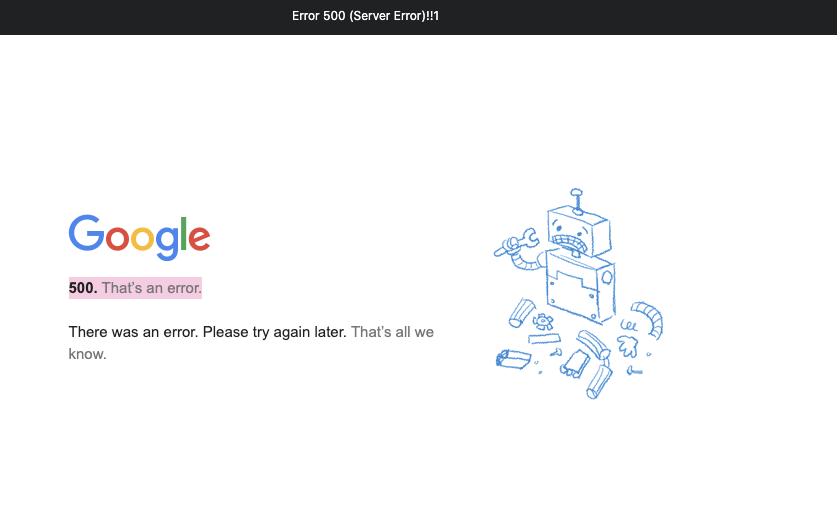
A 500 Error, also known as a Internal Server Error, indicates that an unexpected condition occurred, preventing the server from fulfilling your request. This could be due to a variety of factors, including misconfigurations, programming errors, or issues with the server infrastructure.
When you encounter a 500 Error, it's important to understand that the problem lies with the server, not your specific request or configuration. This means that you don't have direct control over resolving the error, but you can take steps to troubleshoot and report the issue to Google Ads support.
One possible cause of a 500 Error is a misconfiguration in the server settings. This could be related to the server software, such as Apache or Nginx, or the server's operating system. It's important to ensure that all server configurations are set up correctly and that any recent changes to the server's settings are thoroughly tested before deploying them in a production environment.
Another potential cause of a 500 Error is a programming error in the server-side code. This could be a bug or an issue with the code logic that is preventing the server from processing requests correctly. In such cases, it's crucial to review the server-side code, identify any errors or issues, and fix them accordingly.
When it comes to Google Ads, a 500 Error can have a significant impact on your advertising campaigns. The error interrupts the delivery of your ads, potentially leading to decreased visibility and potential revenue losses. Therefore, it's essential to address and resolve this issue promptly to ensure your ads reach their intended audience.
Not only can a 500 Error affect the delivery of your ads, but it can also impact the overall user experience on your website. If the error occurs when a user clicks on your ad and tries to access your website, they may encounter a blank page or an error message, leading to frustration and a negative perception of your brand.
A 500 Error can also impact your Quality Score in Google Ads. Quality Score is a metric used by Google to determine the relevance and quality of your ads and landing pages. If your website consistently returns 500 Errors, it may signal to Google that your website is unreliable or poorly maintained, resulting in a lower Quality Score and potentially higher advertising costs.
To mitigate the impact of a 500 Error on your Google Ads campaigns, it's crucial to monitor your ads and website regularly. Implementing a robust monitoring system can help you identify any server-side errors promptly and take immediate action to resolve them. Additionally, regularly testing your website's performance and functionality can help uncover any potential issues before they affect your advertising campaigns.

In some cases, your server might experience a momentary overload due to a sudden surge in traffic or other resource-intensive processes. This overload can result in a 500 Error. Monitoring and optimizing your server's performance can help prevent these issues.
Server overload can occur when your website experiences a significant increase in user traffic, causing the server to struggle to handle the load. This can happen during peak hours, when many users are accessing your website simultaneously. Additionally, resource-intensive processes such as running complex scripts or executing large database queries can also contribute to server overload.
To avoid server overload, it is essential to regularly monitor your website's traffic patterns and server performance. By identifying potential bottlenecks and optimizing your server's configuration, you can ensure that it can handle the expected load and prevent 500 Errors from occurring.
If you're using plugins or extensions in conjunction with your Google Ads campaigns, it's possible that one of them is causing conflicts and triggering the 500 Error. Disabling or updating these plugins can help resolve the issue.
Plugins and extensions can enhance the functionality of your website and provide additional features for your Google Ads campaigns. However, they can also introduce compatibility issues and conflicts that may lead to a 500 Error. These conflicts can occur when a plugin or extension modifies crucial files or interferes with the normal operation of your website.
To troubleshoot this issue, you can start by disabling all plugins and extensions and then enabling them one by one to identify the problematic one. Once you have identified the culprit, you can either update it to a newer version or find an alternative plugin or extension that provides similar functionality without causing conflicts.
In rare cases, corrupted files on your server can cause a 500 Error. These files may be integral to the functioning of your advertising campaigns. Identifying and repairing any corrupted files can help rectify the error.
Corrupted files can occur due to various reasons, such as incomplete file transfers, hardware failures, or software bugs. When these corrupted files are essential for the operation of your advertising campaigns, they can lead to a 500 Error and disrupt your Google Ads performance.
To address this issue, you can perform a thorough examination of your server's file system to identify any corrupted files. This can be done by checking file integrity using tools like checksum verification or by comparing file versions with known good copies. Once the corrupted files are identified, you can replace them with their undamaged counterparts or restore them from backups if available.
Regular backups of your website's files are crucial in mitigating the impact of corrupted files. By having up-to-date backups, you can quickly restore any corrupted files and minimize the downtime caused by a 500 Error.
With the causes in mind, let's now dive into the troubleshooting process for a Google Ads 500 Error.
Begin by inspecting your server logs. These logs can provide valuable insights into the underlying issue causing the 500 Error. Look for any error messages or indications of resource limitations. Analyzing these logs will guide you towards potential solutions.
If you suspect that a plugin or extension is triggering the error, disable them temporarily. Monitor whether the 500 Error persists. If the error disappears, it's likely that one of the plugins or extensions was the culprit. Gradually enable them one by one until you identify the problematic one. Updating or replacing that specific plugin or extension can resolve the issue.
If a corrupted file is causing the error, you'll need to locate and repair it. Consult with your server administrator or IT team to identify the affected files and work on restoring them. If possible, having regular file backups will prove to be invaluable in mitigating the impact of corrupted files.

Now that you've resolved the current 500 Error, it's essential to implement preventive measures to avoid encountering similar issues in the future.
Perform routine maintenance tasks on your server, ensuring that it remains optimized and up to date. Regularly monitor its performance and promptly address any potential issues that arise. By proactively managing your server, you can minimize the risk of encountering server-related errors.
Maintain a proactive approach towards managing your plugins and extensions. Regularly update them to ensure compatibility with the latest versions of other software or platforms you're using. Developers often release updates that address known bugs and vulnerabilities, reducing the chances of causing errors like the 500 Error.
Implement a reliable file backup system that performs regular backups of your important files. In the event of a corrupted file or other issues, having a recent backup can save you time and effort in resolving errors. Make sure that your backup system runs consistently and that you can easily restore files if needed.
By following these preventive measures, you'll greatly reduce the likelihood of experiencing Google Ads 500 Errors in the future, allowing your campaigns to run smoothly.
So, there you go: troubleshooting a Google Ads 500 Error might seem daunting, but with the right approach, it's entirely manageable. Understand the error, identify its causes, and follow the step-by-step guide provided. By implementing preventive measures, you'll not only troubleshoot the current error but also safeguard your campaigns from future disruptions. Keep your Google Ads running error-free and maximize their potential.
Most advertisers skip straight from campaign strategy to the Google Ads editor, writing headlines and descriptions directly in the platform. The result is often ad copy that looks fine in a text field but falls flat on the actual search results page. A mockup bridges that gap. It gives you a realistic preview of how your ad will appear to users, allowing you to evaluate messaging, formatting, and competitive positioning before a single dollar of budget is spent.
For growth-stage brands running five- and six-figure monthly budgets, this preview step is not optional. A poorly structured ad wastes impressions, drives up cost per click, and drags down Quality Score. A well-crafted mockup, on the other hand, helps you spot weak copy, misaligned extensions, and formatting issues before they cost you real money.
Before building your mockup, it helps to understand the canvas you are working with. Google Ads supports multiple formats including Search ads, Display ads, Video ads, Shopping ads, and Performance Max campaigns. Each format has distinct creative requirements and user contexts.
For the purposes of this guide, we will focus on Search ads, the most common format for lead generation and direct-response campaigns. A standard Responsive Search Ad (RSA) allows up to 15 headlines (30 characters each) and 4 descriptions (90 characters each). Google dynamically assembles combinations to find top performers, but what the user actually sees on the SERP follows a predictable structure:
Your mockup should replicate this structure as closely as possible so you can evaluate the full ad unit rather than isolated text fields.
Every effective ad starts with a clear goal. Are you driving purchases, generating leads, promoting a specific offer, or building brand awareness? Your objective dictates the messaging angle, the call to action, and the landing page you send traffic to.
Write your objective in a single sentence before touching any ad copy. For example: "Drive demo requests from mid-market SaaS buyers evaluating CRM solutions." This constraint keeps your messaging focused and prevents the common trap of trying to say everything in a single ad.
Before writing a word of copy, search for your target keywords and study what is already on the page. Take note of:
This competitive context is critical. Your ad does not exist in isolation. It appears alongside three or four other ads and ten organic results. Your mockup should account for this environment so your copy stands out rather than blends in.
With your objective defined and competitive landscape mapped, it is time to draft your headlines and descriptions.
Headlines: Focus on three categories of headlines to pin in positions one, two, and three:
Descriptions: Use these to expand on the promise in your headlines. Include specifics like pricing, time frames, customer counts, or results. Vague descriptions like "We offer great solutions for your business" waste valuable real estate.
Write at least three complete headline/description combinations so you can compare them side by side in your mockup.
Extensions are one of the most underutilized levers in Google Ads. They increase your ad's visual footprint on the SERP, provide additional click targets, and directly improve Quality Score and click-through rate.
Build these extensions into your mockup:
When you include extensions in your mockup, you get a realistic view of how much SERP real estate your ad will occupy versus a competitor running ads without extensions.

You have several options for assembling your mockup into a visual format:
Whichever method you choose, create mockups for both desktop and mobile. Mobile SERPs truncate headlines more aggressively and display fewer extensions, so your ad needs to communicate its core message in the first two headlines.
Your mockup process should include a budget framework, not just creative. Align your bidding strategy with your campaign objective:
Document your target CPC, daily budget, and expected impression share alongside your mockup. This gives stakeholders a complete picture of what the campaign will look like and what it will cost.
A mockup gets you 80 percent of the way to a strong ad, but real performance data closes the remaining gap. Google's RSA format inherently tests headline and description combinations, but you should also run structured experiments:
Run each test for at least two to three weeks or until you reach statistical significance, typically 100 or more conversions per variant.
Once your campaign is live, track these metrics to evaluate whether your mockup translated into real-world performance:

Your mockup is a living document. Revisit and update it as you gather performance data:
Even experienced advertisers fall into these traps:
Creating a Google Ads mockup is not extra work. It is the work that prevents wasted spend, misaligned messaging, and underperforming campaigns. By previewing your ad in context, refining copy against competitors, and building in extensions from the start, you set your campaign up to win from day one.
Start with a clear objective, research your competitive SERP, build a complete ad unit including extensions, and test relentlessly once you launch. The brands that treat mockups as a core part of their paid media workflow consistently outperform those that skip straight to the editor.

Google Ads invoicing can be a headache. As an advertiser, you must have a streamlined invoicing process to manage your Google Ads expenses effectively. Join us to deep into the Google Ads invoicing process and to discuss the importance of streamlining it. We will also provide you with a step-by-step guide on how to streamline your Google Ads invoicing and leverage the available tools.

When it comes to managing your online advertising campaigns, having a solid understanding of the Google Ads invoicing process is a must. With Google Ads, you have the ability to create and manage campaigns by bidding on keywords relevant to your business. But how does the invoicing process work?
Let's take a closer look:
While the Google Ads invoicing process may seem straightforward, advertisers often encounter challenges that can slow down their invoicing cycle. It's important to be aware of these challenges and find ways to address them effectively. Here are some common challenges:
By implementing effective strategies and leveraging available tools, advertisers can overcome these obstacles and optimize their invoicing workflow.
A well-optimized and streamlined Google Ads invoicing process can save you valuable time and resources. With automated invoicing and efficient reconciliation, you can minimize manual tasks and focus on more strategic aspects of your advertising campaigns.
Imagine a scenario where you no longer have to spend hours manually generating invoices, cross-referencing data, and double-checking calculations. By implementing a streamlined process, you can automate these tasks and free up time for more critical activities, such as analyzing campaign performance or brainstorming creative marketing strategies.
A streamlined invoicing process also allows you to allocate your resources more effectively. By reducing the time and effort spent on invoicing, you can redirect those resources towards other areas of your business that require attention, such as customer acquisition, product development, or expanding your marketing team.
One of the most significant advantages of a streamlined invoicing process is the improvement in accuracy and efficiency when managing your ad spend. By reconciling invoices promptly and regularly, you can identify any discrepancies or errors early on and address them quickly.
Imagine the frustration of receiving an invoice with incorrect charges or missing information. It not only wastes your time but also creates unnecessary confusion and potential financial discrepancies. However, with a streamlined process in place, you can minimize the chances of such errors occurring.
By automating the invoicing process, you can ensure that the correct charges are reflected in your invoices. This reduces the risk of overpayment and ensures that your financial records are accurate and up to date. Additionally, a streamlined process allows you to easily track and monitor your ad spend, helping you make informed decisions about your advertising budget and ROI.
Now that we understand the importance of streamlining the Google Ads invoicing process, let's explore a step-by-step guide to help you achieve this:
Streamlining your Google Ads invoicing process is crucial for efficient financial management and maintaining a healthy cash flow. By following these steps, you can simplify your invoicing procedures and ensure timely payments.
The first step in streamlining your Google Ads invoicing process is to set up automated invoicing. Google Ads provides various options for automated billing, such as automatic payments and monthly invoicing. By opting for automated invoicing, you can eliminate the need for manual invoicing and reduce the risk of errors.
Automated invoicing also ensures timely payments, as Google Ads will automatically charge your preferred payment method based on your advertising expenses. This eliminates the hassle of manually making payments and allows you to focus on other aspects of your business.
In addition to automated invoicing, Google Ads offers several billing features that can streamline your invoicing process. One such feature is budget orders, which allow you to set a specific budget for your advertising campaigns. By utilizing budget orders, you can control your ad spend and prevent unexpected billing surprises.
Google Ads also provides invoice notifications, which alert you when a new invoice is generated or when there are changes to your billing account. These notifications help you stay informed about your financial obligations and enable you to take prompt action if necessary.
Another useful billing feature is billing summaries. These summaries provide an overview of your advertising costs, including the amount spent, the number of clicks received, and the average cost per click. By regularly reviewing these summaries, you can gain insights into your campaign performance and make informed decisions regarding your advertising budget.
Another critical step in streamlining your Google Ads invoicing is to regularly review and update your billing information. It is essential to ensure that your payment methods, billing addresses, and contact details are accurate and up to date.
By maintaining accurate billing information, you can avoid payment delays or disruptions caused by outdated details. It is particularly crucial to review your billing information if you have recently changed payment methods or moved your business location.
Regularly reviewing your billing information also allows you to identify any discrepancies or unauthorized charges. If you notice any irregularities, you can immediately contact Google Ads support to resolve the issue and prevent any financial losses.
By following these steps and implementing best practices for Google Ads invoicing, you can streamline your invoicing process and ensure smooth financial operations. Remember, efficient invoicing not only saves you time and effort but also contributes to the overall success of your advertising campaigns.
Google Ads provides a range of tools designed specifically to streamline your invoicing process. These tools offer advanced features for budgeting, tracking ad spend, and generating detailed reports. Familiarize yourself with these tools to leverage their benefits and optimize your Google Ads invoicing.
Once you are familiar with the Google Ads billing tools, it's time to put them to use for efficient invoicing. Utilize the budgeting tools to set spending limits for your campaigns, monitor your ad spend regularly, and make adjustments as needed. Generate reports to analyze your campaign performance and identify areas where you can optimize your ad spend.

To ensure a smooth and efficient Google Ads invoicing process, it is essential to follow some best practices. Here are a few tips to help you:
Regularly review and update your account information, including payment methods, billing addresses, and contact details. This ensures that your invoices reach you correctly and prevents any disruptions or delays in payment processing.
Keep a close eye on your ad spend to prevent any unexpected surprises or discrepancies in your invoices. Regularly monitor your campaigns' performance, track your budget utilization, and make necessary adjustments to optimize your ad spend.
Stay informed about Google Ads' billing policies to ensure compliance and avoid unnecessary issues with your invoices. Familiarize yourself with their payment terms, refund policies, and any other relevant guidelines to maintain a healthy invoicing relationship with Google Ads.
Streamlining your Google Ads invoicing process is crucial for effective expense management and financial control. By understanding the basics of the Google Ads invoicing process, recognizing its importance, following a step-by-step guide, leveraging the available tools, and implementing best practices, you can streamline your Google Ads invoicing and optimize your advertising efforts. So, take the necessary steps today to enhance your invoicing process and maximize the benefits of Google Ads for your business.

Social media advertising is essential, and Instagram Ads is a great platform for it. In-stream video ads on Instagram can help you reach your target audience and boost your ROI. Below, we will explore these concepts and the way they can help you maximize your revenue..
In-stream video ads are a highly effective way to capture users' attention and convey your brand message. By showcasing your product or service in a visually appealing manner, you can drive awareness and generate interest among your target audience. The key lies in creating compelling content that resonates with your viewers.

These video ads can take various forms, such as pre-roll ads that play before the main content, mid-roll ads that appear during a video, or post-roll ads that play after the main content. Regardless of the placement, in-stream video ads offer brands the opportunity to engage with their audience in a more interactive and immersive way.
One of the key advantages of in-stream video ads is their ability to target specific demographics and interests. With advanced targeting options available on platforms like Instagram, advertisers can ensure that their video ads are shown to the most relevant audience. This precision targeting helps maximize the impact of the ads and increase the chances of conversion.
Instagram boasts over a billion active users, making it an ideal platform to reach a massive audience. Instagram's user base tends to be younger and more receptive to video content, providing a prime opportunity for brands to connect with their target market. The platform's visual nature and intuitive interface further enhance the effectiveness of video ads.
Instagram's in-stream video ads benefit from the platform's robust targeting capabilities, allowing advertisers to reach specific demographics, interests, and behaviors. This level of targeting precision ensures that your video ads are shown to the most relevant audience, increasing the likelihood of engagement and conversion.
Besides, Instagram's seamless integration of in-stream video ads into users' feeds ensures a non-disruptive viewing experience. The ads blend in with the organic content, appearing as a natural part of the user's browsing journey. This integration helps capture users' attention without causing annoyance or interruption, leading to higher ad recall and engagement.
Set Up Your Instagram In-Stream Video Ads
Now that you understand the benefits of in-stream video ads on Instagram, let's explore the process of setting up your ad campaign. The following steps will guide you through the process:
Prior to launching your in-stream video ad campaign, you'll need to create an Instagram business account. This step is crucial as it grants you access to Instagram's advertising tools and analytics, allowing you to monitor and optimize your campaigns effectively. To create a business account, simply follow Instagram's instructions and provide the necessary information.
Once you have set up your business account, you will gain access to a variety of features that are specifically designed for businesses. These features include the ability to create and manage ads, access to advanced analytics, and the option to promote your posts. By having a business account, you can take full advantage of Instagram's advertising capabilities and reach a wider audience.
With your business account in place, it's time to set up your first ad campaign. Instagram offers a user-friendly interface where you can specify your campaign objectives, target audience, budget, and ad placement. Take time to define your goals and allocate your resources wisely. A well-structured campaign will yield higher ROI.

When setting up your ad campaign, it's important to consider your target audience and their preferences. By understanding your audience demographics, interests, and behaviors, you can tailor your ad campaign to effectively reach and engage them. Instagram provides various targeting options, such as location, age, gender, interests, and behaviors, allowing you to refine your audience and maximize the impact of your ads.
The success of your in-stream video ads hinges on the quality and relevance of the content you produce. It's essential to create videos that align with your brand's identity and resonate with your target audience. Consider incorporating storytelling elements, showcasing your product's features, and evoking emotions to create a memorable viewing experience.
When choosing the right video content, keep in mind the length and format that works best for in-stream video ads on Instagram. Shorter videos tend to perform better, as they capture viewers' attention and deliver the message concisely. Additionally, vertical videos are more suitable for mobile viewing, which is where the majority of Instagram users access the platform.
It's also important to optimize your video content for sound-off viewing. Many Instagram users watch videos without sound, so incorporating captions, text overlays, and visually compelling imagery can help convey your message effectively. By making your videos visually appealing and engaging, you can increase the likelihood of viewers taking action and engaging with your brand.
Now that you have set up your in-stream video ad campaign, let's explore some strategies to maximize your ROI on Instagram:
Instagram offers precise targeting options to ensure your ads reach the most relevant users. Utilize demographic filters such as age, location, interests, and behaviors to narrow down your audience. By delivering your video ads to the right people, you increase the chances of generating meaningful engagement and conversions.
For example, if you are promoting a fitness product, you can target users who have shown interest in health and wellness, follow fitness influencers, or have engaged with related content. By reaching out to a specific audience segment, you can tailor your message and visuals to resonate with their interests and needs, ultimately driving higher conversion rates.
Timing is crucial when it comes to in-stream video ads. Analyze your target audience's behavior and identify the optimal times to showcase your ads. Experiment with different schedules and monitor the performance closely. By optimizing the timing, you can maximize your reach and drive higher engagement rates.
Consider factors such as the time of day, day of the week, and even seasonal trends. For instance, if you are promoting a travel destination, it may be more effective to run your ads during the holiday season when people are planning their vacations. By aligning your ad schedule with your audience's habits and preferences, you can capture their attention at the right moment, increasing the likelihood of conversions.
Call-to-action (CTA) buttons are an effective way to guide your audience to take the desired action after viewing your video ad. Instagram provides various CTAs such as "Shop Now," "Learn More," and "Sign Up." Choose a CTA that aligns with your campaign objectives and entices users to click through to your website or landing page.
When selecting a CTA, consider the next step you want your audience to take. If your goal is to drive sales, a "Shop Now" CTA can direct users to a product page where they can make a purchase. On the other hand, if you want to generate leads, a "Sign Up" CTA can lead users to a form where they can provide their contact information. By utilizing the appropriate CTA, you can guide your audience towards the desired conversion, maximizing the return on your ad investment.
Remember to regularly analyze the performance of your video ads and make data-driven adjustments to optimize your ROI. By continuously refining your targeting, scheduling, and CTAs, you can enhance the effectiveness of your Instagram video ad campaigns and achieve greater success in reaching your marketing goals.
Once your in-stream video ads are live, it's vital to monitor their performance and make data-driven adjustments. Instagram's analytics tools provide valuable insights that can help you measure the success of your campaigns.
Instagram offers a range of analytics metrics to help you evaluate the performance of your in-stream video ads. These metrics include impressions, reach, video views, engagement rates, and click-through rates. By analyzing these data points, you can identify areas for improvement and refine your future ad campaigns.
To accurately measure your ROI, it's essential to track the conversions and actions taken by users who interacted with your in-stream video ads. Implementing tracking mechanisms such as UTM parameters and conversion pixels allows you to attribute conversions back to your Instagram ads and assess their impact on your overall business goals.
Continuously monitor and evaluate the performance data of your in-stream video ads. Identify any patterns or trends and use this information to fine-tune your campaigns. Experiment with different targeting options, ad formats, and content to optimize your ROI. Remember, data-driven adjustments are key to maximizing the effectiveness of your Instagram video ads.
In conclusion, in-stream video ads on Instagram offer a powerful opportunity to connect with your target audience and drive ROI. By understanding the basics, setting up your ad campaigns strategically, implementing effective targeting strategies, and measuring performance data, you can leverage this platform to its full potential. Embrace the power of in-stream video ads on Instagram and unlock new horizons for your business.

Are your Instagram ads failing to generate the results you expected? Don't worry, you're not alone. Many businesses encounter difficulties when it comes to running successful Instagram and social media advertising campaigns. However, understanding the underlying reasons behind these setbacks is the first step towards improvement. In this article, we will delve into the basics of Instagram advertising, explore common reasons why your ads may not be working, discuss strategies to enhance your ad performance, and analyze case studies of successful Instagram ad campaigns. Let's get started!
Instagram advertising has become an essential tool for businesses to reach their target audience effectively. With its wide user base and engaging visual content, Instagram offers various advertising formats, including photo ads, video ads, carousel ads, and more. However, to make the most of your advertising efforts, it's crucial to have a solid understanding of how Instagram ads work and how to identify your target audience accurately.
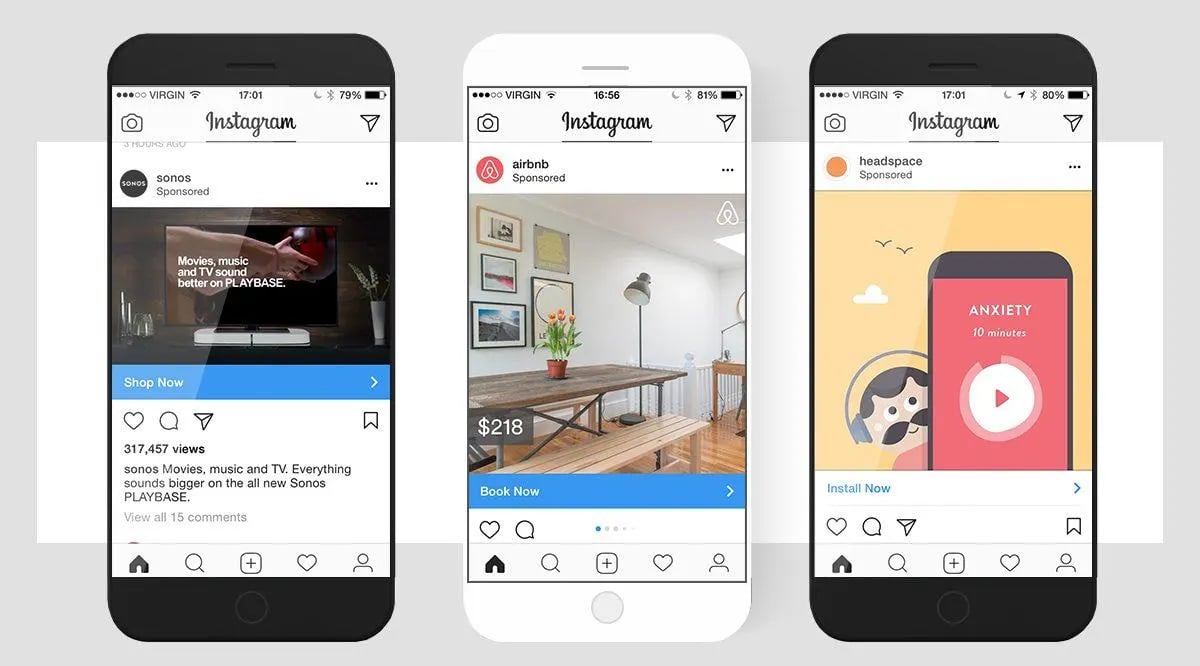
Instagram ads operate by leveraging the platform's vast user data and targeting capabilities. When businesses create an ad campaign, they can define specific parameters to ensure their ads are displayed to the right audience. These parameters include interests, behavior, demographics, and more. By utilizing this data, Instagram serves ads to users who are more likely to engage with the content, increasing the chances of achieving the desired results.
When users scroll through their Instagram feed, they may come across sponsored posts that seamlessly blend with the organic content. These ads are designed to capture attention and encourage users to take action, such as visiting a website, making a purchase, or engaging with the brand in some way. The visual nature of Instagram ads allows businesses to showcase their products or services creatively, making them more appealing to potential customers.
One of the key factors in running successful Instagram ad campaigns is accurately identifying your target audience. Understanding who your ideal customers are and tailoring your ads to their preferences and needs is crucial for achieving optimal results.
Identifying your target audience involves analyzing demographic data, understanding consumer behavior, and conducting specialized research. By diving deep into your audience's characteristics, interests, and habits, you can create highly targeted ads that resonate with them on a personal level. This level of personalization not only increases the chances of engagement but also helps build brand loyalty and trust.
Failure to define your target audience properly can lead to ineffective ad performance and wasted resources. If your ads are not reaching the right people, you may experience low engagement, high bounce rates, and a low return on investment. Therefore, investing time and effort in identifying your target audience is essential for the success of your Instagram advertising campaigns.

Are you frustrated with the lack of results from your Instagram ads? If so, you're not alone. Many businesses struggle to achieve the desired outcomes from their ad campaigns on this popular social media platform. In this article, we will explore some common reasons why your Instagram ads may not be working and provide insights on how to improve their performance.
One of the most common reasons for underperforming Instagram ads is a poorly defined target audience. If you haven't invested enough time and effort into understanding who your ideal customer is, it's challenging to create ads that resonate with them. It's like shooting in the dark without a clear target.
To address this issue, take a step back and revisit your audience segmentation. Dig deep into market research and customer profiling to gain a comprehensive understanding of your target audience's demographics, interests, and behaviors. By doing so, you can tailor your ad content to their specific needs and preferences, increasing the likelihood of engagement and conversions.
Another crucial factor affecting the performance of your Instagram ads is the quality of your ad content. Are your visuals eye-catching? Is your copy compelling? Do your ads effectively convey your message and call-to-action?
If your ad content fails to capture attention and engage your audience, it's unlikely to drive the desired results. To create more effective ad content, start by analyzing your target audience's preferences and interests. Craft visually appealing images or videos that align with their aesthetics and showcase the value your product or service provides.
Moreover, pay close attention to your ad copy. Use persuasive language that resonates with your audience and clearly communicates the benefits they can expect. Incorporate strong calls-to-action that prompt users to take the desired action, such as visiting your website, making a purchase, or signing up for a newsletter.
Ad placement plays a vital role in determining your ad's reach and visibility. Instagram offers different ad placements, such as feed ads, stories ads, explore ads, and more. Selecting the wrong placement can result in your ads being shown to the wrong audience or in an ineffective context.
Ensure you choose the most suitable placement for your audience and campaign goals. For example, if you're targeting a younger demographic, stories ads might be more effective as they are a popular feature among Instagram users in that age group. On the other hand, if you want to showcase your product or service in a more detailed manner, feed ads might be the better option.
Experiment with different ad placements and closely monitor their performance. Analyze the data and make data-driven decisions to optimize your ad placements for maximum impact.
By addressing these common issues, you can improve the performance of your Instagram ads and increase your chances of achieving your marketing objectives. Remember, success on Instagram requires a deep understanding of your target audience, compelling ad content, and strategic ad placement. Keep refining your approach and stay proactive in adapting to the ever-changing landscape of social media advertising.
When it comes to evaluating the performance of your Instagram ads, simply running them is not enough. You need to measure and analyze relevant metrics to gain a comprehensive understanding of how well your ads are performing. Luckily, Instagram provides a plethora of valuable insights that can help you make informed decisions and optimize your campaigns for better results.

One of the key metrics to look at when evaluating your Instagram ad performance is impressions. Impressions refer to the number of times your ad has been displayed to users. This metric gives you an idea of how many people have seen your ad, which is crucial in assessing its reach.
Another important metric to consider is reach. Reach measures the number of unique users who have seen your ad. It provides a more accurate representation of your ad's visibility and can help you gauge the effectiveness of your targeting strategies.
Engagement is yet another vital metric to analyze. It measures the level of interaction users have with your ad, such as likes, comments, and shares. By monitoring engagement, you can determine how well your ad resonates with your target audience and whether it is driving the desired actions.
Click-through rates (CTR) are also worth examining. CTR measures the percentage of users who clicked on your ad after seeing it. A high CTR indicates that your ad is compelling and successfully driving users to take action, such as visiting your website or making a purchase.
By closely monitoring these metrics, you can identify patterns and trends in your ad performance. For example, if you notice a high number of impressions but a low engagement rate, it may indicate that your ad is not resonating with your target audience. Armed with this knowledge, you can make data-driven decisions to optimize your campaigns and improve your results.
Instagram Insights is a powerful tool that provides a wealth of information about your audience and their behavior. By leveraging this data, you can gain valuable insights into your audience's demographics, interests, and preferences.
Demographic insights allow you to understand the age, gender, and location of your audience. This information is crucial for refining your targeting strategies and ensuring that your ads are reaching the right people. For example, if you discover that the majority of your audience is located in a specific city, you can tailor your ads to cater to their local interests or preferences.
Interest insights provide you with a deeper understanding of what topics and content your audience is interested in. This knowledge allows you to create more personalized and impactful ad experiences that resonate with your target audience. For instance, if you find that your audience is highly interested in fitness and wellness, you can create ads that highlight the health benefits of your products or services.
Furthermore, Instagram Insights also offers data on the days and times when your audience is most active on the platform. This information can help you schedule your ads to reach your audience at the most opportune moments, increasing the likelihood of engagement and conversions.
By utilizing Instagram Insights effectively, you can refine your targeting strategies, create more personalized ad experiences, and ultimately drive better results for your Instagram ad campaigns.
To increase the effectiveness of your Instagram ads, consider reevaluating and refining your target audience. Use the insights gained from your analytics and research to create detailed buyer personas and adjust your ad targeting accordingly. By accurately positioning your ads in front of the right people, you can significantly improve your campaign outcomes.
Amp up the quality and impact of your ad content to capture the attention of your audience. Invest in high-quality visuals, ensure your copy is concise and persuasive, and incorporate compelling calls-to-action. Experiment with different creative elements to find what resonates best with your audience and continuously optimize your ad content for maximum engagement.
Carefully consider where your ads are placed within the Instagram platform. Test different ad placements and closely monitor their performance. You may find that certain ad formats, such as stories ads, perform better for your target audience. By strategically optimizing your ad placement, you can increase visibility and reach users who are more likely to convert.
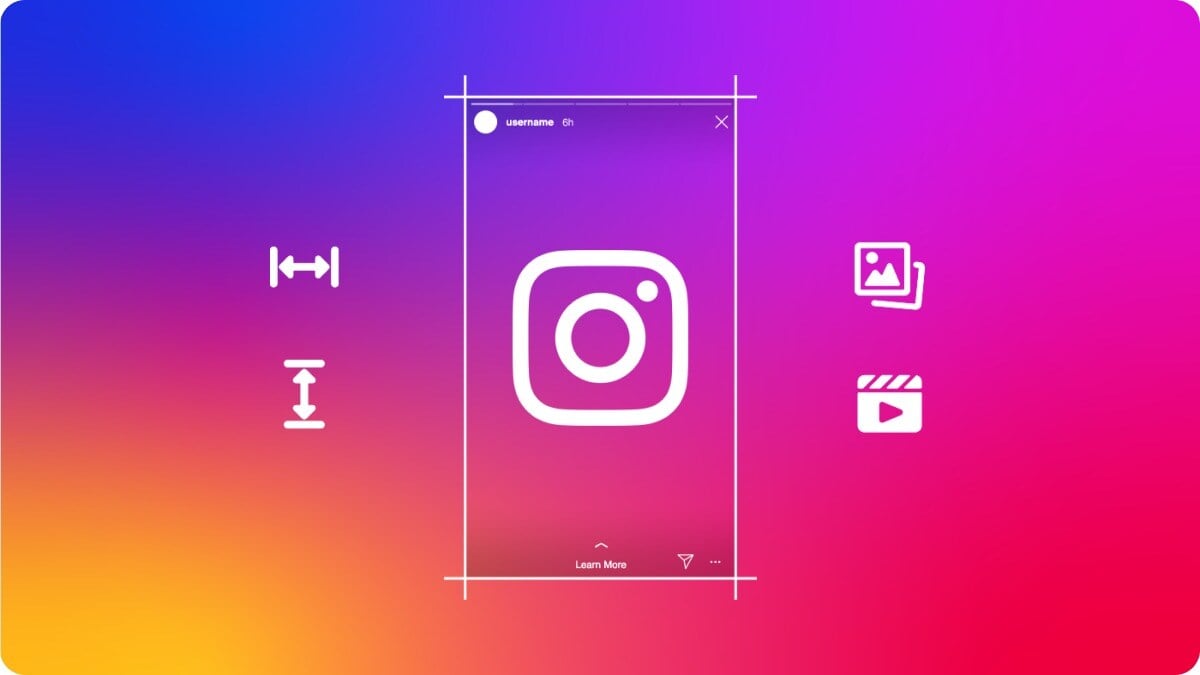
Instagram Highlights let you pin your best story content to your profile permanently — but most people only know the basic method. In this guide, we cover how to add highlights on Instagram, how to create new ones from scratch, and the workaround that lets you add highlights without posting to your story.
Instagram Highlights are collections of story clips pinned to your profile page, displayed directly below your bio. Unlike regular stories that disappear after 24 hours, Highlights stay visible for as long as you keep them.
Think of them as a virtual storefront. When someone visits your profile, Highlights are the first content they can browse — making them a powerful tool for personal branding and content curation. Each Highlight can be dedicated to a specific theme, product line, or topic, letting you attract like-minded followers or customers who connect with your content.
For businesses, Highlights are especially useful for showcasing testimonials, product demos, FAQs, behind-the-scenes content, and promotions — all without cluttering your main feed.
The standard method for creating Instagram Highlights pulls from your story archive. Here is how to do it:
Your new Highlight will now appear on your profile, right below your bio.
Note: Your stories are automatically saved to your archive by default. If yours aren't showing up, go to Settings > Privacy > Story and make sure "Save story to archive" is turned on.
You can also create a Highlight directly from a story you are currently viewing or have just posted:
This method is great for building Highlights in real time as you post stories throughout the day.
This is the workaround most people don't know about. If you want to add content to your Highlights without it showing up in your live story feed (where your followers would see it for 24 hours), follow these steps:

By using this method, you can keep your story feed clean while still building out your Highlights with the content you want. It is especially useful for businesses that want to add curated content to Highlights without sending notifications or cluttering their followers' story trays.
Pro tip: If the story appears briefly before you delete it, you can also toggle your account to private, post the story, immediately delete it, wait 24 hours, then restore and add to Highlights — then switch back to public. This ensures zero visibility.
Keeping your Highlights fresh and well-organized is important for making a good first impression. Here is how to edit or remove them:
The individual stories inside the Highlight will remain in your archive — only the Highlight collection itself is removed.
Instagram does not offer a built-in reorder feature. However, when you edit a Highlight (even just opening and saving it without changes), it moves to the front of the row. Use this trick to reorder your Highlights by editing them in reverse order of how you want them displayed.
Your Highlight covers are the first thing visitors see. Use custom-designed icons or branded images that clearly represent each category. Consistent cover designs make your profile look polished and professional.
Group your content into clear themes — products, testimonials, tutorials, behind-the-scenes, events. This makes it easier for visitors to find what they are looking for and keeps your profile structured.
Review your Highlights regularly and remove outdated content. A Highlight full of old promotions or expired offers hurts your credibility. Aim to refresh your Highlights at least once per quarter.
Place your most important Highlights first (closest to the left side of your profile). For businesses, this might be a "Start Here" guide, your best testimonials, or your core product showcase. For personal brands, consider leading with your strongest content or most popular series.
Yes. Post the story, delete it immediately, wait 24 hours, restore it from "Recently Deleted," and then add it to a Highlight from your archive. We walk through the full steps above.
Yes. Any photo or video that has been posted as a story and saved to your archive can be added to a Highlight — regardless of when it was originally posted. Just make sure "Save story to archive" is enabled in your settings.
Highlights stay on your profile indefinitely. Unlike stories, they do not expire after 24 hours. You can keep them visible for as long as you want and remove them at any time.
There is no limit to the number of Highlights you can create, and each individual Highlight can hold up to 100 story clips. Once a Highlight reaches 100, the oldest story is removed when a new one is added.
You can see viewer lists for story clips within a Highlight for up to 48 hours after the original story was posted. After that window, viewer data is no longer available — but the content remains in your Highlight.
Instagram Highlights are one of the most underused features on the platform. Whether you are building a brand, growing your Instagram presence, or just want a better-organized profile, taking the time to create and manage your Highlights will pay off every time someone visits your page.

If you've recently had your Instagram ad rejected, don't panic. It can be frustrating to see your carefully crafted ad being denied, but there are steps you can take to address the issue and get your ad approved. We will walk you through the process of understanding Instagram's ad policies, reviewing the rejection notice, making necessary changes to your ad, resubmitting it for review, and preventing future ad rejections.
One of the first things you should do when your Instagram ad is rejected is to familiarize yourself with Instagram's ad policies. These policies outline what types of content are allowed and what is prohibited. By understanding these guidelines, you can avoid making the same mistake in the future.
Instagram's ad policies are designed to maintain a safe and positive environment for users. They aim to prevent the promotion of harmful or inappropriate content that could potentially offend or violate the rights of others. These policies undergo regular updates to adapt to the evolving landscape of social media and ensure that advertisers adhere to the highest standards.
When creating an ad on Instagram, it's crucial to consider the platform's guidelines regarding various aspects of content, including but not limited to nudity, hate speech, and violence. By adhering to these guidelines, you can help create a respectful and effective advertising for all users.
There are several common reasons why Instagram may reject an ad. One reason could be that the ad violates Instagram's community guidelines, which include rules about nudity, hate speech, and violence. Instagram has a zero-tolerance policy for such content, as it strives to create a safe and welcoming space for its diverse user base.
Another common reason for ad rejection is that the ad doesn't comply with Instagram's policies on sensitive content. Instagram aims to protect its users from potentially offensive or distressing material. Therefore, ads that contain explicit or graphic content, even if it is relevant to a product or service, may be rejected to ensure the comfort and well-being of the platform's users.
Understanding these common issues can help you identify the problem with your ad. By analyzing your content against Instagram's ad policies and community guidelines, you can make necessary adjustments to ensure compliance and increase the chances of your ad being approved.
[[Here is an example of growth using social media best practices].](https://www.embertribe.com/case-studies)
Instagram's community guidelines outline the rules and regulations that users must follow when using the platform. These guidelines apply not only to organic posts but also to ads. They cover a wide range of topics, including authenticity, safety, and respect.
Authenticity is a key aspect of Instagram's community guidelines. The platform encourages users to share genuine and original content that reflects their true selves. This principle extends to ads as well, as Instagram aims to maintain a transparent and trustworthy advertising environment.
Safety is another crucial element emphasized in Instagram's community guidelines. The platform strives to protect its users from harassment, bullying, and other forms of harmful behavior. Consequently, ads that promote violence, discrimination, or any form of hate speech are strictly prohibited.
Respect for others is a fundamental principle that Instagram upholds. The community guidelines emphasize the importance of treating others with kindness and respect. This includes refraining from posting content that may be offensive or disrespectful towards individuals or groups based on factors such as race, religion, gender, or sexual orientation.
Familiarizing yourself with these guidelines can help you ensure that your ads are compliant and avoid rejection in the future. By aligning your content with Instagram's community guidelines and ad policies, you contribute to a positive and inclusive advertising ecosystem on the platform.
Once your Instagram ad has been rejected, it's important to take the appropriate steps to address the issue. Here are the key steps you should follow:
When Instagram rejects your ad, they will provide you with a rejection notice. This notice will outline the specific reason for the rejection, giving you valuable insights into what went wrong. Take the time to carefully review this notice and understand the issue.
The rejection notice may include details about the policy or guideline that your ad violated. It could be related to the content, formatting, or any other specific requirements set by Instagram. Understanding the exact reason for the rejection will help you in taking the necessary corrective actions.
Additionally, the rejection notice might provide you with examples or suggestions on how to fix the issue. This can be helpful in guiding you towards making the right changes to your ad.
After reviewing the rejection notice, you need to identify the issue with your ad. It could be a violation of a specific policy or a mistake in the content or formatting. By pinpointing the issue, you can take the necessary steps to rectify it.
Take a closer look at your ad and compare it against the guidelines provided by Instagram. Pay attention to the specific requirements and restrictions mentioned in the guidelines. This will help you identify any potential areas where your ad may have deviated from the rules.
It's important to note that sometimes the issue may not be immediately apparent. In such cases, you may need to seek additional guidance from Instagram's support team or consult with an expert who has experience in dealing with ad rejections.
With a clear understanding of the issue, it's time to make the necessary changes to your ad. This might involve editing the content, removing sensitive materials, or adjusting the formatting. Pay close attention to the guidelines and policies to ensure that your ad complies with the rules.
When making changes to your ad, it's important to strike a balance between addressing the issue and maintaining the effectiveness of your message. Consider alternative approaches or creative solutions that can help you meet the guidelines without compromising the impact of your ad.
Once you have made the necessary changes, review your ad again to ensure that all the required modifications have been implemented. It's a good practice to seek feedback from others, such as colleagues or friends, to get a fresh perspective on the updated ad.
Remember, the goal is to create an ad that not only complies with Instagram's policies but also resonates with your target audience.

To resubmit your ad, go to the ad manager dashboard on Instagram and find the rejected ad. It's important to carefully analyze the reasons for rejection and make the necessary changes accordingly. Take your time to ensure that your ad complies with the platform's policies and guidelines. Once you are confident that you have rectified the issues, you can proceed to resubmit your ad.
Instagram has designed a user-friendly interface that makes the resubmission process seamless. Simply follow the prompts provided on the ad manager dashboard to submit your ad for review again. It's crucial to double-check all the changes you have made before hitting that resubmit button. This will help ensure that your ad has the best chance of being approved this time around.
After resubmitting your ad, you'll need to wait for Instagram to review it again. The review process typically takes a few days, so it's important to be patient during this time. While waiting, it's advisable to refrain from making any further changes to your ad. Making additional modifications might confuse the reviewing team and could potentially lead to more delays in the approval process.
During the review period, Instagram's team will carefully assess your ad to ensure that it complies with their policies and guidelines. They will evaluate various aspects, such as the ad's content, targeting, and overall user experience. This thorough examination ensures that all ads on Instagram meet the platform's standards and provide a positive experience for users.
Once the review process is complete, Instagram will notify you of their decision via email. This email will inform you whether your ad has been approved or if further changes are required. If your ad gets approved, congratulations! You can now start running your ad and reaching your target audience. However, if further changes are needed, make sure to carefully review the feedback provided by Instagram and make the necessary adjustments before resubmitting again.
Remember, the resubmission process is an opportunity for you to refine your ad and ensure that it aligns with Instagram's policies. By following the guidelines and taking the time to make the necessary changes, you increase your chances of getting your ad approved and reaching your desired audience effectively.
To prevent future ad rejections on Instagram, it's important to follow best practices and understand Instagram's algorithm. Here's what you can do:
This includes using high-quality images, compelling captions, and engaging call-to-actions. By creating ads that provide value to your audience and align with Instagram's guidelines, you can increase the chances of approval.
Instagram uses factors such as engagement, relevance, and timeliness to determine which ads to show to users. By understanding how the algorithm works, you can create ads that are more likely to be seen by your target audience.
We know that having your Instagram ad rejected can be tedious, but it's not the end of the world. By understanding Instagram's ad policies, taking the necessary steps to address the issue, and learning from others' experiences, you can improve your chances of getting your ads approved in the future. Remember to follow best practices, make the necessary changes, and stay persistent. Good luck!

Is a fact: SaaS marketing efforts will fail without a content marketing strategy. With the right approach, your content can help you attract and engage your target audience, differentiate from competition, drive conversions, and build a strong brand presence. In this publication, we'll explore four key tips to help you develop an effective B2B SaaS content marketing strategy.
Before diving into the tips and strategies, let's first take a moment to understand why a content marketing strategy is so important for B2B SaaS businesses.
In the world of B2B marketing, SaaS (Software as a Service) plays a significant role. SaaS companies provide businesses with cloud-based software solutions that help streamline operations, increase productivity, and solve complex challenges. However, with many companies offering similar products and services, standing out from the competition can be challenging. This is where content marketing comes into play.
SaaS has revolutionized the B2B marketing landscape by providing businesses with scalable, cost-effective solutions. With SaaS, businesses no longer need to invest in expensive hardware or software installations. Instead, they can access cloud-based solutions that can be easily customized to suit their unique needs.
By leveraging SaaS, businesses can increase efficiency of their processes, and ultimately drive conversions to stay ahead of the competition. SaaS offers a wide range of benefits, such as improved collaboration, enhanced data security, and seamless integration with existing systems. These advantages make SaaS an attractive option for businesses of all sizes and industries.
However, simply offering a great SaaS product isn't enough. To attract prospective customers and retain existing ones, it's crucial to have a solid content marketing strategy.
Content marketing allows SaaS businesses to establish themselves as thought leaders in their industry. By creating and sharing valuable, informative content, SaaS companies can build trust and credibility with their target audience. Moreover, content marketing helps drive organic traffic to your website, increase brand awareness, and generate leads. By consistently creating and promoting high-quality content, you can attract qualified leads who are more likely to convert into paying customers.

Effective content marketing involves understanding your target audience's pain points and providing them with relevant solutions. By addressing their challenges through your content, you position your SaaS business as a trusted advisor and problem solver.
In addition to building trust and driving traffic, content marketing also plays a crucial role in nurturing leads and guiding them through the buyer's journey. By creating content that aligns with each stage of the customer's decision-making process, you can effectively move them closer to making a purchase.
Likewise, content marketing allows you to showcase the unique features and benefits of your SaaS product. Through detailed product guides, case studies, and success stories, you can demonstrate how your solution solves specific problems and delivers tangible results. You can also foster a sense of community and create brand advocates who will spread the word about your product.
Now that we understand the importance of content marketing in the B2B SaaS space, let's dive into our tips for developing an effective strategy.
The first step in developing an effective B2B SaaS content marketing strategy is to establish clear goals. Without defined objectives, it's challenging to measure the success of your efforts and make necessary adjustments.
When setting your content marketing goals, it's important to consider the overall business objectives you want to achieve. Are you looking to increase brand awareness, generate more leads, or improve customer retention? By aligning your content marketing goals with your broader business goals, you can ensure that your efforts are focused and impactful.
Furthermore, it's crucial to take into account the current state of your content marketing efforts. Are you starting from scratch, or do you already have an existing content strategy in place? Understanding where you are in your content marketing journey can help you set realistic and attainable goals.
Before diving into content creation, it's essential to understand who your target audience is. Who are the decision-makers in your target companies? What challenges do they face? What type of content would resonate with them?
By conducting thorough market research and creating buyer personas, you can gain valuable insights into your target audience's needs, pain points, and preferences. This knowledge will enable you to create content that addresses their specific challenges and provides value.
When identifying your target audience, it's also important to consider the different stages of the buyer's journey. Are you targeting prospects who are just starting their research, or are you focusing on nurturing existing leads? Tailoring your content to each stage of the buyer's journey will help you engage and convert your audience effectively.
Once you have a clear understanding of your target audience, it's time to set measurable objectives for your content marketing efforts. These objectives could include increasing website traffic, boosting lead generation, or improving customer retention rates.
It's essential to set SMART goals - specific, measurable, achievable, relevant, and time-bound. SMART goals provide clarity and direction, helping you stay focused and motivated throughout your content marketing journey.

When setting your objectives, it's important to consider the available resources and budget. Are you working with a small team and limited resources, or do you have a dedicated content marketing department? Aligning your objectives with your resources will ensure that you can execute your strategy effectively.
In addition to setting overall objectives, it's also beneficial to establish key performance indicators (KPIs) to track your progress. These KPIs could include metrics such as website traffic, conversion rates, social media engagement, or email open rates. The content strategy also needs to connect with your broader demand generation approach for SaaS — content without a demand gen engine behind it rarely moves the pipeline. Regularly monitoring and analyzing these metrics will help you identify areas of improvement and optimize your content marketing efforts.
Now that you have established your goals and identified your target audience, it's time to create high-quality, relevant content that resonates with your audience.
As you know, B2B customers are looking for content that addresses their specific needs and challenges. They want actionable insights and practical solutions to improve their businesses. Therefore, it's crucial to create content that is relevant and provides value to your target audience.
When creating content, put yourself in your audience's shoes and ask yourself, "What information do they need? How can I help them overcome their challenges?" By focusing on relevance, you can ensure that your content resonates with your audience and drives engagement.
Producing high-quality SaaS content requires careful planning and execution. Here are a few tips to help you create content that stands out:
To maximize the reach and impact of your SaaS content, it's essential to leverage search engine optimization (SEO) best practices.
SEO involves optimizing your content and website to improve their visibility in search engine results pages (SERPs). By incorporating relevant keywords, optimizing meta tags, and improving website structure, you can increase organic traffic and reach a broader audience.
When developing your content strategy, consider the following SEO best practices:
In addition to creating great content and optimizing it for search engines, it's essential to leverage social media and email marketing to reach and engage your target audience.
Social media platforms provide an excellent opportunity to connect with your audience, share valuable content, and build brand awareness. By regularly posting relevant content, engaging with your followers, and joining conversations in your industry, you can establish a strong social media presence and attract potential customers.
Email marketing is a powerful tool for nurturing leads and driving conversions. By building an email list and sending targeted, personalized emails to your subscribers, you can stay top-of-mind and encourage them to take the desired actions, whether it's signing up for a free trial, requesting a demo, or making a purchase.
When implementing email marketing for your SaaS business, consider segmenting your audience, personalizing your emails, and providing valuable content and offers that align with their specific needs.
By following these four tips, you can develop an effective B2B SaaS content marketing strategy that helps you achieve your business goals. Remember, consistency, relevancy, and value are key to driving engagement and conversions through your content. Embrace these tips and adapt them to your unique business needs to unlock the full potential of content marketing in the B2B SaaS space.

Return on investment (ROI) gives business certainty within uncertainty. Especially in a highly competitive industry like Software-as-a-Service (SaaS). With tight budgets and aggressive growth targets, it's crucial for SaaS companies to leverage digital marketing strategies to achieve their financial goals. Below, we will explore the power of digital marketing strategies to maximize ROI for SaaS companies.
ROI goes beyond just revenue generated. It takes into account factors such as customer acquisition cost (CAC), lifetime value (LTV) of a customer, and churn rate. By incorporating these metrics, SaaS companies can gain a deeper understanding of the financial impact of their marketing campaigns.
Customer acquisition cost (CAC) refers to the amount of money a SaaS company spends to acquire a new customer. This includes expenses related to marketing campaigns, sales efforts, and any other costs associated with attracting and converting leads into paying customers. By tracking CAC, SaaS companies can determine the effectiveness and efficiency of their customer acquisition strategies.
Lifetime value (LTV) of a customer, on the other hand, measures the total revenue a SaaS company can expect to generate from a customer over the course of their relationship. By calculating LTV, SaaS companies can assess the long-term profitability of their customer base and make informed decisions about resource allocation.
Churn rate is yet another crucial metric in the SaaS industry. It represents the percentage of customers who cancel their subscriptions or stop using the software over a given period. By understanding churn rate and its impact on ROI, SaaS companies can identify areas for improvement and implement strategies to reduce customer churn.
When a SaaS company achieves a high ROI, it means that their marketing efforts are generating more revenue than the costs incurred. This allows them to reinvest the profits back into the business, fueling further growth and expansion. With a strong ROI, SaaS companies can attract investors, secure additional funding, and scale their operations to reach new markets and customers.
Also, we must not forget that a high ROI enables SaaS companies to optimize their marketing strategies by identifying the most effective channels, campaigns, and tactics. For companies at an earlier growth stage, a structured SaaS demand generation strategy is often the foundation that makes ROI maximization possible. By analyzing the ROI of different marketing initiatives, SaaS companies can make data-driven decisions to allocate their budget and resources where they will have the greatest impact.
In the digital age, online marketing has become instrumental in driving success for SaaS companies. With a vast array of digital marketing channels available, SaaS companies have the opportunity to reach their target audience more effectively and at a lower cost compared to traditional marketing methods.
However, simply utilizing digital marketing channels is not enough. SaaS companies must also explore and understand the different strategies and techniques that can be employed within these channels to maximize their impact. Let's take a closer look at some of the key digital marketing channels and their potential benefits for SaaS companies.
Social media marketing is one of the most popular and effective digital marketing channels for SaaS companies. Platforms like Facebook, Twitter, LinkedIn, and Instagram provide an opportunity to engage with the target audience, build brand awareness, and drive website traffic. By creating compelling and shareable content, SaaS companies can leverage the power of social media to reach a wider audience and generate leads.
Search engine optimization (SEO) is another crucial digital marketing channel for SaaS companies. By optimizing their website and content for search engines, SaaS companies can improve their organic search rankings and increase visibility to potential customers. This can result in higher website traffic, more qualified leads, and ultimately, increased sales.
Content marketing is a strategy that involves creating and distributing valuable, relevant, and consistent content to attract and retain a clearly defined audience. For SaaS companies, content marketing can take the form of blog posts, whitepapers, ebooks, videos, and more. By providing valuable information and insights, SaaS companies can position themselves as industry leaders and build trust with potential customers.
Email marketing remains a powerful digital marketing channel for SaaS companies. By building an email list and sending targeted and personalized messages, SaaS companies can nurture leads, drive engagement, and promote their products or services. Email marketing allows for direct communication with the target audience and can be highly effective in converting leads into paying customers.
Pay-per-click (PPC) advertising is a form of online advertising where advertisers pay a fee each time their ad is clicked. SaaS companies can use PPC advertising platforms like Google Ads to display their ads on search engine results pages, websites, and social media platforms. This allows them to target specific keywords, demographics, and interests, ensuring that their ads are shown to the right audience at the right time.
Now that we understand the importance of ROI and the power of digital marketing in the SaaS industry, let's dive into 3 specific strategies that can help SaaS companies maximize their return on investment.
Search engine optimization (SEO) plays a critical role in increasing the visibility of SaaS companies in search engine results pages (SERPs). By optimizing websites and content for relevant keywords and improving site performance, SaaS companies can attract organic traffic, enhance brand awareness, and ultimately increase their customer base while minimizing customer acquisition costs.
A strong social media presence can significantly contribute to maximizing ROI for SaaS companies. Through targeted social media campaigns, SaaS companies can engage with their target audience, share valuable content, generate leads, and drive conversions. By constantly monitoring social media metrics and adjusting strategies accordingly, SaaS companies can continuously improve their ROI.
Content marketing is a powerful tool for SaaS companies to educate potential customers, highlight the benefits of their solutions, and establish thought leadership. By creating informative blog posts, ebooks, whitepapers, and videos, SaaS companies can attract prospects, build trust, and increase conversions. The key to success in content marketing is to develop a content strategy that aligns with the target audience's pain points and provides valuable insights.
To ensure that your digital marketing strategies are delivering the desired results, it's crucial to measure their success using relevant metrics.
Some key metrics that SaaS companies should track include customer acquisition cost (CAC), customer lifetime value (LTV), conversion rate, churn rate, website traffic, and engagement on social media platforms. By analyzing these metrics regularly, SaaS companies can identify areas for improvement, optimize their strategies, and ultimately maximize their ROI.
There are numerous tools available to help SaaS companies measure the ROI of their digital marketing efforts. Google Analytics, HubSpot, and SEMrush are just a few examples of popular tools that provide in-depth insights into website traffic, conversions, and campaign performance. By leveraging these tools, SaaS companies can make data-driven decisions and continually refine their digital marketing strategies to maximize ROI.
Now you know: digital marketing plays a crucial role in maximizing ROI for SaaS companies. By understanding the importance of ROI, harnessing the power of digital marketing, implementing effective strategies, and measuring the success of their efforts, SaaS companies can optimize their marketing campaigns, attract more customers, and drive sustainable business growth in an unforgivable business environment.


.svg)