
The search for the best digital marketing firms typically starts after a growth plateau or a failed agency relationship. By that point, most teams have already learned what a generic vendor looks like: broad service menus, account manager overhead, and reporting that describes activity rather than results. Finding a firm that actually moves revenue requires a different evaluation framework, starting with specialization and structure before getting to price.
The distinction between a "firm" and an "agency" is largely semantic in marketing, but it signals something about positioning. Firms tend to imply structured engagements, deeper specialization, and senior-level execution rather than delegated account management. What matters more than the label is whether the vendor demonstrates vertical experience in your business model.
Retainer engagements are the clearest proxy for client satisfaction. Clients on retainer contracts stay an average of 56 months versus 24 months for project-based clients, according to InfluenceFlow's 2026 agency benchmarking report, and retainer clients churn at 18% annually versus 42% for project clients. Firms with strong retainer books are building long-term relationships because they deliver measurable outcomes. Firms that default to project work often do so because their results do not justify ongoing investment.
Full-stack firms manage multiple channels: paid search, paid social, SEO, email, and content, all under one roof. They make sense for brands that want integrated execution and attribution without coordinating multiple vendors. The risk is diluted specialization: a firm that runs everything may not be best-in-class at any single channel.
Channel-specific specialists focus on one or two channels and go deep. A paid social firm that manages Meta, TikTok, and Pinterest campaigns exclusively develops pattern recognition across thousands of accounts that a generalist cannot replicate. SEM agencies operating purely in paid search build Google Ads account structures and bidding strategies that general firms rarely match. The tradeoff is coordination complexity when you need multiple channels covered simultaneously.
Vertical specialists focus on a specific business model: DTC ecommerce, B2B SaaS, healthcare, or local services. This is the highest-signal category when the vertical matches your business. A firm that has scaled 30 Shopify brands to $10 million understands creative fatigue cycles, contribution margin targets, and LTV models in ways that a generalist cannot replicate. At the $5 million to $20 million ARR inflection point for DTC brands, vertical expertise begins to matter more than channel depth, because strategic decisions require business model understanding, not just platform mechanics.
The evaluation framework differs significantly between B2B and DTC brands, and the best firms in each category are usually not the same firms.
For DTC and ecommerce brands, creative capability is the most important signal. Creative drives 60 to 70 percent of campaign performance on paid social platforms, according to internal Google data cited by Darkroom Agency. Meta's Andromeda algorithm has further shifted the platform away from audience signals toward creative signals, meaning a firm that produces strong ad creative outperforms one that excels at audience segmentation. Firms that combine performance media buying with in-house creative production are specifically built for this environment.
For B2B brands, account-based marketing capability is the differentiating factor. B2B companies that deploy ABM strategies see 87% higher ROI than those using broad-based approaches, per Forrester Research. The ABM services market reached $1.2 billion in 2024, reflecting how much B2B marketing has shifted toward precision targeting over volume. Firms with ABM-specific expertise (intent data integration, targeted account programs, and sales-marketing alignment) serve a fundamentally different need than firms optimized for DTC acquisition.
Digital marketing firms price in three main structures: flat monthly retainer, percentage of spend, or hybrid. The right structure depends on your stage and the channels being managed.

Flat retainers are common for content, SEO, and full-service engagements. Percentage of spend (typically 10 to 20 percent) is standard for paid media management, where the fee scales with the media budget. Hybrid models split a flat strategy fee from a variable media management fee. Seventy-eight percent of digital marketing firms use retainer pricing as their primary model, per InfluenceFlow 2026, which creates predictable cost for the client and stable revenue for the firm.
Pricing signals something beyond cost. A growth-stage firm charging $2,000 per month for full-service management is almost certainly understaffed or using offshore execution layers. Firms operating in the $3,000 to $7,000 monthly range for growth-stage brands can typically support senior execution on your account.
Boutique marketing agencies with narrow specializations often deliver more output per dollar at this tier than larger shops carrying account management overhead. Understanding how to choose the right marketing agency for your stage matters more than maximizing channel coverage per dollar spent.
The evaluation process should filter on fit, not just capability. These six questions surface the information that separates genuinely strong firms from ones that present well:
What is the average annual revenue of your current clients in my category? The answer reveals whether the firm has pattern recognition at your stage or is learning on your budget.
How many accounts does each strategist manage? More than eight accounts typically means reactive management rather than proactive optimization, regardless of how the firm describes its team structure.
Can you walk through your attribution methodology? Firms that cannot explain how they connect spend to pipeline or revenue are reporting activity, not outcomes.
What was your average client retention period over the last three years? A number below 18 months signals a client satisfaction problem. Strong firms can produce this number without hesitation.
Who specifically will work on my account, and can I meet them before signing? The most common complaint in agency relationships is senior sellers handing off to junior executors after the contract is signed. Insist on meeting the actual execution team.
What does success look like in 90 days, and how will you measure it? Firms that cannot define measurable 90-day milestones are not outcomes-oriented. Clear short-term benchmarks reveal whether the firm has realistic expectations for your category.
Guaranteed ROAS or ranking promises are the most visible red flag in any firm pitch. Results depend on competitive conditions, creative quality, and spend levels that no firm controls entirely. Long-term contracts of 12 or more months with no performance clauses lock clients into underperforming relationships with no recourse. Firms that lead with proprietary technology platforms rather than strategy are often selling software subscriptions with thin service wrappers on top.
Reporting dashboards that show impressions and clicks without connecting to revenue or pipeline are designed to demonstrate activity, not outcomes. A firm worth hiring can explain which dollars drove which results, even approximately. The best digital marketing agencies share the same quality signals regardless of size: they push back on unrealistic expectations, define measurable outcomes before starting, and surface problems before clients notice them.
The strongest predictor of a productive firm relationship is vertical alignment. A firm that has worked with 20 brands at your stage and business model has already encountered your specific problems. They know which channels work at your spend level, where creative bottlenecks typically appear, and what realistic performance looks like in your category. The evaluation time invested in finding vertical alignment pays back in avoided ramp time and failed experiments.
For growth-stage ecommerce and DTC brands evaluating demand generation partners, EmberTribe works on the content and paid media programs that build compounding pipeline rather than isolated campaign spikes.
-----------2022-05-06---15.30.35.png" seoTitle: "What to Do When Your Instagram Ad Account Is Not Found" seoDescription: "Instagram Ad Account Missing? Don't Panic! Here's How to Fix It Fast." ---

When you encounter the error message indicating that your Instagram ad account is not found, it's essential to understand the possible reasons behind this inconvenience.
Having an Instagram ad account is crucial for businesses and individuals looking to promote their products or services on the platform and engaging with its customers. However, sometimes you may come across situations where your ad account seems to have disappeared. In such cases, we must investigate the matter further to determine the cause and find a solution.
There are several potential reasons why your Instagram ad account may disappear. Understanding these reasons can help you troubleshoot the issue more effectively. Here are a few common causes:
When your Instagram ad account is not found, you might encounter different error messages, each indicating a specific issue. Understanding these error messages can provide insights into the nature of the problem. Here are a few common error messages and their meanings:
Dealing with an Instagram ad account not found issue can be frustrating, but understanding the possible reasons and error messages can help you navigate through the problem more effectively. Remember to review your account settings, ensure compliance with Instagram's advertising policies, and report any technical issues to Instagram's support team for prompt resolution.
When faced with a missing Instagram ad account, there are a few initial steps you should take to assess and address the situation.
The first step is to verify the current status of your Instagram ad account. Check whether your account is still active or if it has been suspended or disabled for any reason.
Next, it's important to ensure that your account information is accurate and up to date. Make sure that your email address, contact information, and payment details associated with the account are correct.
If you are unable to address the issue on your own, reaching out to Instagram support can provide you with the necessary guidance and assistance to resolve the problem.
Instagram support is a dedicated team of professionals who are well-equipped to handle various user concerns. Whether you are experiencing login issues, encountering errors, or facing any other technical difficulties, reaching out to Instagram support can be the key to finding a solution.
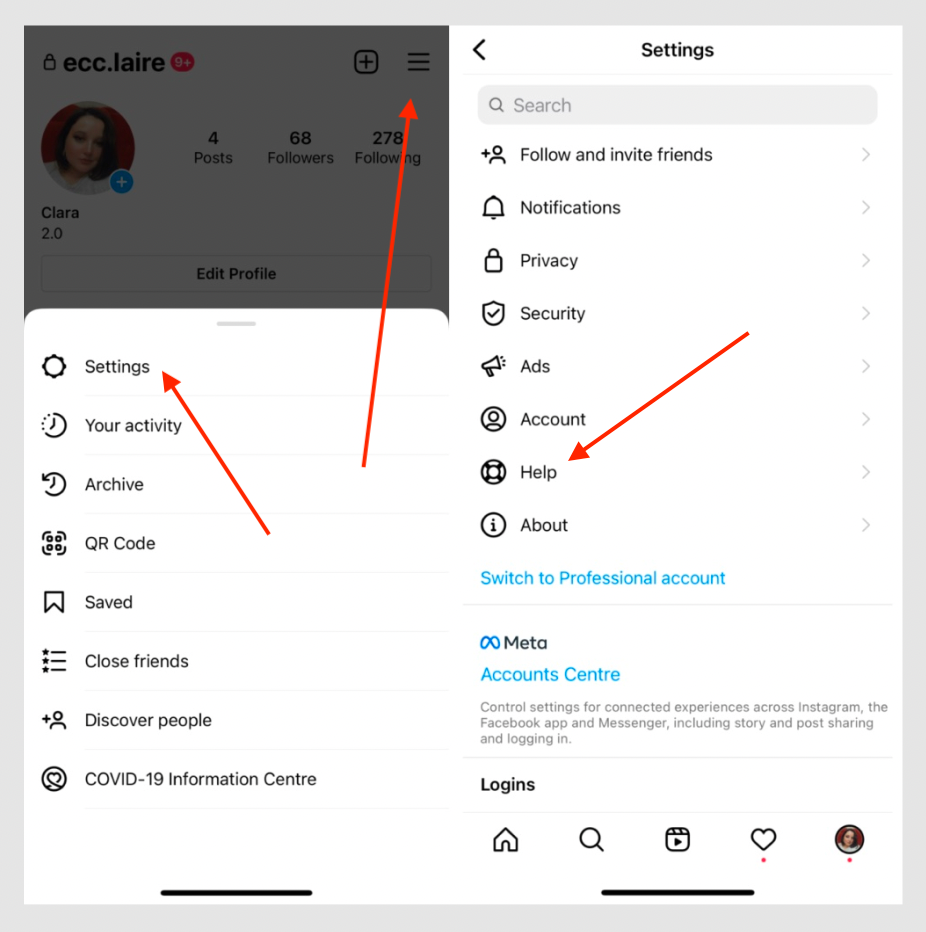
You can contact Instagram support through their Help Center or by using the "Report a Problem" feature within the Instagram app. Accessing the Help Center will provide you with access to Frequently Asked Questions (FAQs) and troubleshooting guides.
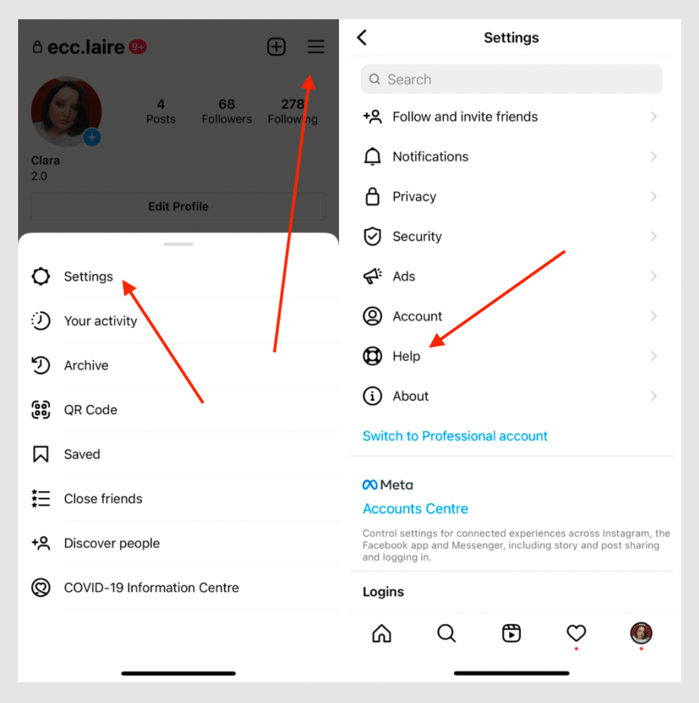
The Help Center, as indicated above, is a comprehensive resource that covers a wide range of topics related to Instagram. From account security to privacy settings, you can find detailed information and step-by-step instructions to resolve common issues. It is a valuable tool that empowers users to troubleshoot problems independently.
If you are unable to find a solution through the Help Center, you can directly contact Instagram support by using the "Report a Problem" feature within the app. This feature allows you to submit a detailed description of the issue you are facing, providing Instagram support with the necessary information to assist you effectively.
When contacting Instagram support, it's important to provide them with relevant information to help them understand your issue better. Include details such as your account username, the error message you are seeing, and any steps you have taken to address the problem.
By providing accurate and detailed information, you increase the chances of receiving a prompt and accurate response from Instagram support. It allows them to assess the situation thoroughly and provide you with tailored guidance to resolve the issue.
Additionally, if you have encountered any error messages or unusual behavior on the app, make sure to include them in your communication with Instagram support. These details can provide valuable insights into the root cause of the problem and help the support team identify any ongoing technical issues.
Remember, Instagram support is there to assist you, so don't hesitate to reach out if you need help. They are committed to ensuring a seamless user experience and will work diligently to resolve any issues you may encounter.
While dealing with a missing ad account can be challenging, taking preventive measures can help you avoid similar issues in the future.
Here are a few preventive measures you should consider:
Ensure that you regularly review and update your account information, including your contact details and payment information. This will help maintain the accuracy and validity of your account.
By regularly updating your account information, you can ensure that any changes to your contact details or payment information are accurately reflected. This will help prevent any potential issues that may arise from outdated or incorrect information. Additionally, keeping your account information up to date will make it easier for Instagram or any other platform to reach out to you if there are any concerns or updates regarding your account.
Adhere to Instagram's advertising policies to prevent violations that could lead to your ad account being suspended or disabled. Familiarize yourself with these policies and ensure compliance with them at all times.
Instagram's advertising policies are designed to maintain a safe and positive experience for users. By familiarizing yourself with these policies, you can ensure that your ads meet the platform's guidelines and avoid any potential violations. This includes understanding the rules regarding prohibited content, targeting restrictions, and disclosure requirements. Staying informed about any updates or changes to these policies is also crucial to maintaining compliance.
Additionally, it is important to regularly review your ad campaigns to ensure they are aligned with Instagram's policies. This includes monitoring the content, targeting options, and engagement metrics to identify any potential issues or areas for improvement. By proactively addressing any concerns, you can prevent your ad account from being suspended or disabled, thus avoiding future issues.
Once you have identified the issue and contacted Instagram support, you may need to navigate the reinstatement process to regain access to your missing ad account.
When it comes to reinstating your ad account on Instagram, there are a few important steps to keep in mind. It's crucial to follow these steps closely to ensure a smooth and successful reinstatement process.
The first step in the reinstatement process is to reach out to Instagram support. They will guide you through the necessary steps to regain access to your missing ad account. It's important to provide them with all the relevant information and details about your account.
Once you have contacted Instagram support, they may require additional information or documentation to verify the ownership and legitimacy of your account. This could include providing proof of identity, proof of ownership, or any other documents that can support your case.
After submitting the required information, it's crucial to be patient. The reinstatement process may take some time as Instagram support reviews your case and makes a decision. During this waiting period, it's essential to be prepared for potential requests for further information or clarification.

During the reinstatement process, it's important to manage your expectations. While you may be eager to regain access to your ad account, it's crucial to understand that the process may take some time and patience.
Instagram support will carefully review your case and assess the information and documentation you have provided. They will consider factors such as the nature of the issue, the legitimacy of your account, and any previous violations or warnings.
It's important to note that every case is unique, and the reinstatement process may vary depending on the specific circumstances. Instagram support will communicate with you throughout the process, providing updates and requesting any additional information if necessary.
Remember to check your email regularly during the reinstatement process, as Instagram support may reach out to you for further details or clarification. It's crucial to respond promptly and provide the requested information to expedite the process.
While waiting for the reinstatement decision, it's a good idea to review your account and ensure that you are in compliance with Instagram's policies and guidelines. This includes reviewing your ad content, ensuring it meets the platform's advertising standards, and addressing any potential issues or violations.
You can always leave your social media advertising Sarategy in the hands of the experts, ideally a social media agency. But, by following the instructions provided by Instagram support and being patient throughout the reinstatement process, you increase your chances of successfully managing any problems, like a missing ad account.
Experiencing a missing Instagram ad account can be a frustrating situation. By following the steps outlined above and reaching out to Instagram support for assistance, you can increase your chances of regaining access to your account. Additionally, taking preventive measures and staying compliant with Instagram's advertising policies can help you avoid similar issues in the future. Remember to remain patient and cooperative throughout the process, as reinstating your ad account may take some time.

Marketing for SaaS (Software as a Service) companies can often be challenging. With the increasing number of competitors and evolving consumer expectations, it's crucial for SaaS companies to stay ahead of the game to maximize their growth potential. In this article, we will explore seven essential tips for marketing your SaaS company effectively and driving sustainable growth.
It's important to understand the fundamentals of SaaS marketing and its significance. SaaS marketing refers to the process of promoting and selling software products on a subscription model. Unlike traditional software sales, SaaS companies focus on building long-term relationships with customers. It involves a strategic approach to attract, engage, and retain customers in a highly competitive market.
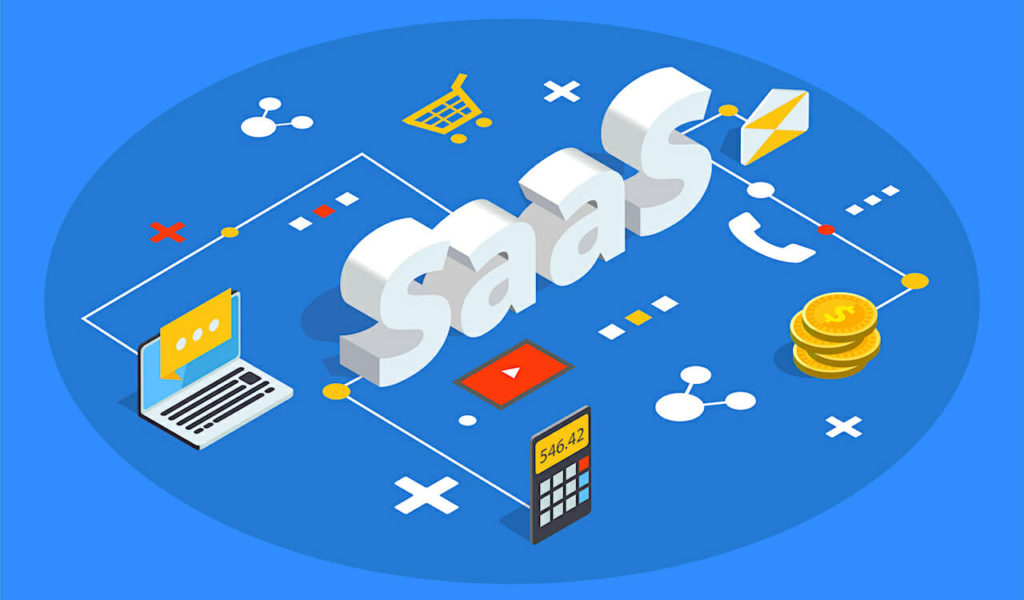
Successful SaaS marketing goes beyond simply selling a product; it involves creating a comprehensive marketing strategy that encompasses various elements such as branding, content creation, lead generation, and customer relationship management.
Developing a successful SaaS marketing strategy requires careful planning and execution. Here are some key elements to consider:
These elements form the foundation of a successful SaaS marketing strategy. By incorporating them into your overall marketing plan, you can effectively reach your target audience, generate leads, and drive business growth.
Remember, SaaS marketing is an ongoing process that requires constant adaptation and optimization. Stay up-to-date with industry trends, monitor competitor strategies, and regularly evaluate and refine your marketing tactics to stay ahead in the ever-evolving SaaS landscape.
A distinct and memorable brand identity is essential for attracting and retaining customers in the competitive SaaS industry. In order to stand out from the crowd and establish a strong presence in the market, there are several key aspects to consider.
Your unique selling proposition (USP) is what sets your SaaS company apart from competitors. It is the foundation upon which your brand identity is built. Clearly defining your USP is crucial in order to effectively communicate the value your product provides to customers.
When defining your USP, it is important to consider the key features, benefits, and value that your product offers. What makes your SaaS company unique? How does your product solve a problem or fulfill a need that other competitors cannot? These are the questions you need to answer in order to create a persuasive message that resonates with your target audience.
By highlighting the uniqueness of your offering, you can differentiate yourself from the competition and attract customers who are specifically looking for the benefits that your product provides. This will not only help you acquire new customers but also retain them in the long run.

Consistency is key when it comes to building a strong brand image. In order to establish a recognizable and memorable brand, it is important to ensure that your brand elements are consistently applied across all marketing channels.
One of the most important brand elements is your logo. Your logo should be visually appealing and reflect the essence of your brand. It should be placed prominently on all marketing materials, including your website, social media profiles, and promotional materials.
In addition to your logo, your color scheme, typography, and tone of voice also play a crucial role in creating a consistent brand image. Choose colors that align with your brand values and evoke the desired emotions in your target audience. Select fonts that are easy to read and reflect the personality of your brand. And finally, develop a tone of voice that is consistent across all communication channels, whether it's your website, social media posts, or customer support interactions.
By ensuring consistency in your brand elements, you create recognition and reinforce the credibility of your brand. Customers will be able to easily identify your brand and associate it with the positive experiences they have had with your product or service.
Building a strong brand identity takes time and effort, but it is a worthwhile investment. By defining your unique selling proposition and creating a consistent brand image, you can attract and retain customers in the competitive SaaS industry, ultimately leading to long-term success for your business.
Search engine optimization (SEO) plays a vital role in driving organic traffic to your website and increasing your visibility in search engine result pages (SERPs). By implementing effective SEO strategies, you can improve your website's ranking and attract potential customers. Here are some best practices for SaaS SEO:
SEO is crucial for increasing your website's visibility and attracting organic traffic. When potential customers search for solutions related to your SaaS company, a well-optimized website will have a higher chance of appearing in the top search results. By utilizing relevant keywords, optimizing meta tags, and improving site speed, you can improve your ranking in search engine results, leading to increased exposure and higher chances of attracting potential customers.
To effectively implement SEO for your SaaS company, consider the following best practices:
Keyword research is a critical step in SEO. By understanding the search terms your target audience uses, you can optimize your website's content to align with their needs. Use keyword research tools to identify high-demand keywords that are relevant to your SaaS product or service. This will help you create content that addresses the pain points and needs of your potential customers.
Content is king in SEO. By creating informative and keyword-rich content, you can attract and engage your target audience. Develop blog posts, articles, and guides that provide valuable insights and solutions related to your SaaS product or service. Incorporate relevant keywords naturally into your content to improve its visibility in search engine results.
On-page optimization is essential for improving your website's visibility in search engine results. Optimize your meta titles, meta descriptions, headers, and URLs with relevant keywords to help search engines understand the content of your web pages. This will increase the likelihood of your website appearing in relevant search queries.
Backlinks are an important factor in SEO. By building high-quality backlinks from reputable websites in your industry, you can enhance your website's authority and visibility. Reach out to industry influencers, guest post on relevant blogs, and participate in online communities to build valuable backlinks that will improve your website's SEO performance.

Regular monitoring and analysis of your SEO performance are crucial for identifying areas for improvement. Utilize analytical tools such as Google Analytics to track your website's traffic, keyword rankings, and user behavior. Analyze the data to identify trends, strengths, and weaknesses in your SEO strategy. This will help you make informed decisions and optimize your SEO efforts for better results.
By implementing these best practices, you can enhance your SaaS company's SEO performance and increase your website's visibility in search engine results. Remember to stay up-to-date with the latest SEO trends and algorithms to ensure long-term success in driving organic traffic to your website.
Content marketing is a powerful tool for SaaS companies to engage their target audience and establish thought leadership. Consider the following tips to create compelling and relevant content:
Content marketing allows SaaS companies to deliver valuable information and insights to their target audience, positioning themselves as industry experts and thought leaders. By offering relevant and informative content, you can build trust, establish credibility, and drive customer engagement.
Here are some tips to help you create engaging and relevant content for your SaaS company:
Social media has become an integral part of the marketing strategies for SaaS companies. Follow these tips to effectively leverage social media:
Each social media platform has its own strengths and characteristics. Understanding your target audience and their preferred platforms will help you choose the most suitable ones for your SaaS business. Consider factors such as audience demographics, engagement levels, and platform capabilities when making your decision.
Boosting engagement on social media is crucial for increasing brand visibility and fostering customer loyalty. Consider implementing these strategies:
By understanding the basics of SaaS marketing, building a strong brand identity, implementing strong SEO methodologies, utilizing content marketing, and harnessing the power of social media, you can drive sustainable growth and establish a strong presence in the market. Stay proactive, adapt to the ever-changing landscape, and continuously optimize your marketing efforts to stay ahead of the competition.

Lead generation has become a crucial aspect of any organization's marketing strategy. As businesses strive to expand their customer base and increase sales, understanding lead generation pricing becomes paramount. This article aims to provide a comprehensive overview of lead generation pricing, from its definition to the factors influencing it, and offer practical tips on budgeting and evaluating the return on investment (ROI) of these efforts.

In simple terms, lead generation refers to the process of attracting and converting potential customers into leads, who express interest in a company's products or services. These leads then become valuable assets for the sales team, as they can be nurtured and eventually converted into paying customers.
Lead generation is a multifaceted strategy that involves various tactics and techniques to capture the attention of potential customers. It is not just about getting people to visit a website or filling out a form; it is about building relationships and creating opportunities for businesses to connect with their target audience.
Lead generation plays a pivotal role in the growth and success of a business. By generating high-quality leads, companies can create a steady stream of potential customers, thereby increasing their chances of closing deals and driving revenue. Moreover, lead generation helps businesses build brand awareness, establish authority in their industry, and cultivate long-term relationships with customers.
When done effectively, lead generation can be a game-changer for businesses, providing them with a competitive edge in the market. It allows companies to proactively reach out to potential customers, rather than waiting for them to come across their products or services. This proactive approach not only increases the likelihood of conversions but also enables businesses to tailor their offerings to meet the specific needs and preferences of their target audience.
When it comes to lead generation, several key components work synergistically to achieve optimal results. These components include:
An effective website is the foundation of a successful lead generation strategy. It should be visually appealing, user-friendly, and optimized for search engines. Compelling landing pages with clear call-to-actions help guide visitors towards taking the desired action, whether it's filling out a form, subscribing to a newsletter, or making a purchase.
Engaging content is another crucial component of lead generation. By creating valuable and informative content, businesses can attract potential customers and establish themselves as industry experts. This can be achieved through blog posts, whitepapers, ebooks, videos, and webinars, among other content formats.
Lead capture forms and lead magnets play a vital role in capturing visitor information. These forms should be strategically placed on landing pages and offer something of value in exchange for contact details, such as a free ebook, a discount code, or access to exclusive content. This incentivizes visitors to provide their information willingly.
Targeted advertising and marketing campaigns help businesses reach the right audience and generate qualified leads. By leveraging data and analytics, companies can identify their target market and create customized campaigns that resonate with their audience's needs and preferences. This can be done through various channels, such as social media advertising, search engine marketing, email marketing, and content syndication.
Marketing automation tools streamline lead nurturing and follow-up processes, allowing businesses to engage with leads at scale. These tools automate repetitive tasks, such as sending personalized emails, tracking customer interactions, and scoring leads based on their level of engagement. By nurturing leads through targeted and timely communication, businesses can increase their chances of converting them into paying customers.
Here are [5 proven strategies to boost lead generation].
Now that we've covered the basics of lead generation, it's time to explore the various pricing models commonly used in this realm. Understanding the pros and cons of each model is crucial for businesses to make informed decisions and maximize their return on investment.
When it comes to lead generation, businesses have several pricing models to choose from. Each model offers its own advantages and disadvantages, catering to different business needs and goals. Let's take a closer look at three popular pricing models: Cost Per Lead (CPL), Monthly Retainer, and Performance-Based.

The cost per lead (CPL) model, as the name suggests, entails businesses paying a fixed amount for each lead they receive. This model offers a predictable and measurable approach to lead generation pricing. With CPL, companies have greater control over their budget, as they only pay for actual leads.
However, it is important to carefully evaluate the quality of leads generated under the CPL model. While lower-cost leads may seem appealing, they may not always translate into qualified prospects. Businesses need to ensure that the leads they receive are relevant and have a higher likelihood of conversion.
In the monthly retainer model, businesses work with lead generation agencies or consultants on an ongoing basis, paying a fixed monthly fee for their services. This model offers a more comprehensive approach, as the agency takes responsibility for managing the entire lead generation process.
The advantage of the monthly retainer model lies in its scalability and flexibility. Businesses can adjust their lead generation efforts according to their needs, whether it's increasing or decreasing the volume of leads generated. This model allows businesses to have a dedicated team working on their lead generation efforts, ensuring consistent results.
At the same time, it's important to note that the cost of retaining a lead generation agency can be higher compared to other pricing models. Businesses need to carefully assess their budget and the value they expect to receive from the agency before committing to a monthly retainer.
The performance-based model aligns lead generation pricing with the desired outcomes. Instead of paying a fixed fee or cost per lead, businesses only compensate lead generation agencies based on the actual performance achieved, such as the number of qualified leads or converted customers.
This model provides a clear incentive for the agency to deliver tangible results. The agency's compensation is directly tied to the success of the lead generation campaign, motivating them to put in their best efforts. It also allows businesses to closely track their return on investment (ROI) and ensure that they are getting the desired results.
However, implementing a performance-based model requires businesses to carefully define and measure the key performance indicators (KPIs) that will determine the agency's compensation. This ensures fair compensation for both parties and avoids any potential disputes.
While understanding the pricing models is crucial, it is equally important to consider the factors that influence lead generation pricing. By identifying these factors, businesses can set realistic expectations and allocate their resources effectively.
The quality of leads greatly impacts the pricing. High-quality leads, who are more likely to convert into paying customers, generally incur higher costs. Factors that contribute to lead quality include the relevance of the target audience, the level of interest demonstrated, and the accuracy of the contact information provided.
For example, let's say a business is targeting professionals in the healthcare industry who have shown a strong interest in a specific product. These leads are more likely to convert into customers compared to leads from a general audience. Therefore, the cost per lead for such high-quality leads would be higher due to the increased chances of conversion.
The industry in which a business operates and the characteristics of its target market can significantly influence lead generation pricing. Industries with intense competition or niche markets may require more targeted and tailored lead generation strategies, resulting in higher costs.
Consider a business operating in the highly competitive technology industry. The target market for this business consists of tech-savvy individuals who are constantly bombarded with advertisements and marketing campaigns. In order to stand out from the competition and capture the attention of these potential leads, the business may need to invest in more sophisticated lead generation tactics, such as personalized email campaigns or social media advertising. These additional efforts would naturally increase the overall cost of lead generation.

Let's say a business wants to implement a comprehensive lead generation strategy that includes not only capturing leads but also nurturing them through personalized email sequences and targeted content. This level of service requires a greater investment of time, resources, and expertise from the lead generation agency. As a result, the pricing for such a customized and hands-on approach would be higher compared to a more basic lead generation package.
At the same time, businesses that require advanced analytics to track and measure the effectiveness of their lead generation efforts may need to pay a premium for the tools and expertise needed to provide such insights. These analytics can help businesses optimize their lead generation strategies and improve their return on investment.
As you see, several factors influence lead generation pricing, including the quality of leads, the industry and target market, and the level of service and customization required. By understanding these factors, businesses can make informed decisions about their lead generation strategies and budget accordingly.
Prior to budgeting for lead generation, it is crucial for businesses to determine their specific lead needs. This involves assessing the desired volume of leads, the expected conversion rate, and the target cost per lead. By setting clear objectives and benchmarks, businesses can allocate their budget more effectively.
Allocating resources for lead generation involves finding a balance between investing in various lead generation strategies and managing costs. Some resources that would require allocation include advertising budgets, staff dedicated to lead generation efforts, and the technology needed to support these activities.
To evaluate the return on investment (ROI) of lead generation efforts, businesses must establish key performance metrics and regularly measure their performance against these benchmarks. Metrics such as the cost per lead, lead-to-customer conversion rate, and customer lifetime value are valuable indicators of lead generation success.
Based on the ROI analysis, businesses should make data-driven decisions to optimize their lead generation strategy. This might involve reallocating resources, refining targeting criteria, or experimenting with new lead generation tactics. Continuous monitoring and adaptation are crucial for achieving long-term success in lead generation.
To thrive in today's highly competitive business landscape, understanding lead generation pricing is essential. By comprehending the various pricing models, considering influencing factors, and budgeting wisely, organizations can maximize their lead generation efforts and ultimately drive revenue growth. Additionally, by evaluating the ROI of lead generation and making necessary adjustments, businesses can continuously refine their approach and stay ahead of the curve.
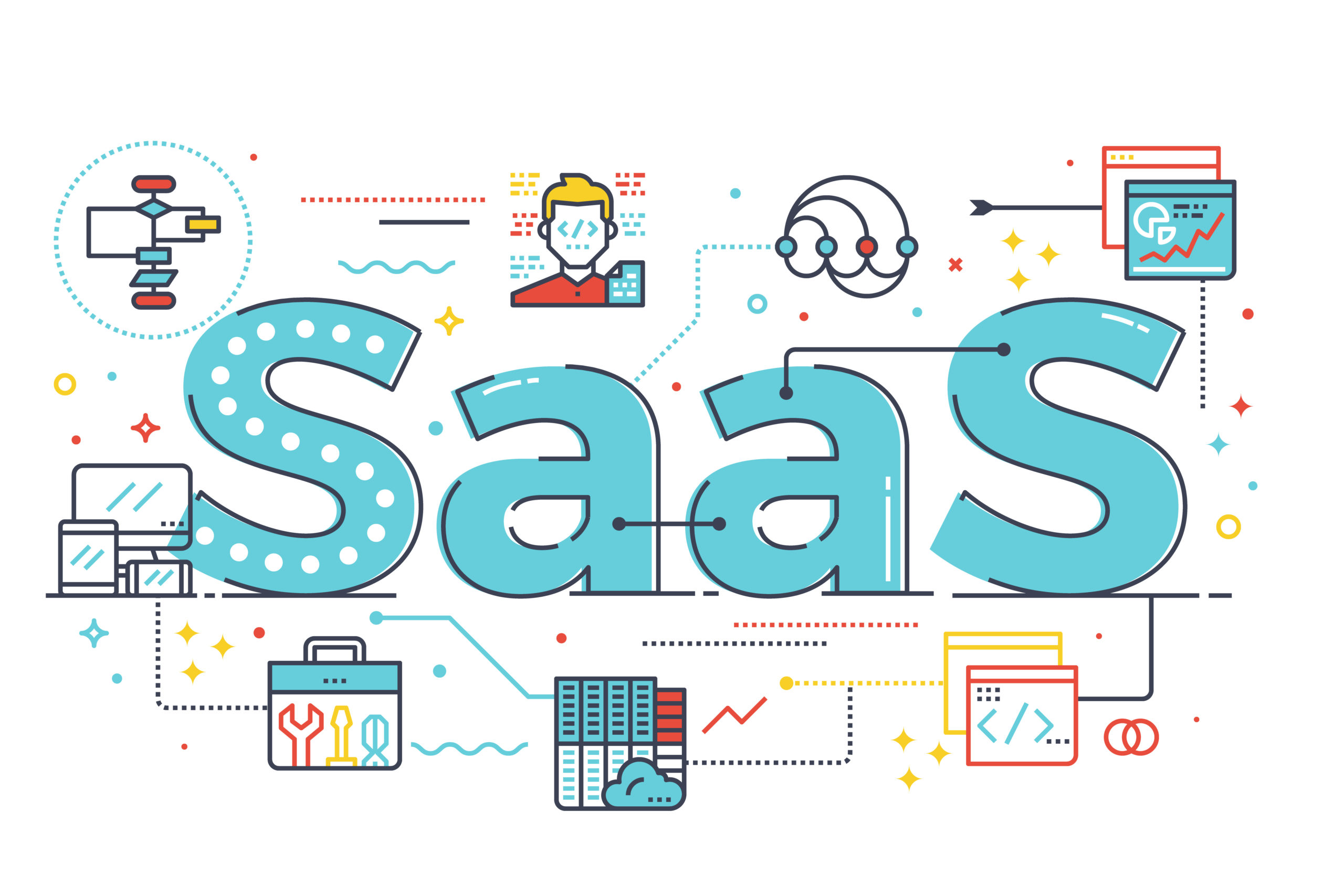
It is crucial for businesses to effectively market their products and services online. For Software as a Service (SaaS) businesses in particular, content marketing for SaaS plays a pivotal role in attracting and retaining customers. However, implementing an effective content marketing strategy requires specialized knowledge and expertise that may not be readily available in-house. This is where a SaaS content marketing agency can be invaluable.
SaaS content marketing refers to the creation and distribution of valuable and relevant content with the aim of attracting and retaining customers for SaaS businesses. Unlike traditional advertising, content marketing focuses on providing educational and informative content that addresses the pain points and challenges of the target audience.
But why is this approach so effective for SaaS businesses? The answer lies in the nature of the SaaS industry itself. SaaS products and services are often complex and require a certain level of understanding from potential customers. By providing educational content, a SaaS content marketing agency helps bridge the knowledge gap and empowers your audience to make informed decisions.
A SaaS content marketing agency is a professional service provider that specializes in helping SaaS businesses create and execute content marketing strategies. Their primary goal is to create engaging and persuasive content that resonates with the target audience, ultimately driving more traffic, generating more leads, and increasing conversions.
But what exactly does it mean to create engaging and persuasive content? It's about more than just writing a few blog posts or social media updates. A SaaS content marketing agency goes beyond the surface level and delves deep into understanding your target audience.
They conduct extensive research to identify the pain points and challenges that your potential customers face. This allows them to create content that not only captures their attention but also provides valuable solutions. By addressing these pain points, the agency can position your SaaS business as an authority in the industry, building trust and credibility with your audience.
Choosing the right SaaS marketing agency can be a game-changer for your business. With the right expertise and experience, they can help you reach your target audience, generate leads, and drive growth. However, with so many agencies out there, it can be overwhelming to make a decision. That's why it's crucial to consider the following factors:
Look for agencies that have proven expertise and experience in the SaaS industry. A track record of successful campaigns and satisfied clients is a testament to their capabilities.
When it comes to SaaS marketing, industry knowledge is key. An agency that understands the unique challenges and opportunities in the SaaS space will be better equipped to create effective strategies and deliver results. Look for agencies that have worked with SaaS companies similar to yours and have a deep understanding of the industry's dynamics.
Consider the range of services offered by the agency. Do they provide comprehensive content marketing solutions, including strategy development, content creation, and distribution? Make sure their services align with your specific needs.
Effective content marketing involves more than just creating blog posts or social media updates. It requires a strategic approach that encompasses various elements, such as SEO optimization, email marketing, and lead nurturing. Look for an agency that can provide a holistic approach to your content marketing efforts and has a proven track record in delivering results across different channels.
While cost should not be the sole determining factor, it is important to evaluate the agency's pricing structure and the value you will receive in return. Request detailed proposals and compare them to ensure you are getting the best value for your investment.
When it comes to pricing, it's important to strike a balance between affordability and quality. While it may be tempting to go for the cheapest option, keep in mind that quality and expertise come at a price. Look for an agency that offers transparent pricing and can demonstrate the value they will bring to your business. Consider factors such as the agency's reputation, the expertise of their team, and the results they have delivered for their clients. Remember, the right agency will not only help you achieve your marketing goals but also become a trusted partner in your business's growth.
Once you have shortlisted a few potential agencies, it is essential to evaluate their effectiveness in delivering results for SaaS businesses. Making the right choice can have a significant impact on the success of your content marketing efforts. Here are some key factors to consider:
Ask for case studies or examples of their previous work. This will give you a glimpse into their track record and the kind of results they have achieved for their clients. Look for agencies that have successfully increased website traffic, generated quality leads, and improved conversion rates. These tangible outcomes demonstrate their ability to deliver measurable results.
Additionally, seek feedback from their past and current clients. This will provide you with valuable insights into the agency's performance, professionalism, and ability to meet deadlines. Client testimonials and reviews can give you a well-rounded view of their strengths and weaknesses.
Understanding the agency's approach to content marketing is crucial. Are they up-to-date with the latest trends and best practices? Do they have a clear strategy for creating valuable and engaging content that aligns with your target audience's needs and preferences?
Look for agencies that prioritize research and data-driven insights. A successful content marketing strategy requires a deep understanding of your target audience, their pain points, and the solutions they seek. The agency should be able to demonstrate how they conduct audience research, develop buyer personas, and tailor content to resonate with your ideal customers.
Also, consider their expertise in different content formats such as blog posts, whitepapers, videos, infographics, and social media content. A diverse content mix, including paid ads, can help you reach a wider audience and engage them effectively.
Every SaaS business is unique, and it is crucial to find an agency that understands your specific needs. Consider factors such as their understanding of your industry, target audience, and unique selling points.
An agency that specializes in SaaS content marketing will have a better grasp of the challenges and opportunities in your industry. They will be familiar with the language, trends, and pain points that resonate with your target audience. This industry knowledge can save you time and effort in explaining your business context and help the agency create content that truly speaks to your customers.
When it comes to making the final decision, consider the pros and cons of each agency and how they align with your business objectives.
Review the strengths and weaknesses of each agency based on the factors mentioned earlier. Consider the agency's capabilities, level of expertise, and their ability to meet your specific requirements. A comprehensive evaluation will help you make an informed decision.

Choosing a SaaS content marketing agency is not just about hiring a service provider; it is about establishing a long-term partnership. Look for agencies that demonstrate a willingness to collaborate, communicate effectively, and align with your company's culture and values.
Before entering into a partnership, clearly communicate your expectations and goals to the agency. This will ensure that both parties are aligned and working towards a common objective within a flexible but precise marketing strategy. Regular communication and performance tracking will help you gauge the effectiveness of the partnership and make adjustments if necessary.
Choosing the right SaaS content marketing agency is a critical decision that can significantly impact your business's success. By understanding the role of a SaaS content marketing agency, evaluating key factors, and assessing their effectiveness, you can make an informed decision that drives growth and engagement for your SaaS business. If you want to compare the top options before committing, our breakdown of the best SaaS marketing agencies covers leading firms by specialty, pricing, and fit.

The "Not Found" error on your Instagram ads account can halt campaigns and leave you locked out of a critical advertising channel. Whether you are scaling spend or launching a new campaign, an inaccessible ad account means lost revenue and wasted time.
This guide walks through every common cause of the error, the exact steps to resolve it, and the preventive measures that keep your account in good standing long term.

Several factors can trigger the "Not Found" error. Identifying the root cause is the fastest path to a fix.
Incorrect or outdated account settings are one of the most common culprits. If the Facebook Business Manager that owns your Instagram ad account has had permissions changed, or if the Instagram account was disconnected from the linked Facebook Page, the ad account may become inaccessible.
Instagram enforces strict advertising policies. Violations, even unintentional ones, can result in your ad account being disabled or suspended. Common violations include prohibited content, misleading claims, and targeting restrictions. If you are running ads on Facebook as well, review our guide on Facebook's ad policy to ensure compliance across both platforms.
A disabled ad account is different from one that simply cannot be found. If your account has been flagged for suspicious activity, repeated policy violations, or billing issues, Instagram may disable it entirely. You will typically see a message such as "Your account is disabled for violation of advertising policies."
Temporary platform outages or bugs on Instagram's end can cause the error to appear intermittently. These issues usually resolve within hours, but it is important to rule them out before pursuing more involved troubleshooting.
An outdated Instagram app or an incorrect deep link can also produce the error. Instagram regularly releases updates that patch bugs and improve compatibility, so running an old version increases the likelihood of encountering unexpected errors.
Before escalating to Instagram support, work through these checks. They resolve the majority of "Not Found" cases.
A slow or unstable connection can prevent the Instagram app or web interface from loading account data properly. Test your connection on another site or app first. If you are on mobile, try switching between Wi-Fi and cellular data.
Log into Facebook Business Manager and navigate to your ad accounts. Confirm that the Instagram ad account is active, not restricted, and not pending review. Look for any notifications or alerts related to billing, policy, or access.
If you see restrictions, address them immediately. A billing issue left unresolved for even a few days can trigger an automatic suspension.
Make sure you have the correct access level. If your role was changed from Admin to Advertiser, or if you were removed from the Business Manager entirely, the account will appear as "Not Found" from your perspective. Ask the account owner to verify your permissions.
In Business Manager, go to Business Settings and then Instagram Accounts. Confirm that the Instagram account is still connected and that the ad account has been assigned to it. A disconnected Instagram account is a frequent cause of this error, especially after organizational changes.
If the initial steps do not resolve the issue, these deeper fixes address more persistent problems.
Stored browser data can become corrupted and cause conflicts with the Instagram interface. Clear your cache and cookies, then try accessing your ad account again in a fresh browser session or incognito window.
Ensure you have the latest version of the Instagram app from the Apple App Store or Google Play Store. If you manage ads from a desktop browser, update Chrome, Firefox, or Safari to the latest release. Developers ship bug fixes and compatibility improvements in every update.
If clearing cache does not help, try accessing your ad account from a completely different browser or device. This isolates whether the problem is device-specific or account-wide.
Different error messages point to different underlying issues. Here is what each one typically means.
"Ad account not found" - The account may have been deleted, you may lack permissions, or there is a temporary platform issue. Start with the permission and connection checks described above.
"Your account is disabled for violation of advertising policies" - A policy violation has been identified. Review Instagram's advertising guidelines, identify the offending ad or practice, and prepare to submit an appeal.
"Temporary issue, try again later" - This usually indicates a server-side problem. Wait 30 to 60 minutes and try again. If the message persists beyond a few hours, proceed to contact support.
"Ad account has no access to this Instagram account" - The ad account and Instagram account are not properly linked. Reassign the ad account in Business Manager under Instagram Accounts.
When self-service troubleshooting does not resolve the error, reaching out to Instagram support is the next step.
Contact support after you have confirmed that your internet connection is stable, your app and browser are current, your permissions are correct, and the error has persisted for more than 24 hours. Having already completed basic troubleshooting demonstrates a genuine effort and can speed up the resolution process.
Navigate to the Instagram Help Center or use the "Report a Problem" feature inside the Instagram app. For ad-specific issues, the Meta Business Help Center often provides faster routing to a specialist.
Provide the following details to help the support team resolve your case quickly:
The more specific your request, the faster the resolution.
If your ad account has been disabled rather than simply encountering a temporary error, you will need to go through the reinstatement process.
Each case is reviewed individually. Instagram evaluates the nature of the violation, your account history, and the documentation you provide. During the waiting period, review your ad content and ensure everything aligns with current platform policies so you are ready to relaunch as soon as access is restored.
If your first appeal is denied, you can submit a second appeal with additional context or documentation. Persistence and thoroughness improve your chances.
Proactive account management reduces the risk of encountering this error again.
Regularly update your billing details, contact email, and business verification documents. Outdated payment methods are one of the top reasons accounts get flagged or disabled.
Review Instagram's advertising policies at least quarterly. Policies change, and an ad format or targeting approach that was acceptable six months ago may no longer be compliant. If your Instagram ads strategy is not delivering, audit your creative and targeting against the latest guidelines before assuming a technical issue.
Check your Account Quality dashboard in Business Manager at least once a week. Address any warnings or restrictions immediately rather than letting them escalate.
Enable automatic updates for the Instagram app and your preferred browser. Running outdated software is a preventable source of errors.
When team members leave or roles change, update Business Manager permissions immediately. Orphaned access and stale permissions create security risks and can trigger account access issues.
If troubleshooting on your own is consuming time you cannot afford, or if the reinstatement process stalls, consider working with a paid social agency that has experience navigating Meta's support channels. An experienced agency can often resolve account issues faster because they have established relationships with platform representatives.
For advertisers who also run campaigns on Facebook, make sure your ad accounts are aligned across both platforms. Issues on one can cascade to the other. Our guides on what to do if your Instagram ad was rejected and fixing Instagram ads that are not delivering cover adjacent issues that frequently co-occur with the "Not Found" error.
The Instagram ad account "Not Found" error is disruptive, but it is almost always resolvable. Start with the basic checks: internet connection, account status, and permissions. Move to advanced troubleshooting if needed, and do not hesitate to contact Instagram support with a detailed, well-documented request. For disabled accounts, the reinstatement process requires patience and thorough documentation.
The best defense is prevention. Keep your account information current, stay compliant with platform policies, and monitor your account health consistently. A well-maintained ad account rarely encounters the "Not Found" error, and when it does, recovery is fast.

It has become increasingly important for medical practices to establish a strong online presence in order to attract new patients and stay competitive. One of the most effective ways to achieve this is through search engine optimization (SEO). Implementing SEO strategies can boost your website's visibility on search engine results pages (SERPs), driving more organic traffic to your practice's website. However, navigating the complexities of SEO can be daunting, which is why partnering with a reputable medical SEO agency is crucial. Here, we will explore the key factors to consider when choosing the right medical SEO agency for your practice.

Healthcare marketing is a unique field that requires a delicate balance between promoting services and providing valuable information. With SEO, you can achieve this balance by optimizing your website's content to cater to both search engines and patients. By incorporating relevant keywords and phrases into your website's copy, meta tags, and headings, you can increase your chances of appearing in search results when potential patients are looking for specific medical services or information.
Implementing SEO strategies can bring a range of benefits to medical professionals, such as:
Once you have a clear understanding of the importance of SEO for your medical practice, the next step is to identify your specific SEO needs and goals. This involves assessing your current online presence, identifying areas for improvement, and outlining your objectives.
Start by analyzing your website's performance metrics, such as the number of visitors, bounce rate, and average time on site. This will give you insights into how well your website is currently performing and areas that may need improvement.
In addition to analyzing your website, it is also crucial to evaluate your social media presence. Social media platforms can play a significant role in boosting your online visibility and driving traffic to your website. Assess your engagement levels, follower count, and the effectiveness of your social media campaigns.
Once you have a clear picture of your current online presence, it's time to identify areas for improvement. This could include optimizing your website's loading speed, improving the user experience, enhancing your website's design and layout, or creating high-quality and relevant content.
Defining your SEO goals is equally important. Start by considering the specific objectives you want to achieve through SEO. Do you want to increase your website's organic traffic? Improve your search engine rankings for specific keywords? Generate more patient inquiries through your website? By clearly defining your goals, you can tailor your SEO strategies accordingly.

Before implementing SEO strategies, it is important to define your target audience. Understanding who your ideal patients are will help you tailor your SEO efforts to attract the right demographic. Consider factors such as age, gender, location, and specific medical needs. This information will guide your keyword research and content creation.
When defining your target audience, it is also crucial to consider their online behavior and preferences. Are they more likely to use search engines to find medical information? Do they frequently engage with social media platforms? By understanding how your target audience interacts with the online world, you can optimize your SEO strategies to reach them effectively.
conducting market research can also provide valuable insights into your target audience's needs, preferences, and pain points. This information can help you create content that resonates with your audience and positions your medical practice as a trusted source of information and solutions.
Setting measurable SEO goals is crucial for tracking the success of your SEO efforts. Whether your goal is to increase website traffic, improve your search engine rankings, or generate more patient inquiries, it is important to establish specific, measurable, achievable, relevant, and time-bound (SMART) goals.
When setting your SEO goals, consider using key performance indicators (KPIs) to track your progress. KPIs can include metrics such as organic search traffic, keyword rankings, conversion rates, and the number of patient inquiries generated through your website.
Additionally, it is important to regularly monitor and analyze your SEO data to identify trends, patterns, and areas for improvement. This can involve using tools such as Google Analytics to track website traffic, behavior flow, and conversion rates. By continuously analyzing your SEO data, you can make data-driven decisions and refine your strategies for optimal results.
Remember, SEO is an ongoing process, and it requires consistent effort and monitoring. By setting measurable goals and regularly evaluating your progress, you can ensure that your SEO strategies are effective and aligned with your medical practice's objectives.
Now that you have a clear understanding of your SEO needs and goals, it's time to evaluate potential medical SEO agencies. Consider the following factors to ensure you select the right agency for your practice:
When choosing a medical SEO agency, it is important to consider their experience in the healthcare industry. A specialized medical SEO agency will have a deep understanding of the unique challenges and regulations that medical practices face. They will be familiar with medical terminology, compliance requirements, and the nuances of healthcare marketing.
Another important factor to consider is the range of SEO services offered by the agency. A comprehensive SEO strategy involves various components, including on-page optimization, off-page optimization, content creation, link building, and technical SEO. Ensure that the agency you choose offers a holistic approach to SEO and can tailor their services to meet your specific needs. A right combination of services can take your business to the next level. Here is an example of a business that used SEO to surpass the 10M barrier.
Medical SEO is a highly specialized field that requires a thorough understanding of medical terminology and compliance regulations. The agency you choose should have a team of SEO experts who are well-versed in medical terminology and can create content that is accurate, informative, and compliant with applicable regulations.
Once you have shortlisted potential medical SEO agencies based on the above factors, the next step is to evaluate their SEO strategies. Keep in mind the following considerations:
A cookie-cutter approach to SEO is not effective in the medical industry. Each medical practice is unique and requires a customized SEO strategy that aligns with their specific goals and target audience. The agency you choose should be capable of tailoring their SEO strategies to meet your practice's individual needs.
Keyword research is a crucial component of medical SEO. It involves identifying the most relevant and high-value keywords that potential patients are using when searching for medical services online. The agency you choose should have a solid keyword research strategy, ensuring that the right keywords are incorporated into your website content and meta tags.
For medical practices, local SEO plays a vital role in attracting patients in specific geographic areas. The agency you choose should have expertise in local SEO, helping your practice rank higher in local search results and targeting patients in your area.
Before making a final decision, it is important to assess the performance and reporting capabilities of the medical SEO agency. This will ensure that you can measure the success of your SEO efforts and make data-driven decisions. Consider the following:
The agency should have a solid understanding of SEO metrics and key performance indicators (KPIs) used to evaluate the success of SEO campaigns. These may include website traffic, search engine rankings, organic leads, conversion rate, and return on investment (ROI). Ensure that the agency can provide meaningful insights and reports on these metrics.
Transparent reporting is essential when working with a medical SEO agency. They should provide regular reports that outline the progress of your SEO campaigns, explain the strategies implemented, and highlight areas for improvement. An agency that values transparency will keep you informed and involved in the optimization process.

Choosing the right medical SEO agency for your practice is a crucial decision that can significantly impact your online visibility, patient acquisition, and overall success. By understanding the importance of SEO, identifying your needs and goals, and considering key factors such as the agency's experience, range of services, and SEO methodology, you can make an informed choice. Remember to evaluate the agency's performance and reporting capabilities to ensure that you can track the progress of your SEO efforts. With the right medical SEO agency by your side, you can take your practice to new heights and attract a steady stream of qualified patients.

Having a strong online presence is essential for the success of any business, but knowing exactly what is holding your website back in search rankings is a different challenge entirely. An SEO audit is a comprehensive analysis of your website's search engine optimization performance, identifying the specific issues that are limiting your visibility and providing a clear roadmap for improvement.
While you can attempt to perform an SEO audit in-house, hiring an SEO audit agency provides significant advantages that directly impact your bottom line. Below, we explore three core reasons why partnering with a specialized agency is a smart investment for your online business.
An SEO audit is the process of systematically analyzing your website's performance across every factor that influences search engine rankings. It evaluates on-page optimization, off-page authority, technical infrastructure, and user experience to identify weaknesses and opportunities.

A thorough audit examines several critical dimensions of your site.
On-page optimization includes meta tags, keyword usage, heading structure, content relevance, and internal linking. Auditors assess whether your content is properly optimized for the search queries your audience actually uses, and whether your pages are structured in a way that search engines can easily interpret.
Off-page optimization involves analyzing your backlink profile, social media presence, and online reputation. The quality, relevance, and diversity of sites linking to yours directly influence how much authority search engines assign to your domain. A weak or toxic backlink profile can actively suppress your rankings.
Technical SEO covers site speed, mobile-friendliness, crawlability, indexation, structured data, and security. These are the infrastructure elements that determine whether search engines can efficiently access and understand your content. Technical issues are often invisible to site owners but can have an outsized impact on search engine positioning.
User experience factors include page load speed, mobile responsiveness, navigation clarity, and overall usability. Google has made it clear that user experience signals, including Core Web Vitals, are direct ranking factors. A site that frustrates visitors will struggle to rank regardless of how strong the content is.
An SEO audit provides a baseline understanding of where your website currently stands and what specific changes will have the greatest impact on visibility and traffic.
Without an audit, most businesses operate on assumptions about what is working and what is not. They might invest heavily in content production while a technical crawl error is preventing half their pages from being indexed. Or they might chase new backlinks while their existing content fails to target keywords with meaningful search volume.
An audit eliminates guesswork. It provides data-driven priorities that allow you to allocate time and budget to the changes that will move the needle most. Brands that conduct regular audits also stay ahead of algorithm updates and shifting competitive dynamics, maintaining their edge in search results over time.
An SEO audit agency brings specialized tools, experience, and objectivity that are difficult to replicate in-house. Their role extends beyond identifying problems to providing strategic recommendations, implementation guidance, and ongoing performance monitoring.
The primary function of an audit agency is to uncover the specific weaknesses limiting your search performance. This involves a systematic review of every SEO-relevant element of your website, from individual page-level optimization to site-wide technical health.
Agencies use enterprise-grade tools to crawl your entire site, analyze your backlink profile, benchmark your performance against competitors, and identify patterns that indicate underlying issues. They examine content quality and relevance, keyword targeting effectiveness, internal link structure, page speed across devices, and dozens of other factors.
The result is a comprehensive picture of your SEO health, with specific, prioritized issues ranked by their impact on performance.
Identifying problems is only half the equation. A strong audit agency translates findings into actionable recommendations with clear implementation steps.
These recommendations might include rewriting meta tags to improve click-through rates, restructuring site navigation to improve crawl efficiency, updating content strategy to target higher-value keywords, compressing images to improve page speed, or building a link acquisition plan to strengthen domain authority.
Effective agencies prioritize recommendations by expected impact and implementation difficulty, giving you a clear roadmap for which changes to tackle first. This strategic framework ensures that every dollar and hour invested in SEO improvements produces measurable results.
SEO is not a one-time project. Search algorithms evolve, competitors adjust their strategies, and user behavior shifts. A quality audit agency monitors key performance indicators including organic traffic, keyword rankings, conversion rates, and technical health metrics on an ongoing basis.
This continuous monitoring allows the agency to identify emerging issues before they become problems, spot new ranking opportunities, and adjust strategy in response to competitive or algorithmic changes. The result is a website that maintains and improves its search performance over time rather than experiencing the common cycle of improvement followed by gradual decline.
SEO is a complex and rapidly evolving field. The algorithms that determine search rankings incorporate hundreds of signals, and those signals change regularly. Keeping up with these changes while also running a business is a significant challenge.
An audit agency provides access to a team of specialists who dedicate their careers to understanding search engine behavior. These professionals have experience across dozens or hundreds of client sites, which gives them pattern recognition abilities that are impossible to develop working on a single website.
They understand the nuances of different industries, the competitive dynamics of various keyword landscapes, and the specific technical configurations that influence crawling and indexing. This depth of knowledge allows them to identify issues and opportunities that an in-house team without specialized SEO experience would likely miss.
The difference between generic SEO advice and expert analysis can be substantial. A specialist might identify that your site's JavaScript rendering is preventing Google from seeing your content, that your internal linking structure is diluting authority from your most important pages, or that your content is cannibalizing itself by targeting the same keywords across multiple pages. These are not issues that surface through basic analysis.
Google makes thousands of algorithm updates each year, including several major core updates that can dramatically shift rankings overnight. An audit agency actively monitors these changes, understands their implications, and adjusts recommendations accordingly.
This matters because SEO best practices evolve continuously. Tactics that were effective two years ago may be neutral or even harmful today. An agency ensures your strategy reflects the current state of search rather than outdated assumptions.
For example, Google's increasing emphasis on E-E-A-T (Experience, Expertise, Authoritativeness, Trustworthiness) has changed how content needs to be structured and attributed. An agency that understands these shifts can help you adapt your content strategy proactively rather than reactively.
Running an online business demands attention across product development, customer acquisition, operations, and support. Attempting to conduct a comprehensive SEO audit internally pulls focus from these core activities and often produces incomplete results.
Outsourcing your SEO audit allows you to maintain focus on what you do best while experts handle the technical analysis. The time savings extend beyond the audit itself. Without specialized knowledge, an in-house team might spend weeks researching and implementing changes that an agency can identify and recommend in days.
This is particularly relevant for growth-stage companies where the leadership team's time is the scarcest resource. Every hour spent trying to diagnose SEO issues is an hour not spent on product improvement, customer relationships, or strategic planning.
Audit agencies have established processes, specialized tools, and experienced teams that allow them to conduct thorough audits efficiently. What might take an in-house team weeks of trial and error, an agency can complete in a fraction of the time with greater accuracy.
They also have access to premium tools that would represent a significant investment for a single company. Enterprise crawlers, rank tracking platforms, backlink analysis databases, and competitive intelligence tools are all part of the standard agency toolkit. These tools provide data that is simply unavailable through free alternatives.
The perception that hiring an SEO audit agency is expensive often prevents businesses from making this investment. In reality, the cost of not having expert guidance typically far exceeds the cost of the agency engagement.
SEO mistakes can have serious and long-lasting consequences. A poorly executed site migration can destroy years of accumulated organic authority overnight. Targeting the wrong keywords can waste months of content production effort. Building low-quality backlinks can trigger penalties that take months to recover from.
An agency's expertise prevents these mistakes before they happen. They have seen what works and what backfires across hundreds of engagements, and they apply that experience to protect your investment. The cost of a single major SEO mistake, measured in lost traffic and revenue, can easily exceed the cost of years of agency partnership.
The ultimate measure of any marketing investment is ROI, and SEO consistently delivers some of the highest returns available. Unlike paid advertising where every visitor has an associated cost, organic traffic from SEO compounds over time. A single well-optimized page can drive thousands of visitors per month for years after it is published.
An audit agency helps you maximize this return by ensuring your SEO efforts are focused on the highest-impact opportunities. Rather than spreading resources thin across dozens of minor improvements, they help you identify the changes that will drive the most significant gains in traffic and conversions.
Consider this scenario: your site receives 10,000 organic visitors per month at a 2% conversion rate. An audit identifies technical issues and content optimization opportunities that improve both traffic and conversion rate. Even modest improvements, say 20% more traffic and a 0.5 percentage point increase in conversion rate, translate into meaningful revenue gains that far exceed the cost of the audit.
Not all agencies deliver equal value. When evaluating potential partners, look for these qualities:
Hiring an SEO audit agency for your online business is a strategic decision that pays dividends across every dimension of your digital presence. The combination of specialized expertise, time savings, and cost-effective strategy makes it one of the highest-ROI investments available to growth-stage brands.
The brands that consistently win in search are the ones that invest in understanding their current position, identifying the highest-impact opportunities, and executing systematically against a data-driven plan. An experienced audit agency provides all three.
The first step is straightforward: get a clear picture of where your website stands today. From there, every improvement is measurable, every investment is defensible, and every gain compounds over time.

TikTok, the popular social media platform known for its short-form videos, has taken the world by storm. With over millions of users worldwide, it offers a unique opportunity for brands and individuals alike to grow their presence and engage with their audience (take a look at the graph below to get an idea about the age range of TikTok users). With a specialized e-commerce agency, you can make the most of it to boost sales, drive traffic or create brand awareness. Keep reading to delve into some strategies and techniques that can be employed to enhance your presence on TikTok.

One of the key factors to consider when aiming for organic growth on TikTok is understanding the algorithm that determines the visibility of your content. The platform's algorithm takes into account factors such as user interactions, video completion rates, and engagement levels to determine the reach of your videos.
For example, if your video receives a high number of likes, comments, and shares, it is more likely to be shown to a wider audience. On the other hand, if your video has a low completion rate or lacks engagement, it may not be promoted as prominently. By understanding how the algorithm works, you can optimize your content to increase its visibility and attract a larger audience.
It is important to note that the TikTok algorithm is constantly evolving, so staying up to date with the latest trends and changes is crucial. By keeping an eye on the platform's updates and experimenting with different content strategies, you can stay ahead of the curve and maximize your organic growth potential.
Organic growth on TikTok refers to the process of attracting genuine followers and engagement without resorting to paid promotions or advertisements. While paid promotions can certainly be effective, organic growth allows for a more authentic connection with your audience and can lead to long-term success on the platform.
By focusing on organic growth, you can build a loyal following and establish a strong presence on TikTok. This involves creating high-quality content that resonates with your target audience, engaging with your followers through comments and collaborations, and staying consistent with your posting schedule.
Additionally, organic growth allows you to tap into the viral nature of TikTok. With the right content and strategy, your videos have the potential to reach millions of users and become a trending sensation. This can significantly boost your visibility and attract even more followers and engagement.
Remember, building a successful presence on TikTok takes time and effort. It requires a deep understanding of your target audience, consistent content creation, and a willingness to adapt to the ever-changing trends. But with dedication and creativity, you can unlock the full potential of TikTok and take your content to new heights.
Once you have a good understanding of TikTok and its algorithm, it's time to dive into the strategies that can help you achieve organic growth on the platform.
But what exactly is organic growth? Organic growth refers to the process of gaining followers and engagement on TikTok without resorting to paid advertising or other artificial means. It's all about attracting genuine interest from users who are genuinely interested in your content.
Your TikTok profile serves as your virtual identity on the platform, so it's important to optimize it to attract and engage with your target audience. Follow this steps:
When it comes to creating content for TikTok, there are a few best practices to keep in mind.
TikTok is constantly evolving, with new trends and challenges emerging on a regular basis. To maximize your organic growth, it's important to stay up-to-date with the latest TikTok trends and incorporate them into your content.
Jumping on the bandwagon of a viral dance challenge, a popular meme, or a trending hashtag can help increase your visibility and attract new followers. However, it's important to put your own unique spin on these trends to stand out from the crowd and showcase your creativity.
Keep an eye on the Discover page and follow other popular TikTok creators in your niche to stay in the loop about the latest trends. By participating in these trends, you can tap into the existing user base and potentially reach a wider audience.
Remember, organic growth on TikTok takes time and effort. It's important to consistently create high-quality content, engage with your audience, and stay active on the platform. By implementing these strategies and staying true to your brand, you can build brand awareness, drive traffic, generate leads, and eventually increase conversions.

Engagement is a crucial aspect of growing your TikTok presence and building a community of loyal followers. Here are some strategies to enhance engagement on the platform.
Building a strong relationship with your audience is key to increasing engagement on TikTok. Respond to comments on your videos, engage in conversations, and show appreciation for your followers. This not only fosters a sense of community but also encourages others to engage with your content.
When responding to comments, take the time to craft thoughtful and personalized replies. This shows your followers that you value their input and encourages them to continue engaging with your content. Additionally, consider asking your audience questions in your videos or captions to prompt further discussion. By actively engaging with your audience, you create a welcoming and interactive environment that encourages others to join in.
Another way to enhance engagement with your audience is by hosting live streams. Live streaming allows you to directly interact with your followers in real-time, answering their questions, and addressing their comments. This personal connection can significantly boost engagement and create a stronger bond between you and your audience.
Collaborating with other TikTok creators can be a powerful way to expand your reach and engage with a wider audience. By duetting or creating videos together, you can tap into each other's follower base and attract new followers. Look for creators in your niche or with a similar target audience to collaborate with.
When collaborating, it's important to choose partners who align with your brand and values. This ensures that the collaboration feels authentic and resonates with both your audiences. Consider reaching out to creators who have a slightly larger following than you, as this can help expose your content to a broader audience.
When duetting with another creator, aim to add value to the original video. Whether it's through humor, a unique perspective, or additional information, providing something extra can make your duet stand out and encourage viewers to engage with your content.
(If you want real-life examples, here are The Best TikTok Campaigns for 2023)
Creating challenges or contests is another effective strategy to enhance engagement on TikTok. Encourage your followers to participate by using a specific hashtag or creating their own videos based on a theme or prompt. Not only does this foster creativity and engagement, but it also helps spread your content to a wider audience.
When designing challenges or contests, make sure they are relevant to your niche or brand. This ensures that participants are genuinely interested in your content and increases the likelihood of attracting new followers who share similar interests. Consider offering incentives, such as prizes or shoutouts, to further motivate your audience to participate.
Additionally, actively engage with participants by liking and commenting on their challenge entries. This shows appreciation for their efforts and encourages others to join in. You can also feature standout entries in your own videos, giving participants recognition and further boosting engagement.

Tracking your performance and analyzing key metrics is crucial to understand the effectiveness of your strategies and optimize your TikTok presence. Here are some important metrics to monitor.
TikTok provides a built-in analytics tool that gives you insights into your account's performance. It allows you to track metrics such as video views, followers gained, and engagement rates. Explore the analytics dashboard to gain a better understanding of your audience and make data-driven decisions.
While the specific metrics you track may depend on your goals and objectives, some key metrics to monitor include video views, likes, comments, and shares. Tracking these metrics over time can help you identify trends, understand what content resonates with your audience, and apply a data driven approach to your strategy.
Regularly analyzing your TikTok analytics and adjusting your strategy based on the data is crucial for continued growth and engagement. If certain types of content are performing exceptionally well, consider creating more of that content. Likewise, if certain videos are not resonating with your audience, try to identify the reasons behind it and make changes accordingly.
A growth agency can help you achieve exponencial growth in a cost-effective manner. For TikTok, growth requires a combination of understanding the platform's basics, implementing effective strategies, and monitoring your performance. By optimizing your profile, creating compelling content, staying up-to-date with trends, and engaging with your audience, you can grow your presence and establish a strong community on TikTok. Remember to continuously analyze your performance, make data-driven decisions, and adapt your strategy as needed. With persistence and creativity, TikTok can become a powerful platform for organic growth and engagement.

The fashion industry on Facebook is fiercely competitive. Thousands of clothing brands fight for the same audience's attention in a feed that moves fast and forgives nothing. Running ads alone is not enough. The brands that win are the ones that approach Facebook advertising with clear strategies for targeting, creative, ad formats, and retargeting.
Below, we break down four strategies that consistently drive results for clothing brands on Facebook, with actionable steps you can implement immediately.
Facebook's advertising platform offers a combination of scale and precision that is difficult to replicate on other channels. With billions of monthly active users and granular targeting options based on demographics, interests, and behaviors, clothing brands can reach exactly the right audience at exactly the right moment.
Several features make Facebook particularly effective for fashion:
The brands that extract the most value from Facebook do not just use these features. They build systematic strategies around them.
The most compelling ad creative in the world will underperform if it reaches the wrong people. Audience targeting is the foundation of any successful Facebook advertising campaign, and for clothing brands, getting it right requires understanding both who your customer is and how they behave online.
Start by building a detailed profile of your target buyer. Go beyond basic demographics like age and gender. Consider:
For example, a streetwear brand targeting 18-to-30-year-olds interested in music, urban culture, and sneakers will use fundamentally different targeting than a premium workwear brand targeting professionals aged 30 to 50 who follow business publications and luxury travel accounts.
Facebook provides three powerful audience targeting tools that clothing brands should use in combination:
Custom audiences allow you to upload your existing customer list or email subscribers and target them directly. This is invaluable for launching new collections to people who have already purchased from you, or for creating lookalike audiences based on your best customers.
Lookalike audiences use Facebook's algorithm to find users who share characteristics with a source audience you define (typically your customer list or high-value purchasers). Start with a 1% lookalike for the closest match, and test expanding to 2-3% as you scale.
Detailed targeting lets you layer demographics, interests, and behaviors to reach cold audiences. For clothing brands, this includes interests in specific fashion publications, competitor brands, fashion influencers, and shopping behaviors like "engaged shoppers" or "online clothing buyers."
The key to effective targeting is continuous refinement. Monitor which audience segments produce the best return on ad spend (ROAS), and systematically shift budget toward the highest performers while testing new audience hypotheses.
In the fashion industry, visual quality is everything. Your ad creative is the first and often only impression you make on a potential customer scrolling through their feed. Mediocre imagery or uninspiring copy will get scrolled past in milliseconds.
Product photography for Facebook ads needs to be substantially better than standard ecommerce product shots. The feed is competitive, and clothing brands that invest in strong visuals consistently outperform those that rely on basic product images.
Effective approaches include:
Test your creative concepts broadly. A video testimonial from a customer might dramatically outperform a professional photoshoot, or vice versa. The point is to let data guide your creative direction rather than assumptions.
Ad copy for clothing brands should be concise, benefit-driven, and aligned with your audience's values.
Focus on what the customer gains from wearing your clothing, not just what the product is. Instead of describing fabric composition, speak to how it feels. Instead of listing features, paint a picture of the experience.
If sustainability is a core brand value, weave it into your copy naturally. Customers who care about ethical fashion respond to messaging about organic materials, ethical sourcing, and environmental impact, but only when it is authentic to the brand.
End every ad with a clear, specific call to action. "Shop the Collection," "Get Your Size Before It Sells Out," or "See the Full Lookbook" are more compelling than generic "Learn More" buttons.

Carousel ads are one of the most effective ad formats for clothing brands because they allow you to showcase multiple products or angles within a single ad unit. Users can swipe through cards, creating an interactive browsing experience that mirrors the act of flipping through a lookbook.
The carousel format provides several distinct advantages for clothing brands:
To maximize performance from carousel ads, follow these guidelines:
Lead with your strongest card. The first image determines whether someone engages with the rest of the carousel. Use your most visually striking product or your best-selling item.
Maintain visual consistency. All cards should feel like they belong to the same brand and campaign. Consistent lighting, background treatment, and styling create a cohesive browsing experience.
Include individual card copy. Each carousel card has its own headline and description. Use these to highlight specific product benefits, price points, or differentiating features.
End with a clear call to action. The final card can serve as a call-to-action card linking to your full collection, a sale page, or a best-sellers category.
Test carousel against single image and video. Carousel ads consistently perform well for clothing brands, but they do not always win. Test the format against strong single-image and video ads to determine what works best for your specific audience and product line.
Retargeting is where clothing brands often see their highest return on ad spend. These campaigns target people who have already demonstrated interest in your brand by visiting your website, viewing specific products, or starting the checkout process.
The reality of ecommerce is that most visitors do not buy on their first visit. For clothing brands, where purchase decisions often involve considerations of size, fit, style, and price, the path from first visit to purchase typically requires multiple touchpoints.
Retargeting keeps your brand visible during this consideration period. It reminds the prospect of the specific items they were interested in, addresses potential objections, and provides incentives to complete the purchase.
The most effective retargeting strategies segment audiences by the specific action they took (or did not take) and serve tailored messaging to each segment:
Product viewers who did not add to cart. These prospects showed interest but were not compelled enough to take the next step. Serve ads that reinforce the product's value proposition, showcase customer reviews, or offer a different angle on the same product.
Cart abandoners. These prospects were close to purchasing but dropped off at checkout. This is often the highest-ROAS retargeting segment. Address common objections: highlight free shipping, easy returns, or flexible payment options. A modest discount (10-15%) can be effective at recovering these sales without training customers to wait for discounts.
Past purchasers. Existing customers are your most valuable audience for cross-sell and upsell campaigns. Show them complementary products, new arrivals that match their purchase history, or exclusive loyalty offers.
Engaged non-visitors. People who have interacted with your Facebook or Instagram content (liked, commented, saved, or watched a video) but have not yet visited your site. These are warm audiences that may need one more push to click through.
The foundation of retargeting is the Facebook Pixel installed on your website. Ensure your pixel is tracking all key events: page views, product views, add to cart, initiate checkout, and purchase.
Set your retargeting windows based on your typical sales funnel length. For a $40 t-shirt, a 7-day retargeting window may be sufficient. For a $200 jacket, you might extend to 14 or 30 days to account for the longer consideration period.
Frequency capping is also important. Showing the same retargeting ad 20 times in a week creates fatigue and negative brand associations. Set frequency limits and rotate creative to keep your retargeting campaigns fresh.
Optimization is not a one-time effort. The clothing brands that achieve sustained success on Facebook treat advertising as a continuous cycle of testing, measuring, and refining.
Monitor these metrics at each level of your advertising operation:
Track these metrics by audience segment, ad format, and creative concept. The combination that works best today may not be the same one that works best next quarter as audiences evolve and creative fatigue sets in.
Adopt a structured approach to testing:
This systematic approach prevents the common trap of making random, reactive changes that make it impossible to understand what is actually driving results.
Optimizing your Facebook clothing ads is not about finding a single winning formula and running it forever. It is about building a system that consistently identifies opportunities, tests improvements, and scales what works.
The four strategies outlined here, precise audience targeting, compelling ad creative, strategic use of carousel formats, and systematic retargeting, form the foundation of that system. Each strategy reinforces the others: better targeting puts your best creative in front of the right people, carousel ads increase engagement and consideration, and retargeting captures the value from every visitor who does not convert immediately.
The brands that invest in building this system, rather than chasing individual ad hacks, are the ones that build durable competitive advantages in the fast-moving world of Facebook advertising for ecommerce.

Many businesses struggle with creating an effective Instagram ads strategy that delivers the desired results. If you find yourself in this situation, fret not! Just keep cool, and read on.
A well-defined Instagram ads strategy is the foundation for success in advertising on this platform. It allows you to align your ads with your business goals, target the right audience, and maximize your return on investment (ROI). Without a clear strategy in place, your ads may fall flat and fail to generate the desired engagement or conversions.

Developing a solid Instagram ads strategy starts with defining your objectives. Are you looking to increase brand awareness, drive website traffic, or boost sales? Once you have a clear goal in mind, you can then determine the best approach to achieve it. This may involve selecting the right ad formats, crafting compelling ad copy, and optimizing your targeting parameters.
Understanding the common mistakes made in Instagram advertising is crucial in identifying the root causes of your strategy's underperformance. Some common mistakes include:
One of the most common mistakes businesses make in Instagram advertising is creating ads that are irrelevant or poorly targeted. If your ads are not reaching the right audience, they are unlikely to generate the desired results. It's important to take the time to understand your target audience and tailor your ads to their interests and preferences.
In addition to targeting, the quality of your content plays a crucial role in the success of your Instagram ads. Inconsistent or low-quality content can deter users from engaging with your ads and may even damage your brand's reputation. It's important to invest in creating visually appealing and compelling content that captures the attention of your audience.
Data and analytics are valuable tools that can provide insights into the performance of your Instagram ads. Ignoring this data can prevent you from identifying areas for improvement and optimizing your ads for better results. By regularly reviewing your analytics, you can uncover trends, identify successful strategies, and make informed decisions to enhance your advertising efforts.
Lastly, many businesses overlook ad optimization opportunities. Instagram offers various features and tools that can help improve the performance of your ads, such as A/B testing, ad scheduling, and ad placement optimization. By taking advantage of these opportunities, you can refine your ads and maximize their impact.
Identifying and rectifying these mistakes is the first step towards rejuvenating your advertising efforts. Let's explore how you can identify the specific problem areas within your Instagram ads strategy.
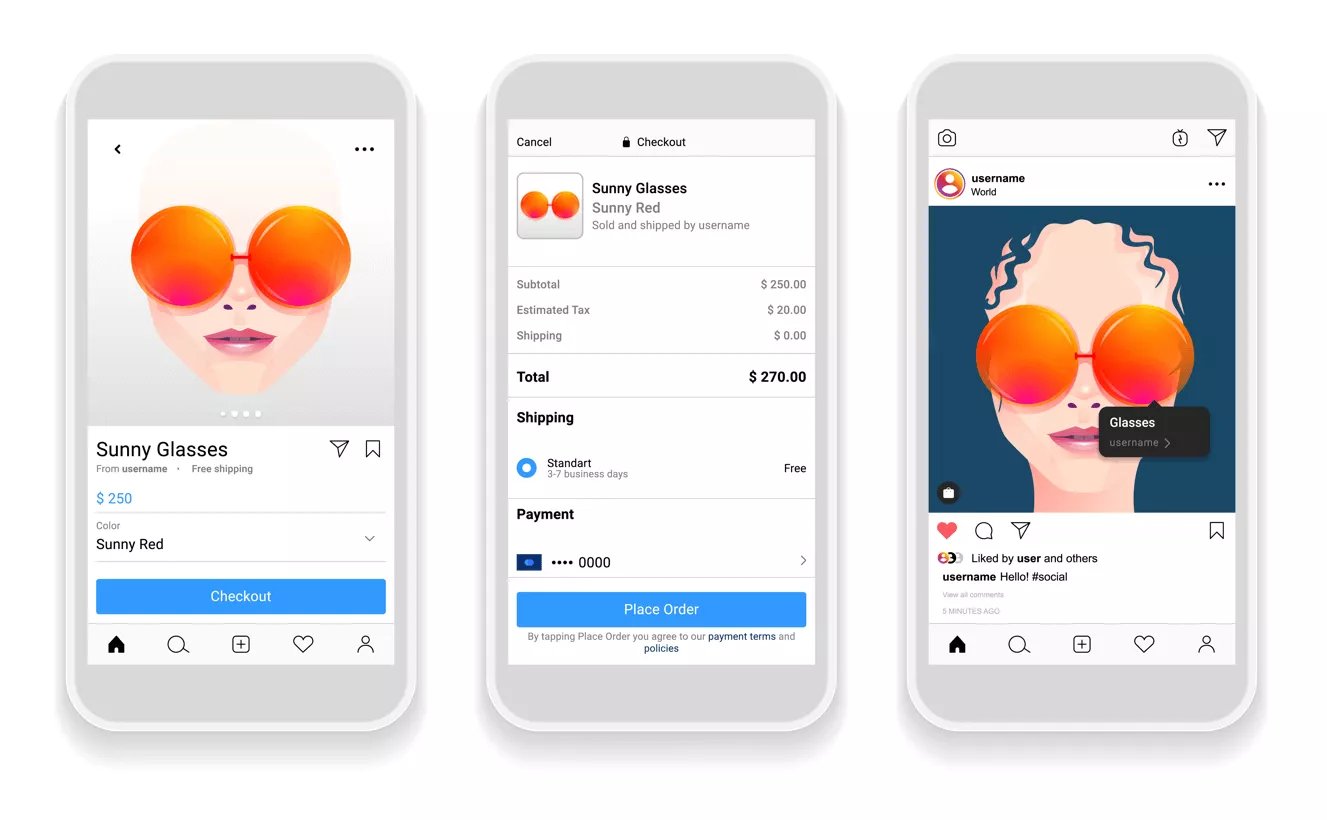
Scrutinize your ad campaign performance metrics, such as click-through rates (CTR), impressions, and engagement rates. This analysis will shed light on which ads are underperforming and where improvements can be made. Utilize Instagram's analytics tools to gain valuable insights into your audience's behavior and preferences.
When analyzing your Instagram ad performance, it's important to take a deep dive into the data. Look beyond the surface-level numbers and try to understand the underlying factors that may be impacting your ads' performance. Are there specific demographics that are not responding well to your ads? Is there a particular time of day when your ads receive higher engagement? By answering these questions, you can refine your targeting and scheduling strategies to optimize your ad performance.
Take the time to read through the comments and feedback left by your audience. This qualitative data can provide valuable insights into how your audience perceives and interacts with your ads. Look for common themes or recurring feedback that may indicate areas for improvement.
Be on the lookout for warning signs that indicate your Instagram ad strategy is not delivering the desired results. For instance, consistently low engagement rates, high bounce rates, or declining conversion figures may indicate areas that need attention. Recognizing these signs early on will enable you to take timely action.
One important aspect to consider when recognizing signs of a failing Instagram ad strategy is the alignment between your ads and your target audience. Are you targeting the right audience with your ads? Are you using the right messaging and visuals to capture their attention? It's crucial to ensure that your ads resonate with your target audience and effectively communicate your brand's value proposition.
In addition to analyzing the performance metrics, it's also beneficial to conduct competitor research. Look at what your competitors are doing on Instagram and analyze their ad strategies. Are they targeting a similar audience? What types of content are they using? By understanding what works for your competitors, you can gain insights that can inform your own ad strategy and help you stand out in the crowded Instagram landscape.
Remember, identifying the problem with your Instagram ads is just the first step. Once you have identified the issues, it's important to develop a plan of action to address them. Experiment with different ad formats, messaging, and targeting strategies to find what works best for your brand. Continuously monitor and analyze your ad performance to ensure ongoing success.
Once you have identified the problem areas in your Instagram ads strategy, it's time to revamp and breathe new life into your campaigns. Here are some essential steps to help you get back on track:
One common mistake is failing to understand your target audience thoroughly. Revisit and refine your buyer personas to ensure your ads align with your audience's needs, preferences, and demographics.
By understanding their motivations and pain points, you can tailor your ad strategy to resonate with them on a deeper level. Consider segmenting your target audience into different groups based on demographics, interests, or buying stages. This segmentation allows you to create more personalized and targeted ads, increasing the likelihood of engagement and conversions.
Reevaluate the content and design of your ads. Experiment with different formats, visuals, and messaging to capture your audience's attention. Ensure your ad content is compelling, concise, and aligned with your brand's voice. When it comes to ad content, storytelling can be a powerful tool. Craft narratives that connect with your audience on an emotional level, evoking their curiosity and interest. Use persuasive language and compelling visuals to create a memorable experience for viewers. Testimonials, reviews, and customer stories can be powerful assets in boosting the credibility of your brand.
Stay informed about the latest tools and features offered by Instagram for advertising. Explore options such as carousel ads, video ads, and Instagram Shopping to enhance the effectiveness of your campaigns. Continually educate yourself about the platform's capabilities and evolving trends. Carousel ads, for example, allow you to showcase multiple products or features within a single ad, providing a more immersive experience for your audience. Video ads, on the other hand, can convey your brand's message in a dynamic and engaging way, capturing attention and driving higher engagement rates.
Instagram Shopping is another valuable feature to consider. It enables users to browse and purchase products directly within the app, streamlining the buying process and increasing conversion rates. By leveraging these tools and features, you can elevate your Instagram ads strategy and stay ahead of the competition.
Set up a routine for monitoring your ad campaign performance. Regularly assess key metrics and compare them with your predefined goals to gauge performance accurately. Leverage data and analytics tools to gain insights into your audience's preferences and behavior.
Based on your performance analysis, make data-driven decisions and adjust your strategy accordingly. This may involve tweaking your target audience, refining your ad content, or experimenting with new ad formats. Continuously learn from your campaign results and iterate to optimize your results.
Stay abreast of the latest trends and updates in Instagram advertising. The social media landscape is constantly evolving, and what works today might not work tomorrow. Adaptation and agility are key to staying ahead of your competition and capitalizing on new opportunities.

Invest in continuous learning and enhancement of your Instagram ads strategy. Attend webinars, industry conferences, or join online communities to stay connected with fellow marketers and gain valuable insights. Engage in A/B testing and experimentation to keep refining your approach and optimizing your ad performance.
If your Instagram ads strategy is not delivering the desired results, don’t fret, strive. Just take care of it. By understanding the basics, analyzing your performance, making necessary adjustments, and future-proofing your strategy, you can turn your Instagram ads into a powerful tool for achieving your business goals. Embrace creativity, data-driven decision-making, and a willingness to adapt, and watch as your Instagram ads soar to new heights of success!

Search advertising has become a popular strategy to drive traffic to websites and increase brand visibility. Two common approaches to search advertising are Dynamic Search Ads (DSA) and Responsive Search Ads (RSA). But which is better for your business? In this article, we will delve into the basics of search ads, explore the mechanisms behind DSA and RSA, compare their performance and costs, and provide insights to help you make an informed decision.
Search ads are a powerful tool for businesses to reach their target audience and increase their online visibility. By understanding the different types of search ads available, you can optimize your advertising strategy and maximize your return on investment.
Dynamic Search Ads, or DSA, are a type of search advertisement that relies on Google's algorithm to match relevant search queries with the content of your website. Instead of relying on specific keywords, DSA dynamically generates headlines and landing pages based on the information found on your website.

This automation allows for a more targeted and efficient advertising approach. With DSA, you can reach potential customers who are actively searching for products or services similar to what you offer, even if they are not using the exact keywords you have specified in your campaign.
DSA is particularly useful for businesses with large websites or frequently changing inventory. It saves time and effort by automatically creating and updating ads based on the content of your website. This means that as your website evolves, your ads will adapt accordingly, ensuring that your advertising remains relevant and up-to-date.
When a user enters a search query that matches the content on your website, Google's advanced algorithms come into play. These algorithms analyze the user's search intent and dynamically generate a headline and landing page for your ad. This process ensures that your ads are highly relevant to the user's search, increasing the chances of capturing their attention and driving them to click on your ad.
DSA takes advantage of Google's extensive web crawling technology, which continuously scans and indexes websites across the internet. This allows DSA to stay up-to-date with the latest content on your website, ensuring that your ads reflect the most current information available.
On the other hand, Responsive Search Ads, or RSA, are a flexible ad format that allows you to create multiple headlines and descriptions. Google will automatically test different combinations to determine the best-performing variations. With RSA, you can provide up to 15 different headlines and 4 descriptions, giving you a wide range of possibilities to tailor your ad to various search queries. This flexibility allows you to experiment with different messaging and calls to action, helping you find the most effective combination that resonates with your target audience.
The functioning of RSA is quite fascinating. When you provide multiple headlines and descriptions, Google's algorithm starts testing different combinations to see which ones resonate best with your target audience. It analyzes various factors such as user behavior, search intent, and historical performance to determine the most compelling ad variations.
As the algorithm learns and gathers insights about your audience, it adapts and optimizes your ads accordingly. This means that over time, your ads become more tailored and compelling, increasing the chances of driving higher engagement and conversions.

When it comes to performance, both Dynamic Search Ads (DSA) and Responsive Search Ads (RSA) have their strengths and offer unique benefits for advertisers.
DSA is well-suited for websites with a large inventory or frequently changing content. It automatically generates ads based on your website's content, saving you time and effort in creating individual ads for each product or service. This dynamic approach ensures that your ads are always up-to-date and relevant to what users are searching for.
At the same time, RSA allows for more ad customization and testing. With RSA, you can create multiple headlines and descriptions, and Google's machine learning algorithms will automatically test different combinations to find the most effective ad variations. This enables you to fine-tune your messaging based on user preferences and increase the chances of capturing the attention of potential customers.
Ultimately, the optimal approach may vary depending on your specific business needs and goals. If you have a large inventory or frequently changing content, DSA can be a powerful tool to ensure your ads are always relevant. If you prefer more control over your ad messaging and want to test different variations, RSA offers greater flexibility.
In terms of cost, both DSA and RSA operate under a pay-per-click (PPC) model, where you only pay when a user clicks on your ad. This means that you are not charged for impressions or views, but only for actual engagement with your ads.
While the actual costs can vary depending on factors such as competition and ad quality, both DSA and RSA offer a cost-efficient way to reach your target audience. With DSA, you can benefit from automatically generated ads that are tailored to the content of your website, potentially increasing the relevance and click-through rate of your ads. With RSA, the ability to test different ad variations can help you optimize your campaigns and improve your return on investment.
It's important to carefully monitor and optimize your campaigns, regardless of whether you choose DSA or RSA, to maximize your return on investment. Regularly reviewing your ad performance, adjusting your targeting options, and refining your ad messaging can help you achieve better results and make the most out of your advertising budget.

Advertising goals and customization:
Target audience and search intent:
Ultimately, the decision between DSA and RSA depends on your specific business needs and goals. Some businesses may benefit from a combination of both approaches, using DSA to capture a broad audience and RSA to tailor messaging for specific target segments. Regular analysis and optimization of your search ad campaigns will help you refine your strategy and achieve better results over time.
In a competitive business landscape, finding effective ways to drive growth is no longer optional. It is the difference between brands that scale and brands that stagnate. Growth marketing channels, the platforms and strategies that growth agencies deploy to acquire and retain customers, have become the primary lever for businesses looking to expand their reach and accelerate revenue.
But not every channel deserves your budget or attention. The key is understanding which channels align with your business model, audience behavior, and growth stage, then optimizing relentlessly until you find the combinations that produce compounding returns.
This guide breaks down the major growth marketing channels, how they contribute to business success, and how to measure and optimize their performance.
Growth marketing is the practice of identifying and exploiting scalable, repeatable channels that drive customer acquisition and retention. Unlike traditional marketing, which often focuses on brand awareness and top-of-funnel impressions, growth marketing is obsessed with measurable outcomes at every stage of the funnel.
A growth marketer does not just ask "how do we get more traffic?" They ask "how do we get more of the right traffic, convert it efficiently, and retain those customers profitably?" This full-funnel mindset is what separates growth marketing from conventional approaches.
The discipline involves constant experimentation. Every campaign is a hypothesis. Every metric is feedback. The goal is not to find one winning channel and ride it forever, but to build a diversified portfolio of channels that collectively produce sustainable, predictable growth.
Growth marketing channels typically fall into several major categories. Each has distinct strengths, cost structures, and roles within the customer journey.
With billions of monthly active users across platforms like Facebook, Instagram, TikTok, and LinkedIn, social media offers unmatched reach for businesses at every stage. The channel serves multiple growth functions simultaneously:
The key to social media as a growth channel is understanding that organic and paid serve different functions. Organic builds credibility and community over time. Paid social, when executed with strong creative and tight targeting, can produce immediate, measurable results. The brands that win are those that leverage both strategically.
Creating and distributing valuable, relevant content has become a foundational growth strategy. Through blog posts, videos, guides, and infographics, businesses can establish thought leadership, attract organic traffic, and nurture potential customers through the consideration phase.
Content marketing is a long-game channel. A single well-optimized article can generate traffic and leads for years. The compound effect of a strong content library means that your cost per acquisition decreases over time as your content assets accumulate authority and rankings.
Effective content marketing requires a clear content framework that maps topics to customer intent, funnel stage, and business objectives. Random blog posts do not produce growth. Strategic content programs do.
Despite predictions of its decline, email marketing remains one of the highest-ROI channels available. For every dollar spent on email, the average return sits around $36, making it one of the most cost-effective growth tools in any marketer's arsenal.
Email excels at several growth functions:
The power of email lies in personalization and automation. Segmented, behavior-triggered campaigns consistently outperform batch-and-blast approaches by delivering the right message at the right moment in the customer journey.
Organic search remains one of the most valuable acquisition channels because it captures intent. When someone searches for a product, service, or solution you offer, they are actively looking to buy or learn. Ranking for those queries puts your brand in front of high-intent prospects at zero marginal cost per click.
SEO requires sustained investment in technical optimization, content creation, and authority building. But the payoff is a durable competitive advantage. Once you rank for high-value keywords, you benefit from consistent traffic without ongoing ad spend. Businesses that invest in SEO methodology as a core growth channel build assets that appreciate over time.
PPC advertising through platforms like Google Ads and Bing Ads allows businesses to appear at the top of search results for targeted keywords. Unlike SEO, PPC delivers immediate visibility, making it essential for testing new markets, launching products, and capturing demand during peak periods.
The strength of PPC is its precision. You control exactly which queries trigger your ads, how much you bid, and which landing pages receive traffic. This level of control makes PPC one of the most measurable and optimizable channels available. For businesses looking for PPC strategies that generate leads, the channel offers unmatched speed to results.
Both affiliate and influencer marketing leverage third-party relationships to extend your reach. Affiliate marketing operates on a performance basis, paying commissions only when a partner drives a sale or lead. Influencer marketing trades payment or product for access to an engaged audience.
These channels are particularly powerful for DTC brands looking to build social proof and reach niche audiences that traditional advertising may not penetrate effectively.
Text message marketing has grown rapidly as a growth channel, particularly for ecommerce brands. With open rates near 98% and response times measured in minutes, SMS delivers engagement rates that no other channel can match. When integrated with email and paid social, SMS creates a powerful direct-response engine.

Understanding the channels is only the first step. The real value comes from understanding how they work together to produce business outcomes.
Growth marketing channels amplify your brand's presence across the platforms where your target audience spends time. A coordinated approach, where social media campaigns, content marketing, and targeted email work in concert, creates multiple touchpoints that build familiarity and trust.
The compounding effect of multi-channel visibility is significant. A prospect who sees your brand in search results, encounters your content on social media, and receives a relevant email is far more likely to convert than one who encounters your brand through a single channel.
Each channel plays a distinct role in the acquisition process. Paid search captures active demand. Social media generates demand where none previously existed. Content marketing nurtures consideration. Email converts interest into action.
The most successful growth programs map each channel to a specific stage of the customer acquisition funnel and optimize accordingly. This prevents the common mistake of evaluating every channel by the same metric, which inevitably leads to underinvestment in upper-funnel activities that feed the entire pipeline.
Acquisition gets the headlines, but retention drives profitability. Growth marketing channels, particularly email and SMS, are powerful retention tools when used strategically. Post-purchase sequences, loyalty programs, and personalized recommendations keep customers engaged and increase lifetime value.
Businesses that invest equally in retention as they do in acquisition typically see higher overall growth rates because retained customers purchase more frequently, refer others, and cost nothing to re-acquire.

You cannot optimize what you do not measure. Growth marketing demands rigorous tracking and analysis across several key performance indicators:
Google Analytics provides foundational insights into website traffic, user behavior, and conversion paths. Platform-specific analytics (Meta Ads Manager, Google Ads, Klaviyo) offer granular data on channel performance. Attribution tools help you understand how channels interact and contribute to conversions across the full journey. For a deeper look at how to evaluate and select these platforms, the guide to marketing analytics tools and platforms covers the leading options by use case.
The brands that grow fastest are the ones that build a measurement infrastructure early and use it to make allocation decisions based on data rather than intuition.
Personalization is no longer a nice-to-have. Customers expect relevant experiences tailored to their behavior, preferences, and stage in the journey. Dynamic website content, segmented email campaigns, personalized ad creative, and behavior-triggered messaging all contribute to higher conversion rates and stronger customer relationships.
The technology to personalize at scale is more accessible than ever. The brands that invest in personalization infrastructure see measurable lifts in engagement and revenue across every channel.
A/B testing is the engine of growth marketing optimization. Test ad creative, landing pages, email subject lines, send times, offer structures, and audience segments continuously. Small, incremental improvements compound into significant performance gains over time.
The discipline of testing requires accepting that most experiments will not produce winners. That is the point. The experiments that do win, even by small margins, accumulate into a substantial competitive advantage.
Over-reliance on a single channel creates fragility. Algorithm changes, policy updates, or market shifts can destroy performance overnight. The most resilient growth programs, like those built by brands that expand their channel mix strategically, maintain a portfolio of channels that balances short-term performance with long-term durability.
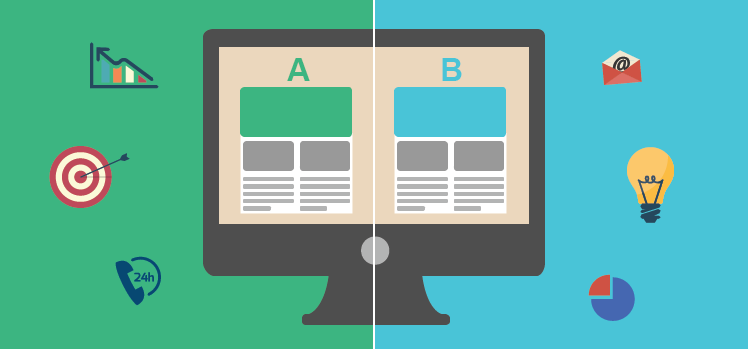
Growth marketing channels offer immense potential, but potential alone does not produce results. The businesses that achieve sustainable growth are the ones that approach channel strategy with discipline: defining clear objectives, measuring performance rigorously, testing continuously, and reallocating budget based on data.
Start by identifying the two or three channels most aligned with your audience and business model. Master those before expanding. Invest in measurement infrastructure early. Build a culture of experimentation where every campaign teaches you something, whether it succeeds or fails.
The channels will evolve. New platforms will emerge. Algorithms will change. But the fundamentals of growth marketing, finding scalable ways to acquire, convert, and retain customers profitably, will remain the foundation of business success.


.svg)