
The search for the best digital marketing firms typically starts after a growth plateau or a failed agency relationship. By that point, most teams have already learned what a generic vendor looks like: broad service menus, account manager overhead, and reporting that describes activity rather than results. Finding a firm that actually moves revenue requires a different evaluation framework, starting with specialization and structure before getting to price.
The distinction between a "firm" and an "agency" is largely semantic in marketing, but it signals something about positioning. Firms tend to imply structured engagements, deeper specialization, and senior-level execution rather than delegated account management. What matters more than the label is whether the vendor demonstrates vertical experience in your business model.
Retainer engagements are the clearest proxy for client satisfaction. Clients on retainer contracts stay an average of 56 months versus 24 months for project-based clients, according to InfluenceFlow's 2026 agency benchmarking report, and retainer clients churn at 18% annually versus 42% for project clients. Firms with strong retainer books are building long-term relationships because they deliver measurable outcomes. Firms that default to project work often do so because their results do not justify ongoing investment.
Full-stack firms manage multiple channels: paid search, paid social, SEO, email, and content, all under one roof. They make sense for brands that want integrated execution and attribution without coordinating multiple vendors. The risk is diluted specialization: a firm that runs everything may not be best-in-class at any single channel.
Channel-specific specialists focus on one or two channels and go deep. A paid social firm that manages Meta, TikTok, and Pinterest campaigns exclusively develops pattern recognition across thousands of accounts that a generalist cannot replicate. SEM agencies operating purely in paid search build Google Ads account structures and bidding strategies that general firms rarely match. The tradeoff is coordination complexity when you need multiple channels covered simultaneously.
Vertical specialists focus on a specific business model: DTC ecommerce, B2B SaaS, healthcare, or local services. This is the highest-signal category when the vertical matches your business. A firm that has scaled 30 Shopify brands to $10 million understands creative fatigue cycles, contribution margin targets, and LTV models in ways that a generalist cannot replicate. At the $5 million to $20 million ARR inflection point for DTC brands, vertical expertise begins to matter more than channel depth, because strategic decisions require business model understanding, not just platform mechanics.
The evaluation framework differs significantly between B2B and DTC brands, and the best firms in each category are usually not the same firms.
For DTC and ecommerce brands, creative capability is the most important signal. Creative drives 60 to 70 percent of campaign performance on paid social platforms, according to internal Google data cited by Darkroom Agency. Meta's Andromeda algorithm has further shifted the platform away from audience signals toward creative signals, meaning a firm that produces strong ad creative outperforms one that excels at audience segmentation. Firms that combine performance media buying with in-house creative production are specifically built for this environment.
For B2B brands, account-based marketing capability is the differentiating factor. B2B companies that deploy ABM strategies see 87% higher ROI than those using broad-based approaches, per Forrester Research. The ABM services market reached $1.2 billion in 2024, reflecting how much B2B marketing has shifted toward precision targeting over volume. Firms with ABM-specific expertise (intent data integration, targeted account programs, and sales-marketing alignment) serve a fundamentally different need than firms optimized for DTC acquisition.
Digital marketing firms price in three main structures: flat monthly retainer, percentage of spend, or hybrid. The right structure depends on your stage and the channels being managed.

Flat retainers are common for content, SEO, and full-service engagements. Percentage of spend (typically 10 to 20 percent) is standard for paid media management, where the fee scales with the media budget. Hybrid models split a flat strategy fee from a variable media management fee. Seventy-eight percent of digital marketing firms use retainer pricing as their primary model, per InfluenceFlow 2026, which creates predictable cost for the client and stable revenue for the firm.
Pricing signals something beyond cost. A growth-stage firm charging $2,000 per month for full-service management is almost certainly understaffed or using offshore execution layers. Firms operating in the $3,000 to $7,000 monthly range for growth-stage brands can typically support senior execution on your account.
Boutique marketing agencies with narrow specializations often deliver more output per dollar at this tier than larger shops carrying account management overhead. Understanding how to choose the right marketing agency for your stage matters more than maximizing channel coverage per dollar spent.
The evaluation process should filter on fit, not just capability. These six questions surface the information that separates genuinely strong firms from ones that present well:
What is the average annual revenue of your current clients in my category? The answer reveals whether the firm has pattern recognition at your stage or is learning on your budget.
How many accounts does each strategist manage? More than eight accounts typically means reactive management rather than proactive optimization, regardless of how the firm describes its team structure.
Can you walk through your attribution methodology? Firms that cannot explain how they connect spend to pipeline or revenue are reporting activity, not outcomes.
What was your average client retention period over the last three years? A number below 18 months signals a client satisfaction problem. Strong firms can produce this number without hesitation.
Who specifically will work on my account, and can I meet them before signing? The most common complaint in agency relationships is senior sellers handing off to junior executors after the contract is signed. Insist on meeting the actual execution team.
What does success look like in 90 days, and how will you measure it? Firms that cannot define measurable 90-day milestones are not outcomes-oriented. Clear short-term benchmarks reveal whether the firm has realistic expectations for your category.
Guaranteed ROAS or ranking promises are the most visible red flag in any firm pitch. Results depend on competitive conditions, creative quality, and spend levels that no firm controls entirely. Long-term contracts of 12 or more months with no performance clauses lock clients into underperforming relationships with no recourse. Firms that lead with proprietary technology platforms rather than strategy are often selling software subscriptions with thin service wrappers on top.
Reporting dashboards that show impressions and clicks without connecting to revenue or pipeline are designed to demonstrate activity, not outcomes. A firm worth hiring can explain which dollars drove which results, even approximately. The best digital marketing agencies share the same quality signals regardless of size: they push back on unrealistic expectations, define measurable outcomes before starting, and surface problems before clients notice them.
The strongest predictor of a productive firm relationship is vertical alignment. A firm that has worked with 20 brands at your stage and business model has already encountered your specific problems. They know which channels work at your spend level, where creative bottlenecks typically appear, and what realistic performance looks like in your category. The evaluation time invested in finding vertical alignment pays back in avoided ramp time and failed experiments.
For growth-stage ecommerce and DTC brands evaluating demand generation partners, EmberTribe works on the content and paid media programs that build compounding pipeline rather than isolated campaign spikes.

With its unique and engaging content format, 🙌 TikTok provides ample opportunities for brands to showcase their products and services, as well as other social media advertising platforms. 💸
🔮 However, mistakes are easy to make.
Before diving into TikTok advertising, it is crucial to understand the costs associated and the best practices to create successful campaigns. 🎈
TikTok advertising promotes products or services 🌭🏨 through paid campaigns on TikTok.
As a fast-growing platform, TikTok offers various ad formats and targeting options to engage with your audience effectively.
Whether you aim to increase brand awareness, drive app downloads, or boost sales, TikTok advertising is a powerful tool.
TikTok’s explosive growth presents a unique opportunity to tap into a young, engaged audience. 🐥
There are 1.58 billion TikTok users. A number that speaks for itself. 😱
They spend over an hour and half daily on the platform, ⏰ making it ideal for capturing attention and building brand loyalty. 🎯
Several factors affect TikTok ad costs. The bidding strategy you choose—cost-per-click (CPC) or cost-per-impression (CPM)—plays a primary role. Other factors include ad placement, targeting options, ad duration, and ad quality score.
TikTok ad costs vary widely. On average, CPC ranges from $0.10 to $0.30, while CPM ranges from $10 to $30. These estimates depend on your targeting, bidding strategy, and campaign objectives. 📊
In-feed Ads: In-feed ads appear within the “For You” feed. They cost between $8,000 and $10,000 per campaign, with a minimum spend of $500. The cost depends on ad duration, targeting options, and audience reach. 🎥
Brand Takeover Ads: These full-screen ads appear when users open TikTok. Depending on factors like ad duration and targeting options, they cost between $20,000 and $50,000 per day. 🌟
TopView Ads: Similar to brand takeovers, TopView ads offer a longer branding experience. They cost between $50,000 and $100,000 per day. The exact cost depends on ad duration, targeting options, and audience reach. 🏆
Define your goals before allocating your budget. Determine whether you aim to increase brand awareness, drive traffic, or generate sales. Clear goals help you allocate your budget effectively. 🎯
Consider your marketing budget, potential ROI, 🏦 and objectives. Start with a smaller budget to test your campaigns and gradually increase it. Monitor performance closely and adjust your ad spend as needed. 📈
Select an ad format that aligns with your goals and resonates with your audience. Consider the user experience and creative elements. Experiment with visuals, captions, and calls-to-action. 🎬
Leverage TikTok’s targeting options to define your audience based on demographics, interests, and behaviors. Use Custom Audiences to retarget users who have shown interest in your brand. 📊 Regularly monitor and measure your campaigns. Use TikTok’s analytics to identify areas for improvement. Optimize your campaigns based on data-driven decisions to achieve better results. 📉
Regularly monitor and measure your campaigns. Use TikTok’s analytics to identify areas for improvement. Optimize your campaigns based on data-driven decisions to achieve better results. 📉
TikTok advertising offers a valuable opportunity to engage with a young, active audience. Just look at the revenue projection of the platform (2020-2027), according to Statista:

Understanding the cost is essential for leveraging TikTok's potential. By using various ad formats, targeting options, and optimization strategies, you can maximize the impact of your TikTok ads and achieve your marketing objectives. 🚀
Search engine positioning refers to where your website appears in organic search results for a given query. It is one of the most measurable, highest-leverage factors in digital marketing, and for growth-stage brands, getting it right can mean the difference between a steady stream of qualified traffic and near-total invisibility.
This guide breaks down what search engine positioning actually is, the role it plays in driving traffic, the factors that influence it, and the strategies your team can use to improve it.
Search engine positioning is the specific rank a webpage holds on a search engine results page (SERP) for a particular keyword or query. If your page shows up third when someone searches "DTC retention strategies," your position for that term is 3.
This is different from search engine optimization (SEO) as a whole. SEO is the practice; positioning is the outcome. You optimize your site so that your positioning improves.
Positioning is always relative. Your rank depends not just on how well your page is optimized, but on how it stacks up against every other page competing for the same query. That competitive dimension is what makes it both challenging and strategically valuable.
It is common to see these terms used interchangeably, but they are not the same thing.
Think of SEO as the input and positioning as the output. You can run a strong SEO and SEM strategy without obsessing over individual positions, but tracking positioning gives you a concrete metric to gauge whether your efforts are working.
Position is not just a vanity metric. It has a direct, measurable impact on traffic volume and quality.
The relationship between search engine position and click-through rate (CTR) is well-documented and steep. Research consistently shows that the top organic result captures the largest share of clicks, with a sharp drop-off after the first few positions. By the time you reach page two (positions 11 and beyond), CTR approaches zero for most queries.
This is why moving from position 36 to position 10 may generate some impressions but still almost no clicks. The real traffic gains come from breaking into the top five, and ideally the top three.
For brands focused on growth marketing channels, organic search is one of the few channels that compounds over time. A page that reaches a strong position can deliver traffic for months or years without additional spend.
Users trust top-ranked results more than lower-ranked ones. This is partly a function of how search engines work: Google's algorithm is designed to surface the most relevant, authoritative content. When your brand consistently appears at the top, it reinforces the perception that you are a credible source.
This credibility effect extends beyond the click itself. A brand that shows up in the top results for multiple related queries builds a stronger association with the topic in the minds of potential customers. For DTC and growth-stage companies working to build brand trust through SEO, this compounding authority is a significant competitive advantage.
The math is straightforward. Higher position means higher CTR, and higher CTR on a high-impression keyword means substantially more traffic.
Consider a keyword with 20,000 monthly impressions. At position 36, you might generate zero clicks (which is exactly what happens in practice). Move that same page to position 5, and you could realistically capture 3-5% of those impressions, translating to 600-1,000 monthly visits from a single keyword. Reach position 1, and that number could climb above 5,000.
This is why search engine positioning improvement is not an incremental game. The gains are nonlinear: small position changes near the top of the SERP produce outsized traffic results.
Google evaluates hundreds of signals when determining positioning. The ones that matter most fall into a few categories.
Content remains the most important on-page factor. Google is looking for content that thoroughly addresses the searcher's intent, provides original value, and demonstrates expertise in the subject.
For positioning purposes, this means:
A strong content strategy is the foundation for any positioning improvement effort.
Even the best content will struggle to rank if the technical foundation is weak. Key technical factors include:
An SEO audit can identify technical issues that may be holding your positioning back.
Backlinks remain one of the strongest off-page ranking signals. When authoritative websites link to your content, it signals to search engines that your page is trustworthy and valuable.
Quality matters more than quantity. A single link from a high-authority industry publication carries more weight than dozens of links from low-quality directories. Building a backlink profile takes time, but it is one of the most durable ways to improve positioning across your entire site.
Google pays attention to how users interact with your page after clicking. High bounce rates, short dwell times, and low engagement can signal that a page is not delivering on its promise, which can erode positioning over time.
Factors that support strong engagement include:
Improving positioning requires a combination of on-page optimization, off-page authority building, and ongoing measurement.
On-page optimization is where most positioning improvement efforts should start, because these are the factors you control directly.
Off-page SEO focuses on building your site's authority and reputation beyond your own domain.
One of the most efficient positioning strategies is to focus on keywords where you already rank in the striking distance zone, typically positions 5 through 20. These are terms where Google has already determined your page is relevant; it just needs a push to break into the top results.
Identify these opportunities using Google Search Console, then optimize the corresponding pages by:
This approach often yields faster results than trying to rank for entirely new terms.
You cannot improve what you do not measure. Tracking your positioning over time is essential for understanding what is working and where to focus next.
Several tools provide reliable positioning data:
Position alone does not tell the full story. Track these metrics together to get a complete picture:
Look for patterns rather than reacting to daily fluctuations. Positioning naturally shifts as competitors publish new content, algorithms update, and search behavior evolves. The goal is to see a sustained upward trend over weeks and months, not to chase position changes day by day.
When you see a position drop, investigate the possible causes: was there an algorithm update? Did a competitor publish stronger content? Has your page become outdated? Data-driven diagnosis leads to more effective responses than guesswork.
Understanding how positioning works in practice helps clarify the strategy.
Example 1: The high-impression, low-position problem. A page ranks at position 36 for a keyword with 20,000+ monthly impressions. It generates zero clicks because almost no one scrolls past the first page. The fix: a complete content overhaul to match search intent, combined with targeted backlink building to improve authority.
Example 2: The striking distance opportunity. A page ranks at position 16 for a long-tail query like "the role of search engine positioning." With 109 monthly impressions and a position just outside page one, small improvements (better content depth, an optimized title tag, a few internal links) could push it to page one and start capturing clicks.
Example 3: The top-position compounding effect. A well-optimized page reaches position 3 for a competitive term. Over time, the high CTR and strong engagement signals reinforce the ranking, making it increasingly difficult for competitors to displace. This is the compounding effect that makes organic search such a powerful acquisition channel.

Search engine positioning is the bridge between SEO effort and measurable traffic outcomes. For brands that depend on organic growth, tracking and improving positioning is not optional; it is foundational.
The playbook is clear: audit your current positions, identify the highest-impact opportunities (especially striking distance keywords), strengthen your content and technical foundation, and build authority over time. The brands that treat positioning as an ongoing discipline, rather than a one-time project, are the ones that consistently capture the most valuable organic traffic.
If you want to see what a data-driven approach to positioning looks like in practice, take a look at our SEO methodology or explore how we have helped brands transform their search rankings.

Conversion rate optimization (CRO) is a crucial component of any successful online business strategy. It involves understanding user behavior, analyzing website data, and implementing strategies to maximize conversions. To help you on your CRO journey, here are three inspiring quotes that will motivate you to improve your conversion rates.
One of the most fundamental aspects of conversion rate optimization is testing. Testing allows you to gather data, identify potential improvements, and make informed decisions. As industry expert John A. Shedd once said,
"A ship in harbor is safe, but that is not what ships are built for."
When we think about this quote in the context of conversion rate optimization (CRO), it serves as a powerful reminder of the need to take risks and step outside of our comfort zones. It's easy to play it safe and stick with what we know, but true growth and improvement come from embracing the unknown and testing different strategies.
Just like a ship is built to sail the open seas, businesses are built to explore new horizons and reach new heights. By staying in our comfort zone, we limit our potential for growth and miss out on valuable opportunities. Testing different approaches, designs, and messaging is the key to unlocking these opportunities and driving more conversions.
When John A. Shedd said, "A ship in harbor is safe, but that is not what ships are built for," he was emphasizing the importance of pushing boundaries and venturing into uncharted territories. While it may be comforting to stay within the confines of a harbor, a ship's true purpose is to navigate the vast ocean and explore new destinations.
Similarly, in the world of CRO, playing it safe and sticking with the status quo will only limit our potential for growth. By embracing the unknown and testing different strategies, we can gather valuable insights and uncover hidden opportunities. It is through these calculated risks that we can achieve remarkable results and surpass our previous limitations.
In the context of CRO, this quote reminds us that playing it safe and sticking with the status quo will only limit our potential for growth. Testing different approaches, designs, and messaging can lead to valuable insights and ultimately drive more conversions. By taking calculated risks and embracing testing, we can push the boundaries of what is possible and achieve remarkable results.

When we think about the quote, "A ship in harbor is safe, but that is not what ships are built for," in relation to CRO, it becomes clear that staying within our comfort zone will only hinder our progress. Just as a ship is designed to sail the open seas, businesses are built to explore new horizons and reach new heights. Testing allows us to navigate uncharted territories and discover innovative ways to optimize conversion rates.
By continuously testing and experimenting with different strategies, we can gather data-driven insights that guide our decision-making process. This iterative approach to CRO enables us to identify potential improvements and make informed decisions, leading to better conversion rates and ultimately, increased success.
User experience (UX) is a critical factor in conversion rate optimization. As Steve Jobs famously stated,
"Design is not just what it looks like and feels like. Design is how it works."
This quote emphasizes the importance of prioritizing functionality and usability in design. It's not enough for a website to look visually appealing; it must also provide a seamless and intuitive user experience. The design should be focused on facilitating the user journey and making it as easy as possible for visitors to convert.
In the realm of CRO, this quote encourages us to view design as a means to enhance the user experience and drive conversions. By prioritizing usability and implementing intuitive design principles, we can create a website that not only looks great but also works seamlessly to guide users towards conversions. A well-designed website not only delights users but also builds trust and credibility, ultimately boosting conversion rates.
Analytics provide valuable insights that can shape your CRO strategy. As Marissa Mayer once said,
"Data beats opinions."
This quote emphasizes the importance of making data-driven decisions over relying solely on personal opinions or assumptions. Analytics allow us to gain a deep understanding of user behavior, identify patterns, and make informed decisions based on tangible evidence.
In the context of CRO, this quote reminds us that relying on gut feelings or personal opinions can lead to suboptimal results. By embracing data and utilizing robust analytics tools, we can uncover valuable insights about user behavior and preferences. This data-driven approach enables us to make informed optimizations that have a direct impact on conversion rates.

Imagine this: you're in the process of defining your business's mission statement and core values. You want to create a strategy that not only focuses on improving conversion rates but also aligns with your vision for the company. As you search for inspiration, you come across a quote by Steve Jobs: "Innovation distinguishes between a leader and a follower." This quote resonates with you and becomes the driving force behind your business strategy. It reminds you to always strive for innovation and be a leader in your industry.
A quote can serve as a guiding principle that aligns with your core values and aspirations. By incorporating meaningful quotes into your CRO strategy, you can create a sense of purpose and clarity that will propel you towards success.
If you are running multiple ad sets in Facebook Ads, there is a good chance some of your audiences overlap without you realizing it. That overlap quietly inflates your costs, triggers internal auction competition, and drags down performance across your entire account.
The Facebook audience overlap tool exists specifically to surface this problem, yet most advertisers never use it. Below, we walk through exactly what audience overlap means, why it matters, and a practical five-step audience overlap analysis you can run inside Ads Manager today.
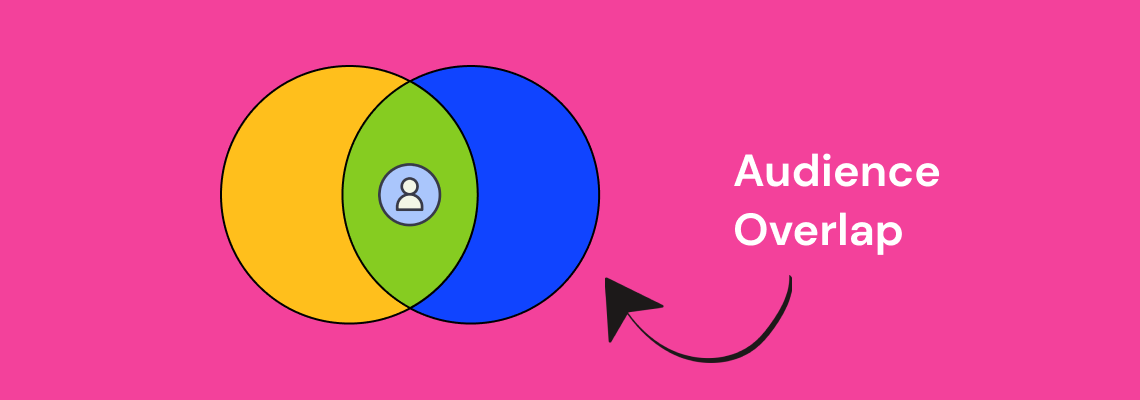
Audience overlap is the percentage of users who appear in two or more of your targeted audience segments at the same time. In Facebook Ads, this happens when the people in one ad set also fall into another ad set you are running concurrently.
Consider a concrete example. Suppose you have two active ad sets: one targeting women aged 25-34 interested in fitness, and another targeting women aged 30-45 interested in healthy cooking. Anyone who is 30-34, interested in both fitness and cooking, lands in both audiences. That is audience overlap, and it means you are bidding against yourself to reach the same person.
Meta's auction system does not let two ads from the same account compete for the same impression. Instead, it suppresses the lower-performing ad set, which means one of your campaigns is essentially being throttled without any warning in your dashboard.
Understanding audience overlap meaning at this level is the first step toward fixing the problem. The goal is not to eliminate overlap entirely - some degree is inevitable - but to keep it below the threshold where it starts costing you money (generally under 20-25%).
When audience overlap goes unchecked, the downstream effects compound quickly. Here are the three primary ways it damages your account.
Facebook's ad auction selects one ad per advertiser to show to a given user. When your ad sets target the same people, Facebook picks the winner and sidelines the rest. The result is that your losing ad sets get fewer impressions and higher costs per result, even though your creative and offer may be strong.
This is especially costly for DTC brands and ecommerce advertisers who run multiple product-level ad sets to the same broad interest audiences.
When the same user sees variations of your ads across multiple ad sets, fatigue sets in faster. Frequency climbs, click-through rates drop, and your cost per acquisition increases. This is one of the most common reasons Facebook ads stop delivering results and advertisers cannot figure out why.
Overlapping audiences skew your reporting. An ad set might appear to be underperforming when it is actually being throttled by auction overlap. Advertisers who make optimization decisions based on this misleading data often kill campaigns that would otherwise scale, or pour budget into ad sets that only appear to win because the competition was artificially removed.
Now that the stakes are clear, here is the step-by-step process for identifying audience overlap in Facebook Ads Manager.
Log into your Facebook Business Manager account. From the main menu, click on "All Tools" and then select "Audiences" under the Assets section. This is the central hub where all your saved audiences, custom audiences, and lookalike audiences are stored.
If you have not organized your audiences recently, take a few minutes to review what is there. Outdated or duplicate audiences are a common source of unintentional overlap.
To use the audience overlap tool, select two to five audiences by checking the boxes next to their names. You can compare saved audiences, custom audiences, and lookalike audiences against each other.
Once your audiences are selected, click the three-dot menu (or the "Actions" dropdown, depending on your interface version) and choose "Show Audience Overlap." This opens the overlap comparison view.
The audience overlap tool displays a Venn diagram with the percentage of shared users between each audience pair. Pay close attention to any pair that exceeds 20-25% overlap. These are the combinations most likely to cause auction competition and budget waste.
Document the overlap percentages for each pair. This data becomes the foundation for the strategic adjustments you will make in Step 5.
Not all overlap is equally damaging. Prioritize the audience pairs where:
These are your highest-risk combinations and the ones you should address first.
Based on your audience overlap analysis, here are the most effective adjustments you can make:

For advertisers who want a fast checklist, here is the streamlined process:
Run this check at least once per month, and always before launching new campaigns that target similar interest categories or lookalike seed audiences.
Not every instance of overlap requires action. There are scenarios where moderate overlap is fine or even expected:
The key distinction is whether overlapping ad sets are competing for the same auction. If they target different campaign objectives or sit at different funnel stages, the risk is lower.
The best approach is to build overlap prevention into your campaign architecture from the beginning. Here are three structural practices that keep overlap in check.
Develop a clear naming system for your audiences that includes the targeting criteria. When audience names include the interest category, age range, and exclusion status, you can spot potential overlap before you even run the tool.
Audience composition shifts over time as Facebook updates interest categories and user behavior changes. A monthly cadence for running the overlap tool ensures you catch new overlap before it impacts performance. This is especially important for brands scaling Facebook ads across multiple product lines or markets.
When multiple team members or agencies create audiences independently, overlap becomes nearly inevitable. Maintaining a shared audience library and documenting which audiences are active in which campaigns eliminates this coordination problem. If you are working with a PPC agency, ensure they provide audience overlap reports as part of their regular account reviews.
While this guide focuses on Facebook, audience overlap is not limited to a single platform. Brands running campaigns across Facebook, Instagram, TikTok, and Google often reach the same users on multiple channels without realizing it. Cross-channel overlap analysis requires additional tools and a unified measurement approach, but the same principle applies: identify where you are paying multiple times to reach the same person, and consolidate.
For brands evaluating where to allocate budget, understanding how Facebook audiences compare to other platforms is a critical input. Our comparison of TikTok Ads vs. Facebook Ads covers how audience composition differs between platforms and where overlap is most likely.
Audience overlap is one of the most common and most overlooked sources of wasted spend in Facebook advertising. Running a regular audience overlap analysis inside Ads Manager takes less than ten minutes and can surface issues that are silently inflating your costs.
The five-step process - navigate to audiences, select and compare, read the overlap percentage, identify high-risk pairs, and apply strategic fixes - gives you a repeatable framework for keeping your account clean and your budget working efficiently.
If your Facebook Ads campaigns are underperforming and you have ruled out creative and offer issues, audience overlap should be the next thing you check. For brands that need hands-on support, our Social Media Ads team runs these audits as part of every account onboarding.
Automation is a powerful tool for businesses to streamline their processes and maximize efficiency. One area where automation can play a significant role is in managing Facebook Lead Ads. With the help of Zapier, a leading automation platform, businesses can effortlessly integrate and automate their Facebook Ads campaigns. Keep reading to learn the basics of Zapier, how it works with Facebook Lead Ads, and how to set it up for your business.
Zapier is an automation tool that connects different web applications and allows them to work together seamlessly. It eliminates the need for manual data entry and repetitive tasks by automating workflows, known as Zaps, between various apps.

Imagine a scenario where you receive an email with an attachment, and you want to automatically save that attachment to your cloud storage. With Zapier, you can create a Zap that triggers this action whenever a new email with an attachment arrives in your inbox. This saves you the time and effort of manually downloading and uploading the file.
One of the most remarkable aspects of Zapier is that it doesn't require any coding knowledge. This means that even non-technical users can leverage the power of automation to streamline their workflows and boost productivity.
Now that we have a better understanding of Zapier, let's explore another essential tool in the digital marketing realm - Facebook Lead Ads.
In today's highly competitive business landscape, capturing leads is crucial for sustained growth. This is where Facebook Lead Ads come into play. Facebook Lead Ads is a powerful lead generation tool that allows businesses to collect valuable information from potential customers directly within the Facebook platform.
Traditionally, businesses would direct users to a landing page to fill out a form or provide their contact information. However, this process often leads to a drop-off in conversions, as users may find it cumbersome to navigate away from their current browsing experience.
With Facebook Lead Ads, businesses can create compelling offers or sign-up forms that capture user information, such as name, email address, phone number, and more, without requiring users to leave the Facebook platform. This seamless user experience significantly increases the chances of generating leads and driving conversions.
Moreover, Facebook Lead Ads also provide a valuable opportunity for businesses to target their ads to specific audiences. By leveraging Facebook's powerful targeting capabilities, businesses can ensure that their ads reach the right people, maximizing the effectiveness of their lead generation campaigns.
By integrating Zapier with Facebook Lead Ads, businesses can further enhance their lead generation efforts. For example, whenever a user submits their information through a Facebook Lead Ad, Zapier can automatically add that lead to a CRM system or send a personalized email to the user, nurturing the lead generation funnel and facilitating the sales process.
The first step in automating your Facebook Lead Ads with Zapier is to create a Zapier account. Simply visit the Zapier website and sign up for a free account. Once you've created your account, you can start exploring the platform and setting up your automation workflows.
When you sign up for a Zapier account, you'll be asked to provide some basic information such as your name, email address, and a password. Once you've entered this information, you'll need to verify your email address to activate your account. After verifying your email, you'll have full access to the Zapier platform and its features.
Creating a Zapier account is quick and easy, and it opens up a world of possibilities for automating your workflows. Whether you're a small business owner looking to streamline your processes or a marketer wanting to integrate different apps, Zapier provides a seamless solution.
After creating your Zapier account, you will be redirected to the Zapier dashboard. The dashboard serves as the control center for managing your Zaps and monitoring their performance. It provides a user-friendly interface where you can create, edit, and manage your automation workflows.
Once you're on the Zapier dashboard, you'll notice a clean and organized layout that makes it easy to navigate. The left-hand side of the dashboard displays the main menu, which includes options such as "Zaps," "Tasks," "Team," and "Settings." These menu options allow you to access different areas of the platform and customize your Zapier experience.
Within the dashboard, you can create new Zaps by clicking on the "Make a Zap" button. This will take you to the Zap editor, where you can define the trigger and action for your automation workflow. The Zap editor provides a step-by-step process to guide you through the setup, making it simple even for beginners.
Additionally, the Zapier dashboard offers various features to help you manage your Zaps effectively. You can view the status of your Zaps, track the number of tasks completed, and troubleshoot any errors that may occur. With this level of control and visibility, you can ensure that your automation workflows are running smoothly and efficiently.
Overall, the Zapier dashboard is designed to provide a seamless user experience, empowering you to automate your tasks and save valuable time. Whether you're a tech-savvy professional or a non-technical user, Zapier's intuitive interface makes it easy to set up and manage your automation workflows.
Integrating Zapier with Facebook can greatly enhance your workflow and automate various actions. By connecting your Facebook account to Zapier, you'll be able to access your Facebook Lead Ads data and streamline your lead generation process.
To get started, you'll need to connect your Facebook account to Zapier. This process is quick and easy. Simply navigate to the Zapier dashboard and click on "Connected Accounts." In the search bar, type "Facebook" and select it from the list of available options. Follow the prompts to authorize the connection between Zapier and your Facebook account.
Once the connection is established, you'll have access to a wide range of Facebook integrations and automation possibilities.
After successfully connecting your Facebook account to Zapier, it's time to configure your Facebook Lead Ads in Zapier. This step is crucial as it allows you to define the specific criteria that will trigger the automation process.
To begin, navigate to the Zapier dashboard and click on "Make a Zap." From the list of available apps, select Facebook Lead Ads as the trigger app. This will ensure that any new lead generated through your Facebook Lead Ads will initiate the automation process.
Once you've selected Facebook Lead Ads as the trigger app, follow the on-screen instructions to customize your trigger settings. This includes specifying the criteria that must be met for the automation to be triggered. For example, you can set up the automation to only trigger when a lead fills out a specific form or meets certain demographic criteria.
By configuring your Facebook Lead Ads in Zapier, you can ensure that your automation process is tailored to your specific needs and requirements. This level of customization allows you to maximize the efficiency and effectiveness of your lead generation efforts.
Facebook Lead Ads are a powerful tool for generating leads and capturing valuable customer information. However, manually managing and processing these leads can be time-consuming and inefficient. That's where Zapier comes in. With Zapier, you can automate the process of handling your Facebook Lead Ads, saving you time and effort.
Once you've configured your Facebook Lead Ads as the trigger in Zapier, the possibilities for automation are endless. You can set up actions that will be performed automatically when the trigger conditions are met. These actions can include sending email notifications to your team, adding data to a spreadsheet for easy tracking and analysis, creating new CRM entries to keep your customer database up to date, and much more.
With Zapier's user-friendly interface, setting up these triggers and actions is a breeze. Simply select the desired trigger and action from the available options, and Zapier will guide you through the process of connecting your Facebook Lead Ads account and the app or service you want to integrate with. It's a seamless and intuitive experience that requires no coding or technical expertise.
What's more, Zapier offers a vast range of integrations, allowing you to connect your Facebook Lead Ads with popular apps and services like Gmail, Google Sheets, Salesforce, Mailchimp, and many others. This means you can tailor your automation workflow to best suit your business needs and leverage the tools you already use to streamline your lead generation and management process.
Before deploying your automation workflow, it's crucial to test it to ensure it functions correctly. Zapier provides a testing feature that allows you to simulate trigger events and verify if the desired actions are being performed as expected. This way, you can catch any potential issues or errors before they impact your actual campaigns and ensure a smooth and seamless automation process.

During the testing phase, you can review the data that is being passed between your Facebook Lead Ads and the connected app or service. This gives you the opportunity to fine-tune your automation and make any necessary adjustments to ensure the accuracy and reliability of your lead data. By thoroughly testing your automation, you can have peace of mind knowing that your workflow is working flawlessly and that your leads are being processed efficiently.
Additionally, Zapier provides detailed logs and activity history, allowing you to monitor the performance of your automation over time. This gives you valuable insights into how your leads are being handled and how your automation is contributing to your overall marketing strategy and influencing the customer journey. You can track metrics like the number of leads processed, the time it takes for actions to be executed, and any errors or issues that may arise.
When setting up triggers and actions in Zapier, it's important to consider best practices to optimize your automation. Here are a few tips to keep in mind:
Despite the seamless nature of automation, issues can sometimes occur. Here are a few common issues you may encounter while automating your Facebook Lead Ads with Zapier and helpful troubleshooting tips:
The combination of Facebook Lead Ads with Zapier can be a groundbreaker for your business, by streamlining your lead generation and management process. By setting up triggers and actions, you can automate repetitive tasks, save time, ensure the accuracy and efficiency of your lead data, and bring your social media advertising strategy to the next level. Don't forget to thoroughly test your automation before deploying it to ensure a seamless and error-free experience. With these tips, you will be able to save time, increase productivity, and focus on other important aspects of your business.
As businesses strive to connect with their target audience, Facebook Lead Ads have emerged as a valuable tool. Understanding the importance of Facebook Lead Ads and harnessing their benefits can significantly enhance your marketing strategy. Moreover, automating the integration of Facebook Lead Ads with Google Sheets can streamline your data management processes. This is where Zapier, a leading automation tool, comes into play.
Facebook Lead Ads have revolutionized the way businesses gather leads and interact with potential customers. With an aim to simplify the lead generation process, Facebook provides an efficient platform for businesses to showcase their products or services directly to their target audience. Unlike traditional lead generation methods, Facebook Lead Ads eliminate the need for users to fill out lengthy forms, resulting in higher conversion rates.
But what makes Facebook Lead Ads so effective? One key factor is the power of Facebook's extensive user base and advanced targeting capabilities. With over 2.8 billion monthly active users, Facebook allows businesses to precisely reach their desired audience. By leveraging demographic, geographic, and interest-based targeting options, businesses can ensure that their ads are seen by the right people at the right time. This precision targeting not only increases the chances of lead generation but also allows for a more efficient allocation of marketing resources, leading to improved ROI.
Besides, Facebook Lead Ads offer a seamless user experience. When a user clicks on a lead ad, a pre-populated form appears, already filled with their Facebook profile information. This eliminates the need for users to manually enter their details, making the process quick and convenient. By reducing friction in the lead generation process, Facebook Lead Ads significantly increase the likelihood of users completing the form and becoming leads.
Facebook Lead Ads have revolutionized the way businesses gather leads and interact with potential customers. Automating the integration of Facebook Lead Ads with Google Sheets brings numerous benefits to businesses. By eliminating the manual transfer of data from Facebook to Google Sheets, automation saves valuable time and reduces the risk of human error. This ensures accurate and up-to-date data in your Google Sheets, enabling you to make data-driven decisions with confidence.
Additionally, automation enables real-time data syncing. As new leads come in through Facebook Lead Ads, the information is automatically updated in your Google Sheets. This real-time access to leads empowers your sales and marketing teams to react promptly, improving response times and increasing the chances of lead conversion.
Moreover, automating the integration between Facebook Lead Ads and Google Sheets allows for seamless collaboration and data sharing within your organization. Multiple team members can access and work with the lead data simultaneously, fostering better teamwork and coordination.
Furthermore, automation opens up opportunities for advanced data analysis and reporting. With the lead data readily available in Google Sheets, businesses can leverage various data visualization tools and techniques to gain deeper insights into their lead generation efforts. This enables businesses to identify trends, patterns, and areas for improvement, ultimately optimizing their lead generation strategies, which, in the end, will enhance lead management process, save time, reduce errors, and enable data-driven decision-making.
Google Sheets is a powerful cloud-based spreadsheet tool that offers a wide range of features for data management and analysis. Whether you're dealing with simple lists or complex datasets, Google Sheets provides a user-friendly interface and robust functionality.
Google Sheets offers several advantages for businesses in terms of collaboration, accessibility, and integration. Firstly, multiple team members can work on the same sheet simultaneously, fostering collaboration and boosting productivity.
Secondly, Google Sheets provides seamless accessibility. As a cloud-based platform, it enables you to access your data from anywhere, ensuring that you are always in sync with the latest information.
Lastly, Google Sheets integrates smoothly with other Google Workspace tools. This integration allows for efficient data import/export processes and enables the utilization of additional analysis and visualization tools.
Google Sheets offers a wide array of functionalities that make data management a breeze. From data validation and conditional formatting to filtering and sorting capabilities, Google Sheets provides the tools you need to organize and analyze your data effectively.
Furthermore, Google Sheets supports powerful functions and formulas that enable complex calculations and data manipulation. These features empower you to derive insights from your data, enhancing your decision-making process.

Zapier is an automation platform that enables you to connect various apps and automate workflows without the need for coding. With its user-friendly interface and extensive app directory, Zapier streamlines repetitive tasks and enhances productivity.
Zapier operates on a simple principle: "If this, then that." This means that when a trigger event occurs in one app, Zapier performs the specified actions in another app. These automated actions, known as Zaps, enable seamless data transfer and task automation across multiple apps.
To connect your Facebook Lead Ads to Google Sheets, Zapier acts as the bridge between the two platforms. It monitors your Facebook Lead Ads for new leads and transfers the collected data to your specified Google Sheets, eliminating manual data entry.
Zapier offers several advantages when it comes to automating the integration of Facebook Lead Ads with Google Sheets. Firstly, Zapier provides a wide range of built-in integrations, including comprehensive support for Facebook Lead Ads and Google Sheets.
Secondly, Zapier's automation capabilities enable you to set up advanced workflows and perform complex actions. For example, you can apply filters and conditions to control which leads are transferred to Google Sheets, ensuring data accuracy and relevance.
Lastly, Zapier allows for seamless scalability. As your business grows and your automation needs evolve, Zapier provides the flexibility to adapt and integrate with additional apps, extending the automation capabilities of your workflow.
Setting up the automation between Facebook Lead Ads and Google Sheets with Zapier is a straightforward process. By following these steps, you can seamlessly integrate the two platforms and automate your lead management workflow.
Before setting up the integration, make sure you have a Facebook Page and an active Facebook Lead Ads campaign. Ensure that your lead form captures all the necessary information you require from your potential customers. To optimize your lead generation efforts, consider utilizing custom questions or multi-step forms that align with your specific business objectives.
Once your lead form is ready, you can move on to the next step of the integration process.
Next, create a Google Sheets document that will serve as the destination for your Facebook Lead Ads data. Define the columns in your spreadsheet to match the fields you would like to capture from your leads. This ensures that the data is organized in a structured manner, making it easier to analyze and utilize later on.
While setting up the integration between Facebook Lead Ads and Google Sheets with Zapier is generally straightforward, you may encounter some common issues. Knowing how to address these issues can help you ensure a seamless and uninterrupted automation process.
If your Zap encounters connection problems, double-check your account credentials for both Facebook and Google Sheets. Ensure that you have granted the necessary permissions to Zapier to access your accounts.
Verify that your Facebook Lead Ads campaign is active and that the lead form you selected is correctly linked to your Facebook Page. Similarly, confirm that your Google Sheets document exists and is accessible to your Google account.
If the problem persists, consult Zapier's support documentation or reach out to their customer support team for assistance.
To make the most of the automated integration between Facebook Lead Ads and Google Sheets, consider implementing the following tips:
Connecting your Facebook Lead Ads to Google Sheets automatically with Zapier offers numerous benefits for your marketing and data management efforts. By automating the integration, you can optimize your lead generation funnel, enhance data accuracy, and improve your overall lead management workflow. Take advantage of the power of Facebook Lead Ads, Google Sheets, and Zapier to unlock the full potential of your marketing strategy.

Advertising has become an essential component of any successful business strategy. With social media platforms taking center stage, it's crucial for businesses to choose the right platform to maximize their reach and engage with their target audience. Two of the most popular platforms for advertising right now are TikTok and Facebook. Together, we will delve into the intricacies of TikTok ads versus Facebook ads to help you make an informed decision about which platform is the better option for your business.
TikTok, a video-sharing platform, has taken the world by storm with its short, snappy videos that captivate users. With over 2 billion downloads worldwide and a predominantly younger user base, TikTok offers a unique opportunity to connect with Gen Z and millennial audiences in a creative and engaging way.
When it comes to TikTok ads, businesses have a variety of options to choose from. One popular ad format is the "In-Feed Ad," which appears in users' feeds as they scroll through the app. These ads can be up to 60 seconds long and can include clickable links, making them a powerful tool for driving traffic to a website or promoting a specific product or service.
Another type of TikTok ad is the "Brand Takeover Ad," which allows businesses to dominate the app's interface for a brief period of time. When users open the app, they are immediately greeted with a full-screen ad from the brand. This format provides maximum visibility and can be highly effective in creating brand awareness.
On the other hand, Facebook remains the behemoth of social media platforms, boasting more than 2.8 billion monthly active users. Facebook ads provide businesses with a versatile range of formats to target their audience, from image and video ads to carousel and collection ads. Facebook's extensive targeting options allow businesses to reach specific demographics and interests, making it a compelling choice for advertising.
One of the key advantages of Facebook ads is the ability to create highly targeted campaigns. Businesses can choose from a wide range of targeting options, including age, gender, location, interests, and even behaviors. This level of granularity ensures that ads are shown to the most relevant audience, increasing the chances of engagement and conversions.
In addition to targeting options, Facebook also offers a variety of ad placements to suit different marketing objectives. For example, businesses can choose to display their ads in users' news feeds, in the right-hand column of the desktop version, or even in the Messenger app. This flexibility allows businesses to tailor their ads to the platform and placement that will yield the best results.
Furthermore, Facebook's ad formats are designed to capture users' attention and drive action. Video ads, for instance, can autoplay in users' feeds, grabbing their attention as they scroll through. Carousel ads, on the other hand, allow businesses to showcase multiple products or features in a single ad, increasing the chances of engagement and conversions.
Ultimately, both TikTok and Facebook offer unique opportunities for businesses to reach and engage with their target audience. While TikTok excels in its ability to captivate younger audiences with short and creative videos, Facebook's extensive user base and targeting options make it a powerful platform for businesses of all sizes. By understanding the basics of both platforms and tailoring their ad strategies accordingly, businesses can maximize their advertising efforts and drive meaningful results.
When considering the reach of both platforms, understanding their user demographics is essential. TikTok predominantly attracts younger users, with 41% of its users falling between the ages of 16 and 24. This younger demographic is highly engaged and actively seeks new content, making TikTok an ideal platform to nurture brand awareness and build a loyal following. Additionally, TikTok's algorithmic recommendation system ensures that users are constantly exposed to new and trending content, further enhancing its reach among younger audiences.
On the other hand, Facebook's user base is more diverse in terms of age and interests, catering to a wider range of target markets. With over 2.8 billion monthly active users, Facebook remains the largest social media platform in terms of user base. This vast user base allows businesses to reach a broader audience, including older demographics who may not be as active on TikTok.
In terms of global presence, Facebook's reach is unrivaled. With users in virtually every country around the world, Facebook offers businesses the opportunity to target local, national, and international markets. The platform's localization features, such as language preferences and location-based targeting, enable businesses to tailor their content to specific regions and cultures. This global reach has made Facebook a go-to platform for businesses looking to expand their reach and connect with a diverse audience.
TikTok, although rapidly expanding its global footprint, is still more concentrated in certain regions, primarily the United States, India, and China. However, the platform's popularity is steadily growing in other parts of the world, with Europe, Southeast Asia, and Latin America seeing significant increases in user adoption. As TikTok continues to expand its reach, businesses have the opportunity to tap into emerging markets and engage with a younger, highly active audience.
Furthermore, TikTok's unique format, centered around short-form video content, offers businesses a creative and engaging way to connect with their target audience. The platform's emphasis on user-generated content and viral challenges has led to the rise of influencers and brand collaborations, providing businesses with new avenues for brand promotion and product placement. If you want to know how to craft a brilliant TikTok Ad, just click here.

While Facebook offers a wide range of advertising options, including targeted ads, sponsored posts, and messenger ads, TikTok's advertising capabilities are still evolving. However, with the platform's growing popularity and the introduction of features like TikTok Ads Manager, businesses can now leverage TikTok's vast user base to reach their target audience through various advertising formats and different tactics, such as storytelling.
As you see, both TikTok and Facebook offer unique opportunities for businesses to expand their reach and connect with their target audience. While TikTok's reach is primarily concentrated among younger users and is rapidly expanding globally, Facebook's unrivaled user base and global presence make it an essential platform for businesses looking to reach a diverse audience. By understanding the demographics and features of each platform, businesses can develop effective marketing strategies to maximize their reach and engagement on both TikTok and Facebook.
Understanding the costs associated with advertising on both platforms is crucial for budgeting and determining the overall effectiveness of your marketing strategy. TikTok ads tend to be more expensive due to the higher demand and limited ad inventory. However, the higher cost can be offset by the potential for greater user engagement and increased brand visibility.
When it comes to TikTok ads, the higher cost can be attributed to several factors. Firstly, TikTok has quickly gained popularity among users, especially among younger demographics. As a result, the demand for advertising space on the platform has skyrocketed. With more businesses vying for limited ad inventory, the cost of placing ads on TikTok has naturally increased.
Secondly, TikTok offers a unique and highly engaging user experience. The platform's short-form videos, creative filters, and popular challenges have captivated millions of users worldwide. This high level of user engagement makes TikTok an attractive platform for advertisers looking to connect in a meaningful way. As a result, the increased potential for user engagement on TikTok ads contributes to their higher cost.
On the other hand, Facebook offers a range of pricing options, including cost per click (CPC) and cost per thousand impressions (CPM). This flexibility allows businesses to choose the pricing model that aligns with their advertising goals and budget constraints. In this regard, a Pay Per Click Agency can help you define a well-suited strategy to your business.
With the ability to set daily budgets, businesses can have more control over their ad spend on Facebook. This means that if a business has a limited budget, they can allocate their resources strategically and ensure that their ads are being shown to the right audience at the right time. This level of control and flexibility can be particularly beneficial for small businesses or startups with limited advertising budgets.
At last, Facebook's extensive targeting options enable advertisers to reach specific demographics, interests, and behaviors. This level of granularity ensures that ads are shown to the most relevant audience, increasing the chances of user engagement and conversions. By leveraging these targeting capabilities, adapting them to their own goals, businesses can optimize their ad spend and maximize their return on investment.
Exploring the different ad formats offered by each platform is essential to determine which one aligns best with your business objectives. TikTok offers a variety of ad formats, including in-feed ads, brand takeovers, and branded hashtags. These formats allow businesses to engage with users in a way that feels native to the platform, seamlessly blending into the user experience.
Facebook, on the other hand, offers a wide range of ad formats that cater to different objectives. From single image ads to video ads, Facebook's versatility allows businesses to convey their brand message effectively. Additionally, Facebook's dynamic ads enable businesses to create personalized content based on user behavior and interests, increasing the chances of conversion.
Evaluating the performance of your ads is essential to gauge the effectiveness of your marketing efforts. TikTok provides a range of performance metrics, including video views, engagement rate, and follower growth. These metrics allow businesses to analyze the success of their ad campaigns and make data-driven decisions.
Similarly, Facebook offers robust analytics to help businesses measure the impact of their ads. From reach and impressions to click-through rates and conversion tracking, Facebook provides businesses with valuable insights into their campaign performance, allowing for optimization and refinement.
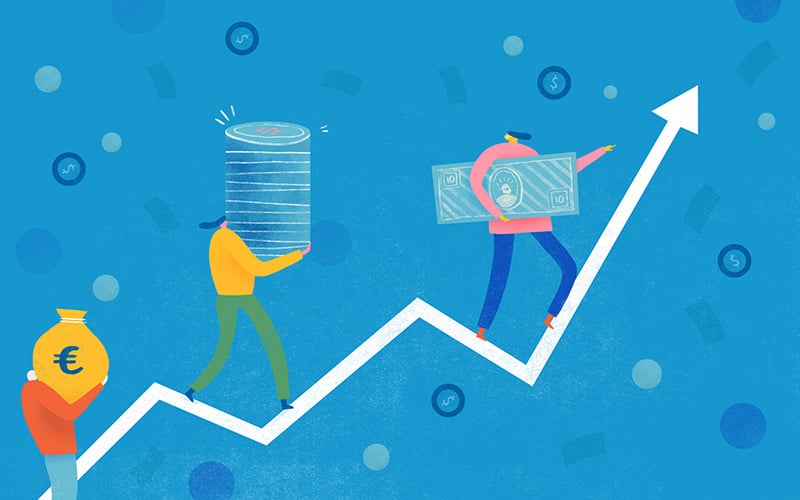
Both TikTok and Facebook offer unique opportunities for businesses to connect with their target audience and achieve their marketing objectives. TikTok provides an avenue to engage with a younger, highly engaged demographic through creative and captivating videos. On the other hand, Facebook's extensive targeting options and global reach make it an attractive choice for businesses of all sizes.
In the long run, the choice between TikTok and Facebook ads comes down to your business goals, target audience, and budget. It is essential to consider these factors and conduct thorough market research to make an informed decision that aligns with your business objectives.
Remember, success in advertising hinges on understanding your audience, crafting compelling content, and continually analyzing and optimizing your campaigns. By leveraging the strengths of both TikTok and Facebook, businesses can create powerful marketing strategies that drive results and propel their brand to new heights.
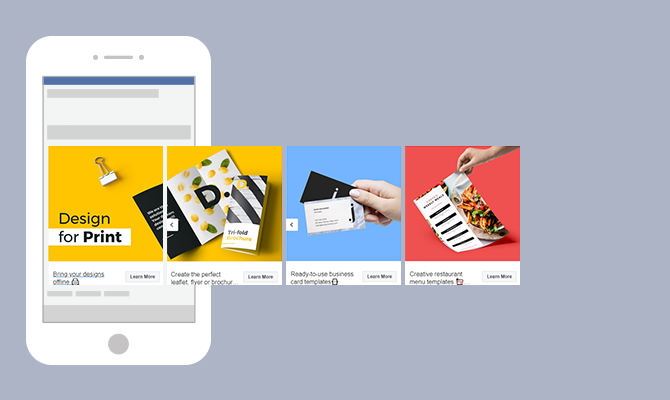
Advertising on social media platforms has become essential for businesses to reach their target audience effectively. Within the realm of social media advertising, Facebook Carousel Ads have emerged as a powerful tool to capture users' attention and drive engagement. Together, we will explore the ins and outs of creating an engaging Facebook Ad, providing you with the best practices to enhance your advertising campaigns.
First and foremost, a Facebook Carousel Ad is a dynamic advertisement format that allows businesses to showcase multiple images or videos, each with its own link, in a single ad unit. The ad appears as a scrollable carousel, enabling users to swipe through the various media elements effortlessly. This ad format offers a visually appealing and interactive way to tell a story or present different products or features.
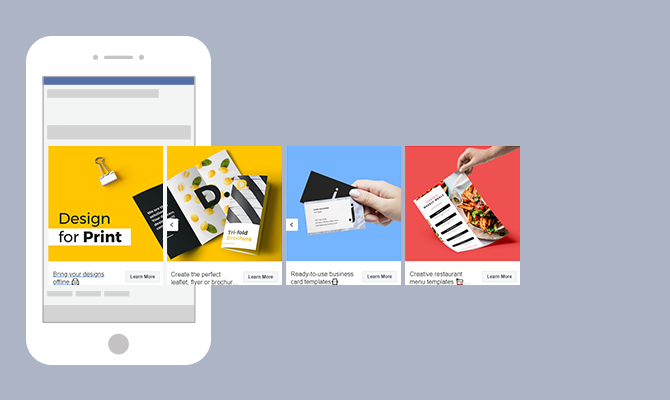
There are several compelling reasons to consider using Facebook Carousel Ads in your advertising strategy:
When it comes to increased engagement, Carousel Ads have proven to be highly effective. The scrollable format captures users' attention and encourages them to explore the different images or videos within the ad. This interactive experience creates a sense of curiosity and excitement, leading to higher click-through rates and longer time spent engaging with the ad.
Moreover, Carousel Ads offer businesses the opportunity to provide users with more information about their brand, products, or services. Instead of relying on a single image or video, Carousel Ads allow you to showcase a variety of visuals that highlight different aspects of your offerings. This enables users to gain a comprehensive understanding of what your brand represents and what you have to offer.
Storytelling is a powerful tool in advertising, and Carousel Ads provide the perfect platform for it. With the ability to present multiple images or videos in a sequential manner, businesses can take users on a journey, guiding them through a narrative that communicates their brand message effectively. This storytelling approach creates a deeper emotional connection with users, making your brand more memorable and relatable.
Carousel Ads can also significantly improve conversion rates. By including multiple links within a single ad, businesses can tailor the user experience based on their interests. For example, if a user is interested in a specific product showcased in the Carousel Ad, they can be directed to a landing page dedicated to that product. This personalized approach increases the likelihood of conversions as users are directed to the most relevant information and offerings.
Creating a successful Facebook Carousel Ad involves careful consideration of various elements. From high-quality images to compelling ad copy and attention-grabbing call-to-action (CTA) buttons, each component plays a vital role in captivating your audience and driving conversions.
When designing a Facebook Carousel Ad, the quality of your images is paramount. Clear, visually appealing images that align with your brand identity and messaging will help captivate your audience and encourage them to explore further. Imagine a carousel ad showcasing a stunning landscape, enticing travelers to embark on an adventure. The vivid colors and breathtaking scenery instantly transport viewers to a world of wanderlust, igniting their desire to learn more about the destination.
However, it's not just about aesthetics. Properly sized and well-lit images are essential to ensure optimal display across various devices and screen sizes. By investing time and effort into selecting and preparing high-quality images, you can enhance the overall impact of your carousel ad and leave a lasting impression on your target audience.
While images play a significant role in Carousel Ads, the accompanying ad copy should not be underestimated. The power of words can complement and reinforce the visual elements, effectively conveying your message to potential customers. Consider a carousel ad promoting a new line of skincare products. Alongside vibrant images showcasing the radiant effects of the products, the ad copy can highlight the key ingredients, emphasizing their nourishing properties and the resulting healthy, glowing skin.
When crafting ad copy, it's crucial to strike a balance between being concise and persuasive. Captivate your audience with compelling language that resonates with their needs and desires. By focusing on the unique features or benefits of your products or services, you can pique their interest and motivate them to take action. Additionally, incorporating a clear call-to-action (CTA) prompts users to engage further, whether it's making a purchase, signing up for a newsletter, or exploring more about your offerings.

CTA buttons serve as a crucial element in driving conversions through Carousel Ads. These buttons provide a clear and direct path for users to take the desired action. When selecting a CTA phrase, it's essential to choose impactful, action-oriented language that aligns with your campaign objectives. For instance, if you're running an e-commerce campaign, a CTA button saying "Shop Now" can create a sense of urgency and encourage users to explore your products further.
Make sure the CTA button stands out within the carousel ad, both in terms of design and placement. Consider using contrasting colors or bold typography to draw attention to the button. Additionally, strategically positioning the CTA button within the carousel sequence can increase the likelihood of user interaction. By creating a seamless user experience and making it effortless for users to take the desired action, you can maximize the effectiveness of your Carousel Ad campaign.
As you embark on creating engaging Carousel Ads, remember that each element, from high-quality images to compelling ad copy and attention-grabbing CTA buttons, contributes to the overall success of your campaign. By carefully crafting each component and ensuring they work harmoniously together, you can create a captivating and persuasive carousel ad that entices your audience and drives meaningful results.
Creating a successful Carousel Ad on Facebook requires careful consideration and attention to detail. A specialized Social Media Advertising Agency could help you implement a well-thought comprehensive strategy. By selecting the right images, writing effective ad text, and choosing the perfect call-to-action (CTA), your audience will be engaged and you will drive the desired actions. Let's dive deeper into each aspect to help you design a compelling Carousel Ad.
One of the key elements of a captivating Carousel Ad is the selection of images. High-resolution product photos can showcase the details and features of your offerings, enticing potential customers. Additionally, lifestyle images can help create a connection between your products or services and the aspirations of your target audience.
Consider going beyond static images and experiment with videos. Videos can bring your offerings to life, allowing viewers to see them in action. They can also be a powerful storytelling tool, capturing attention and conveying your brand's message effectively.
When choosing image combinations for your Carousel Ad, think about the visual appeal and the story you want to tell. Experiment with different sequences and arrangements to create a visually engaging flow that keeps viewers interested and encourages them to interact with your ad.
The ad text in your Carousel Ad plays a crucial role in conveying your message and enticing users to take action. To make the most impact, keep your ad text concise and compelling. Each ad card within the carousel should have a clear and focused message that complements the visuals.
Take the time to understand your target audience and tailor your ad text to resonate with their specific pain points or desires. By addressing their needs directly, you can create a sense of relevance and urgency, increasing the likelihood of engagement.
Consider using persuasive language, highlighting the unique benefits of your offerings, and incorporating social proof or testimonials to build trust. Remember, the goal is to capture attention and encourage users to take the desired action, whether it's making a purchase, signing up for a newsletter, or exploring more about your products or services.
The call-to-action (CTA) is the final piece of the puzzle in your Carousel Ad. It's the prompt that guides users to take the next step and convert. When selecting a CTA, it's essential to align it with the intended action you want users to take.
Start by considering the stage of the customer journey your target audience is in. Are they just discovering your brand, or are they already familiar with your offerings? Based on this understanding, choose a CTA that guides users towards the appropriate next step.
For example, if your goal is to drive immediate conversions, a CTA like "Shop Now" or "Buy Now" can be effective. On the other hand, if you're aiming to nurture leads and build a relationship, a CTA such as "Learn More" or "Sign Up" may be more suitable.
Remember to make your CTA visually prominent within the ad and ensure it stands out from the rest of the content. Use contrasting colors, compelling copy, and clear instructions to encourage users to click and take action.
By carefully selecting the right images, crafting impactful ad text, and choosing a compelling CTA, you can design a Facebook Carousel Ad that captures attention, engages your audience, and drives the desired actions. Start experimenting with these elements and monitor the performance of your ads to continuously optimize and improve their effectiveness.
For your Carousel Ads to be effective, it's crucial to target the right audience. Leverage Facebook's targeting options to define your ideal audience based on demographics, interests, behaviors, or even custom audiences. Refine your targeting strategy to maximize ad relevance and reach.
When setting your budget for Carousel Ads, consider the potential reach and the objectives of your campaign. Facebook offers various bidding options, such as cost per click (CPC) or cost per thousand impressions (CPM). Test different budget levels to find a balance between visibility and cost-effectiveness.
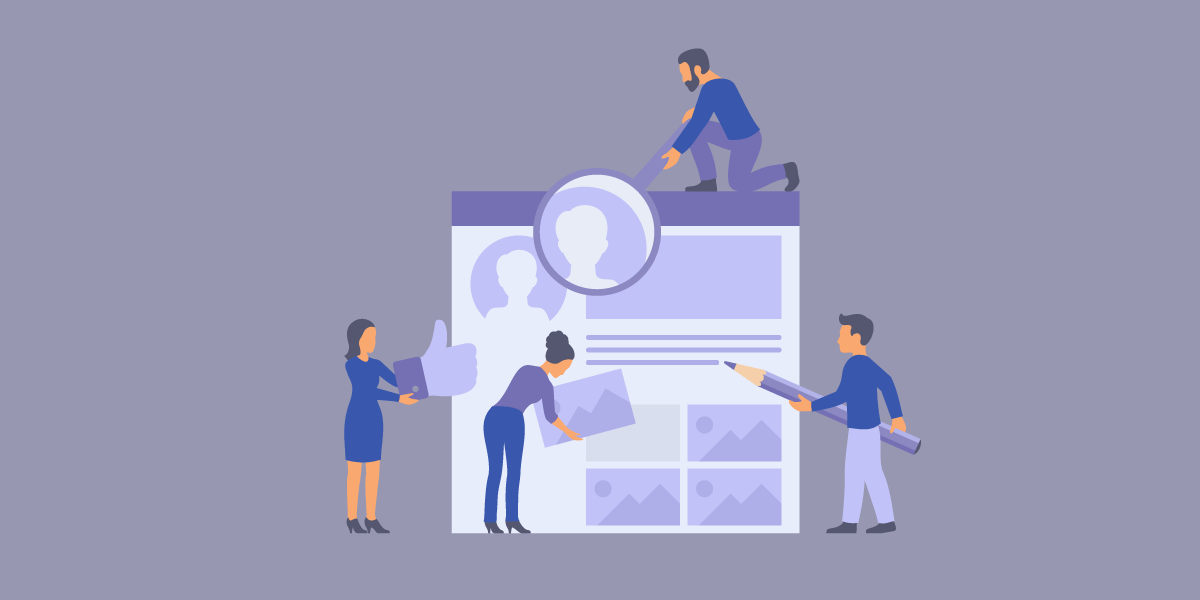
Regularly monitoring the performance metrics of your Carousel Ads is crucial to optimize their effectiveness. Pay attention to key metrics such as click-through rate (CTR), conversion rate, and engagement rate. Based on the insights gained, make data-driven adjustments to improve your ad campaign's performance and achieve the desired results.
By following these examples and best practices, you can create compelling and engaging Facebook Carousel Ads that captivate your audience, drive meaningful engagement, and help you achieve your marketing objectives. Remember to continuously iterate and refine your ad campaigns based on user feedback and data analysis, ensuring the ongoing success of your advertising efforts.
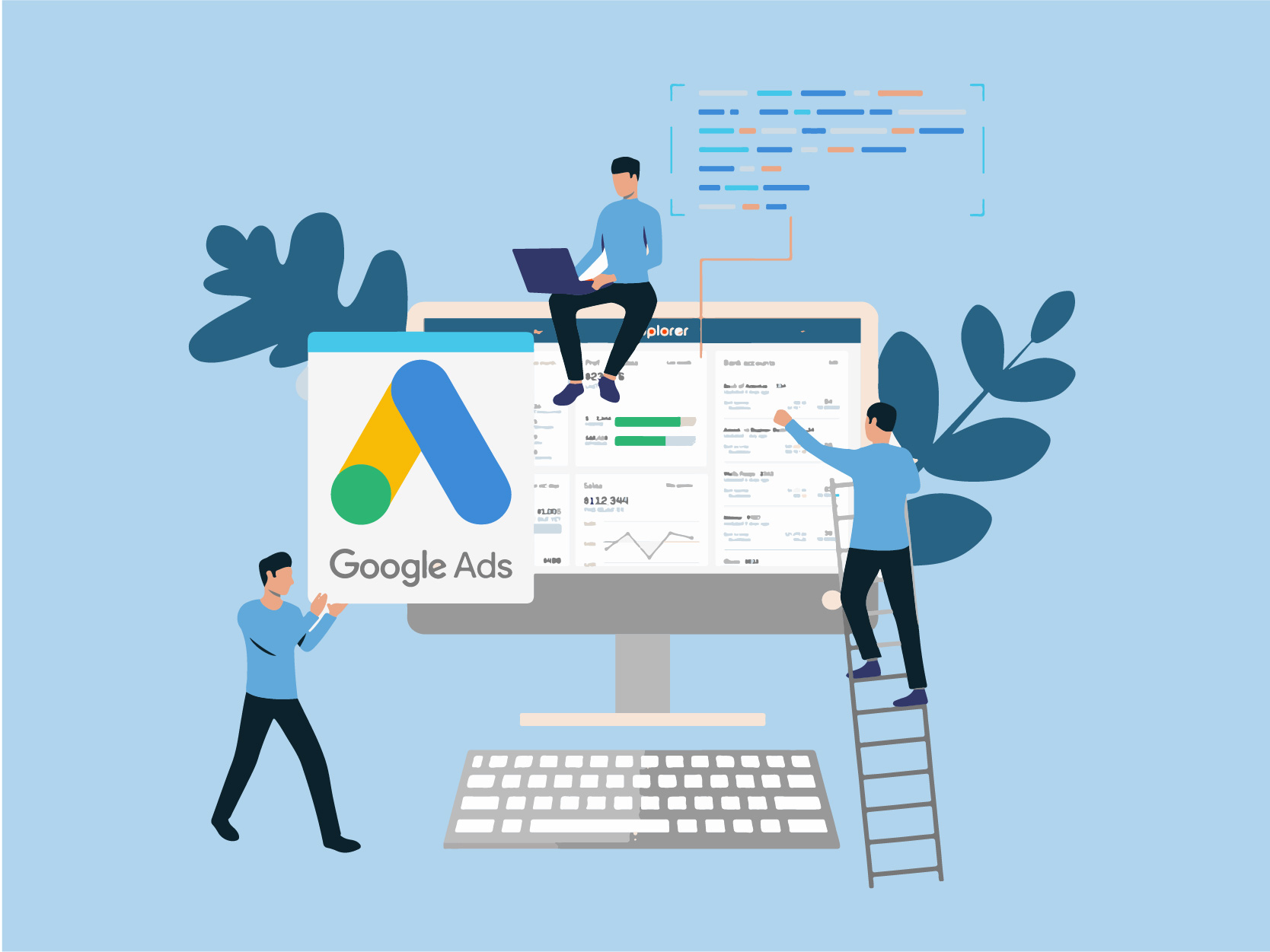
Google Ads is a powerful online advertising platform that can help businesses reach their target audience and drive results. Whether you're new to Google Ads or looking to improve your existing campaigns, this step-by-step guide will walk you through the process of setting up your Google Ads branch effectively.

Google Ads, formerly known as Google AdWords, is a robust advertising platform powered by Google's vast network. It offers a variety of ad formats, such as text ads, display ads, video ads, and more, allowing businesses to reach their target audience across different channels.
Text ads are the most common ad format on Google Ads. They appear as sponsored search results when users search for specific keywords related to your business. Display ads, on the other hand, are visually appealing image or banner ads that are shown on websites within Google's Display Network. Video ads, as the name suggests, are short video clips that can be displayed on YouTube (Ads) or other partner websites.
Google Ads also offers advanced targeting options to help businesses reach the right audience. You can target users based on their location, language, demographics, interests, and even specific websites or apps they visit. This level of precision ensures that your ads are shown to the most relevant audience, increasing the chances of engagement and conversion.
Google Ads is an essential tool for businesses of all sizes. It provides a way to increase visibility, drive website traffic, generate leads, and ultimately, grow your business. With Google Ads, you have the ability to reach users who are actively searching for products or services related to your business, increasing the chances of conversion.
One of the key advantages of Google Ads is its flexibility. You have full control over your ad budget, allowing you to set a daily or monthly spending limit. This ensures that you only spend what you can afford and gives you the flexibility to adjust your budget based on the performance of your ads.
Google Ads also provides detailed performance metrics and analytics, allowing you to track the effectiveness of your campaigns. You can see how many clicks your ads receive, the cost per click, the number of conversions, and much more. This data-driven approach enables you to make informed decisions and optimize your campaigns for maximum results.
Furthermore, Google Ads offers various ad extensions that can enhance the visibility and effectiveness of your ads. These extensions allow you to add additional information, such as phone numbers, addresses, or links to specific pages on your website. This not only makes your ads more informative but also increases the chances of users taking action.
Before diving into the setup process, there are a few things you need to prepare.
Setting up your Google Ads branch requires careful planning and organization. To ensure a smooth and successful setup, it is essential to gather all the necessary information and tools beforehand.
Start by gathering the necessary information and tools for setting up your Google Ads branch. This includes your business website URL, relevant keywords related to your business, ad images or videos, and a clear understanding of your target audience.
When it comes to your business website URL, make sure it is up-to-date and optimized for user experience. A well-designed and user-friendly website will greatly enhance the effectiveness of your Google Ads campaigns.
In terms of relevant keywords, conduct thorough research to identify the most appropriate and high-performing keywords for your business. These keywords will help you reach your target audience and increase the chances of your ads being shown to the right people at the right time.
When selecting ad images or videos, choose visuals that are visually appealing and relevant to your business. High-quality and engaging visuals can significantly improve the click-through rate of your ads.
Lastly, having a clear understanding of your target audience is crucial. Define your target audience based on demographics, interests, and behaviors. This knowledge will enable you to tailor your ads to resonate with your target audience and maximize your campaign's effectiveness.
It's important to establish clear advertising goals before setting up your Google Ads account. Determine what you want to achieve with your ads, whether it's getting more website traffic, increasing sales, or raising brand awareness. This will help you create effective campaigns that align with your business objectives.
Consider the specific metrics you want to track and measure to gauge the success of your campaigns. For example, if your goal is to increase sales, you may want to track the number of conversions or the return on ad spend (ROAS).
Furthermore, setting realistic and attainable goals is crucial. Take into account your budget, resources, and the competitive landscape of your industry. By setting achievable goals, you can stay motivated and focused throughout the setup and optimization process.
Remember, Google Ads can be a powerful tool for driving business growth, but it requires careful planning and strategic execution. By preparing the necessary information and setting clear advertising goals, you are laying the foundation for a successful Google Ads setup.

Now that you have everything in place, it's time to create your Google Ads account.
Creating a Google Ads account is a straightforward process that can be done in a few simple steps. By following these steps, you'll be well on your way to launching successful advertising campaigns:
To begin creating your Google Ads account, navigate to the Google Ads website. You can do this by typing "Google Ads" into your preferred search engine or by directly entering the URL in your browser's address bar.
Once you're on the Google Ads website, locate the "Get Started" button and click on it. This will initiate the account creation process and guide you through the necessary steps.
During the setup process, you'll be asked to provide information about your business. This includes details such as your business name, website, industry, and location. It's important to provide accurate and up-to-date information to ensure that your ads are relevant to your target audience.
One of the crucial aspects of creating a Google Ads account is setting your budget. You'll need to determine how much you're willing to spend on advertising each day. Google Ads offers various budget options, allowing you to choose what works best for your business.
Another important step in creating your Google Ads account is defining your target audience. You'll have the opportunity to specify the geographic locations where you want your ads to appear, ensuring that you're reaching the right people in the right places.
Google Ads also allows you to customize your ad scheduling preferences. This means you can choose the days and times when you want your ads to be displayed. By aligning your ad schedule with your target audience's online behavior, you can maximize the effectiveness of your campaigns.
Once you've provided all the necessary information and customized your preferences, you can proceed to complete the setup process. Review your choices to ensure everything is accurate, and then click on the "Finish" or "Create Account" button to finalize the creation of your Google Ads account.
After creating your Google Ads account, you'll gain access to the Google Ads dashboard. This dashboard serves as your central hub for managing and monitoring your advertising campaigns. Let's take a closer look at some key sections and features you'll encounter:
The "Campaigns" section is where you'll create, organize, and manage your advertising campaigns. Here, you can set campaign goals, select targeting options, and monitor performance metrics such as impressions, clicks, and conversions.
Within each campaign, you'll have the ability to create multiple ad groups. Ad groups allow you to organize your ads based on specific themes or target audiences. This level of granularity enables you to tailor your messaging and optimize your campaigns for better results.
The "Ads" section is where you'll create and manage the actual advertisements that will be shown to your target audience. You can experiment with different ad formats, headlines, descriptions, and visuals to find the most effective combination.
Keywords play a crucial role in Google Ads campaigns. In the "Keywords" section, you can research, select, and manage the keywords that trigger your ads. By choosing relevant and high-performing keywords, you can increase the chances of your ads being shown to the right audience.
The "Reports" section provides valuable insights into the performance of your campaigns. You can generate various reports that highlight key metrics and trends, allowing you to make data-driven decisions and optimize your advertising strategy.
As you navigate the Google Ads dashboard, take some time to explore the various features and settings available. Familiarize yourself with the interface, experiment with different options, and leverage the tools provided to optimize your campaigns for better performance.
With your account ready, it's time to set up your first Google Ads campaign.
When setting up your campaign, you will be presented with different campaign types. Consider your advertising goals and select the one that aligns with your objectives. The available options include Search Network campaigns, Display Network campaigns, Video campaigns, Shopping campaigns, and more.
It’s crucial to define your target audience when setting up your Google Ads campaign. Customizing your targeting options based on demographics, interests, and search intent will ensure that your ads reach the right people. Additionally, set a realistic budget that matches your advertising goals and resources to maximize your return on investment.
The effectiveness of your ads plays a vital role in the success of your Google Ads campaign.
The text in your ads should be catchy, concise, and convey the value proposition of your products or services. Highlight unique selling points, use persuasive language, and include relevant keywords to attract the attention of potential customers. Experiment with different ad variations to see which ones perform best.

Selecting the right keywords is crucial for targeting the right audience. Conduct keyword research to find relevant and high-performing keywords related to your business. Incorporate these keywords into your ad copy, headlines, and landing page content. Additionally, optimizing your website for SEO will improve your organic search rankings and increase your visibility.
Setting up your Google Ads branch doesn't have to be overwhelming. By understanding the basics of Google Ads, preparing the necessary information and tools, creating your account, setting up campaigns, and crafting effective advertisements, you can maximize the potential of this powerful advertising platform. Keep monitoring and optimizing your campaigns to ensure long-term success. Good luck!

Having an effective advertising strategy is crucial for businesses to reach their target audience and drive success. Google Ads is a powerful tool that allows businesses to advertise their products and services to millions of users across the globe. One essential component of Google Ads is the Customer ID, which plays a significant role in optimizing your advertising efforts, including search and social media ads. In this article, we will discuss the importance of understanding and utilizing your Google Ads Customer ID, as well as ways to protect and maximize its potential.

Your Google Ads Customer ID is a string of numbers that is assigned to your account. It serves as a way for Google to track your campaigns, ads, and overall account performance. Think of it as a digital fingerprint that is unique to your account.
With your Customer ID, Google can easily identify and organize all the data related to your advertising efforts. This includes information about your campaigns, ad groups, keywords, and more. It helps Google keep everything organized and makes it easier for you to manage your account.
First and foremost, your Customer ID is the backbone of your Google Ads account. It is the key that unlocks access to all aspects of your campaigns. With your Customer ID, you can monitor your advertising spend, track conversions, analyze performance metrics, and make data-driven decisions to optimize your campaigns.
But the importance of your Customer ID doesn't stop there. It also enables you to link your Google Ads account to other Google services, such as Google Analytics and YouTube. By doing so, you gain access to a wealth of additional data and enhanced targeting capabilities.
For example, by linking your Google Ads account to Google Analytics, you can get a deeper understanding of how your ads are performing and how they are driving traffic to your website. You can track user behavior, identify which keywords are driving the most conversions, and even set up custom reports to get the insights you need.
Similarly, linking your Google Ads account to YouTube Ads allows you to run video ads and reach a wider audience. You can leverage the power of video marketing and tap into the massive user base of YouTube to promote your products or services.
Overall, your Google Ads Customer ID is not just a random string of numbers. It is the key that unlocks the full potential of your advertising efforts. Understanding its importance and leveraging its capabilities can help you take your Google Ads campaigns to new heights.
Locating your Google Ads Customer ID is an essential step in managing your advertising campaigns effectively. Your Customer ID is a unique identifier that allows you to access and control your account. Follow the steps below to find your Customer ID:
Locating your Google Ads Customer ID is a straightforward process. Simply follow the steps below:
Once you have obtained your Customer ID, you can use it to access various features and settings within your Google Ads account. It is important to keep your Customer ID secure and confidential to protect your account from unauthorized access.

While finding your Customer ID is generally simple, there may be instances when you encounter difficulties. Some common issues and their solutions include:
Remember, your Customer ID is a crucial piece of information that allows you to manage your Google Ads account effectively. By following the steps outlined above and addressing any common issues that may arise, you will be able to locate your Customer ID and take full control of your advertising campaigns.
When it comes to running successful advertising campaigns on Google, your Google Ads Customer ID is a powerful tool that can greatly enhance your marketing strategy. Not only does it provide you with a unique identifier for your account, but it also offers a range of features and benefits that can help you achieve your advertising goals.
One of the key advantages of your Google Ads Customer ID is its ability to integrate with other Google services, such as Google Analytics. By linking these accounts, you can gain a deeper understanding of your advertising performance and audience behavior. With Google Analytics, you can track important metrics like website traffic, conversions, and user engagement, allowing you to make data-driven decisions to optimize your campaigns.
Additionally, linking your Customer ID to YouTube opens up a world of video advertising opportunities. With the rise of video content consumption, leveraging YouTube as a platform for your ads can significantly expand your reach and engagement. By connecting your Customer ID to YouTube, you can create and manage video campaigns, target specific audiences, and measure the success of your video ads.
For businesses or advertisers who manage multiple Google Ads accounts, the Customer ID becomes invaluable in streamlining their efforts. Instead of juggling multiple logins and interfaces, consolidating all accounts under one Customer ID allows for a more efficient and seamless management experience.
With a single Customer ID, you can access and manage all your accounts simultaneously, saving time and effort. This feature provides a holistic view of your advertising campaigns, making it easier to analyze performance trends, identify areas for improvement, and make strategic adjustments. Whether you're running multiple campaigns for different products or targeting different regions, having all your accounts accessible through one Customer ID simplifies administrative tasks and ensures consistency in your advertising strategy.
The Customer ID also enables you to set different access levels and permissions for team members or agencies who work on your accounts. This allows for better collaboration and control over who can make changes or view sensitive information, ensuring the security and integrity of your advertising campaigns.
Protecting your Google Ads Customer ID is crucial to maintain the security and integrity of your advertising account. Your Customer ID is a unique identifier that grants access to your account and holds sensitive information. Taking the necessary security measures will help prevent unauthorized access and potential breaches.
To safeguard your Customer ID, it is important to implement the following security measures:
In the unfortunate event that your Customer ID is compromised, it is vital to take immediate action to secure your account. Follow these steps:
By following these security measures and taking immediate action if your Customer ID is compromised, you can help protect your Google Ads account from unauthorized access and potential harm.

Your Google Ads Customer ID generates a wealth of valuable data that can provide insights into your advertising performance. By analyzing this data, you can identify trends, optimize campaign targeting, and make data-driven decisions. Key metrics include impressions, clicks, conversions, cost per click, and return on ad spend, among others. By understanding these metrics and how they relate to your business goals, you can refine your campaigns to maximize results.
Effective utilization of your Google Ads Customer ID data can significantly contribute to your business growth. By identifying profitable keywords, analyzing audience demographics, and tracking conversion rates, you can fine-tune your targeting strategy and allocate resources efficiently. Additionally, comparing data across different time periods can help identify seasonal trends, allowing you to optimize your campaigns accordingly.
Your Google Ads Customer ID is a fundamental element in unlocking the full potential of your advertising campaigns, even if they are managed by you or by a specialized ads agency. By understanding the importance of your Customer ID, locating it easily, maximizing its use, and protecting it diligently, you can harness the power of data-driven marketing to drive business growth and achieve your advertising goals effectively.
Achieving sustainable growth requires careful planning, strategic execution, and specialized knowledge. This is where a business growth agency plays a pivotal role. A business growth agency can be the springboard that launches your business to new heights. By understanding the role and functions of a business growth agency, as well as the importance of business growth for your company, you can harness the expertise of these agencies to take your organization to new heights.
A business growth agency is a strategic partner that works closely with your company to identify growth opportunities and develop tailored strategies to achieve them. They possess a deep understanding of your industry and market dynamics, allowing them to provide valuable insights and guidance.
When it comes to understanding the role of a business growth agency, it is crucial to recognize their ability to analyze your current business landscape. By conducting a thorough evaluation, they can identify areas for improvement and growth potential. This analysis involves studying market trends, consumer behavior, and competitor strategies.
Furthermore, a business growth agency goes beyond just identifying growth opportunities. They also play a crucial role in developing comprehensive strategies to maximize your company's growth potential. These strategies may involve marketing and branding, sales optimization, and operational efficiency improvement.
You can check an example of 5 proven strategies to boost lead generation [here].
Business growth is not just a desirable outcome; it is essential for the long-term success and sustainability of your company. Without continuous growth, businesses can quickly fall victim to stagnation, which can have detrimental effects.
When a business remains stagnant and fails to adapt to changing market conditions, it can experience stagnation. Stagnation often leads to declining sales, loss of market share, and reduced profitability. The inability to keep up with the ever-evolving business landscape puts stagnant businesses at risk of becoming obsolete.
However, continuous growth paves the way for numerous benefits. It enables your company to stay ahead of the competition, seize new market opportunities, and attract top talent. By embracing growth, your business can expand its reach and explore untapped markets, ensuring its relevance and longevity.
One of the key advantages of business growth is the increased revenue and profitability it brings. As your company expands, it can tap into new customer segments and generate more sales. This influx of revenue provides the financial resources necessary to invest in further expansion and innovation.
Moreover, continuous growth allows your company to build a strong brand reputation. As you expand your operations and reach, you can establish yourself as a market leader and gain the trust and loyalty of customers. A reputable brand not only attracts more customers but also opens doors to strategic partnerships and collaborations.
Business growth also creates a positive ripple effect throughout the organization. It fosters a culture of innovation and creativity, as employees are motivated by the exciting opportunities that come with expansion. This, in turn, attracts top talent who are eager to be part of a dynamic and growing company.
Additionally, growth provides the opportunity to diversify your product or service offerings. By expanding your portfolio, you can cater to a wider range of customer needs and preferences. This diversification not only strengthens your market position but also mitigates the risks associated with relying too heavily on a single product or service.
A business growth agency follows a structured approach to drive growth for your company. The process typically involves an initial assessment and strategy development phase, followed by the implementation of growth strategies.
But what exactly happens during each phase? Let's dive deeper into the workings of a business growth agency.
During the initial assessment phase, the business growth agency conducts a thorough analysis of your company's current performance, market position, and growth potential. They gather data, conduct market research, and assess your competitive landscape to identify the most viable growth opportunities.
But it doesn't stop there. The agency's team of experts goes beyond the surface-level analysis. They dig deep into your company's strengths, weaknesses, opportunities, and threats (SWOT analysis) to gain a comprehensive understanding of your business.
Additionally, they also examine industry trends, consumer behavior, and emerging technologies to identify potential disruptors or innovative strategies that can propel your company forward.

Based on these findings, they develop a tailored growth strategy that aligns with your company's vision and objectives. This strategy is not a one-size-fits-all approach. Instead, it is customized to address your specific challenges and leverage your unique strengths.
Once the growth strategy is developed, the business growth agency collaborates with your team to implement the identified strategies. This collaboration is crucial as it ensures that the agency's expertise is combined with your team's knowledge of the business.
The agency takes a hands-on approach, working closely with your team to ensure successful execution and ongoing monitoring and optimization of the growth initiatives. They provide guidance, support, and resources to implement marketing and branding campaigns, optimize sales processes, or improve operational efficiency.
But it doesn't end there. The agency continuously monitors the progress of the growth initiatives and collects data to measure their effectiveness. They analyze the results, identify areas for improvement, and make necessary adjustments to maximize the impact of the strategies.
Moreover, the agency also keeps a close eye on market dynamics, consumer preferences, and industry trends to ensure that the implemented strategies remain relevant and effective in the ever-changing business landscape.
So, as you can see, a business growth agency goes above and beyond to drive growth for your company. Their structured methodologies (as this one for SEO), thorough analysis, and hands-on implementation ensure that your company is equipped with the right strategies to thrive in today's competitive business environment.
Business growth agencies offer a wide range of services designed to fuel growth in various aspects of your business. Let's explore some of the key services provided by these agencies:
A strong marketing and branding strategy is essential for reaching your target audience and driving growth. Business growth agencies provide expertise in developing and executing effective marketing campaigns, creating impactful branding assets, and leveraging digital channels to maximize your brand's visibility and reach. If you're evaluating what a full-service marketing agency actually does and how engagements are structured, that resource walks through the full scope of services and pricing models.
Optimizing your sales processes and equipping your sales team with the necessary skills and knowledge is crucial for driving revenue growth. Business growth agencies offer comprehensive sales optimization services, including sales process analysis, sales training, and CRM implementation, to enhance your company's sales performance.
Improving operational efficiency is a key driver of growth. Business growth agencies help identify inefficiencies in your operational processes and develop strategies to streamline operations, reduce costs, and enhance productivity. This allows your organization to operate more efficiently, freeing up resources that can be allocated to growth initiatives.
Choosing the right business growth agency is vital to ensure a successful growth journey for your company. Consider the following factors when selecting an agency:
While cost is an important consideration, it is equally crucial to assess the value you will gain from the agency's services. Look for an agency that offers a comprehensive suite of services tailored to your specific growth needs and provides ongoing support and monitoring to ensure the success of your growth initiatives.

With expertise and a strategic approach, a growth agency can help you navigate the complexities of today's business landscape and achieve sustainable growth in various aspects of your operations. By understanding the role of a business growth agency, the importance of business growth, and the services they offer, you can make an informed decision when selecting the right agency to partner with. Embrace the power of a business growth agency and take your company to new heights.
In today's interconnected and digital age, having a strong presence on social media is essential for businesses and individuals alike. One platform that has garnered immense popularity is Instagram, with its stunning visuals and engaged user base. However, growing your number of Instagram followers can be a challenge. That's where Facebook ads come in. By leveraging the power of Facebook's ads with Instagram ads, you can effectively boost your Instagram growth and reach a wider audience.
Before diving into the specifics, it's important to understand the symbiotic relationship between Facebook ads and Instagram growth. Since Facebook owns Instagram, they have seamlessly integrated their ad platforms, making it easier than ever to target Instagram users. By utilizing Facebook ads, you can tap into the massive user base of both platforms and increase your chances of growing your Instagram followers.
But what exactly is the connection between Facebook ads and Instagram growth? Let's explore further.
One of the key advantages of using Facebook ads for Instagram growth is the ability to cross-promote your content on both platforms. By running ads simultaneously on Facebook and Instagram, you can create a cohesive brand presence and reach a wider audience.
Imagine this scenario: you have a stunning visual ad that perfectly captures the essence of your brand. By promoting this ad on both Facebook and Instagram, you not only increase its visibility but also create a consistent brand experience for your audience. This cross-promotion strategy allows you to maximize your ad campaign's impact and increase the likelihood of gaining new Instagram followers.
Cross-promotion can also help you leverage the strengths of each platform. Facebook, with its extensive targeting options, allows you to reach a specific audience based on demographics, interests, and behaviors. On the other hand, Instagram's visually-driven nature makes it ideal for showcasing your brand's aesthetics and engaging with users through captivating images and videos.
Facebook's ad platform offers a robust set of tools and features that can help you optimize your Instagram growth strategy. From advanced targeting options to detailed analytics, Facebook ads provide invaluable insights that can guide your decision-making process.
With Facebook's targeting options, you can narrow down your audience to specific demographics, interests, and even behaviors. This level of precision allows you to create ad campaigns that specifically target your desired audience on Instagram. For example, if you're a fashion brand targeting young adults interested in sustainable fashion, you can use Facebook's ad platform to reach this specific audience on Instagram.
Moreover, Facebook's analytics provide you with valuable data on the performance of your ads. You can track metrics such as reach, engagement, and conversions, allowing you to measure the effectiveness of your Instagram growth strategy. Armed with these insights, you can make data-driven decisions to optimize your ad campaigns and achieve better results. By cross-promoting your content on both platforms and leveraging Facebook's ad platform, you can increase your chances of growing your Instagram followers and expanding your brand's reach. So, if you're looking to take your Instagram growth strategy to the next level, consider incorporating Facebook ads into your marketing efforts, or working with a specialized growth agency.
Now that you understand the connection between Facebook ads and Instagram growth, it's time to set up your ads for maximum impact.
But before we dive into the nitty-gritty of setting up your Facebook ads for Instagram growth, let's take a moment to explore why this strategy is so effective.
Instagram has become one of the most popular social media platforms, with over 1 billion monthly active users. It's a visually-driven platform that allows users to share photos and videos, making it the perfect place for businesses to showcase their products or services.
By leveraging Facebook ads, you can tap into Instagram's massive user base and reach a wider audience. Facebook's powerful targeting options allow you to connect with people who are most likely to be interested in your content, increasing the chances of gaining new Instagram followers.
When creating your Facebook ads, it's crucial to select the right ad format to capture the attention of your target audience on Instagram.
Instagram offers various ad formats, including photo ads, video ads, and carousel ads. Each format has its own unique advantages and can be used to convey different messages.
Photo ads are great for showcasing a single product or highlighting a specific feature. They allow you to capture your audience's attention with a visually appealing image.
Video ads, on the other hand, give you the opportunity to tell a story and engage your audience on a deeper level. With videos, you can demonstrate how your product works or share customer testimonials.
Carousel ads are perfect for showcasing multiple products or telling a more comprehensive brand story. They allow users to swipe through a series of images or videos, providing a more interactive and immersive experience.
When choosing the right ad format, it's important to align it with your brand and resonate with your audience. Experiment with different formats to see which ones perform best and drive the most Instagram follows.
One of the greatest strengths of Facebook ads is their ability to target specific demographics, interests, and behaviors. To maximize your Instagram growth, ensure that you are targeting the right audience.
Facebook's robust targeting options allow you to narrow down your target audience and reach those most likely to be interested in your content. You can target people based on their age, gender, location, interests, and even their online behaviors.
For example, if you're a fitness brand selling workout equipment, you can target people who are interested in fitness, follow fitness influencers, or have previously purchased fitness-related products.
By reaching the right people, you increase the chances of gaining new Instagram followers who are genuinely interested in what you have to offer.
It's important to regularly analyze and optimize your targeting strategy. Keep an eye on the performance of your ads and make adjustments as needed. Test different targeting options to see which ones yield the best results and help you achieve your Instagram growth goals.
When it comes to ad campaigns, content is king. To maximize your Instagram growth, you need to create compelling ad content that captures the attention of your audience and drives engagement.
But what exactly makes ad content compelling? How can you craft ad copy and visuals that stand out from the crowd and entice users to follow you on Instagram? Let's dive deeper into the art of creating compelling ad content.
Your ad copy plays a crucial role in convincing users to follow you on Instagram. It's not just about writing a few lines of text; it's about crafting engaging and persuasive copy that clearly communicates the value proposition of following your account.
One effective strategy is to highlight the benefits and unique selling points of your content. What makes your account different from others? Is it your expertise in a specific niche? Is it the exclusive content you provide to your followers? Whatever it is, make sure to emphasize it in your ad copy.

Another important aspect of crafting engaging ad copy is to understand your target audience. What are their pain points, desires, and aspirations? Tailor your copy to resonate with their needs and aspirations, showing them how following your account can help them achieve their goals.
Instagram is known for its visually stunning content, so it's essential to use high-quality visuals in your ads. Investing in eye-catching imagery or videos can make a significant difference in attracting new Instagram followers.
When selecting visuals for your ads, pay attention to detail. Choose images or videos that not only showcase your brand or products but also evoke emotions and tell a story. Visual storytelling can be a powerful tool in capturing the attention of your audience and making your ad content memorable.
Moreover, consider the aesthetics of your visuals. Instagram users are drawn to visually appealing content, so make sure your visuals are well-composed, well-lit, and visually pleasing. Experiment with different styles and themes to find what resonates best with your target audience.
By crafting engaging ad copy and utilizing high-quality visuals, you can create compelling ad content that stands out on Instagram. Remember, the key is to understand your audience, highlight the unique value you provide, and capture their attention with visually stunning content. Start experimenting and refining your ad content strategy to drive more engagement and grow your Instagram following.
To ensure your Instagram growth strategy is effective, you need to measure the success of your Facebook ads and make data-driven decisions.
Identify key performance indicators (KPIs) to track the success of your ad campaigns. Metrics such as click-through rate, conversion rate, and cost per follower are essential to understanding the effectiveness of your ads. Regularly analyze these metrics and make necessary adjustments to optimize your campaigns for Instagram growth.
Data analytics provide valuable insights into the performance of your Facebook ads. Monitor the analytics closely and adjust your strategy accordingly. If certain ads are not performing as expected, experiment with different visuals, copy, or targeting options. Use the data at your disposal to refine your approach and maximize your Instagram growth potential.
While Facebook ads provide a powerful tool for growing your Instagram following, there are additional tips and tricks you can implement to further maximize your ad impact.
Timing plays a crucial role in the success of your Facebook ads. Experiment with different posting schedules to determine when your audience is most active and engaged. By posting your ads when your target audience is most likely to be online, you increase the chances of capturing their attention and gaining new Instagram followers.
A clear and compelling call-to-action (CTA) can significantly impact whether a user decides to follow you on Instagram. Encourage users to take action by including a strong CTA in your ad copy. Use phrases like "follow us on Instagram for more" or "join our growing community on Instagram" to prompt users to click that follow button.
As you see, utilizing Facebook ads is a powerful strategy to grow your Instagram followers. By understanding the connection between Facebook ads and Instagram growth, setting up your ads effectively, creating compelling ad content, measuring success, and implementing tips and tricks, you can maximize the impact of your ad campaigns. Leverage the power of Facebook's ad platform to reach a wider audience and achieve exponential Instagram growth.


.svg)