
The search for the best digital marketing firms typically starts after a growth plateau or a failed agency relationship. By that point, most teams have already learned what a generic vendor looks like: broad service menus, account manager overhead, and reporting that describes activity rather than results. Finding a firm that actually moves revenue requires a different evaluation framework, starting with specialization and structure before getting to price.
The distinction between a "firm" and an "agency" is largely semantic in marketing, but it signals something about positioning. Firms tend to imply structured engagements, deeper specialization, and senior-level execution rather than delegated account management. What matters more than the label is whether the vendor demonstrates vertical experience in your business model.
Retainer engagements are the clearest proxy for client satisfaction. Clients on retainer contracts stay an average of 56 months versus 24 months for project-based clients, according to InfluenceFlow's 2026 agency benchmarking report, and retainer clients churn at 18% annually versus 42% for project clients. Firms with strong retainer books are building long-term relationships because they deliver measurable outcomes. Firms that default to project work often do so because their results do not justify ongoing investment.
Full-stack firms manage multiple channels: paid search, paid social, SEO, email, and content, all under one roof. They make sense for brands that want integrated execution and attribution without coordinating multiple vendors. The risk is diluted specialization: a firm that runs everything may not be best-in-class at any single channel.
Channel-specific specialists focus on one or two channels and go deep. A paid social firm that manages Meta, TikTok, and Pinterest campaigns exclusively develops pattern recognition across thousands of accounts that a generalist cannot replicate. SEM agencies operating purely in paid search build Google Ads account structures and bidding strategies that general firms rarely match. The tradeoff is coordination complexity when you need multiple channels covered simultaneously.
Vertical specialists focus on a specific business model: DTC ecommerce, B2B SaaS, healthcare, or local services. This is the highest-signal category when the vertical matches your business. A firm that has scaled 30 Shopify brands to $10 million understands creative fatigue cycles, contribution margin targets, and LTV models in ways that a generalist cannot replicate. At the $5 million to $20 million ARR inflection point for DTC brands, vertical expertise begins to matter more than channel depth, because strategic decisions require business model understanding, not just platform mechanics.
The evaluation framework differs significantly between B2B and DTC brands, and the best firms in each category are usually not the same firms.
For DTC and ecommerce brands, creative capability is the most important signal. Creative drives 60 to 70 percent of campaign performance on paid social platforms, according to internal Google data cited by Darkroom Agency. Meta's Andromeda algorithm has further shifted the platform away from audience signals toward creative signals, meaning a firm that produces strong ad creative outperforms one that excels at audience segmentation. Firms that combine performance media buying with in-house creative production are specifically built for this environment.
For B2B brands, account-based marketing capability is the differentiating factor. B2B companies that deploy ABM strategies see 87% higher ROI than those using broad-based approaches, per Forrester Research. The ABM services market reached $1.2 billion in 2024, reflecting how much B2B marketing has shifted toward precision targeting over volume. Firms with ABM-specific expertise (intent data integration, targeted account programs, and sales-marketing alignment) serve a fundamentally different need than firms optimized for DTC acquisition.
Digital marketing firms price in three main structures: flat monthly retainer, percentage of spend, or hybrid. The right structure depends on your stage and the channels being managed.

Flat retainers are common for content, SEO, and full-service engagements. Percentage of spend (typically 10 to 20 percent) is standard for paid media management, where the fee scales with the media budget. Hybrid models split a flat strategy fee from a variable media management fee. Seventy-eight percent of digital marketing firms use retainer pricing as their primary model, per InfluenceFlow 2026, which creates predictable cost for the client and stable revenue for the firm.
Pricing signals something beyond cost. A growth-stage firm charging $2,000 per month for full-service management is almost certainly understaffed or using offshore execution layers. Firms operating in the $3,000 to $7,000 monthly range for growth-stage brands can typically support senior execution on your account.
Boutique marketing agencies with narrow specializations often deliver more output per dollar at this tier than larger shops carrying account management overhead. Understanding how to choose the right marketing agency for your stage matters more than maximizing channel coverage per dollar spent.
The evaluation process should filter on fit, not just capability. These six questions surface the information that separates genuinely strong firms from ones that present well:
What is the average annual revenue of your current clients in my category? The answer reveals whether the firm has pattern recognition at your stage or is learning on your budget.
How many accounts does each strategist manage? More than eight accounts typically means reactive management rather than proactive optimization, regardless of how the firm describes its team structure.
Can you walk through your attribution methodology? Firms that cannot explain how they connect spend to pipeline or revenue are reporting activity, not outcomes.
What was your average client retention period over the last three years? A number below 18 months signals a client satisfaction problem. Strong firms can produce this number without hesitation.
Who specifically will work on my account, and can I meet them before signing? The most common complaint in agency relationships is senior sellers handing off to junior executors after the contract is signed. Insist on meeting the actual execution team.
What does success look like in 90 days, and how will you measure it? Firms that cannot define measurable 90-day milestones are not outcomes-oriented. Clear short-term benchmarks reveal whether the firm has realistic expectations for your category.
Guaranteed ROAS or ranking promises are the most visible red flag in any firm pitch. Results depend on competitive conditions, creative quality, and spend levels that no firm controls entirely. Long-term contracts of 12 or more months with no performance clauses lock clients into underperforming relationships with no recourse. Firms that lead with proprietary technology platforms rather than strategy are often selling software subscriptions with thin service wrappers on top.
Reporting dashboards that show impressions and clicks without connecting to revenue or pipeline are designed to demonstrate activity, not outcomes. A firm worth hiring can explain which dollars drove which results, even approximately. The best digital marketing agencies share the same quality signals regardless of size: they push back on unrealistic expectations, define measurable outcomes before starting, and surface problems before clients notice them.
The strongest predictor of a productive firm relationship is vertical alignment. A firm that has worked with 20 brands at your stage and business model has already encountered your specific problems. They know which channels work at your spend level, where creative bottlenecks typically appear, and what realistic performance looks like in your category. The evaluation time invested in finding vertical alignment pays back in avoided ramp time and failed experiments.
For growth-stage ecommerce and DTC brands evaluating demand generation partners, EmberTribe works on the content and paid media programs that build compounding pipeline rather than isolated campaign spikes.
The search for the best digital marketing firms typically starts after a growth plateau or a failed agency relationship. By that point, most teams have already learned what a generic vendor looks like: broad service menus, account manager overhead, and reporting that describes activity rather than results. Finding a firm that actually moves revenue requires a different evaluation framework, starting with specialization and structure before getting to price.
The distinction between a "firm" and an "agency" is largely semantic in marketing, but it signals something about positioning. Firms tend to imply structured engagements, deeper specialization, and senior-level execution rather than delegated account management. What matters more than the label is whether the vendor demonstrates vertical experience in your business model.
Retainer engagements are the clearest proxy for client satisfaction. Clients on retainer contracts stay an average of 56 months versus 24 months for project-based clients, according to InfluenceFlow's 2026 agency benchmarking report, and retainer clients churn at 18% annually versus 42% for project clients. Firms with strong retainer books are building long-term relationships because they deliver measurable outcomes. Firms that default to project work often do so because their results do not justify ongoing investment.
Full-stack firms manage multiple channels: paid search, paid social, SEO, email, and content, all under one roof. They make sense for brands that want integrated execution and attribution without coordinating multiple vendors. The risk is diluted specialization: a firm that runs everything may not be best-in-class at any single channel.
Channel-specific specialists focus on one or two channels and go deep. A paid social firm that manages Meta, TikTok, and Pinterest campaigns exclusively develops pattern recognition across thousands of accounts that a generalist cannot replicate. SEM agencies operating purely in paid search build Google Ads account structures and bidding strategies that general firms rarely match. The tradeoff is coordination complexity when you need multiple channels covered simultaneously.
Vertical specialists focus on a specific business model: DTC ecommerce, B2B SaaS, healthcare, or local services. This is the highest-signal category when the vertical matches your business. A firm that has scaled 30 Shopify brands to $10 million understands creative fatigue cycles, contribution margin targets, and LTV models in ways that a generalist cannot replicate. At the $5 million to $20 million ARR inflection point for DTC brands, vertical expertise begins to matter more than channel depth, because strategic decisions require business model understanding, not just platform mechanics.
The evaluation framework differs significantly between B2B and DTC brands, and the best firms in each category are usually not the same firms.
For DTC and ecommerce brands, creative capability is the most important signal. Creative drives 60 to 70 percent of campaign performance on paid social platforms, according to internal Google data cited by Darkroom Agency. Meta's Andromeda algorithm has further shifted the platform away from audience signals toward creative signals, meaning a firm that produces strong ad creative outperforms one that excels at audience segmentation. Firms that combine performance media buying with in-house creative production are specifically built for this environment.
For B2B brands, account-based marketing capability is the differentiating factor. B2B companies that deploy ABM strategies see 87% higher ROI than those using broad-based approaches, per Forrester Research. The ABM services market reached $1.2 billion in 2024, reflecting how much B2B marketing has shifted toward precision targeting over volume. Firms with ABM-specific expertise (intent data integration, targeted account programs, and sales-marketing alignment) serve a fundamentally different need than firms optimized for DTC acquisition.
Digital marketing firms price in three main structures: flat monthly retainer, percentage of spend, or hybrid. The right structure depends on your stage and the channels being managed.
Flat retainers are common for content, SEO, and full-service engagements. Percentage of spend (typically 10 to 20 percent) is standard for paid media management, where the fee scales with the media budget. Hybrid models split a flat strategy fee from a variable media management fee. Seventy-eight percent of digital marketing firms use retainer pricing as their primary model, per InfluenceFlow 2026, which creates predictable cost for the client and stable revenue for the firm.
Pricing signals something beyond cost. A growth-stage firm charging $2,000 per month for full-service management is almost certainly understaffed or using offshore execution layers. Firms operating in the $3,000 to $7,000 monthly range for growth-stage brands can typically support senior execution on your account.
Boutique marketing agencies with narrow specializations often deliver more output per dollar at this tier than larger shops carrying account management overhead. Understanding how to choose the right marketing agency for your stage matters more than maximizing channel coverage per dollar spent.
The evaluation process should filter on fit, not just capability. These six questions surface the information that separates genuinely strong firms from ones that present well:
What is the average annual revenue of your current clients in my category? The answer reveals whether the firm has pattern recognition at your stage or is learning on your budget.
How many accounts does each strategist manage? More than eight accounts typically means reactive management rather than proactive optimization, regardless of how the firm describes its team structure.
Can you walk through your attribution methodology? Firms that cannot explain how they connect spend to pipeline or revenue are reporting activity, not outcomes.
What was your average client retention period over the last three years? A number below 18 months signals a client satisfaction problem. Strong firms can produce this number without hesitation.
Who specifically will work on my account, and can I meet them before signing? The most common complaint in agency relationships is senior sellers handing off to junior executors after the contract is signed. Insist on meeting the actual execution team.
What does success look like in 90 days, and how will you measure it? Firms that cannot define measurable 90-day milestones are not outcomes-oriented. Clear short-term benchmarks reveal whether the firm has realistic expectations for your category.
Guaranteed ROAS or ranking promises are the most visible red flag in any firm pitch. Results depend on competitive conditions, creative quality, and spend levels that no firm controls entirely. Long-term contracts of 12 or more months with no performance clauses lock clients into underperforming relationships with no recourse. Firms that lead with proprietary technology platforms rather than strategy are often selling software subscriptions with thin service wrappers on top.
Reporting dashboards that show impressions and clicks without connecting to revenue or pipeline are designed to demonstrate activity, not outcomes. A firm worth hiring can explain which dollars drove which results, even approximately. The best digital marketing agencies share the same quality signals regardless of size: they push back on unrealistic expectations, define measurable outcomes before starting, and surface problems before clients notice them.
The strongest predictor of a productive firm relationship is vertical alignment. A firm that has worked with 20 brands at your stage and business model has already encountered your specific problems. They know which channels work at your spend level, where creative bottlenecks typically appear, and what realistic performance looks like in your category. The evaluation time invested in finding vertical alignment pays back in avoided ramp time and failed experiments.
For growth-stage ecommerce and DTC brands evaluating demand generation partners, EmberTribe works on the content and paid media programs that build compounding pipeline rather than isolated campaign spikes.

Most brands launch a loyalty program because a competitor has one. That is not a strategy. Customer loyalty plans work when they are built around a specific business goal, structured for the right customer behavior, and measured like any other growth channel. When they are not, they become expensive discount machines that train customers to wait for rewards instead of paying full price.
This guide covers what customer loyalty plans actually are, the four structural models that dominate the market, the conditions that make each one succeed or fail, and how to measure whether yours is generating real return.
A customer loyalty plan is a structured system for rewarding repeat purchase behavior and deepening the relationship between a brand and its customers. The plan defines which behaviors earn rewards, what those rewards are worth, and how customers move through the program over time.
The core premise is straightforward: retaining an existing customer costs significantly less than acquiring a new one. Research published in Harvard Business Review on customer retention economics found that acquiring a new customer is five to twenty-five times more expensive than keeping one, and that a 5% improvement in retention can increase profits by 25% to 95%. A well-structured loyalty plan converts that math into a concrete revenue lever.
This is meaningfully different from a one-off promotion. A promotion captures short-term behavior. A loyalty plan shapes long-term buying patterns and, at its best, shifts how customers think about your brand relative to alternatives.
Understanding your customer acquisition cost is the baseline before designing any loyalty plan. If you do not know what it costs to win a customer, you cannot set rational thresholds for what it is worth to keep one.
There is no single right structure for customer loyalty plans. The right model depends on your product category, purchase frequency, average order value, and what your customers actually value.
Points programs are the most widely deployed model. Customers earn points on purchases (and often on ancillary actions like reviews, referrals, or social shares) and redeem them for discounts, free products, or exclusive access.
This model works well for brands with high purchase frequency, where customers have regular reasons to log in and check their balance. The challenge is perceived value erosion. If points feel hard to accumulate or the redemption process is confusing, engagement drops and the program becomes background noise.
Points programs also carry a liability risk: unredeemed points sit on the balance sheet as a future obligation. Brands that grow programs quickly without modeling redemption rates can create significant financial exposure.
Tiered programs assign customers to status levels based on spending volume, points accumulated, or engagement. Each tier unlocks progressively better benefits: free shipping, early access, dedicated support, or exclusive products.
The mechanism here is status aspiration. Customers in a tier just below the next level are more likely to consolidate spending with your brand to reach that threshold. This is why tiered programs tend to drive higher average order values than flat points programs.
The failure mode is over-engineering. Programs with five or six tiers, complex multipliers, and expiring statuses create confusion that discourages participation. Three tiers with clearly differentiated benefits is usually the ceiling before complexity starts working against you.
Your ecommerce CRM is the operational backbone of any tiered program. Without accurate tracking of lifetime spend, tier assignments break down and customer trust erodes fast.
Paid loyalty programs charge customers an upfront or recurring fee in exchange for guaranteed benefits. Amazon Prime is the canonical example, but paid programs appear across DTC categories from beauty to pet food.
The business case is compelling: customers who pay to join a program have a financial incentive to recoup that fee through purchases, which drives both frequency and average order value. Paid members also tend to have higher lifetime value and lower churn than free-program members.
The barrier is the ask. You have to demonstrate clear, tangible value before a customer will hand over a membership fee. Free shipping, members-only pricing, and exclusive product access are the most common value propositions. Brands with thin margins need to model the economics carefully, because free shipping for high-volume members can quickly become unprofitable without minimum order thresholds.
Most mature loyalty programs blend elements from multiple models: a points foundation, tiered status levels, and optional paid upgrades for customers who want premium access. Hybrid structures can accommodate a wide range of customers but require more sophisticated infrastructure and clearer communication to avoid confusion.
Shopify's overview of loyalty program types documents how brands like Sephora and Nordstrom run complex hybrid structures effectively because they invest heavily in making the program legible to customers at every touchpoint.
Structure alone does not determine whether a loyalty plan succeeds. Execution and design choices matter as much as the model.
Personalization is now a baseline expectation. McKinsey research on personalization and revenue growth found that 76% of consumers get frustrated when brands fail to deliver personalized interactions, and that companies excelling at personalization generate 40% more revenue from those activities than average. A loyalty plan that sends every member the same email with the same offer is leaving revenue on the table.
Redemption friction kills programs. If customers cannot figure out how to redeem their rewards, or if the process takes too many steps, they disengage. Brands that bury redemption behind account logins, minimum thresholds, and narrow expiration windows train customers to see the program as a trap rather than a benefit.
The reward has to feel worth earning. This sounds obvious, but many programs fail because the economics are structured for the brand's benefit, not the customer's. If a customer needs to spend $500 to earn a $10 reward, most of them will never bother. The sweet spot is a reward that feels attainable within a realistic purchase horizon.
Communication cadence matters. Loyalty members who receive no communication after joining forget they are enrolled. Regular, relevant touchpoints that report on points balances, upcoming tier thresholds, or member-exclusive offers keep the program front of mind without becoming noise.
For DTC brands, connecting your loyalty plan to your broader ecommerce marketing strategy determines how effectively you can recruit new members, reactivate lapsed ones, and use program data to improve targeting.
Customer loyalty plans are marketing investments. They need to be measured like one.
The core metrics fall into three categories:
Program engagement: enrollment rate, active member rate (members who earned or redeemed in the last 90 days), and redemption rate. Low redemption is often misread as a good thing because it lowers liability. In practice, low redemption signals that members are not engaged enough to care.
Customer behavior: purchase frequency, average order value, and repeat purchase rate for members versus non-members. If loyalty members do not buy more often or spend more per order than non-members, the program is not driving the behavior it is supposed to.
Financial return: incremental revenue attributable to the program, cost per enrolled member, and the ratio of reward liability to generated revenue. This requires clean attribution, which is why tracking these figures in your ecommerce analytics platform from program launch is essential.
A useful benchmark: your loyalty plan should move the ecommerce growth metrics that actually matter for your business model, whether that is repeat purchase rate, customer lifetime value, or referral volume. If none of those numbers improve after 90 days, the program design needs to be revisited before you scale it.
Launching without a control group. If you enroll every customer in the program at launch, you have no baseline to measure against. Segment a portion of your customer base out of the program initially so you can measure incremental impact.
Treating loyalty as a discount channel. Programs that primarily offer percentage discounts attract price-sensitive customers who will defect to the next brand running a better sale. The most defensible loyalty programs offer benefits that competitors cannot easily replicate: exclusive products, early access, or community membership.
Ignoring the data. Every interaction a loyalty member has with your program generates signal about what they value, when they are most likely to purchase, and where they are at risk of churning. Brands that do not build reporting and feedback loops into the program structure miss the analytical upside. Your marketing analytics stack should be pulling loyalty program data into the same view as your acquisition and retention metrics.
Overcomplicating the earn structure. Multiple points multipliers, category exclusions, and rotating bonus periods create cognitive load that reduces participation. The brands running the most effective programs tend to have the simplest earn mechanics.
Customer loyalty plans are not a standalone channel. They work best when integrated with your broader retention and acquisition strategy.
Loyalty data can improve paid acquisition targeting by identifying the characteristics of your highest-value customers. It can feed content personalization, inform your email and SMS segmentation, and surface early signals of churn risk. A well-instrumented program becomes a data asset, not just a retention tool.
For growth-stage DTC brands, the right time to invest in a formal loyalty plan is usually when repeat purchase rate plateaus despite strong acquisition volume. That signal indicates customers are not finding enough reason to return on their own, and a structured incentive system can close that gap.
If you are earlier in that process and still mapping the mechanics of your customer lifecycle, the customer loyalty program fundamentals post covers the foundational elements before you get into structural decisions.
The teams at EmberTribe work with DTC brands to design loyalty plans that tie directly to growth KPIs, including the tracking and reporting infrastructure needed to measure whether they are working. If you are building or rebuilding a program, that is a reasonable place to start the conversation.

Hiring a marketing agency is one of the highest-stakes vendor decisions a growth-stage company makes. Get it right and you compress months of channel development into weeks. Get it wrong and you spend a quarter paying for deliverables that don't move the needle, then burn more time unwinding the relationship.
The challenge is that "marketing agency" describes an enormous range of organizations — from a two-person boutique specializing in email sequences to a 400-person integrated firm managing nine-figure ad budgets. Picking between them without a clear framework leads to mismatched expectations on both sides.
This guide gives you that framework: what types of marketing agencies exist, when it makes more sense to hire in-house, and what separates agencies worth working with from the rest.
Understanding agency types is the first step to knowing which one fits your situation.
Full-service agencies cover strategy, creative, paid media, SEO, content, and analytics under one roof. The appeal is coordination — you get one account team managing an integrated program rather than juggling multiple vendors.
The tradeoff is depth. Full-service agencies spread their expertise across many disciplines, which means they're rarely the sharpest practitioners in any single channel. They work best for companies with diverse channel needs and large enough budgets to warrant the overhead.
Performance agencies specialize in paid acquisition — Google Ads, Meta, programmatic display, and increasingly connected TV. They're built around ROAS, CAC, and MER optimization and tend to operate with tighter feedback loops and more rigorous testing than generalist shops.
For ecommerce brands and DTC companies where paid media drives the majority of revenue, a performance specialist often outperforms a full-service agency on the channels that matter most. Google's own Smart Bidding documentation underscores how much campaign-level strategic oversight matters — automation amplifies good structure, but it doesn't replace it.
These agencies focus on organic growth — keyword strategy, content production, technical SEO, and link building. The economics are compelling over a 12-to-24-month horizon (traffic compounds without ongoing ad spend), but the timeline to meaningful results is longer than most early-stage companies can tolerate.
SEO agencies work best for companies with at least 6–12 months of runway and a content-driven customer acquisition model.
Social agencies specialize in organic social content, community management, paid social (sometimes), and influencer partnerships. The best ones understand both the creative and the distribution sides of social — the worst ones produce content without any performance accountability.
Be cautious of agencies that separate "organic social" and "paid social" into entirely different offerings — the two should inform each other.
Growth agencies operate across the full funnel — acquisition, conversion, retention — and are defined less by channel and more by a testing-and-iteration methodology. They're typically a better fit for companies that need strategic direction alongside execution, rather than pure channel specialists.
The distinction from a full-service agency: growth agencies are generally smaller, more senior, and more accountable to business outcomes rather than deliverable volume.
This is the question companies get wrong most often, and the answer depends almost entirely on your growth stage.
Before you've validated your core message and conversion funnel, an agency is almost always the wrong move. Agencies require clear direction to be effective — if you don't yet know who your customer is, what drives their decision, and what messaging resonates, you'll spend months paying for campaigns that teach you very little.
At this stage, hire a versatile in-house marketer (or a fractional CMO) who can run experiments quickly and is close enough to the product to iterate the message in real time.
This is the sweet spot for agency engagement. You know your customer, your conversion funnel is working at a basic level, and the question is how to scale acquisition efficiently across channels. An agency can compress the learning curve significantly — they've seen what works across dozens of similar businesses and can apply that pattern recognition to your situation.
At this stage, look for agencies with demonstrable experience in your category and a clear testing-and-optimization methodology. The best ones will tell you within the first 60 days what's working, what isn't, and why. The DTC landscape in particular is demanding: customer acquisition costs have risen 222% over the past eight years, which means a poorly structured agency relationship compounds the damage quickly.
At scale, the value of an agency shifts from execution to decision-quality. You likely have in-house capability on your core channels. What you need is a partner who can improve measurement infrastructure, accountability frameworks, and coordination across a more complex channel mix.
At this stage, a specialist agency that improves one channel meaningfully often generates more ROI than a full-service relationship that spreads across everything.
Regardless of type, strong agencies share a common set of operational characteristics.
Clear accountability to revenue metrics: The agency's reporting should speak the language of your P&L — CAC, LTV, ROAS, pipeline contribution — not just traffic and impressions. If their default reporting is engagement-focused, their incentives are misaligned with your growth. For ecommerce brands, that means tying reporting to actual purchase conversion rates, which vary widely by category and traffic source — not blended traffic metrics that hide where problems actually live.
Documented process, not just talent: Great agencies have repeatable systems — for onboarding, creative testing, campaign management, and performance review. Agencies that depend entirely on individual talent are fragile; the process matters more than any single person.
Relevant experience in your category: Case studies from companies with similar business models, price points, and customer demographics are worth more than impressive names in a deck. Ask for references from clients with a profile similar to yours and follow up.
Transparency over access and data: You should own your ad accounts, analytics properties, and content. Agencies that maintain ownership of campaign infrastructure are creating leverage over you — that's a red flag regardless of their performance.
Honest timelines: Legitimate agencies set realistic expectations. SEO takes 6–12 months. Paid media requires 60–90 days of optimization before you can evaluate performance fairly — Google's Smart Bidding, for instance, needs at least 30 conversions to evaluate performance accurately. Any agency promising significant results in two to four weeks is either misleading you or inheriting a well-built account and claiming credit for existing momentum.
The answers reveal how the agency actually operates. Specificity is a good sign; vagueness is not.
A common mistake is treating in-house and agency as binary choices. Most growth-stage companies run a hybrid: one or two senior in-house marketers who own strategy, channel mix, and reporting — paired with a specialist agency that executes on one or two high-leverage channels. Sagefrog's 2026 B2B Marketing Mix Report confirms this shift — 46% of B2B companies now use a hybrid model, up from 36% the year before, with "faster execution" overtaking "specialized expertise" as the top reason companies bring agencies in.
This structure keeps strategy under your control while getting the benefit of agency expertise and capacity on the execution side. It also gives you a cleaner offboarding path if the agency relationship doesn't work out — because your strategy stays in-house regardless.
At EmberTribe, we've found this hybrid model produces the best outcomes for DTC and ecommerce brands: an internal owner who understands the business deeply, paired with an external team that brings channel-specific depth and creative velocity.
The agencies that consistently deliver are the ones that:
That last point is the most important. A marketing agency should make your marketing program more capable over time, not more dependent on the agency's continued involvement.
The "right" marketing agency isn't necessarily the largest or most well-known. It's the one that has solved the specific problem you're facing, speaks the language of your business stage, and operates with the transparency and accountability you need to make confident decisions.
Take the time to verify claims with real references, review actual reporting (not a sample dashboard), and understand exactly who will be doing the work before you sign.
For more on evaluating specific agency types, see our guides to the best SaaS marketing agencies and the best ecommerce marketing agencies, along with our breakdown of when a fractional CMO makes sense for B2B SaaS companies.

Choosing the right digital marketing agency in USA is one of the most consequential decisions a growth-stage brand can make. Get it right and you have a team that accelerates your revenue, tightens your positioning, and builds compounding channel momentum. Get it wrong and you burn budget, time, and executive attention on a partner that was never built for your stage.
This guide gives you a practical framework for evaluating US-based digital marketing agencies in 2026 — what to look for, how to compare them, what pricing actually looks like, and the questions you should ask before signing anything.
There are more than a few reasons why DTC brands and growth-stage companies specifically seek a US digital marketing agency rather than an offshore or international alternative.
Time zone alignment is the practical one. When campaigns are live, paid channels are misfiring, or a creative test needs a fast pivot, real-time communication matters. Working with a US-based team means your agency's active hours overlap with yours — you're not waiting 12 hours for a response during a critical launch window.
Cultural fluency is equally important but harder to quantify. American consumers respond to specific cultural references, seasonal moments, regional nuances, and communication norms that a team embedded in that same market understands instinctively. For DTC brands, where brand voice and cultural resonance are core competitive advantages, this alignment is not a nice-to-have.
Regulatory and platform familiarity also tilts in favor of a US-based partner. FTC disclosure requirements, state-level data privacy laws like CCPA, and the compliance expectations of major ad platforms are well understood by agencies operating in the American market. For brands running direct response advertising or collecting first-party data, working with an agency that already navigates these requirements is considerably less risky.
Finally, the USA remains the primary market for digital marketing innovation. The talent pool is deep — specialists in paid media, SEO, CRO, email, content, and analytics who have worked across diverse verticals and know what leading-edge strategy looks like in practice.
Most full-service digital marketing agencies in the USA offer a range of channel-specific and cross-channel services. What distinguishes the best ones is not the breadth of their service menu — it is how they integrate those services into a coherent growth strategy.
Common services include:
For growth-stage brands, the agencies worth considering are those who can operate across paid acquisition and owned channels simultaneously — because durable growth rarely comes from a single channel.
With thousands of agencies operating across the country, the challenge is not finding one — it is evaluating them honestly. Here is what separates a strong partner from a compelling sales pitch.
Relevant case studies, not impressive logos. Ask for examples from clients at your stage and in your category. A boutique DTC beauty brand and a mid-market SaaS company have different growth mechanics. An agency that has scaled brands like yours will ask different questions and build different strategies than one that is learning on your budget.
Specificity in their discovery process. A good agency will ask about your average order value, customer acquisition costs, lifetime value, and current channel mix before they propose anything. Agencies that lead with their capabilities deck rather than your business context are telling you something important about how they operate.
Ownership of your accounts and data. You should always own your ad accounts, your Google Analytics property, your email list, and any creative assets produced for your brand. Agencies that hold these hostage — intentionally or through disorganization — create serious problems when the relationship ends.
Transparent reporting. The best agency reports are concise and oriented around business outcomes: revenue, ROAS, CAC, and LTV trends. If an agency's reporting is heavy on impressions and reach with little connection to actual business results, treat it as a signal about their priorities.
Communication structure. Know who your day-to-day contact will be, how escalations are handled, and what your access to senior strategists looks like. High partner-to-client ratios are a common source of frustration — the team that wins your business is often not the team running your account.
If you are weighing agency work against freelancer or in-house options, our breakdown of how to choose between an agency, freelancer, or in-house marketer covers the tradeoffs in detail.
Pricing for US digital marketing agencies varies considerably depending on agency size, specialization, and the scope of work. Here is a realistic view of the market in 2026.
Monthly retainers are the most common pricing structure. Retainer-based pricing is the dominant model for US agencies, with most mid-market engagements landing between $3,000 and $15,000 per month for a defined set of channels and deliverables. Enterprise-level engagements — where agencies are managing large paid media budgets or running comprehensive cross-channel programs — regularly exceed $25,000 per month.
Performance-based models are increasingly common in direct-to-consumer work. Some agencies structure a portion of their fee as a percentage of new revenue generated, typically in the 5–15% range. This aligns incentives well but requires robust attribution infrastructure to work fairly for both parties.
Project-based fees are standard for one-time work: SEO audits, website redesigns, campaign launches, or content production sprints. These typically range from $2,500 to $25,000 depending on scope.
A few things to understand about pricing: lower rates do not always mean better value, and higher rates do not guarantee results. The most important question is whether the agency's pricing reflects the actual expertise and hours being applied to your business — not what their rate card looks like on a proposal.
Be cautious of agencies whose pricing seems unusually low. Cookie-cutter work, junior account management, and performance gaps often hide behind attractive monthly fees. As with most things in business, you are paying for expertise and attention.
Before committing to a US digital marketing agency, run through this list:
About their process and team:
About strategy and performance:
About data and ownership:
About fit:
These questions will tell you significantly more than any credentials page or awards list. The agency that engages with them seriously — that asks good questions back and takes time to understand your business — is demonstrating how they will actually work with you.
For DTC brands specifically, it is also worth evaluating whether a general digital marketing agency or a more specialized ecommerce-focused partner is the better fit. Our guide to choosing the best ecommerce marketing agency walks through that distinction in depth.
EmberTribe works with DTC and growth-stage companies that have real revenue, real acquisition costs, and a genuine need for a partner who operates at the intersection of strategy and execution.
Our work is data-driven from day one. We build attribution infrastructure, establish channel-specific KPIs, and design testing frameworks before we touch a single ad dollar — because growth built on assumptions collapses when conditions change.
We are also selective. EmberTribe is not built to serve every brand that can write a retainer check. We focus on brands where our model creates compounding value: ambitious teams, strong unit economics, and a willingness to test, learn, and iterate. If that sounds like your business, we should talk.
The right digital marketing agency in the USA is not just a vendor — it is a growth partner. Take the time to evaluate them the same way you would evaluate any senior hire. Ask hard questions, pressure-test their process, and look for evidence that they have helped businesses like yours solve problems like yours.
The agencies worth working with will welcome the scrutiny.

If you're evaluating marketing partners, you've probably encountered the phrase "boutique marketing agency" more than once. But what does it actually mean — and more importantly, does it mean better results for your business?
For growth-stage brands and DTC companies, the answer is often yes. A boutique marketing agency typically offers something the major holding-company shops struggle to replicate: senior attention, genuine specialization, and the ability to move fast. In 2026, with marketing channels becoming more fragmented and performance accountability tighter than ever, these qualities matter.
This guide breaks down exactly what a boutique agency is, how it stacks up against larger firms, and how to evaluate one before you commit.
A boutique marketing agency is a smaller, independently operated firm that focuses on a defined set of services or industry verticals rather than trying to cover everything. Team sizes typically range from 5 to 30 people, though some go slightly larger while maintaining the same operating model.
What distinguishes a boutique isn't just headcount — it's the working model. At a boutique, the strategists who pitch your business are usually the same people executing your campaigns. There's no bait-and-switch where senior leaders close the deal and then hand you off to a junior team.
Boutique agencies are also sometimes called small marketing agencies, independent marketing agencies, or niche marketing agencies. These terms are largely interchangeable, though "niche" often implies a tighter vertical focus — for example, an agency that works exclusively with B2B SaaS companies or ecommerce brands in a specific category.
A boutique digital marketing agency specifically signals that the firm's core capabilities live in digital channels: paid media, SEO, content, email, social — rather than traditional advertising or PR.
The marketing agency landscape in 2026 sits at two ends of a wide spectrum, and the differences aren't just about team size.
Senior access
At large agencies, senior strategists are typically involved at the proposal stage and then step back. Day-to-day work is handled by account managers and junior staff. At a boutique, senior practitioners are often the people doing the work — reviewing ad creative, writing strategy briefs, reading the data. This distinction has a direct effect on output quality.
Speed and adaptability
Large agencies operate with layered approval chains. When a platform algorithm changes or a campaign isn't performing, getting approval to pivot can take days. Boutiques are built to move faster. Decisions happen in a conversation, not a committee.
Specialization depth
A boutique agency chooses what it's good at and builds around that. If you're a DTC brand evaluating a small agency that runs paid social and email exclusively, you're working with a team that has seen hundreds of campaigns in your category. Contrast that with a generalist agency where your paid social work is handled by someone also managing TV buys and out-of-home campaigns.
Transparency and pricing
Large agency retainers are frequently built around overhead — multiple account managers, project coordinators, enterprise tooling — that small clients don't necessarily benefit from. Boutique agencies typically have leaner cost structures and are more willing to show you what you're paying for. Monthly retainers for boutique digital marketing agencies commonly range from $2,500 to $10,000 for growth-stage brands, depending on scope and media budget.
Capacity constraints
The tradeoff is real: boutique agencies have limited bandwidth. A team of eight cannot execute an integrated global campaign across 20 markets simultaneously. If your needs require massive scale, parallel execution across many channels, or international coordination, a larger firm may be the right operational fit.
Most growth-stage and mid-market brands — particularly DTC brands scaling past their initial traction phase — are better served by a boutique agency than a large one. Here's when that's especially true:
You're past product-market fit but haven't yet built out an internal marketing function. You need expertise you don't have in-house, without paying large-agency overhead. Understanding how to choose between an agency, freelancer, or in-house marketer is a useful starting point before you evaluate agency size.
You're growing fast and need a team that can move with you. If your business is changing month over month — new SKUs, new channels, seasonal spikes — you need a partner that can adapt without a lengthy change-order process.
You want strategic thinking without a 12-month lag. Boutique agencies work in shorter feedback loops. You're not waiting for a quarterly business review to find out your campaigns need a change in direction.
You need someone who actually knows your industry. A niche marketing agency with deep experience in your category will spot opportunities and avoid pitfalls that a generalist firm might miss entirely. This is closely related to what separates good growth marketing channels execution from mediocre: channel expertise compounds over time.
Not all boutique agencies are equal. The following criteria separate the firms worth working with from the ones that are simply small.
Documented process
A credible boutique agency should be able to show you how they work — how they onboard clients, how they build strategy, how they report on performance. Vague answers about "custom approaches" without underlying frameworks are a red flag.
Relevant case studies
Ask for results from brands similar to yours in size, stage, and category. Revenue-stage context matters. A case study from a $500M brand isn't highly predictive of what they'll do for a company doing $5M in annual revenue.
Who actually works on your account
Get this in writing before you sign. Ask specifically which individuals will be assigned to your account, what their backgrounds are, and whether those people could change during your engagement.
Channel depth over breadth
Evaluate whether their depth in the specific channels you care about is real. A boutique agency claiming expertise in every major channel is often a boutique agency that's spread too thin. Focused expertise wins.
Reporting and visibility
You should have clear visibility into performance, spend, and decisions. Ask what your regular reporting cadence looks like, what data you'll have direct access to, and how quickly they respond when something isn't working.
Before committing to a boutique marketing agency, walk through these questions in your evaluation conversations:
That last question is telling. A strong agency will have a clear answer because they've thought seriously about fit. An agency that never fires clients is often one that doesn't have high standards for the work.
EmberTribe is a boutique digital marketing agency built specifically for DTC brands and growth-stage companies. We're small enough that senior strategists work directly on your account, and specialized enough that we've built repeatable frameworks across paid media, ecommerce growth, and performance creative.
We don't work with every company that comes to us. We work with brands where we can drive a measurable outcome, and we're transparent about when we're the right fit and when we're not.
For brands evaluating whether a fractional leadership model makes more sense than a retained agency, our guide on fractional CMO services for B2B SaaS covers when that model outperforms a traditional agency structure. And if you're specifically evaluating marketing agencies for SaaS growth, our breakdown of what to look for in a SaaS marketing agency covers the selection criteria in detail.
The right boutique agency won't promise you everything. They'll tell you what they're great at, show you the evidence, and give you a realistic picture of what results look like and how long they take. If that's the kind of partner you're looking for, we'd like to talk.

Every growth-stage brand eventually faces the same inflection point: internal marketing has hit its ceiling, and the path forward requires outside expertise. The search for the best digital marketing agency seems straightforward until you're fielding proposals that all look roughly the same — big promises, vague deliverables, and case studies that raise more questions than they answer.
This guide cuts through that noise. We'll cover what actually separates top digital marketing agencies from the ones that burn budget and disappear, the services that move the needle, the questions that reveal an agency's real capabilities, and how to measure whether you're getting a return on your investment.
The best digital marketing agencies share a specific set of operating principles that distinguish them from vendors who are simply filling capacity.
Data before strategy. Top agencies build campaigns around analytics, not assumptions. Before recommending a channel mix, they want to understand your current attribution model, your customer acquisition cost, and where you're losing customers in the funnel. If an agency pitches a channel before asking about your data, that's a signal about how they operate.
Accountability over activity. There's a meaningful difference between an agency that reports on impressions and one that reports on revenue. The best agencies connect every marketing activity to a business outcome — whether that's new customer revenue, qualified pipeline, or repeat purchase rate. They use tools like GA4 event tracking, CRM integrations, and multi-touch attribution to show you exactly which channels are pulling weight.
Specialization at scale. Generalist agencies spread attention thin. The strongest firms have deep expertise in specific channels or verticals, which means their recommendations are refined through concentrated experience rather than borrowed playbooks. When a full service digital marketing agency claims to be excellent at everything, it's worth probing how deep that expertise actually runs.
Transparent communication. The best agencies set clear expectations before onboarding, maintain consistent reporting cadences, and flag issues before they become crises. If an agency is vague about who will handle your account day-to-day, or can't tell you the exact team members assigned to your work, that's worth noting.
Not every brand needs the same marketing mix. But the strongest full service digital marketing agencies offer a coherent set of capabilities that work together rather than in silos.
SEO. Organic search remains one of the highest-ROI channels for brands with long purchase cycles. Look for agencies that can demonstrate technical SEO capability (site architecture, Core Web Vitals, schema markup) alongside content strategy. An agency that only offers keyword lists isn't doing SEO — they're doing keyword research.
Paid media. This includes Google Ads, Meta, TikTok, and programmatic. The best paid media teams understand bidding strategy, audience architecture, and creative testing as interconnected systems — not separate functions. They also know when a channel isn't working and aren't afraid to say so.
Content marketing. Content is the connective tissue between SEO and conversion. Strong agencies build content that serves multiple functions: it ranks, it educates, and it moves prospects through the funnel. Ask to see examples of content that drove measurable pipeline, not just traffic.
Email and lifecycle marketing. For DTC and ecommerce brands especially, email and SMS are where revenue compounds. Top agencies treat lifecycle marketing as a revenue channel with measurable impact, not a "nice to have" that gets attention after the paid channels are managed.
Conversion rate optimization (CRO). Driving traffic is only half the equation. CRO — systematic testing of landing pages, checkout flows, and on-site messaging — ensures that traffic converts. Agencies that offer CRO alongside acquisition channels tend to produce better economics for their clients over time.
Some agency behaviors are reliable indicators of poor partnership ahead.
Guaranteed rankings or guaranteed leads. No legitimate agency guarantees #1 Google rankings or a specific lead volume. Digital marketing involves variables — competitors, algorithm shifts, market conditions — that no agency controls. Guarantees are either naive or dishonest.
Vanity metrics as the primary KPI. If an agency's reporting centers on impressions, followers, and reach without connecting those metrics to revenue, they're optimizing for the appearance of activity. Real growth partners talk in terms of CAC, LTV, and conversion rate.
Opaque data ownership. You should own your ad accounts, your analytics properties, and your CRM data — always. Agencies that maintain ownership of your accounts are creating leverage over you. Request clarity on data ownership before signing anything.
Vague team structure. You deserve to know who is actually working on your account. If a pitch involves senior talent but the day-to-day work will be handled by junior staff you've never met, that's a mismatch worth addressing upfront. The question of agency versus freelancer versus in-house marketer often comes down to exactly this kind of accountability.
Cookie-cutter proposals. A strong agency will ask substantive questions before submitting a proposal. If the strategy deck they send looks like it could apply to any brand in any category, it probably does.
These questions are designed to surface real information, not rehearsed responses.
"How do you measure ROI, and how will I see it?" A strong answer includes specific tools (GA4, CRM integration, attribution modeling), reporting frequency, and a clear description of what success looks like at 30, 90, and 180 days.
"Who specifically will work on our account, and what are their backgrounds?" Ask for LinkedIn profiles. Ask for the account manager's client load. An overextended account manager is a structural problem, not a personal one.
"Can you share a case study where a campaign underperformed, and how you handled it?" This question is more revealing than any success story. How an agency handles failure tells you everything about how they'll communicate when things aren't working.
"What's excluded from the retainer?" Setup fees, creative production, platform fees, and reporting tools can add substantial cost above the quoted retainer. Get the full picture before signing.
"What does the first 90 days look like?" The onboarding period is where agency-client relationships succeed or fail. A structured plan for the first 90 days — including audit, strategy development, and initial campaign activation — is a sign of operational maturity.
ROI measurement in digital marketing requires connecting channel-level data to business-level outcomes. Here's a practical framework.
Establish baseline metrics before launch. Before an agency makes changes, document your current CAC by channel, your average LTV, your conversion rate by landing page, and your revenue by acquisition source. This baseline makes attribution credible.
Agree on primary KPIs in writing. The KPIs in your contract should map directly to revenue impact — not channel-specific vanity metrics. Common options include new customer revenue, pipeline generated, cost per qualified lead, and return on ad spend (ROAS).
Build shared reporting infrastructure. Top agencies will configure shared dashboards in tools like Looker Studio, HubSpot, or Triple Whale, giving you direct access to real-time data. If you have to request access to your own data, that's a red flag.
Evaluate quarterly, not monthly. Campaigns often need 60–90 days to exit the learning phase and optimize effectively. Monthly evaluation is appropriate for identifying problems, but quarterly evaluation is more useful for strategic decisions.
Track incrementality, not just attribution. Last-click attribution consistently undervalues top-of-funnel channels and overvalues bottom-of-funnel ones. The best agencies run incrementality tests — turning channels on and off in controlled ways — to measure actual contribution rather than modeled attribution.
The brands that work best with EmberTribe share a specific profile: they've moved past the early validation stage, they have a product that converts when it reaches the right audience, and they need a partner who can build the growth infrastructure — paid acquisition, SEO, content, and conversion optimization — without the overhead of a large agency that doesn't know their business.
EmberTribe operates as a full service digital marketing agency built specifically for DTC brands and growth-stage companies. Our approach is rooted in frameworks that connect channel activity to revenue outcomes, not impressions. We build the dashboards, run the tests, and make the recommendations that move a brand from plateau to compounding growth.
If you're evaluating top digital marketing agencies and want to understand what working with a performance-focused partner actually looks like, we'd like to show you what we've built for brands like yours.
For brands considering whether an agency is the right move at all, our breakdown of when to hire a fractional CMO versus a full-service agency is a good starting point.
Ready to find out if EmberTribe is the right fit for your growth stage? Book a strategy call and we'll walk through your current acquisition model and where we see the highest-leverage opportunities.

Most companies reach a point where growth stalls and nobody inside the building can explain why. Revenue flattens, CAC creeps up, the marketing team is busy but not compounding, and the founder starts wondering whether the problem is the strategy, the team, or the market. A business growth consultant is the outside operator companies bring in at exactly this moment, to diagnose what is actually broken and design a path forward that the in-house team can execute.
The role is often confused with fractional CMOs, management consultants, and agencies, partly because the labels overlap and partly because vendors use whatever title sounds most attractive to the buyer. This guide explains what a business growth consultant actually does, how engagements are typically structured, what they cost, and how to tell whether hiring one is the right move for your company.
A business growth consultant is a senior operator who works with leadership to identify growth constraints and build a plan to remove them. The work is almost always a mix of diagnosis, strategy, and guided execution, not pure advice delivered in a slide deck. HBR's research on growth strategy has consistently shown that the companies pulling out of stalls treat growth as a system problem, not a marketing problem, which is the mental model a good consultant brings to the engagement.
Most engagements cover some combination of these areas:
A good growth consultant will not promise to personally run your ad accounts, write all your content, or become your head of marketing. They bring judgment, frameworks, and an outside perspective, then hand the execution back to a team that is equipped to deliver it.
The three roles solve different problems, and the most common hiring mistake is picking the wrong one because the labels sound similar. Here is the practical breakdown. RolePrimary jobTime commitmentBest fitGrowth consultantDiagnose and planProject-based, 4 to 16 weeksOne specific growth problemFractional CMOLead marketing ongoing10 to 40 hours per monthNo marketing leadership in placeAgencyExecute in a specific channelMonthly retainerStrategy exists, execution needed
A growth strategy consulting engagement is typically scoped, finite, and output-oriented. You hire them to answer a specific question, such as why our paid media is stalling or what our next growth channel should be, and the output is a plan plus guidance during early implementation.
A fractional CMO is a longer-term relationship. They become part of the leadership team on a part-time basis, own marketing outcomes, and manage internal and external resources against a roadmap. If you are weighing this path, the deep dive on the fractional CMO model for B2B SaaS covers when it works and when it does not.
An agency executes. A good one will contribute strategic input, but its primary job is to run the campaigns, build the content, or deliver the technical work in a defined scope. The post on how to choose between an agency, freelancer, or in-house marketer goes deeper on this decision.
Many companies eventually use all three, in sequence or in parallel. A growth consultant diagnoses the problem, a fractional CMO or in-house hire owns the ongoing leadership, and one or more agencies execute the work.
Most growth strategy consulting services fall into one of four structures. Knowing which one you are buying matters, because the shape of the engagement determines what you can reasonably expect from the relationship.
Diagnostic sprint. A fixed-scope audit, typically 2 to 6 weeks, that produces a written growth diagnostic and a recommended action plan. This is the cleanest way to test whether a consultant is worth a longer engagement without committing to a six-figure contract.
Strategy engagement. Usually 8 to 16 weeks, this includes the diagnostic plus deeper work on positioning, channel strategy, and go-to-market planning. The consultant typically runs working sessions with leadership and leaves behind playbooks the internal team can execute.
Retainer advisory. A monthly commitment, usually 5 to 20 hours, where the consultant stays involved as a sounding board and reviews progress against the plan. This is most useful immediately after a strategy engagement, to keep the work on track during implementation.
Outcome-based. Less common, but growing. The consultant ties fees to specific metrics such as pipeline growth, CAC reduction, or qualified lead volume. This works when the metric is clearly attributable and the consultant has meaningful influence over execution, which is not always the case.
The structure matters more than the title. Ask any consultant you are considering to walk you through the exact shape of the engagement, including deliverables, timeline, and what happens after the initial scope ends.
Pricing varies widely based on experience, scope, and how much implementation support is included. Using public benchmarks from Clutch's consulting pricing guide and the Consulting Success fees guide, typical ranges in 2026 look like this:
Experienced operators who have run growth at a comparable company tend to price at the higher end. Earlier-career consultants or those running their first independent engagements may price significantly below these ranges. Price alone is a weak proxy for fit, but if the number feels far outside these ranges in either direction, that is worth asking about directly.
A growth consultant is the right hire when your problem is clarity, not capacity. Specifically, look for these signals:
Growth has stalled and nobody can explain why. Revenue is flat or declining, CAC is climbing, and the team is running the same plays that used to work. An outside operator can spot structural issues that internal teams are too close to see.
You are deciding between major strategic directions. Should you invest in outbound sales or content-led growth? Move from product-led to sales-led? Enter a new market segment? A consultant can stress-test the decision before you commit resources to the wrong direction.
You are preparing for a significant inflection. Fundraising, a new product launch, a market expansion, or a transition from founder-led marketing to a scaled team all benefit from a clean growth plan built before the inflection, not during it.
You do not have senior marketing leadership in place. If there is nobody on the team who has scaled growth at a similar company, a consultant can temporarily fill the strategic gap while you decide whether to hire a full-time executive.
A consultant is not the right hire when the problem is execution capacity. If you already know what to do and just need someone to run campaigns, write content, or manage ad accounts, you need an agency or an in-house hire, not a strategic advisor. The related post on growth marketing channels and business success covers how to tell these situations apart.
The biggest mistake companies make when hiring a business growth strategy consultant is picking on credentials instead of fit. A consultant with a strong resume can still be wrong for your stage, industry, or problem. Use these questions to pressure-test the match.
Beyond these questions, look for someone who has actually done the work at a company like yours. Advisors who have only ever consulted, without operational reps, tend to produce plans that are theoretically sound but difficult to execute in practice.
Hiring the wrong kind of growth help is expensive, not because of the fees but because of the months lost running the wrong plan. Before you start interviewing consultants, take a hard look at what is actually broken. If the problem is that the team does not know what to do, you need a consultant. If the team knows what to do but cannot get it done, you need execution capacity, whether that is an agency, a hire, or both.
The best business growth consultant engagements end with a leadership team that understands its own growth model better than when the consultant arrived. The plan is documented, the metrics are installed, the execution handoff is clean, and the relationship tapers off on a predictable schedule. If the engagement creates ongoing dependency instead of capability, something is off.
If you are early in this decision and still mapping out whether a consultant, agency, or in-house hire is the right fit, the companion post on how a business growth agency can help your company reach new heights is a good next read. It covers the agency side of the equation in more depth.
EmberTribe works with DTC brands and growth-stage SaaS companies on growth strategy and execution. If you want to talk through whether consulting, a fractional role, or an agency engagement is the right fit for your situation, learn more about our strategy consulting services.

The average B2B SaaS company now spends $2.00 in sales and marketing for every $1.00 of new ARR, according to Benchmarkit's 2025 SaaS benchmarks. CAC has risen 222% over the last eight years. The window for sloppy, generalist marketing is closed.
If you're evaluating a SaaS marketing agency right now, the real question isn't which one has the slickest case study deck - it's which one actually understands your growth motion, your funnel economics, and your stage.
This guide cuts through the noise. No manufactured rankings, no self-serving methodology. Just a practical framework for finding a SaaS marketing agency that can actually move your numbers.
Most marketing principles apply across the board. But SaaS has structural dynamics that trip up generalist agencies every time.
Recurring revenue changes the math. Winning a customer isn't the finish line - it's the starting line. A company churning 3% of ARR monthly is burning 30%+ annually. Agencies that optimize for acquisition without accounting for retention are solving the wrong problem.
Sales cycles are long and getting longer. The average B2B SaaS sales cycle is now 134 days, up from 107 the prior year. Campaigns that look flat in the first 60 days aren't necessarily failing - they may just be working through a naturally long buying process. An agency that panics and pivots too early will wreck your attribution.
Multiple stakeholders, multiple touchpoints. Enterprise SaaS deals involve an average of six to ten stakeholders. A marketing agency needs to understand how to build content and campaigns that serve the champion, the economic buyer, and the technical evaluator simultaneously.
PLG vs. sales-led motions require different playbooks. A product-led growth company needs organic, self-serve content that removes friction from a free trial. A sales-led enterprise SaaS company needs ABM, demand gen, and pipeline acceleration. These are not interchangeable strategies - and the best agencies specialize in one or the other.
The right saas marketing agency at Series A looks nothing like the right one at Series C. Stage mismatch is one of the most common (and expensive) mistakes growth-stage companies make.
Pre-PMF / Seed: You don't need a full-service agency. You need positioning, ICP validation, and channel experimentation. Look for a fractional strategist or small specialist firm that can move fast and isn't billing you for overhead you don't need.
Series A / Early traction ($1M–$5M ARR): This is where a focused agency earns its keep. You've found something that works - now you need to systematize it and build a repeatable pipeline engine. Prioritize agencies with strong content + SEO + paid combinations.
Series B and beyond ($5M–$30M ARR): You're scaling channels that are already validated. The agency should bring operational depth - campaign management, attribution modeling, RevOps alignment - not just strategy. Watch for agencies that over-index on strategy and underdeliver on execution.
$30M+ ARR: Most companies at this stage are shifting to in-house CMO and team, with agencies as specialized execution partners rather than generalist leads. We break down the full trade-off in agency vs. freelancer vs. in-house marketing.
Most SaaS marketing agency proposals lead with traffic, impressions, and "brand visibility." These are inputs, not outcomes. The metrics that matter are downstream: MetricWhy It MattersCAC by channelTells you where growth is efficient vs. subsidizedCAC payback periodHealthy benchmark is under 18 months; median is now 23 monthsLTV:CAC ratio3:1 is the floor; below it, you're growing at a lossPipeline sourcedRevenue influenced by marketing, measured in qualified opportunitiesARR influencedClosed-won deals where marketing touched the buyer journeyNRRNet revenue retention - expansion minus churn. Marketing affects this too.
Before signing any agency contract, agree on exactly which metrics define success. If an agency is resistant to that conversation, that's a red flag.
Understanding how SaaS marketing ROI compounds over time is critical context before you start holding agencies to the wrong benchmarks.
Beyond the pitch deck, here's what separates agencies that consistently move the needle from those that produce reports:
They speak fluent SaaS economics. CAC payback, LTV, NRR, ARR - these shouldn't need explanation. An agency that asks what LTV means in your onboarding call is the wrong agency.
They define success in pipeline, not traffic. Organic traffic that doesn't convert to trials, demos, or MQLs is a vanity metric. The right agency frames every channel in terms of pipeline contribution.
They have a defined onboarding process. The first 30–45 days should be a deep audit: ICP review, competitive positioning, channel audit, attribution setup. Agencies that skip directly to "content and campaigns" before understanding your funnel are guessing.
They push back. The best agency relationships feel like partnerships, not vendor relationships. If an agency agrees with everything you say in the sales process, they're telling you what you want to hear. Strong agencies will challenge your assumptions on channel mix, budget allocation, and messaging.
They can name-drop channel-specific results. Organic SEO carries a long-term CAC of ~$290 vs. outbound at ~$1,980 - good agencies can tell you where they'll move your numbers, not just how they'll spend your budget. "We helped a Series B PLG company reduce CAC by 34% by shifting budget from brand to bottom-of-funnel SEO and converting 3x more trial signups" - specific, falsifiable, meaningful. Vague outcome claims are not.
This is the number one thing buyers can't find online. Here are real ranges: Company StageMonthly Retainer RangeEarly-stage startup ($500K–$5M ARR)$3,000–$10,000/monthGrowth-stage ($5M–$30M ARR)$10,000–$25,000/monthScale-up / Enterprise ($30M+ ARR)$25,000–$75,000+/month
Most reputable agencies work on monthly retainers with 3–6 month minimum commitments. Performance-based models exist but are rare - most agencies won't accept pure performance arrangements because they don't control the product, sales team, or pricing.
Startups at early stages should budget 20–40% of revenue on marketing during active growth phases. If a $2M ARR company is allocating $40K/month to a full-service saas marketing agency and getting measurable pipeline contribution, that's a reasonable investment. The same spend for a company generating no pipeline return is a problem.
Before signing anything, get direct answers to these:
That last question is increasingly important. The shift from traditional SEO to answer-engine optimization (AEO) is underway. A saas marketing agency that hasn't thought about this is already behind.
Most agencies look polished in the sales process. Here's what to watch for underneath:
The same evaluation logic we use in choosing the best ecommerce marketing agency applies here - the fundamentals of vetting a growth partner don't change much by vertical.
Set clear expectations before the engagement starts. A quality SaaS marketing agency should deliver the following in the first 90 days:
If an agency is running paid spend on day one without completing an audit first, pause. That's a sign they're prioritizing activity over results.
There's no single "best" SaaS marketing agency for every company. A pre-PMF team of eight and a Series C company scaling toward $50M ARR have fundamentally different needs - and the agencies that serve each of them well are often completely different firms.
What the best ones share: deep SaaS economics fluency, pipeline-first measurement, a defined onboarding process, and a willingness to push back when the strategy isn't right.
For tips on building a SaaS growth engine that agencies can actually plug into, see marketing tips for growing your SaaS company.
The agency that's right for you knows your stage, understands your motion, and will tell you when the answer isn't "spend more on marketing."

Most ecommerce brands hit a ceiling not because their product is wrong, but because their ecommerce growth strategy is built on one lever. They pour budget into paid ads, get a burst of revenue, watch CAC climb, and wonder why the business feels fragile at $2M the same way it did at $200K.
The global ecommerce market is projected to reach $6.88 trillion in 2026. The opportunity is real. But so is the math problem: brands now lose an average of $29 acquiring each new customer, and customer acquisition costs have surged roughly 40% over the past two years. Growth that depends entirely on acquisition is expensive, unpredictable, and increasingly unsustainable.
Scaling your online store requires a different architecture — one where acquisition, conversion, and retention compound on each other rather than compete for budget.
These words get used interchangeably, but they describe fundamentally different trajectories.
Growing means adding revenue, often by adding spend. You put in more, you get out more. The ratio stays roughly fixed. Growing is fine, but it is resource-constrained — you can only grow as fast as you can fund new customer acquisition.
Scaling means improving the ratio. More output per unit of input. You acquire customers more efficiently, convert a higher percentage of visitors, and extract more lifetime value from every customer you've already won. Each improvement compounds the others.
A brand that grows hits a ceiling when ad costs rise or a channel dries up. A brand that scales builds a system where the ceiling keeps moving. The difference is unit economics — and most brands don't audit them rigorously enough to know where they actually stand.
Before mapping out tactics, the honest question is: does your current model support scale? If your LTV:CAC ratio is below 3:1, you're likely running a business that looks healthy on the revenue line and leaks value everywhere else.
Every ecommerce growth strategy worth building sits on three levers. Pull only one and you get single-channel sprints. Pull all three in sequence, and they multiply each other.
Paid media is the accelerant. Done well, it brings qualified demand into a system designed to convert and retain it. Done in isolation, it burns budget without building equity.
Meta and Google remain the highest-volume acquisition channels for most DTC brands, but the strategic layer matters more than the platform. Upper-funnel investment builds the audience pool that makes lower-funnel retargeting cost-effective. Understanding how upper-funnel and lower-funnel campaigns interact changes how you allocate budget — and how you interpret performance data.
The brands scaling profitably in paid media share a few habits: they test creative systematically rather than sporadically, they segment audiences by intent stage, and they resist the urge to shut off prospecting when ROAS dips. Prospecting feeds the pipeline. Cutting it to protect short-term ROAS is the most common way brands stall at a revenue plateau.
Paid acquisition also shouldn't carry the full acquisition load. Organic search, email capture, and referral programs reduce blended CAC over time, making paid spend stretch further.
CRO is the highest-ROI lever most ecommerce brands underinvest in. The logic is straightforward: doubling your conversion rate from 2% to 4% doubles revenue from the same traffic — without increasing ad spend by a dollar.
Most ecommerce sites convert between 1-4% of visitors. Shopify's benchmarks show that top-performing stores hit 3.3%+. The gap between average and top-quartile isn't usually product or price — it's friction. Unclear value propositions, slow load times, weak product pages, and checkout abandonment all erode conversion before the customer ever decides they don't want what you sell.
Prioritize CRO in this order: fix the checkout funnel first (highest impact, fastest win), then product pages, then collection pages, then the homepage. Run A/B tests with enough traffic to reach statistical significance — underpowered tests are worse than no tests because they generate false confidence.
Offer testing belongs here too. Bundles, tiered discounts, free shipping thresholds, and subscription options all affect conversion. The right offer structure for your margin profile isn't obvious without testing.
Existing customers convert at 60-70% versus 5-20% for new prospects. A 5% increase in customer retention can improve profits by 25-95% according to research from Bain & Company. These numbers describe a real structural advantage that most brands leave on the table.
Retention isn't a single tactic — it's a system. Email and SMS flows are the infrastructure: post-purchase sequences, replenishment reminders, win-back campaigns, and loyalty program triggers via platforms like Klaviyo. But the flows only work if the product experience earns the repeat. Retention strategy and product strategy are more connected than most marketing teams acknowledge.
Measure retention with cohort analysis, not aggregate revenue. Knowing that last quarter's cohort retained at 35% versus 28% for the prior quarter tells you something actionable. Watching total revenue go up tells you less than you think.
Before adding channels or increasing spend, audit what you have. This isn't a delay tactic — it's the work that prevents scaling a broken model faster.
Start with unit economics. Calculate your contribution margin per order (revenue minus COGS, shipping, and fulfillment). Then calculate CAC by channel. Then calculate LTV at 90-day, 180-day, and 12-month horizons. If your 90-day LTV doesn't recover CAC, you need to fix that before scaling acquisition — because more volume will make the loss bigger, not smaller. Getting your ecommerce cash flow runway right before a scaling push is one of the most overlooked steps in growth planning.
Then audit your current channel mix. Which growth marketing channels are driving qualified traffic versus vanity metrics? Where are conversion rates below benchmark? What's your 30/60/90-day retention rate, and how does it compare to category norms?
The audit surfaces your actual constraint. For most brands, it's one of three things: not enough qualified traffic, too much unconverted traffic, or too much single-purchase behavior. Each constraint has a different solution — and trying to solve the wrong one wastes months.
Revenue is a lagging indicator. By the time revenue trends signal a problem, the underlying issue has been compounding for months. The metrics that matter for scaling are earlier in the chain.
Track these leading indicators:
The north star metric for ecommerce scale is contribution profit per customer over 12 months. Everything else is a dial that moves that number.
Scaling demand without scaling operations creates the kind of growth that destroys customer relationships. Stockouts, delayed shipping, overwhelmed support queues, and inconsistent packaging all spike refund rates and crush repeat purchase behavior.
Before accelerating paid spend, confirm that your 3PL or fulfillment operation can handle 2-3x current order volume without degradation in ship time. Confirm your inventory model can support a promotional push without leaving you overextended on slow-moving SKUs. Confirm your customer support team has the capacity and tooling to maintain response SLAs under higher ticket volume.
Operational readiness isn't glamorous. It's also the reason some brands can execute a Black Friday campaign that becomes their best month ever, while others execute the same campaign and spend the next 60 days doing damage control.
The reason single-channel playbooks underperform isn't that paid media, CRO, or retention are bad strategies in isolation. It's that each lever is more valuable when the others are working.
Better CRO means your paid acquisition spend converts at a higher rate — effectively lowering CAC without touching ad budget. Stronger retention means LTV rises, which means you can afford a higher CAC and outbid competitors in the auction. Higher-quality paid acquisition brings in customers with stronger fit, which improves retention metrics organically.
The system is self-reinforcing. A 15% improvement in conversion rate, a 10% improvement in 90-day retention, and a modest reduction in CPM through better creative all compound into a meaningfully different business over 12 months than any one of those changes achieves alone.
That compounding effect is what separates ecommerce brands that scale from those that grow until the economics don't work anymore. The work is sequential, not simultaneous. Fix unit economics first. Then build acquisition. Then optimize conversion. Then systematize retention. Each phase makes the next one more effective, and the gap between your business and single-lever competitors widens with every iteration.

🎱 Brands are on the hunt for fresh ways to connect with their audience. TikTok, the rising star of social media platforms, is where the action is. 🌟

Brands that tap into TikTok’s vast user base can unlock unparalleled potential. However, to truly shine on TikTok, expert guidance is crucial. This is where a TikTok Ads Agency steps in. 👔
🎲 Their role? To craft a strategy that maximizes your brand’s impact on this vibrant platform.
TikTok has exploded in popularity, boasting over millions of monthly users worldwide.
💰This makes it a goldmine for brands aiming to reach a diverse, engaged audience.
TikTok’s short-form videos and smart algorithm offer a unique stage for brands to showcase products and services.
But TikTok isn’t just about entertainment. It’s also a hub for education, DIY content, and social causes. 🎨
Brands that tap into this can engage users deeply by offering value through informative and inspiring content.
TikTok’s massive appeal, especially among Gen Z, offers brands a rare opportunity. 💎
Unlike other platforms, TikTok is all about authenticity and creativity.
It’s where brands can connect with users on a personal level, in a way that feels genuine. 💡
TikTok’s interactive features, like challenges and duets, turn passive viewers into active participants.
This level of engagement not only builds brand loyalty but also amplifies reach as users share their interactions, creating a ripple effect of advocacy.
A TikTok Ads Agency specializes in navigating the complexities of TikTok advertising. From crafting a tailored strategy to creating engaging content, they cover it all.
Their in-depth knowledge of TikTok’s tools, targeting options, and best practices ensures your brand’s success. ☘️ And they don’t just stop at the basics. They go above and beyond to deliver exceptional results.
Working with a TikTok Ads Agency brings several benefits. First, you tap into their expertise and industry insights. They stay ahead of trends, algorithm changes, and audience preferences, keeping your brand competitive. Let’s dive into the key benefits:
Creating an effective TikTok ad strategy starts with understanding the platform and its users. As you navigate TikTok, focus on these key elements to ensure success.
By understanding your target audience, crafting creative content, and using the right ad formats, your brand can make a lasting impact on TikTok.
Tracking the success of your TikTok campaigns is key to making informed decisions. Use metrics like impressions, reach, engagement, and conversions to gauge effectiveness.
Impressions show how often your ad is viewed, while reach highlights unique viewers. Engagement rate measures likes, comments, and shares, indicating interaction levels.
Conversion rate shows the percentage of users taking the desired action, like a purchase. 📈
👩🔬 Analyzing these metrics helps optimize your strategy for better results.

TikTok is full of opportunities, but it also presents challenges. Being aware of these challenges and having the right strategies in place can help you navigate them successfully.
The future of TikTok advertising is filled with exciting possibilities. As the platform evolves, staying informed and adaptable will be key to continued success. Is important to stay tuned on emerging trends.
Here are a few: 🚀
To stay ahead, keep up with trends, embrace a test-and-learn approach, and continuously refine your strategy.
TikTok’s landscape is ever-changing, and brands that adapt will thrive. 📶

In competitive digital markets, consumer skepticism is at an all-time high. Buyers research brands thoroughly before making purchasing decisions, and the signals they encounter during that research directly influence whether they trust you enough to convert.
One of the most effective ways to build that trust at scale is through SEO. When done strategically, search engine optimization does more than drive traffic. It positions your brand as a credible, authoritative presence in your industry, and that perception compounds over time.

Brand trust is the confidence consumers place in your ability to deliver on your promises consistently. It is not built through a single interaction. It is earned over time through repeated, positive experiences across every touchpoint.
Trust drives three critical business outcomes:
The foundations of brand trust rest on several pillars. Reliability means consistently delivering on what you promise. Transparency means communicating openly, especially when things go wrong. Consistency means maintaining uniform messaging, visual identity, and quality standards across every channel your audience encounters.
Each of these pillars has a direct connection to how your brand appears in search results, and that is where SEO becomes a trust-building engine.
Think about your own behavior as a consumer. When you search for a product, service, or answer to a question, you naturally assign more credibility to the brands that appear at the top of the results page. This is not accidental. It is a deeply ingrained psychological pattern.
Ranking prominently in search results sends several trust signals simultaneously:
When a potential customer searches for a solution and finds your brand multiple times across different queries, they begin to perceive you as an established player. This is especially powerful in B2B and SaaS markets where purchase decisions involve significant research and multiple stakeholders.
A comprehensive keyword strategy is foundational to trust-building through SEO. The goal is not simply to rank for high-volume terms. It is to align your content with the specific language, questions, and intent patterns your ideal customers use throughout their buying journey.
Different search queries reflect different stages of awareness and intent. A strong trust-building keyword strategy addresses all of them:
Long-tail keywords that reflect your brand's unique value proposition are particularly effective for trust-building. They attract highly qualified traffic, meaning the visitors who arrive through these searches are more likely to find exactly what they need. That alignment between search intent and content delivery is itself a trust-building mechanism.
Conduct keyword research using tools like Ahrefs, Semrush, or Google Search Console to identify the specific phrases your target audience uses. Integrate these terms naturally into your content, headers, meta descriptions, and URL structures.
Understanding user intent behind search queries is crucial for creating content that resonates with your audience. When someone searches "how to improve ecommerce conversion rates," they want actionable guidance, not a sales pitch. When someone searches "best growth marketing agency," they want honest comparisons and proof points.
Matching content format and depth to search intent builds trust because it demonstrates that you genuinely understand what your audience needs.

Beyond keyword strategy, several technical and content-driven SEO practices directly reinforce brand credibility.
Backlinks from reputable, relevant websites serve as third-party endorsements of your brand. Each quality link is essentially another trusted source vouching for your expertise. Focus on earning links through original research, data-driven content, and genuinely useful resources rather than manipulative link schemes that can damage trust.
Google's emphasis on Experience, Expertise, Authoritativeness, and Trustworthiness means that the content signals you send directly impact both rankings and brand perception. Practical steps include:
A fast, mobile-friendly, secure website is a baseline expectation for modern consumers. Poor site speed, broken pages, and security warnings erode trust instantly. Ensure your site loads quickly, uses HTTPS, and delivers a seamless experience across devices. These technical factors influence both search rankings and visitor confidence.
Consistency in content publishing signals that your brand is active, invested, and committed to serving your audience. A strong content strategy that delivers value on a regular cadence builds the kind of long-term trust that converts visitors into loyal customers.
Building trust through SEO is not a one-time project. It requires continuous monitoring, auditing, and optimization to ensure your brand's credibility remains intact as algorithms evolve and competitors adjust their strategies.
Perform comprehensive SEO audits quarterly to assess the health and effectiveness of your website and content. Key audit areas include:
One of the most telling indicators of growing brand trust is an increase in branded search queries. When more people search for your company by name, it signals growing awareness and confidence in your brand. Monitor branded search volume in Google Search Console as a key trust metric.

Search engine algorithms are constantly evolving, and what builds trust today may need adjustment tomorrow. Stay informed about major algorithm updates and industry trends. Brands that adapt quickly to changes in best practices maintain their credibility, while those that rely on outdated tactics risk losing both rankings and trust.
SEO credibility is not an abstract concept. It drives measurable business outcomes that compound over time.
Higher conversion rates - Visitors who arrive through organic search and find relevant, authoritative content convert at higher rates than those from most other channels. The trust established through search rankings carries through to the conversion decision.
Lower customer acquisition costs - As your organic visibility grows, you reduce dependence on paid channels for customer acquisition. The trust equity you build through SEO continues generating results without ongoing ad spend.
Stronger competitive positioning - In crowded markets, the brand that owns the top search positions for key terms has a significant advantage. That visibility creates a perception of market leadership that is difficult for competitors to overcome.
Increased customer lifetime value - Trust reduces friction throughout the customer relationship. Customers who discover your brand through authoritative content tend to have higher lifetime values because the relationship started from a position of credibility.

Building brand trust through SEO requires a strategic, sustained effort that combines keyword research, high-quality content creation, technical optimization, and continuous monitoring. The brands that invest in this approach build a foundation of credibility that drives customer loyalty, organic growth, and long-term competitive advantage.
Start by auditing your current SEO performance and identifying gaps between your content and your audience's search behavior. Develop a keyword strategy that addresses every stage of the buyer journey. Create content that demonstrates genuine expertise and delivers real value. Then measure, iterate, and improve continuously.
The compounding effect of SEO-driven trust is one of the most powerful growth levers available to brands willing to play the long game. Every piece of optimized content, every quality backlink, and every positive search experience adds another layer of credibility that strengthens your brand's position in the market.
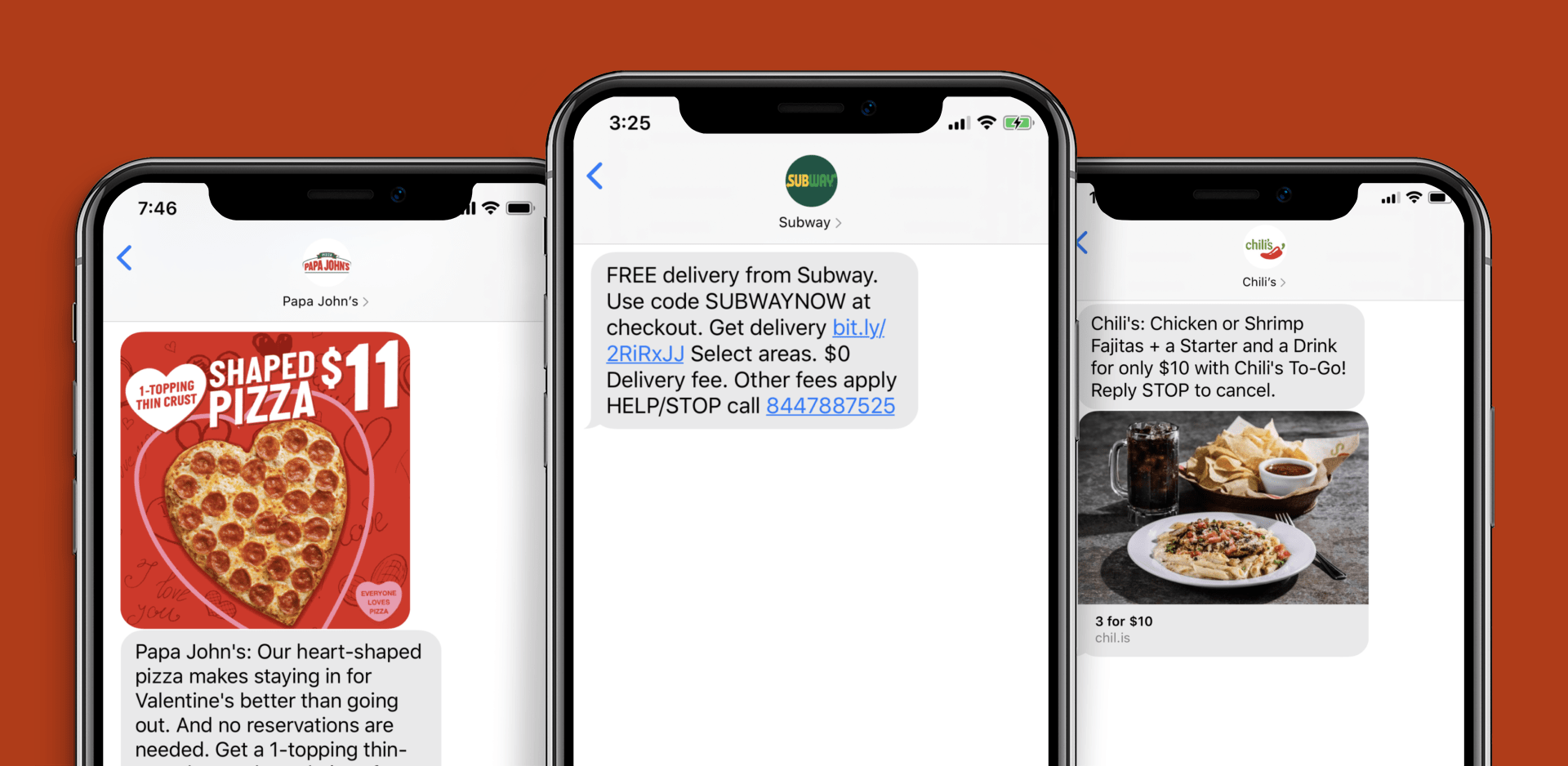
Businesses need to find new ways to reach and engage their audience. With inboxes overflowing and social media algorithms constantly shifting, the brands that win are the ones that show up where customers are already paying attention: their phones.
SMS campaigns have emerged as one of the most effective direct-response channels available to growth-focused brands. With open rates that dwarf email and response times measured in minutes rather than hours, text message marketing gives you a direct line to your customer's most personal device.
But sending texts without a strategy is a fast path to unsubscribes and wasted spend. Here is how to build an SMS program that drives real results.
An SMS campaign delivers targeted text messages to a defined audience segment. These messages can range from order confirmations and appointment reminders to flash sales and product launch announcements.
At the highest level, SMS campaigns break down into two categories:
Transactional messages are triggered by a specific customer action. Order confirmations, shipping notifications, and appointment reminders all fall into this category. These messages serve a functional purpose and typically enjoy the highest engagement rates because recipients expect them.
Promotional messages are brand-initiated communications designed to drive a specific business outcome. Flash sales, limited-time offers, loyalty rewards, and new product announcements all qualify. These require explicit opt-in consent and demand more strategic planning around timing, frequency, and audience targeting.
The goal of any SMS campaign is to achieve a measurable objective, whether that means increasing sales, driving repeat purchases, or building brand awareness through consistent touchpoints.
Text messages have an open rate of around 98%, compared to roughly 20% for email. That alone makes SMS one of the highest-attention channels available to marketers. But the advantages extend well beyond open rates.
Speed of engagement. Most text messages are read within three minutes of delivery. If you need to drive action quickly, whether for a flash sale, a restocked item, or a time-sensitive offer, SMS delivers faster than any other owned channel.
Personal connection. A text message feels more intimate than an email blast. When done well, SMS builds stronger one-to-one relationships that translate to higher lifetime value and brand loyalty. This personal touchpoint creates real opportunities for increasing the possibilities of converting more.
Cost efficiency. Even small businesses can implement effective SMS campaigns without a massive budget. The per-message cost is low, and the high engagement rates mean the cost-per-conversion often outperforms more expensive channels.
Complementary channel. SMS works best as part of a broader multichannel strategy. Pair it with email, paid social, and on-site experiences to create a cohesive customer journey that reinforces your message across touchpoints.
Building an SMS program that consistently converts requires attention to five foundational elements.
Every SMS campaign should start with a specific, measurable goal. Are you trying to drive immediate purchases? Reduce cart abandonment? Increase event attendance? Re-engage lapsed customers?
Use the SMART framework (Specific, Measurable, Achievable, Relevant, Time-bound) to define what success looks like before you send a single message. Without clear objectives, you cannot measure performance or optimize your funnel over time.
You have roughly 160 characters to capture attention and drive action. Every word must earn its place. The best SMS messages follow a simple structure:
Avoid filler language. "Hey! Just wanted to let you know..." wastes precious characters. Lead with the offer or the benefit.
Timing can make or break an SMS campaign. Sending messages during business hours (typically 10 AM to 8 PM in the recipient's time zone) generally produces the best results. Avoid early mornings, late nights, and holidays unless the message is directly relevant to the occasion.
Frequency is equally important. Most successful SMS programs send between two and six messages per month. Too few and subscribers forget about you. Too many and you train them to ignore or unsubscribe.
Sending the same message to your entire list is a missed opportunity. Segment your audience based on purchase history, browsing behavior, geographic location, and engagement patterns. A first-time buyer and a loyal repeat customer should receive different messages, different offers, and different levels of urgency.
The more relevant your message is to the individual recipient, the higher your conversion rates will be. This is the same principle that drives success in email marketing for ecommerce brands.
Every SMS needs a clear, specific CTA. "Shop now," "Claim your discount," "Reply YES to confirm" - these direct instructions remove ambiguity and make it easy for recipients to take the next step. Include a shortened URL when driving to a specific landing page, and make sure that page is mobile-optimized.

Before writing a single message, develop a strategy that aligns with your broader business goals and audience expectations. Here is a framework for building one that performs.
Your SMS list is only as valuable as the subscribers on it. Focus on building a high-quality opt-in list through:
Always ensure compliance with TCPA regulations and provide a clear opt-out mechanism in every message.
Different stages of the customer journey call for different types of SMS communication:
Mapping messages to the journey ensures you are sending the right content at the right time, rather than blasting promotional offers at every stage.
SMS should not operate in isolation. The most effective programs coordinate text messages with email sequences, paid advertising, and on-site experiences. For example, you might send an email announcing a new product, follow up 24 hours later with an SMS reminder, and retarget non-openers with a paid social ad.
This coordinated approach creates multiple touchpoints without overwhelming any single channel.
Crafting effective SMS messages is an art. Here are the principles that separate high-performing texts from those that get ignored.
Be concise. Get straight to the point. You have limited characters, and the recipient will decide within seconds whether your message is worth their attention.
Create urgency. Time-limited offers, low-stock alerts, and countdown language ("Ends at midnight," "Only 12 left") encourage immediate action rather than the "I'll look at this later" response that kills conversion rates.
Personalize where possible. Address recipients by name and reference their specific behavior. "Sarah, the item you viewed is now 20% off" outperforms a generic blast every time.
Use conversational language. SMS is inherently personal. Write the way you would text a friend, not the way you would write a press release. Keep the tone direct and approachable while staying on-brand.
Test relentlessly. A/B test your message copy, CTAs, send times, and offers. Small changes in wording or timing can produce significant differences in response rates.
Use the analytics tools provided by your SMS platform to gain insights into campaign performance. The metrics that matter most include:
Analyze this data to identify patterns. You might discover that certain message formats, specific call-to-action approaches, or particular send times consistently produce higher conversion rates. Armed with this knowledge, you can make data-driven decisions to optimize your future campaigns.

Even well-intentioned SMS programs can underperform if they fall into these traps:
Buying lists. Purchased phone numbers lead to low engagement, high opt-out rates, and potential legal liability. Build your list organically through value-driven opt-ins.
Ignoring compliance. TCPA violations can result in fines of $500 to $1,500 per unsolicited message. Ensure every subscriber has explicitly opted in and that every message includes an opt-out option.
Over-sending. More messages does not equal more revenue. Respect your subscribers' attention and communicate only when you have something genuinely valuable to share.
Neglecting mobile optimization. Every link in your SMS messages should lead to a mobile-optimized landing page. If a customer clicks through and lands on a desktop-formatted page, you have lost the sale.
Failing to test. Sending the same message format month after month without testing alternatives leaves performance gains on the table. Treat every campaign as an opportunity to learn.
SMS marketing is not a silver bullet, but when executed with a clear strategy, compelling content, and rigorous measurement, it becomes one of the most powerful channels in your growth marketing toolkit. The brands that win with SMS are the ones that respect the channel's intimacy, deliver genuine value with every message, and continuously optimize based on data.
Start with a small, engaged list. Test different message types and send cadences. Measure everything. And integrate SMS into your broader growth marketing strategy to create the kind of multi-touch experience that drives sustainable revenue growth.


.svg)