
In the age of rapid digital transformation, AI has seeped into almost every industry, revolutionizing how we conduct business, design products, and even create content. The ClusterMagic service is a great example, which seamlessly integrates AI for content generation in a hybrid model, providing significant benefits in the SEO results of brands seeking a massive increase in organic traffic. But while AI holds immense promise, it has its limitations. Let's explore the pros and cons of using AI for content creation and understand why a hybrid approach might be the way forward.
Major publishers in sensitive niches like CNET.com, Bankrate.com, and Creditcard.com have already integrated AI-generated content. Other large companies, such as CNN and Forbes, might also be doing so. Countless smaller companies and publishers are utilizing AI, not only on their websites but also on social media, in email marketing, and virtually everywhere else.
Google's stance on AI-generated content is neutral, emphasizing that content should primarily be user-centric. In fact, Google's September 2023 Helpful Content Update removed the mention of "written by people" from their helpful content system guidelines.
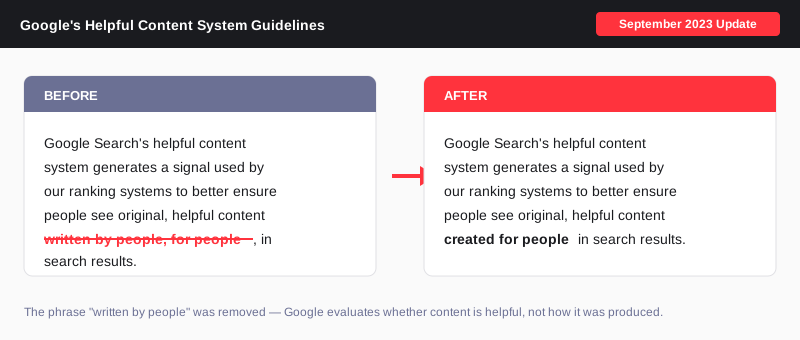
The message is clear: for content to rank well, it must be informative, answer users' queries satisfactorily, and showcase genuine expertise - regardless of how it's created.
AI Content Detectors like GPTZero, ZeroGPT, and many others are not reliable. Even OpenAI has said as much. They consistently produce false positives about human-written content. Conversely, they can be easily fooled with creative prompting or a bit of human editing.
An interesting note from OpenAI: "we found that it labeled human-written text like Shakespeare and the Declaration of Independence as AI-generated."
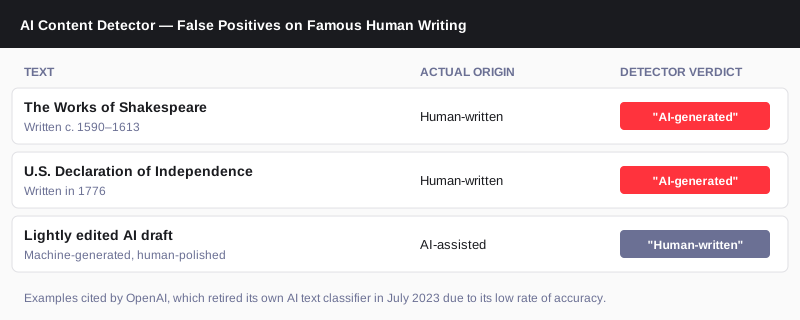
Anecdotal evidence and real-life ranking data suggest that while AI-generated content isn't penalized by search engines, it might only achieve high rankings if it meets the above criteria. The role of AI in content creation is still a developing narrative, and its significance is indispensable for maintaining a competitive edge in the future.
At EmberTribe, the understanding is clear - AI serves as a foundation, not the final product. With ClusterMagic, while AI aids in the initial draft based on expert-driven keyword research, human experts step in for the crucial phases of editing, fact-checking, and final review. This hybrid approach ensures the content is accurate and helpful, has the potential to rank, and truly represents their business.

Choosing a paid search agency is one of the higher-stakes vendor decisions a growth-stage brand can make. Done right, search campaigns become a predictable, scalable revenue channel. Done wrong, you spend months of budget feeding an underperforming account while the agency points to impressions and click-through rates as evidence of progress.
This guide covers what paid search agencies actually do, how they differ from generalist digital marketing firms, what you should pay, and the questions that surface the real operators from the resellers.
A paid search agency manages advertising on search engines -- primarily Google Ads and Microsoft Advertising -- with the goal of capturing purchase-ready demand. When someone searches for a product or service you offer, search ads position your brand at the top of those results before organic listings appear.
The scope of work goes well beyond buying clicks. A strong paid search agency handles:
Campaign architecture. Structuring campaigns, ad groups, and keyword lists to match how your buyers search. This includes match type strategy, negative keyword management, and query mining to find new profitable terms.
Shopping and Performance Max. For ecommerce brands, Performance Max campaigns blend Search, Shopping, YouTube, Display, and Discover into a single AI-managed surface. A search specialist builds the asset library, conversion structure, and audience signals the model needs to allocate budget well.
Bid management. Smart Bidding strategies like Target ROAS and Target CPA automate in-auction bid adjustments based on hundreds of contextual signals. The agency's job is to set the right conversion definitions, value rules, and budget guardrails -- not just flip the strategy toggle and wait.
Ad copy and creative. Writing and testing headlines, descriptions, and extensions. With responsive search ads accepting up to 15 headlines that Google rotates and tests automatically, copy velocity matters. Weak agencies set it and forget it.
Conversion tracking. Defining what a conversion is, installing the tracking correctly, and reconciling platform-reported numbers with your actual CRM or revenue data. This is where most agencies cut corners.
Reporting and diagnosis. When performance dips, a qualified agency can isolate whether the cause is auction inflation, creative fatigue, landing page drop-off, feed errors, or attribution gaps. Generalists default to "the algorithm changed."
If you want a broader picture of how search advertising fits into a full pay-per-click program, PPC management companies often cover the same core services with different scopes depending on the firm.
A general digital marketing agency handles a wide range, including SEO, social, email, content, and sometimes paid ads as one of many service lines. That breadth is useful for brands that need a single vendor to manage multiple channels. But breadth usually means shallower execution on any single channel.
Paid search is technically specific. Google Ads changes more in 18 months than most channels change in five years. Performance Max, Smart Bidding, and AI Max for Search have rewritten the operating model in the last two years alone. An agency where paid search is one of eight service lines is unlikely to have a team tracking those changes closely enough to stay ahead of them.
Paid search vs. paid social is a separate distinction worth understanding. Paid social (Meta, TikTok, LinkedIn) runs on interest and behavior targeting -- you reach people who match a profile whether or not they are actively looking. Paid search captures people at the moment of expressed intent -- they typed a query. The skill sets overlap but the mechanics differ enough that specialists in each tend to outperform generalists in both. The right combination of SEO and PPC services can drive compounding returns because search intent data from paid campaigns informs organic strategy and vice versa.
A paid search specialist makes sense when:
A generalist agency can work earlier in the journey, when you are testing multiple channels simultaneously and do not yet have enough search spend to justify dedicated specialization. As spend scales and search becomes a primary channel, the case for a specialist grows.
Google Partner status requires agencies to maintain certified team members, meet minimum managed spend thresholds, and demonstrate portfolio performance. Premier Partner status goes further and is reserved for the top agencies by Google's metrics.
Partner status is a baseline check, not a guarantee of quality. It confirms the agency meets Google's minimums. It does not confirm they are the right fit for your category or budget level. Use it as a filter, not a decision.
Ask specifically: how do you set up conversion tracking for a new client, and how do you validate it? Strong agencies will talk about confirming firing conditions, deduplication, and reconciling platform numbers with GA4 or CRM data. Weak ones will mention installing a tag and moving on.
You should have direct access to your Google Ads account at all times. Reports should pull from raw account data, not a proprietary dashboard that abstracts the numbers. Ask to see a sample report before you sign -- the format reveals how an agency thinks about performance.
Non-negotiable: you own the account. The Google Ads account should be created under your own Google login or MCC, with the agency granted admin access. If the agency insists on owning the account, walk away. Agencies that hold account ownership hold your data, your history, and your leverage hostage if the relationship ends.
For more on what to ask and how different agency models structure their work, the Google Ads agency guide covers the evaluation process in depth.
Three pricing models are standard across the industry:
Percentage of spend. The agency charges 10-20% of your total monthly ad budget. This model scales with your investment and is common for accounts spending $10,000 per month or more. At higher spend levels, the percentage often steps down: 20% below $50K, 15% at $50-150K, 10% above $150K.
Flat retainer. A fixed monthly fee regardless of spend, typically $1,500-$10,000 per month for mid-market accounts. This model is cleaner for budget planning and avoids the conflict of interest where the agency benefits from inflating your spend. It is common for accounts with stable, predictable budgets.
Hybrid. A base retainer plus a percentage of spend above a threshold. For example, $2,000 per month plus 12% of spend. This structure aligns agency incentives with growth without exposing the client to unlimited fee scaling. Most established agencies settle here as accounts mature.
According to PPC management pricing research, mid-market accounts spending $10,000-$50,000 per month typically pay $1,500-$5,000 in management fees. Enterprise accounts above $100,000 in monthly spend commonly see fees of $8,000-$15,000 or more. PPC agency pricing benchmarks show that the percentage model remains most common at smaller budgets, while flat or hybrid structures dominate at scale.
Setup fees are normal. Expect $500-$2,500 for onboarding depending on account complexity.
If a candidate agency cannot give concrete, specific answers to the tracking and diagnosis questions, that is your signal to keep looking. Understanding how Google Ads work at a mechanical level helps you assess whether the agency's answers reflect real expertise or rehearsed talking points.
EmberTribe works with DTC brands and growth-stage companies on paid search strategy, and has found that the biggest performance gaps at new client onboards are almost always measurement problems: wrong conversion definitions, double-counted events, or platform-reported ROAS that has no relationship to back-end revenue.
The paid search landscape has more capable independent specialists and boutique agencies than it did five years ago, which makes the market both more competitive and harder to navigate. The firms worth working with tend to have strong opinions about measurement, take account ownership seriously, and can explain bid strategy decisions in plain language without hiding behind "the algorithm."
Use the questions and red flags above to structure your evaluation. A weak agency looks credible in a pitch deck. The gap shows up in the account.
For a broader look at how paid search fits into a multi-channel program, the PPC agency guide covers the full spectrum of pay-per-click services across Google, Microsoft, and retail media.

There is a meaningful difference between an agency that manages your Google Ads and one that uses Google Ads to help you grow. The first type will log in, adjust bids, report your ROAS, and move on. The second type asks what you are actually trying to build, where Google Ads fits in the broader picture, and whether what you are spending today is going toward the right customers at the right stage of their journey.
That distinction matters more now than it ever has. As the platform has automated more of the tactical layer, bid management and keyword selection are no longer where agencies earn their value. The agencies that consistently deliver real returns are the ones that bring strategic thinking: which products or services should be prioritized, which audiences signal long-term value, and how paid search connects to everything else you are doing in marketing.
If you already know the basics of how to choose an agency, the Google Ads agency guide covers the 2026 platform landscape in depth. This post is for a different question: what does it look like when you find an agency that operates as a true marketing partner, and how do you tell the difference before you sign?
The phrase gets used loosely. Almost every agency will describe itself as a strategic partner. What you want to look for is whether the agency behaves like one.
A marketing-oriented Google Ads agency cares about your business outcomes, not just your campaign metrics. They distinguish between the two. Clicks, impressions, and even ROAS are proxies for the outcomes you care about: revenue, profitable customer acquisition, repeat purchase rates, market share. An execution shop optimizes the proxies. A marketing partner keeps asking whether the proxies are pointing in the right direction.
In practical terms, that means they want to understand:
That last point is one of the clearest signals. An execution shop runs traffic to whatever URL you hand them. A marketing partner notices when the landing page undercuts the ad promise and says something about it. They may not rebuild your site, but they will give you the brief, flag the friction points, and help you prioritize what to fix.
For more on how paid search connects to the broader channel mix, the paid search agency guide covers how to evaluate agencies across both search and shopping, including how full-funnel thinking shows up in the work.
The most telling moment in any agency pitch is how they spend the first conversation. An execution-focused agency will ask for your ad account access and budget early. A marketing-oriented agency will ask questions about your business first.
Specifically, they will want to understand your conversion goals before recommending a campaign structure. Google's conversion tracking framework is flexible enough to track almost anything, but what you track shapes everything the platform optimizes toward. An agency that does not ask which conversions actually matter, or that accepts your existing conversion setup without scrutiny, is not thinking strategically. They are inheriting whatever you have built and calling it a starting point.
The same applies to campaign type selection. Performance Max campaigns give Google's AI broad control over where your budget goes across Search, Display, YouTube, Gmail, Maps, and Discover. That can be powerful, or it can cannibalize branded traffic and burn budget on low-intent queries, depending on how the campaign is set up and what signals you feed it. An agency that defaults to Performance Max without explaining the tradeoffs is not being strategic. An agency that walks you through when PMax is the right tool and when it is not is showing you what working with them looks like.
Smart Bidding follows the same logic. The automation is sophisticated, but it is only as good as the conversion values and audience signals you give it. A marketing partner knows how to configure those inputs to reflect what you actually care about, not just what the platform defaults to.
Most paid search agencies operate in the bottom of the funnel. They target people who are already searching for what you sell and try to capture that demand efficiently. That is a legitimate and important job. But it is not the whole picture.
A marketing-oriented agency thinks about demand beyond what already exists. They consider whether some of your budget should go toward building awareness, whether your branded search terms are protected, how your ads position you relative to competitors, and whether your messaging in paid search is consistent with what you are saying in email, social, and organic search.
This is where brand consideration comes in. The visual identity, the value proposition, the tone, the trust signals on your landing pages: a marketing partner notices when these are working against your paid ads and flags it. They understand that the ad is a promise and the landing page is where the promise gets kept or broken. They also understand that inconsistency across channels erodes trust even when individual channels perform.
Going beyond surface-level ROAS is covered in detail in the beyond ROAS metrics post, which walks through which KPIs actually connect to business health and how to set them with your agency.
If you are running an ecommerce business, the connection between paid acquisition and broader growth strategy is explored in the ecommerce growth strategy guide, which covers how Google Ads fits alongside retention, merchandising, and channel diversification.
This is an area where execution shops and growth partners diverge sharply in practice. An execution shop needs your budget, your ad account access, and a monthly check-in call. A marketing partner needs more, and gives more back.
Expect a marketing-oriented agency to:
Ask for access to more data. They will want to see your analytics, your CRM if you have one, your revenue by channel if you can share it. The more they understand about your business, the better they can configure the campaigns to optimize for what matters.
Participate in broader marketing conversations. The best agency relationships involve some overlap with your internal team, whether that is a growth lead, a content team, or a founder doing everything themselves. They contribute perspective on how paid search is interacting with other channels.
Give input beyond the ad account. Messaging feedback, landing page recommendations, audience segment ideas, seasonal strategy: these conversations should happen proactively, not just when you ask.
Report on business outcomes, not just platform metrics. Monthly reports should connect campaign activity to revenue trends, not just show a ROAS number and a click chart.
A useful way to think about this: an execution shop is a vendor. A marketing partner is a member of your extended marketing team who happens to specialize in paid search.
The PPC management companies overview includes a breakdown of how different agency models structure their client relationships, which is useful context when you are comparing options.
A marketing-oriented Google Ads agency will generally cost more than a pure execution shop. That is appropriate. You are paying for strategic depth, not just campaign hours.
Common pricing models:
Percentage of ad spend (typically 10–20%): Common at mid-market agencies. Scales with your budget, which aligns incentives in theory but can create pressure to spend more than the account actually warrants.
Flat monthly retainer (often $2,500–$8,000+ for mid-market accounts): Cleaner for budget planning and removes the incentive to inflate spend. More common at agencies that lead with strategy.
Performance-based components: Some agencies layer in bonuses tied to revenue or conversion growth. This signals confidence in their own work and aligns incentives well, but make sure the performance triggers are tied to business outcomes, not just platform metrics.
What you should not see: agencies that require long lock-in contracts without a performance review clause, opaque reporting that buries the actual spend and fees, or low-ball retainers that cover only one or two hours of real work per month.
The Google Partner badge is a minimum bar, not a differentiator. It confirms the agency meets Google's certification and spend requirements. Most reputable agencies have it. Use it to filter, not to choose.
What actually differentiates candidates:
Their discovery process. A marketing partner runs a discovery phase before recommending anything. If an agency sends you a proposal after a 20-minute call without asking about your customers, margins, and existing channel mix, that tells you something.
Their case studies. Look for results tied to business outcomes, not just ROAS improvements. "We grew revenue 40% year-over-year" is more meaningful than "we achieved a 6x ROAS," and an agency that leads with business results is probably tracking them.
Their questions. In the first meeting, who is asking more questions? An execution shop will answer your questions about their process. A marketing partner will be asking you questions about your business.
Their honesty about fit. A good agency will tell you if Google Ads is not the right priority for your stage of business, or if your budget is too low to run a meaningful test. That kind of candor is a signal.
For a side-by-side look at how different types of paid agencies position themselves and what the tradeoffs are, the SEO and PPC services guide and the how Google Ads work explainer both add useful context for evaluating proposals.
Most buyers evaluate agencies by asking "can they manage our campaigns?" The better question is "do they understand our business well enough to make our campaigns matter?"
The answer shows up early. It shows up in what they ask you in the first meeting, in whether they push back on your current conversion setup, in whether they notice the gap between your ad copy and your landing page. Those signals are more reliable than any case study or certification.
If you are looking for a Google Ads marketing agency that approaches paid search as part of a broader growth strategy, EmberTribe works with brands that want more from their paid channels than a campaign manager.
If you're paying someone to manage your Google Ads and you don't know exactly what they do every month, that's a problem. Google Ads management services cover a specific set of work: building and maintaining campaigns, testing creative, managing bids, tracking conversions, and reporting results. What gets included in that work, and how seriously it's executed, is what separates accounts that grow from accounts that stagnate.
This post covers what real Google Ads management looks like at each layer, what you should expect to pay, and how to tell whether you're getting active management or basic maintenance in disguise.
A managed Google Ads service handles everything required to run a paid search program: strategy, execution, and ongoing optimization. Most buyers focus on the surface layer (who writes the ads, how often they check the account) and miss the work underneath that determines whether campaigns actually perform.
Here's what the work breaks down into.
Before any ads go live, someone needs to structure the account correctly. This means deciding how many campaigns to run, how to divide budget across them, which campaign types to use, and how to organize ad groups within each campaign.
Poor architecture is one of the most common reasons accounts underperform. When search campaigns aren't segmented by intent, branded traffic bleeds into non-branded reporting. When Performance Max campaigns aren't properly fed with audience signals and asset groups, Google's automation defaults to whatever it can find. When campaign budgets aren't allocated by priority, high-value queries get starved while low-intent clicks eat spend.
Good architecture decisions made at the start save months of cleanup later. This is also where campaign type selection matters: Search, Shopping, Performance Max, Display, and YouTube each serve different goals and require different management approaches.
Keyword management is not a one-time task done at launch. It requires regular review of search term reports, addition of negative keywords to block irrelevant traffic, identification of new opportunities, and match type decisions as query patterns shift.
When an agency builds your initial keyword list and never revisits it, spend drifts toward poor matches. Google's broad match expansion alongside Smart Bidding means negative keyword discipline is more important now than it was when match types were strict. An account that isn't pruning search terms monthly is almost certainly wasting a meaningful portion of budget.
Strong keyword management also includes competitor monitoring, seasonal adjustments, and identifying when to expand into new terms based on conversion data.
Writing one set of ads and leaving them alone is not management. It's setup.
Real ad copy management means running structured tests: comparing headlines, rotating in new descriptions, testing different calls to action, and using pin positions in responsive search ads to control what gets shown. It also means reading the results correctly and making changes based on statistically meaningful data, not gut feel after two weeks.
Copy testing connects directly to Quality Score, which affects your cost per click and ad position. Accounts with strong, relevant ad copy pay less for the same placement than accounts with generic creative. Over time, that gap compounds.
Smart Bidding strategies like Target CPA, Target ROAS, and Maximize Conversions automate bid decisions at the auction level, but they only work as well as the signals you feed them. Conversion data quality, value rules, audience lists, and the learning period budget all shape how the algorithm performs.
A managed service is responsible for selecting the right bid strategy for your account's maturity and goals, monitoring its performance, and knowing when to override or switch strategies. Smart Bidding set up incorrectly, or left alone when conditions change, can spend aggressively toward the wrong outcomes.
This layer also includes manual bid adjustments where they still apply: device modifiers, location bid layers, ad scheduling, and audience bid multipliers.
None of the above matters without accurate conversion tracking. If your campaigns aren't measuring the right events, Smart Bidding optimizes toward the wrong signal, and your reporting is fiction.
Conversion tracking setup includes defining what counts as a conversion, implementing the tracking code correctly (Google tag, GA4 import, or both), setting conversion values where applicable, and verifying that data is flowing cleanly. It also means identifying when tracking breaks, which happens more often than most accounts catch.
One area that gets overlooked: imported conversions from GA4 and directly tracked Google conversions don't always agree, and the discrepancy matters for bid strategy performance. A capable management team audits this regularly, not just at setup.
Reporting should tell you what happened, why it happened, and what changes were made in response. A monthly PDF with impressions, clicks, and CTR is not reporting. It's noise.
Useful reports cover spend by campaign against goals, conversion volume and cost trends, search term and placement analysis, and a log of changes made during the period. If your reporting doesn't explain what your manager did that month and what impact it had, you're missing the accountability layer.
The metric mix matters too. An account optimizing toward performance signals beyond just ROAS, like lifetime value, new customer rate, or profit margin, is operating at a higher level than one chasing platform-reported numbers.
Optimization is the recurring work that happens between major changes: reviewing auction insights against competitors, adjusting audience targeting, testing landing page variants, updating ad extensions, responding to platform changes, and seasonally adjusting budgets and bids.
This is where the difference between active management and set-it-and-forget-it becomes obvious. An account being actively managed has a change log. It shows what was tested, what was adjusted, and what was paused. An account being passively maintained has a change log that's mostly empty.
Not all Google Ads management is equivalent. The range runs from strategic account partners who shape how you spend and why, down to freelancers who log in once a month to check for disapprovals. A few things separate the top end from the rest.
Strategic ownership. A high-quality managed service isn't just executing tactics. They're telling you what campaigns to run, how to allocate budget across them, and when the account strategy needs to change. If your manager only responds to what you ask for, that's execution-only, not strategy.
Proactive communication. You shouldn't have to ask what changed last month. Strong teams send change logs, flag issues before they become expensive, and surface insights you wouldn't have known to ask about.
Platform depth. Understanding how Google Partner certification works, what access levels unlock (like beta features and dedicated support), and how to use the platform's full capability signals whether an agency is invested in platform expertise or just running the basics.
Conversion integrity. If your manager's reports rely entirely on Google's in-platform conversion data without cross-referencing GA4, CRM, or revenue data, that's a red flag. The best teams measure what actually happened in the business, not just what Google says happened.
For a deeper look at what separates capable managed services from weak ones, the paid search agency guide covers evaluation criteria at the agency level.
Google Ads management pricing typically follows one of three models. Understanding each helps you evaluate what you're actually buying.
Percentage of ad spend. The most common model for mid-market accounts. Management fees typically run 10 to 20 percent of monthly ad spend, with minimums usually starting around $1,000 to $1,500 per month. The upside is that fees scale with account size. The downside is that the incentive structure rewards spending more, not necessarily spending better.
Flat monthly retainer. Common for accounts with consistent spend levels. Fees range from roughly $1,500 to $5,000 or more per month depending on account complexity and the level of service included. Flat fees align incentives better since the manager doesn't benefit from inflating your budget.
Performance-based fees. Less common but growing. The manager earns a base fee plus a bonus tied to ROAS, CPA improvement, or revenue growth. Works well when attribution is clean and both parties agree on success metrics.
This PPC pricing model comparison covers the pros and cons of each structure in more detail.
What you pay for matters as much as the dollar amount. At lower price points (under $1,000 per month), you're typically getting light maintenance: someone watching for disapprovals, making occasional bid adjustments, and sending a monthly report. At $2,500 to $5,000 per month, you should be getting active strategy, copy testing, conversion audits, and regular communication. Above that, expect full account ownership including landing page feedback, competitive analysis, and custom reporting.
For a broader picture of how management fees compare across providers, the PPC management companies guide walks through what different tiers of service actually look like in practice.
The fastest way to evaluate whether you're getting active management: ask for a change log.
A managed account should have a documented history of what changed, when, and why. If your provider can't produce a list of optimizations made in the last 30 days, that's your answer.
Other signals worth checking:
Search term report reviews. Ask when they last reviewed search terms and how many negatives were added in the past month. If they can't answer, keyword hygiene isn't happening.
Ad copy rotation. Ask how many ad variations are currently running and what's been tested in the last quarter. Responsive search ads should have multiple headline and description variants in rotation.
Conversion tracking audit. Ask them to walk you through how conversions are measured, where the data goes, and whether it matches your CRM or analytics data. Hesitation here is a warning sign.
Communication frequency. How often do they reach out proactively, not in response to something you flagged? Good managers surface issues before clients notice them.
For anyone weighing managed services against bringing PPC in-house, the PPC management company guide covers that comparison directly, including what level of internal resource you'd need to replicate what a strong external team provides.
If your current setup is underperforming or you're evaluating providers for the first time, the Google Ads agency guide covers how to evaluate partners and what questions to ask before signing.
For businesses running or considering both paid search and organic search together, the SEO and PPC services overview covers how the two programs interact and where they share infrastructure.
The first 30 to 60 days of a managed engagement should be structured: account audit, strategy document, onboarding timeline. If an agency goes quiet after billing starts, that's a warning sign.
New campaigns need time to exit Smart Bidding learning phases, and the first optimization cycles take a few weeks to produce meaningful data. Expect steady improvement over the first 90 days, with the clearest results visible in months two through four once conversion data has accumulated and the algorithm has enough signal to work with.
EmberTribe runs Google Ads management for clients who want a team that owns both strategy and execution, with clean reporting and a direct line to the people doing the work.

Choosing a b2b ppc agency is a fundamentally different decision than hiring a general paid media shop. B2B buying cycles are longer, decision-making involves multiple stakeholders, and the metrics that matter -- pipeline quality, cost per qualified lead, CRM-attributed revenue -- require a specialist skill set that most generalist agencies don't carry.
This guide covers what B2B PPC agencies actually do, how they differ from the alternatives, what you should pay, and the questions that separate genuine B2B operators from agencies that happen to run B2B accounts.
B2C paid search is largely a direct-response channel. Someone searches, clicks, buys. The attribution is clean, the sales cycle is short, and success correlates tightly with ROAS.
B2B paid search works differently at every layer.
Longer sales cycles. The average B2B sales cycle runs four to six months, and in enterprise SaaS it can exceed a year. That means a click you pay for today might not show up as closed revenue for two or three quarters. Agencies that optimize purely on immediate conversion metrics -- form fills, demo requests -- often drive the wrong leads at scale.
Multiple decision-makers. A typical B2B software purchase involves five to seven stakeholders. The person clicking your ad may not be the budget holder, the technical evaluator, or the economic buyer. Campaigns need to speak to different personas at different funnel stages rather than hammering a single offer.
Higher CPCs, higher deal values. B2B keywords are expensive. Average CPCs in competitive B2B categories -- software, professional services, financial services -- routinely run $8-$15 or more per click. In some niches they exceed $50. The unit economics only work if your average deal size and retention justify that acquisition cost. A B2B PPC agency that understands your LTV-to-CAC ratio will structure campaigns around profit, not volume.
Lead quality over lead volume. A B2C team optimizing for conversions at the lowest CPL will flood your CRM with unqualified contacts. B2B success means generating SQLs and pipeline, not raw form submissions. The agency needs to understand -- and ideally integrate with -- your lead scoring model and sales process.
Account-based targeting. The best B2B campaigns go beyond keyword intent and layer in firmographic signals: company size, industry, job title, revenue band. LinkedIn's professional targeting tools let you target by seniority, function, and employer directly. Google campaigns can be reinforced with Customer Match lists and job title and intent targeting to narrow reach toward actual buyers.
A qualified B2B paid search partner covers more than buying keywords. The scope typically includes:
Google Search campaigns. Capturing high-intent demand from buyers actively researching solutions. This includes keyword strategy, match type management, negative keyword pruning, query mining, and ad copy testing -- all calibrated to B2B intent signals rather than consumer purchase behavior. For a broader look at what this engagement covers, see our guide on paid search agency partnerships.
LinkedIn Ads. For B2B, LinkedIn often complements or outperforms Google for upper-funnel awareness and retargeting. Sponsored Content, Message Ads, and Dynamic Ads let you reach decision-makers by company, seniority, and function -- targeting that doesn't exist on the Google network.
Retargeting and nurture sequences. B2B buyers rarely convert on the first visit. A strong agency builds retargeting audiences segmented by page visited, content consumed, and funnel stage, then serves different creative to prospects who looked at your pricing page versus your blog. This keeps your brand visible across a months-long research cycle.
Conversion tracking and attribution. B2B attribution is hard. A buyer who clicks a Google ad in January, downloads a whitepaper through LinkedIn in March, and requests a demo in April represents three touchpoints. The agency needs to configure Google's conversion tracking with appropriate attribution windows and connect ad platform data to your CRM so you know which campaigns actually produce revenue -- not just leads.
Bid strategy and smart automation. Platforms like Google Ads offer automated bid strategies -- Target CPA, Target ROAS, Maximize Conversions -- that use machine learning to optimize bids at auction time. But these systems require sufficient conversion volume and correctly configured goals to work. See Google's Smart Bidding documentation for how the signals work. A B2B agency knows when to trust automation and when to override it.
Lead quality feedback loops. The best setups pipe CRM disposition data (qualified vs. disqualified, deal size, close rate by source) back into the ad platforms as offline conversions. This trains bidding algorithms on revenue signals rather than raw lead counts -- a major performance difference over time.
A generalist PPC management company can run B2B accounts competently at the tactical level -- keywords, bids, ad copy. The gap shows up in strategy and measurement.
Hire a B2B specialist when:
A generalist may be fine when you're early-stage, testing basic demand capture, or running a relatively transactional B2B offer with short sales cycles and a clear, direct conversion.
Demonstrated B2B portfolio. Ask for case studies from clients with similar deal sizes, sales cycles, and buyer personas. An agency with strong ecommerce case studies and one B2B client isn't a B2B agency.
CRM integration experience. The agency should have direct experience connecting Google Ads and LinkedIn to Salesforce, HubSpot, or your CRM of choice. If they talk about leads but can't explain offline conversion imports, move on.
Lead quality reporting. Go beyond CTR and CPL. Ask what their standard reporting includes: SQL conversion rates, pipeline by campaign, cost per opportunity, CAC by channel. If they can't show you pipeline data from past clients, they haven't built it.
Conversion window understanding. An agency that sets a 30-day conversion window for a product with a six-month sales cycle is flying blind. Confirm they configure attribution windows to match your actual sales process.
B2B-specific keyword strategy. B2B keywords span informational ("what is account-based marketing"), comparative ("HubSpot vs. Salesforce"), and transactional ("marketing automation software pricing") intent. A strong agency builds campaigns around this intent progression, not just the highest-volume terms.
Alignment with your demand gen team. B2B paid search doesn't operate in isolation. The best agencies integrate with your content, SDR, and ops teams to ensure landing pages, lead routing, and follow-up sequences are built to convert the traffic they're generating. This connects directly to how you measure customer acquisition cost across channels.
Pricing structures vary, but the most common models for B2B accounts:
Percentage of ad spend. Typically 10-20% of monthly ad spend with a minimum retainer floor. Common for agencies managing larger accounts where spend scales. At $20,000/month in ad spend, expect $2,000-$4,000 in management fees.
Flat monthly retainer. Most small-to-midsize B2B engagements run $1,500-$5,000/month for management fees, independent of ad spend. Accounts with more complexity -- multiple platforms, ABM targeting, CRM integration -- sit at the higher end or above it.
Performance tiers. Some B2B agencies structure fees around pipeline or revenue milestones. These can align incentives well but require clean attribution infrastructure on both sides.
Expect to budget $2,500-$6,000/month in management fees for a competent B2B specialist handling Google Ads and LinkedIn with proper attribution setup. Boutique or enterprise-focused agencies with deep industry experience will price above that range.
Reporting that leads with impressions and clicks. These are operational metrics. A B2B agency should lead with pipeline and CPL, not vanity numbers.
No access to your own accounts. You should own your Google Ads and LinkedIn Campaign Manager accounts directly. Agencies that hold account ownership are a structural risk -- if you part ways, you lose your data and history.
Guaranteed results. No legitimate agency guarantees specific lead volumes or CPLs before understanding your market, budget, and conversion infrastructure. Guarantees are a sales tactic, not a service commitment.
Optimizing for form fills, full stop. If the agency's KPI is cost per form submission without any connection to lead quality or pipeline, they will generate cheap leads that your sales team won't close.
Lack of B2B case studies. Ecommerce results don't transfer to B2B. Ask specifically for clients with longer sales cycles, higher AOVs, or multi-stakeholder buying processes.
One-size-fits-all reporting. B2B measurement requires custom attribution windows, CRM integration, and pipeline-stage reporting. Agencies using templated dashboards without CRM data are measuring the wrong things.
The best b2b ppc agency for your business is the one that treats pipeline as the primary metric from day one -- not the agency that promises the lowest CPL or the most leads per month.
Vet them on attribution rigor, B2B portfolio depth, and their ability to speak your sales team's language. Those three filters eliminate most of the field. EmberTribe works with growth-stage B2B companies to build paid search programs built around qualified pipeline, not vanity metrics.
For more on how paid search fits into a broader demand generation strategy, see our guide on B2B lead generation and how paid channels integrate with SEO and content.

Creator-led content has become one of the most effective formats in Facebook and Instagram advertising, and an entire category of agency has grown around it. A Facebook digital creator marketing agency sources creators, manages content production, and then amplifies that content through paid media, often using tools like Partnership Ads and creator whitelisting that brands cannot easily access on their own.
This guide covers what these agencies actually do, how creator-based advertising differs from traditional ad creative, when the model makes sense for your brand, and what to watch for when evaluating a partner.
A Facebook digital creator marketing agency sits at the intersection of talent management, content production, and paid media. Unlike a traditional Facebook ads agency that produces brand-owned creative, a creator agency builds its workflow around third-party voices: people with established audiences and a natural, authentic production style.
The core services typically include:
Creator sourcing and vetting. The agency maintains a network of creators or uses platforms to identify candidates by niche, audience demographics, engagement rate, and past brand performance. They screen creators for brand safety, checking past content, comment sentiment, and whether the creator's audience aligns with your target customer.
Brief writing and content direction. Once creators are selected, the agency writes detailed briefs that give creators enough guidance to hit the brand's messaging goals without stripping out the authenticity that makes creator content work. Over-scripted briefs produce stiff content; under-briefed creators produce off-brand content. Getting this balance right is where experienced agencies earn their fees.
Content production and approval workflows. Creators film, photograph, or narrate content according to the brief. The agency manages revision rounds, timeline coordination, and rights licensing, ensuring the brand has proper usage rights for paid amplification before any money is spent on distribution.
Paid amplification via Partnership Ads and whitelisting. This is the step that separates a creator marketing agency from an influencer gifting program. Rather than just posting organically to a creator's feed, the agency uses Meta's Partnership Ads format to run the creator's content directly as a paid ad, using the brand's budget but showing the creator's handle as the source.
The technical mechanism behind creator-based Facebook advertising is Partnership Ads, formerly called Branded Content Ads. Understanding how it works matters because it directly affects performance and brand safety.
When a creator grants a brand advertising permissions through Meta's platform, the brand can take that creator's post and run it as a paid ad from their own Ads Manager. The ad appears with the creator's handle and profile image attached, not the brand's page alone. This distinction is significant. Audiences see "Creator Name, paid partnership with Brand Name" rather than a direct brand advertisement.
Instagram branded content tools allow brands to request access at the post level, meaning creators approve specific pieces of content for paid use rather than giving blanket access to their accounts. This protects creators while giving brands the distribution leverage of paid media.
The performance case for this format is strong. Partnership Ads consistently outperform brand-owned creative on several metrics because they carry social proof from the creator's existing audience, use production styles that blend into organic feed content, and benefit from Meta's algorithm treating creator content differently than pure brand ads. Lower thumb-stop rates, higher click-through rates, and better cost-per-acquisition are common outcomes when the creative quality is high and the creator's audience matches the target demographic.
Whitelisting goes one step further. In a whitelisting arrangement, the creator grants the brand permission to run dark posts: ads that appear to come from the creator's account but are never published organically to their feed. This gives brands full control over targeting, budget, and scheduling while maintaining the creator persona. It is particularly effective for testing multiple creative angles without flooding a creator's public profile.
The difference between creator content and traditional brand creative is not just aesthetic. It reflects a fundamental shift in how audiences process advertising.
Traditional Facebook ad creative is produced by brands or agencies: clean product photography, professional voiceovers, branded motion graphics. It clearly signals "this is an advertisement," which means audiences apply their standard ad-filtering instincts to it immediately.
Creator content is produced in the style of organic social media: handheld camera work, personal recommendations, behind-the-scenes storytelling. When that content is amplified through Partnership Ads, it arrives in someone's feed looking like content from someone they follow or could follow, not a direct sales pitch.
This matters for UGC ads specifically because the authenticity signal is what drives performance. As UGC creator guide makes clear, UGC creators are not traditional influencers with large followings. They are content specialists who produce in an authentic, native style at a volume and consistency that makes them viable for ongoing ad creative programs.
For brands, the practical implication is that creator-sourced content can serve as the primary creative input for Facebook and Instagram ad campaigns, not just a supplemental brand awareness play.
A Facebook digital creator marketing agency is not always the right call. The model works best under certain conditions.
It makes sense when:
It makes less sense when:
For many DTC brands in the $2M to $20M revenue range, the hybrid model works best: an in-house creative director sets the strategic direction while a creator agency handles sourcing, production coordination, and paid amplification. This approach is covered in more detail in our guide to paid social agency models for ecommerce.
Not every agency calling itself a "creator marketing agency" has the operational depth to run this properly. Here is what to evaluate:
Creator network quality, not just size. An agency with 500 vetted creators in relevant niches is more valuable than one with 50,000 unvetted names in a database. Ask about their vetting process: how do they screen for brand safety, audience authenticity (not bought followers), and past campaign performance?
Partnership Ads execution experience. Ask specifically about their experience running Partnership Ads, not just influencer posts. The technical workflow (permission requests, dark posts, Ads Manager integration) requires platform knowledge that pure influencer agencies often lack.
Content rights management. Confirm the agency handles licensing properly. Creator content used in paid ads needs explicit rights grants with defined territories and usage windows. Agencies that skip this step expose brands to creator disputes and potential content removal mid-campaign.
Transparent performance reporting. Expect reporting that ties creator content to business outcomes: ROAS, cost per acquisition, cost per landing page view. Agencies that lead with views and impressions without connecting to downstream conversion data are not measuring what matters.
Pricing structure clarity. Creator marketing agencies typically charge a management fee (either flat retainer or percentage of total program cost) plus the cost of creator fees and media spend. All-in program costs for a serious creator ad program generally range from $5,000 to $25,000 per month depending on creator tier and media spend. Understand exactly what is included in the management fee before signing.
For a broader view of how creator-based advertising fits into a full paid social strategy, see our paid social agency guide and our comparison of top ecommerce marketing agencies.
A few patterns indicate an agency is not operating at the level this model requires:
Agencies that operate with this level of transparency are running a proper creator program. Those that resist it are running an influencer gifting operation dressed up as performance marketing.
A Facebook digital creator marketing agency works best as one component of a broader ecommerce growth strategy, not as a standalone channel. Creator content feeds the top of funnel with authentic, high-engagement creative, while retargeting campaigns, email sequences, and on-site conversion rate optimization convert that interest into revenue.
Brands that get the most from creator agencies are the ones that integrate creator content into their full media mix: testing creator-sourced hooks in traditional ad formats, using creator audiences to seed lookalike targeting, and building creator relationships over multiple campaigns rather than one-off engagements.
When creator content, paid media strategy, and conversion-focused landing pages operate together, the performance lift compounds. That alignment is what separates a productive creator agency relationship from an expensive experiment.
EmberTribe works with DTC brands on exactly this kind of full-funnel paid social strategy, including creator-led creative programs on Facebook and Instagram. If you are evaluating your current paid social approach, it is worth understanding where creator content fits in relation to your existing creative assets and media mix before committing to an agency model.
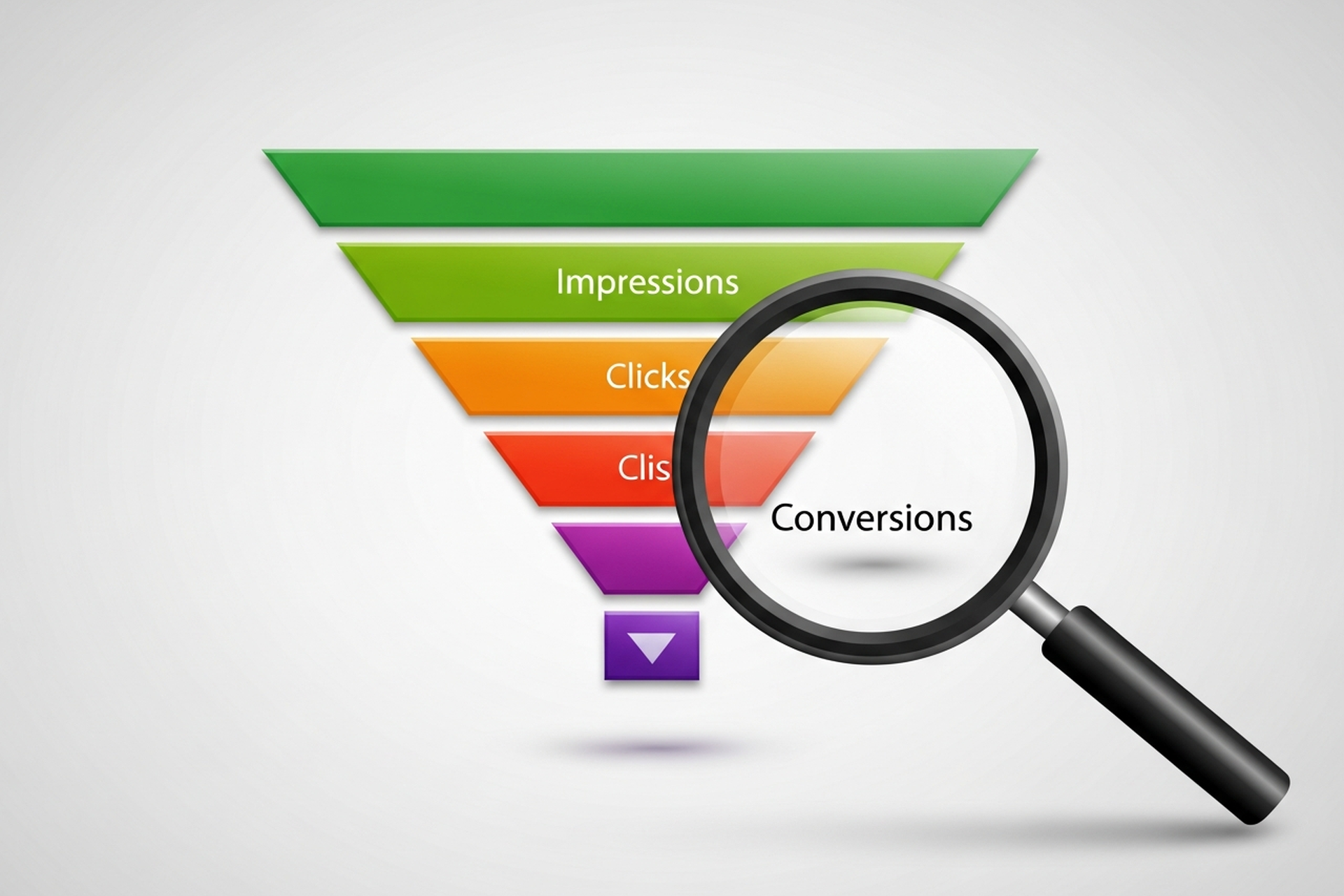
If you're spending money on paid media or investing in content to drive organic traffic, conversion rate optimisation is the discipline that determines whether that traffic actually turns into revenue. Done well, CRO compounds your existing acquisition investment — you get more customers from the same traffic, without needing proportionally more spend.
Conversion rate optimisation (note the British spelling — this is how the keyword is commonly searched, and how teams across the UK, Australia, and much of Europe refer to the practice) is one of the highest-ROI investments a growth-stage brand can make. Yet it's often deprioritised in favour of acquisition channels that are more immediately visible.
This guide explains what conversion rate optimisation actually is, how it works in practice, which tools matter, and how to build a CRO programme that generates compounding returns.
Conversion rate optimisation is the systematic process of increasing the percentage of website visitors who complete a desired action — a purchase, a sign-up, a demo request, a form submission.
The conversion rate itself is simple to calculate:
Conversion Rate = (Conversions ÷ Total Visitors) × 100
If your store receives 10,000 visitors per month and 200 of them purchase, your conversion rate is 2%. CRO is the discipline of understanding why the other 9,800 didn't convert — and systematically fixing it.
What CRO is not is a collection of random button-colour tweaks. Real conversion rate optimisation is a research-driven, hypothesis-led methodology that produces learning as well as results. Even a test that doesn't improve conversion rate is valuable if it teaches you something about why visitors behave the way they do.
The economics of CRO are compelling compared to acquisition-focused alternatives.
Doubling your traffic through paid media doubles your ad spend. Doubling your conversion rate doubles your revenue from the same traffic. In practice, getting from a 1.5% to a 3.0% conversion rate is faster and cheaper than doubling your qualified traffic — and the improvement is permanent rather than dependent on ongoing spend.
Consider a store with 20,000 monthly visitors, a 1.5% conversion rate, and a £60 AOV:
A one percentage point improvement in conversion rate produces £12,000 in additional monthly revenue without a single additional pound of ad spend. That's the return profile that makes CRO so powerful for growth-stage ecommerce and DTC brands.
The best conversion rate optimisation teams operate as a structured research function, not a testing team. The process looks like this:
Before you test anything, you need to understand where and why visitors are dropping off. This means:
This research phase is where most CRO programmes stumble. Teams jump to testing without first understanding the actual problem — and end up testing solutions to problems that don't exist.
A good CRO hypothesis follows a specific structure:
"We believe that [specific change] will [expected outcome] because [evidence or reasoning]. We'll know it worked if [measurable metric] improves."
For example: "We believe that adding a 30-day returns guarantee to the product page hero will increase add-to-cart rate because customer interviews show purchase hesitation is primarily driven by returns uncertainty. We'll know it worked if add-to-cart rate improves by 10%+."
This structure keeps experiments focused and ensures that every test — whether it wins or loses — produces actionable learning.
The most common CRO test format is A/B testing — showing one version of a page to 50% of visitors and a variant to the other 50%, then measuring which version produces a higher conversion rate.
For more complex changes involving multiple elements, multivariate testing allows you to test combinations simultaneously — but requires significantly more traffic to reach statistical significance.
A common mistake is running tests for too short a period. Traffic and conversion patterns vary by day of week, time of month, and seasonal factors. Most tests need a minimum of two full business cycles (typically two to four weeks) before results are reliable.
When a test concludes, the analysis should go beyond "did it win or lose?" Ask:
A test that loses overall may reveal that a specific user segment (mobile users, returning visitors, users from organic search) responded positively — leading to a more targeted follow-up test.
Winning tests should be implemented permanently and documented clearly. Every CRO programme should maintain a library of test results that new experiments can reference — so the programme builds on its own learning over time rather than starting from scratch with each test cycle.
Not all pages and elements are equal. The areas that typically yield the greatest conversion rate improvement:
Product pages: Hero imagery, trust signals (reviews, guarantees, security badges), product descriptions focused on outcomes rather than features, variant selection clarity
Checkout flow: Form length, payment method options, shipping cost transparency, order summary clarity, guest checkout availability
Landing pages: Headline and value proposition alignment with traffic source, above-the-fold CTA clarity, page load speed on mobile
Cart and bag pages: Abandoned cart drivers (shipping cost shock is the most common), cross-sell placement, urgency signals
Site navigation and search: Can users find what they're looking for? Poor navigation is a conversion killer that's easy to overlook.
A complete CRO tech stack typically requires four categories of tools:
Google Analytics 4 — free, covers traffic, funnel events, and conversion tracking. Essential baseline for any CRO programme.
Hotjar or Microsoft Clarity (free) — heatmaps, session recordings, and on-site surveys. These tools show you how users interact with pages, which quantitative analytics alone can't reveal.
VWO (Visual Website Optimizer) — a full-stack testing platform that covers A/B testing, multivariate tests, split URL tests, and personalisation. One of the most widely used CRO platforms across ecommerce and SaaS. Other options include Optimizely (enterprise) and AB Tasty.
On-site survey tools (Hotjar, Typeform, or Medallia) that capture exit intent and post-purchase feedback. The qualitative data from surveys often generates the most actionable hypotheses.
Testing too many changes at once: If you change the headline, the hero image, the CTA colour, and the product description simultaneously, you won't know which change drove the result.
Stopping tests too early: A test that appears to be winning in week one often converges toward parity by week three. Statistical significance requires patience.
Ignoring mobile: In most ecommerce categories, mobile accounts for 60–70%+ of traffic. A page that converts well on desktop but fails on mobile is still failing.
Treating all traffic equally: A visitor arriving from a branded search query has very different intent than one arriving from a generic informational post. Conversion rate benchmarks should be segmented by traffic source, not just measured as a site-wide average.
Skipping the research phase: Running tests without first understanding why users aren't converting is like writing solutions before diagnosing the problem. The research phase isn't optional — it's what makes your tests likely to succeed.
Individual test wins are valuable. A systematic CRO programme is transformative. The difference is whether your testing generates accumulated learning — a growing body of insight about your specific customers, their objections, their decision triggers, and what makes them trust your brand.
At EmberTribe, conversion rate optimisation sits at the centre of how we approach growth for ecommerce and DTC clients — because improving conversion makes every other channel more efficient. A higher CVR means paid media generates more revenue from the same spend, organic traffic converts into customers at a higher rate, and email flows close more of the customers who were already considering.
The goal isn't a single winning test. It's a programme that makes your business structurally more profitable over time.
For more on applying CRO principles in practice, see our guide to ecommerce conversion rate optimisation tactics and our breakdown of the ecommerce analytics metrics that drive decisions.

The average brand spends 13–15% of its marketing budget on social media marketing services. The question is whether that spend is building something real or just keeping the feed alive.
Here's the honest answer: not all social media services are created equal. Some compound your growth. Others generate activity without impact. If you're a DTC brand or growth-stage company evaluating where to invest, this guide cuts through the noise and focuses on what actually drives revenue.
Before breaking down individual services, it's worth understanding the landscape. Social media marketing delivers an average of $5.20 for every $1 spent — but that average masks enormous variance. The best-performing campaigns return $18–20 per dollar. Many campaigns return far less.
Platform-level ROI differences are significant: Instagram leads for B2C ROI, with 78% of marketers reporting positive returns; LinkedIn drives the highest B2B conversion rates, with lead-gen ads averaging 6.1% conversion. TikTok, for the right product categories, produces outsized earned reach relative to paid spend.
Short-form video consistently ranks as the highest-ROI content format, and influencer marketing returns an average of $5.78 per dollar spent — with top partnerships delivering multiples of that.
The implication: where you invest matters as much as how much you invest. And the services you pay for should connect clearly to outcomes — not just output.
Organic social reach has compressed dramatically across every major platform. For most brands, paid social advertising is the primary engine. What you're paying for with a strong agency or strategist isn't just ad setup — it's audience architecture, creative testing frameworks, and bid optimization informed by real conversion data.
Done well, paid social is one of the highest-leverage places to put growth budget. Done poorly, it burns cash on broad audiences with creative that never gets tested.
What good looks like:
Short-form video delivers the highest ROI among all content formats — 41% of marketers cite it as their top performer. For DTC brands specifically, native-feeling video that shows real product use cases, social proof, and honest demonstrations consistently outperforms polished brand content.
This is worth paying for because most brands can't produce it at volume internally. The skill set is specific: script writing for 15–60 second hooks, fast-paced editing, caption optimization, and understanding of what different platforms' algorithms favor.
What to look for when evaluating this service:
Influencer marketing returns an average of $5.78 per dollar spent, with the best partnerships returning multiples of that. The shift in 2026 is toward micro and mid-tier creators (10k–500k followers), who consistently outperform mega-influencers on engagement rate and audience trust.
This is a service worth investing in — with a performance-based structure. The key variables:
What's less worth paying for: celebrity partnerships at brand-awareness rates with no conversion mechanism.
Active community management — responding to comments, engaging with brand mentions, monitoring sentiment — supports retention and trust. For brands with high purchase frequency or a strong identity (fitness, beauty, food), it compounds.
The caveat: community management alone does not drive growth. It preserves what you've built. Pay for it as a retention layer, not a growth strategy.
The idea that posting 5 times per week on Instagram is a "social media strategy" is a holdover from 2015. Organic reach on most platforms has dropped below 3% for brand accounts. Paying for content calendars, graphic design, and caption writing without a paid distribution layer is activity without impact.
This doesn't mean organic is useless — it provides social proof, supports ads with fresh creative, and helps SEO through brand signals. But if the pitch is "we'll post every day," ask what the distribution plan is.
Follower growth, impressions, and engagement rate can all look impressive without any connection to revenue. If a social media agency's reporting doesn't include cost per acquisition, revenue attributed, or at minimum, link clicks and traffic with conversion tracking, you're paying for a good-looking dashboard.
Stock-photo-style branded graphics, templated carousels, and "Did you know?" posts don't build audiences. They fill grids. For brands with actual products and customers, there's almost always better raw material available — customer stories, product demonstrations, behind-the-scenes content — that goes unused while paying for generic production.
When assessing any social media service provider, the questions that matter:
1. What does your reporting connect to? Push for revenue or pipeline attribution, not vanity metrics. If they can't explain how their work connects to business outcomes, that tells you something.
2. Can you show examples in our category? Social media is highly category-specific. A beauty brand's content strategy looks nothing like a B2B software brand's. Relevant portfolio is non-negotiable.
3. What's your creative testing process? Any paid social service worth hiring has a systematic approach to testing hooks, formats, and audiences. If the answer is vague, the output will be too.
4. How do you handle attribution? Multi-touch attribution is increasingly complex, especially with iOS privacy changes ongoing. A credible team has a clear point of view on how they measure impact.
5. What do you not do? Good agencies know their limits. A team that claims to be excellent at everything — strategy, creative, paid, influencer, community — is usually excellent at none.
For DTC brands under $10M in revenue, the highest-leverage social media investments are usually:
For brands over $10M where retention matters as much as acquisition, layer in community management and UGC programs that generate customer-created content at scale.
The common thread: every service should connect to a measurable outcome. Ecommerce growth comes from compounding the right bets, not from being active everywhere at once.
Social media marketing services range from genuine growth levers to expensive noise. The test isn't whether a service sounds compelling in a pitch — it's whether there's a clear mechanism from activity to revenue.
Pay for paid social strategy, short-form video at volume, and creator partnerships with performance tracking. Scrutinize anything that's measured in followers, impressions, or posts per week without a downstream revenue connection.
The brands getting the best returns from social media marketing services aren't the ones spending the most. They're the ones spending on the right things and measuring what matters.

Comparing social media marketing packages can feel like comparing insurance plans: everything sounds similar until you read the fine print. Two packages priced at $1,500/month can deliver completely different levels of service, strategy, and actual work — and the differences aren't always obvious from a proposal.
This guide breaks down what social media marketing packages typically include at each price tier, what's usually excluded (but often assumed), and the questions that reveal whether a package is actually worth what you're paying.
Most agencies structure their social media marketing packages around three or four tiers. The labels vary — Starter, Growth, Pro, Premium — but the underlying structure is consistent.
Entry-level packages are designed for small businesses that want consistent presence on social without investing heavily in strategy or custom content.
Typically includes:
What this tier is good for: Brands that need consistent social presence but aren't expecting social media to be a primary growth or revenue channel. It maintains visibility without significant investment.
What it won't deliver: Original creative strategy, custom content production, platform-specific optimization, or measurable connection to business outcomes. This tier is maintenance, not growth.
This is the most common tier for small-to-mid-size businesses that want social to actually contribute to their marketing goals.
Typically includes:
What this tier is good for: Brands where social media is a meaningful customer touchpoint — retail, hospitality, consumer brands, professional services. At this level, you start getting real strategic input rather than just execution.
What it won't deliver: Professional photography, long-form video production, paid ad management (usually separate), or influencer coordination.
At this tier, social media becomes a fully managed marketing channel — not just a content calendar being executed.
Typically includes:
What this tier is good for: Brands where social is a primary customer acquisition or retention channel, or where brand perception on social meaningfully affects sales.
What it won't deliver: Original photography or video shoots (billed separately), major influencer programs, or deeply integrated marketing strategy across email and paid channels.
Enterprise packages are typically reserved for larger brands with complex needs — multiple product lines, regional campaigns, high-volume content production, or tightly integrated paid and organic social strategies.
At this tier, nearly everything is custom: dedicated creative teams, original photography and video, influencer management, paid social strategy, and reporting that connects social activity to revenue at a granular level.
This is where most confusion — and disappointment — comes from. Brands often sign a social media marketing package assuming it includes more than it does.
Almost without exception, paid advertising budget is not included in a social media management fee. The agency fee covers the strategy and management of ads; the actual media spend is billed directly to your ad account or invoiced separately. If a package claims to include "paid social," confirm what that means: is it management fees only, or does it include the actual budget?
Custom photography sessions and professional video production are not included in standard packages. You'll typically see "graphic design" or "custom graphics" — which means digital design, not original photo or video content. If your brand requires regular photography for content, budget $500–$2,000 per shoot and treat this as a separate line item.
Many agencies charge a one-time setup fee of $500–$3,000 to onboard a new client — strategy development, account audits, tool setup, and process configuration. This is legitimate, but it should be disclosed clearly upfront. If a proposal doesn't mention it and you ask in week two, that's a red flag about how the rest of the engagement will be managed.
Most packages specify a fixed number of platforms. Adding Pinterest, YouTube, LinkedIn, or TikTok to a package that was scoped for Facebook and Instagram will typically cost an additional $300–$700/month per platform.
Influencer outreach, coordination, and campaign management is a specialized service almost always billed separately from standard content packages. If influencer marketing is important to your brand, confirm whether the agency offers it and get separate pricing.
Handling a PR issue, a negative viral post, or a brand controversy requires real-time strategic response — and most standard packages don't include it. Ask about their process for crisis situations: who handles it, what the response timeline is, and whether there's additional billing.
Not all platforms cost the same to manage. Per Clutch's 2026 social media pricing data, agencies typically price platform add-ons roughly as follows:
The right platform mix depends entirely on where your audience actually spends time — not which platforms are trending.
When you receive multiple proposals, use this framework to compare them apples-to-apples:
1. Clarify deliverables precisely. "20 posts per month" on its own tells you nothing. Ask: On which platforms? What content types? Who creates the visuals? What does "custom graphic design" mean relative to your brand standards?
2. Identify what's excluded. Ask directly what's not included in the quoted price. Agencies that answer this question clearly are more trustworthy than those who leave exclusions buried in contract language.
3. Ask about the account team. Who will manage your account day-to-day? How many other accounts are they managing simultaneously? A junior coordinator managing 30 accounts will give yours very different attention than a senior strategist managing 10.
4. Request real client examples. Not case studies — actual content from brands similar to yours. If they're promising custom creative, you should see examples of custom creative from comparable clients.
5. Understand the reporting structure. What metrics are reported? How often? Are they connected to business outcomes or just platform metrics? Per WebFX's social media management pricing guide, social media management services range from $500 to $5,000 per month — and what you pay should correlate directly with the depth of reporting and strategic oversight you receive.
Locked-in long contracts before you've seen results. Six-to-twelve month contracts before any relationship has been established transfer all the risk to you. A 3-month initial term is reasonable; anything longer should require seeing demonstrated results first.
Follower growth as a primary metric. Followers are a vanity metric. An agency that leads with "we'll grow your following by X" is optimizing for the metric they can control — not the one that matters to your business.
Template-heavy content presented as "custom." Many lower-tier packages use Canva or similar tools with brand colors dropped into stock templates. That's not custom creative. Ask to see the design process and tools used.
Lack of transparency on outsourcing. Some agencies outsource content creation to offshore contractors without disclosing it. Ask whether all work is done in-house or if any work is subcontracted, and to whom.
Social media marketing packages work best when they're integrated into a broader marketing system rather than managed in isolation. Your social presence drives awareness; email and retention programs convert that awareness into revenue; and paid media amplifies what's working organically.
For brands that are evaluating their overall channel mix alongside social, understanding how to choose the right marketing agency partner for your overall growth goals is a useful complement to this package comparison exercise.
Social media marketing packages range from basic content execution to full-service channel management — and the difference between tiers is often larger than the price suggests. The key is knowing what you're buying: deliverables, who's doing the work, what's excluded, and how success will be measured.
Before signing, verify the deliverables precisely, identify what's not included, meet the team who will actually manage your account, and insist on a contract term that reflects the stage of the relationship. The best agency partnerships start with clarity and earn longer commitments through demonstrated results — not the other way around.

Hiring a social media marketing agency for small business is a high-stakes decision — especially when your marketing budget is limited and one bad agency relationship can cost you six months and thousands of dollars.
The market is crowded. Most agencies promise the same things: more followers, better engagement, consistent posting, and growth. The differences between a good fit and a poor one aren't always obvious from a sales call or a proposal. This guide breaks down what to actually look for, what realistic costs are, the red flags that signal trouble, and the questions that reveal whether an agency can actually deliver.
A social media marketing agency manages some combination of the following on your behalf:
The range of what's included varies dramatically between agencies. A $500/month package and a $3,000/month package might look similar on paper but deliver completely different levels of strategy, creativity, and attention.
Pricing in 2026 breaks down roughly as follows for small businesses:
Entry-level packages ($500–$1,500/month) At this tier, expect 2 platforms, 12–16 posts per month, basic graphic templates, community monitoring, and a monthly performance report. Strategy is light, creative is templated, and account management is minimal. Suitable for brands that just need consistent presence but aren't expecting social to be a primary growth channel.
Mid-tier packages ($1,500–$3,000/month) More platforms (3–4), more posts (20–25/month), stronger creative direction, dedicated account manager, and more substantive strategy conversations. This is the sweet spot for small businesses where social media is a meaningful marketing channel — enough investment to get real results without enterprise overhead.
Growth packages ($3,000–$5,000/month) Full-service management across 4–5 platforms, custom content creation (including short-form video), paid social management, influencer coordination, and detailed performance reporting tied to business metrics. Appropriate for brands where social is a primary acquisition or retention channel.
Important caveats:
Per social media management pricing data from Clutch, agencies typically charge $25–$49/hour for social media marketing services, with monthly project costs varying widely depending on scope and business size — consistent with the entry-to-mid tier range above for small businesses.
Social media is broad. An agency that specializes in B2B LinkedIn content is not the right fit for a DTC fashion brand on Instagram and TikTok. Before anything else, confirm that the agency has worked with businesses similar to yours — similar industry, similar size, similar platforms.
Ask to see specific examples: "Can you show me results from a client in retail or ecommerce with a budget similar to ours?" Real results include content samples, engagement rates, and ideally, connection to business metrics (website traffic, lead volume, sales).
Agencies that start talking about deliverables (posts per month, platforms) before they've asked about your audience, competitive landscape, or business goals are selling a commodity, not a strategy.
A good agency asks: Who is your customer? What platforms are they actually on? What's the content meant to do — drive awareness, build loyalty, generate leads? What does success look like for your business?
Strategy precedes tactics. Any agency that skips the strategy conversation is selling you execution without direction.
Engagement rate and follower count are easy to report. Revenue, leads, and website traffic from social are harder to measure but far more meaningful.
Ask specifically: "What metrics will you report on, and how will they connect to my business results?" Look for agencies willing to commit to outcome metrics — not just activity metrics — even if the connection requires some modeling.
For a small business entering a new agency relationship, a 3-month trial period is reasonable and fair. Any agency that insists on a 12-month commitment before you've seen any results is prioritizing their revenue security over your risk tolerance.
After a successful 3–6 months, a longer commitment is reasonable. Before that, it's a red flag.
Many agencies sell with senior strategists in the room and execute with junior contractors who may or may not be local. Ask directly: "Who will be managing our account day-to-day? Can we meet them before signing?" The person in the pitch isn't always the person doing your work.
Guaranteed follower numbers. Follower growth is a function of content quality, platform algorithms, and audience demand — none of which can be reliably guaranteed. Agencies that promise specific follower growth are either buying followers (which hurts you) or setting expectations they can't meet.
"10x ROI in 30 days" promises. Organic social doesn't work like that. Building an engaged audience and converting it into measurable business results takes time. Agencies making unrealistic promises are optimizing for the sale, not your success.
Pricing under $300/month. This almost always means your account is being managed by an inexperienced junior, a VA, or software that auto-generates content without strategic oversight. Quality social media management requires real human time.
No clear ownership of your accounts. Your social media accounts should be in your name, with you as the primary owner. If an agency wants to create new accounts or manage existing ones in a way where they hold admin access, clarify exactly what happens to that access if you end the relationship.
Vanity metric reporting. If their monthly report leads with impressions and follower count but never touches on website traffic, conversion, or revenue attribution, they're reporting on outputs rather than outcomes.
No contract or vague SOW. Without a written statement of work defining deliverables, timelines, and ownership, you have no recourse when expectations aren't met. Everything should be in writing before money changes hands.
Use these to cut through the sales polish:
Social media rarely drives revenue in isolation. It works best as part of an integrated channel mix — where social builds awareness and community, email and SMS capture and convert intent, and paid media amplifies what's already performing organically.
For small businesses with limited budgets, the question isn't just "do I need a social media agency" — it's "where does social media fit in my overall customer acquisition system?" If you haven't defined that system, an agency will fill the gap with activity that looks productive but may not move your business forward.
Brands that use social most effectively treat it as a relationship channel — not a sales channel. The content builds trust; the trust converts through other touchpoints.
Finding the right social media marketing agency for small business comes down to fit, not just price or portfolio. The right agency understands your business goals before they talk about deliverables. They report on metrics that connect to revenue. They're transparent about who's doing the work. And they're willing to earn a longer relationship through results in a shorter initial term.
Take the time to vet properly. A 30-minute sales call is not due diligence. Ask for case studies, meet the day-to-day team, push on the metrics they track, and make sure everything is in writing before you sign. Done right, a good agency relationship can significantly accelerate your brand's social presence and contribution to growth.

Every brand is on social media. The question is whether your social media company is actually moving the needle — or just filling a content calendar.
The market for social media companies has expanded dramatically. You can hire a one-person freelance shop, a full-service agency, a platform-native specialist, or a growth partner that integrates social into your broader acquisition strategy. The differences between them aren't always obvious at the pitch stage. By the time you notice the gap, you've already spent months and budget.
This guide breaks down what actually differentiates social media companies in 2026, what to look for when evaluating them, and the questions you should ask before signing a contract.
The term "social media company" covers a wide range of service models. At the most basic level, some companies offer content creation and scheduling — captions, graphics, and a posting cadence. At the other end, high-performance partners manage full-funnel social strategy, paid media, creative testing, community management, and attribution reporting.
Most brands underestimate this range. They hire for one expectation and get another.
Here's how the main models break down:
Content-only agencies handle production — copywriting, design, video editing — and schedule posts. They're not running ads, not analyzing performance at depth, and not integrating with your broader marketing funnel.
Managed social agencies take ownership of both organic and paid social. They run campaigns, manage community responses, optimize creative, and report on performance. This is the most common model for growth-stage brands.
Integrated growth partners treat social as one lever in a larger acquisition system. They connect social performance to revenue data, coordinate with email and paid search, and adjust strategy based on full-funnel outcomes.
Which model you need depends on your stage, goals, and internal team structure — but it's critical to know which one you're actually buying.
The social media landscape has shifted significantly. Platform engagement patterns have changed, authenticity outperforms polished production, and AI-generated content is flooding every feed. The social media companies that deliver results in this environment share a few common traits.
Follower counts and impressions don't pay salaries. The best social media companies connect their work to pipeline and revenue, not just reach. Look for partners who track leads generated, conversion rates from social traffic, and attributed revenue — and who build their reporting around those numbers.
If a prospective partner's pitch deck is heavy on engagement metrics and light on business outcomes, that tells you how they define success.
Research consistently shows that audiences in 2026 respond better to authentic, raw content than to polished brand productions. The best social media companies know when to use UGC (user-generated content), how to coach founder-led content, and how to build a content strategy that feels real — not just aesthetically sharp.
Volume without strategy isn't a differentiator. A company that posts five times a week with mediocre creative will underperform one that posts twice a week with compelling storytelling.
Some agencies offer to manage every platform simultaneously. That's often a sign of spread-thin resources rather than genuine expertise. The better question is: where does your audience actually spend time, and does this company have demonstrated depth on those specific platforms?
A DTC brand with a strong visual product likely needs Instagram and TikTok expertise above all else. A B2B SaaS company needs a partner who understands LinkedIn's algorithm and professional content formats. Ask for platform-specific results and case studies, not generic social media performance claims.
Posting content is table stakes. How a social media company handles comments, DMs, and community engagement separates transactional vendors from genuine brand builders. Fast, on-brand responses to customer questions and complaints directly influence purchase decisions — community-led growth is one of the biggest differentiators among top-performing agencies in 2026.
Virtually every social media company now uses AI to accelerate content production. The relevant question isn't whether they use AI — it's how. The best partners use AI to speed up research, generate drafts, and optimize scheduling, while human strategists handle storytelling, brand judgment, and creative direction. AI-generated content without human editorial oversight is increasingly obvious to audiences, and it hurts brand credibility.
Before committing to a contract, get specific answers to these:
Several patterns reliably predict a poor agency relationship:
Guaranteed follower growth. Followers can be bought. Engagement and revenue cannot. Any guarantee around follower counts is a proxy metric with no business value.
No access to your own accounts. You should always own the login credentials and admin access to your social profiles. An agency that controls your accounts is holding your audience hostage.
Reporting that never shows what's not working. Good social media companies present learning from failures alongside wins. If every monthly report is green, either they're cherry-picking or they're not testing enough.
One-size-fits-all creative. If you see the same graphic templates across their client portfolio, your brand is not getting a differentiated creative strategy — you're getting repurposed assets.
Long contracts with no performance clauses. A 12-month commitment with no performance reviews or exit provisions benefits the agency, not you.
Social media management pricing varies widely. Basic content-only packages typically run $1,500–$3,000/month. Full-service managed social — including paid campaigns, community management, and performance reporting — commonly ranges from $3,500–$10,000/month depending on platform scope and ad spend.
Integrated growth partnerships that include social as part of a broader paid media and growth strategy tend to be priced at the higher end or structured around a percentage of ad spend. Know what you're paying for before comparing quotes across agencies with different scope definitions.
For DTC brands and growth-stage companies, the most important filter is whether the social media company thinks in terms of acquisition and revenue or in terms of content and followers. These are fundamentally different orientations.
If you're evaluating partners that also offer broader growth marketing services — paid media, SEO, email — it's worth considering whether your social program would benefit from integration with those channels. Our post on how to choose the best ecommerce marketing agency covers what that integrated evaluation looks like.
A social media company that operates as a standalone vendor can deliver results. But a social media company that connects your content strategy to your acquisition funnel will compound those results across every channel.
The social media company landscape in 2026 offers more options than ever — and more ways to waste budget on the wrong partner. The differentiators that actually matter aren't follower counts, posting frequency, or slick pitch decks. They're revenue-linked reporting, platform-specific expertise, authentic creative strategy, and a genuine integration with how your business grows.
Define what success looks like for your brand before the first conversation. Ask hard questions about team structure, creative process, and account ownership. Look for transparency over promises.
The right social media company isn't just a vendor — it's a growth lever. Evaluate them that way.

A Shopify store redesign is a major investment. Custom builds range from $25,000 to $250,000+ depending on scope and complexity, with most projects taking 8–16 weeks from kickoff to launch. Shopify's official theme store gives you a sense of the design range possible on the platform before engaging an agency. At those stakes, picking the wrong Shopify web design agency doesn't just cost money — it costs time you can't get back and can actively hurt your conversion rate if the new design doesn't perform.
The problem is that most Shopify design agencies present themselves similarly: a portfolio of visually polished stores, case studies about brand transformations, and a process that sounds thorough on paper. Distinguishing the ones that actually build for performance from the ones that build for aesthetics requires asking better questions than "do you like their work?"
This guide gives you the framework for doing that.
The most common mistake brands make when hiring a Shopify web design agency is evaluating portfolios on aesthetics rather than performance. A beautiful store that converts at 1.2% is losing to a less striking competitor converting at 2.8%.
Conversion rate is the metric that determines whether a store redesign paid off. The agencies that understand this approach every design decision through a performance lens: how does this navigation structure influence the path to purchase? Does this product page layout reduce friction or add it? Does the checkout flow create confidence or hesitation?
Strong Shopify design agencies report specific conversion outcomes. Look for case study language like "achieved a 25–40% increase in conversion rate through product page redesign" — concrete percentages tied to specific changes, not vague claims about brand uplift or "improved user experience."
If an agency's portfolio doesn't include conversion metrics, ask for them directly. The answer tells you a lot about how they think about success.
Shopify stores in different categories have genuinely different design requirements. A fashion brand's product page needs different elements than a supplements brand, which needs different elements than a home goods store. An agency that has worked extensively in your category will bring category-specific insights — what trust signals matter, what objections to address, where customers drop off — that a generalist won't have.
Look for 3–5 stores in your product category with performance metrics attached. If they don't have relevant category experience, that's not necessarily disqualifying — but they need to demonstrate they understand your customers' purchase psychology even without direct precedent.
Visual design is only part of a Shopify project. The best agencies understand the full platform:
Ask any agency candidate to walk you through how they approach the Shopify app stack for a project like yours. A knowledgeable answer will include specific app recommendations with rationale, and honest trade-offs. A vague answer suggests design-only capability.
Over 70% of ecommerce traffic comes from mobile devices. A Shopify store that looks exceptional on desktop but creates friction on mobile is losing conversions constantly. Evaluate portfolio stores on your phone, not just your laptop — look at navigation usability, button sizing, product image load speed, and how the checkout flow handles on mobile.
Ask specifically how the agency approaches mobile-first design in their process. It should be the primary design environment, not a responsive adaptation of the desktop view.
The answer should lead with conversion metrics, not design awards or subjective quality. If the agency's definition of success is "a store you're proud of," that's a red flag. The right answer names specific KPIs: conversion rate, average order value, cart abandonment rate, and revenue per visitor.
Before any design work starts, a capable Shopify web design agency should conduct structured research: reviewing your existing analytics to identify where customers drop off, analyzing competitor stores, understanding your customer segments and purchase journey, and auditing your current technical setup.
An agency that moves straight from "signed contract" to "here are your mockups" is skipping the work that makes design decisions defensible. Beautiful choices that aren't grounded in your customers' behavior are educated guesses.
The launch of a new store is the beginning of optimization, not the end. Ask whether the agency includes post-launch A/B testing, conversion audits at defined milestones, or ongoing support as part of the engagement — or whether they hand off at launch and disappear.
The best ecommerce growth strategies treat the store as a continuously improving asset, not a one-time project. Agencies that share this philosophy build post-launch optimization into the engagement structure.
Google's Core Web Vitals directly affect both organic search rankings and user experience. Ask for page speed scores from stores the agency has built. A well-built Shopify store should score 80+ on PageSpeed Insights for mobile. If the agency doesn't track this, their stores are probably slow.
Design projects go sideways most often not because of bad design, but because of unclear expectations, slow communication, and revision processes that drag timelines. Get specific: How many revision rounds are included? What's the turnaround time for feedback? Who is your primary point of contact? Do you work in Figma, and do you have access to those files?
Shopify web design agency pricing varies significantly by scope and agency size:
Timelines typically run 6–16 weeks for custom builds. Beware agencies that promise full custom builds in 4 weeks — that timeline usually means they're using a premium theme with light customization, regardless of what the proposal says.
Ongoing retainers for post-launch support, optimization, and app management typically run $2,000–$6,000/month depending on scope.
Portfolio with no performance data. If every case study describes the project aesthetically but never mentions conversion rate, average order value, or revenue impact, the agency either doesn't measure performance or doesn't want you to know the numbers.
Overpromising timelines. A legitimate custom Shopify build takes 8+ weeks minimum. Projects promised faster are usually not as custom as represented.
Proprietary platforms or themes. Some agencies build on proprietary frameworks or themes that lock you in to ongoing fees or make future work difficult. Everything built on your Shopify store should be transferable.
No discovery phase. Skipping structured research before design means making guesses about your customers. Good guesses sometimes, wrong ones often.
They don't ask about your marketing stack. A Shopify store doesn't exist in isolation — it needs to work with your email platform, paid social pixels, attribution tools, loyalty programs, and subscription apps. An agency that doesn't ask about integrations will create integration headaches later.
At EmberTribe, we work with DTC brands across the Shopify ecosystem and see the full picture of what separates stores that convert from stores that look good and underperform. The consistent differentiator is whether the agency treats design as a means to a business outcome or as the outcome itself.
The stores we see performing best were built by agencies that asked hard questions before designing anything, measured conversion at every stage of the project, and built ongoing optimization into their engagement model — not just a handoff at launch.
Finding a Shopify web design agency that actually builds for conversion requires looking past portfolio aesthetics to process, performance data, and technical depth. Ask for conversion metrics from comparable clients. Understand their discovery process. Get specific about post-launch optimization and how they measure project success.
A great Shopify design agency is a long-term partner in growing your store's performance — not just a vendor that delivers a beautiful site and moves on.
The difference between converting at 1.5% and 2.5% is doubling your effective media efficiency without spending another dollar on acquisition. That's worth evaluating carefully before you hire.

Your Shopify store is only as good as the team behind it. Whether you're launching from scratch, customizing a theme, or rebuilding a store that's outgrown its original structure, hiring the right Shopify developers is one of the most consequential decisions you'll make for your ecommerce business.
The challenge: the market is full of developers who claim Shopify expertise. Sorting genuine specialists from generalists who learned Liquid last month requires a structured approach. This guide covers the types of Shopify developers, realistic cost ranges, and the vetting process that separates strong hires from expensive mistakes.
Not all Shopify developers do the same work. Understanding the distinctions helps you hire for your actual need rather than overpaying for skills you don't require.
Theme developers specialize in customizing Shopify's front-end — modifying existing themes, building custom sections, adjusting product page layouts, and improving site performance within the constraints of Shopify's theme architecture.
Best for: Brands that have a theme they want to customize rather than replace, or that need specific merchandising features (sticky carts, custom product options, enhanced collection filtering) without a full rebuild.
These developers work across both the front-end (what customers see) and the back-end — app development, custom APIs, Shopify Functions, and integrations with third-party systems like ERPs, inventory management tools, and loyalty platforms.
Best for: Brands with complex operational requirements: custom checkout logic, subscription mechanics, multi-location inventory, or third-party data integrations.
Shopify Plus developers specialize in enterprise-tier stores. They work with Shopify Functions, Launchpad, Flow automations, and custom checkout experiences that aren't available on standard plans.
Best for: High-volume brands on Shopify Plus who need custom checkout flows, B2B functionality, or automated campaign management.
App developers build custom Shopify apps — either private apps for a single store or public apps listed in the Shopify App Store. This is specialized work requiring knowledge of Shopify's App Bridge, API rate limits, and billing APIs.
Best for: Brands that can't find an existing app that meets their needs, or that have proprietary logic that needs to run inside the Shopify admin.
The right hiring model depends on project scope and risk tolerance.
Freelancers are typically more affordable and better suited for contained, well-scoped projects: a theme customization, a single app integration, a performance audit, or a bug fix. The Shopify Partner Directory lists vetted freelancers who have been reviewed by Shopify — a meaningful signal compared to sourcing from general platforms.
Freelancers work best when:
The risk with freelancers is continuity: if they become unavailable mid-project, you're rebuilding context with someone new. Always ensure code is documented and you retain full ownership of all deliverables.
Agencies bring team depth — designers, developers, QA specialists, and project managers working in a coordinated structure. That overhead comes at a cost, but it's worth it when:
Agencies almost always cost more per hour than freelancers, but their structured process reduces the risk of abandoned or half-finished builds.
Pricing ranges widely based on geography, experience level, and project type.
Hourly rates:
Project-based pricing:
In-house comparison: A full-time Shopify developer in the US earns $70,000–$120,000 annually before benefits, tools, and management overhead. This only makes financial sense if you have enough ongoing development work to fill their time. Most brands under $20M in revenue are better served by contractors or an agency retainer.
The vetting process determines whether you get what you pay for. Here's what to look for — and what to watch out for.
Screenshots and mockups prove nothing. Ask for live store URLs and look at actual performance: how fast does the page load, how smooth is the mobile experience, are there obvious UX issues? If a developer can't share live examples, treat that as a red flag.
Liquid is Shopify's proprietary templating language and the foundation of all theme development. Ask candidates to explain how they'd solve a specific front-end problem using Liquid — any developer who hesitates on a basic question has likely been over-representing their experience.
A professional Shopify developer uses version control (GitHub or Bitbucket) and can hand off clean, documented code. If they're working in the Shopify theme editor without a local development environment or version control, your code history is at risk.
How quickly do they respond during the sales process? Do they ask clarifying questions about your requirements, or do they just send a quote? Developers who ask good questions before pricing are almost always more reliable in execution than those who quote instantly without detail.
The most common complaint about Shopify developers is missed deadlines. When checking references, ask specifically: did they hit the timeline they quoted, and how did they communicate when something slipped?
Hiring based on price alone. The cheapest developer almost always costs more in the end — through revision cycles, abandoned projects, or code that's difficult to maintain.
Not documenting the scope. "Make my store better" is not a project brief. Every engagement should have a clear statement of work: what's in scope, what's not, what the deliverables are, and who owns what.
Skipping a paid trial. For any project over $5,000, run a paid trial task first. Give the developer a small, scoped task — $300–$500 worth of work — before committing to the full engagement. You'll learn more in that exercise than from any portfolio review.
Not retaining code ownership. Your store's codebase belongs to you. Make sure any contract specifies that you own all work product, and that the developer works in your Shopify account — not one they control.
Technical development decisions affect marketing outcomes directly. Page speed has a direct impact on user retention and conversions — and it influences both ecommerce SEO rankings and paid ad quality scores. Checkout friction affects your conversion rate optimization baseline. Getting your Shopify infrastructure right isn't just a development question — it's a growth question.
Brands that invest in a well-built store before scaling paid media consistently see better returns. The store itself becomes a performance asset, not a drag on every campaign.
Hiring Shopify developers is high-stakes work. The right developer — whether a freelance specialist or a dedicated agency team — can accelerate your store's performance for years. The wrong one can cost you months and money you won't easily recoup.
Lead with clarity: define your project scope tightly, vet on Liquid knowledge and live work samples, run a paid trial for any meaningful engagement, and make sure you own everything at the end. The Shopify Partner Directory is a reliable starting point for finding vetted talent.
The goal isn't just to build a functional store. It's to build one that performs — for your customers, your marketing team, and your bottom line.


.svg)