
The search for the best digital marketing firms typically starts after a growth plateau or a failed agency relationship. By that point, most teams have already learned what a generic vendor looks like: broad service menus, account manager overhead, and reporting that describes activity rather than results. Finding a firm that actually moves revenue requires a different evaluation framework, starting with specialization and structure before getting to price.
The distinction between a "firm" and an "agency" is largely semantic in marketing, but it signals something about positioning. Firms tend to imply structured engagements, deeper specialization, and senior-level execution rather than delegated account management. What matters more than the label is whether the vendor demonstrates vertical experience in your business model.
Retainer engagements are the clearest proxy for client satisfaction. Clients on retainer contracts stay an average of 56 months versus 24 months for project-based clients, according to InfluenceFlow's 2026 agency benchmarking report, and retainer clients churn at 18% annually versus 42% for project clients. Firms with strong retainer books are building long-term relationships because they deliver measurable outcomes. Firms that default to project work often do so because their results do not justify ongoing investment.
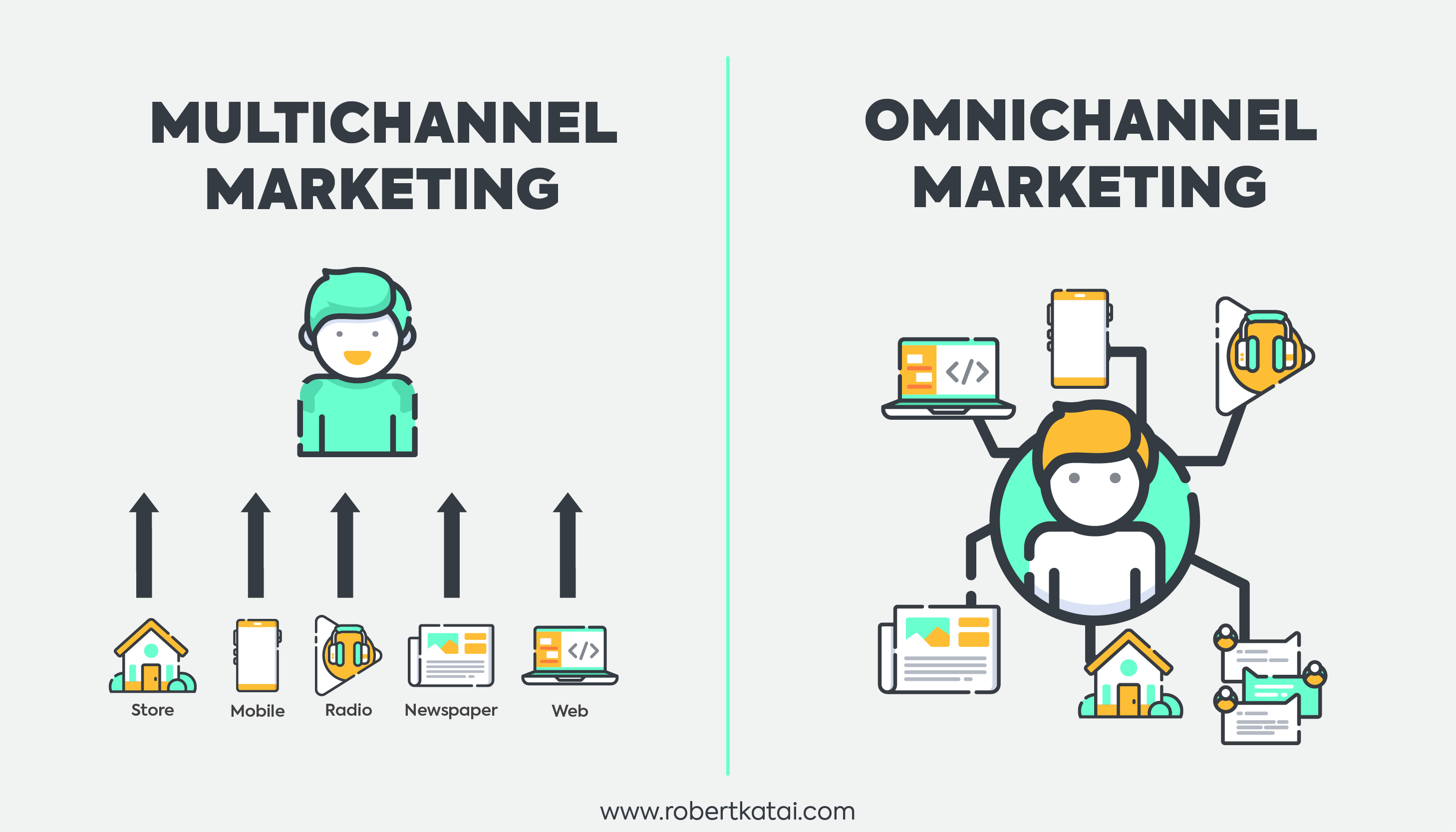
Full-stack firms manage multiple channels: paid search, paid social, SEO, email, and content, all under one roof. They make sense for brands that want integrated execution and attribution without coordinating multiple vendors. The risk is diluted specialization: a firm that runs everything may not be best-in-class at any single channel.
Channel-specific specialists focus on one or two channels and go deep. A paid social firm that manages Meta, TikTok, and Pinterest campaigns exclusively develops pattern recognition across thousands of accounts that a generalist cannot replicate. SEM agencies operating purely in paid search build Google Ads account structures and bidding strategies that general firms rarely match. The tradeoff is coordination complexity when you need multiple channels covered simultaneously.
Vertical specialists focus on a specific business model: DTC ecommerce, B2B SaaS, healthcare, or local services. This is the highest-signal category when the vertical matches your business. A firm that has scaled 30 Shopify brands to $10 million understands creative fatigue cycles, contribution margin targets, and LTV models in ways that a generalist cannot replicate. At the $5 million to $20 million ARR inflection point for DTC brands, vertical expertise begins to matter more than channel depth, because strategic decisions require business model understanding, not just platform mechanics.
The evaluation framework differs significantly between B2B and DTC brands, and the best firms in each category are usually not the same firms.
For DTC and ecommerce brands, creative capability is the most important signal. Creative drives 60 to 70 percent of campaign performance on paid social platforms, according to internal Google data cited by Darkroom Agency. Meta's Andromeda algorithm has further shifted the platform away from audience signals toward creative signals, meaning a firm that produces strong ad creative outperforms one that excels at audience segmentation. Firms that combine performance media buying with in-house creative production are specifically built for this environment.
For B2B brands, account-based marketing capability is the differentiating factor. B2B companies that deploy ABM strategies see 87% higher ROI than those using broad-based approaches, per Forrester Research. The ABM services market reached $1.2 billion in 2024, reflecting how much B2B marketing has shifted toward precision targeting over volume. Firms with ABM-specific expertise (intent data integration, targeted account programs, and sales-marketing alignment) serve a fundamentally different need than firms optimized for DTC acquisition.
Digital marketing firms price in three main structures: flat monthly retainer, percentage of spend, or hybrid. The right structure depends on your stage and the channels being managed.

Flat retainers are common for content, SEO, and full-service engagements. Percentage of spend (typically 10 to 20 percent) is standard for paid media management, where the fee scales with the media budget. Hybrid models split a flat strategy fee from a variable media management fee. Seventy-eight percent of digital marketing firms use retainer pricing as their primary model, per InfluenceFlow 2026, which creates predictable cost for the client and stable revenue for the firm.
Pricing signals something beyond cost. A growth-stage firm charging $2,000 per month for full-service management is almost certainly understaffed or using offshore execution layers. Firms operating in the $3,000 to $7,000 monthly range for growth-stage brands can typically support senior execution on your account.
Boutique marketing agencies with narrow specializations often deliver more output per dollar at this tier than larger shops carrying account management overhead. Understanding how to choose the right marketing agency for your stage matters more than maximizing channel coverage per dollar spent.
The evaluation process should filter on fit, not just capability. These six questions surface the information that separates genuinely strong firms from ones that present well:
What is the average annual revenue of your current clients in my category? The answer reveals whether the firm has pattern recognition at your stage or is learning on your budget.
How many accounts does each strategist manage? More than eight accounts typically means reactive management rather than proactive optimization, regardless of how the firm describes its team structure.
Can you walk through your attribution methodology? Firms that cannot explain how they connect spend to pipeline or revenue are reporting activity, not outcomes.
What was your average client retention period over the last three years? A number below 18 months signals a client satisfaction problem. Strong firms can produce this number without hesitation.
Who specifically will work on my account, and can I meet them before signing? The most common complaint in agency relationships is senior sellers handing off to junior executors after the contract is signed. Insist on meeting the actual execution team.
What does success look like in 90 days, and how will you measure it? Firms that cannot define measurable 90-day milestones are not outcomes-oriented. Clear short-term benchmarks reveal whether the firm has realistic expectations for your category.
Guaranteed ROAS or ranking promises are the most visible red flag in any firm pitch. Results depend on competitive conditions, creative quality, and spend levels that no firm controls entirely. Long-term contracts of 12 or more months with no performance clauses lock clients into underperforming relationships with no recourse. Firms that lead with proprietary technology platforms rather than strategy are often selling software subscriptions with thin service wrappers on top.
Reporting dashboards that show impressions and clicks without connecting to revenue or pipeline are designed to demonstrate activity, not outcomes. A firm worth hiring can explain which dollars drove which results, even approximately. The best digital marketing agencies share the same quality signals regardless of size: they push back on unrealistic expectations, define measurable outcomes before starting, and surface problems before clients notice them.
The strongest predictor of a productive firm relationship is vertical alignment. A firm that has worked with 20 brands at your stage and business model has already encountered your specific problems. They know which channels work at your spend level, where creative bottlenecks typically appear, and what realistic performance looks like in your category. The evaluation time invested in finding vertical alignment pays back in avoided ramp time and failed experiments.
For growth-stage ecommerce and DTC brands evaluating demand generation partners, EmberTribe works on the content and paid media programs that build compounding pipeline rather than isolated campaign spikes.
Facebook ads have long been a popular choice for businesses looking to reach a wide audience and generate leads. But recent trends have shown a decline in the effectiveness of Facebook ads, leaving many businesses wondering what they can do to adapt and maintain their advertising success. To learn why this is happening and what to do about it, keep reading.
Facebook has been an advertising powerhouse for years, providing businesses with targeted ad options and a vast user base. However, recent changes in user behavior, high competition and platform algorithms have resulted in a decline in the overall performance of Facebook ads. Let’s dive into some reasons behind the downward trend.
One crucial factor is the ever-evolving Facebook algorithm, which determines the content users see on their feeds. The algorithm prioritizes personal connections and engagement over promotional content, making it challenging for businesses to organically reach their target audience.
Another one is the rise of ad-blocking software and users' growing use of mobile devices. Ad-blocking software prevents ads from being displayed, while mobile devices have limited screen space, making it more challenging for ads to capture users' attention.
The COVID-19 pandemic has also played a role in the downward trend of Facebook ads. The economic uncertainty caused by the pandemic has led many businesses to cut back on their advertising budgets, resulting in a decrease in overall ad spend on Facebook. This reduction in ad spend has further intensified the competition among businesses, making it harder for individual ads to stand out and generate desired results.
Additionally, the increasing popularity of influencer marketing has diverted some advertising budgets away from traditional Facebook ads. Brands are now collaborating with influencers who have a loyal following on social media platforms, including Instagram and YouTube, to promote their products or services. This shift in advertising strategy has impacted the reach and effectiveness of Facebook ads.
As you see, the downward trend in Facebook ads can be attributed to various factors, including ad fatigue, privacy concerns, the rise of alternative social media platforms, the ever-evolving Facebook algorithm, ad-blocking software, the growing use of mobile devices, the impact of the COVID-19 pandemic, and the rise of influencer marketing. Understanding these factors is crucial for businesses looking to optimize their advertising strategies and adapt to the changing landscape of digital marketing.
The decline in Facebook ad effectiveness has had a significant impact on businesses across various industries. It has become increasingly challenging for businesses to generate leads and conversions solely through Facebook ads, requiring them to rethink their marketing strategies and explore alternative advertising platforms.
This decline in Facebook ad effectiveness has left businesses scrambling to find new ways to reach their target audience. With the decrease in ad performance, businesses have had to allocate more resources and effort into other marketing channels to compensate for the loss in conversions. This shift in focus has forced businesses to adapt and explore new advertising strategies to stay competitive in the ever-changing digital landscape.
One of the major challenges that businesses face due to the decline in Facebook ad effectiveness is the increase in cost per acquisition. A small e-commerce company, for example, heavily relied on Facebook ads for customer acquisition. However, with the downward trend, their cost per acquisition increased significantly, ultimately impacting their profitability. This forced the company to reevaluate their advertising budget and explore other cost-effective marketing channels to maintain their customer base.
As the downward trend in Facebook ads continues, businesses must anticipate its future impact. It's crucial to evaluate and adapt marketing strategies to ensure continued success. Although predicting the exact trajectory of Facebook ads is challenging, industry experts and marketers have provided valuable insights into potential future trends.
Some experts suggest that Facebook ads will undergo further algorithm changes to promote greater user engagement. This could mean that businesses need to focus more on creating engaging and interactive ad content to capture users' attention effectively. Experts predict a shift towards video and interactive ad formats to keep up with the changing preferences of social media users.
At the same time, the decline in Facebook ad effectiveness has led businesses to explore alternative advertising platforms. Many businesses are now investing in platforms like Instagram, YouTube, and TikTok to diversify their advertising efforts and reach a wider audience. By expanding their presence across multiple platforms, businesses can reduce their reliance on Facebook ads and mitigate the impact of the downward trend.
Here are some practical steps you can take:
Rather than relying solely on Facebook ads, consider diversifying your marketing efforts across multiple channels. Explore other social media platforms, such as Instagram, Pinterest, or LinkedIn, which may offer greater targeting capabilities and engagement opportunities for your audience. Additionally, invest in content marketing and SEO strategies to leverage organic traffic and capture users' attention.
While Facebook ads may be losing their effectiveness, other advertising platforms are gaining traction. Platforms such as Google Ads, YouTube Ads, or even emerging platforms like TikTok Ads offer new opportunities to reach your audience. Research these platforms to identify which align best with your target market and business objectives.
The content of your Facebook ads plays a crucial role in capturing users' attention and driving conversions. Ensure your ad content is relevant, visually appealing, and aligned with your target audience's interests. A/B test different ad formats, copy variations, and visuals to identify which combinations yield the best results.

Facebook offers a range of ad tools to help businesses optimize their ad campaigns. Explore options such as Custom Audiences, Lookalike Audiences, and Retargeting to refine your targeting and increase your chances of reaching the right users. Additionally, regularly monitor and analyze your ad performance metrics to identify areas for improvement and adjust your campaigns accordingly.
As businesses navigate the challenges of the downward trend in Facebook ads, it's essential to keep an eye on the future of this advertising platform.
Experts in the advertising industry have shared valuable insights into the future of Facebook ads. Some predict a shift towards more personalized and interactive experiences, with ads becoming increasingly integrated into users' daily lives. Others foresee the importance of transparency and authenticity in ad content, emphasizing the need for businesses to build genuine connections with their audience.
To prepare your business for the future of Facebook ads, it's crucial to stay informed about industry trends and adapt your strategies accordingly. Continuously monitor Facebook's updates and algorithm changes, as well as emerging advertising platforms. By staying proactive and flexible, businesses can stay ahead in the ever-evolving world of digital advertising.

Finding the right ecommerce Google Ads agency for your business can be a daunting task. With so many options available, it's important to understand the role of a Google Ads agency and why your ecommerce business needs one. Here, we'll explore key factors to consider when choosing a Google Ads agency, how to evaluate their performance, questions to ask potential agencies, and how to make the final decision. By following these steps, you'll be on your way to finding the perfect agency to help grow your ecommerce business.
When it comes to online advertising, Google Ads is an incredibly powerful tool. With billions of searches conducted on Google every day, businesses have a unique opportunity to reach their target audience and drive traffic to their websites. However, navigating the intricacies of Google Ads can be challenging, especially for businesses without a dedicated marketing team or the necessary expertise. That's where a Google Ads agency comes in.
A Google Ads agency is a team of experts that specialize in managing Google Ads campaigns for businesses. They have the knowledge and experience to create and optimize ad campaigns that generate leads and drive conversions. Their expertise extends beyond simply setting up ads, as they also analyze data, monitor performance, and make adjustments to maximize results. By hiring a Google Ads agency, you're leveraging their expertise to boost your online presence and attract more customers.
Google Ads is one of the most effective advertising platforms for ecommerce businesses. It allows you to reach potential customers at the moment they're actively searching for products or services similar to what you offer. However, managing Google Ads campaigns requires expertise and constant monitoring to ensure optimal performance. By partnering with a Google Ads agency, you can offload this responsibility to professionals who specialize in navigating the complexities of the platform. They'll help you create engaging ads, target the right keywords, and maximize your advertising budget, ultimately resulting in increased website traffic and conversions for your ecommerce business.
Running a successful ecommerce business involves more than just setting up an online store and waiting for customers to come. It requires a strategic approach to marketing and advertising to stand out in a crowded online marketplace. This is where a Google Ads agency can be a game-changer for your ecommerce business.
When you partner with a Google Ads agency, they will take the time to understand your ecommerce business inside out. They'll delve deep into your product offerings,target audience, and competitive landscape. Armed with this knowledge, they will develop a comprehensive Google Ads strategy that aligns with your business goals and drives results.

One of the key advantages of using Google Ads for your ecommerce business is the ability to target specific keywords that potential customers are actively searching for. For example, if you sell organic skincare products, a Google Ads agency can help you identify relevant keywords like "organic skincare," "natural beauty products," or "vegan skincare." By targeting these keywords, your ads will appear at the top of Google's search results when someone searches for these terms, increasing the visibility of your ecommerce business and attracting potential customers.
Nonetheless, managing Google Ads campaigns requires ongoing optimization and monitoring. Bids need to be adjusted, ad copy needs to be refined, and targeting parameters need to be tweaked to stay ahead of the competition. This can be time-consuming and overwhelming for ecommerce business owners who are already juggling multiple aspects of their business. By partnering with a Google Ads agency, you can focus on running your business while leaving the intricacies of Google Ads to the experts.
A Google Ads agency will continuously monitor the performance of your campaigns, analyzing data and making data-driven decisions to improve results. They will identify trends, uncover opportunities, and make strategic adjustments to ensure that your advertising budget is being used effectively. With their help, you can maximize your return on investment and drive more traffic to your ecommerce website, ultimately leading to increased sales and revenue.
In conclusion, a Google Ads agency plays a crucial role in helping businesses navigate the complexities of Google Ads and drive results. By leveraging their expertise, businesses can reach their target audience, increase online visibility, and attract more customers. Whether you're a small business owner or an ecommerce entrepreneur, partnering with a Google Ads agency can be a game-changer for your online advertising efforts.
These factors will help you narrow down your options and find an agency that aligns with your business goals and requirements.
One of the most important factors to consider is the agency's experience and expertise. Look for an agency that has a proven track record of managing successful Google Ads campaigns for ecommerce businesses. They should have experience in your industry and possess a deep understanding of the unique challenges and opportunities within the ecommerce space. Additionally, the agency should stay up-to-date with the latest trends and best practices in Google Ads to ensure they deliver optimal results for your business.
It's crucial to find a Google Ads agency that understands the intricacies of the ecommerce industry. They should be familiar with the specific needs and requirements of ecommerce businesses, such as product listings, shopping campaigns, and conversion tracking. This industry knowledge will enable them to create tailored strategies that resonate with your target audience and drive meaningful results for your ecommerce business.
Before making a decision, it's essential to review the agency's track record and client testimonials. Look for case studies or success stories that showcase their ability to generate positive results for their clients. Additionally, reach out to their previous or current clients to get firsthand feedback on their experience working with the agency. This will provide valuable insights into the agency's communication, performance, and overall satisfaction of their clients.
Once you've narrowed down your options and selected a few potential Google Ads agencies, it's time to evaluate their performance. This step will help you assess their capabilities and determine if they're the right fit for your ecommerce business.
When evaluating an agency's performance, there are several key performance indicators (KPIs) to consider. These may include click-through rates (CTR), conversion rates, cost per click (CPC), return on ad spend (ROAS), and overall return on investment (ROI). Look for agencies that have consistently delivered positive results across these metrics, as it's a strong indicator of their ability to optimize campaigns and generate meaningful outcomes for their clients.

Google Ads agencies provide regular reports on campaign performance, which include various data and metrics. When reviewing these reports, pay attention to the level of detail provided and how well the agency explains the insights derived from the data. A good agency will not only present the numbers but also provide actionable recommendations for improvement based on the data analysis. This demonstrates their commitment to transparency and their ability to make data-driven decisions.
As you move closer to making a decision, it's crucial to ask potential Google Ads agencies a series of questions to ensure they meet your business requirements and expectations. These questions will help you gain insights into their strategies, pricing, and contract terms.
After careful consideration and evaluation, it's time to make the final decision and choose your Google Ads agency. This decision shouldn't be taken lightly, as it will have a significant impact on your ecommerce business's success.
Take the time to compare the options you've narrowed down based on their experience, expertise, performance, and pricing. Consider the agency's communication style and how well they understand your business goals. Additionally, assess their ability to align with your core values and work collaboratively with your team.
Ultimately, the right Google Ads agency for your ecommerce business will be the one that demonstrates a deep understanding of your industry, possesses the necessary expertise, and aligns with your business goals. Trust your instincts and choose an agency that you believe will be a long-term partner in helping you achieve your ecommerce business objectives.
By following the steps outlined in this article, you'll be well-equipped to find the right ecommerce Google Ads agency for your business. If you're specifically evaluating firms that specialize in paid search, the guide to choosing a Google PPC agency narrows the focus to agencies optimized around Google's ad ecosystem. Remember to consider the agency's experience, understanding of the ecommerce industry, and track record of success. Evaluate their performance based on key metrics and ask important questions to gain a clear understanding of their strategies and pricing. Making an informed decision will set your ecommerce business on the path to success with effective Google Ads campaigns.

If you've encountered a Google Ads 500 Error, don't panic. This guide will take you through the process of understanding the error, exploring its impact on your Google Ads campaigns, and providing you with step-by-step instructions on how to troubleshoot and prevent similar errors in the future.
A 500 Error, also known as a Internal Server Error, indicates that an unexpected condition occurred, preventing the server from fulfilling your request. This could be due to a variety of factors, including misconfigurations, programming errors, or issues with the server infrastructure.
When you encounter a 500 Error, it's important to understand that the problem lies with the server, not your specific request or configuration. This means that you don't have direct control over resolving the error, but you can take steps to troubleshoot and report the issue to Google Ads support.
One possible cause of a 500 Error is a misconfiguration in the server settings. This could be related to the server software, such as Apache or Nginx, or the server's operating system. It's important to ensure that all server configurations are set up correctly and that any recent changes to the server's settings are thoroughly tested before deploying them in a production environment.
Another potential cause of a 500 Error is a programming error in the server-side code. This could be a bug or an issue with the code logic that is preventing the server from processing requests correctly. In such cases, it's crucial to review the server-side code, identify any errors or issues, and fix them accordingly.
When it comes to Google Ads, a 500 Error can have a significant impact on your advertising campaigns. The error interrupts the delivery of your ads, potentially leading to decreased visibility and potential revenue losses. Therefore, it's essential to address and resolve this issue promptly to ensure your ads reach their intended audience.
Not only can a 500 Error affect the delivery of your ads, but it can also impact the overall user experience on your website. If the error occurs when a user clicks on your ad and tries to access your website, they may encounter a blank page or an error message, leading to frustration and a negative perception of your brand.
A 500 Error can also impact your Quality Score in Google Ads. Quality Score is a metric used by Google to determine the relevance and quality of your ads and landing pages. If your website consistently returns 500 Errors, it may signal to Google that your website is unreliable or poorly maintained, resulting in a lower Quality Score and potentially higher advertising costs.
To mitigate the impact of a 500 Error on your Google Ads campaigns, it's crucial to monitor your ads and website regularly. Implementing a robust monitoring system can help you identify any server-side errors promptly and take immediate action to resolve them. Additionally, regularly testing your website's performance and functionality can help uncover any potential issues before they affect your advertising campaigns.

In some cases, your server might experience a momentary overload due to a sudden surge in traffic or other resource-intensive processes. This overload can result in a 500 Error. Monitoring and optimizing your server's performance can help prevent these issues.
Server overload can occur when your website experiences a significant increase in user traffic, causing the server to struggle to handle the load. This can happen during peak hours, when many users are accessing your website simultaneously. Additionally, resource-intensive processes such as running complex scripts or executing large database queries can also contribute to server overload.
To avoid server overload, it is essential to regularly monitor your website's traffic patterns and server performance. By identifying potential bottlenecks and optimizing your server's configuration, you can ensure that it can handle the expected load and prevent 500 Errors from occurring.
If you're using plugins or extensions in conjunction with your Google Ads campaigns, it's possible that one of them is causing conflicts and triggering the 500 Error. Disabling or updating these plugins can help resolve the issue.
Plugins and extensions can enhance the functionality of your website and provide additional features for your Google Ads campaigns. However, they can also introduce compatibility issues and conflicts that may lead to a 500 Error. These conflicts can occur when a plugin or extension modifies crucial files or interferes with the normal operation of your website.
To troubleshoot this issue, you can start by disabling all plugins and extensions and then enabling them one by one to identify the problematic one. Once you have identified the culprit, you can either update it to a newer version or find an alternative plugin or extension that provides similar functionality without causing conflicts.
In rare cases, corrupted files on your server can cause a 500 Error. These files may be integral to the functioning of your advertising campaigns. Identifying and repairing any corrupted files can help rectify the error.
Corrupted files can occur due to various reasons, such as incomplete file transfers, hardware failures, or software bugs. When these corrupted files are essential for the operation of your advertising campaigns, they can lead to a 500 Error and disrupt your Google Ads performance.
To address this issue, you can perform a thorough examination of your server's file system to identify any corrupted files. This can be done by checking file integrity using tools like checksum verification or by comparing file versions with known good copies. Once the corrupted files are identified, you can replace them with their undamaged counterparts or restore them from backups if available.
Regular backups of your website's files are crucial in mitigating the impact of corrupted files. By having up-to-date backups, you can quickly restore any corrupted files and minimize the downtime caused by a 500 Error.
With the causes in mind, let's now dive into the troubleshooting process for a Google Ads 500 Error.
Begin by inspecting your server logs. These logs can provide valuable insights into the underlying issue causing the 500 Error. Look for any error messages or indications of resource limitations. Analyzing these logs will guide you towards potential solutions.
If you suspect that a plugin or extension is triggering the error, disable them temporarily. Monitor whether the 500 Error persists. If the error disappears, it's likely that one of the plugins or extensions was the culprit. Gradually enable them one by one until you identify the problematic one. Updating or replacing that specific plugin or extension can resolve the issue.
If a corrupted file is causing the error, you'll need to locate and repair it. Consult with your server administrator or IT team to identify the affected files and work on restoring them. If possible, having regular file backups will prove to be invaluable in mitigating the impact of corrupted files.

Now that you've resolved the current 500 Error, it's essential to implement preventive measures to avoid encountering similar issues in the future.
Perform routine maintenance tasks on your server, ensuring that it remains optimized and up to date. Regularly monitor its performance and promptly address any potential issues that arise. By proactively managing your server, you can minimize the risk of encountering server-related errors.
Maintain a proactive approach towards managing your plugins and extensions. Regularly update them to ensure compatibility with the latest versions of other software or platforms you're using. Developers often release updates that address known bugs and vulnerabilities, reducing the chances of causing errors like the 500 Error.
Implement a reliable file backup system that performs regular backups of your important files. In the event of a corrupted file or other issues, having a recent backup can save you time and effort in resolving errors. Make sure that your backup system runs consistently and that you can easily restore files if needed.
By following these preventive measures, you'll greatly reduce the likelihood of experiencing Google Ads 500 Errors in the future, allowing your campaigns to run smoothly.
So, there you go: troubleshooting a Google Ads 500 Error might seem daunting, but with the right approach, it's entirely manageable. Understand the error, identify its causes, and follow the step-by-step guide provided. By implementing preventive measures, you'll not only troubleshoot the current error but also safeguard your campaigns from future disruptions. Keep your Google Ads running error-free and maximize their potential.
Most advertisers skip straight from campaign strategy to the Google Ads editor, writing headlines and descriptions directly in the platform. The result is often ad copy that looks fine in a text field but falls flat on the actual search results page. A mockup bridges that gap. It gives you a realistic preview of how your ad will appear to users, allowing you to evaluate messaging, formatting, and competitive positioning before a single dollar of budget is spent.
For growth-stage brands running five- and six-figure monthly budgets, this preview step is not optional. A poorly structured ad wastes impressions, drives up cost per click, and drags down Quality Score. A well-crafted mockup, on the other hand, helps you spot weak copy, misaligned extensions, and formatting issues before they cost you real money.
Before building your mockup, it helps to understand the canvas you are working with. Google Ads supports multiple formats including Search ads, Display ads, Video ads, Shopping ads, and Performance Max campaigns. Each format has distinct creative requirements and user contexts.
For the purposes of this guide, we will focus on Search ads, the most common format for lead generation and direct-response campaigns. A standard Responsive Search Ad (RSA) allows up to 15 headlines (30 characters each) and 4 descriptions (90 characters each). Google dynamically assembles combinations to find top performers, but what the user actually sees on the SERP follows a predictable structure:
Your mockup should replicate this structure as closely as possible so you can evaluate the full ad unit rather than isolated text fields.
Every effective ad starts with a clear goal. Are you driving purchases, generating leads, promoting a specific offer, or building brand awareness? Your objective dictates the messaging angle, the call to action, and the landing page you send traffic to.
Write your objective in a single sentence before touching any ad copy. For example: "Drive demo requests from mid-market SaaS buyers evaluating CRM solutions." This constraint keeps your messaging focused and prevents the common trap of trying to say everything in a single ad.
Before writing a word of copy, search for your target keywords and study what is already on the page. Take note of:
This competitive context is critical. Your ad does not exist in isolation. It appears alongside three or four other ads and ten organic results. Your mockup should account for this environment so your copy stands out rather than blends in.
With your objective defined and competitive landscape mapped, it is time to draft your headlines and descriptions.
Headlines: Focus on three categories of headlines to pin in positions one, two, and three:
Descriptions: Use these to expand on the promise in your headlines. Include specifics like pricing, time frames, customer counts, or results. Vague descriptions like "We offer great solutions for your business" waste valuable real estate.
Write at least three complete headline/description combinations so you can compare them side by side in your mockup.
Extensions are one of the most underutilized levers in Google Ads. They increase your ad's visual footprint on the SERP, provide additional click targets, and directly improve Quality Score and click-through rate.
Build these extensions into your mockup:
When you include extensions in your mockup, you get a realistic view of how much SERP real estate your ad will occupy versus a competitor running ads without extensions.

You have several options for assembling your mockup into a visual format:
Whichever method you choose, create mockups for both desktop and mobile. Mobile SERPs truncate headlines more aggressively and display fewer extensions, so your ad needs to communicate its core message in the first two headlines.
Your mockup process should include a budget framework, not just creative. Align your bidding strategy with your campaign objective:
Document your target CPC, daily budget, and expected impression share alongside your mockup. This gives stakeholders a complete picture of what the campaign will look like and what it will cost.
A mockup gets you 80 percent of the way to a strong ad, but real performance data closes the remaining gap. Google's RSA format inherently tests headline and description combinations, but you should also run structured experiments:
Run each test for at least two to three weeks or until you reach statistical significance, typically 100 or more conversions per variant.
Once your campaign is live, track these metrics to evaluate whether your mockup translated into real-world performance:

Your mockup is a living document. Revisit and update it as you gather performance data:
Even experienced advertisers fall into these traps:
Creating a Google Ads mockup is not extra work. It is the work that prevents wasted spend, misaligned messaging, and underperforming campaigns. By previewing your ad in context, refining copy against competitors, and building in extensions from the start, you set your campaign up to win from day one.
Start with a clear objective, research your competitive SERP, build a complete ad unit including extensions, and test relentlessly once you launch. The brands that treat mockups as a core part of their paid media workflow consistently outperform those that skip straight to the editor.

Google Ads invoicing can be a headache. As an advertiser, you must have a streamlined invoicing process to manage your Google Ads expenses effectively. Join us to deep into the Google Ads invoicing process and to discuss the importance of streamlining it. We will also provide you with a step-by-step guide on how to streamline your Google Ads invoicing and leverage the available tools.

When it comes to managing your online advertising campaigns, having a solid understanding of the Google Ads invoicing process is a must. With Google Ads, you have the ability to create and manage campaigns by bidding on keywords relevant to your business. But how does the invoicing process work?
Let's take a closer look:
While the Google Ads invoicing process may seem straightforward, advertisers often encounter challenges that can slow down their invoicing cycle. It's important to be aware of these challenges and find ways to address them effectively. Here are some common challenges:
By implementing effective strategies and leveraging available tools, advertisers can overcome these obstacles and optimize their invoicing workflow.
A well-optimized and streamlined Google Ads invoicing process can save you valuable time and resources. With automated invoicing and efficient reconciliation, you can minimize manual tasks and focus on more strategic aspects of your advertising campaigns.
Imagine a scenario where you no longer have to spend hours manually generating invoices, cross-referencing data, and double-checking calculations. By implementing a streamlined process, you can automate these tasks and free up time for more critical activities, such as analyzing campaign performance or brainstorming creative marketing strategies.
A streamlined invoicing process also allows you to allocate your resources more effectively. By reducing the time and effort spent on invoicing, you can redirect those resources towards other areas of your business that require attention, such as customer acquisition, product development, or expanding your marketing team.
One of the most significant advantages of a streamlined invoicing process is the improvement in accuracy and efficiency when managing your ad spend. By reconciling invoices promptly and regularly, you can identify any discrepancies or errors early on and address them quickly.
Imagine the frustration of receiving an invoice with incorrect charges or missing information. It not only wastes your time but also creates unnecessary confusion and potential financial discrepancies. However, with a streamlined process in place, you can minimize the chances of such errors occurring.
By automating the invoicing process, you can ensure that the correct charges are reflected in your invoices. This reduces the risk of overpayment and ensures that your financial records are accurate and up to date. Additionally, a streamlined process allows you to easily track and monitor your ad spend, helping you make informed decisions about your advertising budget and ROI.
Now that we understand the importance of streamlining the Google Ads invoicing process, let's explore a step-by-step guide to help you achieve this:
Streamlining your Google Ads invoicing process is crucial for efficient financial management and maintaining a healthy cash flow. By following these steps, you can simplify your invoicing procedures and ensure timely payments.
The first step in streamlining your Google Ads invoicing process is to set up automated invoicing. Google Ads provides various options for automated billing, such as automatic payments and monthly invoicing. By opting for automated invoicing, you can eliminate the need for manual invoicing and reduce the risk of errors.
Automated invoicing also ensures timely payments, as Google Ads will automatically charge your preferred payment method based on your advertising expenses. This eliminates the hassle of manually making payments and allows you to focus on other aspects of your business.
In addition to automated invoicing, Google Ads offers several billing features that can streamline your invoicing process. One such feature is budget orders, which allow you to set a specific budget for your advertising campaigns. By utilizing budget orders, you can control your ad spend and prevent unexpected billing surprises.
Google Ads also provides invoice notifications, which alert you when a new invoice is generated or when there are changes to your billing account. These notifications help you stay informed about your financial obligations and enable you to take prompt action if necessary.
Another useful billing feature is billing summaries. These summaries provide an overview of your advertising costs, including the amount spent, the number of clicks received, and the average cost per click. By regularly reviewing these summaries, you can gain insights into your campaign performance and make informed decisions regarding your advertising budget.
Another critical step in streamlining your Google Ads invoicing is to regularly review and update your billing information. It is essential to ensure that your payment methods, billing addresses, and contact details are accurate and up to date.
By maintaining accurate billing information, you can avoid payment delays or disruptions caused by outdated details. It is particularly crucial to review your billing information if you have recently changed payment methods or moved your business location.
Regularly reviewing your billing information also allows you to identify any discrepancies or unauthorized charges. If you notice any irregularities, you can immediately contact Google Ads support to resolve the issue and prevent any financial losses.
By following these steps and implementing best practices for Google Ads invoicing, you can streamline your invoicing process and ensure smooth financial operations. Remember, efficient invoicing not only saves you time and effort but also contributes to the overall success of your advertising campaigns.
Google Ads provides a range of tools designed specifically to streamline your invoicing process. These tools offer advanced features for budgeting, tracking ad spend, and generating detailed reports. Familiarize yourself with these tools to leverage their benefits and optimize your Google Ads invoicing.
Once you are familiar with the Google Ads billing tools, it's time to put them to use for efficient invoicing. Utilize the budgeting tools to set spending limits for your campaigns, monitor your ad spend regularly, and make adjustments as needed. Generate reports to analyze your campaign performance and identify areas where you can optimize your ad spend.

To ensure a smooth and efficient Google Ads invoicing process, it is essential to follow some best practices. Here are a few tips to help you:
Regularly review and update your account information, including payment methods, billing addresses, and contact details. This ensures that your invoices reach you correctly and prevents any disruptions or delays in payment processing.
Keep a close eye on your ad spend to prevent any unexpected surprises or discrepancies in your invoices. Regularly monitor your campaigns' performance, track your budget utilization, and make necessary adjustments to optimize your ad spend.
Stay informed about Google Ads' billing policies to ensure compliance and avoid unnecessary issues with your invoices. Familiarize yourself with their payment terms, refund policies, and any other relevant guidelines to maintain a healthy invoicing relationship with Google Ads.
Streamlining your Google Ads invoicing process is crucial for effective expense management and financial control. By understanding the basics of the Google Ads invoicing process, recognizing its importance, following a step-by-step guide, leveraging the available tools, and implementing best practices, you can streamline your Google Ads invoicing and optimize your advertising efforts. So, take the necessary steps today to enhance your invoicing process and maximize the benefits of Google Ads for your business.

First things first. We cannot talk about Conversion Rate Optimization (CRO) without defining it. If you want a thorough explanation of what CRO means in practice, we cover that in detail separately — but in short, it refers to the systematic process of improving a website's conversion rate through data-driven decision-making. It involves certain processes, such as analyzing user behavior, conducting A/B tests, and implementing changes to optimize the website for better results. Easy, right?
But there is more. When it comes to CRO, it's essential to understand the customer journey and identify potential barriers that may prevent users from taking the desired action. By addressing these barriers and providing a seamless user experience, you can increase the likelihood of conversions.

CRO plays a fundamental role in digital marketing. It helps businesses maximize their return on investment (ROI) from their website traffic. By improving the conversion rate, you can generate more leads or sales without increasing your advertising budget.
Imagine if your website is receiving a significant amount of traffic, but only a small percentage of visitors are converting into customers. By implementing CRO strategies, you can unlock the true potential of your website and capitalize on the existing traffic.
CRO also ensures that your website provides a positive user experience, which leads to higher customer satisfaction and loyalty. When users find it easy to navigate your site, find the information they need, and complete their desired actions, they are more likely to become repeat customers and even recommend your business to others.
Becoming a successful Conversion Rate Optimization specialist requires a combination of technical skills and marketing knowledge. Here are some essential skills you should develop:
To enhance your skills and knowledge in CRO, consider enrolling in the following courses or earning relevant certifications:

While theoretical knowledge is important, gaining practical experience is equally crucial to becoming a successful CRO specialist. Here are two ways to gain hands-on experience:
Look for internship opportunities in companies that specialize in CRO. This will allow you to work closely with experienced professionals and learn industry best practices.
During your internship, you will have the chance to immerse yourself in the world of conversion rate optimization. You will be exposed to real-life projects and have the opportunity to work on actual client campaigns. This hands-on experience will not only enhance your understanding of CRO principles but also give you practical skills that can be applied in future roles.
Working alongside seasoned CRO specialists, you will gain valuable insights into the strategies and techniques they use to improve conversion rates. By observing their workflow and participating in team discussions, you will learn how to identify conversion barriers, conduct A/B tests, analyze data, and implement effective optimization strategies.
Study real-world case studies of successful CRO campaigns. Analyze the strategies and tactics implemented, the challenges faced, and the results achieved. This will give you valuable insights into the practical application of CRO principles.
By delving into case studies, you will gain a deeper understanding of the complexities involved in CRO. You will learn about different industries, target audiences, and unique challenges that CRO specialists encounter. This knowledge will help you develop a holistic approach to optimization and enable you to adapt strategies to diverse scenarios.
Besides, studying successful CRO case studies will allow you to identify patterns and trends that lead to positive outcomes. You will uncover common optimization techniques, such as improving website navigation, optimizing landing pages, and streamlining the checkout process, that consistently yield higher conversion rates.
Also, failure tends to be our biggest opportunity to learn. Examining unsuccessful CRO case studies is equally valuable. It provides an opportunity to understand the mistakes made and the lessons learned from those experiences. By analyzing the pitfalls and challenges faced by others, you can develop a proactive mindset and avoid similar pitfalls in your own CRO endeavors.
To be effective in CRO, you need to be proficient in using various CRO tools and software. Here is an overview of popular CRO tools:
When it comes to Conversion Rate Optimization (CRO), having the right tools at your disposal can make all the difference. These tools not only streamline the optimization process but also provide valuable insights into user behavior and preferences. Here are some of the most popular CRO tools:
A/B testing is a critical component of CRO. By conducting A/B tests, you can compare two versions of a web page or element to determine which one performs better in terms of conversions. Here are some steps to effectively use A/B testing tools like Google Optimize or Optimizely:
By mastering A/B testing tools and software, you can effectively optimize your website and drive higher conversion rates. Practice setting up experiments, defining goals, and analyzing the results to gain a deep understanding of your audience and make data-driven decisions.
Web analytics is an integral part of CRO. Understanding how to leverage web analytics tools will help you gain insights into user behavior and make data-driven decisions. Here's why web analytics is important:
Web analytics provides valuable data on user behavior, such as page views, bounce rates, and conversion rates. By analyzing this data, you can identify areas of improvement and make informed decisions to optimize your website's performance.
Google Analytics is one of the most widely used web analytics tools. Learn how to set up Google Analytics, create custom reports, and extract meaningful insights to drive CRO efforts.

Becoming a Conversion Rate Optimization specialist requires acquiring skills, gaining practical experience, mastering CRO tools, and understanding web analytics. By following these four steps, you can pave your way to becoming an expert in the field and help businesses maximize their conversion rates.

Most brands blame their ads when conversions are low. The real problem is usually the funnel.
Your sales funnel is the complete journey a prospect takes from first seeing your brand to completing a purchase and becoming a repeat customer. Each stage of that journey has one job, and when any stage fails to do its job, the entire system underperforms. More traffic will not fix a funnel with low conversion rates. Only diagnosing and optimizing each stage will.
Below, we break down how to evaluate your funnel stage by stage, identify the highest-impact areas for improvement, and run tests that produce meaningful results.
A sales funnel is not a single thing you optimize. It is a series of handoffs, and each handoff can be measured and improved independently.
Here is how to think about the funnel in practical terms:
When you encounter a performance problem, the key is diagnosing exactly where the breakdown is happening rather than making changes at the wrong stage. If 5% of visitors add to cart but only 25% of those complete checkout, the issue is at checkout, not at the ad level. Sending more traffic will only amplify the problem.
This diagnostic approach is what separates brands that grow efficiently from those that burn budget on symptoms rather than root causes.
The first step in optimization is identifying where the most significant drop-offs occur. This requires tracking metrics at each funnel stage and comparing them against benchmarks.
Benchmarks are critical, but they must be contextual. A 5% product page conversion rate might be strong for a brand with a $120 average order value (AOV) but underwhelming for one with a $20 AOV. Higher-priced products naturally have lower immediate conversion rates because the purchase decision involves more consideration.
When setting benchmarks, compare against:
The goal is not to hit some universal "good" number. It is to identify which stage of your funnel represents the biggest gap between current performance and realistic potential.
Your funnel will perform differently depending on where the traffic comes from. Visitors from Pinterest might add to cart at a higher rate than those from Facebook, while TikTok traffic might have a higher initial drop-off from the platform to the landing page.
These channel-level differences matter because they reveal whether the issue is the funnel itself or the quality and intent of the traffic being sent to it. If one channel converts well through the entire funnel while another drops off sharply at the product page, the problem may be a mismatch between the ad messaging and the landing page experience on that specific channel.
Segmenting funnel performance by channel also helps you allocate budget more effectively. Double down on channels where funnel performance is strong, and investigate the disconnect on channels where it lags. This approach is far more productive than treating all traffic as equivalent.
One of the most common strategic questions is where to send paid traffic. The answer, like most things in marketing, is that it depends and you should test.
In general, product pages tend to perform best for ecommerce brands because they place the visitor one step away from adding to cart. But this is not universal.
Send to a product page when the audience is warm or the product is self-explanatory. If someone has already seen your brand or the ad provides enough context about what the product is and why it matters, a direct path to purchase minimizes friction.
Send to a collection page when you have a range of products and want to let the visitor self-select. This works well for brands where the specific product match matters (apparel sizes, styles, or categories).
Send to a dedicated landing page when the product requires education before purchase. Complex products, premium-priced items, or subscription offers often benefit from a landing page that builds value before presenting the purchase option.
Send to the homepage primarily for brand awareness campaigns or when retargeting visitors who are already familiar with you.
The key insight is that the best funnel structure varies by audience temperature. Cold traffic often needs more context and education before being ready for a product page. Warm retargeted traffic can go straight to the point of purchase.
Once you know where your funnel is underperforming, focus optimization efforts on the levers that produce the largest gains at each stage.
If traffic volume or quality is the issue, ad creative is usually the highest-impact lever. Creative is what captures attention in the feed and determines whether the person who clicks through is genuinely interested in your product.
When testing creative, start broad. Test fundamentally different approaches: user-generated content versus polished product photography, lifestyle imagery versus direct product shots, testimonial-led copy versus benefit-led copy. Incremental changes like swapping button colors or adjusting font sizes are low-impact relative to testing entirely different creative concepts.
Strong ad creative does not just drive clicks. It pre-qualifies the visitor by setting accurate expectations about what they will find when they arrive at your site. This alignment between ad and landing page is one of the most overlooked factors in funnel performance.
If visitors are arriving but not taking the next action (adding to cart, submitting a lead form), the landing or product page is the constraint.
Key areas to optimize include:
If add-to-cart rates are healthy but checkout completion is low, the issue lives in the checkout process itself.
Common checkout friction points include:
Each of these friction points is addressable, and the fixes are usually not tests. They are improvements that should be implemented directly. As one of our growth specialists puts it: fixing obvious problems is not a test. A test is comparing people in an ad versus puppies.
Once the obvious fixes are in place, structured testing is how you unlock the next level of funnel performance.
Every test should start with a clear hypothesis: "We believe that [change] will improve [metric] because [reason]." This structure forces you to think critically about what you are testing and why, rather than making random changes and hoping something works.
Meaningful test results require sufficient data. As a baseline, plan for at least 5,000 to 10,000 impressions on each variant and a testing period that covers at least two full weeks (capturing both weekday and weekend behavior patterns).
Budget constraints can affect how quickly you reach significance. If your daily spend only generates a few hundred impressions, it may take longer to reach reliable conclusions. Both time and volume matter. Neither is sufficient on its own.
Traditional A/B testing wisdom says to isolate a single variable so you can attribute any performance difference to that specific change. This is solid advice for mid-funnel and bottom-funnel tests where the sample sizes are smaller and the variables are more nuanced.
However, at the top of the funnel with ad creative, testing wildly different concepts is often more productive than incremental variations. The reason is practical: the difference between a good and great headline tweak is small, but the difference between a video testimonial ad and a static product image ad can be dramatic. Start with broad concept tests, then iterate within the winning concept.
The time between first touch and purchase varies significantly based on your price point and product complexity. A $30 impulse product might convert within hours. A $300 considered purchase might require weeks of retargeting and email nurture sequences before the buyer is ready.
If you evaluate test results too quickly for a high-AOV product, you will make decisions based on incomplete data. Extend your testing windows to match your actual funnel length, and use multi-touch attribution to understand how different touchpoints contribute to the eventual conversion.
Optimizing your funnel is not limited to your website. Retargeting campaigns across email, SMS, and paid social are essential for recovering visitors who drop off at various stages.
The most effective retargeting strategies are segmented by funnel stage:
Being present across multiple channels also helps mitigate the attribution challenges that have intensified since iOS privacy changes. When you touch prospects on Facebook, Instagram, email, SMS, and other channels, you maintain visibility even when individual platform attribution is incomplete.
Funnel optimization is not a one-time project. It is an ongoing discipline of measurement, diagnosis, testing, and iteration.
The framework is straightforward:
The brands that grow most efficiently are not the ones spending the most on ads. They are the ones that have built a funnel where every stage converts at or above industry benchmarks, compounding small gains at each step into significant overall performance improvements.
Every percentage point improvement in conversion rate at any stage translates directly into more revenue from the same ad spend. That is why funnel optimization, not just ad optimization, is the real engine of sustainable growth. For a foundational understanding of the mechanics behind these gains, our guide on what conversion rate optimization is covers the full discipline from first principles.

& nbsp;

In this post:
This is the question Halley, our Director of Marketing, wants to help you figure out.
If you don’t know what we mean by “cashflow runway,” we’re definitely not talking about planes, trains, or automobiles. We’re talking about creating a strategic way to fund your eCommerce brand—this is your cash flow runway.
A lot of business owners don’t look at this. They just look at their bank accounts and see their balance, and take this information at face value. What they’re overlooking is the timeline for how long that cash is going to last. This is especially important to think about when you’re thinking about ways to grow your eCommerce business — and aligning your cash position with a clear ecommerce growth strategy ensures your runway actually funds the right bets.
Your cash flow runway is a crucial component of growth that a lot of founders and store owners ignore. Don’t be one of them!
In short, your cash flow is how much money you have, divided by the monthly costs of running your business (sometimes referred to as “burn rate”).

So if you have $200,000 in the bank and it costs $50,000 per month to keep your business running, you have a four-month cash flow runway.
This is a simple formula for a very important piece of information! Your cash flow calculation helps you see where (and when) you’re going to need a cash injection from an investor like Clearco. With an investment, you’re able to focus on growth without worrying about running out of critical funds.
You should check your cash flow runway frequently. Is your burn rate increasing? Do you have the funds on hand to keep your store live for 3 months? 6 months? 9 months? If you’re constantly short on cash and short on time trying to keep up with your invoices and billing, you should consider seeking opportunities to inject your business with additional cash.
This is a tough question! If you’re running out of money and your cash flow runway has become a cash flow parking lot, there are still steps you can take to keep your business afloat. First, you should look at cutting immediate expenses to save on costs. You can also look at what inventory you have existing and run a sale for a product you have a lot of inventory for to get a quick injection of cash. And, finally, if you qualify for funding from reputable eCommerce investors, like Clearco, we would encourage you to jump on the opportunity!
In short: it depends. The answer comes down to how realistic your goals are in relation to the channel fit. In other words, the less proven a channel is for a business, the more they should expect to spend on that channel before they start seeing positive returns.
There are so many digital advertising channels and, if you’re not careful, it can be easy to overspend on strategies that just aren’t working for you. There is such a thing as growing too fast, and that often comes from investing in too many channels that aren’t bringing returns
Maybe you're investing in Facebook, TikTok, Pinterest, and Snapchat, but in reality, you should only be investing in one. Usually, for our eCommerce clients, we recommend advertising on Facebook. Facebook (which also includes Instagram ads) is a powerful platform for testing and selling products. It’s a great starting point for testing a lot of messaging, position, and pricing. Ha.ving one solid platform that can give you valuable insights into how your funnel is performing gives key findings that can be used to expand to other channels. This approach also gives you early benchmarks to test against when you’re figuring out your advertising budget.
Before embarking on any new marketing initiative, you should consider what the impact would be if it:
If the result of those scenarios is that the business goes under or is irreparably damaged, don't do it. That's not experimenting or taking a risk, that's gambling.
If you’re curious about strategic ways to turn your cash flow runway into a growth runway with sustainable growth systems, book a discovery call with our team to get started!
Ruth Even Haim, Co-Founder at StilyoApps, and John Tedesco, CEO at Drip, joined EmberTribe's very own founders to chat about opportunities and challenges facing eCommerce brands, how to use customer feedback to build better SaaS products, and what it takes to be a good leader.[
LISTEN & FOLLOW ON SPOTIFY](https://www.embertribe.com)
The following interview excerpts from episode two of Founders Forum have been edited for length and clarity. You can download the full transcript here.
In this interview:
Josh: All right. Welcome to our second episode. And this is just a series where we get a chance in a round table format to dive behind the scenes and talk to some founders and executives, and really just help our community of entrepreneurs level up wherever they are. Learn from other's mistakes. Copy people's wins and take it from there. So Ruth, why don't you take it away? I'd love to introduce you first.
Ruth: Nice to meet you all. I am Ruth. I'm the co-founder of StilyoApps. We develop apps for eCommerce in general, mostly for Shopify, and Reconvert currently serves over 30,000 Shopify merchants from all sizes, providing post-purchase upselling and retention tools.
Josh: Fantastic. Thank you for joining us and John over to you.
John: Hi, I'm John Tedesco. I am the CEO of Drip. Super excited to be here. Thanks for having me on. Drip is an email and SMS marketing automation platform serving eCommerce merchants, helping them build their brand and grow their revenue. We've got over 7,000 customers across the globe, 80 employees, and we've generated over a billion dollars in revenue for our customers over the past couple of years.
Josh: Well, we're thrilled to have both of you, on this episode and I figured where we could start is the last year. At the time of this recording, we're looking back on a year of a pandemic, which has been a very interesting time in our space, which we're lucky and fortunate that we've had a lot of success in our space during this time period.
Josh: As you're looking forward, and John we’ll start with you as you're looking forward into 2021. What are some of the challenges, but also some of the opportunities facing direct-to-consumer eCommerce brands as they're trying to grow in scale?
John: Yeah, so I think as you look at 2020, the methodology for the consumer around online purchasing has now been permanently altered for the positive for D2C brands. And I think the greatest indication of that has been kind of, you know, when you see groceries and grocery shopping, which used to be the most tangible hands-on type purchasing now being done with, per service providers, Instacart, et cetera.
When, you know, when you used to have to touch produce, when now that has crossed over to online, then I think the world is open for all services and goods to be transacted online. So, and again, we talk about, you know, 10 years being fast-forwarded over the last year with, COVID. So I think online as being a method or the primary method, actually not shifting from a, from a certain minority purchasing to the method of purchasing has now opened up the playing field.
John: The challenges I would foresee is a lot of noise, a lot of competition, a lot of complexity. And so it's really going to be hard for brands, harder for brands to stand out and differentiate what their unique selling proposition is and to get a cut through the noise and get into the mind share of these consumers who now have a plethora of choices. And so I think the ability of a brand, whether it's brands like Drip or D2C brands themselves to have an authentic and meaningful value proposition, is going to be critical, in general, because that's the core. And then the ability to amplify that through all of the channels possible to get in front of their audience is going to be critical to success.
Josh: Absolutely. Yeah. Ruth, what's your take on this upcoming year’s challenges and opportunities?
Ruth: So I really agree with what John said about basically the fact that eCommerce has grown so much this year creating so much more competition, and this will force brands to focus more on retention and not just on selling and getting new customers in. But actually just making the most out of each customer, each existing one, by creating an actual relationship and just building something that is more than just a store that is selling to customers.
Josh: Definitely. Yeah. I think one thing that we're seeing, you know, on the media buying side is just as these platforms continue to get more expensive and there's more competition. Like there's more opportunity, but there's more competition and these brands need to start looking beyond customer acquisition and they need to be looking at repeat purchase rates and the whole post-purchase experience.
Josh: Reconvert does this in spades, but what are some of the ways that your brands are making use of the tool and how does that kind of impact, I guess their overall unit economics of acquiring new customers?
Ruth: So we see two different roads that stores usually go in. So basically upselling and cross-selling on the thank you page, getting the customer to buy again before they even left the store. And for a lot of people, it sounds like something that is not very realistic. Like most customers would finish the purchase and they already bought, but it's not actually true. A lot of customers are like warm customers when they get to the thank you page. We can see people going from basically a 0% thank you page all the way to a 5% conversion rate for people who are really doing it well. And this just increases the bottom line for a customer that ideally already returned the investment on the ads or however you got into the website.
Josh: Absolutely. Yeah. I mean, I think what you're highlighting and underscoring there is just that you can't ignore these intermediary steps in the funnel; every piece counts to your bottom line and in an increasingly competitive space, you have to make use of things like a thank you page or things like an upsell sequence. So all of those touchpoints matter. And I think we're seeing that even more this year, like you're saying, John, I've been hearing for years, that email is dead, and yet all I'm seeing is more and more email, especially in the eCommerce world. So talk to us a little bit just about maybe those post-purchase sequences, how your customers are using drip to continue engaging with their clients.
John: Yeah. So, email's dead, long live email. I think at a high level here taking a step back a lot of what direct-to-consumer people think about as kind of a channel. But in reality, the power of direct-to-consumer is owning the customer relationship. And in the old days, you'd put the product on a shelf, at the Targets or the Best Buys or the merchant, they own that relationship. The customer came to that store, that brand, and they checked out and they had that data on that customer.
So email and direct ownership, you know, that is that identity. Now that relationship is directly with the brand. And while you may use a channel for paid media acquisition, once you capture that email address, you can start a direct relationship.
John: I think the second piece is we really have to be careful that we don't lose the humanity in the entire process here. Like we should be trying to replicate physical world relationships in a digital world. So when I hear things about sequences and funnels, and this is the challenge of our industry and we have to kind of, you know, cause we're in it all day long and we program it in the platform, we should really be thinking about a relationship we're trying to build with the customer. How would you act in a physical world and then how do I replicate that in a digital world? So, the initial purchase immediately, our customers should be asking, how was that first?
John: You know, how was that initial [experience]? Did it meet your expectations? Because that's really the trajectory for that customer relationship going forward. If it's negative, it's an opportunity to understand and salvage it. If it's positive, now you're starting to build a path in which you can have repeat purchases or have them move towards a loyal customer base. And so when you think about all of that, then you work backward and say, what information do I want to capture digitally to then feedback into my business? The outputs will be greater lifetime value, greater repeat purchasing, shorter CAC, but really think about that relationship because at the end of the day here, if you have a loyal customer base, which will generate, you know, the industry 60 to 80% of your lifetime revenues, that's also the foundation in which you create, um, word of mouth, influencer, marketing, et cetera.
And so for using Drip, what we're helping our brands do is, map out that customer journey in a digital way to help them capture this information and then really put them on a path towards better understanding. And then again, either giving them products, they want recommending products, or if it's a suboptimal experience, how do you capture more data? How do you contact the customer? And that is the information we're just helping them power digitally through the platform.
Josh: That's really good. I love that point just about focusing on relationships and then these tools, either the ones that you're building or that we have available to us in the industry should be amplifying and extending that relationship. And so I think what I'm, what I'm getting at, even from the other end of this is if you have a bad experience, these tools will only amplify about experience. So it's important to get that.
John: You know, when you have another human or you're facing another human, you would act very differently. If you can read the body expression, you can see their face. You know, you can see if they have a return in their arm or not. You know, you're just losing all of those signals. And the key is at the end. I think, you know, we sit in our offices or our home offices and look at screens all day and we forget that there's another human on the other end of the line. And that's why the biggest challenge I think, is in the digital side, is this loss of customer intimacy.

And that's why communities and voices and being embedded, no matter whether you're a service provider, like Ruth or I, or you're the brand itself, you got to remember there's another human at the other end, who cares about, or wants to care about kind of what you're doing. And that's kind of going back to the bright, bright, greater brand positioning, but I think sometimes you would get so lost in the tools. We forget kind of the bigger picture of what we're trying to accomplish.
Josh: Hundred percent. That's great. Let's actually take that angle and flip it on its head. So that's great advice for the DTC brands who need to maybe dig in a little bit more to that qualitative insight from their customer and to get closer to the customer.
Josh: But Ruth, I want to go over to you just as a, as a founder and as like a creator of this product, how have you been able to speak to potential customers? Like let's talk about user research and getting that same insight into your end users of your product. Like, how did you, you know, how did you start with that? How did you get good feedback from those users in the early stage and how that maybe directs your product roadmap?
Ruth: Um, so to be honest, our approach with market research is maybe a little different than a lot of other, um, SaaS brands. We started off, my brother and me, who's my co-founder - we started off being Shopify merchants ourselves, and Reconvert and all of our other products from our personal needs. We built it because we felt like there was something missing that we wanted to create. We also still have, even though we're not merchants ourselves anymore, we still have a lot of friends who we use kind of a small feedback group for any idea that we have.
Ruth: And when it comes to new features in existing products, it's even easier. With our support guys...whenever a customer asks for a feature, they have a list where they actually write down any feature requests and we count them. We see how many times each feature request was made. And then we decide what to work on next, according to how much time it would take to develop and what is the marketability of this feature? Is it something that is going to help us reach new customers? And what is the value this gives to merchants? Is this something that is going to give them so much value that they are going to want to stay with us even longer?
Josh: Yeah. That is highly practical. And I lost you there for a minute. So I want to just make sure I recap that and anybody listening can catch this is that you've really blended a highly, just practical, sensible approach to using the sun product. Does it add value to what I'm doing as a merchant, but then you're also pairing that with a data-driven approach of tickets. So let's actually take a look at this objectively and not fall in love emotionally with a feature set that we think is cool, but let's also hear from the people who are using our products in the trenches and yeah. And be sensible about it that way. So it's a great blend of both like the qualitative, like is this work when I use it, but also the quantitative of how many people are asking for this. It's great. Yeah.
John: To piggyback off that if you have me. Cause I think what's great about Ruth is from when she was a Shopify merchant, she has a deep understanding of the problems her target customers are facing. And so, that proximity is so critical and I think sometimes you can get it.
So I think it's a statement of data, but that qualitative piece, what we do at Drip is, many times we'll adopt a customer, particularly for new employees who have not been in the eCommerce sector and particularly on the product teams and the benefit of seeing the day to day, what they do in the app, but also what their work environment is, their challenges are how much they move through the app and outside of the app.
John: Cause many times it's around business process. That's also going on at, with the marketer or the person using the product is to understand that entire, their day to day will help you build a better product as well. And so that intimacy and not just seeing the output, the exhausts through data and metrics or tickets, but also just realizing when a customer is using your product or platform, what else is going on in their world, whether there are other apps that are up simultaneously, you know, stay in for 10 minutes and then out, or they have two hours. And then of course there's the data and the metrics that also help sort out opinions from fact. So that's always helpful.
Josh: Really tactical follow-up question to that. So besides a ticketing system, are you guys using any sort of tools or processes to track all this and kind of be able to take a high-level view of all these different stakeholders in your case, John, or all these different users in your case, Ruth, are there any kind of practical tools that you guys could recommend to our listeners?
Ruth: Yeah. So for us, we don't have any kind of tool to actually follow up on specific requests. We do use segment and mixed panel, to actually follow up on adoption of new features that we released. Cause we want to understand, okay, so X number of customers ask for that, but how many actually are using that after we released it? And we just make sure to follow up on any kind of usage metrics of these features and the value that they are providing the merchants.
So we don't just release things because they're cool or pretty. We actually give them the value that they are looking to get from the app.
John: And I'm plus one on that we use a mixed panel to get the usage, you know, the qualitative product usage data. And then we combine that we have lots of places in the app where customers can give us, you know, you know, thumbs up, thumbs down and feedback, feedback, NPS type, qualitative feedback. And again, the challenge on all of that, depending on the scope, you’ve got tens of thousands of customers. Because again, when you have, you know, you can have a sea of data, but you don't have necessarily insight. And so that's going to be a challenge for any, um, kind of SaaS leader. Who's looking at that feedback loop? It's almost too much data at times.
Josh: For sure, for sure. I want to switch gears now, to leadership and particularly I'm interested in leadership kind of in this remote era. So John we’ll start with you. You’ve been a leader in a number of SaaS and MarTech organizations over the years. What have you taken with you just from a general leadership principle of growing and scaling a team, but particularly, I guess with this remote flare, like in the last year, what are some things that you picked up to try to keep the culture coherent and consistent and to deliver a good experience to your team?
John: Yeah, so I think one of the principles that I've always appreciated is, around the power of focus as a leader. The tighter the focus, the greater the overall benefits to the business. There's a saying for startups...most of them will fail due to indigestion, not starvation. Over time I've seen that focus allows a greater excellence or chance of excellence, knowing your target customer more precisely than you do building a product that then meets their pain points.
John: So whether it's the company priorities, our values, our customer messaging that, allows people in a noisy world or a world of distractions or a world of anxiety and mental health, you know, aloneness...I think focus has just been more powerful. So I've appreciated it, you know, through my career, the power of focus.
Josh: Definitely. Yeah. I can say from experience, we've been a distributed team since 2015 and that's one of the challenges that comes up time and time again, is how do we make sure that, or our conversation isn't just transactional, but how do we create that space for people to relate on a human level?
John: I think companies that started that way or have been working in that model for a longer time. When you're meeting in person, there's a lot more inefficiency, I guess. And so when it comes in and like, you know, everyone's distributed, there's been a magnifying glass on what is the purpose of meetings? You know, so that's a great place in which to do it. And so for a lot of companies, they have to undo, how do we communicate? How do we drive outcomes? What's the purpose of us getting together?
And so people just shifted many, you know, bad meeting habits into bad zoom meeting habits, which gets to the fatigue piece, but I've found that companies that have been remote for a long time have built-in better systematic communication methods, better check-ins. And they've been much more time-efficient for the employee and consistent across the entire organization from onboarding to ongoing. I think companies that didn't have that luxury of having remote as a primary mechanism have those inefficiencies just had a magnifying glass in the last year.
Josh: That's a great point. Yeah. And Ruth, I'd love to turn this question to you as well. And with specific reference to, I guess, your military experience, cause I know both you and your brother, you come from a military background. So how, if at all, has that entered into your leadership style?
Ruth: So actually it's funny that you ask that because one thing both of us agree on because of our military experience is that we never want to work with people who don't want to be there because this is something that happens in the military when it's mandatory, people are there and you don't always have a way to motivate them. You can't incentivize them, you can't fire them. You basically have to kind of create motivation out of nowhere. And these can be very difficult and frustrating.
So one of the things we feel very strongly about is that if someone wants to work with us, they will do their job and in the best way possible. And we have a lot of patience for learning processes for human problems.

Ruth: Um, we always tend to say yes, even if it's not the most comfortable thing for the company at the moment, I never want my employees to feel like they are employees first. I always want them to know that we see them as people first.
Josh: I love that because it beats the transactional communication that we've been talking about, but it also just reemphasizes that you're human first and we care about what's going on in your life. So it's prioritized us in the meeting. Let's prioritize this in the agenda. Let's plan on talking about it because it's important. It's important to us. It's important to you.
Josh: I'd love to kind of wrap up and just hear from you. What are some of the podcasts you're listening to, the books that you're reading, the blogs that you frequent? It doesn't have to be super aligned with leadership or entrepreneurship. It could be totally out of the box and just a guilty pleasure that you have, but what are some resources that you could share with our audience and recommend?
Ruth: I really enjoy Y Combinator that you mentioned before. And basically whenever there's something new that I need to learn, another place the businesses is going, that I feel like I don't know enough about, I search on YouTube and I just listen to other founders talk about it. That's the main resource I use for mindset and for basically the new ideas on where to take the business and how to go at and how to manage it.
John: Yeah, I'll add...I think there are lots of, you know, business podcasts. TheSaaSter is one for sure. Seeking Wisdom With David Cancel out of drift is another one. So I think there's, lots of those, but I think the most exciting ones are... a lot of the ones there's like how, as a founder, you're really a leader as you talked about it. And so what is leadership? How do you become a better leader?

And I think to some of Ruth's points around, being a whole leader, the whole self, and being in tune, the stronger you are mentally and understand who you are emotionally, the better you're going to be a leader, which means the better you're going to lead others and your company is going to be successful.
John: So I think, um, podcasts like The Reboot from Jerry Colonna. He is a former VC, but he talks about the whole self as a leader as is really going to be helpful for founders as they go on that journey to understand who they are and realize also that they are human in this process because many times there's the perception of what a founder has to be and in defeat and tireless, always be positive and all that stuff, but in reality, they're human too.
John: Sometimes the best ideas are orthogonal. They're not direct, you know, it's the intersection of ideas and creativity that occurs there.
Josh: Yeah. Brilliant answers from both of you, you know, Ruth from your part, just being able to listen to other peers, just leveraging YouTube for the resource. It is the second-largest search engine in the world and maybe not over-indexing on thought leaders, but also listening from people who are in the trenches and just talking about it openly.
And then your point about getting outside of the echo chamber of business books or business podcasts, and borrowing ideas from other industries or other disciplines can be incredibly effective.
Josh: I want to thank you both for joining us and we'll have plenty of notes here in the show notes for where they can find both of your tools. I hope that people can reach out and keep the conversation going. But thank you both for your time today.

There's no question here—we love advertising with Facebook because the platform continues to provide tools for eCommerce markers to reach an ever-broadening audience.
In 2015, Facebook launched Dynamic Product Ads (DPAs), a way for companies to get their ads in front of people who had visited and/or interacted with their Facebook page or website in the past. In 2017, Facebook expanded on this advertising format by launching Dynamic Ads for Broad Audiences (DABAs). This tool dramatically expands the potential reach of Facebook ads, helping eCommerce businesses improve ad performance.
DABAs expand on the concept of DPAs. However, instead of showing your ad to people who have previously interacted with your company, with DABAs, Facebook expands that audience to those people who have searched for a similar product or service to the ones you offer and/or who have interacted with a company similar to yours.
Obviously, this changes the dynamics of these ads from simply "preaching to the choir" to exposing your product to those who want what you are selling, but haven't yet heard of your company.
When you're not preaching to the choir, your ads can pop-and-lock their way to reach expanded audiences.

DABA campaigns aren't limited to Facebook feeds alone. They can appear on any of the Facebook platforms, including Instagram and Audience Network. They can be single-image ads, carousel ads, and collection ads. In addition, these ads are available across devices, including PCs and laptops, as well as mobile traffic.
With more than 2.5 billion registered users on Facebook and another one billion on Instagram, the potential of this marketing tool is difficult to ignore.
DABA campaigns are a great tool for reaching new customers aka top-of-funnel traffic. This ad tool considers the user's interest, behavior, and demographic data when deciding what ads an individual user will see. This can be beneficial when introducing a new product or a new marketing campaign. You can get your product information in front of potential customers who have already expressed interest (via their actions) in a product like the one you are promoting.
To make the most of your DABA campaigns, we suggest the following Best Practices:
1. Make sure that you write your ad to appeal to new customers. Since the goal of DABAs is to attract new customers to your eCommerce business, you want to write your ad to draw in those people. Don't assume in your ad copy that the reader has any knowledge or preconceived notion of your product or business.
2. Use demographics to fine-tune your audience. While Facebook and its subsidiaries have more than four billion registered users, it's not likely that all of them will have an interest in your product (unless you’re selling pizza—we imagine that’s a pretty universal sell 😋).
For example, are you interested in marketing to customers overseas? If not, you can limit your ad placement to US users. Are you looking to drive business to your local eatery? If so, then you'll want to hone your demographic information even more, so that only people within driving distance of your restaurant see your ad.
3. If you're using product sets, make sure to include a good number of products in each set. Facebook uses AI with DABAs to "learn" about its site visitors' preferences and extrapolate what products might interest them tomorrow...or next week. By including a large number of products in your set, the Facebook algorithm has room to work its magic and match a broader number of potential customers with products.
4. Exclude your current customers. Since you are looking for new customers with your DABA campaign, you want to exclude the people who have purchased from you in the past. We suggest those who purchased in the last 30 days. This function is found under "targeting". You exclude these people because you don't want your numbers to be skewed by people who already know and like your products.
5. Engage in ad testing to see what's working. Ad testing (which is an umbrella term for split tests and lift tests) will show you if you should replace some of your existing prospecting campaigns with DABAs.
Setting up a marketing campaign using DABA isn't difficult. It just takes a few steps. The good news is that you only have to do most of these steps once.
Dynamic Ads for Broader Audiences can dramatically transform your business. However, it does take a little bit of time and effort to set up.
At EmberTribe, we've been optimizing social media advertising like DABAs for our clients for several years and can do the tedious legwork for you so that you can concentrate on what you do best—interact with your customers.
To learn more about using Facebook ads for eCommerce and how to make dynamic ads for broad audiences work for you, book a call now!
Here at EmberTribe, we are continually running different tests and helping our clients find their best approach for their growth marketing. This is not a cut-and-dry approach because every brand and their target audience is different.
When it comes to some of ourbest-performing ads, you will notice they are all very diverse and customized for the brand they represent.
Here are some key ad creation concepts that are currently working to boost engagement for some of our clients.
Get a look inside how we develop ad angles, experiment with creative, and generate ads that get results with these 9 components of a high-performing ad.

This ad may not necessarily seem like a show-stopper, but it’s pulling in 80% of this client's email leads. Between the alluring look of the image with the message overlay and the direct call to the customer within the first two lines of the ad copy, people are drawn to stop.
The copy is direct and engaging for the people it’s supposed to be engaging for. The people who aren’t within the target audience will just scroll right by (which means fewer wasted clicks for the client).
You don’t need to target everyone. In fact, you shouldn’t target everyone. Pinpointing a very select audience is the best way to create the kind of ad that is going to speak to the right people.

Targeting the middle-of-the-funnel crowd worked well for Casa Pilates Equipment. Rather than shoot for those at the very beginning of the buyer’s journey, this ad is jumping right into that mid-point, where the targeted audience has beyond beginner knowledge about yoga and may be looking to add some equipment to their home studio.
Adding the title “My Self-Quarantine Savior!” resonated with the users who were feeling stuck at home. The copy stays focused on the buyer, clarifying how the Casa Pilates team is there to help, how customers are happy with the great service, and how the machines are made to be durable investments.
This ad worked well for remarketing purposes, targeting the crowd that was already somewhat familiar with Casa Pilates Equipment.

For this ad, the client clearly had an edge—they had their product on Kelly Ripa and we were able to include this 50-second clip of her raving about it. This was paired with a very short, interest-piquing quote from Kelly (“This is quite possibly the greatest thing ever”) and a quick two-liner about the product.
If you have a high-quality asset, like this video, you don’t have to try to add competing text. We let the asset shine on its own and it quickly became a high-performer for this client.
Essentially, you want to get out of the way and let a video like this do all the talking for you.

This ad is another one that might not seem like much at first glance, but all the elements are working for it.
These are top-sellers on the site and the ad plays blinking text that is just enough to catch someone’s eye as they are scrolling past. It is a great ad for a top-of-the-funnel lead because it showcases these products and offers a simple introduction to the brand.
“The best yard games for any age” is a title that communicates plenty of other game options. The text itself on the image “NEW GAMES, NEW ARRIVALS” is a call to novelty, which is often a great tool for piquing interest and getting the click-thru.
This example is the top-earning ad for this client.
A 10-second smack-in-the-face video of images with text overlay is very attention-grabbing for just about anyone, but really speaks to the Bulletprute audience.
We know that we're targeting a very cut-and-dry audience that is after quality and wants to know what they're getting for the money. Knowing your audience well is a huge asset that is crucial for a successful campaign.
An ad trying to evoke sadness, joy or excitement just wouldn’t go over nearly as well with this audience. This ad feels inspirational and gritty but places a lot of focus on the product's durability and value.
Including the link within the ad text offers a double CTA that often works well.

This product is targeting a very specific type of hair (3-4C curls), so the video of it in action offers a lot of impact. Showing the brush gently and easily slide through the thick, healthy hair is a huge selling point.
Anyone with this type of hair is familiar with how much the small bristles can get caught and tangle the hair. The thick nature of the product is a huge selling point and this ad centered in on that value. The ad copy backs this value with the 100% satisfaction guarantee promise.

This is a story-telling ad with a powerful video that reveals the story behind Combat Flags. Telling the audience about the company’s “why” often makes a big difference in how customers perceive the value.
There are a lot of people who make similar kinds of patches, but Dan is a veteran who creates patches from retired fatigues. His mission really sets apart his brand.
In the past, he was able to get traffic by just including product images. But, this story-telling ad really took the attention to the next level. People want to know about the companies they are supporting. They will choose a good story over a generic one just about every time.

This stunning image showcases everything beautiful about beachwear. The women pictured are in a natural element and look like they are just walking through the seagrass near beach dunes. From their hair to their outfits and surroundings—nothing looks contrived or overdone. They look comfortable and happy—which are huge selling points for swimsuits.
The ad copy mentions “luxe” which is then repeated in concept by the title, “Inspired by the lush textures found in a Moroccan market…”
This ad appeals to an unusual product value for this industry and it uses an authentic (but polished) approach that is very appealing to those in its target audience.

Don’t be afraid to let the focus fall directly on the product. This appealing image is very reminiscent of the flat lays that are popular on Instagram. It lets the coffee speak for itself. And, the audience targeted here is one seeking out simply good brands and love pour-over coffee.
The “FREE Shipping over $25” is an offer that is likely to pique some interest. Many free shipping promises start at $35 (Target) or higher, and $25 doesn’t sound like an unreasonable amount to spend on coffee to someone who will go through a few bags in just as many weeks.
Getting an offer into the ad can sometimes get a click-through. In this case, the product looks good, plus interests leads to check out how many bags they need to buy to get to the free shipping.
Are you trying to up your ad game? Our growth marketing agency team could help.
We work with clients spanning all industries to pinpoint their audience and increase their traffic through paid social. We focus on the metrics to find the growth marketing ads that work best for you.
If you're ready to outsource, we can help take the load off.
Talk to us today about how to get better results with your ad spend.
If you have a store on Shopify, you are in it to generate sales.
One of the best ways to drive revenue is through email marketing to your Shopify customers. Email marketing is a powerful tool for retaining customers and keeping them engaged with your brand long after the initial purchase.
A valuable feature of Shopify is that each time customers create an account at your eCommerce site, they are agreeing to receive messages from your store. That lays the foundation for using Shopify email marketing as a direct connection to your customers - one that you own and control entirely.
Unlike social media or paid ads, which customers may scroll past without noticing, emails are delivered directly to their inbox. Email marketing also provides an exceptionally high ROI. For every dollar you spend on email marketing, companies report an average return of $42 - a figure that consistently outperforms every other digital channel.
If you are looking for D2C (direct-to-consumer) email marketing templates to help ramp up sales, here is what you need to know.
Before diving into the specific templates, it is worth understanding why email deserves a central role in your Shopify marketing stack.
You own the channel. Unlike Facebook or Instagram, where algorithm changes can cut your reach overnight, your email list is an asset you fully control. No platform can throttle your access to subscribers who opted in.
Segmentation drives personalization. Shopify's native data - purchase history, browsing behavior, average order value - allows you to segment your audience and send highly relevant messages. Personalized emails generate transaction rates six times higher than generic broadcasts.
Email fuels the full funnel. From upper-funnel awareness through lower-funnel conversion, email meets customers at every stage. Welcome sequences introduce your brand, post-purchase flows build loyalty, and win-back campaigns re-engage lapsed buyers.
Timing is automated. The most effective Shopify email marketing strategies rely on behavioral triggers rather than manual sends. When a customer takes (or does not take) a specific action, the right message arrives automatically at the right moment.
There are many Shopify email marketing templates you may choose to test with your customers. However, the three most important Shopify emails you need in your toolbox are:
We are going to break down the purpose of each of these message types, provide examples, and give you free customizable email templates to use for your Shopify store.
The welcome email is your first formal introduction to your customers. They might have found you through an ad, through social media, or via organic search, but up until this point you have not had the opportunity to speak directly to your audience. With emails, you can send highly personalized messages to people who have entered your funnel.
This email should introduce your brand, define your unique selling proposition, and nudge people to become customers.
Key metrics to watch: Open rates for welcome emails typically range from 50-60%, far exceeding the 15-25% average for regular marketing emails. If your welcome email open rate falls below 40%, revisit your subject line and sender name.
Subject: Welcome to our family!
Janna, thanks for joining our community!
We believe in using only carbon-neutral raw materials and sustainable products to create a diverse line of distinct and colorful jewelry that will make you look great.
Check out our new springtime collection and get 10% off your first order.
SHOP NOW
Subject: Welcome to our family!
[FIRST NAME], thanks for joining our community!
We believe in [UNIQUE VALUE PROPOSITION].
Check out [PRODUCT or COLLECTION] and [OFFER] for your first order.
[Call-to-action button]
After a purchase, you should always send a thank you to your customer to solidify the relationship and reassure them that their order is being processed.
This email message should also include order and tracking information.
Order confirmation emails have the highest open rates in eCommerce - often exceeding 70%. Now that you have your customer's attention, you have a prime opportunity to upsell related products or offer an additional incentive to attract repeat business.
Subject: Your order confirmation
Lindsey, thanks for the order! We will process it as soon as possible and let you know when it is shipped.
Here is your order summary:
View your order online. If you have any questions about your order, please contact us.
Customers that bought this often purchased these items.
It is not too late to add them to your purchase and get them delivered together with no additional shipping charges.
If you order from us again, please use the discount code SUMMERTIME10 for 10% off your next order. Remember, shipping is always free!
SHOP NOW
Subject: Your order confirmation
[First Name], thanks for the order! We will process it as soon as possible and let you know when it is shipped.
Here is your order summary:
[LIST ORDER DETAILS]
View your order online [Include a link]. If you have any questions about your order, please contact us [Link to contact information].
Customers that bought this often purchased these items.
[LIST COMPATIBLE ITEMS]
It is not too late to add them to your purchase and get them delivered together with no additional shipping charges.
If you order from us again, please use this [OFFER] for [EXCLUSIVE BENEFIT], and remember [UNIQUE CUSTOMER SERVICE CALL OUT]!
[Call-to-action button]
When an item ships, you should also send a shipping email with an order update and tracking information. It is another effective touchpoint to seek additional sales.
Subject: Your Order Has Shipped
Logan, your order #1234567890 has shipped.
It is scheduled to arrive on May 3rd via UPS. Use tracking number 0000000000000456 to follow its journey to your door.
We want to thank you for being a loyal customer and offer you this exclusive discount code for your next order. Use code IMAHAPPYCUSTOMER to get 10% off your next purchase.
Subject: Your Order Has Shipped
[FIRST NAME], your order [ORDER NUMBER] has shipped. It is scheduled to arrive on [DATE] via UPS. Use tracking number [TRACKING NUMBER] to follow its journey to your door.
We want to thank you for being a loyal customer and offer you this exclusive discount code for your next order. Use code [UNIQUE CODE] to get [OFFER].
It is frustrating that so many shoppers select items and put them in their shopping carts but never complete the sale. More than 8 out of 10 online shopping orders were abandoned in recent years, according to industry data. These are prime targets for remarketing.
Think of the abandoned cart email in two stages. The first should be sent within an hour after the abandonment occurs. It should remind shoppers that they did not complete the sale. The second should occur a day or two after the first email to remind them again and offer them an incentive to convert.
Subject: Your cart is waiting
Trina, are you still thinking it over? We noticed you left some items in your shopping cart. Do not worry, they are still waiting for you!
Click here to keep shopping
Subject: Your cart is waiting
[FIRST NAME], are you still thinking it over?
We noticed you left some items in your shopping cart. Do not worry, they are still waiting for you!
[CALL-TO-ACTION]
Subject: Items in your cart are about to expire
Trina, those items you left in your shopping cart are about to expire. If you are ready to make your purchase, act now!
Still not sure? If you buy within the next 24 hours, you can use the special discount code 5OFFTODAY to get a 5% discount on your purchase.
USE DISCOUNT
[FIRST NAME], those items you left in your shopping cart are about to expire. If you are ready to make your purchase, act now!
Still not sure? If you [ACTION TO TAKE], you can use the [SPECIAL OFFER] on your purchase.
[CALL-TO-ACTION BUTTON]
If they have not acted after the second email, they are probably not going to convert on this purchase for the time being, but at least they have entered your funnel.
The difference between a mediocre abandoned cart sequence and a high-performing one comes down to timing and escalation:
Even modest recovery rates translate to significant revenue at scale. A store processing 1,000 abandoned carts per month that recovers just 10% is reclaiming 100 orders that would have otherwise been lost.
Launching email campaigns is only the beginning. To continuously improve your Shopify email marketing, track these core metrics:
For a deeper understanding of how email communications flow and impact deliverability, review our guide on email flow fundamentals.
Another effective email tactic is targeted at lapsed customers. It can be as simple as letting customers know you have missed them, highlighting a product or new promotion, and adding an incentive to entice them to re-engage.
You may also want to use email marketing for:
Consider pairing your email strategy with SMS marketing for time-sensitive offers and transactional updates. SMS open rates exceed 95%, making it an ideal complement to email for abandoned cart recovery and shipping notifications.
For brands exploring the ideal format for their regular newsletters, our analysis of newsletter length best practices provides data-driven guidance on keeping subscribers engaged without overwhelming them.
EmberTribe is an eCommerce Digital Marketing Agency that gets results. We use email marketing as part of our proven growth system that has driven hundreds of millions of dollars in eCommerce sales. While email marketing is an important part of your growth strategy, it takes a comprehensive marketing strategy to achieve greatness.
If you are ready to significantly increase conversions and revenue for your D2C eCommerce site, contact us at EmberTribe today and let us help you grow your business.


.svg)