

Hiring a paid social agency is one of the highest-leverage decisions a growth-stage brand can make — and one of the easiest to get wrong. The right paid social agency accelerates your customer acquisition across Meta, TikTok, LinkedIn, and Pinterest. The wrong one burns budget on vanity metrics while your competitors pull ahead. This guide breaks down exactly what these agencies do, how they charge, and the questions you need to ask before signing anything.
A paid social agency manages your advertising campaigns across social platforms — from creative strategy and audience segmentation to campaign build-out, daily optimization, and performance reporting.
The core service stack typically includes:
What separates a capable paid social agency from a basic media buyer is the creative-performance loop. In 2026, creative quality has replaced audience targeting as the primary performance lever on Meta — a skilled agency understands that ad creative is the targeting, not an afterthought to it.
Not all paid social platforms deliver the same results for the same business types. Platform specialization matters.
Meta (Facebook + Instagram) remains the most mature platform for direct-to-consumer advertising. Meta's Advantage+ Shopping campaigns now average 3.8x ROAS compared to 2.5x for standard Shopping campaigns, with broad targeting consistently outperforming manual audience builds by 15–25% in ROAS. Any paid social agency working with DTC brands needs genuine Meta depth.
TikTok delivers the lowest average CPA for DTC brands — typically $12–28 — driven by CPMs in the $4–8 range and a discovery algorithm that extends organic reach beyond your ad spend. UGC-style creative outperforms polished brand creative by 2–3x in conversion rate on TikTok, which means your agency's creative guidance on this platform will make or break results. For a deeper breakdown of TikTok ad budgeting, see our guide to TikTok Advertising 101: Budgeting for Winning Campaigns.
LinkedIn carries the highest CPMs — $20–45 — but dominates B2B lead quality for deals with average contract values above $10,000. If you're selling to other businesses, LinkedIn's targeting precision (job title, company size, industry) routinely justifies the premium.
Pinterest is underutilized but powerful for lifestyle, home, fashion, and beauty brands with longer purchase consideration windows. Average CPMs run $5–10, and intent signals on Pinterest are uniquely high because users actively plan purchases.
When evaluating an agency, ask for case studies on the specific platforms relevant to your business. Platform expertise doesn't transfer automatically — a strong Meta team isn't necessarily a strong TikTok team.
Pricing models vary, and understanding the structure matters as much as the number.
Monthly retainer is the most common model — 78% of digital agencies use it as their primary structure. For DTC and growth-stage companies, retainers typically run $3,000–$15,000 per month for management fees, separate from your media spend. Enterprise brands spending $100,000+ monthly often negotiate tiered rates.
Percentage of ad spend charges 10–20% of your total media budget. On a $25,000 monthly ad spend, that's $2,500–$5,000 in management fees. This model creates alignment between agency effort and your spend levels but can incentivize higher spend over efficiency.
Performance-based or hybrid arrangements tie a portion of the fee to results — usually ROAS targets or CPA thresholds. These are harder to negotiate but worth pursuing once you have baseline performance data.
What to watch for: Ensure your contract clearly separates management fees from ad spend. Any agency that cannot produce a line-item breakdown of where your media budget goes is a red flag. Some agencies mark up ad spend or take platform rebates — get explicit confirmation that your budget goes entirely to media.
The criteria that matter most have shifted. Here's what to prioritize in 2026.
Creative capability and process. Creative is the single largest performance variable in paid social today. Ask how the agency develops and tests creative concepts, what their production cadence looks like, and who owns creative direction. An agency that treats creative as a commodity vendor relationship will underperform one that builds creative strategy into the core of their media buying.
Platform-native expertise. Each platform's algorithm, ad format mix, and optimization logic is distinct. Ask the agency how their Meta strategy differs from their TikTok strategy — if the answer is generic, that's telling.
Attribution literacy. With iOS privacy changes now fully integrated into the market, first-party data and multi-touch attribution models have become mandatory competencies. Ask specifically how the agency handles attribution across a 7–14 day window and whether they use media mix modeling or incrementality testing.
Reporting tied to business outcomes. Impressions and engagement rate are not business metrics. Your agency should report on cost per acquisition, return on ad spend, customer lifetime value impact, and blended ROAS across the full funnel. For a broader look at how to evaluate agency partners across channels, see our guide on how to choose the best ecommerce marketing agency.
References and category experience. Ask for three client references in your category — not testimonials, but actual conversations. Ask those references about communication quality, how the agency responded to underperformance periods, and whether they'd renew.
A paid social agency should report on metrics that connect to revenue, not just activity. The core set:
ROAS (Return on Ad Spend): The ratio of revenue generated to ad spend. For DTC e-commerce, a healthy blended ROAS is 3–4x, with prospecting campaigns typically running 2–3x and retargeting campaigns reaching 6–10x.
CAC (Customer Acquisition Cost): Total spend divided by new customers acquired. This should be benchmarked against your product's average order value and customer lifetime value — not evaluated in isolation.
CPM (Cost Per Thousand Impressions): Indicates auction efficiency and creative quality. Rising CPMs on static creative often signal creative fatigue; your agency should be cycling new creative before CPMs spike.
CTR (Click-Through Rate): A diagnostic metric for creative and copy effectiveness. On Meta, average CTR runs 0.9–1.5% for cold audiences — persistently lower rates indicate creative or targeting problems.
Frequency: How often the same user sees your ad. High frequency (above 3–4x for prospecting) combined with flat or declining ROAS is the clearest signal that an audience is exhausted and creative needs to refresh.
CAC Payback Period: How many months of customer revenue it takes to recover acquisition cost. This connects paid social performance directly to unit economics — the metric your finance team actually cares about.
Your agency should surface these in a clean dashboard, provide week-over-week trend data, and be able to explain the "why" behind any significant movement — not just report the numbers.
At EmberTribe, paid social is built into the full-funnel growth model — not managed as a standalone channel. We run Meta and TikTok for DTC and growth-stage brands using a creative-first methodology: every campaign begins with creative strategy, and performance data continuously informs the next creative iteration.
Our media buying is grounded in first-party data, incrementality testing where budgets support it, and a reporting cadence that ties spend directly to revenue outcomes. We don't optimize for platform metrics. We optimize for your business metrics.
If you're evaluating a paid social agency partner, we're happy to walk through our approach and what it would look like applied to your specific acquisition challenges. You can also review what makes a strong paid social agency for ecommerce brands to benchmark your evaluation criteria before the conversation.
For brands earlier in the process of building out their paid media stack, our overview of how to find the right Facebook ads agency for your ecommerce business covers the foundational evaluation framework in detail.
Choosing the right paid social agency comes down to three things: genuine platform expertise, a creative-driven methodology, and reporting that connects to revenue. Take your time with the evaluation. The agency you choose will shape your customer acquisition cost, your brand perception, and your ability to scale — and those outcomes compound quickly in either direction.
Ready to see what a focused paid social strategy can do for your brand? Talk to EmberTribe.

Email marketing remains one of the most profitable marketing channels available to brands today. With average returns exceeding $36 for every dollar spent, getting your email strategy right is not optional; it is essential. One of the most persistent questions marketers face is straightforward: how long should a newsletter actually be?
The answer is not a single number. The ideal newsletter length depends on your audience, your goals, and the type of content you are delivering. But there are clear, data-backed guidelines that can help you find the right length for your specific situation.
The length of your newsletter directly impacts three critical metrics: open rate, click-through rate, and unsubscribe rate. Get the length wrong in either direction and you will see measurable drops in performance.
Too long: Subscribers see a wall of text, skim past the important parts, and eventually stop opening your emails altogether. Long newsletters also increase load times on mobile devices, where the majority of emails are now read.
Too short: Subscribers feel that the content is not worth their time. They may question why you are emailing at all if the content is thin. Short newsletters with little substance train your audience to ignore you.
The goal is not to hit a magic word count. The goal is to deliver enough value to justify the subscriber's attention without exceeding the point where engagement drops off.

While the exact sweet spot varies by industry and audience, research consistently points to a few key benchmarks:
The key insight is that newsletter length should match subscriber expectations. If someone signs up for a daily news digest, they expect brevity. If they subscribe to a weekly strategy breakdown, they expect depth.
Understanding your target audience is the most important factor in determining newsletter length. Some subscribers prefer short, actionable updates they can scan in 30 seconds. Others want comprehensive analysis they can read over coffee.
The best way to learn what your audience prefers is to ask them directly. A one-question survey embedded in your newsletter asking readers to choose between "shorter and more frequent" versus "longer and less frequent" can provide clear directional data.
You can also analyze behavioral data. If your click-through rates are highest on shorter newsletters, your audience is telling you something. If engagement drops after a certain scroll depth, you have found your natural length ceiling.
Different types of newsletters serve different purposes, and each purpose has an ideal length range:
The frequency at which you send newsletters directly influences how long each one should be. There is an inverse relationship: the more frequently you send, the shorter each individual newsletter should be.
Daily newsletters should rarely exceed 200 to 300 words. Subscribers receiving daily emails will not commit significant time to each one. Respect their inbox by being concise.
Weekly newsletters have more room. The 300 to 700 word range tends to perform well for weekly sends. Subscribers have had a week between messages and are more willing to invest a few minutes.
Monthly newsletters can be the most comprehensive. With four weeks of content to cover, monthly newsletters in the 700 to 1,200 word range can work well. However, even monthly newsletters should be scannable, with clear section breaks and visual hierarchy.
This balance between frequency and length ties into your broader email marketing strategy. Every email you send either builds or erodes subscriber trust, so getting this balance right is critical.
Newsletter length does not directly affect open rates, since subscribers decide whether to open based on the subject line, sender name, and preview text. However, length has an indirect effect. If subscribers consistently find your newsletters too long or too short, they will stop opening them over time. The cumulative effect of poorly calibrated length shows up in declining open rates over weeks and months.
This is where length has the most direct impact. Research shows that newsletters with a single, clear call to action outperform those with multiple competing links. Shorter newsletters naturally lend themselves to focused CTAs, while longer newsletters risk diluting attention across too many options.
If your newsletter is long, prioritize your most important CTA at the top and repeat it at the bottom. Do not bury critical links in the middle of a long block of text.
Consistently sending newsletters that are too long for your audience will drive unsubscribes. Subscribers who feel overwhelmed by content volume will eventually opt out. This is especially true for daily and weekly newsletters where the cumulative time commitment adds up quickly.
On the flip side, newsletters that are too short and lack substance can also trigger unsubscribes. If subscribers feel they are not getting value, they will leave.
Rather than guessing, use this structured approach to find the right newsletter length for your audience:
Send three newsletters at different lengths over three consecutive sends: one short (under 300 words), one medium (400 to 600 words), and one long (700 to 1,000 words). Keep subject lines, send times, and audience segments consistent across all three.
Track open rates, click-through rates, time on email (if your ESP provides this), and unsubscribes for each length variation. Create a simple scorecard to compare performance across the three lengths.
Many email service providers now offer scroll tracking or heat map data. Use this to identify exactly where readers stop engaging. If most of your audience drops off after 400 words, that is a strong signal about your ideal length.
Different segments of your audience may prefer different lengths. Power users and highly engaged subscribers may welcome longer, more detailed content. New subscribers or less engaged segments may respond better to shorter, more focused newsletters.
Understanding how different segments respond ties into broader funnel strategy. Top-of-funnel subscribers typically prefer shorter introductory content, while bottom-of-funnel subscribers are ready for more detailed information.
Newsletter length is not a set-it-and-forget-it decision. Audience preferences shift over time, and the competitive landscape of the inbox changes constantly. Review your length performance quarterly and make adjustments based on the data.
Regardless of how long your newsletter is, formatting can make or break the reading experience:
These formatting principles work across any email platform and can significantly improve engagement regardless of total word count. If your newsletters feed into a broader content marketing strategy, consistent formatting also reinforces brand recognition.

Once you have established your target newsletter length, track these key performance indicators consistently:
If you notice a decline in engagement, consider adjusting the length or content to better align with subscriber preferences. If open rates are high but click-through rates are low, the problem is likely in the newsletter content or length rather than the subject line. If click-through rates are strong but conversions are low, the issue may be on your landing page or sales funnel rather than in the email itself.
The ideal newsletter length is not a universal constant. It is a variable that depends on your audience, your content type, your sending frequency, and your business goals. The brands that consistently win at email marketing are the ones that treat length as a testable hypothesis rather than a fixed rule.
Start with the benchmarks outlined in this guide, run your own tests, and let the data guide your decisions. The most important thing is to stop guessing and start measuring. Your subscribers will tell you exactly what they want if you pay attention to the metrics.
For brands looking to optimize their entire email marketing program alongside paid acquisition and growth channels, a data-driven approach to newsletter length is one of the highest-leverage improvements you can make.
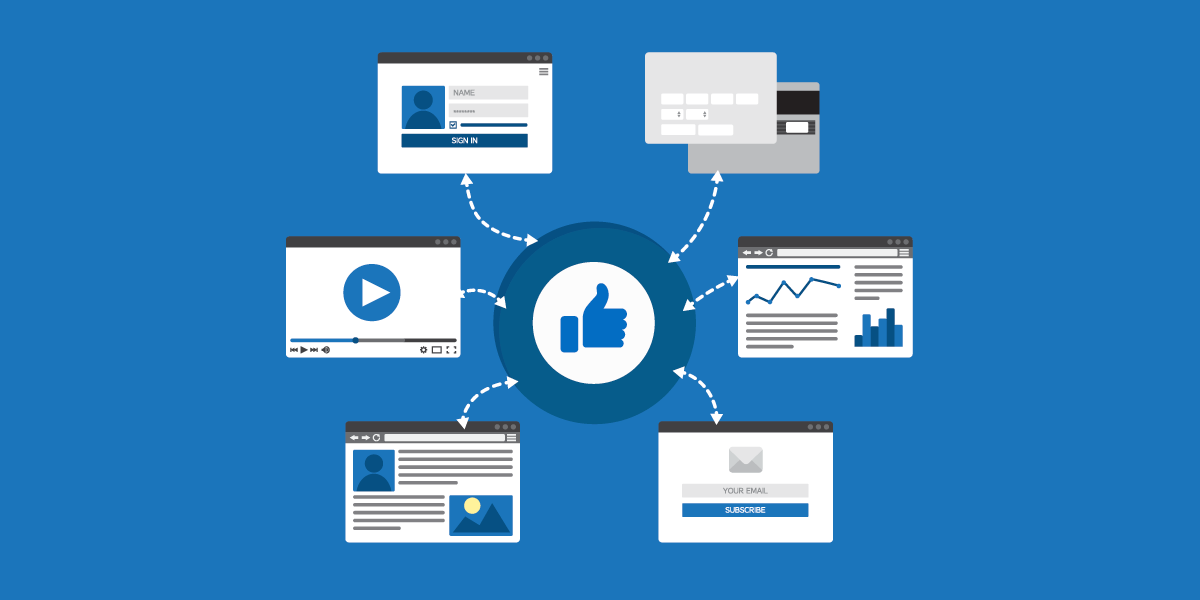
Facebook's Ad Policy can be a complex and daunting task, but it is crucial for advertisers to understand and comply with these policies in order to run successful ad campaigns on the platform. This policy serves as a set of guidelines that outline what types of ad content are allowed, what is prohibited, and what advertisers need to do to ensure compliance.
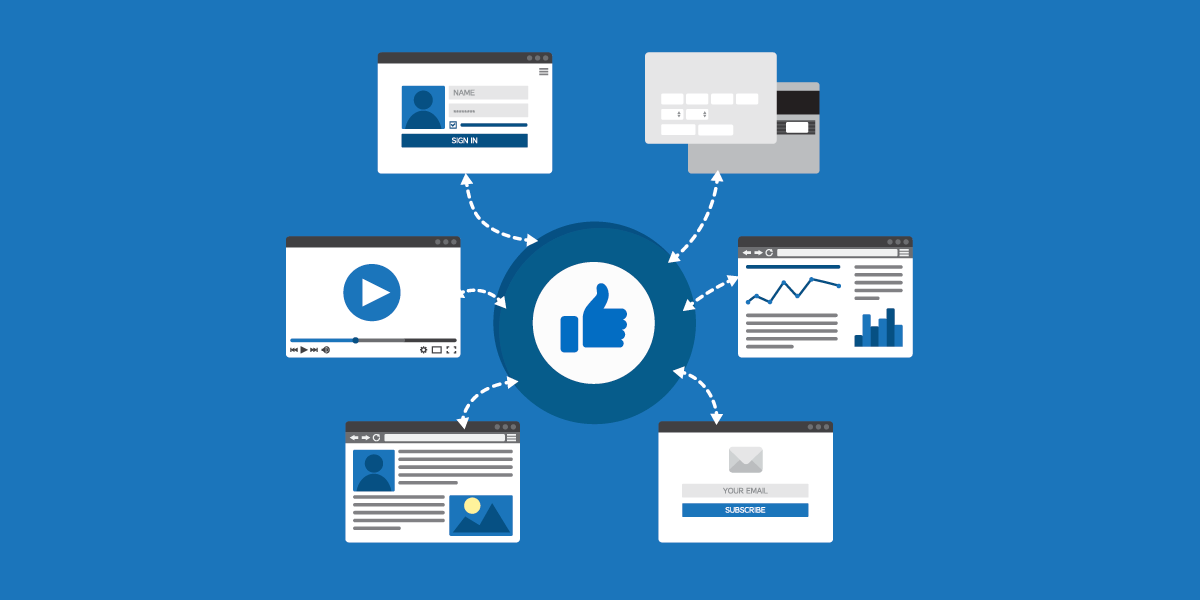
It is a comprehensive document that covers a wide range of topics, ensuring that advertisers adhere to ethical and legal standards. It not only protects users from misleading or offensive content but also maintains the integrity of the platform as a whole.
Facebook's Ad Policy covers a wide range of topics, including prohibited content such as illegal products, misleading claims, and offensive material. It also addresses rules regarding targeting, ad formats, and landing pages. Advertisers must familiarize themselves with these policies to avoid running afoul of the rules.
When it comes to targeting, Facebook's Ad Policy ensures that advertisers cannot discriminate based on factors such as race, ethnicity, religion, or gender. This promotes fairness and equality in advertising, preventing any form of discrimination or bias.
In terms of ad formats, Facebook provides various options such as image ads, video ads, carousel ads, and more. Advertisers must ensure that their ads meet the specified requirements for each format, including image dimensions, video length, and other technical specifications.
It also addresses landing pages. Advertisers must ensure that the landing page associated with their ads complies with the policy as well. This means that the landing page should provide accurate information and not contain any prohibited content or misleading claims. Be attentive at the development stage and reach out a web-development expert if necessary.
As you navigate Facebook's Ad Policy, you will come across various key terms that are important to understand. These include terms like "prohibited content," "restricted content," "ad disapproval," and "policy violations." Knowing the definitions of these terms will help you effectively navigate and comply with the policy.
"Prohibited content" refers to the types of content that are strictly forbidden on Facebook's platform. This includes illegal products, misleading claims, offensive material, and other content that violates the Ad Policy.
"Restricted content," on the other hand, refers to content that is allowed under certain conditions or restrictions. This may include content related to alcohol, gambling, or other sensitive topics that require additional scrutiny to ensure compliance with legal and ethical standards.
If an ad does not comply with Facebook's Ad Policy, it may be subject to "ad disapproval." This means that the ad will not be allowed to run on the platform until the issues are addressed and the ad complies with the policy.
Lastly, "policy violations" refer to instances where an advertiser repeatedly fails to comply with Facebook's Ad Policy. In such cases, Facebook may take further action, such as disabling the advertiser's account or limiting their access to certain ad features.
Understanding these key terms is essential for advertisers to navigate Facebook's Ad Policy effectively and ensure compliance with the guidelines set forth by the platform.
Compliance with Facebook's Ad Policy is critical for advertisers for several reasons. Failure to comply can result in serious consequences that may impact your ability to run ads on the platform. On the other hand, adhering to the policy can bring numerous benefits, including increased ad performance, improved ad placements, and increased trust from Facebook and its users.
Facebook's Ad Policy is designed to maintain a safe and positive advertising environment for users. By following the guidelines set by Facebook, advertisers can ensure that their ads are relevant, trustworthy, and respectful of user experience. This not only benefits the advertisers themselves, but also contributes to a better user experience on the platform and, at the end, boost sales.
Non-compliance with Facebook's Ad Policy can lead to a range of consequences, from ad disapprovals and restrictions to temporary or permanent account suspensions. These actions can severely impact your ability to reach your target audience and achieve your advertising goals. It is essential to understand the potential consequences and take steps to avoid them.
When an ad is found to be in violation of Facebook's Ad Policy, it may be disapproved, meaning it will not be shown to users. This can be a significant setback for advertisers who have invested time and resources into creating their campaigns. Additionally, repeated violations can result in further restrictions, such as limited ad delivery or even a complete suspension of the advertising account.
Temporary or permanent account suspensions can have far-reaching consequences. They not only prevent the advertiser from running ads but also disrupt ongoing campaigns, potentially leading to missed opportunities and loss of revenue. Rebuilding trust with Facebook after a suspension can be challenging and time-consuming, making it crucial to prioritize compliance from the start.
On the other hand, complying with Facebook's Ad Policy offers numerous benefits. Advertisements that adhere to the policy have a higher chance of being approved and reaching their intended audience. Compliance also helps build trust with Facebook and its users, which can lead to increased ad performance and better placements.
When an ad complies with Facebook's guidelines, it is more likely to be shown to the target audience, increasing the chances of engagement and conversions. By following the policy, advertisers can ensure that their ads are relevant, accurate, and respectful, enhancing the overall user experience on the platform.
Plus, compliance with Facebook's Ad Policy helps build a positive reputation for advertisers. When users see ads that are trustworthy and aligned with their interests, they are more likely to engage with them. This increased trust can lead to higher click-through rates, improved ad performance, and ultimately, better return on investment for advertisers.
By following the guidelines, you can ensure that your ad campaigns run smoothly and effectively. Adhering to Facebook's Ad Policy not only helps you avoid the negative consequences of non-compliance but also opens up opportunities for success and growth in your advertising efforts.
Now that you understand the basics of Facebook's Ad Policy and the importance of compliance, let's explore how you can ensure that your ads adhere to the policy guidelines.
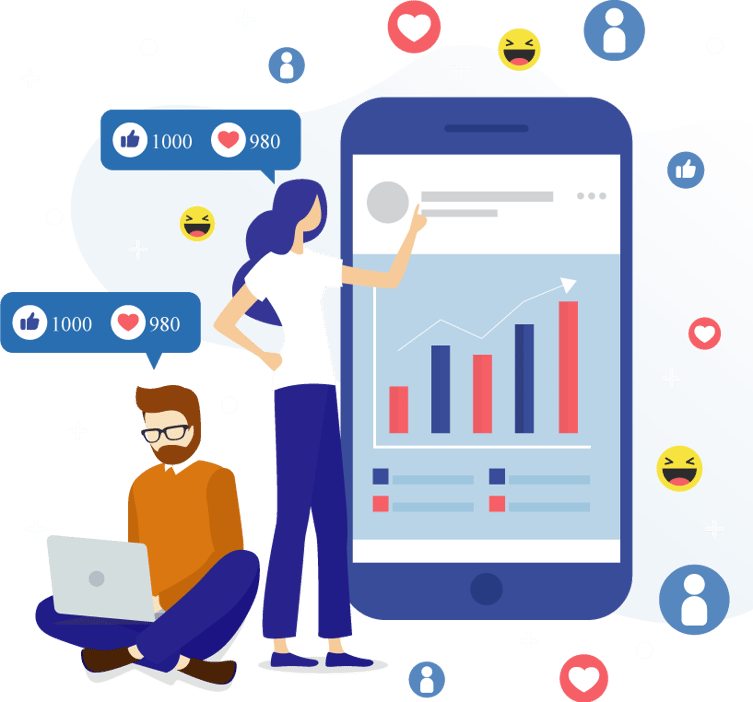
Regularly reviewing your ads for compliance is essential. Carefully examine the content of your ads, including the text, images, and landing pages, to ensure they align with Facebook's guidelines. Keep in mind the guidelines regarding prohibited and restricted content, avoiding misleading claims, and using appropriate targeting criteria.
When reviewing your ads, pay close attention to the text used. Make sure it is clear, concise, and does not contain any language that could be considered misleading or deceptive. Additionally, check that the images used are relevant to the product or service being advertised and do not violate any copyright or intellectual property rights.
Another important aspect to consider is the landing page that users are directed to when they click on your ad. Ensure that the landing page provides accurate and relevant information related to the ad. It should also have a clear call-to-action that aligns with the purpose of the ad.
By thoroughly reviewing your ads, you can identify any potential issues and make the necessary adjustments to ensure compliance with Facebook's policy. It would be suitable to work with experts in the ad world to avoid any mistakes and ensure effectiveness.
Facebook provides a range of ad tools that can help you stay compliant with their policy. These tools include features that allow you to check your ad's compliance status, get feedback on policy violations, and resolve any issues that arise. Make use of these tools to proactively identify and address compliance concerns.
One of the key ad tools provided by Facebook is the Ads Manager. This tool allows you to manage and monitor your ads, providing insights into their performance and compliance status. It also offers a policy checker feature that scans your ads for any potential policy violations and provides recommendations on how to address them.
In addition to the Ads Manager, Facebook also offers a policy support team that can provide guidance and assistance in ensuring your ads comply with their policy. If you have any questions or concerns regarding your ad's compliance, you can reach out to this team for expert advice.
By utilizing these ad tools, you can stay proactive in maintaining compliance with Facebook's policy. Regularly check the compliance status of your ads, address any violations promptly, and seek assistance when needed to ensure your ads meet Facebook's guidelines.
Even with careful review and diligent adherence to the guidelines, issues with Facebook's Ad Policy can still arise. Here are some common issues you may encounter and their possible solutions.
If your ad has been disapproved, carefully review the feedback provided by Facebook to understand the specific violation. Make the necessary edits to bring your ad into compliance and then resubmit it for review. It is important to understand why your ad was disapproved to avoid similar issues in the future.
In some cases, you may receive a policy violation notice from Facebook. This typically occurs when multiple ads or your entire ad account has been found in violation of the policies. Take the time to thoroughly review the violations and implement the necessary changes to ensure future compliance. Consider seeking expert advice or consulting Facebook's support resources for additional guidance.
As an advertiser, staying up to date with policy changes and best practices is crucial for successful navigation of Facebook's Ad Policy.
Facebook's Ad Policy is dynamic and subject to regular updates. It is crucial to stay informed about these changes to maintain compliance. Subscribe to relevant newsletters, follow Facebook's official updates, and engage in industry forums to stay up to date with the latest policy modifications and best practices.
With all this, you have a complete notion of what it takes to ensure your ads comply with Facebook's policy and enjoy the benefits of successful ad campaigns on the platform.
With its massive user base and advanced targeting capabilities, Facebook Ads is one of the most effective platforms for reaching potential customers online. However, managing Facebook advertising campaigns requires skill, knowledge, and expertise. This is where a Facebook Ads agency can be a game-changer for your ecommerce business. But how do you find the right agency that understands your business goals and can deliver the results you need? In this article, we will explore the importance of Facebook Ads for ecommerce, identify your business needs, discuss what to look for in a Facebook Ads agency, evaluate potential agencies, and ultimately, help you make the best decision for your business.
What makes Facebook Ads such a powerful tool for ecommerce businesses?
Let's take a closer look.
First and foremost, Facebook Ads play a significant role in driving traffic to your ecommerce website. With a well-optimized campaign, you can attract potential customers to your website, generate leads, and ultimately increase sales. By leveraging Facebook's vast user base and sophisticated algorithms, you can position your products in front of the right people at the right time, increasing the chances of conversion and maximizing your return on investment (ROI).
But it's not just about driving traffic. Facebook Ads offer much more than that.
As well, Facebook Ads allow you to retarget people who have already shown interest in your products. By installing the Facebook pixel on your website, you can track visitors and show them personalized ads based on their previous interactions with your site. This strategy is highly effective in converting potential customers into paying ones, as it reminds them of the products they were interested in and nudges them to make a purchase.
With the increasing competition in the ecommerce industry, relying solely on organic reach is no longer enough. Facebook Ads offer a way to amplify your brand's reach, allowing you to target specific segments of your audience with personalized messages and promotions.
Investing in Facebook Ads can help you stay ahead of the competition, drive brand awareness, and ultimately boost your ecommerce business's growth and profitability. By reaching a highly targeted audience, you can build brand recognition and establish a strong online presence. This, in turn, leads to increased trust and credibility, making it easier for potential customers to choose your brand over your competitors.

Before embarking on the journey to find the right Facebook Ads agency, it's essential to identify your specific business needs. This involves defining your marketing goals and understanding your target audience.
Running an ecommerce business requires careful planning and strategizing. In order to maximize your online presence and drive sales, it's important to have a clear understanding of what you hope to achieve with your Facebook advertising campaigns.
Start by clearly defining your marketing goals. Are you looking to increase brand awareness, drive traffic to your website, generate leads, or increase sales? Each of these goals requires a different approach and strategy, so it's important to have a clear vision of what you want to accomplish.
Increasing brand awareness can help you reach a wider audience and establish your business as a trusted name in your industry. Driving traffic to your website can lead to increased sales and conversions. Generating leads allows you to build a database of potential customers, while increasing sales directly impacts your bottom line.
Setting specific and measurable goals will help you narrow down your search for a Facebook Ads agency that specializes in achieving your desired outcomes. It's important to find an agency that understands your goals and has a track record of success in helping businesses like yours achieve them.
Understanding your target audience is crucial for effective Facebook advertising. After all, you want to make sure your ads are reaching the right people who are most likely to be interested in your products or services.
Take the time to research and collect data about your target market's interests, demographics, and preferences. This information will help you create buyer personas that represent your ideal customers. By understanding who your target audience is, you can tailor your ad campaigns to resonate with their needs and desires.
When looking for a Facebook Ads agency, it's important to find one that has experience in targeting similar audiences. They should be able to leverage their expertise to create compelling ad campaigns that resonate with your potential customers. Look for agencies that have a proven track record of success in reaching and engaging with your target audience.
Additionally, consider the unique characteristics of your target audience. Are they primarily young professionals, parents, or retirees? Do they have specific interests or hobbies? Understanding these nuances will help you find an agency that can create ads that speak directly to your target audience.
When it comes to finding the right Facebook Ads agency for your ecommerce business, there are several key factors to consider:
Look for an agency that specializes in ecommerce advertising specifically on Facebook Ads. Ecommerce campaigns require a different approach compared to other industries. An agency with expertise in ecommerce will understand the unique challenges and opportunities ecommerce businesses face and can tailor their strategies accordingly to achieve optimal results.
Consider an agency's track record of success. Look for case studies, client testimonials, or any tangible evidence of their ability to deliver results. Ideally, the agency should have experience working with businesses similar to yours and have a track record of achieving measurable success in terms of increased sales, improved ROI, or other relevant metrics.
Transparent communication and regular updates are vital when working with a Facebook Ads agency. Look for an agency that is responsive, transparent about their processes, and provides regular reports on the performance of your campaigns. Clear communication ensures that you are informed about the progress and can make informed decisions about your advertising strategies.
Once you have identified the key criteria to look for, it's time to evaluate potential Facebook Ads agencies. Here are some steps you can take to ensure that you make an informed decision:
Research and read reviews or testimonials from the agency's past or current clients. This will give you insights into their reputation, client satisfaction, and the quality of their work. Look for agencies with positive feedback from clients who have achieved their desired results.
Take a close look at the agency's portfolio. Assess the quality and creativity of their ad designs and the effectiveness of their campaigns. Look for diversity in terms of industries and business sizes, as it indicates the agency's ability to adapt and deliver results across various sectors.
It's important to have a clear understanding of the agency's pricing structure before making a decision. Some agencies charge a fixed fee, while others work on a percentage basis. Evaluate the pricing against the services and expertise provided to ensure it aligns with your budget and expected return on investment.
Create a list of pros and cons for each agency you evaluated. Compare their expertise, track record, communication style, and pricing structure. This will help you gain a holistic view of each agency and make an informed decision.
While objective criteria are essential, sometimes your intuition can play a crucial role in the decision-making process. Trust your gut feeling and choose an agency that you feel most comfortable working with and that you believe will genuinely understand and care about achieving your business goals.
Once you have made a decision, it's time to make the commitment. Sign the necessary agreements and contracts with the chosen Facebook Ads agency. Be prepared to provide them with the necessary information and assets to kick-start your advertising campaigns effectively.

By following these steps and considering the various factors mentioned throughout this article, you can find the right Facebook Ads agency for your ecommerce business, which can significantly impact the success of your advertising campaigns and ultimately, your overall business performance.
Facebook ads have long been a popular choice for businesses looking to reach a wide audience and generate leads. But recent trends have shown a decline in the effectiveness of Facebook ads, leaving many businesses wondering what they can do to adapt and maintain their advertising success. To learn why this is happening and what to do about it, keep reading.
Facebook has been an advertising powerhouse for years, providing businesses with targeted ad options and a vast user base. However, recent changes in user behavior, high competition and platform algorithms have resulted in a decline in the overall performance of Facebook ads. Let’s dive into some reasons behind the downward trend.
One crucial factor is the ever-evolving Facebook algorithm, which determines the content users see on their feeds. The algorithm prioritizes personal connections and engagement over promotional content, making it challenging for businesses to organically reach their target audience.
Another one is the rise of ad-blocking software and users' growing use of mobile devices. Ad-blocking software prevents ads from being displayed, while mobile devices have limited screen space, making it more challenging for ads to capture users' attention.
The COVID-19 pandemic has also played a role in the downward trend of Facebook ads. The economic uncertainty caused by the pandemic has led many businesses to cut back on their advertising budgets, resulting in a decrease in overall ad spend on Facebook. This reduction in ad spend has further intensified the competition among businesses, making it harder for individual ads to stand out and generate desired results.
Additionally, the increasing popularity of influencer marketing has diverted some advertising budgets away from traditional Facebook ads. Brands are now collaborating with influencers who have a loyal following on social media platforms, including Instagram and YouTube, to promote their products or services. This shift in advertising strategy has impacted the reach and effectiveness of Facebook ads.
As you see, the downward trend in Facebook ads can be attributed to various factors, including ad fatigue, privacy concerns, the rise of alternative social media platforms, the ever-evolving Facebook algorithm, ad-blocking software, the growing use of mobile devices, the impact of the COVID-19 pandemic, and the rise of influencer marketing. Understanding these factors is crucial for businesses looking to optimize their advertising strategies and adapt to the changing landscape of digital marketing.
The decline in Facebook ad effectiveness has had a significant impact on businesses across various industries. It has become increasingly challenging for businesses to generate leads and conversions solely through Facebook ads, requiring them to rethink their marketing strategies and explore alternative advertising platforms.
This decline in Facebook ad effectiveness has left businesses scrambling to find new ways to reach their target audience. With the decrease in ad performance, businesses have had to allocate more resources and effort into other marketing channels to compensate for the loss in conversions. This shift in focus has forced businesses to adapt and explore new advertising strategies to stay competitive in the ever-changing digital landscape.
One of the major challenges that businesses face due to the decline in Facebook ad effectiveness is the increase in cost per acquisition. A small e-commerce company, for example, heavily relied on Facebook ads for customer acquisition. However, with the downward trend, their cost per acquisition increased significantly, ultimately impacting their profitability. This forced the company to reevaluate their advertising budget and explore other cost-effective marketing channels to maintain their customer base.
As the downward trend in Facebook ads continues, businesses must anticipate its future impact. It's crucial to evaluate and adapt marketing strategies to ensure continued success. Although predicting the exact trajectory of Facebook ads is challenging, industry experts and marketers have provided valuable insights into potential future trends.
Some experts suggest that Facebook ads will undergo further algorithm changes to promote greater user engagement. This could mean that businesses need to focus more on creating engaging and interactive ad content to capture users' attention effectively. Experts predict a shift towards video and interactive ad formats to keep up with the changing preferences of social media users.
At the same time, the decline in Facebook ad effectiveness has led businesses to explore alternative advertising platforms. Many businesses are now investing in platforms like Instagram, YouTube, and TikTok to diversify their advertising efforts and reach a wider audience. By expanding their presence across multiple platforms, businesses can reduce their reliance on Facebook ads and mitigate the impact of the downward trend.
Here are some practical steps you can take:
Rather than relying solely on Facebook ads, consider diversifying your marketing efforts across multiple channels. Explore other social media platforms, such as Instagram, Pinterest, or LinkedIn, which may offer greater targeting capabilities and engagement opportunities for your audience. Additionally, invest in content marketing and SEO strategies to leverage organic traffic and capture users' attention.
While Facebook ads may be losing their effectiveness, other advertising platforms are gaining traction. Platforms such as Google Ads, YouTube Ads, or even emerging platforms like TikTok Ads offer new opportunities to reach your audience. Research these platforms to identify which align best with your target market and business objectives.
The content of your Facebook ads plays a crucial role in capturing users' attention and driving conversions. Ensure your ad content is relevant, visually appealing, and aligned with your target audience's interests. A/B test different ad formats, copy variations, and visuals to identify which combinations yield the best results.

Facebook offers a range of ad tools to help businesses optimize their ad campaigns. Explore options such as Custom Audiences, Lookalike Audiences, and Retargeting to refine your targeting and increase your chances of reaching the right users. Additionally, regularly monitor and analyze your ad performance metrics to identify areas for improvement and adjust your campaigns accordingly.
As businesses navigate the challenges of the downward trend in Facebook ads, it's essential to keep an eye on the future of this advertising platform.
Experts in the advertising industry have shared valuable insights into the future of Facebook ads. Some predict a shift towards more personalized and interactive experiences, with ads becoming increasingly integrated into users' daily lives. Others foresee the importance of transparency and authenticity in ad content, emphasizing the need for businesses to build genuine connections with their audience.
To prepare your business for the future of Facebook ads, it's crucial to stay informed about industry trends and adapt your strategies accordingly. Continuously monitor Facebook's updates and algorithm changes, as well as emerging advertising platforms. By staying proactive and flexible, businesses can stay ahead in the ever-evolving world of digital advertising.


Understanding the difference between upper funnel and lower funnel marketing is one of the most important strategic decisions a growth team can make. Where you invest — awareness or conversion — determines the type of customer you attract, the cost of acquiring them, and how fast your pipeline grows.
This guide breaks down upper funnel vs. lower funnel marketing across strategies, metrics, and tactics, so you can allocate budget and effort where it actually moves the needle.
The marketing funnel is a framework that maps the customer journey from first awareness to final conversion. At the top, potential customers discover your brand through advertising, content, or word of mouth. As they move down, they evaluate their options, compare alternatives, and eventually make a purchase decision.
The funnel gives marketers a shared language for diagnosing problems and allocating resources. If traffic is high but conversions are low, the issue is in the lower funnel. If nobody knows you exist, the upper funnel needs work. Without this framework, teams waste budget on the wrong activities at the wrong time.
The funnel is also not strictly linear. Customers enter at different stages, revisit earlier stages, and sometimes skip steps entirely. That makes continuous optimization and personalization essential — not optional.
Upper funnel marketing targets people who are not yet aware of your brand or product. The goal is visibility: getting your message in front of the right audience at scale, building brand awareness, and generating initial interest.
This is the stage where you are casting a wide net. You are not asking anyone to buy. You are introducing your brand, educating your audience, and earning their attention.
The upper funnel is defined by broad reach and low-commitment engagement. Key characteristics include:
Effective upper funnel strategies focus on reach and engagement without pushing for an immediate conversion:
Upper funnel success cannot be measured by conversions alone. The right metrics for this stage include: MetricWhat It MeasuresReachTotal unique people who saw your contentImpressionsTotal number of times your content was displayedBrand liftChange in brand awareness or perception after campaign exposureVideo view ratePercentage of viewers who watched a meaningful portion of your videoEngagement rateLikes, shares, comments, and saves relative to reachShare of voiceYour brand's visibility relative to competitors in the same spaceCPMCost per thousand impressions — the efficiency of your awareness spend
The key distinction: upper funnel metrics measure exposure and attention, not action. If you are evaluating upper funnel campaigns by ROAS alone, you are measuring the wrong thing.
Lower funnel marketing targets people who already know about your brand and are actively considering a purchase. The goal shifts from awareness to conversion: turning interested prospects into paying customers.
At this stage, prospects have done their research. They know what they need and are evaluating specific solutions. Your job is to remove friction, address objections, and make the purchase decision easy.
The lower funnel is defined by high intent and conversion-focused tactics:
Lower funnel marketing is about converting the demand that upper funnel campaigns generated:
Lower funnel metrics are tied directly to revenue and efficiency: MetricWhat It MeasuresConversion ratePercentage of visitors who complete a desired actionROASRevenue generated per dollar spent on advertisingCPA / CACCost per acquisition or cost per customer acquiredCart abandonment ratePercentage of shoppers who add items but do not complete the purchaseCustomer lifetime value (LTV)Total revenue a customer generates over their relationship with your brandRepeat purchase ratePercentage of customers who buy more than onceLead-to-customer ratePercentage of leads that convert into paying customers
Driving lower funnel conversions requires removing every obstacle between intent and action. Effective tactics include:
The best lower funnel strategies do not feel aggressive. They make the buying process easier, not pushier.
While both stages serve the same goal — revenue growth — the approach, audience, and metrics are fundamentally different. DimensionUpper FunnelLower FunnelGoalBuild awareness and generate interestConvert interest into purchasesAudienceBroad, often unaware of your brandNarrow, already engaged and consideringStrategiesContent, social, influencer, SEO, displayRetargeting, email, demos, promotionsMetricsReach, impressions, engagement, CPMConversion rate, ROAS, CPA, LTVContent typeEducational, entertaining, thought leadershipProduct-focused, testimonial-driven, offer-basedChannelsSocial media, display, video, blogEmail, retargeting, search ads, landing pagesTimelineLong-term pipeline buildingShort-term conversionBudget mindsetInvestment in future demandDirect return on spend
The biggest difference is where the customer's head is at. Upper funnel prospects are exploring — they have a problem but may not know the solution exists. Lower funnel prospects are deciding — they know the options and are choosing between them.
This means the same message will not work at both stages. An upper funnel audience needs education. A lower funnel audience needs conviction.
You will often hear "top of funnel" (TOFU) and "bottom of funnel" (BOFU) used interchangeably with "upper funnel" and "lower funnel." In most practical contexts, they mean the same thing:
The main difference is that the TOFU/MOFU/BOFU framework explicitly includes a middle stage — MOFU, or "middle of funnel" — which covers the consideration phase. The upper/lower framework sometimes folds consideration into either stage depending on the marketer.
For most teams, the terminology does not matter as much as the principle: different stages of the buyer journey require different strategies, content, and metrics. Whether you call it "top of funnel" or "upper funnel," the playbook is the same.
Knowing the theory is useful, but the real value comes from segmenting your audience by funnel stage and targeting them accordingly. Here is how to build those segments:
Upper funnel users show exploratory behavior:
Lower funnel users show purchase-intent behavior:
Most ad platforms and analytics tools let you create these segments directly:
The goal is to stop treating all prospects the same. A first-time visitor and a cart abandoner should see completely different messages.
The biggest mistake teams make is treating upper and lower funnel as separate efforts run by different people with different goals. In reality, they are two halves of the same engine.
Upper funnel campaigns that do not feed the lower funnel are wasted awareness. Lower funnel campaigns that run without upper funnel support eventually exhaust their audience and see rising CPAs.
Here is how to align them:
Teams that build a connected full-funnel strategy consistently outperform those that optimize each stage in isolation. The upper funnel feeds the lower funnel. The lower funnel validates the upper funnel. Neither works as well alone.
Upper funnel vs. lower funnel marketing is not a question of which one matters more. Every business needs both. The key is understanding what each stage requires — different strategies, different metrics, different content — and aligning them into a growth system that compounds over time. Start by identifying where your biggest gaps are today, then build a strategy that connects awareness to conversion at every step.


.svg)