

Most B2B SaaS companies outgrow generalist marketing help faster than they expect. The moment you're optimizing for pipeline quality, CAC payback, and expansion revenue simultaneously, a generalist agency that doesn't understand recurring revenue models becomes a liability. A specialized b2b saas marketing agency is built for that environment specifically.
This guide explains what these agencies do, how their work differs from standard B2B or DTC marketing, and how to evaluate one before committing budget.
SaaS has structural dynamics that generalist agencies consistently underestimate. The most significant: acquiring a customer is not the goal. Retaining and expanding that customer is what drives compounding ARR growth.
A generalist agency optimizing for lead volume can look productive while your funnel economics deteriorate. They may drive MQL counts up while CAC climbs and payback periods stretch. Benchmarkit's 2025 SaaS benchmarks show that the average B2B SaaS company now spends $2.00 in sales and marketing for every $1.00 of new ARR, and the average sales cycle has extended to 134 days. Neither of those realities is reflected in how most general-purpose agencies plan or measure work.
SaaS-specific agencies understand the buying committee problem. Enterprise SaaS deals typically involve six to ten stakeholders, each with different concerns, at different stages of awareness. Campaigns that reach only the economic buyer while ignoring the security team, the end users, and the IT evaluators leave enormous conversion opportunity on the table.
The best SaaS agencies are full-funnel rather than channel-narrow. Their service mix typically includes:
Demand gen for SaaS is not a synonym for lead generation. It encompasses the full motion of creating awareness, educating the market, and moving qualified buyers from dark funnel to pipeline. Agencies that lead with demand gen typically build integrated programs across content, SEO, paid search, and paid social rather than running those channels in isolation.
Good demand gen programs are tracked against revenue-connected metrics: cost per SQL, pipeline influenced, and CAC payback. See our breakdown of the metrics that actually matter for SaaS growth for what a rigorous measurement framework looks like at each funnel stage.
ABM flips the traditional funnel. Instead of casting wide and filtering down, you identify the accounts most likely to become high-LTV customers and build campaigns specifically for them. A SaaS-focused ABM program typically includes firmographic targeting on LinkedIn and programmatic display, personalized content for each target segment, and coordinated outreach sequences timed to buying signals.
Gartner's B2B buying research shows that B2B buyers spend only 17% of their total buying process talking to potential vendors. The rest is independent research. ABM closes the gap by placing your content and messaging inside that research window before a prospect ever raises their hand.
Organic search is the most scalable channel for SaaS companies with long sales cycles because content compounds over time while paid spend does not. A SaaS-specialized agency approaches content differently than a generalist: they map content to buying stages, prioritize topics based on commercial intent, and build topical authority rather than chasing isolated keyword rankings.
The content strategy also serves sales enablement. High-quality comparison pages, technical guides, and use-case documentation reduce friction in the sales cycle and shorten time-to-close. Internal linking between those assets reinforces both SEO and buyer education simultaneously.
SaaS paid programs require a different bidding logic than e-commerce. You're not optimizing for a single transaction; you're optimizing for pipeline quality. That means targeting by job title, company size, and intent signals rather than demographic lookalikes, and measuring success by SQL volume and pipeline contribution rather than click-through rate.
LinkedIn Ads is the dominant B2B paid social channel for SaaS because of its firmographic targeting precision. Agencies that specialize in SaaS typically run thought leadership ads, sponsored content, and retargeting sequences layered on top of each other, rather than running single-offer campaigns.
Most SaaS buying decisions don't happen on the first visit. Prospects enter the funnel, go dark, reengage months later, and convert after multiple touchpoints. Effective nurture sequences segment by ICP fit, engagement level, and buying stage, serving content that matches where each prospect actually is. Agencies with SaaS expertise build these systems in HubSpot, Marketo, or similar platforms, and they wire attribution tracking so every touchpoint is connected to revenue outcomes.
The differences show up in measurement first. A general B2B agency will typically report on impressions, clicks, and MQL volume. A SaaS-specialized agency ties everything to SQL creation, pipeline influenced, and CAC payback. If an agency can't articulate how their work connects to revenue, they're operating at the wrong level of accountability for a SaaS business.
The second difference is channel mix. Generalists tend to default to whatever channel they execute best. SaaS agencies build programs around where B2B SaaS buyers actually spend time: LinkedIn, targeted podcast sponsorships, review sites like G2 and Capterra, and high-intent search terms. They also tend to have stronger opinions about what not to do, particularly around vanity metrics and low-intent lead sources that inflate volume without improving pipeline.
Third is understanding of the SaaS sales motion. An agency that has never worked with a product-led growth model, a self-serve freemium funnel, or an enterprise direct-sales motion will be learning on your budget. Agencies that have worked across multiple SaaS growth stages bring frameworks you can skip straight to rather than rebuilding from first principles.
Ask for case studies from companies at a comparable ARR stage and growth motion. An agency that has worked primarily with early-stage PLG companies may not be the right fit for a $10M ARR company transitioning to enterprise direct sales. The specifics matter.
Request a sample report or attribution model before signing. If their standard reporting doesn't include pipeline contribution or CAC payback, they're not measuring what matters. Strong agencies connect every channel to revenue impact, even when attribution is imperfect.
Some agencies present a strategy and hand execution off to your team. Others own the full execution stack. Know what you're buying before you sign. If your internal team is thin, an agency that does strategy-only will leave you without the capacity to execute against the plan.
Our growth strategy consulting overview covers when to bring in external strategy versus execution help.
Most mid-market SaaS agencies charge $8,000 to $15,000 per month for a retainer covering strategy and multi-channel execution. Enterprise-level engagements run $25,000 to $50,000 per month. Flat-fee retainers are preferable to percentage-of-spend models because they align the agency's incentives with efficiency rather than media volume.
Avoid agencies that require six to twelve month minimum commitments without performance milestones built in. A confident agency will agree to quarterly checkpoints with defined metrics.
Long setup periods with no deliverables, reporting that defaults to impression and click metrics, inability to explain how they attribute pipeline, and case studies from industries entirely unlike SaaS are all warning signs. So is any agency that pitches a "proprietary methodology" without being able to explain the underlying mechanics.
A well-run SaaS agency engagement delivers measurable progress within one quarter. Not necessarily closed revenue, but leading indicators that are moving in the right direction: SQL volume increasing month over month, cost per SQL declining as targeting sharpens, organic traffic growing on high-intent terms, and a documented attribution model that shows where pipeline is being created.
By month three, you should have a clear picture of which channels are generating qualified pipeline and which are not. If the agency can't show you that, the engagement is running on faith rather than data.
The SaaS brand building dimension matters here too. Demand gen without brand investment creates a ceiling that compounds over time. Companies that build category awareness alongside direct response programs consistently outperform those running paid channels alone.
EmberTribe works with growth-stage B2B SaaS companies to build integrated demand gen programs that connect organic, paid, and content into a single revenue-accountable system. Every engagement starts with ICP alignment and attribution setup before any campaign goes live, because the measurement infrastructure is what separates programs that compound from ones that plateau.
If you're evaluating marketing partners for your SaaS company, the first conversation should be about your funnel economics, not your budget. Learn more about how EmberTribe structures SaaS growth engagements or explore the full range of EmberTribe services.
With its massive user base and advanced targeting capabilities, Facebook Ads is one of the most effective platforms for reaching potential customers online. However, managing Facebook advertising campaigns requires skill, knowledge, and expertise. This is where a Facebook Ads agency can be a game-changer for your ecommerce business. But how do you find the right agency that understands your business goals and can deliver the results you need? In this article, we will explore the importance of Facebook Ads for ecommerce, identify your business needs, discuss what to look for in a Facebook Ads agency, evaluate potential agencies, and ultimately, help you make the best decision for your business.
What makes Facebook Ads such a powerful tool for ecommerce businesses?
Let's take a closer look.
First and foremost, Facebook Ads play a significant role in driving traffic to your ecommerce website. With a well-optimized campaign, you can attract potential customers to your website, generate leads, and ultimately increase sales. By leveraging Facebook's vast user base and sophisticated algorithms, you can position your products in front of the right people at the right time, increasing the chances of conversion and maximizing your return on investment (ROI).
But it's not just about driving traffic. Facebook Ads offer much more than that.
As well, Facebook Ads allow you to retarget people who have already shown interest in your products. By installing the Facebook pixel on your website, you can track visitors and show them personalized ads based on their previous interactions with your site. This strategy is highly effective in converting potential customers into paying ones, as it reminds them of the products they were interested in and nudges them to make a purchase.
With the increasing competition in the ecommerce industry, relying solely on organic reach is no longer enough. Facebook Ads offer a way to amplify your brand's reach, allowing you to target specific segments of your audience with personalized messages and promotions.
Investing in Facebook Ads can help you stay ahead of the competition, drive brand awareness, and ultimately boost your ecommerce business's growth and profitability. By reaching a highly targeted audience, you can build brand recognition and establish a strong online presence. This, in turn, leads to increased trust and credibility, making it easier for potential customers to choose your brand over your competitors.

Before embarking on the journey to find the right Facebook Ads agency, it's essential to identify your specific business needs. This involves defining your marketing goals and understanding your target audience.
Running an ecommerce business requires careful planning and strategizing. In order to maximize your online presence and drive sales, it's important to have a clear understanding of what you hope to achieve with your Facebook advertising campaigns.
Start by clearly defining your marketing goals. Are you looking to increase brand awareness, drive traffic to your website, generate leads, or increase sales? Each of these goals requires a different approach and strategy, so it's important to have a clear vision of what you want to accomplish.
Increasing brand awareness can help you reach a wider audience and establish your business as a trusted name in your industry. Driving traffic to your website can lead to increased sales and conversions. Generating leads allows you to build a database of potential customers, while increasing sales directly impacts your bottom line.
Setting specific and measurable goals will help you narrow down your search for a Facebook Ads agency that specializes in achieving your desired outcomes. It's important to find an agency that understands your goals and has a track record of success in helping businesses like yours achieve them.
Understanding your target audience is crucial for effective Facebook advertising. After all, you want to make sure your ads are reaching the right people who are most likely to be interested in your products or services.
Take the time to research and collect data about your target market's interests, demographics, and preferences. This information will help you create buyer personas that represent your ideal customers. By understanding who your target audience is, you can tailor your ad campaigns to resonate with their needs and desires.
When looking for a Facebook Ads agency, it's important to find one that has experience in targeting similar audiences. They should be able to leverage their expertise to create compelling ad campaigns that resonate with your potential customers. Look for agencies that have a proven track record of success in reaching and engaging with your target audience.
Additionally, consider the unique characteristics of your target audience. Are they primarily young professionals, parents, or retirees? Do they have specific interests or hobbies? Understanding these nuances will help you find an agency that can create ads that speak directly to your target audience.
When it comes to finding the right Facebook Ads agency for your ecommerce business, there are several key factors to consider:
Look for an agency that specializes in ecommerce advertising specifically on Facebook Ads. Ecommerce campaigns require a different approach compared to other industries. An agency with expertise in ecommerce will understand the unique challenges and opportunities ecommerce businesses face and can tailor their strategies accordingly to achieve optimal results.
Consider an agency's track record of success. Look for case studies, client testimonials, or any tangible evidence of their ability to deliver results. Ideally, the agency should have experience working with businesses similar to yours and have a track record of achieving measurable success in terms of increased sales, improved ROI, or other relevant metrics.
Transparent communication and regular updates are vital when working with a Facebook Ads agency. Look for an agency that is responsive, transparent about their processes, and provides regular reports on the performance of your campaigns. Clear communication ensures that you are informed about the progress and can make informed decisions about your advertising strategies.
Once you have identified the key criteria to look for, it's time to evaluate potential Facebook Ads agencies. Here are some steps you can take to ensure that you make an informed decision:
Research and read reviews or testimonials from the agency's past or current clients. This will give you insights into their reputation, client satisfaction, and the quality of their work. Look for agencies with positive feedback from clients who have achieved their desired results.
Take a close look at the agency's portfolio. Assess the quality and creativity of their ad designs and the effectiveness of their campaigns. Look for diversity in terms of industries and business sizes, as it indicates the agency's ability to adapt and deliver results across various sectors.
It's important to have a clear understanding of the agency's pricing structure before making a decision. Some agencies charge a fixed fee, while others work on a percentage basis. Evaluate the pricing against the services and expertise provided to ensure it aligns with your budget and expected return on investment.
Create a list of pros and cons for each agency you evaluated. Compare their expertise, track record, communication style, and pricing structure. This will help you gain a holistic view of each agency and make an informed decision.
While objective criteria are essential, sometimes your intuition can play a crucial role in the decision-making process. Trust your gut feeling and choose an agency that you feel most comfortable working with and that you believe will genuinely understand and care about achieving your business goals.
Once you have made a decision, it's time to make the commitment. Sign the necessary agreements and contracts with the chosen Facebook Ads agency. Be prepared to provide them with the necessary information and assets to kick-start your advertising campaigns effectively.

By following these steps and considering the various factors mentioned throughout this article, you can find the right Facebook Ads agency for your ecommerce business, which can significantly impact the success of your advertising campaigns and ultimately, your overall business performance.
Google has always been at the forefront of technological innovation, and their latest endeavor involves leveraging generative AI for sophisticated ad campaigns. Join us to learn more about the concept of generative AI, its evolution, and how Google is utilizing this technology in advertising.
Generative AI is a branch of artificial intelligence that focuses on creating new content rather than simply analyzing or processing existing data. It involves using algorithms to simulate human-like creativity and generate original, unique content.
Generative AI has the ability to mimic human creativity by learning from vast amounts of data and using that knowledge to generate new and innovative content. This technology has the potential to revolutionize various industries, including art, music, literature, and marketing.
Generative AI has come a long way since its inception. Initially, AI was primarily used for analyzing data and making predictions. However, with advances in deep learning and neural networks, generative AI has emerged as a powerful tool for creative content generation.
One of the breakthroughs in generative AI was the development of generative adversarial networks (GANs). GANs consist of two neural networks: a generator network that creates new content and a discriminator network that evaluates the generated content. These networks work in tandem, constantly improving and refining the generated content.
From generating realistic images to composing music and writing compelling narratives, generative AI is revolutionizing the creative landscape. Artists can now use AI algorithms to create unique and visually stunning artwork. Musicians can leverage generative AI to compose melodies and harmonies that are both innovative and emotionally resonant.
Another exciting application of generative AI is in the field of virtual reality (VR). AI algorithms can generate realistic virtual environments, complete with lifelike characters and interactive elements. This opens up new possibilities for immersive gaming experiences and virtual training simulations.

Despite its many advancements, generative AI still faces challenges. One of the main concerns is the ethical implications of AI-generated content. As AI becomes more capable of creating content that is indistinguishable from human-generated content, issues of authenticity and ownership arise. Striking a balance between creativity and ethical considerations will be crucial for the future of generative AI.
Google has been at the forefront of AI research and development for years. They have a deep-rooted history of exploring AI technologies and integrating them into their products and services. From Google Assistant to autonomous vehicles, Google has been pioneering AI-driven advancements.
One of the earliest instances of Google's foray into AI can be traced back to the introduction of Google Translate. This groundbreaking service utilized AI algorithms to provide accurate translations between different languages. It was a game-changer in the world of language barriers and opened up new possibilities for global communication.
As Google continued to invest in AI, they expanded their efforts into the realm of voice recognition. This led to the development of Google Voice Search, a feature that allowed users to perform searches by simply speaking into their devices. This innovation revolutionized the way people interacted with technology and laid the foundation for the development of virtual assistants.
In recent years, Google has made significant breakthroughs in the field of AI. They have developed advanced machine learning algorithms that can perform complex tasks like natural language processing, image recognition, and more. Their innovations have helped shape the AI landscape and set new industry standards.
One of Google's most notable AI innovations is Google Photos. This application utilizes AI algorithms to organize and categorize photos based on their content. Through deep learning techniques, Google Photos can recognize faces, objects, and even specific locations, making it easier for users to search and manage their vast photo collections.
Another groundbreaking AI innovation by Google is the development of AlphaGo, an AI-powered computer program that can play the ancient Chinese board game, Go. In 2016, AlphaGo made headlines when it defeated the world champion Go player, Lee Sedol, in a five-game match. This achievement showcased the immense capabilities of AI and its potential to outperform human experts in complex tasks.
Google's commitment to AI innovation is further evident in their self-driving car project, Waymo. Through the use of AI algorithms and sensors, Waymo vehicles can navigate the roads autonomously, reducing the need for human intervention. This project represents a significant milestone in the development of autonomous vehicles and highlights Google's dedication to pushing the boundaries of AI technology.
AI can play a crucial role in advertising. It offers marketers the ability to analyze large amounts of data, identify patterns, and make data-driven decisions. This level of analysis was previously unimaginable, as it would have taken humans an immense amount of time and effort to sift through the vast amounts of data available.
AI algorithms can optimize ad campaigns, target specific demographics, and personalize ad content, resulting in increased engagement and conversions. By using AI, advertisers can now deliver highly targeted ads to their audience, ensuring that the right message reaches the right people at the right time. This level of precision is invaluable in a world where consumers are bombarded with countless ads every day.
Generative AI is taking advertising to new heights. With its ability to generate dynamic and personalized content, it enables marketers to create highly targeted and engaging ad campaigns. By leveraging generative AI, advertisers can deliver tailored messages to their audience, capturing their attention and driving brand awareness.
Generative AI algorithms can analyze vast amounts of data and generate ad content that is tailored to individual preferences and interests. This level of personalization goes beyond simply targeting demographics; it allows advertisers to create ads that resonate with individuals on a personal level.
For example, a clothing retailer can use generative AI to create personalized ads that showcase products based on a customer's browsing history and previous purchases. By showing customers items that align with their personal style and preferences, the retailer can significantly increase the chances of conversion.
The future of AI in advertising looks promising. As technology continues to advance, AI algorithms will become even more sophisticated and capable. We can expect increased automation, better targeting capabilities, and more personalized ad experiences. AI will continue to shape the advertising landscape and revolutionize how brands reach and engage with their audience.

While AI presents numerous opportunities, it also brings challenges and risks. Privacy concerns, data security, and ethical implications are crucial considerations when leveraging AI in advertising. As AI becomes more prevalent, it is essential for brands and advertisers to establish transparent and responsible AI practices to maintain trust with consumers.
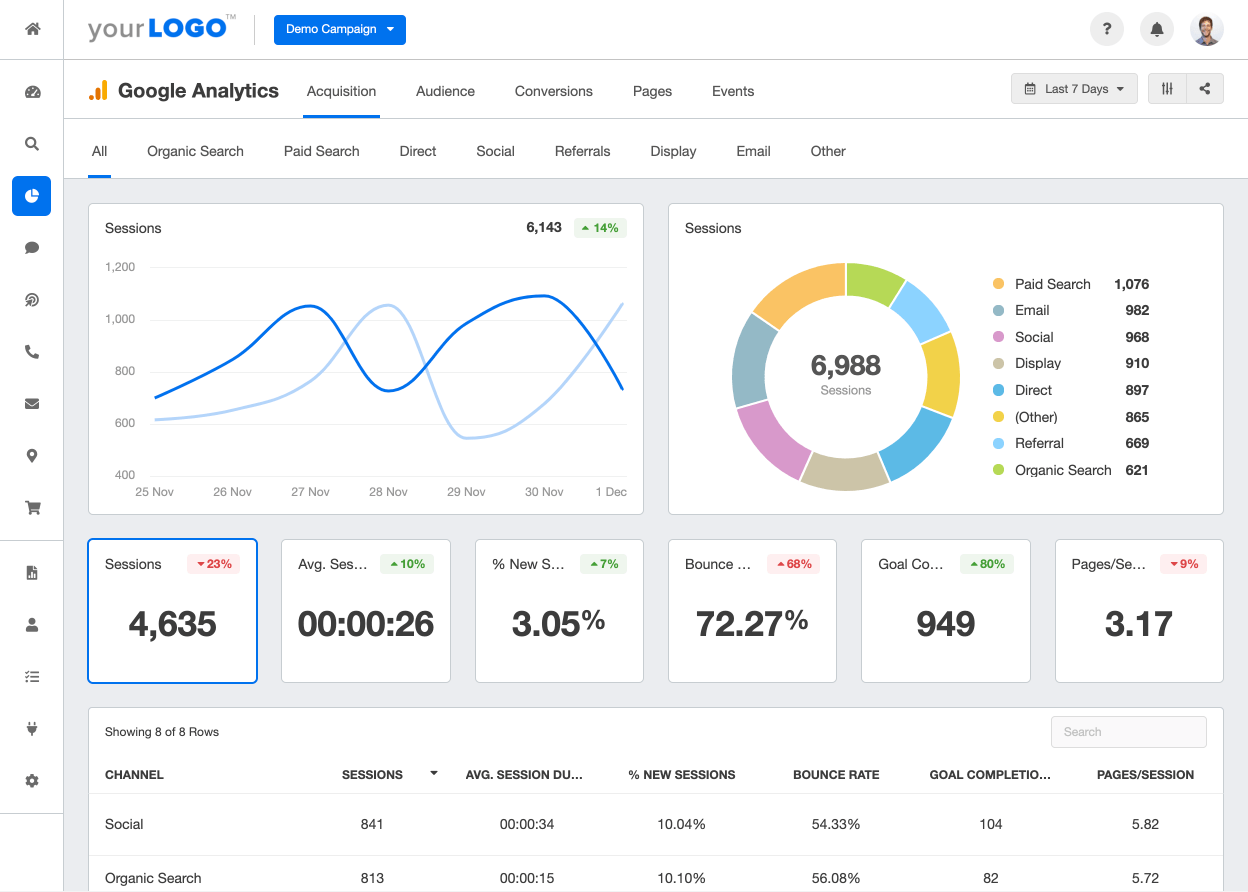
Google Ads Conversion Tracking is a feature provided by Google that allows you to track and measure the actions taken by users on your website after they click on your Google Ads. It provides you with valuable data on the effectiveness of your ads and helps you understand which campaigns are generating the most conversions and revenue.
With Google Ads Conversion Tracking, you can set up conversion actions that align with your business goals. These actions can be as simple as tracking purchases or more complex, such as tracking form submissions or app downloads. By defining these conversion actions, you can accurately measure the success of your advertising campaigns and make data-driven decisions to optimize your marketing strategies.
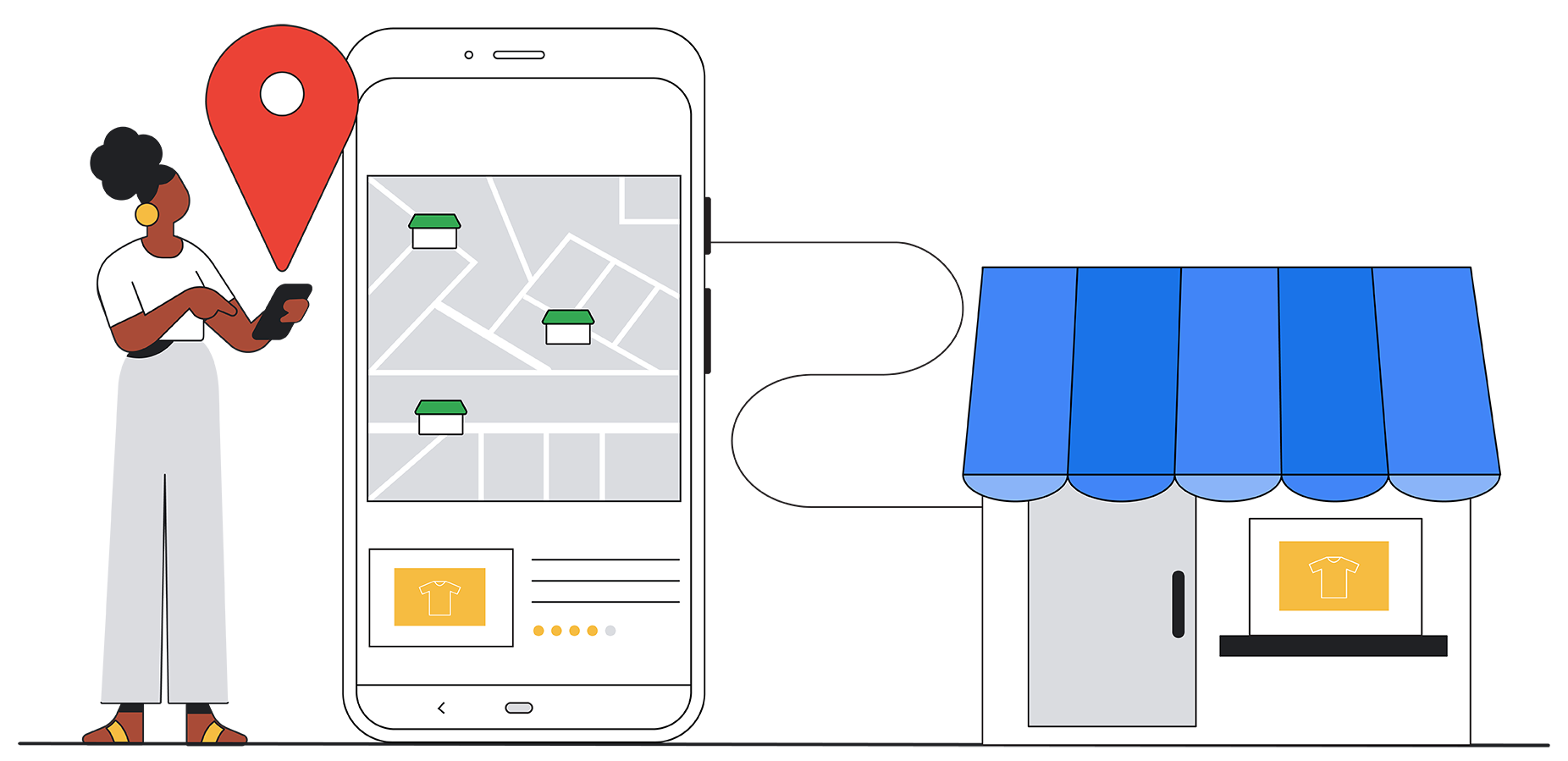
By implementing Google Ads Conversion Tracking on your Shopify store, you can gain valuable insights into the performance of your ads. You can see which keywords, ads, and campaigns are driving the most conversions, allowing you to allocate your budget more effectively and focus on strategies that yield the best results.
Conversion tracking is essential because it allows you to measure the return on investment (ROI) of your advertising efforts accurately. By knowing which campaigns generate the most conversions and revenue, you can allocate your budget more effectively and focus on strategies that yield the best results.
With Google Ads Conversion Tracking, you can go beyond tracking clicks and impressions. You can track the actions that users take on your website after clicking on your ads, giving you a better understanding of the customer journey and the effectiveness of your marketing campaigns.
Conversion tracking provides you with valuable data that can help you refine your targeting, messaging, and landing pages to improve your overall conversion rates. By analyzing the data, you can identify trends and patterns that can guide your marketing decisions and help you optimize your campaigns for better results.
By analyzing the data, you can pinpoint any bottlenecks or areas where users are dropping off, allowing you to make necessary adjustments to improve the user experience and increase conversions. With this, you can accurately measure the ROI of your advertising efforts and make data-driven decisions to improve your overall conversion rates.
The first step in setting up conversion tracking is to enable the relevant settings on your Shopify store. This ensures that the necessary data is captured accurately to track and measure conversions. To do this, follow these steps:
In addition to Google Ads Conversion Tracking, it's also important to have Google Analytics set up on your Shopify store. Google Analytics provides a comprehensive overview of your website's performance and can give you insights beyond just conversions. To install Google Analytics, follow these steps:
By integrating Google Analytics with your Shopify store, you gain access to a wealth of data about your website visitors, including their demographics, behavior, interactions, bounce rate, time on site, and page views. This information can help you understand your audience better and optimize your marketing strategies accordingly.
Now that you have prepared your Shopify store, it's time to set up your Google Ads account for conversion tracking. Follow these steps to ensure that your Google Ads campaigns are accurately tracking the valuable actions taken by your website visitors.
If you haven't already done so, you'll need to create a Google Ads account. Visit the Google Ads website and sign up for an account. Once you have created your account, you'll need to set up your billing information and choose your ad campaign settings.
After creating your Google Ads account, you'll need to set up conversion actions. Conversion actions define the specific actions you want to track. To create a new conversion action, go to the Tools & Settings section in your Google Ads account and select "Conversions." Click on the "+" button to create a new conversion action. Follow the prompts to set up your conversion action, including the name, value, and other relevant details. Once you have configured your conversion action, you'll be provided with a conversion tracking tag.
Now that you have set up your Google Ads account and created conversion actions, it's time to integrate the conversion tracking tag with your Shopify store. By doing this, you'll be able to automatically track conversions and gather valuable data to optimize your campaigns.
To add the conversion tracking tag to your Shopify store, navigate to the Shopify admin panel and go to Online Store > Themes. Locate your current theme and click on "Actions" > "Edit Code." Find the "theme.liquid" file and insert the conversion tracking tag just before the closing tag. Save the changes, and the conversion tracking tag will now be implemented on your Shopify store.
After adding the conversion tracking tag to your Shopify store, it's important to verify that everything is set up correctly. To do this, go back to your Google Ads account and navigate to the "Conversions" section. Find the conversion action you created and click on the "Test" button. This will allow Google Ads to verify that the tracking tag is correctly installed on your website. Once the test is successful, you can be confident that your conversion tracking setup is working as intended.

While setting up Google Ads Conversion Tracking on Shopify is relatively straightforward, you may encounter some common issues along the way. Here are a few potential problems and how to solve them:
Accurate conversion data is essential for optimizing your Google Ads campaigns. To ensure that your conversion data is as accurate as possible, regularly monitor your tracking and test your conversion actions across different devices and scenarios. Additionally, keep an eye on your Google Analytics reports to gain further insights into user behavior and identify potential discrepancies in your conversion tracking.
As you see, Google Ads Conversion Tracking on your Shopify store is not as daunting as it may seem. If your store needs a technical overhaul before tracking can be properly implemented, working with Shopify development specialists ensures the theme and checkout code are set up in a way that doesn't interfere with tag firing. With the steps outlined in this guide, you can easily integrate this powerful feature into your marketing strategy. By accurately tracking conversions and utilizing the data insights, you can optimize your Google Ads campaigns for maximum profitability and drive more sales for your Shopify store.
But -if this isn't enough- don't take our word. Read some examples of successful Google Ads campaigns and revenue growth right here.
Facebook ads have long been a popular choice for businesses looking to reach a wide audience and generate leads. But recent trends have shown a decline in the effectiveness of Facebook ads, leaving many businesses wondering what they can do to adapt and maintain their advertising success. To learn why this is happening and what to do about it, keep reading.
Facebook has been an advertising powerhouse for years, providing businesses with targeted ad options and a vast user base. However, recent changes in user behavior, high competition and platform algorithms have resulted in a decline in the overall performance of Facebook ads. Let’s dive into some reasons behind the downward trend.
One crucial factor is the ever-evolving Facebook algorithm, which determines the content users see on their feeds. The algorithm prioritizes personal connections and engagement over promotional content, making it challenging for businesses to organically reach their target audience.
Another one is the rise of ad-blocking software and users' growing use of mobile devices. Ad-blocking software prevents ads from being displayed, while mobile devices have limited screen space, making it more challenging for ads to capture users' attention.
The COVID-19 pandemic has also played a role in the downward trend of Facebook ads. The economic uncertainty caused by the pandemic has led many businesses to cut back on their advertising budgets, resulting in a decrease in overall ad spend on Facebook. This reduction in ad spend has further intensified the competition among businesses, making it harder for individual ads to stand out and generate desired results.
Additionally, the increasing popularity of influencer marketing has diverted some advertising budgets away from traditional Facebook ads. Brands are now collaborating with influencers who have a loyal following on social media platforms, including Instagram and YouTube, to promote their products or services. This shift in advertising strategy has impacted the reach and effectiveness of Facebook ads.
As you see, the downward trend in Facebook ads can be attributed to various factors, including ad fatigue, privacy concerns, the rise of alternative social media platforms, the ever-evolving Facebook algorithm, ad-blocking software, the growing use of mobile devices, the impact of the COVID-19 pandemic, and the rise of influencer marketing. Understanding these factors is crucial for businesses looking to optimize their advertising strategies and adapt to the changing landscape of digital marketing.
The decline in Facebook ad effectiveness has had a significant impact on businesses across various industries. It has become increasingly challenging for businesses to generate leads and conversions solely through Facebook ads, requiring them to rethink their marketing strategies and explore alternative advertising platforms.
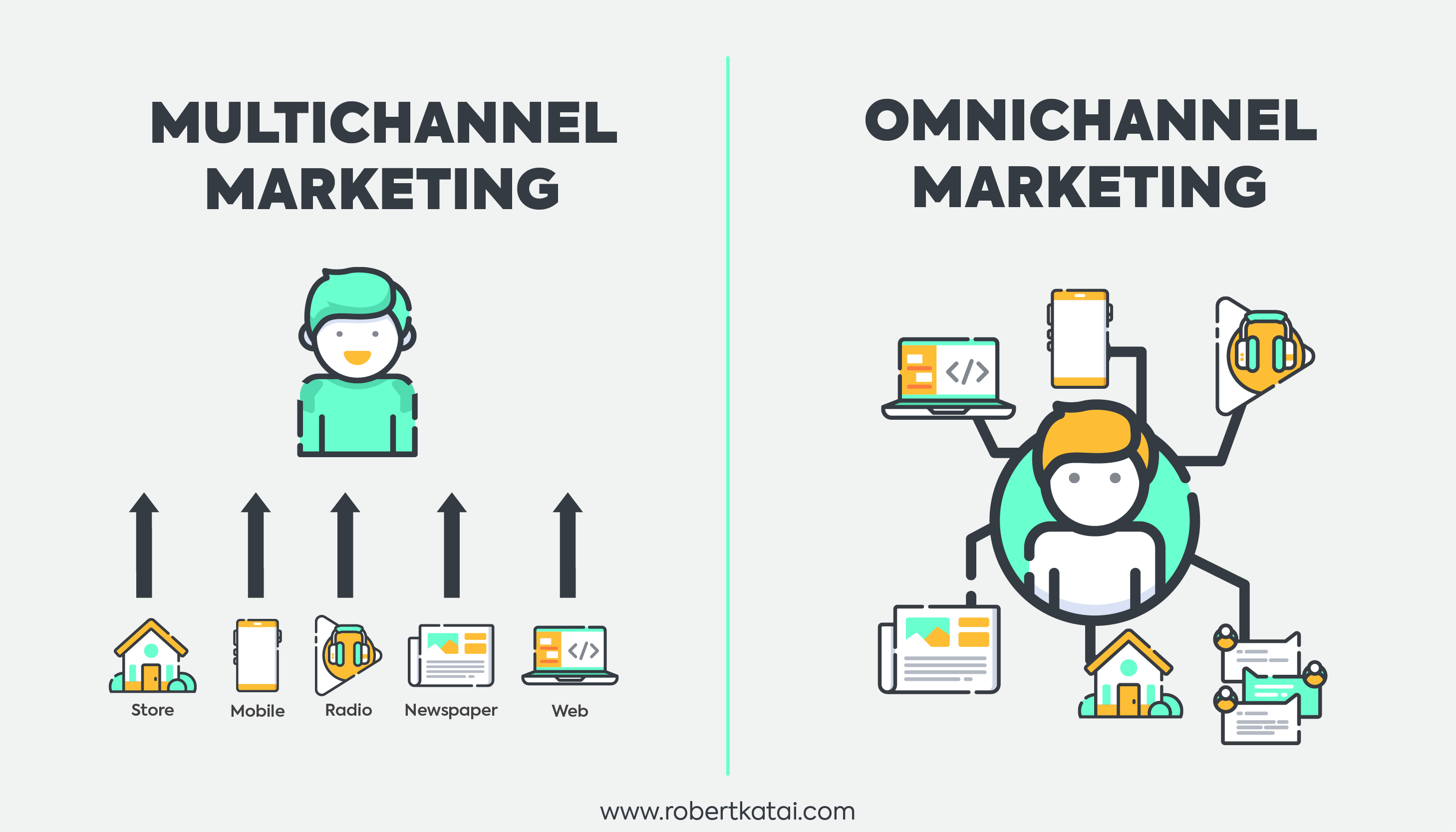
This decline in Facebook ad effectiveness has left businesses scrambling to find new ways to reach their target audience. With the decrease in ad performance, businesses have had to allocate more resources and effort into other marketing channels to compensate for the loss in conversions. This shift in focus has forced businesses to adapt and explore new advertising strategies to stay competitive in the ever-changing digital landscape.
One of the major challenges that businesses face due to the decline in Facebook ad effectiveness is the increase in cost per acquisition. A small e-commerce company, for example, heavily relied on Facebook ads for customer acquisition. However, with the downward trend, their cost per acquisition increased significantly, ultimately impacting their profitability. This forced the company to reevaluate their advertising budget and explore other cost-effective marketing channels to maintain their customer base.
As the downward trend in Facebook ads continues, businesses must anticipate its future impact. It's crucial to evaluate and adapt marketing strategies to ensure continued success. Although predicting the exact trajectory of Facebook ads is challenging, industry experts and marketers have provided valuable insights into potential future trends.
Some experts suggest that Facebook ads will undergo further algorithm changes to promote greater user engagement. This could mean that businesses need to focus more on creating engaging and interactive ad content to capture users' attention effectively. Experts predict a shift towards video and interactive ad formats to keep up with the changing preferences of social media users.
At the same time, the decline in Facebook ad effectiveness has led businesses to explore alternative advertising platforms. Many businesses are now investing in platforms like Instagram, YouTube, and TikTok to diversify their advertising efforts and reach a wider audience. By expanding their presence across multiple platforms, businesses can reduce their reliance on Facebook ads and mitigate the impact of the downward trend.
Here are some practical steps you can take:
Rather than relying solely on Facebook ads, consider diversifying your marketing efforts across multiple channels. Explore other social media platforms, such as Instagram, Pinterest, or LinkedIn, which may offer greater targeting capabilities and engagement opportunities for your audience. Additionally, invest in content marketing and SEO strategies to leverage organic traffic and capture users' attention.
While Facebook ads may be losing their effectiveness, other advertising platforms are gaining traction. Platforms such as Google Ads, YouTube Ads, or even emerging platforms like TikTok Ads offer new opportunities to reach your audience. Research these platforms to identify which align best with your target market and business objectives.
The content of your Facebook ads plays a crucial role in capturing users' attention and driving conversions. Ensure your ad content is relevant, visually appealing, and aligned with your target audience's interests. A/B test different ad formats, copy variations, and visuals to identify which combinations yield the best results.

Facebook offers a range of ad tools to help businesses optimize their ad campaigns. Explore options such as Custom Audiences, Lookalike Audiences, and Retargeting to refine your targeting and increase your chances of reaching the right users. Additionally, regularly monitor and analyze your ad performance metrics to identify areas for improvement and adjust your campaigns accordingly.
As businesses navigate the challenges of the downward trend in Facebook ads, it's essential to keep an eye on the future of this advertising platform.
Experts in the advertising industry have shared valuable insights into the future of Facebook ads. Some predict a shift towards more personalized and interactive experiences, with ads becoming increasingly integrated into users' daily lives. Others foresee the importance of transparency and authenticity in ad content, emphasizing the need for businesses to build genuine connections with their audience.
To prepare your business for the future of Facebook ads, it's crucial to stay informed about industry trends and adapt your strategies accordingly. Continuously monitor Facebook's updates and algorithm changes, as well as emerging advertising platforms. By staying proactive and flexible, businesses can stay ahead in the ever-evolving world of digital advertising.

Finding the right ecommerce Google Ads agency for your business can be a daunting task. With so many options available, it's important to understand the role of a Google Ads agency and why your ecommerce business needs one. Here, we'll explore key factors to consider when choosing a Google Ads agency, how to evaluate their performance, questions to ask potential agencies, and how to make the final decision. By following these steps, you'll be on your way to finding the perfect agency to help grow your ecommerce business.
When it comes to online advertising, Google Ads is an incredibly powerful tool. With billions of searches conducted on Google every day, businesses have a unique opportunity to reach their target audience and drive traffic to their websites. However, navigating the intricacies of Google Ads can be challenging, especially for businesses without a dedicated marketing team or the necessary expertise. That's where a Google Ads agency comes in.
A Google Ads agency is a team of experts that specialize in managing Google Ads campaigns for businesses. They have the knowledge and experience to create and optimize ad campaigns that generate leads and drive conversions. Their expertise extends beyond simply setting up ads, as they also analyze data, monitor performance, and make adjustments to maximize results. By hiring a Google Ads agency, you're leveraging their expertise to boost your online presence and attract more customers.
Google Ads is one of the most effective advertising platforms for ecommerce businesses. It allows you to reach potential customers at the moment they're actively searching for products or services similar to what you offer. However, managing Google Ads campaigns requires expertise and constant monitoring to ensure optimal performance. By partnering with a Google Ads agency, you can offload this responsibility to professionals who specialize in navigating the complexities of the platform. They'll help you create engaging ads, target the right keywords, and maximize your advertising budget, ultimately resulting in increased website traffic and conversions for your ecommerce business.
Running a successful ecommerce business involves more than just setting up an online store and waiting for customers to come. It requires a strategic approach to marketing and advertising to stand out in a crowded online marketplace. This is where a Google Ads agency can be a game-changer for your ecommerce business.
When you partner with a Google Ads agency, they will take the time to understand your ecommerce business inside out. They'll delve deep into your product offerings,target audience, and competitive landscape. Armed with this knowledge, they will develop a comprehensive Google Ads strategy that aligns with your business goals and drives results.

One of the key advantages of using Google Ads for your ecommerce business is the ability to target specific keywords that potential customers are actively searching for. For example, if you sell organic skincare products, a Google Ads agency can help you identify relevant keywords like "organic skincare," "natural beauty products," or "vegan skincare." By targeting these keywords, your ads will appear at the top of Google's search results when someone searches for these terms, increasing the visibility of your ecommerce business and attracting potential customers.
Nonetheless, managing Google Ads campaigns requires ongoing optimization and monitoring. Bids need to be adjusted, ad copy needs to be refined, and targeting parameters need to be tweaked to stay ahead of the competition. This can be time-consuming and overwhelming for ecommerce business owners who are already juggling multiple aspects of their business. By partnering with a Google Ads agency, you can focus on running your business while leaving the intricacies of Google Ads to the experts.
A Google Ads agency will continuously monitor the performance of your campaigns, analyzing data and making data-driven decisions to improve results. They will identify trends, uncover opportunities, and make strategic adjustments to ensure that your advertising budget is being used effectively. With their help, you can maximize your return on investment and drive more traffic to your ecommerce website, ultimately leading to increased sales and revenue.
In conclusion, a Google Ads agency plays a crucial role in helping businesses navigate the complexities of Google Ads and drive results. By leveraging their expertise, businesses can reach their target audience, increase online visibility, and attract more customers. Whether you're a small business owner or an ecommerce entrepreneur, partnering with a Google Ads agency can be a game-changer for your online advertising efforts.
These factors will help you narrow down your options and find an agency that aligns with your business goals and requirements.
One of the most important factors to consider is the agency's experience and expertise. Look for an agency that has a proven track record of managing successful Google Ads campaigns for ecommerce businesses. They should have experience in your industry and possess a deep understanding of the unique challenges and opportunities within the ecommerce space. Additionally, the agency should stay up-to-date with the latest trends and best practices in Google Ads to ensure they deliver optimal results for your business.
It's crucial to find a Google Ads agency that understands the intricacies of the ecommerce industry. They should be familiar with the specific needs and requirements of ecommerce businesses, such as product listings, shopping campaigns, and conversion tracking. This industry knowledge will enable them to create tailored strategies that resonate with your target audience and drive meaningful results for your ecommerce business.
Before making a decision, it's essential to review the agency's track record and client testimonials. Look for case studies or success stories that showcase their ability to generate positive results for their clients. Additionally, reach out to their previous or current clients to get firsthand feedback on their experience working with the agency. This will provide valuable insights into the agency's communication, performance, and overall satisfaction of their clients.
Once you've narrowed down your options and selected a few potential Google Ads agencies, it's time to evaluate their performance. This step will help you assess their capabilities and determine if they're the right fit for your ecommerce business.
When evaluating an agency's performance, there are several key performance indicators (KPIs) to consider. These may include click-through rates (CTR), conversion rates, cost per click (CPC), return on ad spend (ROAS), and overall return on investment (ROI). Look for agencies that have consistently delivered positive results across these metrics, as it's a strong indicator of their ability to optimize campaigns and generate meaningful outcomes for their clients.

Google Ads agencies provide regular reports on campaign performance, which include various data and metrics. When reviewing these reports, pay attention to the level of detail provided and how well the agency explains the insights derived from the data. A good agency will not only present the numbers but also provide actionable recommendations for improvement based on the data analysis. This demonstrates their commitment to transparency and their ability to make data-driven decisions.
As you move closer to making a decision, it's crucial to ask potential Google Ads agencies a series of questions to ensure they meet your business requirements and expectations. These questions will help you gain insights into their strategies, pricing, and contract terms.
After careful consideration and evaluation, it's time to make the final decision and choose your Google Ads agency. This decision shouldn't be taken lightly, as it will have a significant impact on your ecommerce business's success.
Take the time to compare the options you've narrowed down based on their experience, expertise, performance, and pricing. Consider the agency's communication style and how well they understand your business goals. Additionally, assess their ability to align with your core values and work collaboratively with your team.
Ultimately, the right Google Ads agency for your ecommerce business will be the one that demonstrates a deep understanding of your industry, possesses the necessary expertise, and aligns with your business goals. Trust your instincts and choose an agency that you believe will be a long-term partner in helping you achieve your ecommerce business objectives.
By following the steps outlined in this article, you'll be well-equipped to find the right ecommerce Google Ads agency for your business. If you're specifically evaluating firms that specialize in paid search, the guide to choosing a Google PPC agency narrows the focus to agencies optimized around Google's ad ecosystem. Remember to consider the agency's experience, understanding of the ecommerce industry, and track record of success. Evaluate their performance based on key metrics and ask important questions to gain a clear understanding of their strategies and pricing. Making an informed decision will set your ecommerce business on the path to success with effective Google Ads campaigns.

First things first. We cannot talk about Conversion Rate Optimization (CRO) without defining it. If you want a thorough explanation of what CRO means in practice, we cover that in detail separately — but in short, it refers to the systematic process of improving a website's conversion rate through data-driven decision-making. It involves certain processes, such as analyzing user behavior, conducting A/B tests, and implementing changes to optimize the website for better results. Easy, right?
But there is more. When it comes to CRO, it's essential to understand the customer journey and identify potential barriers that may prevent users from taking the desired action. By addressing these barriers and providing a seamless user experience, you can increase the likelihood of conversions.

CRO plays a fundamental role in digital marketing. It helps businesses maximize their return on investment (ROI) from their website traffic. By improving the conversion rate, you can generate more leads or sales without increasing your advertising budget.
Imagine if your website is receiving a significant amount of traffic, but only a small percentage of visitors are converting into customers. By implementing CRO strategies, you can unlock the true potential of your website and capitalize on the existing traffic.
CRO also ensures that your website provides a positive user experience, which leads to higher customer satisfaction and loyalty. When users find it easy to navigate your site, find the information they need, and complete their desired actions, they are more likely to become repeat customers and even recommend your business to others.
Becoming a successful Conversion Rate Optimization specialist requires a combination of technical skills and marketing knowledge. Here are some essential skills you should develop:
To enhance your skills and knowledge in CRO, consider enrolling in the following courses or earning relevant certifications:

While theoretical knowledge is important, gaining practical experience is equally crucial to becoming a successful CRO specialist. Here are two ways to gain hands-on experience:
Look for internship opportunities in companies that specialize in CRO. This will allow you to work closely with experienced professionals and learn industry best practices.
During your internship, you will have the chance to immerse yourself in the world of conversion rate optimization. You will be exposed to real-life projects and have the opportunity to work on actual client campaigns. This hands-on experience will not only enhance your understanding of CRO principles but also give you practical skills that can be applied in future roles.
Working alongside seasoned CRO specialists, you will gain valuable insights into the strategies and techniques they use to improve conversion rates. By observing their workflow and participating in team discussions, you will learn how to identify conversion barriers, conduct A/B tests, analyze data, and implement effective optimization strategies.
Study real-world case studies of successful CRO campaigns. Analyze the strategies and tactics implemented, the challenges faced, and the results achieved. This will give you valuable insights into the practical application of CRO principles.
By delving into case studies, you will gain a deeper understanding of the complexities involved in CRO. You will learn about different industries, target audiences, and unique challenges that CRO specialists encounter. This knowledge will help you develop a holistic approach to optimization and enable you to adapt strategies to diverse scenarios.
Besides, studying successful CRO case studies will allow you to identify patterns and trends that lead to positive outcomes. You will uncover common optimization techniques, such as improving website navigation, optimizing landing pages, and streamlining the checkout process, that consistently yield higher conversion rates.
Also, failure tends to be our biggest opportunity to learn. Examining unsuccessful CRO case studies is equally valuable. It provides an opportunity to understand the mistakes made and the lessons learned from those experiences. By analyzing the pitfalls and challenges faced by others, you can develop a proactive mindset and avoid similar pitfalls in your own CRO endeavors.
To be effective in CRO, you need to be proficient in using various CRO tools and software. Here is an overview of popular CRO tools:
When it comes to Conversion Rate Optimization (CRO), having the right tools at your disposal can make all the difference. These tools not only streamline the optimization process but also provide valuable insights into user behavior and preferences. Here are some of the most popular CRO tools:
A/B testing is a critical component of CRO. By conducting A/B tests, you can compare two versions of a web page or element to determine which one performs better in terms of conversions. Here are some steps to effectively use A/B testing tools like Google Optimize or Optimizely:
By mastering A/B testing tools and software, you can effectively optimize your website and drive higher conversion rates. Practice setting up experiments, defining goals, and analyzing the results to gain a deep understanding of your audience and make data-driven decisions.
Web analytics is an integral part of CRO. Understanding how to leverage web analytics tools will help you gain insights into user behavior and make data-driven decisions. Here's why web analytics is important:
Web analytics provides valuable data on user behavior, such as page views, bounce rates, and conversion rates. By analyzing this data, you can identify areas of improvement and make informed decisions to optimize your website's performance.
Google Analytics is one of the most widely used web analytics tools. Learn how to set up Google Analytics, create custom reports, and extract meaningful insights to drive CRO efforts.

Becoming a Conversion Rate Optimization specialist requires acquiring skills, gaining practical experience, mastering CRO tools, and understanding web analytics. By following these four steps, you can pave your way to becoming an expert in the field and help businesses maximize their conversion rates.

Instagram has emerged as a dominant force in the digital marketing landscape. With its visually-driven format and highly engaged user base, it offers businesses a unique opportunity to showcase their products and connect with their audience. In order to stand out and capture the attention of users, it is crucial to create engaging Instagram ad mockups. But, first, what are them?
Instagram has revolutionized the way brands advertise, allowing them to showcase their products in a visually appealing and captivating manner. As a result, it has become an integral part of digital marketing strategies for many businesses. With the ability to target specific demographics and interests, Instagram ads can effectively reach the right audience and drive engagement.
However, in order to make the most of Instagram ads, mockups must resonate with your target audience. Ad mockups serve as a preview of your actual ad and allow you to experiment with different visuals, copy, and brand identity elements.
Ad mockups are an essential part of the creative process when it comes to Instagram advertising. They allow you to experiment with various design elements, test different approaches, and refine your messaging before investing in a full-scale ad campaign. By creating mockups, you can ensure that your ads are visually appealing, on-brand, and effectively convey your message to your target audience.
Creating ad mockups also helps you align your marketing goals with your creative strategy. By visualizing how your ad will look and feel, you can make informed decisions about the overall design, color scheme, and layout. This ensures that your ad not only captures the attention of your target audience but also aligns with your brand's identity and values.
By carefully considering these essential components, you can create an ad that stands out from the rest and effectively captures the attention of your target audience.

Before diving into the design phase, take the time to plan your ad campaign thoroughly. Define your campaign objectives, target audience, and key messaging. Conduct market research to understand your audience's preferences and interests. By laying a solid foundation, you can create a mockup that aligns with your overall marketing strategy.
Once you have a clear understanding of your campaign objectives and target audience, it's time to bring your mockup to life. Use graphic design tools or hire a professional designer to create visually appealing ad mockups. Experiment with different layouts, colors, and fonts to find the combination that resonates with your audience and aligns with your brand identity.
Remember to adhere to Instagram's ad guidelines and ensure that your mockup meets the required specifications for seamless integration into the platform. Pay attention to image resolution, aspect ratio, and file size to prevent any issues during the ad creation process.
Once your ad mockup is ready, it's crucial to review it thoroughly before finalizing the design. Take a step back and evaluate your mockup from the perspective of your target audience. Does it convey your message effectively? Is it visually compelling? Are there any areas for improvement?
Seek feedback from your team or trusted individuals to gather different perspectives. Use this feedback to refine your mockup further and make any necessary adjustments. This iterative process ensures that you create an ad that truly resonates with your audience and meets your campaign objectives.
Creating an engaging Instagram ad mockup requires thoughtful planning and attention to detail. Here are some additional tips to enhance the effectiveness of your ad mockup:
Invest time in understanding your target audience's preferences, interests, and pain points. Tailor your ad mockup to resonate with their needs and desires. By crafting ads that speak directly to your audience, you can increase engagement and drive conversions.

Instagram offers a range of features such as Stories, IGTV, and shopping tags that can enhance the effectiveness of your ad mockup. Explore these features and experiment with different formats to create a compelling ad experience.
Don't be afraid to test different versions of your ad mockup to see which resonates best with your audience. A/B testing can provide valuable insights and help you optimize your ad for maximum impact. Monitor key metrics such as click-through rates, engagement rates, and conversions to gauge the success of your ad campaign.
There you go. An engaging Instagram ad mockup is a crucial step in driving successful ad campaigns on the platform. By understanding the importance of ad mockups, incorporating essential elements, and following a systematic approach, you can create ads that captivate your audience and drive meaningful results for your business.


.svg)