
Most B2B SaaS pipelines have the same structural problem: turn off the paid ads, and the leads disappear. That's not a pipeline — it's a purchase order for attention.
SaaS demand generation done right creates pipeline that compounds. It builds brand presence in the channels where your buyers actually research decisions, generates inbound interest from content and community rather than from clicks, and produces leads that convert at higher rates because they already understand what you do and why it matters.
This guide covers how to build a SaaS demand generation strategy that doesn't collapse the moment your paid budget is cut.
These terms get used interchangeably, but they describe different activities with different timelines.
Lead generation is transactional. You run a campaign, someone fills out a form, you get a contact. The buyer may or may not be ready to purchase. The relationship starts at the conversion event.
Demand generation is upstream. It's about creating awareness, building credibility, and shaping how potential buyers think about the problem your product solves — before they're even in buying mode. When done well, demand generation means that when a buyer is finally ready to evaluate solutions, your brand is already in the consideration set.
The consensus among B2B marketers is that most demand generation budgets are heavily weighted toward demand capture — capturing people who are already searching — with far less going toward demand creation. That ratio is almost exactly backwards from what drives optimal pipeline.
The SaaS companies that are winning pipeline in 2026 have invested in demand creation. Here's how they're doing it.
Organic content is the most durable demand generation channel available to SaaS companies. Done correctly, a blog post, case study, or comparison page generates qualified traffic every month for years — with no incremental cost per visitor.
The key distinction: most SaaS content marketing is built around keywords, not around buyer education. Those are different strategies. Keyword-driven content targets people already searching for something; buyer education content creates awareness for people who don't yet know they have a problem your product solves.
A strong SaaS content strategy includes both. High-volume search terms bring in buyers at the evaluation stage. Educational content on adjacent topics pulls in buyers earlier in the journey and builds the brand authority that accelerates trust during the sales process.
For more on building this type of system, our post on SaaS content marketing strategy covers the framework in depth.
A significant share of B2B buyer research happens in channels you can't directly track: private Slack communities, LinkedIn DMs, peer conversations, and niche podcasts. This is "dark social" — influence that doesn't show up in your attribution model but drives purchase decisions constantly.
Getting into these channels requires investment in presence, not just in paid placement. Tactics that work:
The companies that win in dark social are consistently helpful before they're ever promotional.
If your product has a freemium tier or free trial, it's one of your most powerful demand generation assets — and often underused as such.
Product-led growth compresses the sales cycle by letting buyers experience value before the sales conversation begins — and free trials are consistently among the highest-converting demand generation tactics for B2B SaaS. The demo becomes a conversation about expansion, not a pitch from zero.
PLG also generates organic word-of-mouth when the product is good. Users recommend tools they use to peers in those dark social channels mentioned above. Every satisfied free-tier user is a potential demand generation asset in their professional network.
Being in the right ecosystem puts you in front of buyers who are already spending in your category.
Integrations with platforms like Salesforce, HubSpot, or Slack expose your product to buyers who are actively looking for complementary tools. A listing in a marketplace (HubSpot App Marketplace, Salesforce AppExchange) functions as inbound demand generation with no ongoing ad spend.
Co-marketing with adjacent SaaS products — joint webinars, co-authored guides, shared distribution lists — can reach audiences you'd otherwise need to pay to access. These partnerships work best when both products serve the same ICP without competing directly.
Traditional demand generation casts wide. Account-based marketing (ABM) reverses the funnel — you identify target accounts first, then build demand within those specific organizations.
For SaaS companies with a defined ICP and a sales team capable of working enterprise or mid-market accounts, ABM can dramatically improve pipeline quality. Rather than generating hundreds of low-fit MQLs, ABM generates fewer, higher-converting opportunities from accounts already identified as good fits.
ABM tactics include targeted LinkedIn campaigns to specific job titles at named accounts, direct outbound sequences triggered by intent signals, and personalized content delivered to specific organizations. A B2B demand generation agency with ABM experience can help structure this program without requiring a large internal operations team.
Organic demand generation requires infrastructure to capture and nurture the interest it creates:
Marketing automation. Email nurture sequences that educate buyers over weeks or months, not a single follow-up after a form submission.
Intent data. Tools like G2, Bombora, or 6sense identify accounts that are actively researching your category — even before they've visited your site. This turns demand generation activity into a signal you can act on with outbound.
Content distribution. Creating content is only half the work. Systematic distribution through LinkedIn, email newsletters, partnerships, and republication platforms determines how much of your audience actually sees it.
Attribution that accounts for dark social. Standard last-click attribution will chronically undervalue demand generation. Building in a self-reported attribution question ("How did you hear about us?") alongside your standard UTM tracking gives a more accurate picture of what's actually working.
Demand generation operates on longer timelines than lead generation, which means the metrics that matter are different:
If you're only measuring MQL volume and CAC, you're measuring demand capture, not demand generation. The upstream metrics reveal whether you're building durable pipeline or renting it.
This isn't an argument against paid advertising. It's an argument against building your entire pipeline on it.
Paid ads are excellent for amplifying content that's already performing, retargeting audiences who have engaged with your organic channels, and accelerating demand capture for buyers who are actively in-market. They're a poor foundation for demand generation because they generate no durable asset — the moment you stop paying, the exposure stops.
The optimal SaaS demand generation model uses paid as an accelerant on top of an organic foundation: content and community build brand presence and trust; paid distribution amplifies the content that's already resonating; retargeting converts the intent that organic has built.
Our team at EmberTribe structures demand generation programs for growth-stage SaaS companies around this model — building the organic infrastructure first, then layering in paid where it compounds existing momentum. For more on how pipeline generation fits into a broader B2B SaaS lead generation playbook, see our full guide on that topic.
The brands that win B2B SaaS pipeline in 2026 aren't the ones running the most ads. They're the ones that buyers already know, trust, and have heard about from peers — before the first sales conversation.
SaaS demand generation built on content, community, and product creates pipeline that compounds over time. It fills the top of funnel with buyers who already understand your value proposition, shortens sales cycles, and reduces dependence on paid channels that are getting more expensive every year.
The infrastructure takes longer to build than a Google Ads campaign. The returns last longer, too.
Start with one channel — typically content SEO or community — and build the distribution and automation to capture the demand it generates. Then add channels systematically. Three years from now, you'll have a pipeline that doesn't disappear when the quarterly budget gets cut.
Most B2B SaaS pipelines have the same structural problem: turn off the paid ads, and the leads disappear. That's not a pipeline — it's a purchase order for attention.
SaaS demand generation done right creates pipeline that compounds. It builds brand presence in the channels where your buyers actually research decisions, generates inbound interest from content and community rather than from clicks, and produces leads that convert at higher rates because they already understand what you do and why it matters.
This guide covers how to build a SaaS demand generation strategy that doesn't collapse the moment your paid budget is cut.
These terms get used interchangeably, but they describe different activities with different timelines.
Lead generation is transactional. You run a campaign, someone fills out a form, you get a contact. The buyer may or may not be ready to purchase. The relationship starts at the conversion event.
Demand generation is upstream. It's about creating awareness, building credibility, and shaping how potential buyers think about the problem your product solves — before they're even in buying mode. When done well, demand generation means that when a buyer is finally ready to evaluate solutions, your brand is already in the consideration set.
The consensus among B2B marketers is that most demand generation budgets are heavily weighted toward demand capture — capturing people who are already searching — with far less going toward demand creation. That ratio is almost exactly backwards from what drives optimal pipeline.
The SaaS companies that are winning pipeline in 2026 have invested in demand creation. Here's how they're doing it.
Organic content is the most durable demand generation channel available to SaaS companies. Done correctly, a blog post, case study, or comparison page generates qualified traffic every month for years — with no incremental cost per visitor.
The key distinction: most SaaS content marketing is built around keywords, not around buyer education. Those are different strategies. Keyword-driven content targets people already searching for something; buyer education content creates awareness for people who don't yet know they have a problem your product solves.
A strong SaaS content strategy includes both. High-volume search terms bring in buyers at the evaluation stage. Educational content on adjacent topics pulls in buyers earlier in the journey and builds the brand authority that accelerates trust during the sales process.
For more on building this type of system, our post on SaaS content marketing strategy covers the framework in depth.
A significant share of B2B buyer research happens in channels you can't directly track: private Slack communities, LinkedIn DMs, peer conversations, and niche podcasts. This is "dark social" — influence that doesn't show up in your attribution model but drives purchase decisions constantly.
Getting into these channels requires investment in presence, not just in paid placement. Tactics that work:
The companies that win in dark social are consistently helpful before they're ever promotional.
If your product has a freemium tier or free trial, it's one of your most powerful demand generation assets — and often underused as such.
Product-led growth compresses the sales cycle by letting buyers experience value before the sales conversation begins — and free trials are consistently among the highest-converting demand generation tactics for B2B SaaS. The demo becomes a conversation about expansion, not a pitch from zero.
PLG also generates organic word-of-mouth when the product is good. Users recommend tools they use to peers in those dark social channels mentioned above. Every satisfied free-tier user is a potential demand generation asset in their professional network.
Being in the right ecosystem puts you in front of buyers who are already spending in your category.
Integrations with platforms like Salesforce, HubSpot, or Slack expose your product to buyers who are actively looking for complementary tools. A listing in a marketplace (HubSpot App Marketplace, Salesforce AppExchange) functions as inbound demand generation with no ongoing ad spend.
Co-marketing with adjacent SaaS products — joint webinars, co-authored guides, shared distribution lists — can reach audiences you'd otherwise need to pay to access. These partnerships work best when both products serve the same ICP without competing directly.
Traditional demand generation casts wide. Account-based marketing (ABM) reverses the funnel — you identify target accounts first, then build demand within those specific organizations.
For SaaS companies with a defined ICP and a sales team capable of working enterprise or mid-market accounts, ABM can dramatically improve pipeline quality. Rather than generating hundreds of low-fit MQLs, ABM generates fewer, higher-converting opportunities from accounts already identified as good fits.
ABM tactics include targeted LinkedIn campaigns to specific job titles at named accounts, direct outbound sequences triggered by intent signals, and personalized content delivered to specific organizations. A B2B demand generation agency with ABM experience can help structure this program without requiring a large internal operations team.
Organic demand generation requires infrastructure to capture and nurture the interest it creates:
Marketing automation. Email nurture sequences that educate buyers over weeks or months, not a single follow-up after a form submission.
Intent data. Tools like G2, Bombora, or 6sense identify accounts that are actively researching your category — even before they've visited your site. This turns demand generation activity into a signal you can act on with outbound.
Content distribution. Creating content is only half the work. Systematic distribution through LinkedIn, email newsletters, partnerships, and republication platforms determines how much of your audience actually sees it.
Attribution that accounts for dark social. Standard last-click attribution will chronically undervalue demand generation. Building in a self-reported attribution question ("How did you hear about us?") alongside your standard UTM tracking gives a more accurate picture of what's actually working.
Demand generation operates on longer timelines than lead generation, which means the metrics that matter are different:
If you're only measuring MQL volume and CAC, you're measuring demand capture, not demand generation. The upstream metrics reveal whether you're building durable pipeline or renting it.
This isn't an argument against paid advertising. It's an argument against building your entire pipeline on it.
Paid ads are excellent for amplifying content that's already performing, retargeting audiences who have engaged with your organic channels, and accelerating demand capture for buyers who are actively in-market. They're a poor foundation for demand generation because they generate no durable asset — the moment you stop paying, the exposure stops.
The optimal SaaS demand generation model uses paid as an accelerant on top of an organic foundation: content and community build brand presence and trust; paid distribution amplifies the content that's already resonating; retargeting converts the intent that organic has built.
Our team at EmberTribe structures demand generation programs for growth-stage SaaS companies around this model — building the organic infrastructure first, then layering in paid where it compounds existing momentum. For more on how pipeline generation fits into a broader B2B SaaS lead generation playbook, see our full guide on that topic.
The brands that win B2B SaaS pipeline in 2026 aren't the ones running the most ads. They're the ones that buyers already know, trust, and have heard about from peers — before the first sales conversation.
SaaS demand generation built on content, community, and product creates pipeline that compounds over time. It fills the top of funnel with buyers who already understand your value proposition, shortens sales cycles, and reduces dependence on paid channels that are getting more expensive every year.
The infrastructure takes longer to build than a Google Ads campaign. The returns last longer, too.
Start with one channel — typically content SEO or community — and build the distribution and automation to capture the demand it generates. Then add channels systematically. Three years from now, you'll have a pipeline that doesn't disappear when the quarterly budget gets cut.
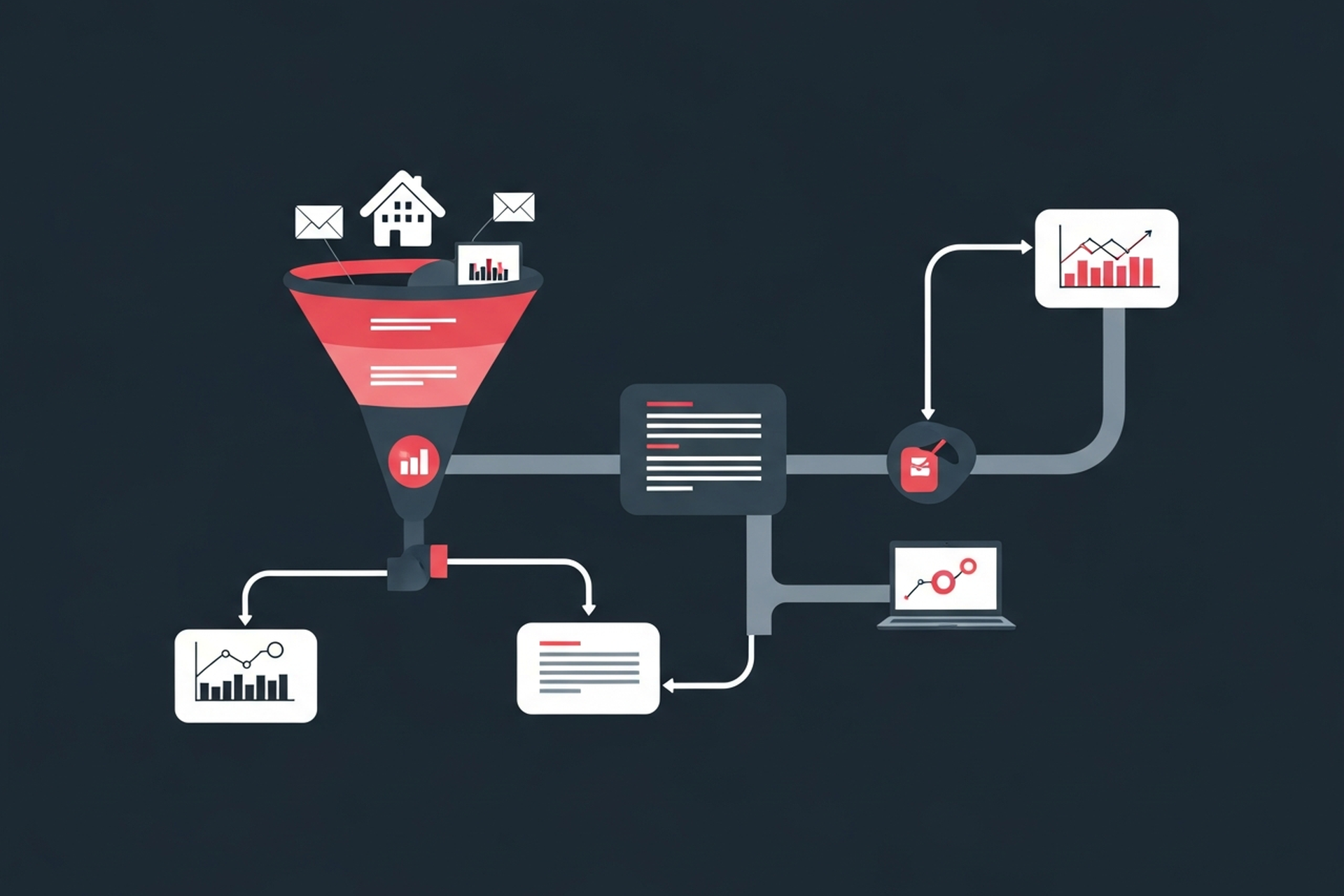
B2B lead generation in 2026 does not reward the tactics that worked five years ago. Buyers research in private, AI summarizes your competitors before a prospect ever visits your site, and paid channels that once delivered cheap leads now price most mid-market teams out. The companies winning pipeline right now are not running harder at the old playbook. They are running a different one.
This guide is for B2B marketing leads and founders trying to understand the modern lead gen landscape before committing budget to it. We will cover the channels that produce qualified pipeline today, how to score and qualify leads without wasting sales capacity, and the common mistakes that keep teams stuck at flat growth.
Three structural shifts have changed how B2B buyers move and what it takes to reach them.
Buyers finish most of the research before they contact you. Research from Gartner shows that buyers now spend only about 17% of their purchase journey meeting with potential suppliers, and when comparing multiple vendors, that number drops closer to 5%. By the time a prospect requests a demo, they have already read your pricing page, your reviews, and at least three competitor comparisons.
Buying committees got bigger, and AI made them bigger still. Forrester's 2026 Buyer Insights research found that the typical B2B purchase now involves 13 internal stakeholders and 9 external influencers, and that number roughly doubles for purchases that include generative AI features. Marketing has to reach the economic buyer, the technical evaluator, legal, security, and the end user, often with different content and different messages.
AI search compressed the top of the funnel. ChatGPT, Perplexity, and AI Overviews in Google now answer many informational queries without sending a click. Traffic to broad top-of-funnel posts has dropped for most B2B publishers. What converts are deeper, more specific pages that an AI will cite or a buyer will bookmark.
The practical implication: raw lead volume is a worse signal than it used to be, and "top of funnel" no longer means "easy." The channels below are the ones producing pipeline in that environment.
Content still works. Generic content does not. The B2B SEO strategies that produce pipeline in 2026 skip the "what is" primers and go straight at commercial intent: comparison pages, "best X for Y" queries, integration guides, pricing guides, and problem-specific how-to content for a defined persona.
A few practical rules:
SEO is still the lowest-cost qualified channel once it is working. According to First Page Sage's 2026 benchmarks, organic search delivers cost per lead in the $30 to $80 range for most B2B categories, well below paid search or paid social.
Account-based marketing is no longer a separate program run by an enterprise team. For most mid-market B2B companies, it is the coordination layer that makes every other channel work harder. Instead of capturing whatever leads the funnel happens to produce, ABM starts with a defined list of fit accounts and aligns marketing, sales development, and content to reach them.
What that looks like in practice:
The data backs the approach. A roundup of ABM statistics from UserGems shows that 87% of B2B marketers say ABM delivers higher ROI than other marketing programs, and companies with mature ABM programs see meaningfully larger average deal sizes. The catch is that only a small share of teams run mature ABM. Most treat it as a list of accounts in a spreadsheet, not a coordinated motion.
LinkedIn is the highest-signal channel in B2B right now, and its role has shifted. Paid ads on LinkedIn are expensive, with cost per lead often landing in the $150 to $400 range depending on industry and seniority. What produces pipeline at a better rate is LinkedIn as a demand layer: executive and team content published consistently, commented on, and used to warm up target accounts.
Three patterns that work on LinkedIn for B2B:
Intent data is the single biggest unlock most B2B teams have not made full use of. Providers like 6sense and Bombora aggregate behavioral signals across the web, including which companies are researching your category, your competitors, and specific problem statements. When plugged into the rest of your stack, that data changes outreach from "everyone on the list" to "the 40 accounts that are actively in-market this month."
The practical setup:
Intent data is not magic, and the signal is noisy in categories with low search volume. But used well, it concentrates effort on the accounts most likely to buy next quarter.
Paid media in B2B has not died, but its role has narrowed. Paid search on branded and high-intent commercial terms is still one of the fastest paths to qualified pipeline. Paid social, particularly LinkedIn and Meta, works well for retargeting warm audiences and serving content to known buying committees inside target accounts.
Where paid struggles in 2026: broad prospecting for unknown audiences. Cost per click rose sharply after iOS 14 changes broke signal loss for Meta, and LinkedIn cost per lead climbed in parallel. Paid is now best used as a layer on top of a working organic and ABM motion, not as a substitute for them. For a deeper look at how paid channels compare across the funnel, our post on upper funnel vs lower funnel campaigns breaks the tradeoffs down in more detail.
Most B2B teams score leads on activity and route everything above a threshold to sales. That burns sales capacity on bad fit accounts and teaches reps to distrust marketing leads.
A cleaner model scores two axes independently: *Low IntentHigh IntentHigh FitNurture with contentRoute to sales immediatelyLow Fit*Do not pass to salesRoute with a context flag
Fit is firmographic: company size, industry, tech stack, geography. Intent is behavioral: pages visited, emails opened, content downloaded, meetings requested. A lead that hit both needs a different response than one that hit only intent.
Document the scoring rules explicitly, review them with sales every quarter, and adjust based on closed-won data. Teams that skip the revisit step end up scoring to a buyer profile that stopped matching reality two years ago. For related context, our post on lead generation pricing walks through how qualification directly affects the economics of each channel you run.
A short list of the patterns we see repeatedly with teams that are running hard and not producing pipeline.
Confusing traffic with demand. Traffic is a precondition for pipeline, not a substitute for it. A site that ranks for informational queries but has no commercial pages will generate impressions and no conversations.
Running SDRs on top of a broken ICP. Outbound amplifies whatever is already in the list. If the ICP is fuzzy, more SDRs produce more noise, not more meetings.
Treating lead quantity as the north star. The metrics that matter are sales accepted leads, pipeline created, and closed-won revenue by source. Lead count is a diagnostic, not a goal.
Forgetting the technical buyer. In most complex B2B purchases, the technical evaluator has effective veto power. Integration docs, security pages, and architecture content rarely appear in marketing plans. They should.
Underinvesting in the mid-funnel. Most teams have top-funnel content and a demo form. What lives between them is usually empty. Case studies, ROI calculators, comparison guides, and nurture sequences fill the gap, and without them, active buyers who are not yet ready for sales disappear from the funnel.
For a SaaS-specific view of the same problem, our B2B SaaS lead generation playbook goes deeper on funnel design for subscription businesses.
B2B lead generation in 2026 is not about choosing one channel and going all in. It is about building a system where ABM defines the accounts, SEO and content feed them authority, LinkedIn and intent data warm them, paid accelerates the ones closest to purchase, and scoring decides what gets a human touch. Each channel makes the others work better.
Most teams skip the system work and go straight to tactics. That is why so many B2B marketing budgets feel like they produce heat without light. The mix of growth channels you choose matters less than whether those channels are coordinated around a clear target account and a clear definition of what a qualified lead looks like.
If you are trying to get a clearer picture of which of these levers is the right first move for your stage and category, that is the kind of work our strategy consulting team does day to day. We audit the current funnel, map it against revenue goals, and identify which channels, scoring model, and content investments will compound fastest for your specific situation. The right starting point depends on what you already have in place, and the wrong starting point is the most expensive mistake in B2B growth.

Most SaaS content programs produce blog posts. Few produce pipeline. The gap between the two is almost always the same: a SaaS content marketing strategy that optimizes for publishing volume instead of buyer progression.
Content-led growth is real - Ahrefs, HubSpot, and Intercom all built dominant market positions on content before their competitors figured out paid was getting expensive. The data backs it up: First Page Sage puts average B2B SaaS SEO ROI at 702% over three years with a 7-month break-even, and organic search drives 44.6% of all B2B revenue - more than any other channel. But those outcomes came from systems, not just blog posts. This is the framework.
The instinct when building a SaaS content strategy is to start with a keyword list. That comes later. Start with the question: Who are we writing for, and what do they already believe?
In B2B SaaS, your audience typically includes three distinct profiles with different needs:
The Economic Buyer (VP, Director, C-suite): Cares about ROI, competitive risk, and strategic fit. Reads case studies, benchmark reports, and "how to evaluate" guides. Doesn't want to read tutorials.
The Technical Evaluator (engineer, IT, RevOps): Cares about security, integrations, implementation complexity, and edge cases. Reads documentation, technical comparisons, API guides.
The End User (the person using the product daily): Cares about workflow efficiency and solving the immediate problem. Reads how-tos, feature guides, use case walkthroughs.
Most SaaS content programs write only for the end user. The content gets traffic, but it fails to influence the people with budget authority or technical veto power. Map your content plan explicitly to each buyer profile before you write a single post.
Topic clusters are a useful SEO architecture, but they don't tell you what to prioritize. A "content hub" about project management can be almost entirely top-of-funnel and generate almost no pipeline - despite ranking well and driving traffic.
The more useful framework maps content by funnel stage: StageBuyer QuestionContent TypeAwareness"What is this problem called?"Explainers, trend posts, educational guidesConsideration"What are my options?"Comparisons, vendor roundups, evaluation checklistsDecision"Is this the right choice for us?"Case studies, ROI calculators, security docs, integrationsExpansion"How do we get more value?"Use case guides, feature deep-dives, customer stories
Most SaaS content plans are overweight at awareness and nearly empty at consideration and decision. That's exactly backwards from a pipeline standpoint. Consideration and decision content drives the highest-intent organic traffic - the searchers who already have the problem and are actively evaluating solutions.
A mature SaaS content marketing strategy targets all four stages, but deliberately overweights consideration and decision content because that's where conversion rates are highest and competition is often thinnest.
"[Your product] vs. [Competitor]" and "Best [Competitor] alternatives" pages consistently rank well and convert at high rates because the searcher is already in evaluation mode. Research from GenesysGrowth shows comparison pages convert at 3.2x the rate of standard feature pages. These pages require honesty - a one-sided comparison that pretends competitors have no strengths reads as a sales pitch and damages trust. Acknowledge tradeoffs, focus on fit, and let the positioning speak for itself.
"How [ICP job title] uses [your product] to [achieve outcome]" is the most neglected content type in SaaS. It's specific enough to attract qualified traffic, it maps directly to ICP conversations in sales, and it builds credibility that broad topic guides can't. If you serve five distinct use cases, each one deserves its own dedicated content.
"[Your product] + [popular tool in your ICP's stack]" content targets buyers who are already using connected tools. These are warm buyers: they have the budget, the workflow context, and often the exact problem your integration solves. This content also earns backlinks from partner pages.
Long-form, comprehensive guides on core topics in your space - the "complete guide to X" format - anchor your topic cluster strategy and generate consistent organic traffic over time. These aren't the fastest path to pipeline, but they're the compound interest of content: slow to build, durable once established.
Here's a number worth sitting with: most SaaS companies earn 60–70% of their revenue from existing customers through renewals, upsells, and expansion. Yet most SaaS content programs invest almost exclusively in acquisition.
Retention content isn't the same as a help center. It's proactive content that teaches customers to get more value from the product, surfaces use cases they haven't tried, and reinforces that the tool is evolving. Done well, it reduces churn, increases NPS, and generates the kind of organic word-of-mouth that no acquisition campaign can replicate.
Practical formats for retention content:
If your content plan has no entries for the expansion stage, you're optimizing the acquisition funnel while leaving the retention engine unmanned.
Content without distribution is just publishing. The post goes live, gets indexed, maybe earns some organic traffic over 6 months - but nothing happens in week one.
A working distribution stack for B2B SaaS content typically includes:
The internal linking piece is particularly easy to underinvest in. A new post that earns no links from existing content starts with zero internal authority. A deliberate backward linking pass - updating 3–5 relevant existing posts to reference the new one - meaningfully accelerates indexing and rankings.
Vanity metrics tell you whether publishing is happening. Revenue metrics tell you whether content is working. MetricWhat It MeasuresOrganic sessions by stageWhether traffic distribution is balanced or overweight at awarenessMQLs from organicWhether content is generating leads, not just readersContent-assisted pipelineRevenue where a content touchpoint appeared in the customer journeyTrial signups from blogWhether content is driving product engagementExpansion revenue influencedWhether retention content is contributing to upsell and renewalTime-on-page and scroll depthWhether content is being read or just visited
The single most useful reporting change most SaaS content teams can make: add UTM tracking to every internal CTA in blog posts and route those conversions into a dedicated attribution report. Most teams can't answer "how much pipeline came from content" - because they never built the tracking to know.
A SaaS content marketing strategy isn't a content calendar. It's a system: audience segmentation feeds topic selection, funnel mapping sets prioritization, content types match buyer intent, distribution multiplies reach, and metrics close the feedback loop.
The companies that invest early in this system - rather than publishing whatever seems interesting - build an organic pipeline machine that compounds year over year. SaaS-focused content SEO is the engine underneath; strategy is what decides what to put in it.
If you're building a B2B pipeline alongside this content foundation, the B2B SaaS lead generation playbook covers the channel and conversion layer that turns content readers into qualified leads.
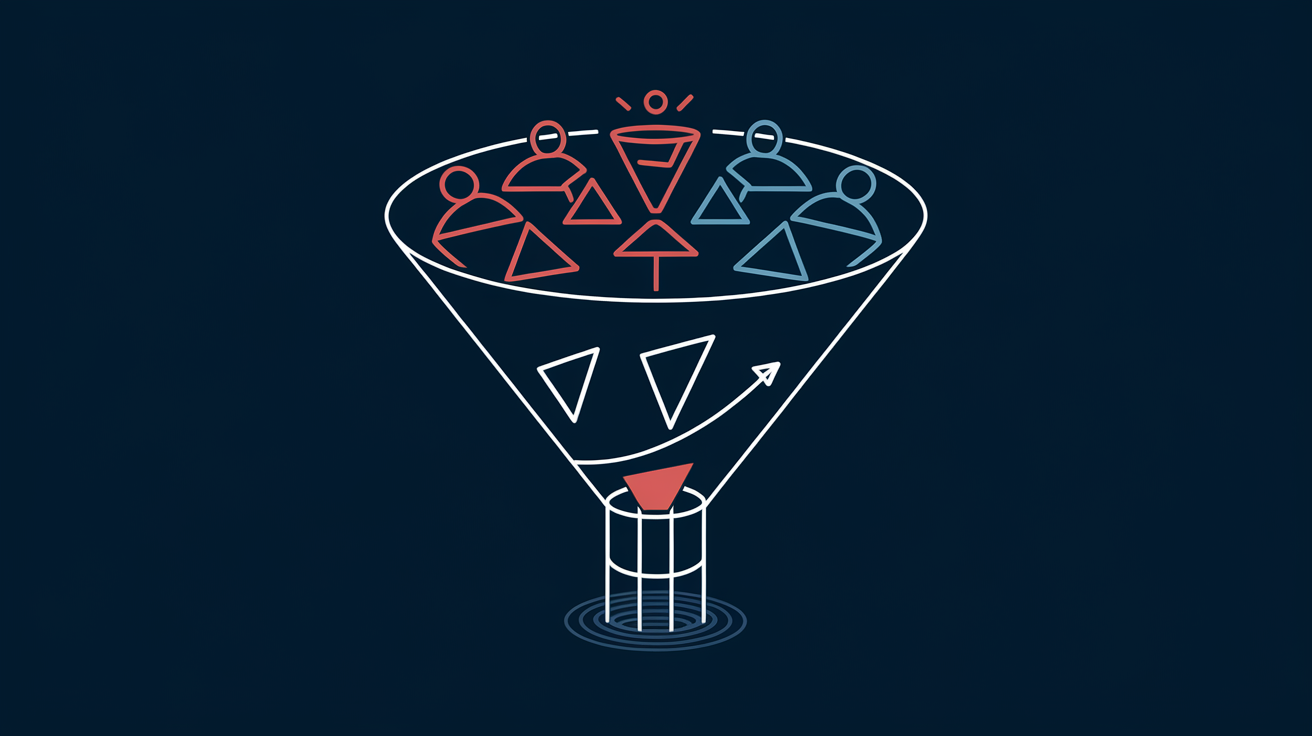
Most B2B SaaS companies don't have a lead generation problem. They have a lead quality problem. The top of the funnel is full - demo requests, MQLs, content downloads - but the pipeline stays thin because the wrong people are converting.
B2B SaaS lead generation done well is about attracting buyers at the right stage, moving them efficiently through the funnel, and handing sales a set of leads that are actually ready to evaluate. That requires more than adding a contact form and running ads. It requires a playbook.
Traditional B2B lead gen focuses on volume: get enough contacts, work the phones, close what sticks. SaaS doesn't work that way. The unit economics - CAC, LTV, payback period - are unforgiving. A high-CAC lead from a low-fit account doesn't just fail to close; it drags down metrics for months.
Three dynamics make SaaS lead generation distinct:
Subscription economics demand fit over volume. A closed deal from a poor-fit company churns in 6 months. The acquisition cost stays on the books; the revenue doesn't.
Trial and freemium create a parallel funnel. Product-qualified leads (PQLs) - users who've hit activation milestones - often convert at 2–5x the rate of marketing-qualified leads, according to OpenView Partners. If you're ignoring PQL data in your lead gen strategy, you're leaving the most reliable signal on the table.
Buying committees are larger than they look. Gartner research shows the average B2B purchase involves 6–10 decision makers. Your lead gen strategy has to reach the economic buyer, the technical evaluator, and the end user - often with different content and messages.
No SaaS company can be excellent at every channel. The most consistent pipeline comes from picking a primary channel and making it work before expanding.
The long game, but the one with the best compounding returns. B2B SaaS companies that invest in content early build a lead generation asset that doesn't stop working when ad spend stops. The key is targeting bottom-of-funnel and middle-of-funnel keywords - comparison pages, "best X for Y" queries, and integration guides - not just top-of-funnel informational content.
A well-executed SaaS SEO strategy targets keywords where the searcher already has a problem and is actively evaluating solutions. Those are the leads worth having.
The fastest path to qualified pipeline for most B2B SaaS companies, and the most expensive. Google Ads for SaaS works best when:
Paid search generates leads; it doesn't generate trust. Lead scoring and nurture sequences bridge the gap between a paid click and a sales-ready conversation.
Outbound isn't dead in SaaS - it's evolved. Cold email and LinkedIn outreach still work at the right ICP fit, with the right message, at the right volume. The modern approach is signal-based outreach: triggering sequences based on behavioral data (website visits, content downloads, G2 profile views) rather than spraying generic sequences at a contact list. Tools like Apollo.io and Clay make signal-based outbound accessible for teams without large SDR headcounts.
Most SaaS companies apply the same urgency to every lead regardless of fit or intent. That burns sales capacity and teaches reps to distrust marketing-generated leads.
A simple two-axis scoring model changes the dynamic: *Low IntentHigh IntentHigh FitNurture aggressivelyRoute to sales immediatelyLow Fit*Do not pass to salesRoute to sales with a flag
Fit scores on firmographic data: company size, industry, tech stack, and existing tooling. Intent scores on behavioral data: pages visited, emails opened, content downloaded, product trial actions.
The thresholds depend on your sales motion. A PLG company with a low-touch model has different routing rules than an enterprise company with a six-month sales cycle. Define the criteria explicitly, document them in your CRM, and revisit them quarterly.
Three gaps that show up repeatedly in B2B SaaS lead funnels:
The mid-funnel vacuum. Most companies have awareness content (blog posts, social) and a bottom-funnel offer (demo, free trial). There's nothing in between to capture leads who are interested but not ready to evaluate. Case studies, ROI calculators, comparison guides, and email sequences fill this gap.
No content for the technical buyer. In SaaS, the technical evaluator often has veto power. Integration documentation, security pages, API references, and architecture guides exist to win their trust - but they rarely appear in a marketing team's content plan. They should.
Weak activation-to-PQL path. If you have a trial or freemium tier, the journey from signup to first meaningful activation is your most important funnel. Track where users drop off and what actions correlate with conversion. Then engineer the product and messaging to get more users to those activation points.
Vanity metrics - site traffic, total leads, email list size - tell you what happened at the top of the funnel. Pipeline metrics tell you whether the funnel is working. MetricWhat It Tells YouMQL-to-SQL rateWhether marketing and sales are aligned on lead qualitySQL-to-opportunity rateWhether sales is qualifying effectivelyPipeline coverage ratioWhether you have enough pipeline to hit revenue targetsCAC by channelWhich acquisition channels are actually efficientPQL conversion rateHow well the product funnel is converting activated users
If you're only tracking traffic and lead volume, you can be wildly off on pipeline quality and not know it for quarters. Add SQL and opportunity conversion to your standard reporting and the picture changes fast.
Consistent B2B SaaS lead generation isn't a one-channel bet. It's a system: ICP clarity at the top, content and paid channels filling the funnel, lead scoring routing the right leads to the right next step, and pipeline metrics keeping the whole system honest.
The companies that get this right early - before Series B - build a compounding advantage. Every piece of content, every scored lead, every closed-won data point makes the model more precise. Start with one channel, get it working, then expand.
If you're still evaluating which marketing partner can help build this system for your stage, the post on choosing the right SaaS marketing agency covers the criteria that matter most for growth-stage companies.


.svg)